What the Weather Here Does to It
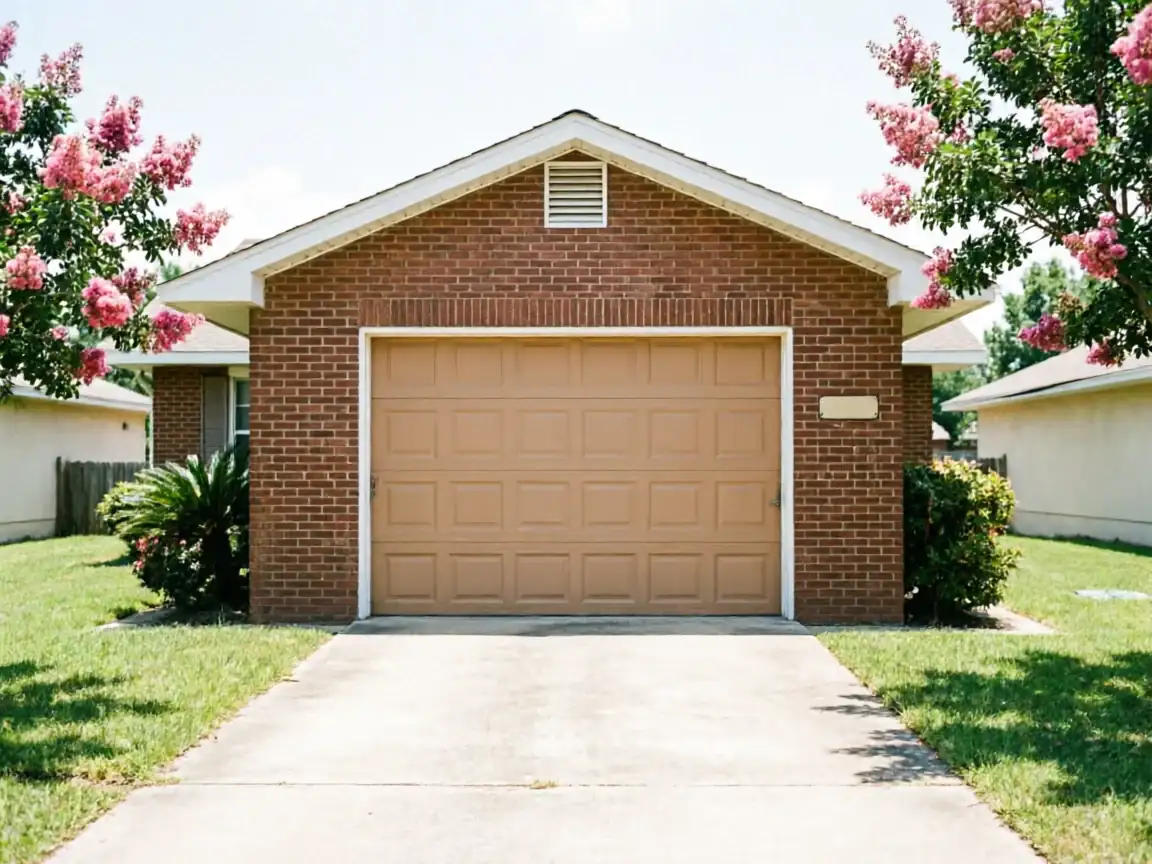
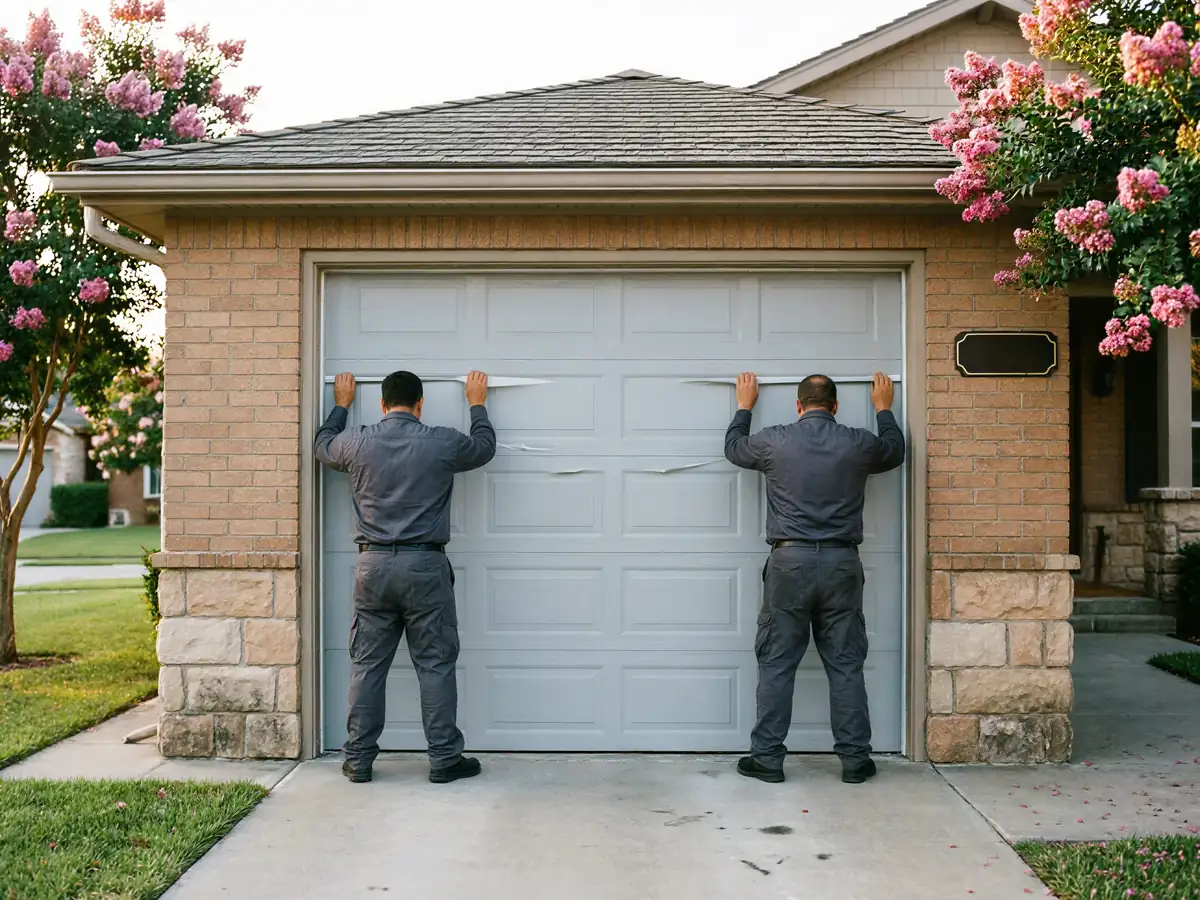
Most of the houses in Enid's older neighborhoods went up between 1956 and 1981, with the median build year sitting around 1972. That means a lot of doors are still running on the torsion hardware and track style that came standard in that era - galvanized springs that have had five decades of cold Oklahoma winters to work-harden and lose tension. Enid sits in a cold-moderate climate band, which doesn't mean brutal arctic cold every winter, but it does mean regular freeze-thaw swings that work metal fatigue into any spring or roller that's already forty-plus years old. Across the five main pockets of 1960s and 70s housing stock in town, the pattern repeats: steel sections that have oxidized at the bottom panel where runoff sits, hinges that have stretched their screw holes, and tracks that were leveled for a slab that has since settled half an inch. None of this is dramatic failure. It's slow wear that shows up as a door that's gotten noisy, or heavier to lift by hand, or that sticks halfway on a cold morning because the spring tension dropped just enough that the opener is doing work it wasn't built for. The freeze-thaw cycle is the real driver here, not any one storm.
Checking It Yourself
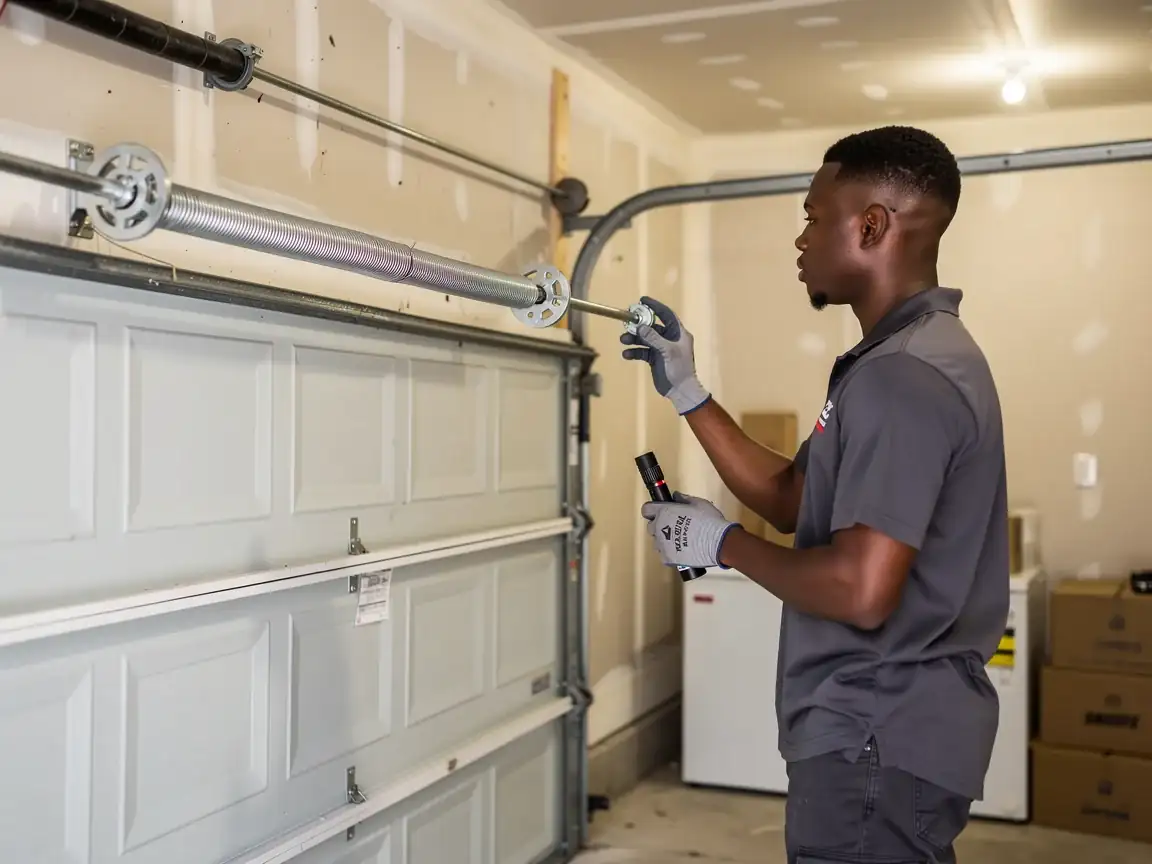
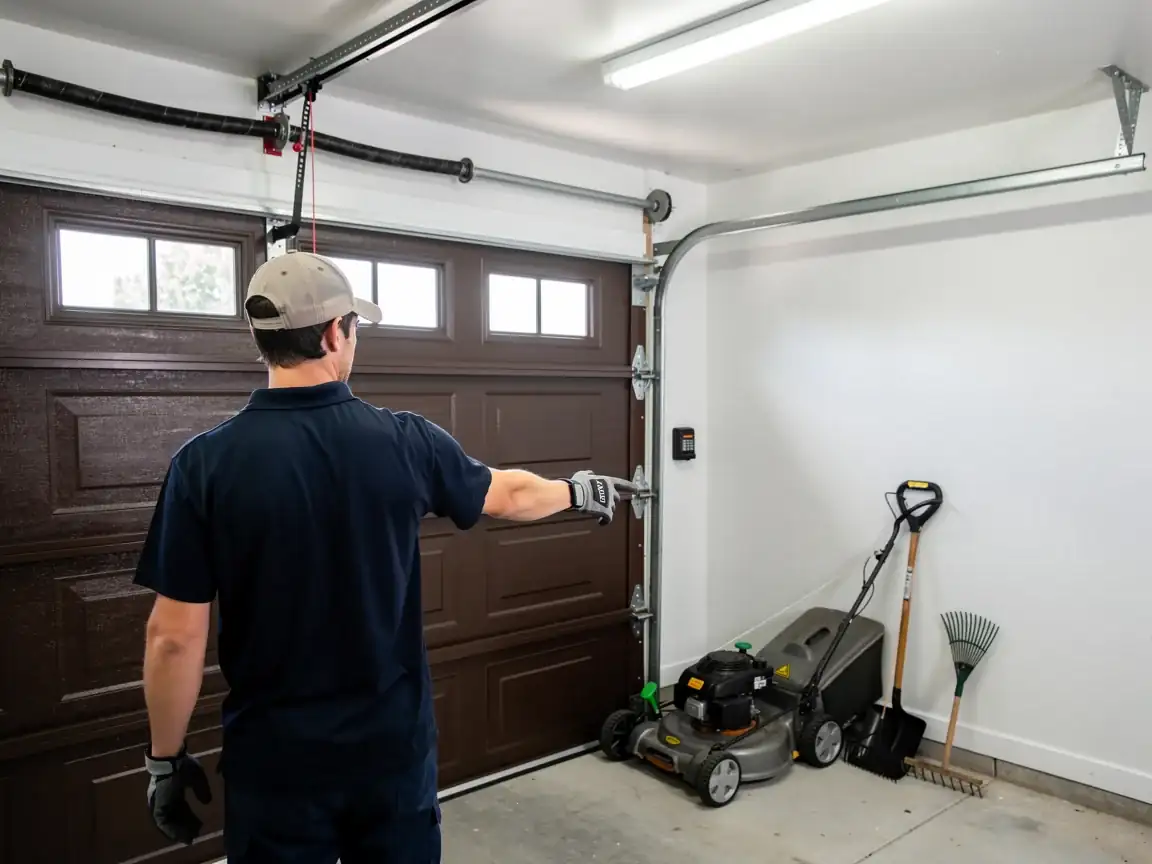
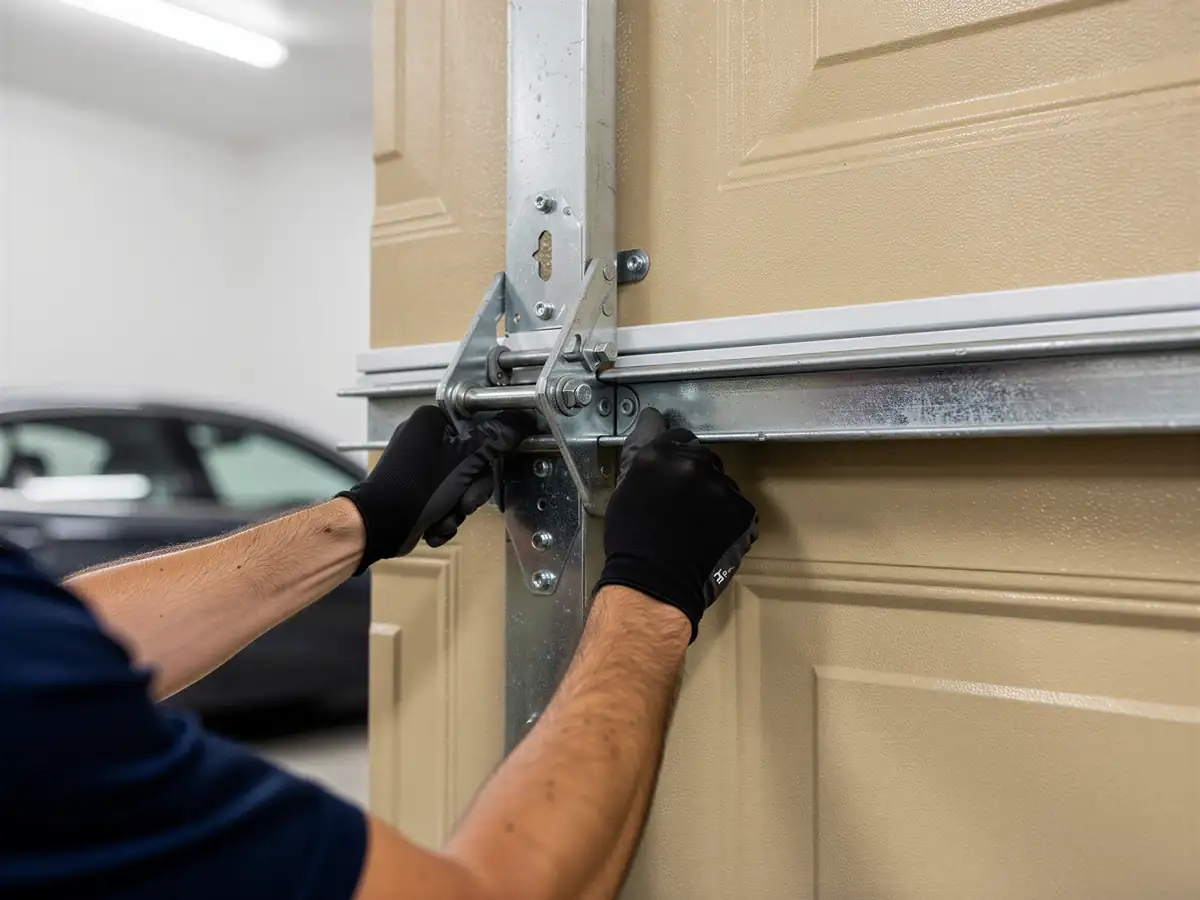
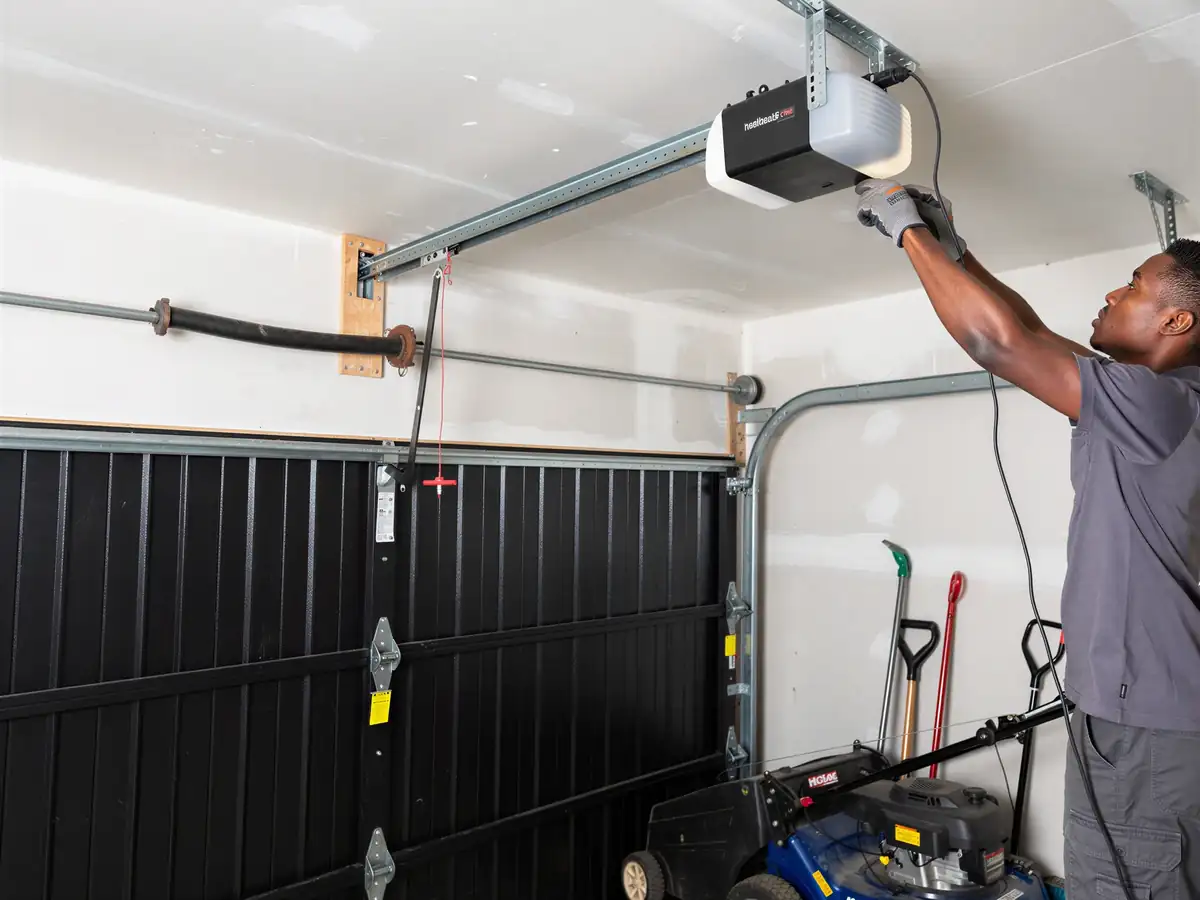
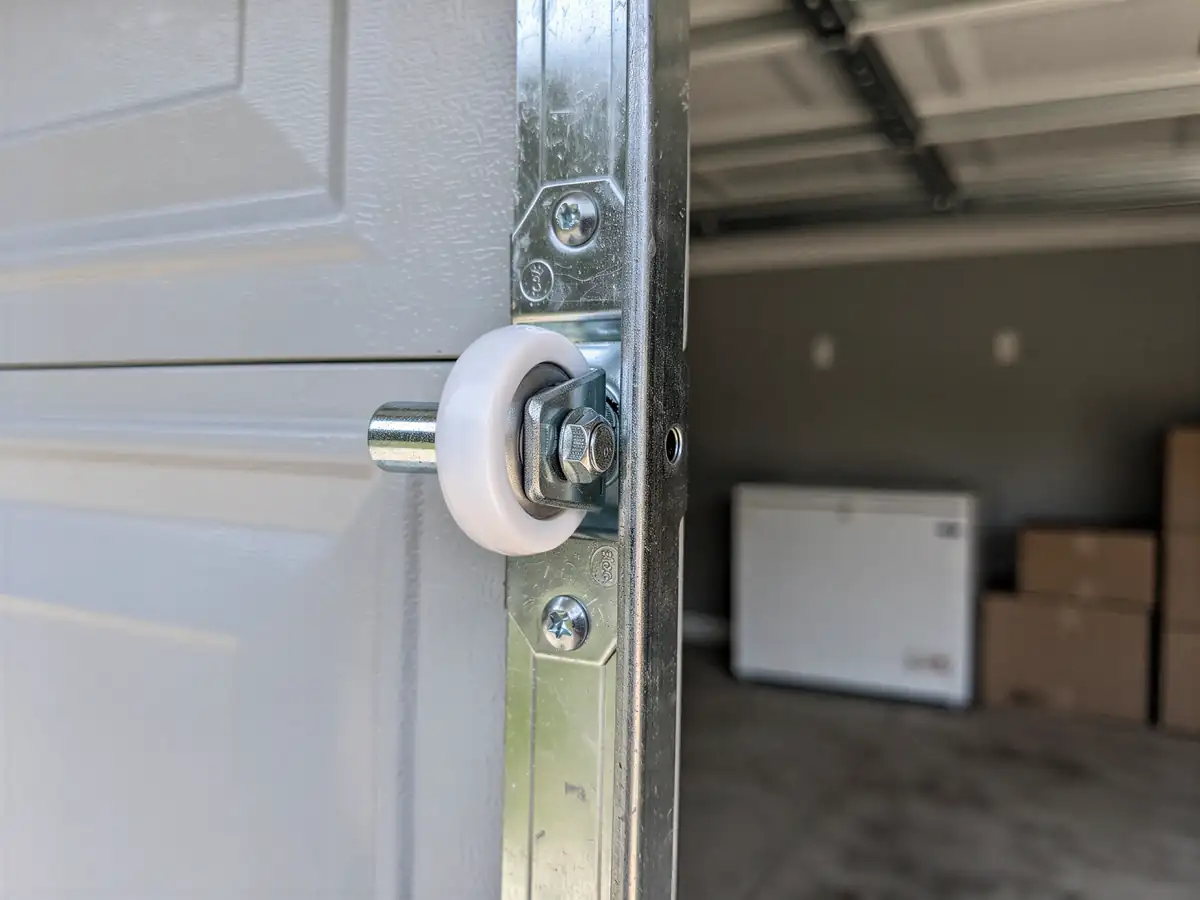
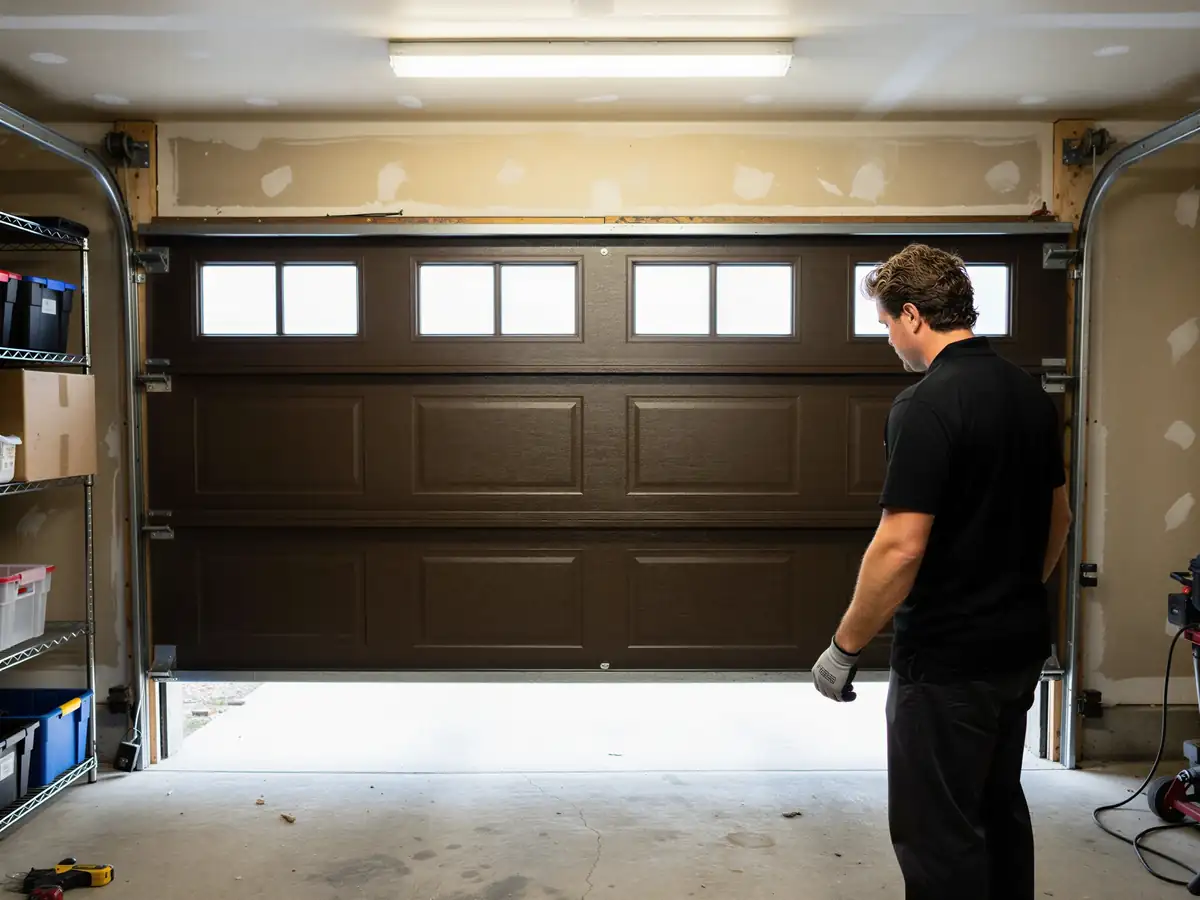
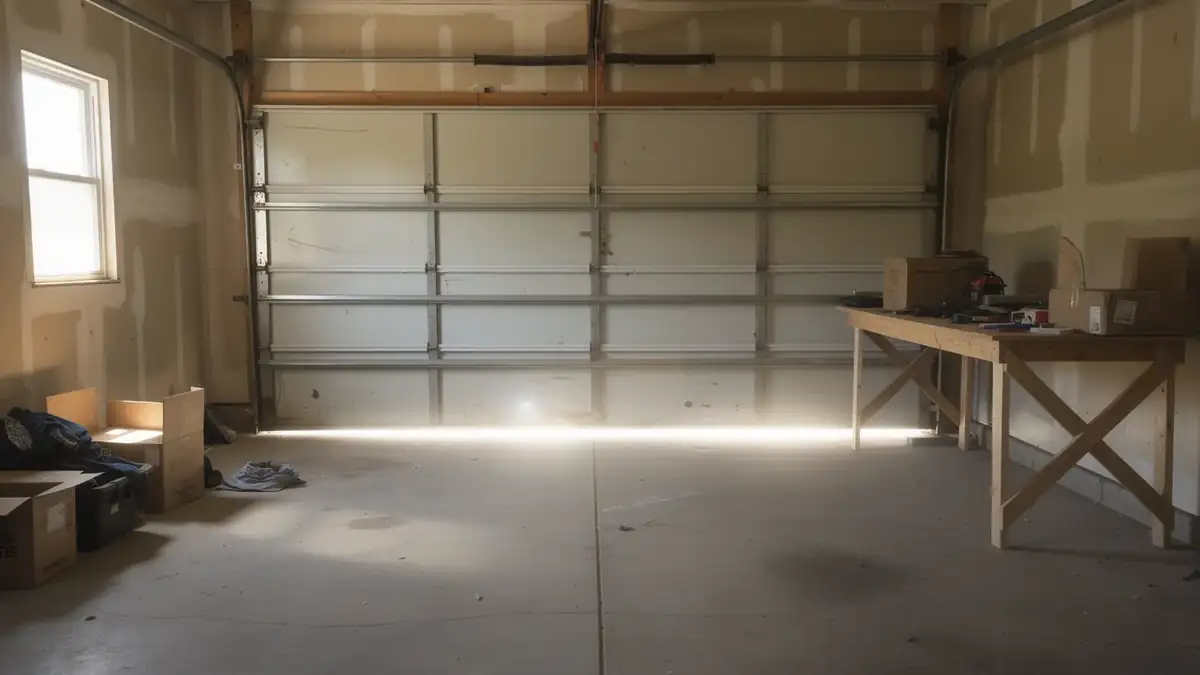
Pull the release handle and lift the door by hand with the opener disconnected. On a door from this era, it should move with one hand and hold position about halfway up - if it drops on its own or you can't lift it without real effort, the torsion spring has lost tension, which is normal by this point in a 50-plus-year-old spring's life. Look at the bottom panel for rust blooming along the seam; a lot of the original steel doors from the 1960s and 70s stock in Enid were never galvanized as heavily as newer sections, so this is the first place moisture damage shows. Check where the track bolts into the jamb - on original installs the wood jamb has often shrunk or shifted with decades of seasonal moisture swings, leaving the track slightly out of plumb. Spin each roller by hand; if it's the original steel roller with no nylon sleeve, it'll be loud and show flat spots. None of this needs tools beyond a flashlight and a ladder. What it won't tell you is spring tension in numbers, or whether a cable is one winding away from snapping - that part takes someone who does this for a living, not a Saturday afternoon.
The Problem
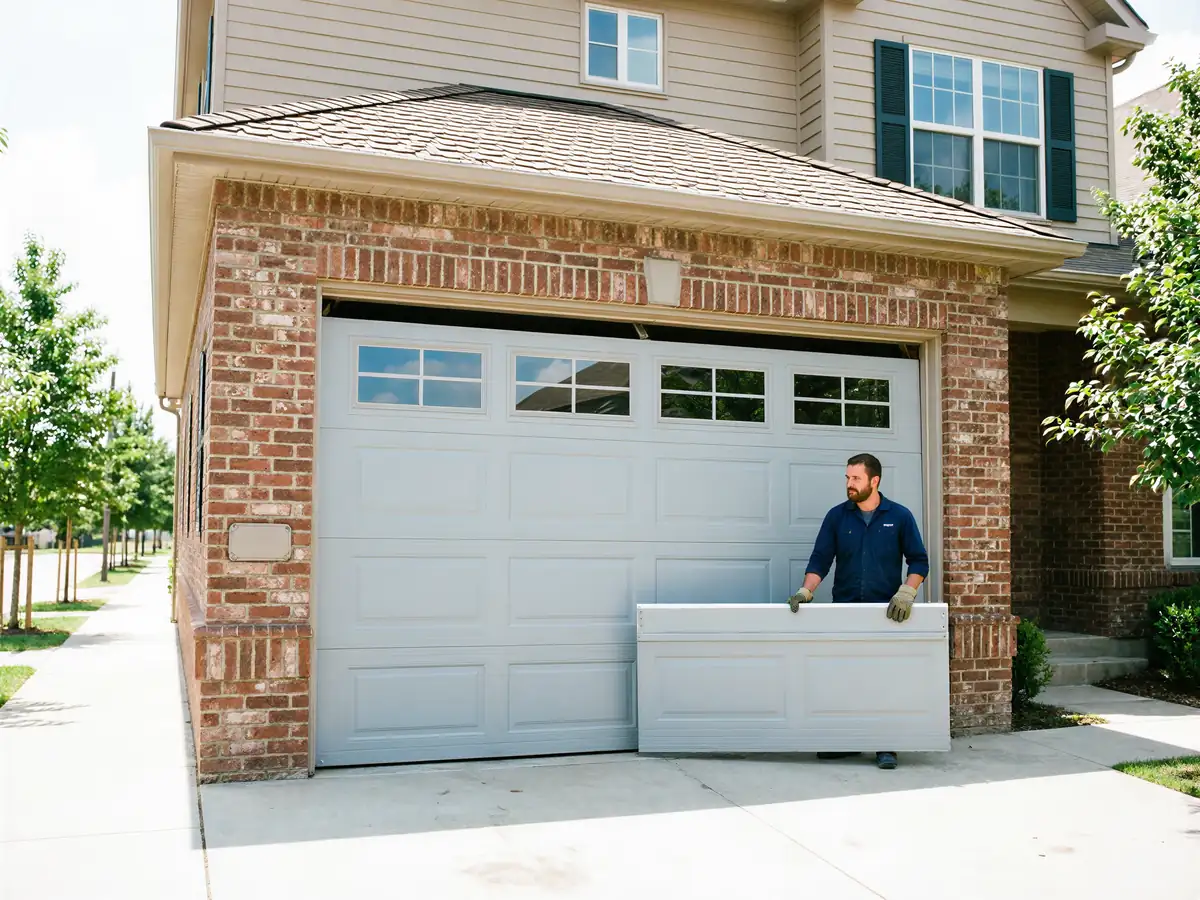
The core issue in Enid isn't bad luck or one bad storm - it's math. With most of the owner-occupied housing stock here dating to 1956-1981, a large share of garage doors, springs, and openers in town are simply past the point where original hardware holds up, and the cold-moderate climate's freeze-thaw cycling has been quietly working on that hardware every winter since. Median household income here is $63,869, which is enough to afford a proper repair but also means most owners want the repair, not a full tear-out, if the door itself is still sound. Of the roughly 1,235 households in the area, most are in owner-occupied houses from that same build era, so this isn't a problem limited to one street - it's the baseline condition of the housing stock. The honest version of the problem is that a lot of these doors look fine from the driveway and are one stuck morning away from a spring letting go or a cable fraying through. There's no fix for that beyond catching it while it's still a tension or rust issue instead of a torn cable or a cracked panel.