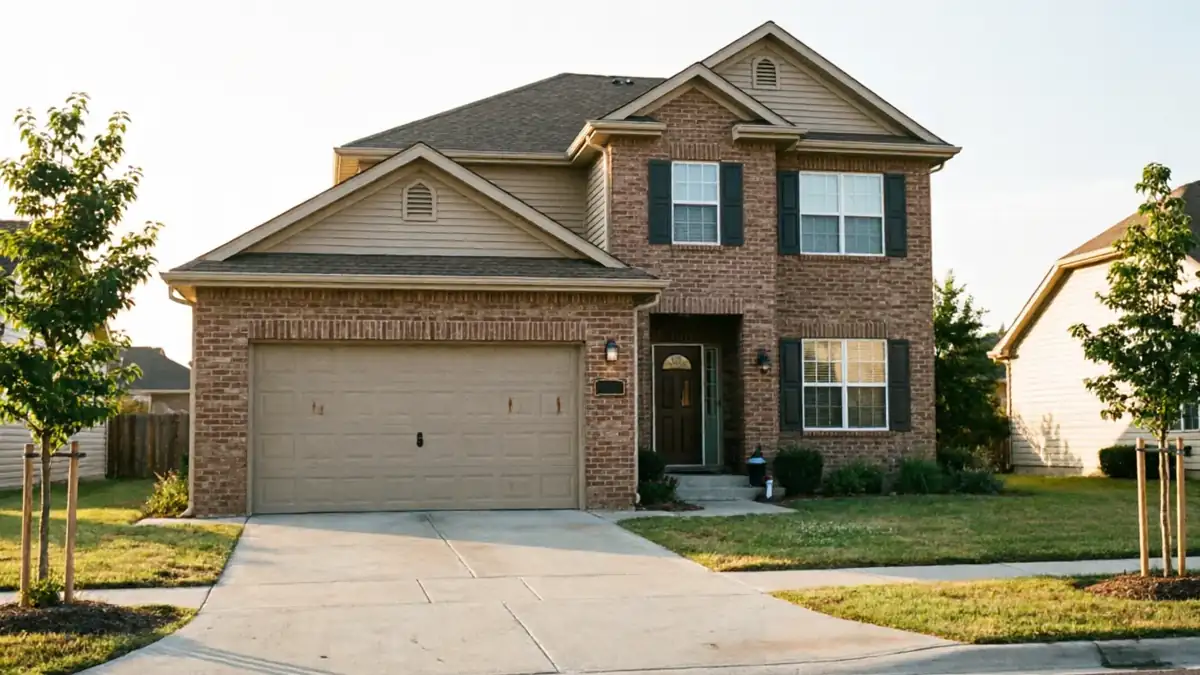
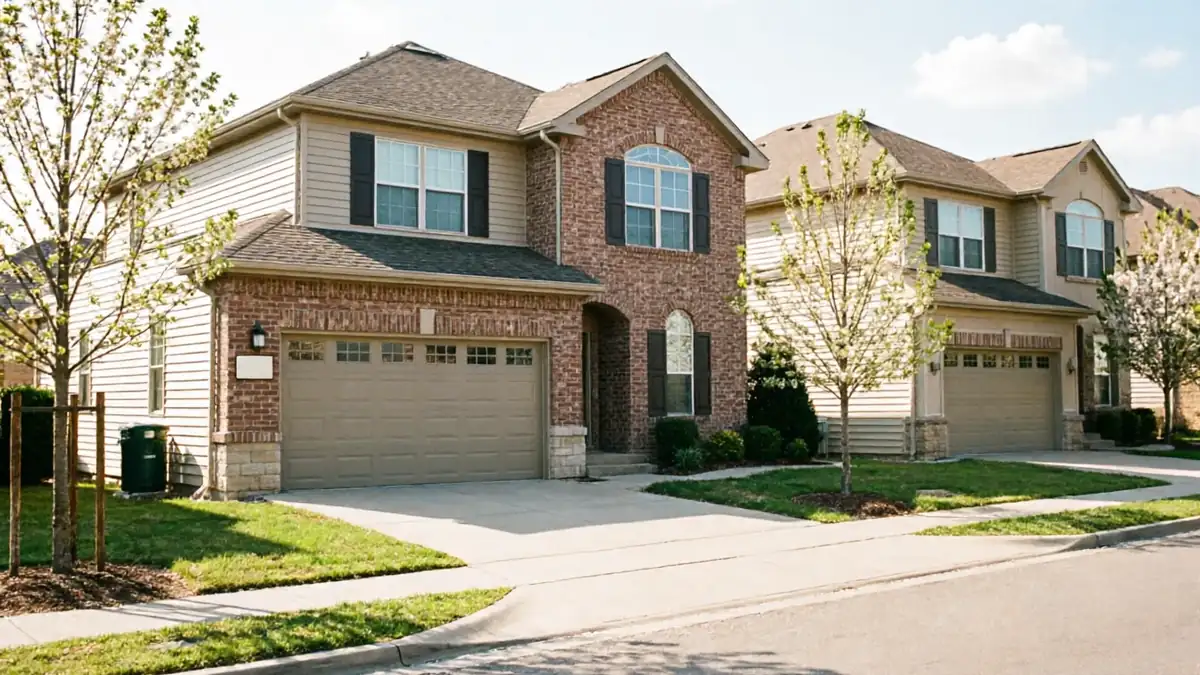
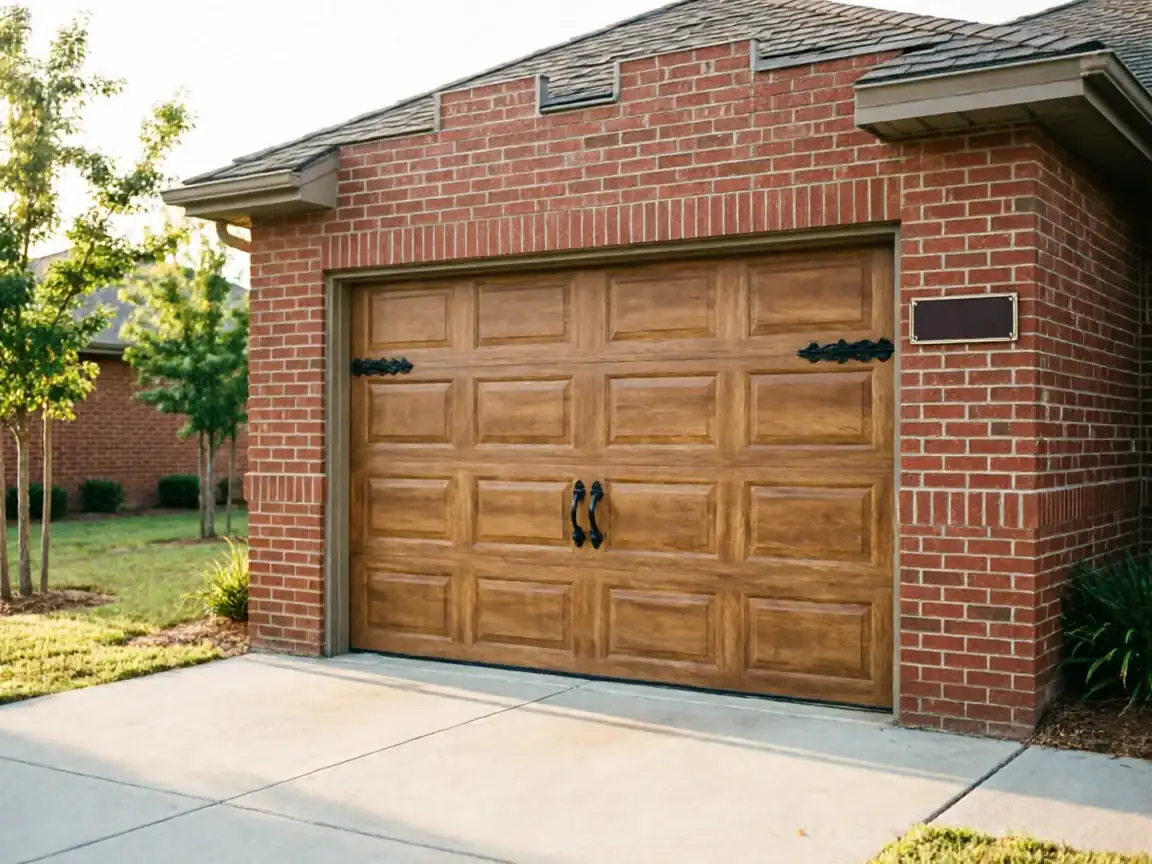
This Area's Housing
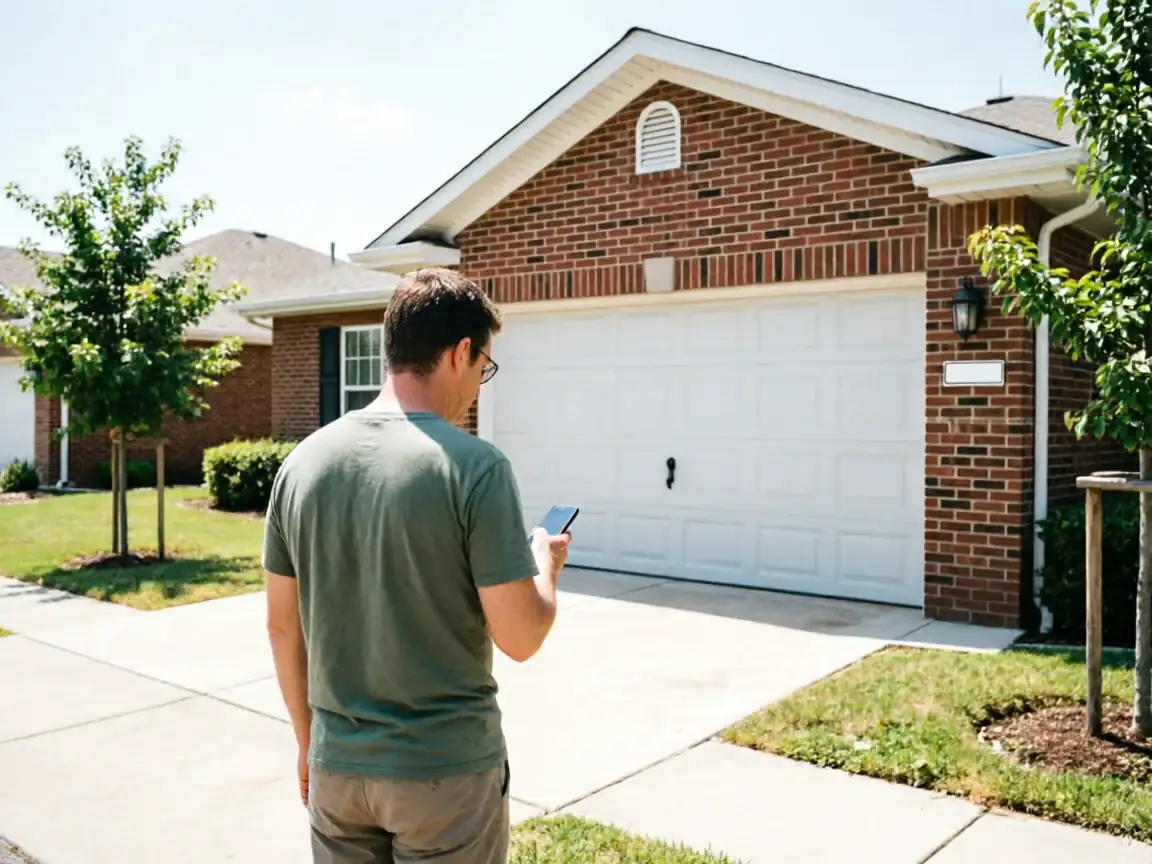
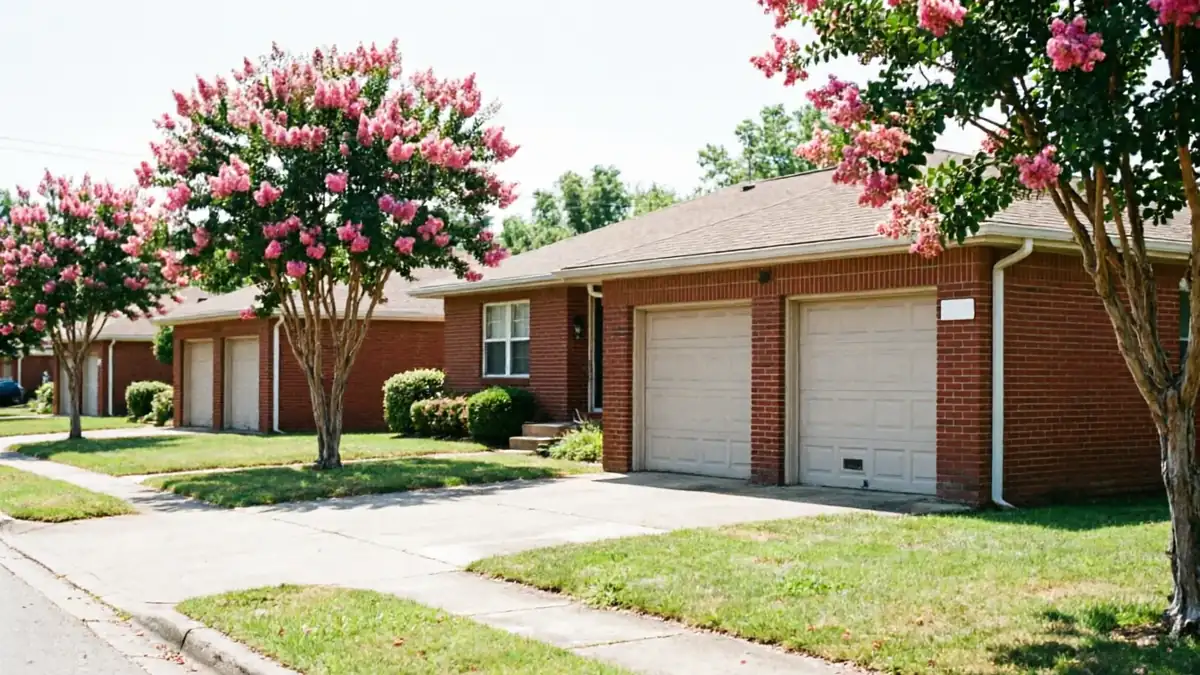
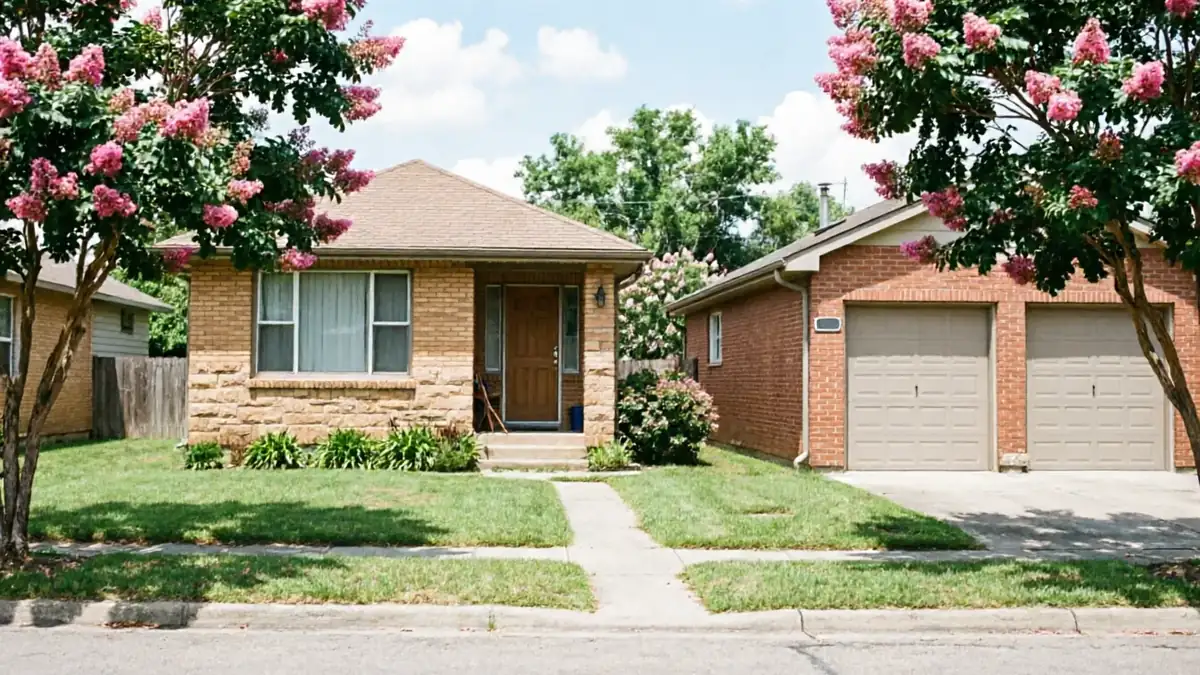
Pond Creek is one of five areas in our coverage zone where most houses went up in the 1960s and 70s, and the local median build year lands at 1972 - right inside the broader 1956-1981 window we see across the service area. That's older building stock, and it shows up in the garage.
The town has 304 households, a fraction of the 1,235 households spread across our whole coverage area. Median household income here runs $60,208, lower than the $63,869 figure for the wider area. Smaller tax base, older housing, less turnover - all of that means fewer homes here have been through a full garage door replacement. A lot of what we find is original or close to it.
We drive out from Enid, about 18 miles each way, to work on these doors. That's farther than the trip to Waukomis or Kremlin, and it's worth knowing up front because it affects how we schedule the day - we're not parked around the corner.
What We Do Not Do
We don't have a shop or depot in Pond Creek. Every job here starts with a drive from Enid, which means we're not the crew to call for a same-day fix on a door that's barely hanging on unless you catch us early in the route. We say that plainly because a lot of outfits dodge it.
We also don't stock every obsolete spring size or bracket pattern that a 1960s or 70s door might need. Houses built in that window sometimes used hardware nobody manufactures anymore, and if your door needs an odd-length torsion spring or a track width that's not common today, we may need to order the part before we can finish the job - that's a lead time issue, not a skill issue.
And we don't push replacement when a repair holds up. If your door is from 1972 and the track and springs are sound, we'd rather fix the opener or swap a cable than sell you a new door you don't need yet.
What That Means for Doors
A house built anywhere from 1956 to 1981
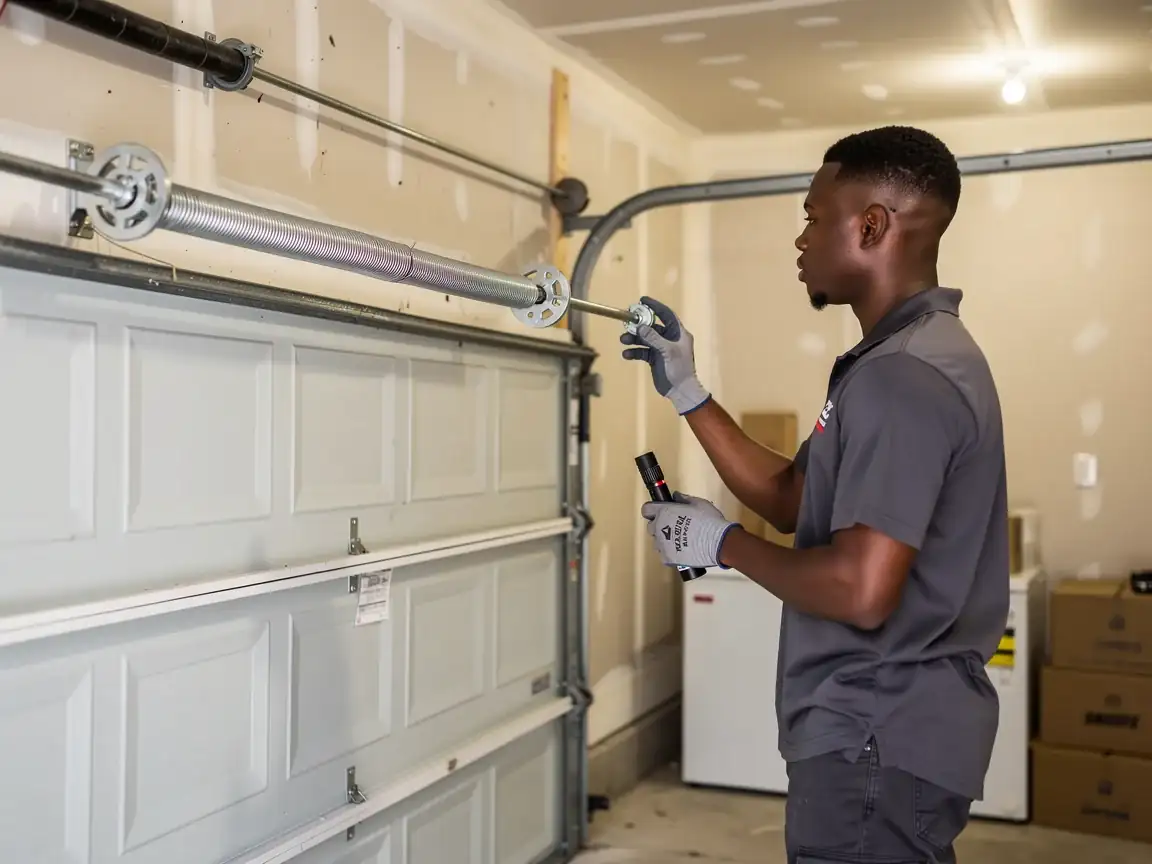
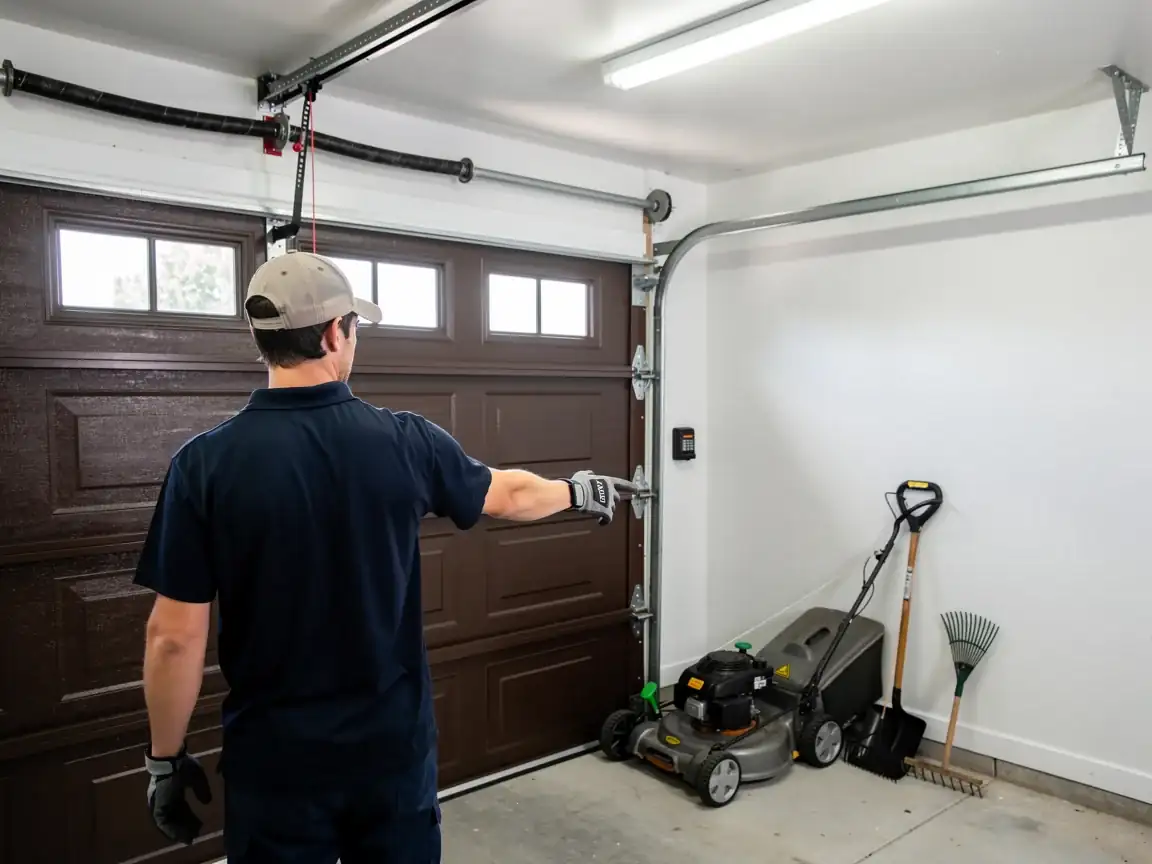
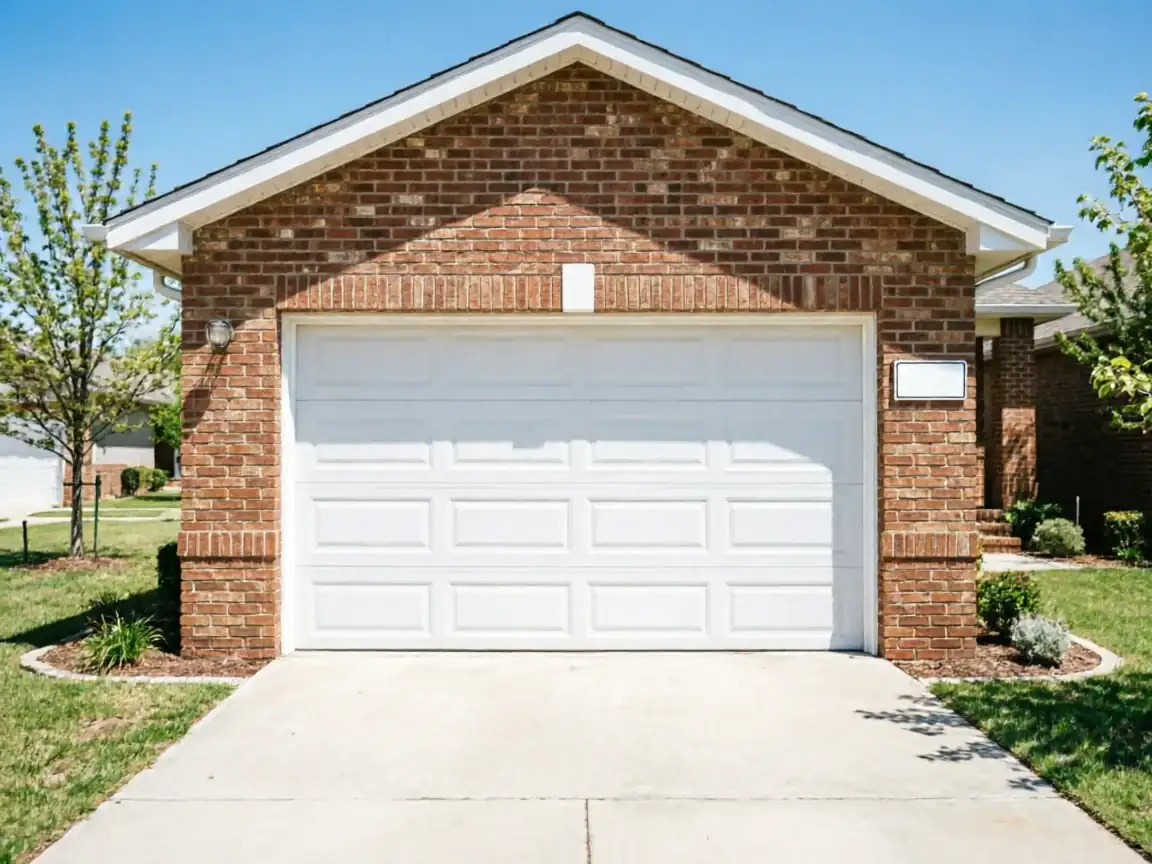
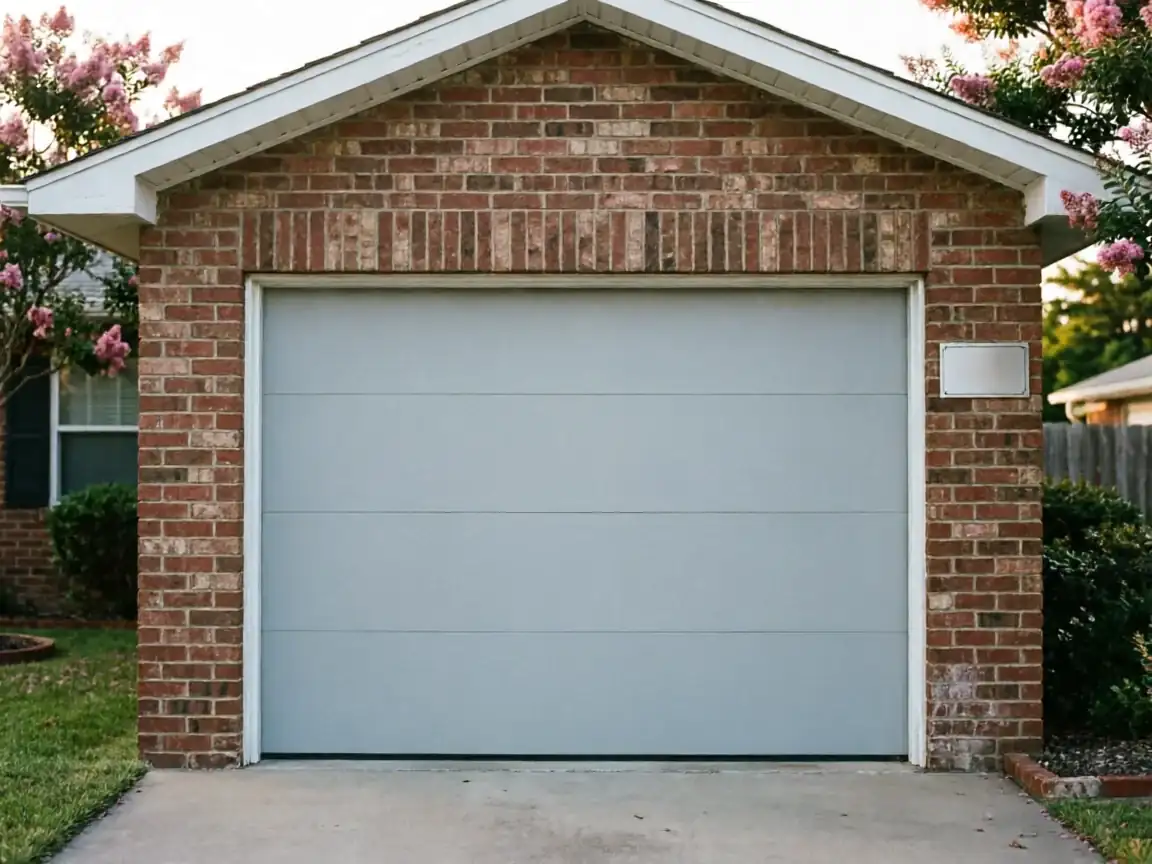
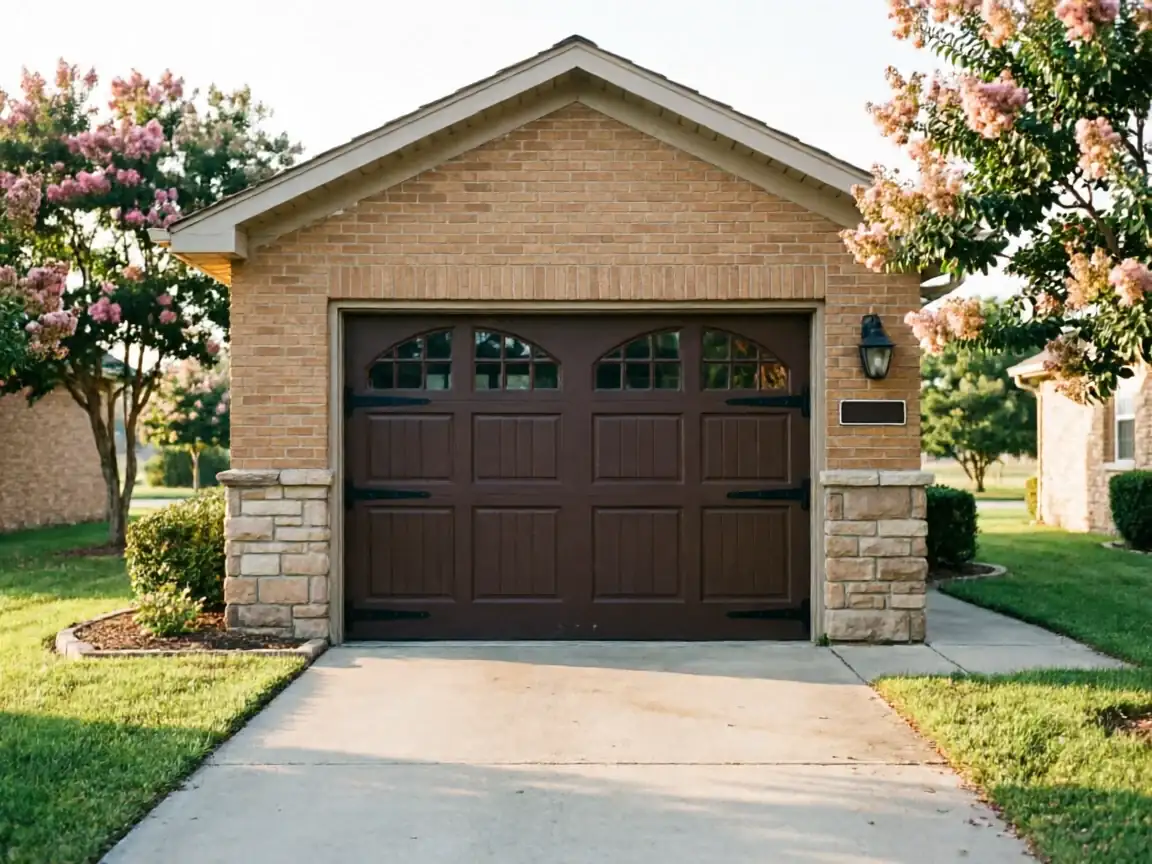
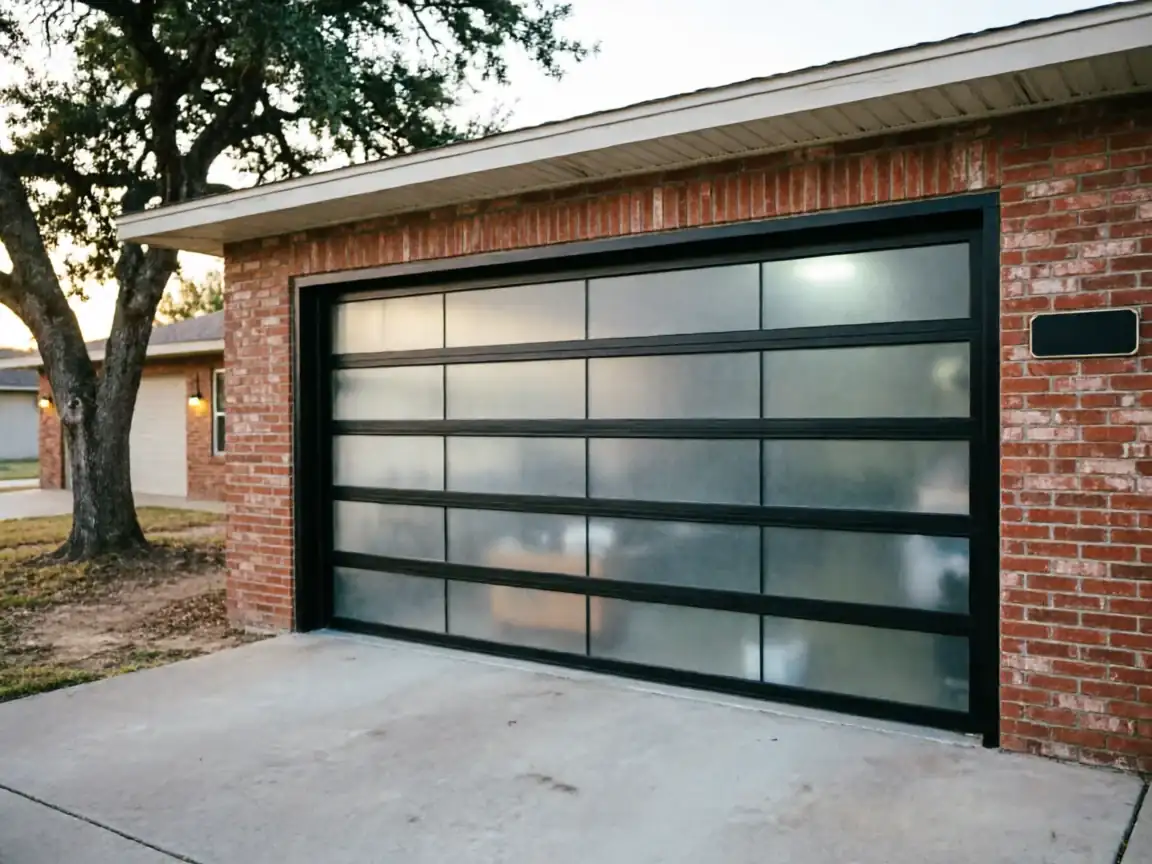
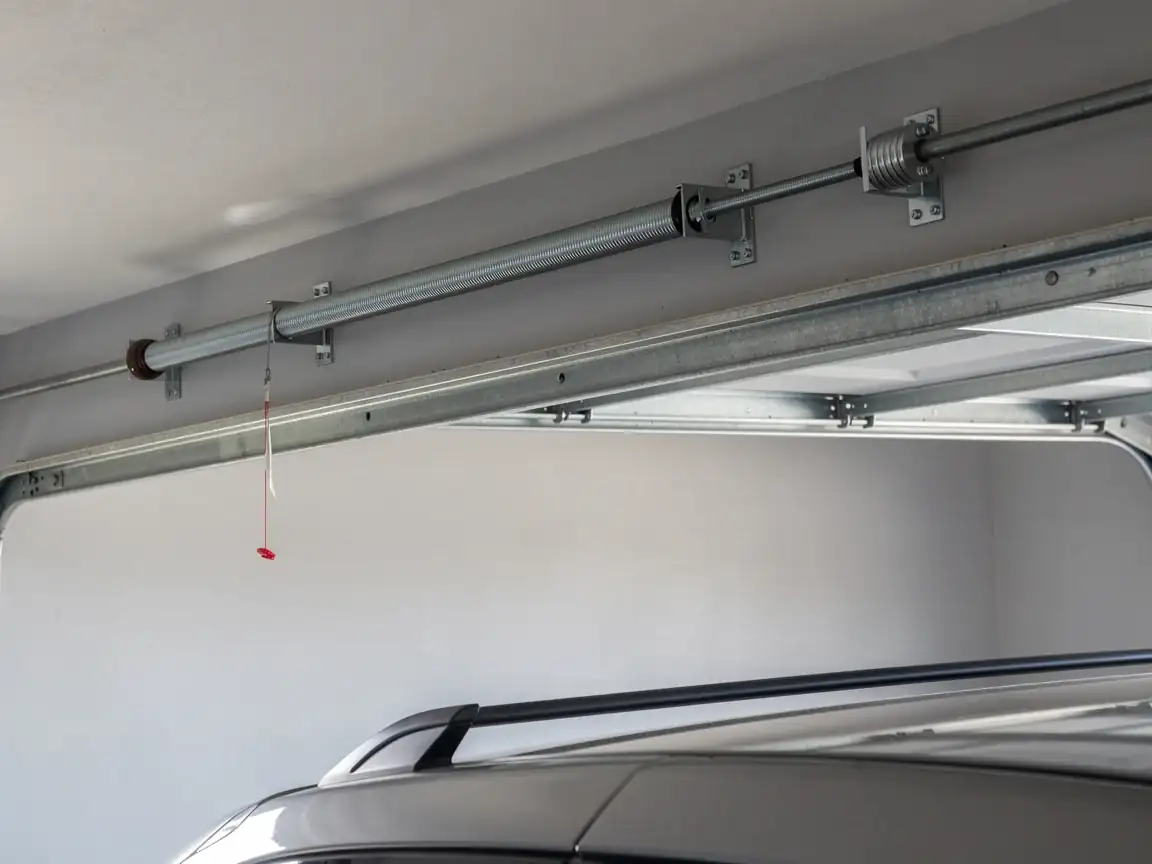
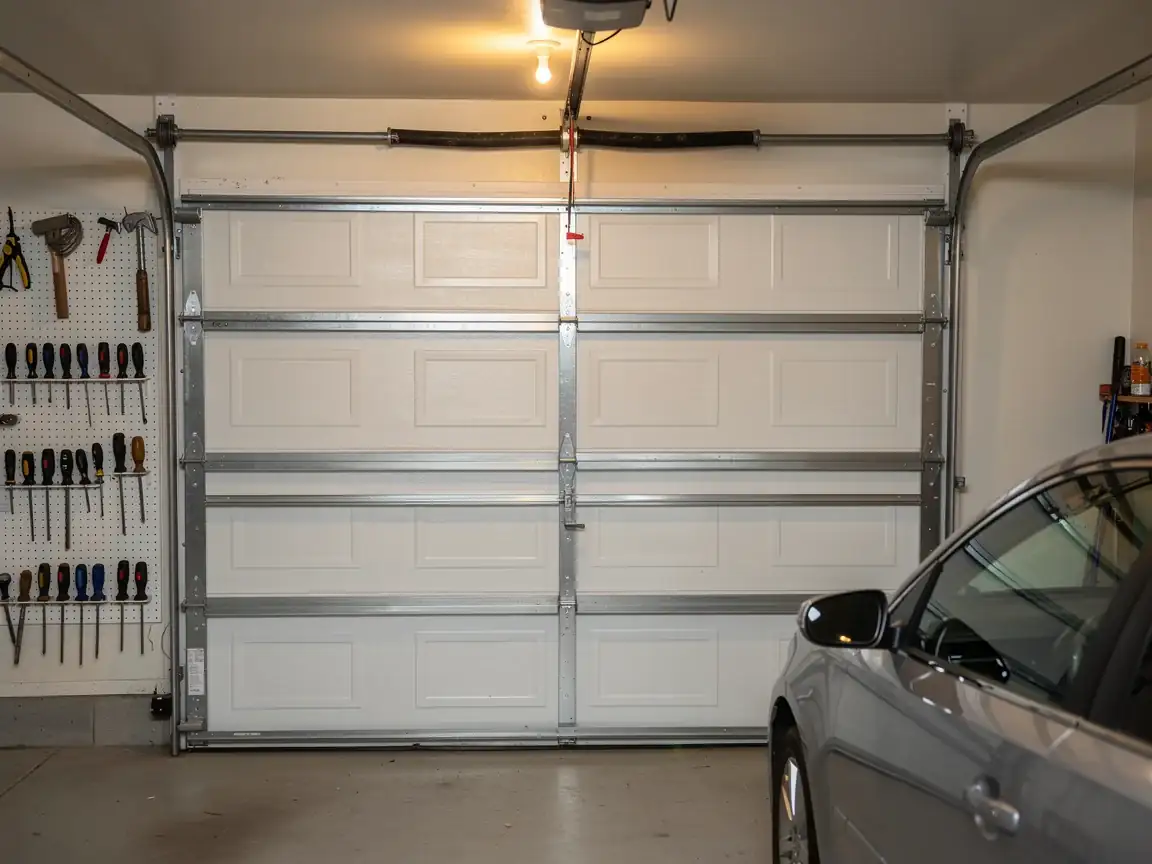
Which covers most of Pond Creek - was likely fitted with either an early steel sectional door or, on the older end, a one-piece tilt-up door riding on side-mounted torsion hardware instead of the overhead torsion bar you'd find on anything built in the last twenty years. That hardware behaves differently under load and it ages differently too.
Side-mounted springs lose tension in a way that's harder to spot from the outside
And the cable drums on these older setups aren't always compatible with the standard rollers and brackets sold today. We end up adapting parts more often on these jobs than on a newer build.
The cold moderate climate band this area sits in also matters here
Steel springs and cables get stiffer and more prone to snapping in a hard freeze, and that risk is the same whether the door is from 1965 or last year - but a 60-year-old spring that's already fatigued has a lot less margin left before a cold snap finishes it off.
Old Streets and New Ones
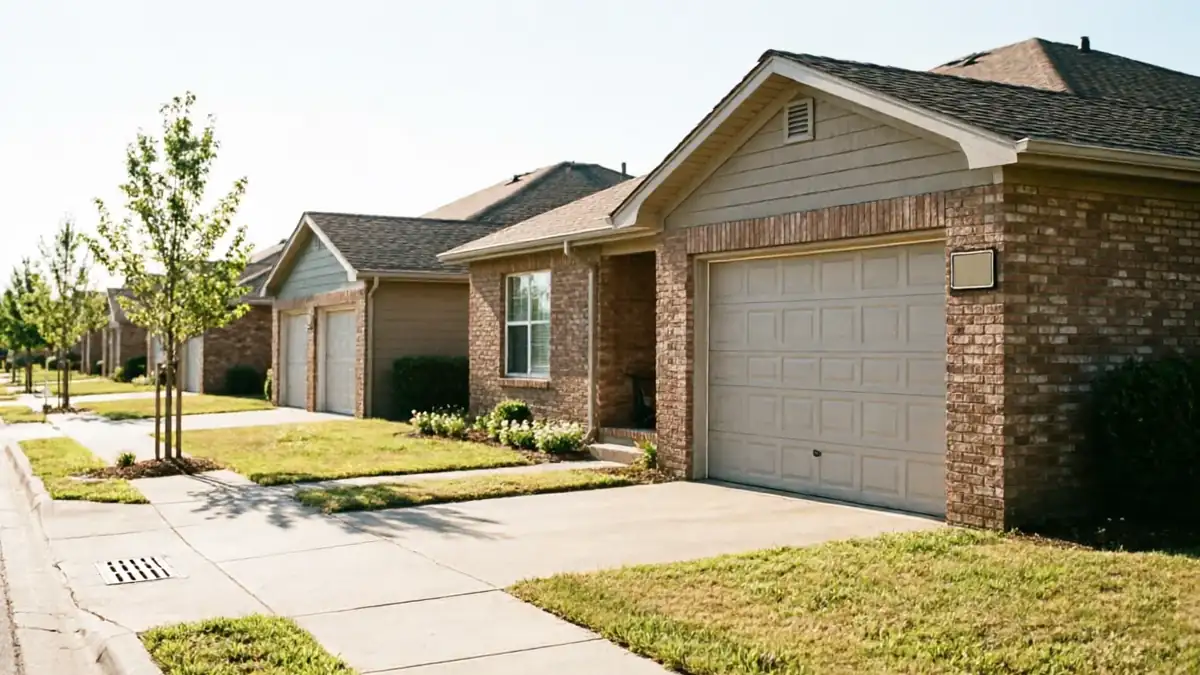
Pond Creek didn't grow the way some towns near Enid did. With only 304 households, there hasn't been much new construction to dilute the older stock, so the 1960s and 70s houses that make up most of the town are still the dominant thing we see on a service call here, not a minority.
That consistency actually makes the work more predictable in one sense - we know roughly what we're walking into before we unload the truck. But it also means the parts problem we mentioned earlier doesn't go away; it's the norm here, not the exception.
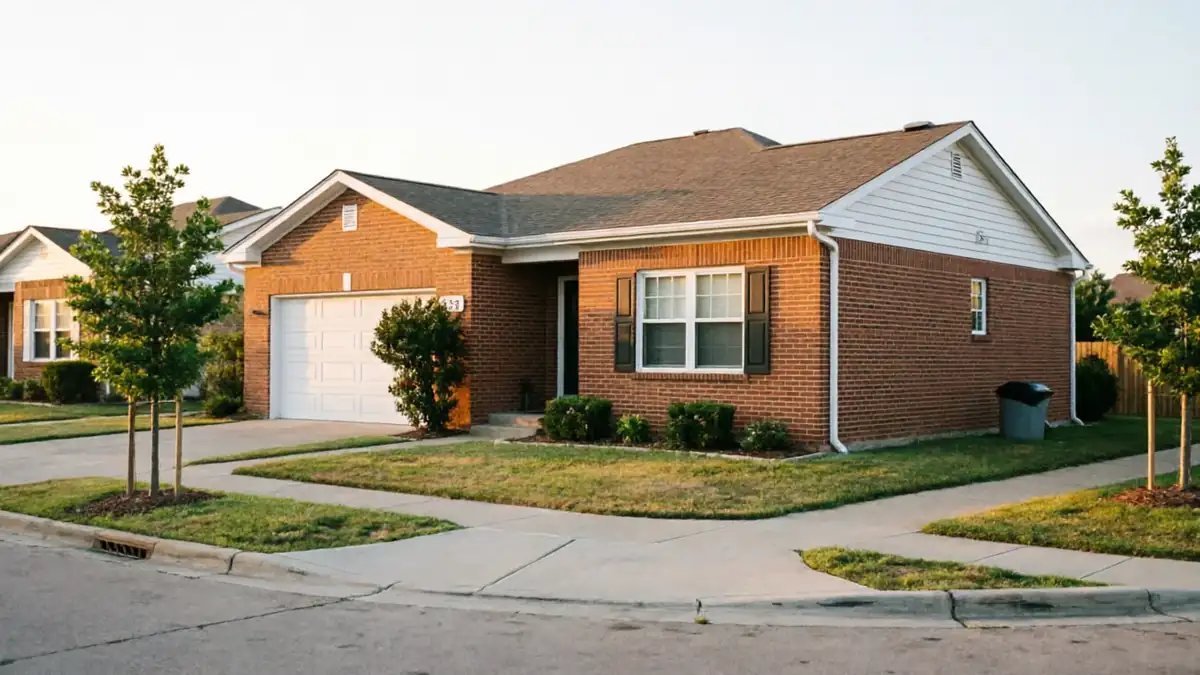
Whatever infill or newer building has happened sits alongside that older stock rather than replacing it, and the cold moderate climate treats both the same way - it doesn't care how old the door is when the temperature drops fast. The difference between an old door and a new one on a cold morning is mostly how much life is already used up in the spring, not how the weather hits it.