What the Weather Here Does to It
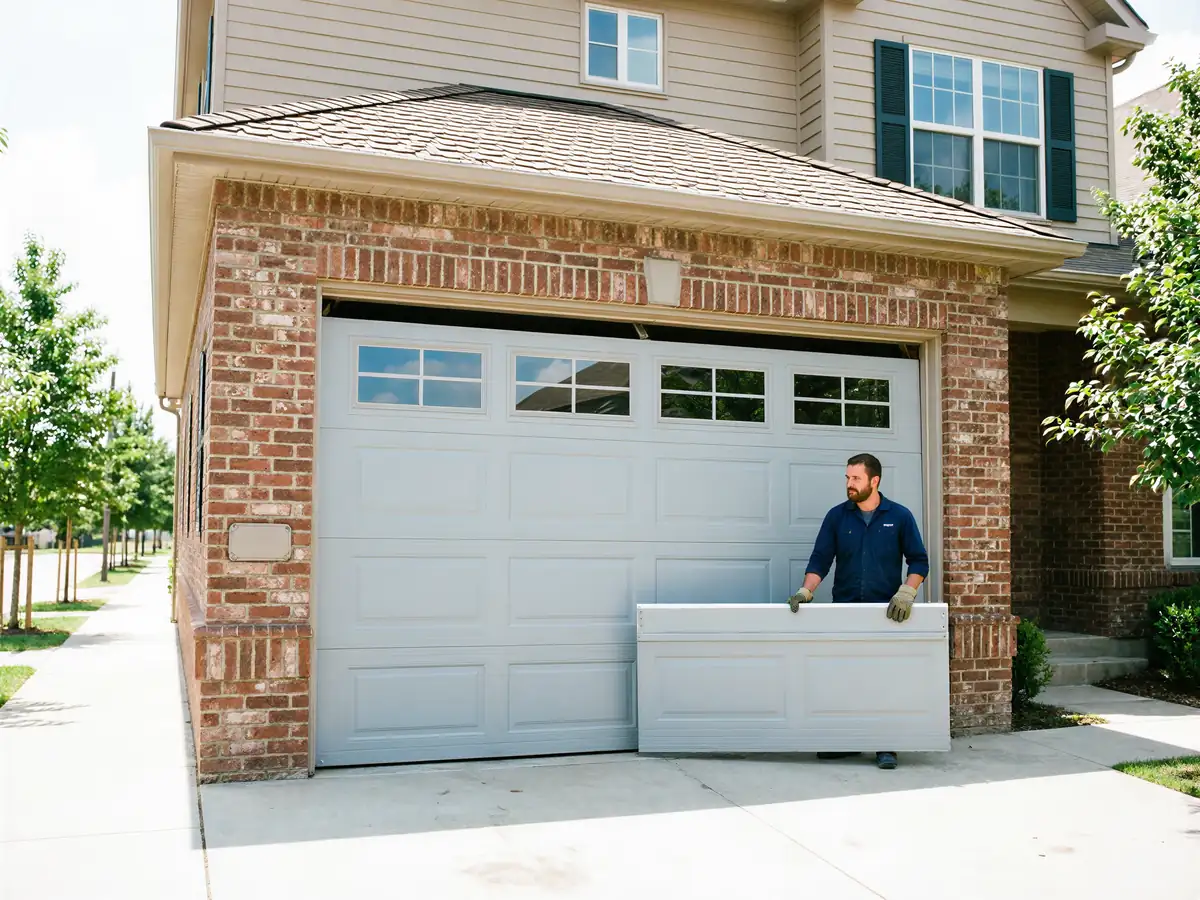
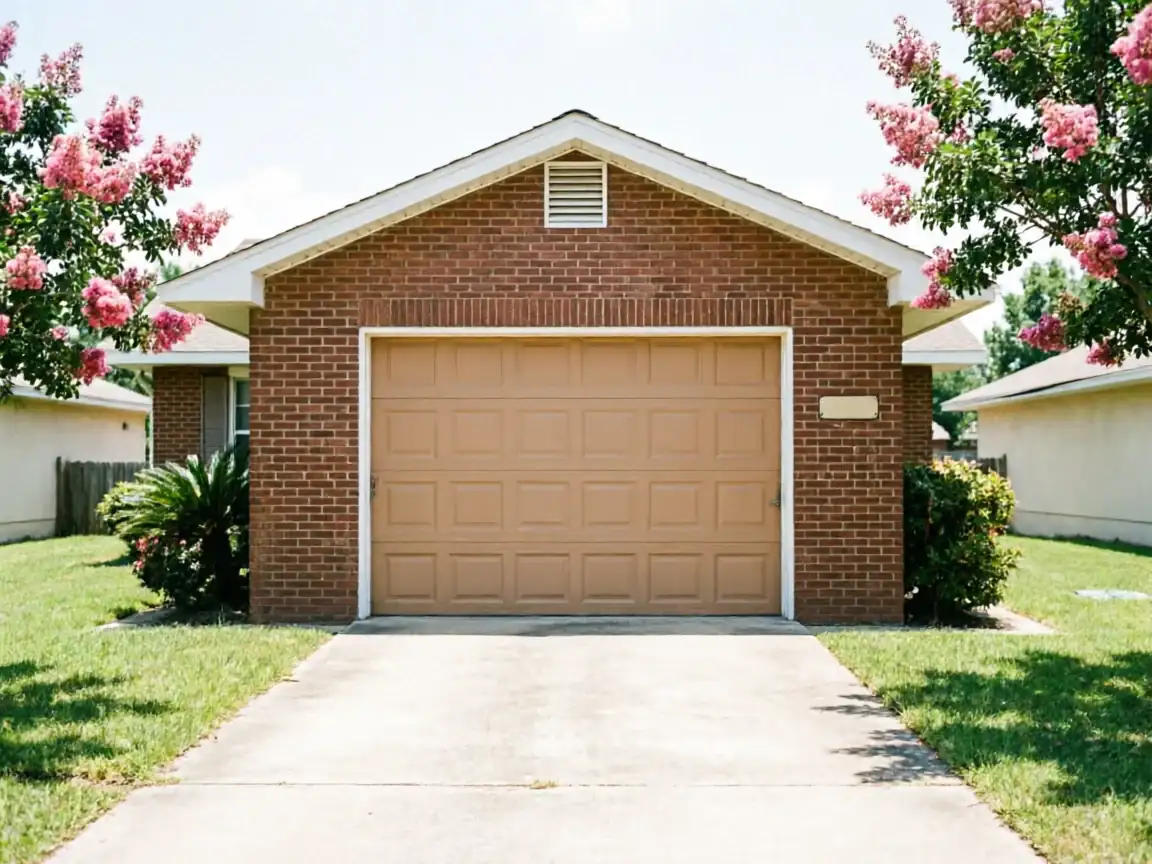
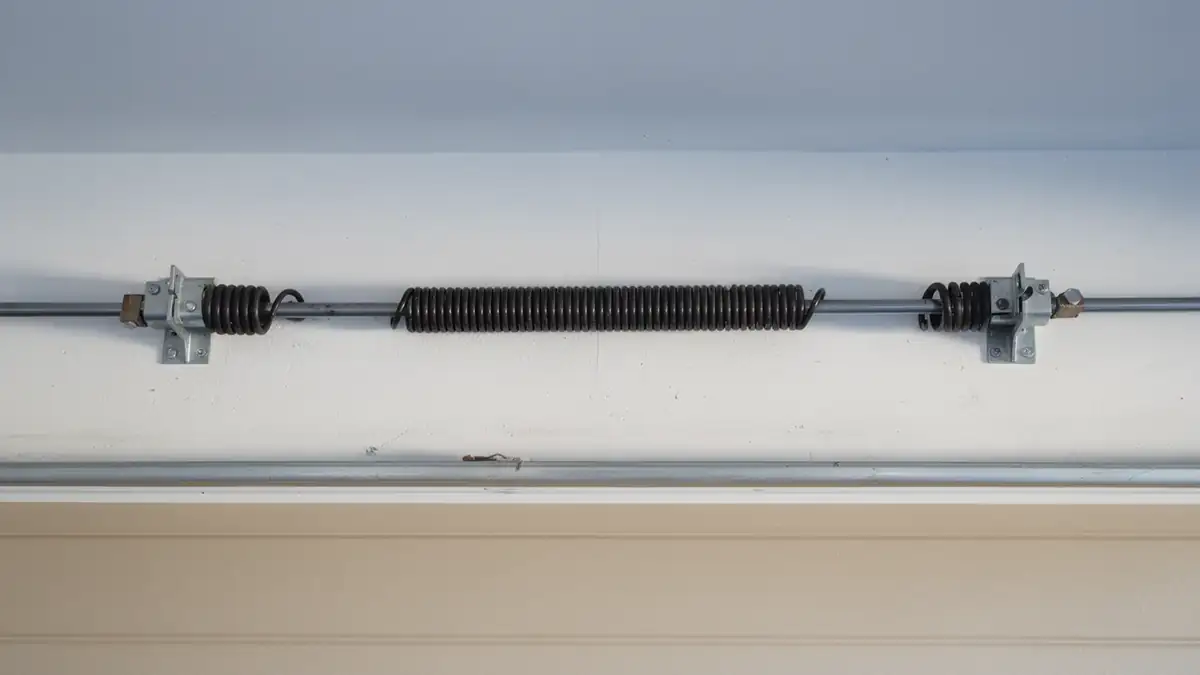
A lot of what we see on service calls traces back to one thing: the bulk of houses in this area went up between 1956 and 1981, with the median landing around 1972. That's a door and track system now pushing fifty-plus years of age in a lot of cases, even if the panels themselves have been swapped once or twice. Enid sits in a moderate-cold climate band, which means real temperature swings through the winter - not the brutal cold of the northern plains, but enough freeze-thaw cycling to matter. Steel contracts in the cold. Torsion springs lose a little tension. Lubricant that was fine in August turns to sludge in January and makes the opener work harder than it should. On a door from the 1960s or 70s stock common across this area, the hardware wasn't built with today's synthetic lubricants or galvanized cable in mind, so the cold exposes weak points faster than it would on a newer system. That's when a spring goes in cold weather - not because the spring is new and defective, but because it's been cycling for decades and the cold is the last straw.
Checking It Yourself
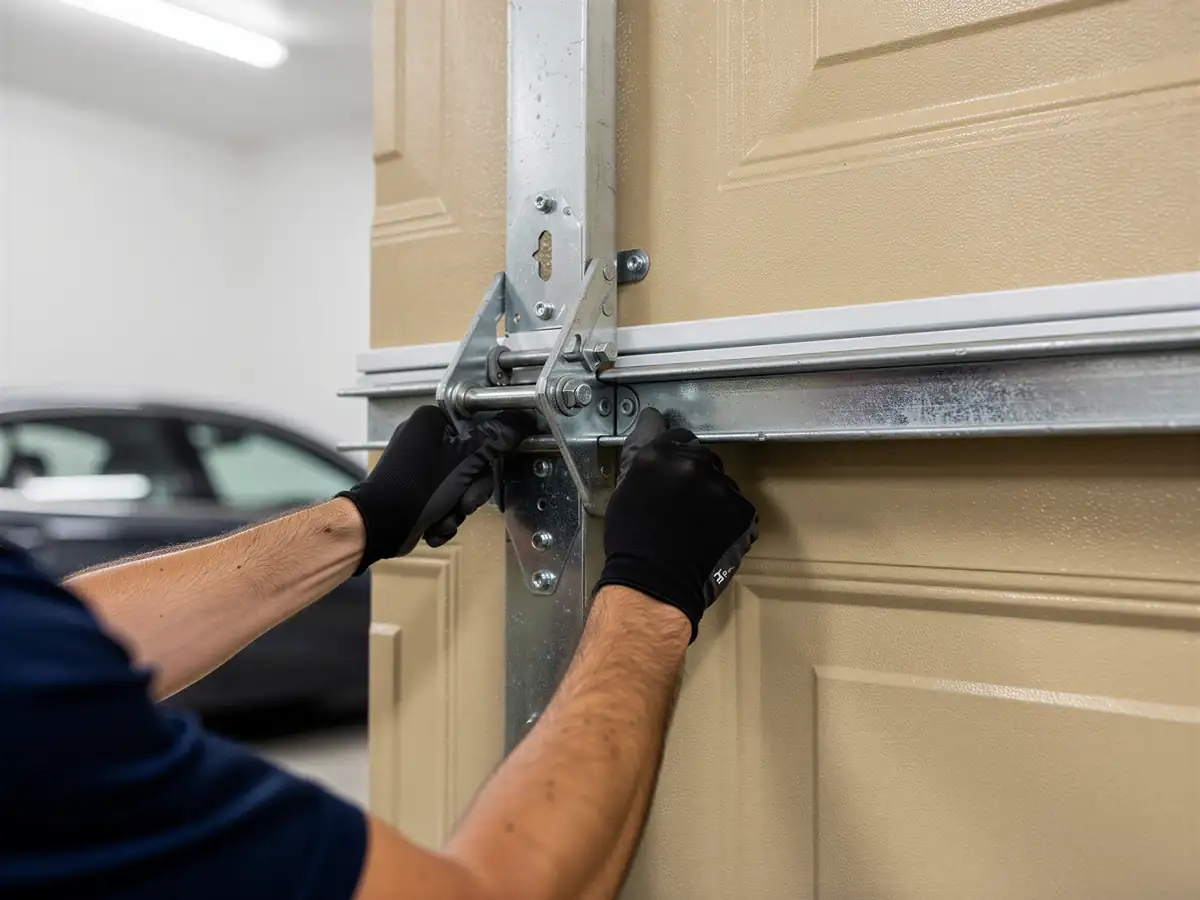
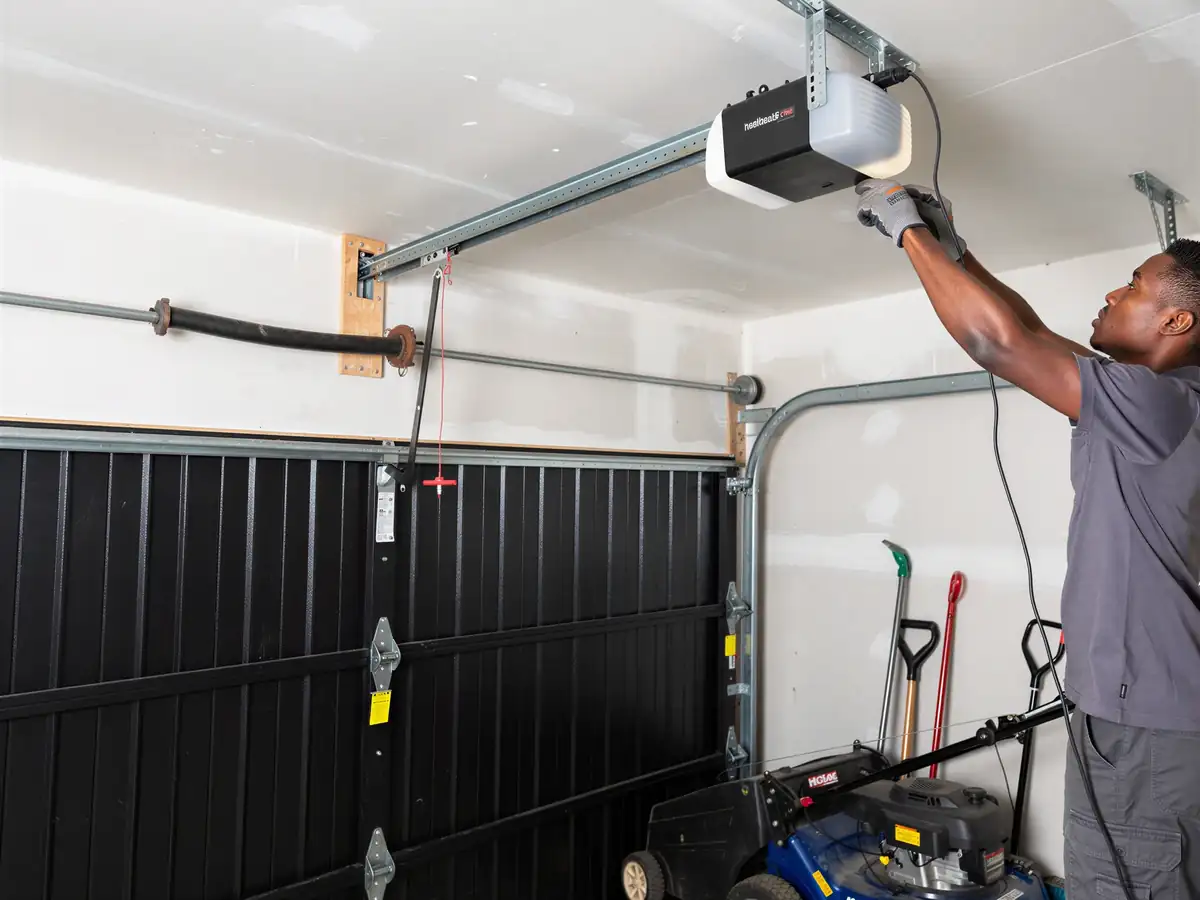
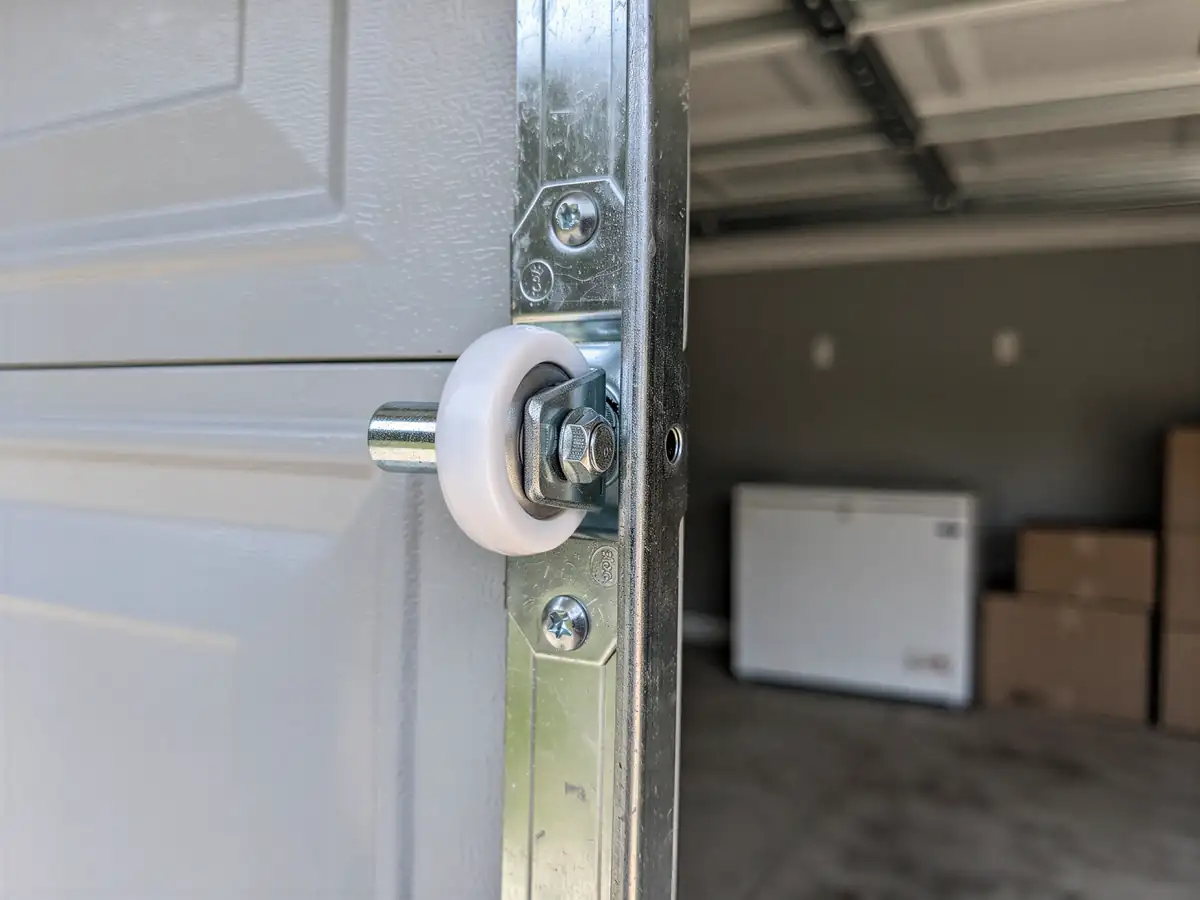
Before you call anyone, look at a few things. Pull the release handle with the door closed and try to lift it by hand - it should move with one hand and hold position about halfway up. If it drops or won't budge, that's spring tension, not something to force. Check the tracks for ice or frost buildup where they meet the wall brackets; on older houses in this area, those brackets are original and the mounting holes have loosened over the years. Listen for a grinding or popping sound on the first cold-morning cycle - that's usually a roller, not the opener motor, and rollers are cheap to replace. Look at the bottom weatherseal too. On a house built in the 1960s or 70s, the original seal track is often narrower than what's sold today, so a universal replacement from a hardware store may not seat right. If you're not sure what you're looking at, don't keep running the opener against resistance - that's how you burn out a motor that was otherwise fine.
The Problem
The core issue in this area isn't bad installation or bad luck - it's age meeting weather. With 1,235 households and 1,113 owner-occupied houses across the service area, most sitting on hardware installed when the house was built in the 1956-1981 window, the cold is doing what it does every year: finding the weakest link in a system that's been running longer than most cars on the road. That's not unique to any one house here; it's the pattern across the named areas this covers, from in town out toward Waukomis, Kremlin, Garber, Covington, and Pond Creek. The fix usually isn't glamorous - a spring, a set of rollers, sometimes a full torsion conversion if the original setup is beyond matching parts for. What it isn't is a sign you did something wrong. It's just what fifty winters does to a steel door.