Why This Fails Locally
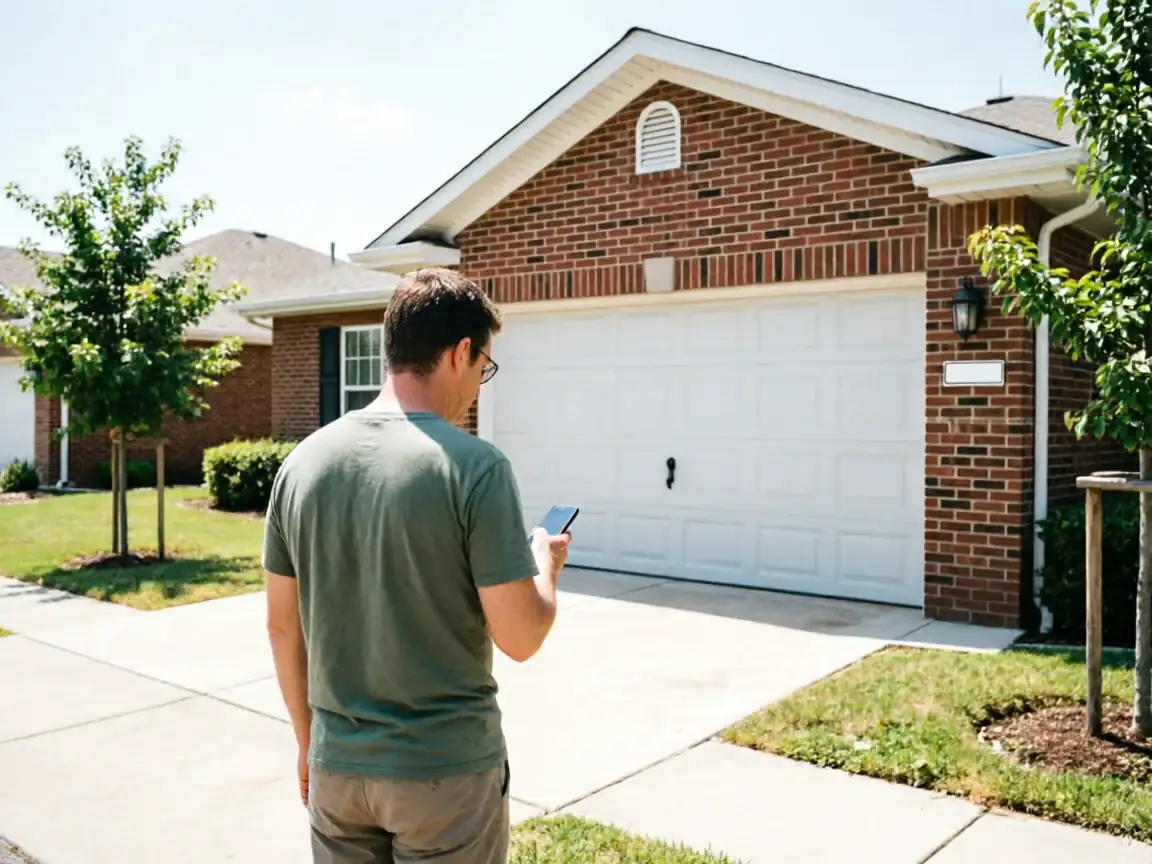
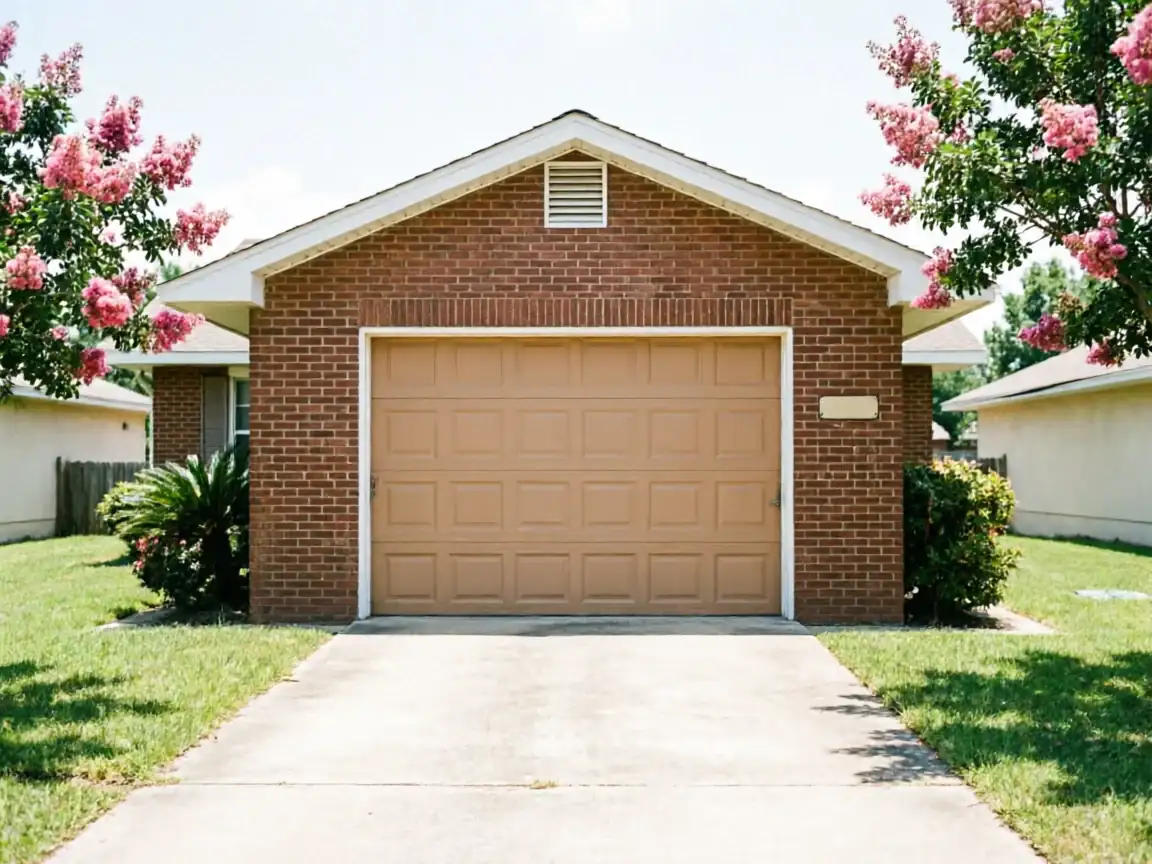
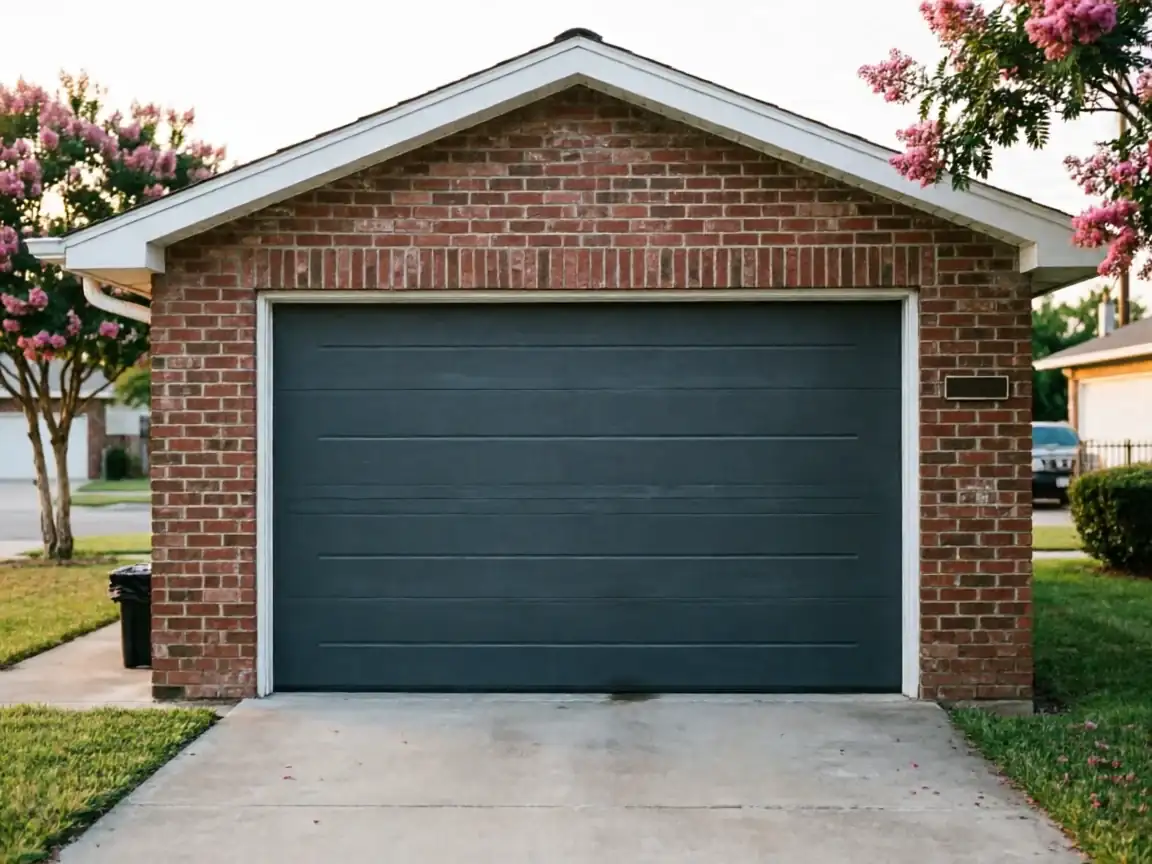
Most houses across this service area went up between 1956 and 1981, with the median build year sitting right at 1972. That's the era of basic chain-drive openers, half-horsepower motors, and garage wiring that was never meant to run anything heavier than a single light bulb and a switch. A lot of these homes still have the original circuit, or one that got spliced over decades by whoever was in the garage that weekend.
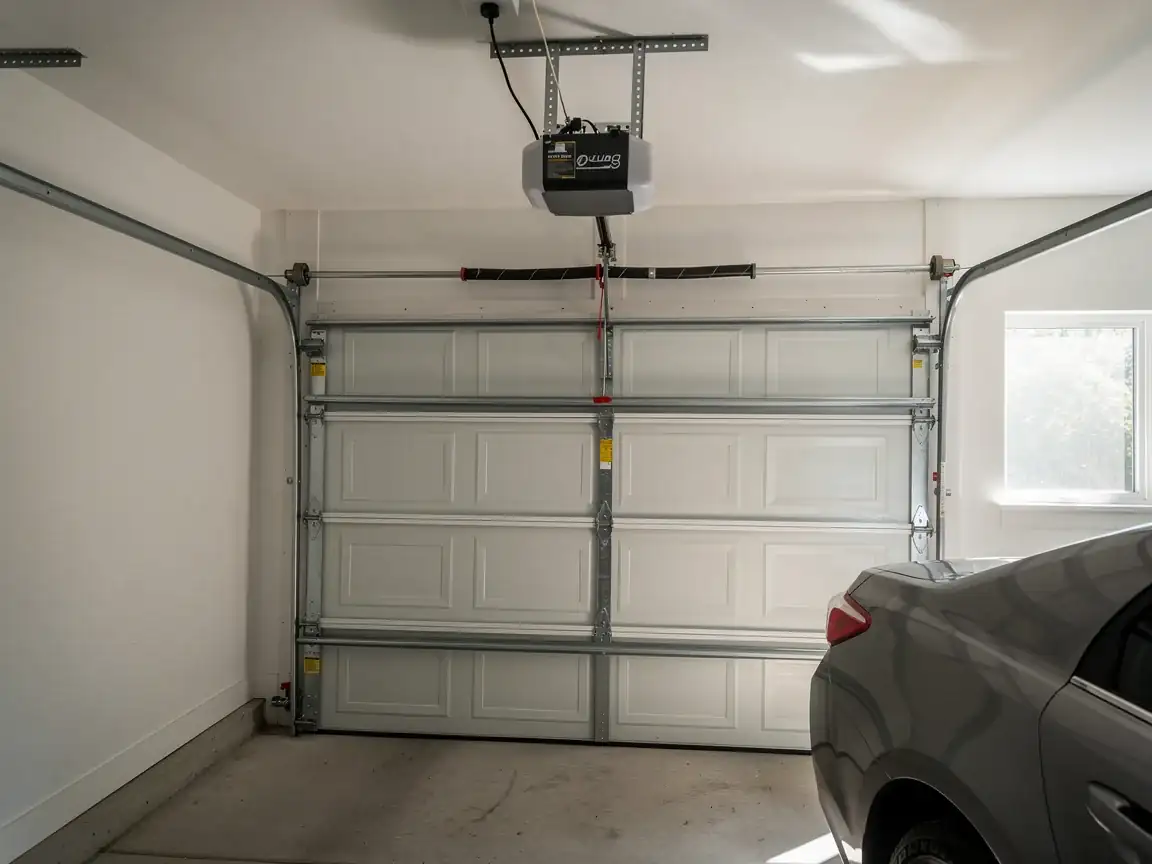
The cold matters here too. Oklahoma winters put real strain on the nylon gears and grease inside an older chain-drive unit - the kind that was standard equipment when these subdivisions were built. Cold grease thickens, plastic gets brittle, and a motor that already has forty-plus years on its bones starts skipping teeth or stalling halfway up the track. This isn't a problem you'd see as often in newer construction with belt-drive units and better-insulated garages. It's a problem that shows up because of what got built here, and when.
Five distinct areas across the region share this same mostly-1960s-and-70s housing stock, which means the failure pattern repeats house after house, not just door after door.
How It Shows Up
The first sign is usually noise - a grinding or clicking from the motor housing that wasn't there a year ago. Then it's hesitation: the door starts up, stops, tries again. In cold mornings especially, an aging opener will strain visibly before it catches, because the lubricant inside hasn't warmed up and the gear set is already worn thin from decades of use.
Some owners notice the remote losing range, which people blame on the remote itself. More often it's the opener's receiver board, original to a house built in the 1960s or 70s, finally giving out after years of temperature swings in an unheated garage. Others find the door reverses on its own partway down - a safety sensor misaligned, or a logic board that's simply worn past reliable.
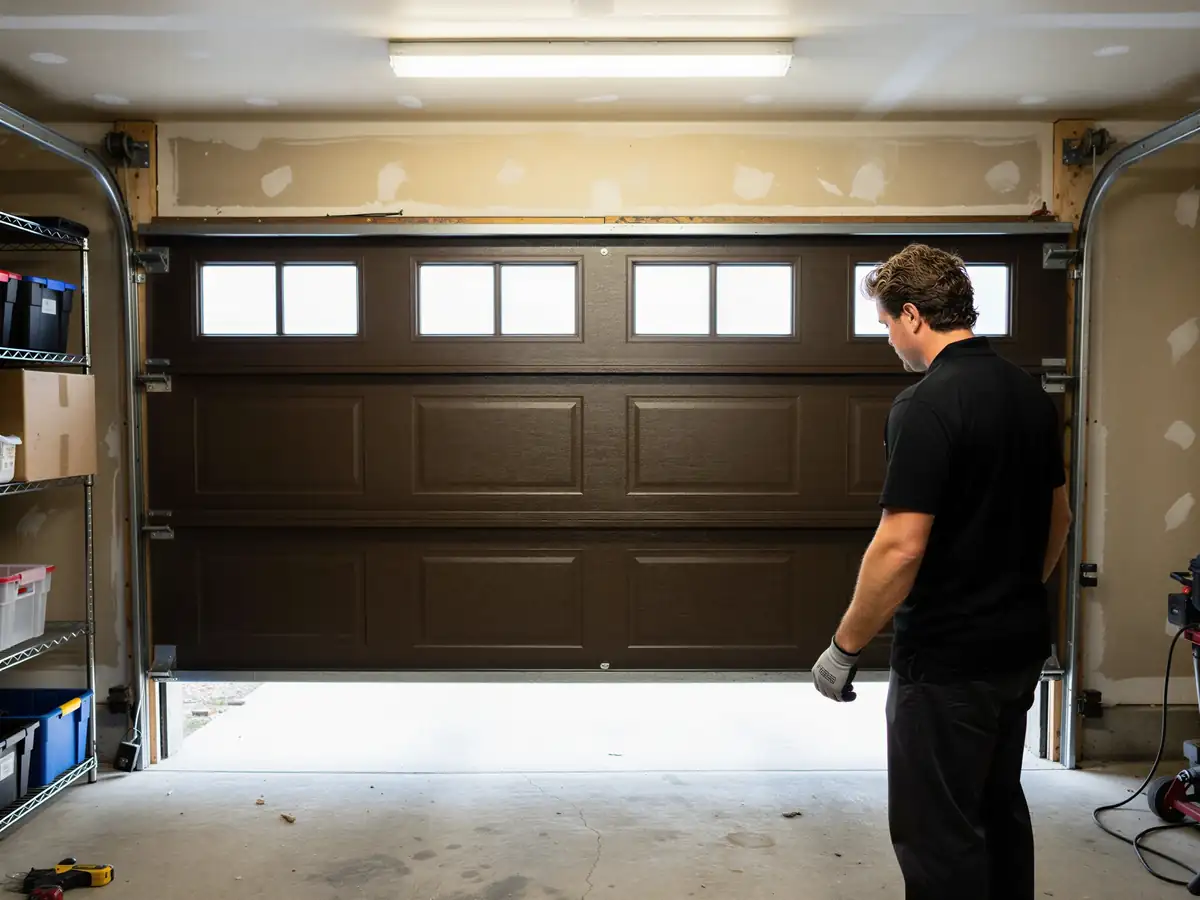
A few owners wait until the opener won't run at all. That's the point where you're not choosing between repair and new install anymore - the decision's been made for you, and now it's about picking a unit that fits the house and the climate rather than being stuck mid-project with the door open and no motor turning.
The Complications
Installing a new opener in one of these older garages isn't always a straight swap
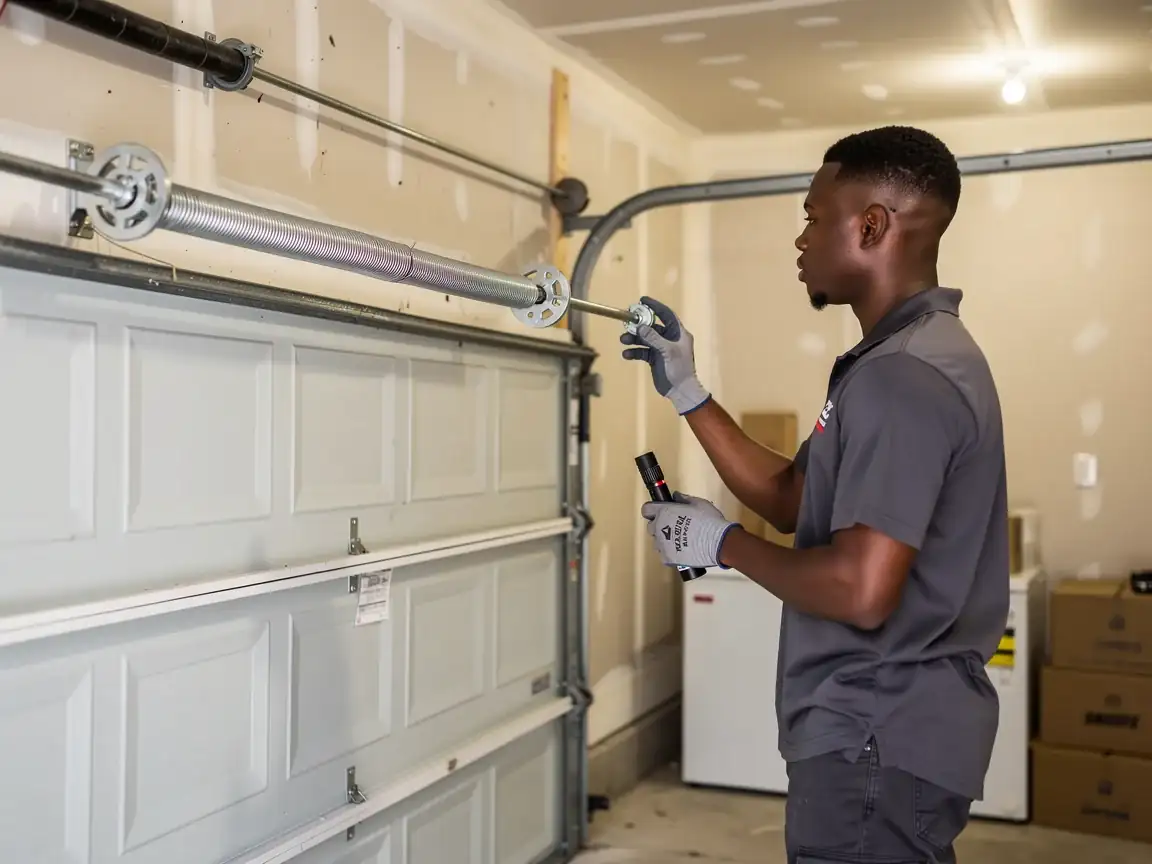
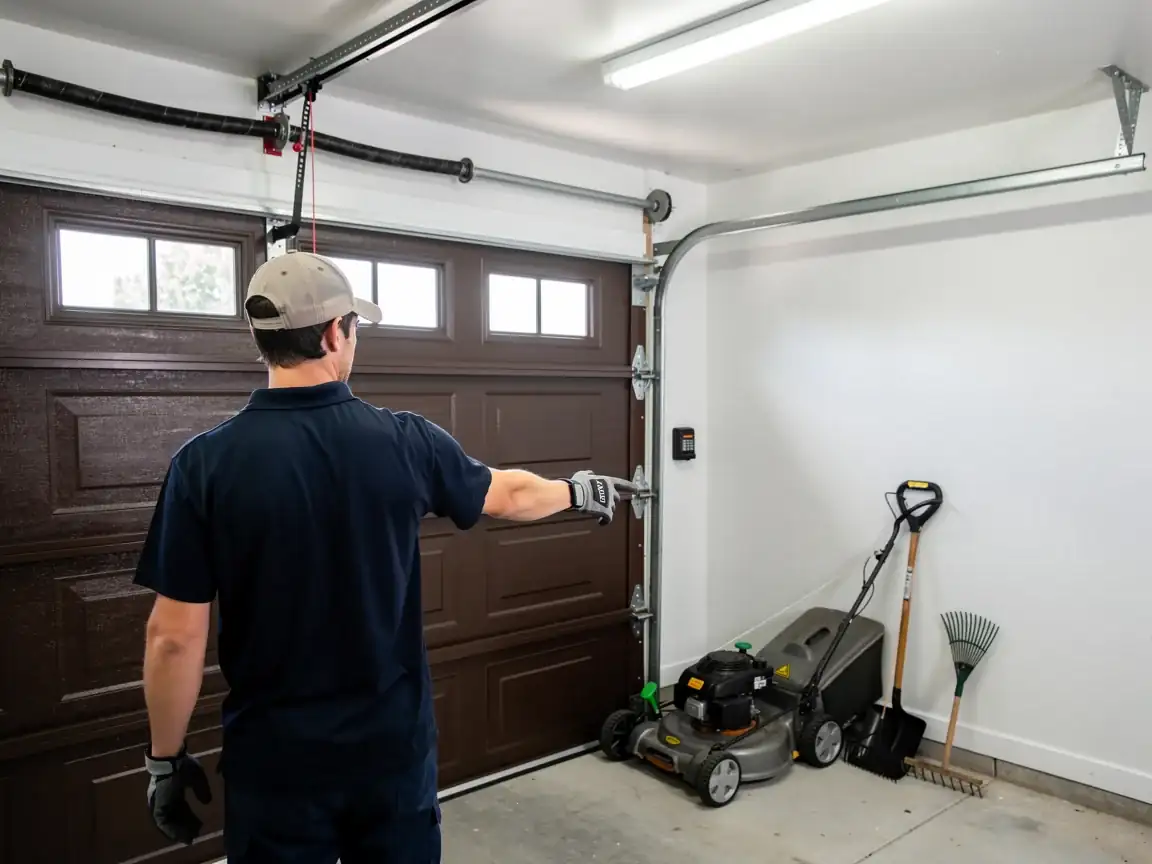
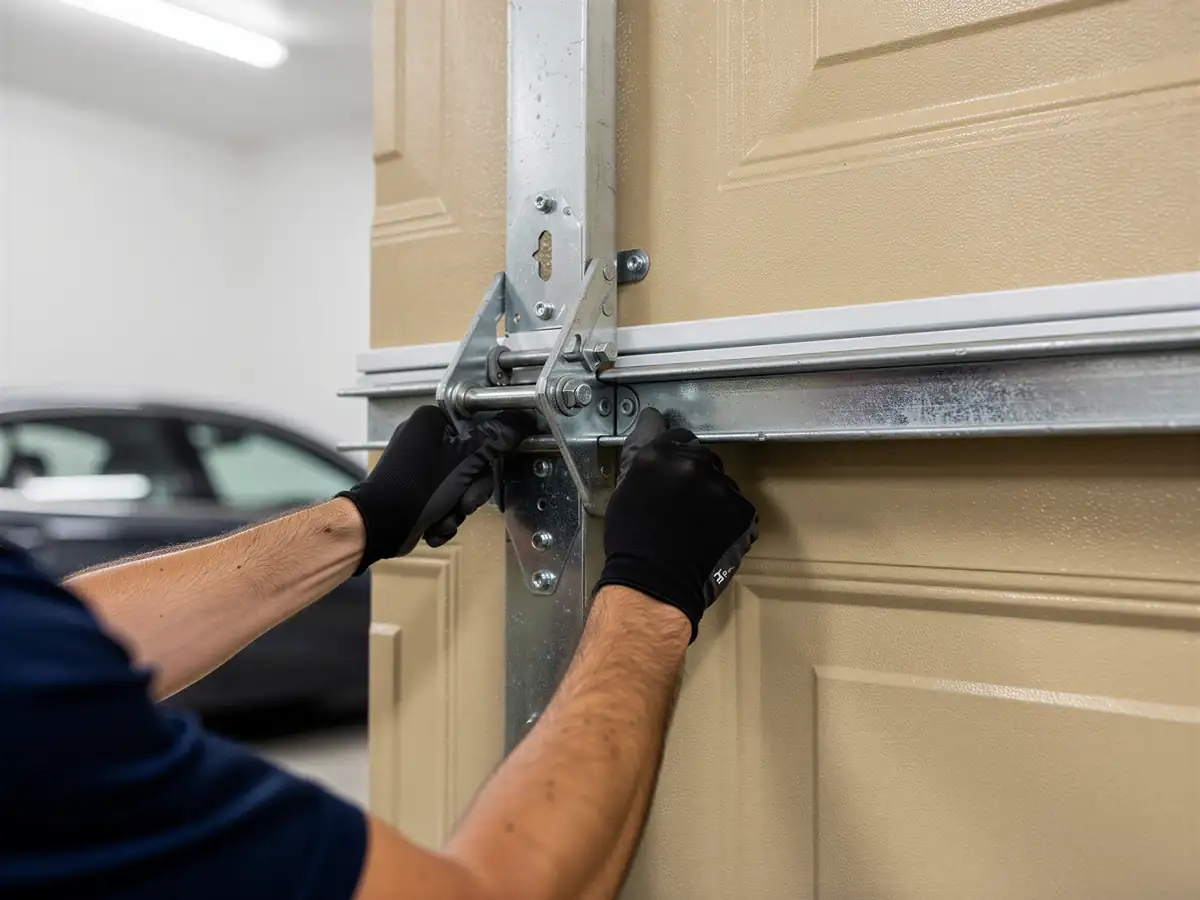
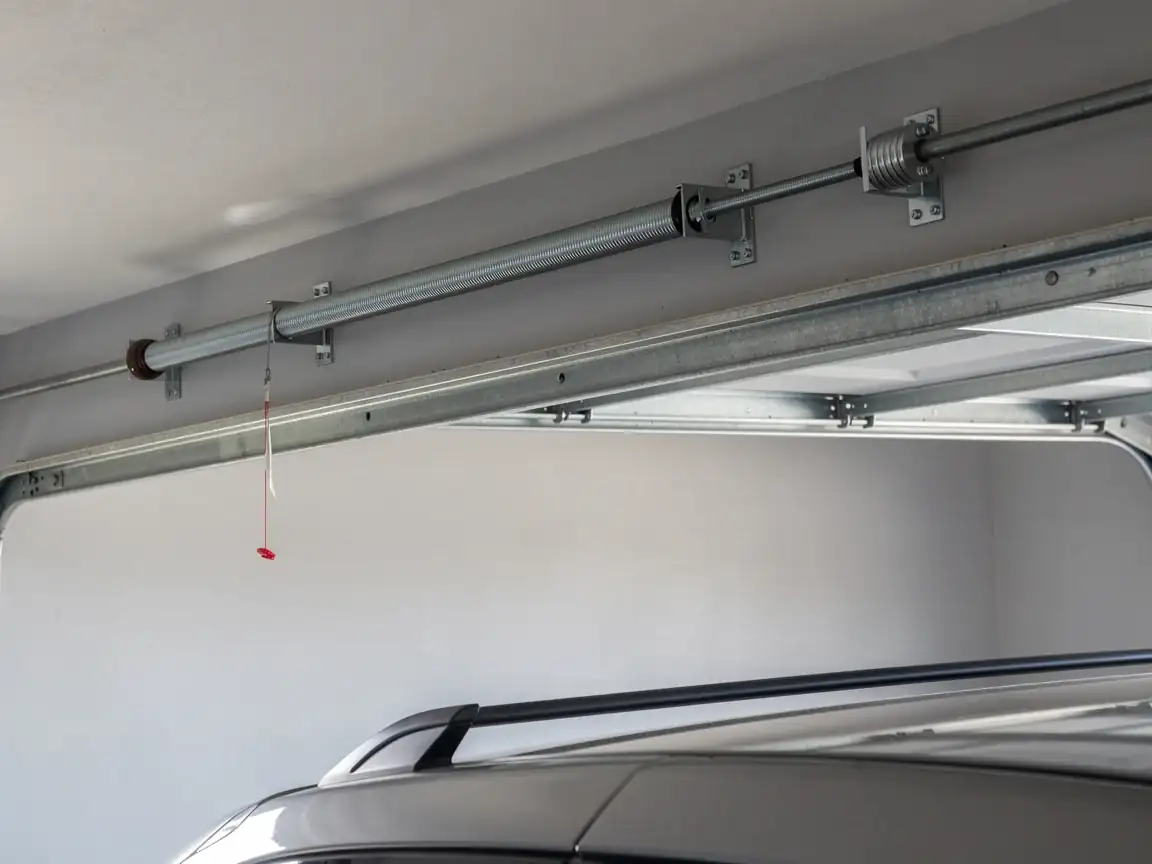
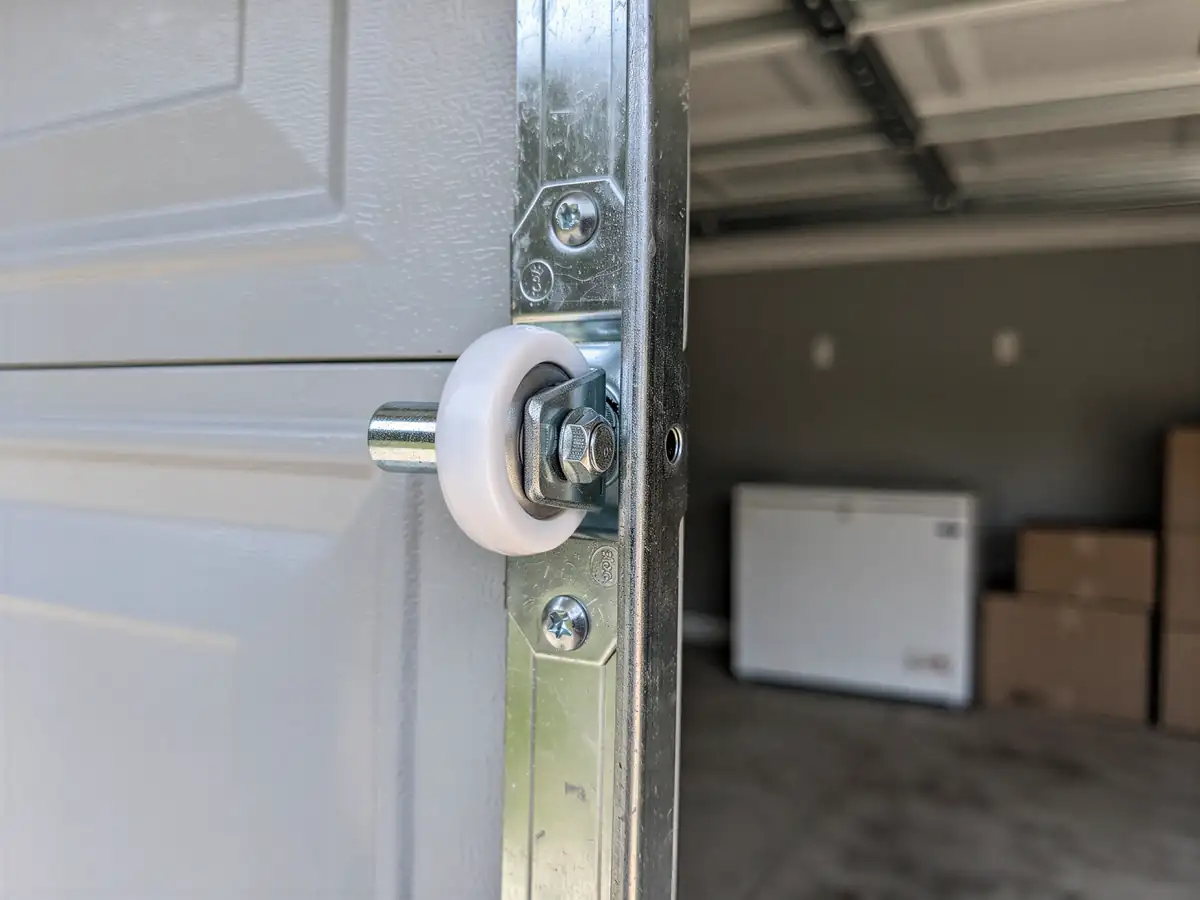
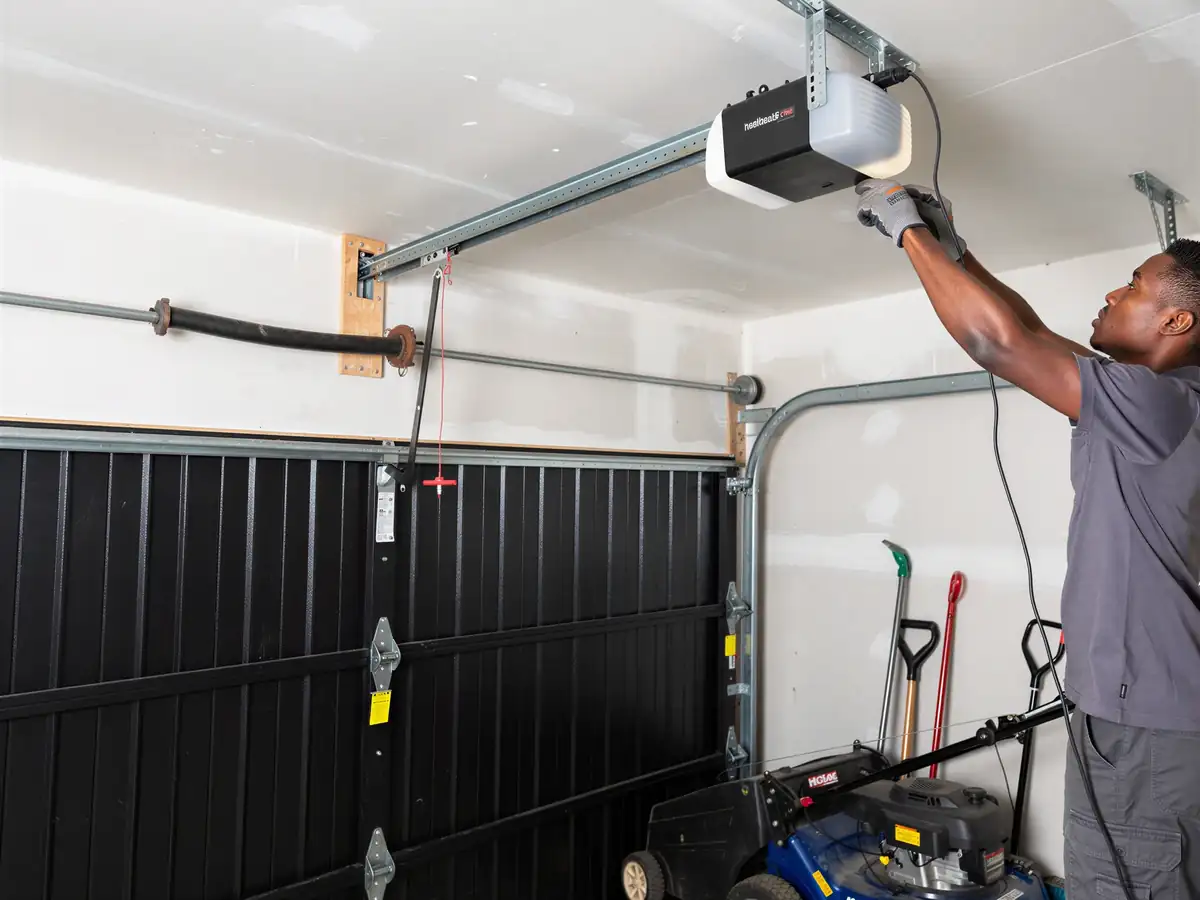
Headroom and track position were set decades ago to match the original door and hardware, and newer opener models sometimes need bracket adjustments or a different mounting point to clear the same ceiling joists. Houses from this period weren't built with a dedicated garage circuit in mind, so running power to the unit sometimes means adding an outlet rather than reusing what's there.
Across the service area
Enid out to Waukomis eight miles away, Kremlin at ten, Garber at sixteen, Covington at seventeen, and Pond Creek at eighteen - the housing timeline is consistent enough that these same mounting and wiring issues turn up in nearly every town, not just one neighborhood.
The area has 1,235 households
With 1,113 of those owner-occupied houses, and a median household income of $63,869. That matters for the kind of opener most people choose: not the cheapest unit on the shelf, but not the top-tier smart model either. Battery backup is worth real consideration here, given how often ice storms can cut power along with everything else in a cold winter.
- 1,235 households
- 1,113 owner-occupied
- $63,869 median household income
What It Costs
We're not going to put a number on this page, because an honest quote depends on what's actually in your garage - the age of the door, whether the wiring needs work, whether the existing track and header can take a new unit as-is or need modification. Houses built in this 1956-to-1981 window vary enough from one to the next that a flat number would be a guess, and we don't guess on jobs we haven't looked at.
What we can tell you is what drives the cost up or down: horsepower needed for the door's weight and size, whether you want battery backup for winter power outages, and whether the existing wiring supports the new unit or needs an added circuit. Belt-drive units run quieter and hold up better to cold than the chain-drive units original to these homes, but they cost more up front.
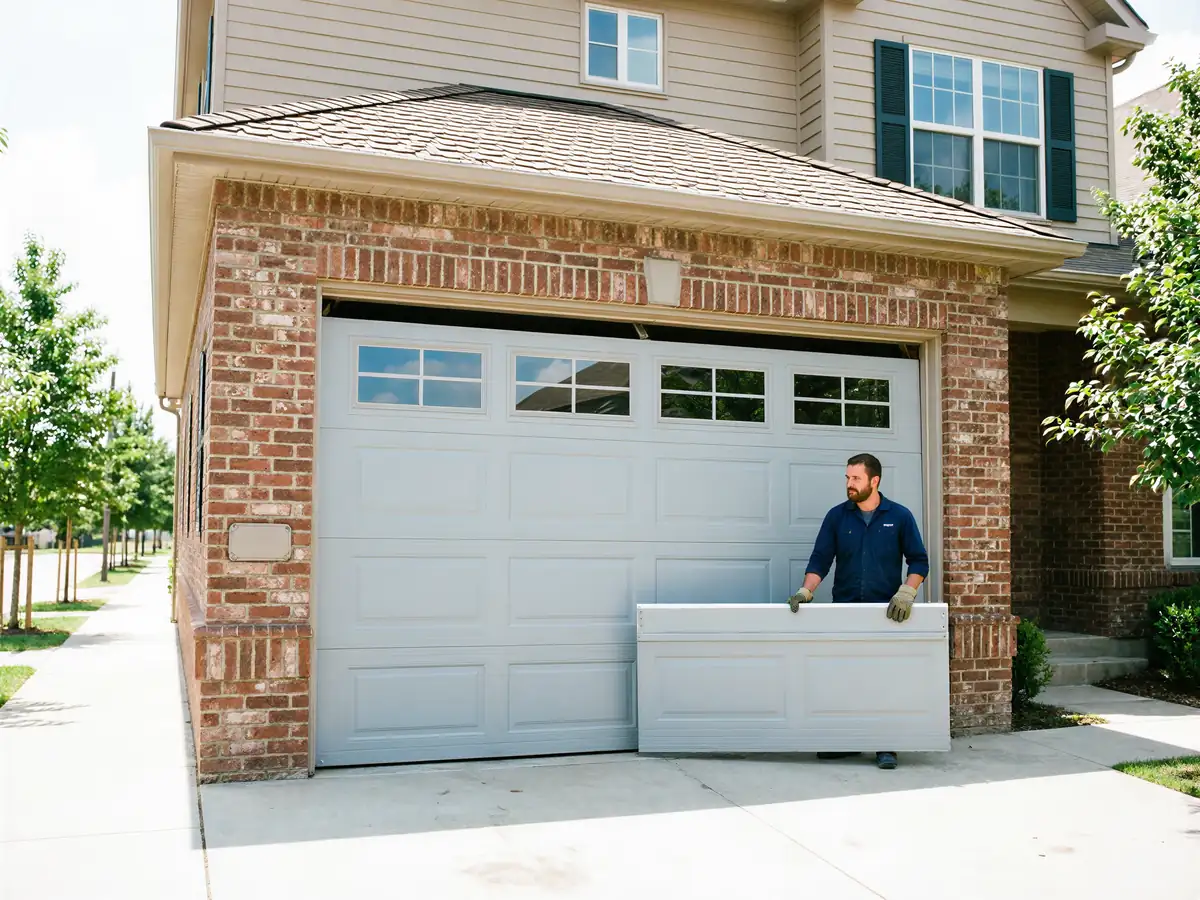
One limitation worth saying plainly: if your garage still has the original 1960s or 70s door track and header, sometimes the smarter move is replacing the door hardware at the same time as the opener, rather than mounting new equipment on worn-out old mounts. We'll tell you if that's the case before we start, not after.