What the Weather Here Does to It
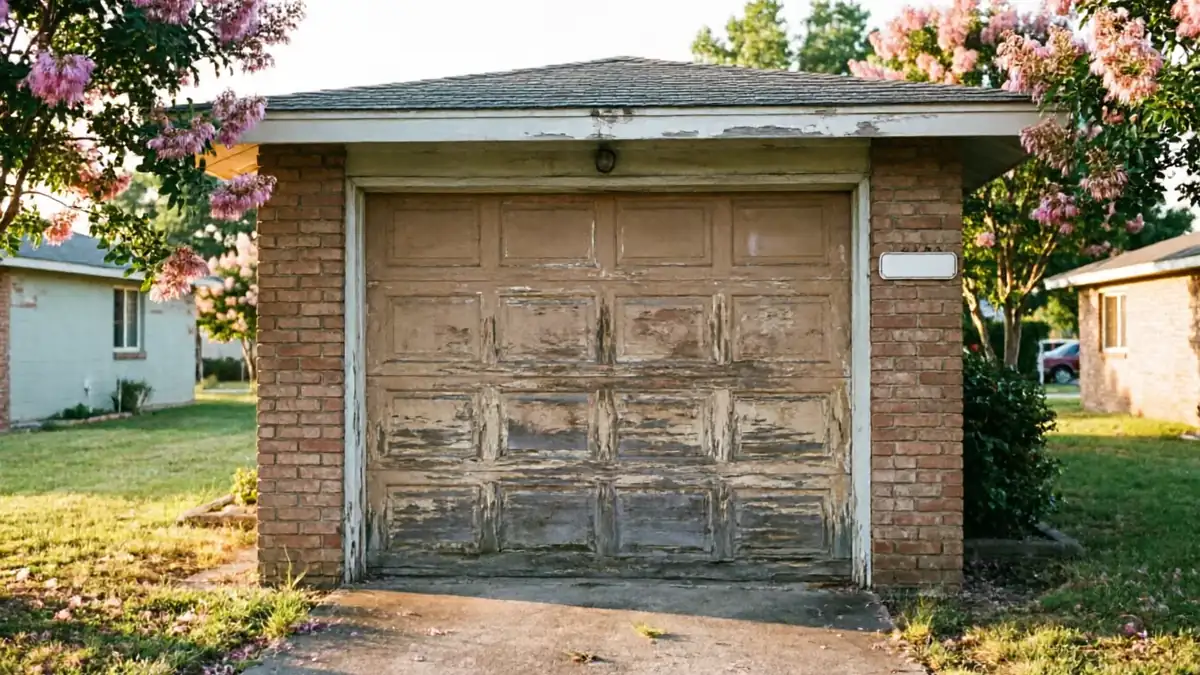
Enid sits in a cold-moderate climate band, which means your door goes through real freeze-thaw cycling every winter and a hot, dry summer right after it. That swing is hard on steel panels and on the seals around them. A door built in the 1960s or 70s - and most of the housing stock here was built between 1956 and 1981 - wasn't engineered with the weatherstripping or insulation standards you'd see in a door made today. Over fifty-plus winters, the bottom seal hardens and cracks, the panel seams open up a hair, and cold air finds its way into the garage. None of that means the door is done. A single-skin steel door from that era can still run fine mechanically while the seal and insulation around it have simply aged out. The distinction matters because people often replace the whole door when what failed was the $30 part around the edge of it.
Checking It Yourself
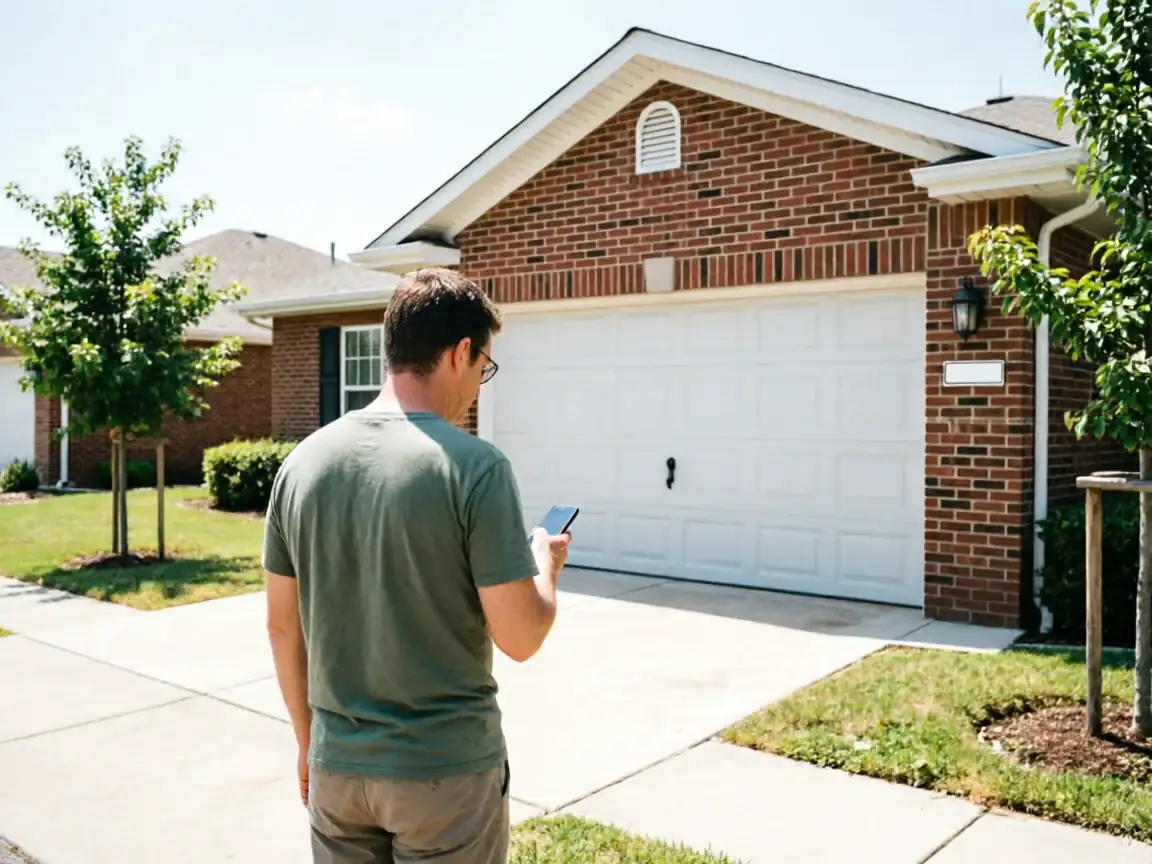
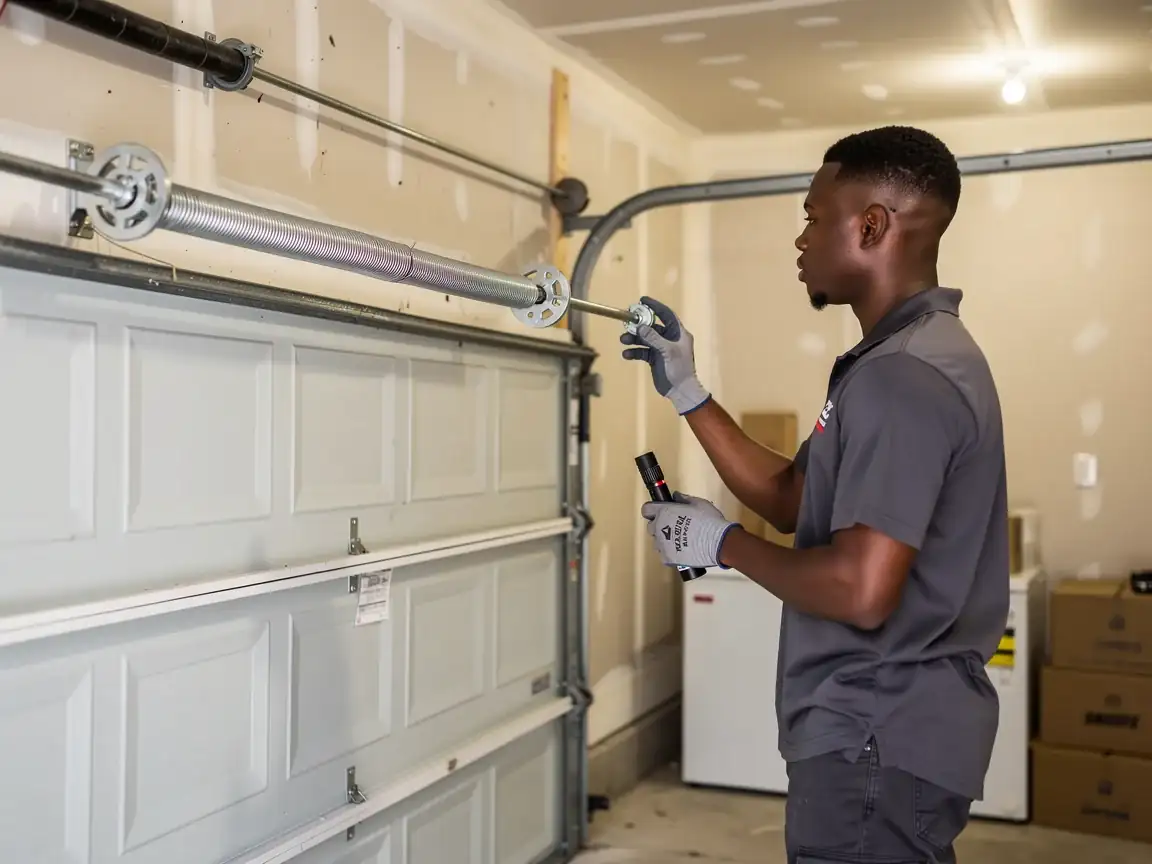
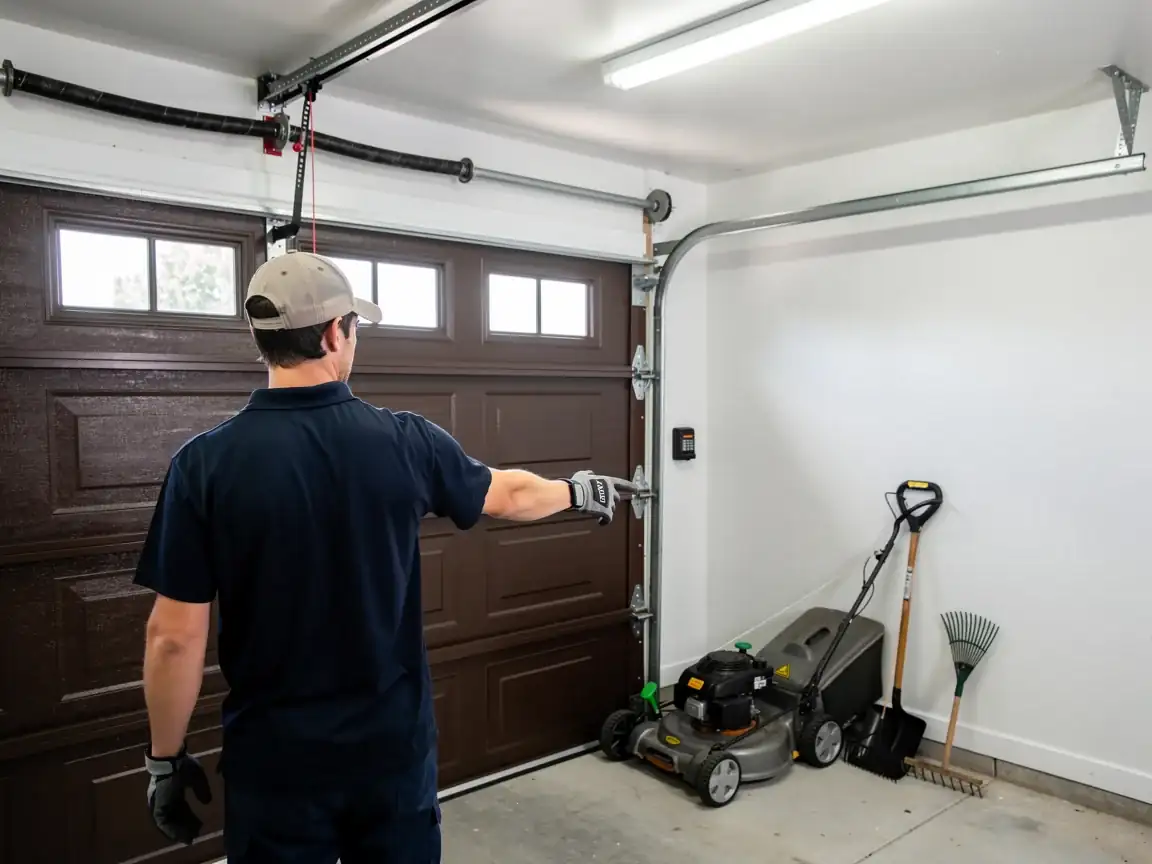
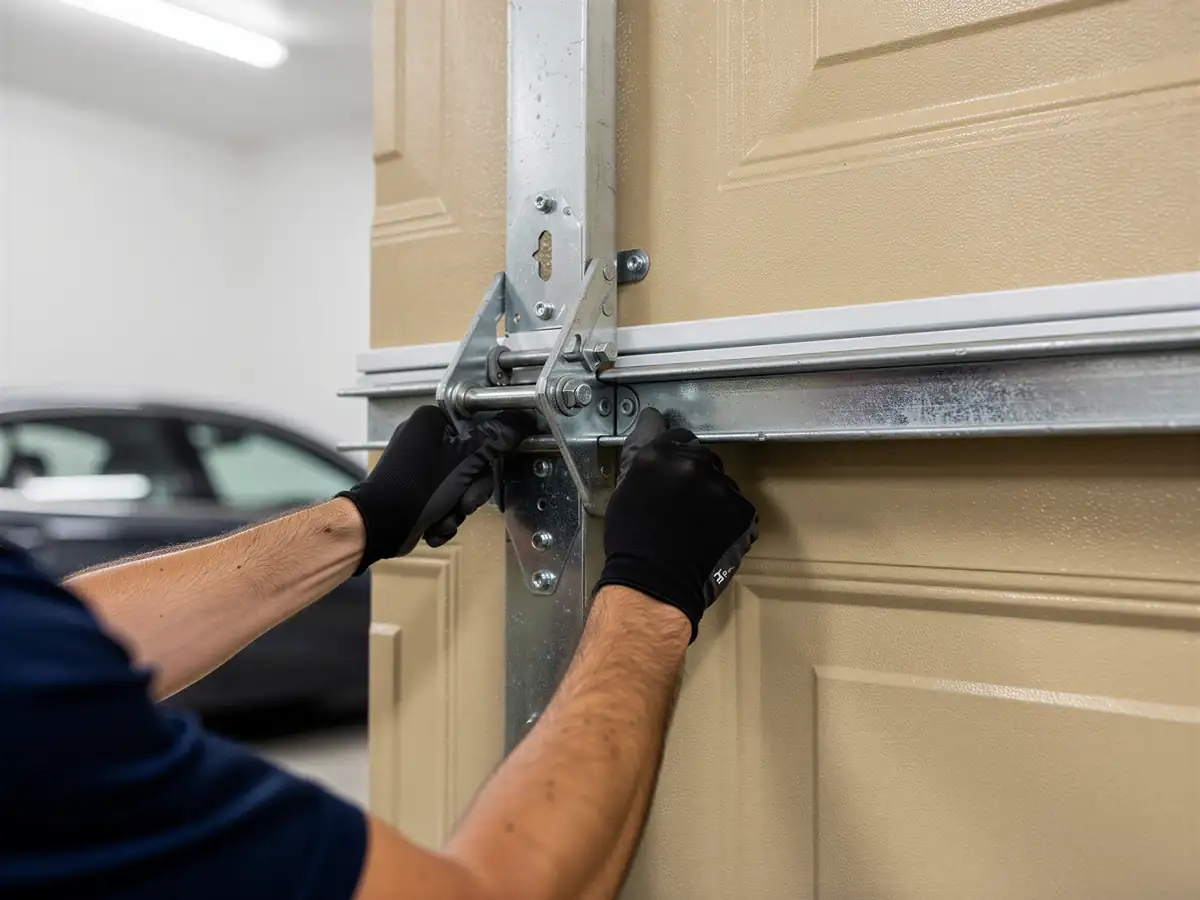
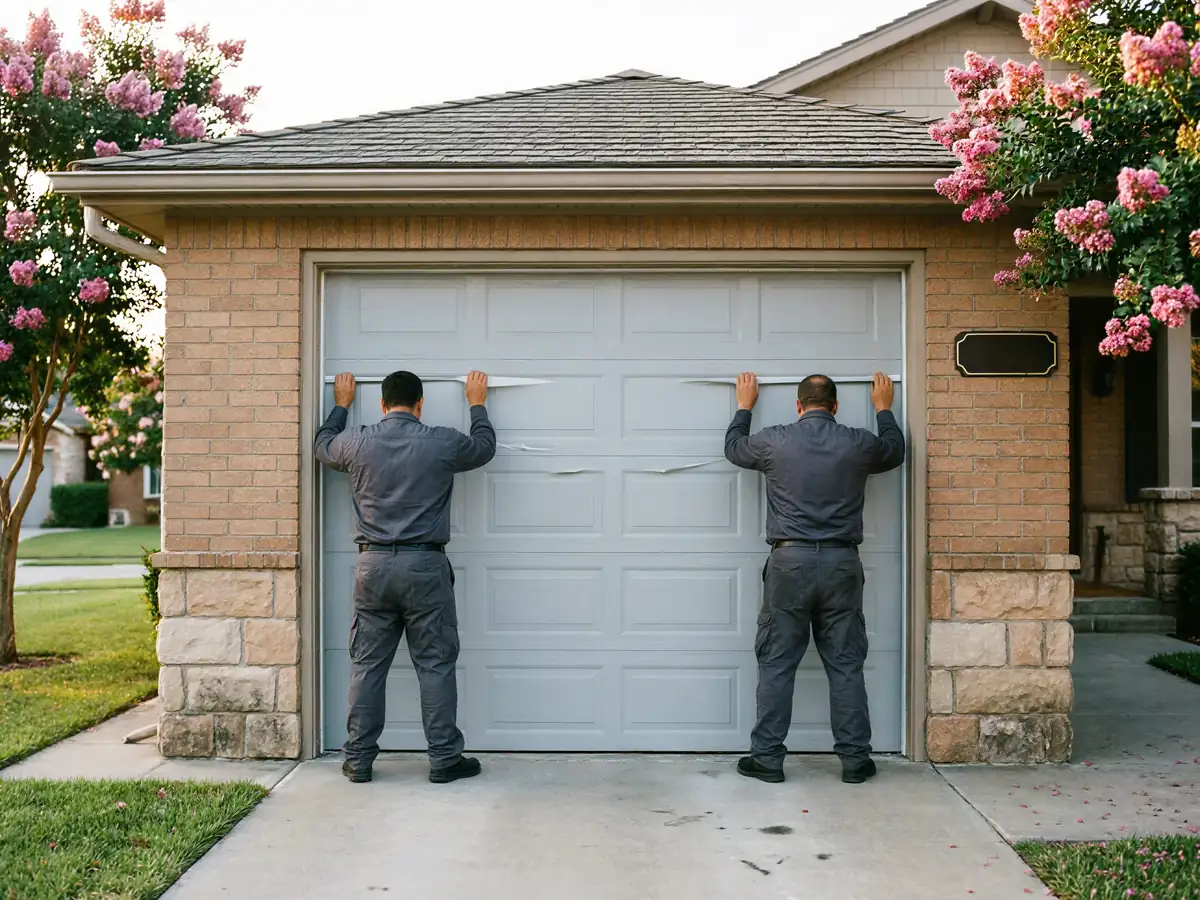
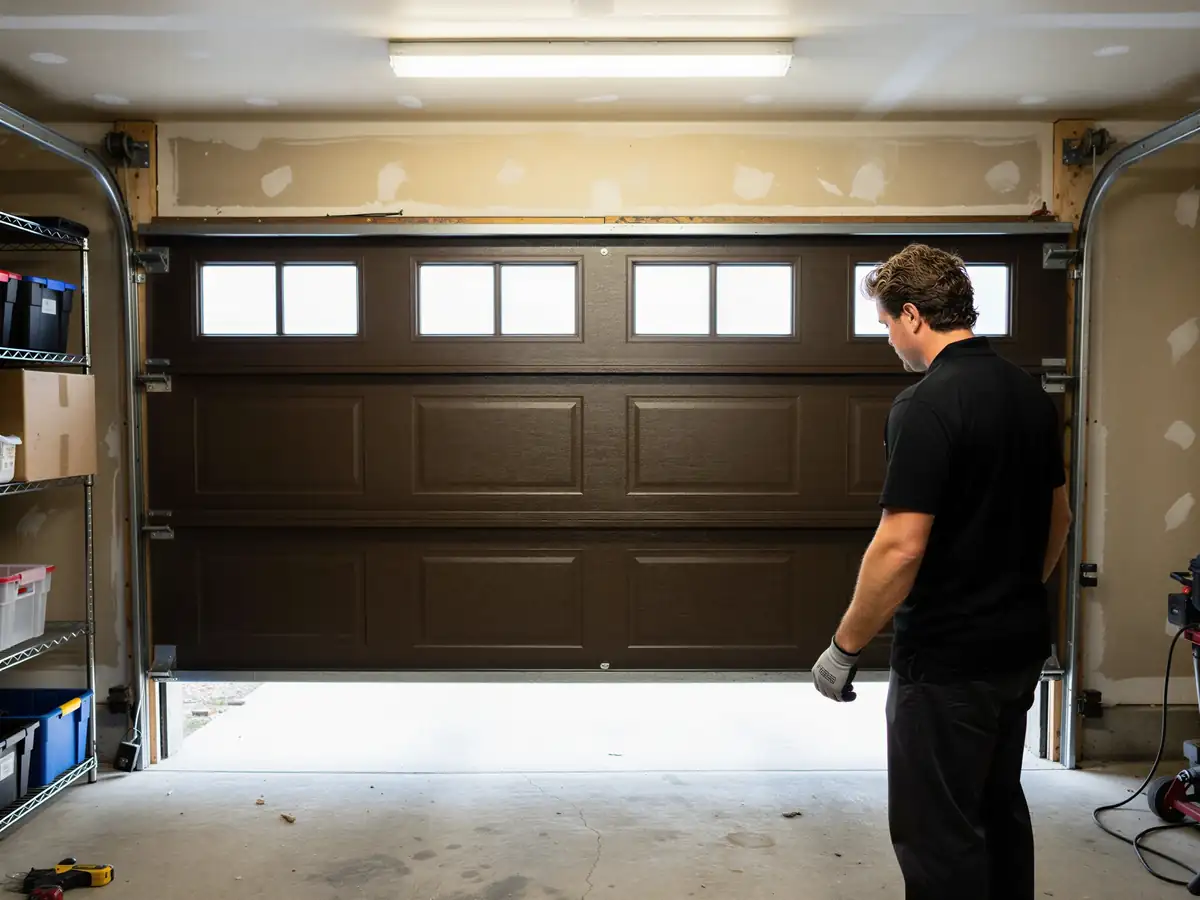
Walk the door while it's closed, during daylight, and look for light coming through the bottom and the side jambs. If you see daylight along the bottom seal, that's a part, not a structural problem. Next, with the door closed and the opener disconnected, lift it by hand to chest height and let go. It should hold position. If it drops, the springs have lost tension - common on doors from the 1960s-70s stock that are still running their original hardware or a straight swap decades ago. Check the panels themselves for rust-through at the bottom corners, where moisture sits longest; surface rust is cosmetic, but rust you can push a screwdriver through is not. Also check the tracks are still plumb and aren't bent or pulled away from the frame. None of this takes more than ten minutes, and it tells you whether you're looking at a seal-and-spring job or something bigger.
The Problem
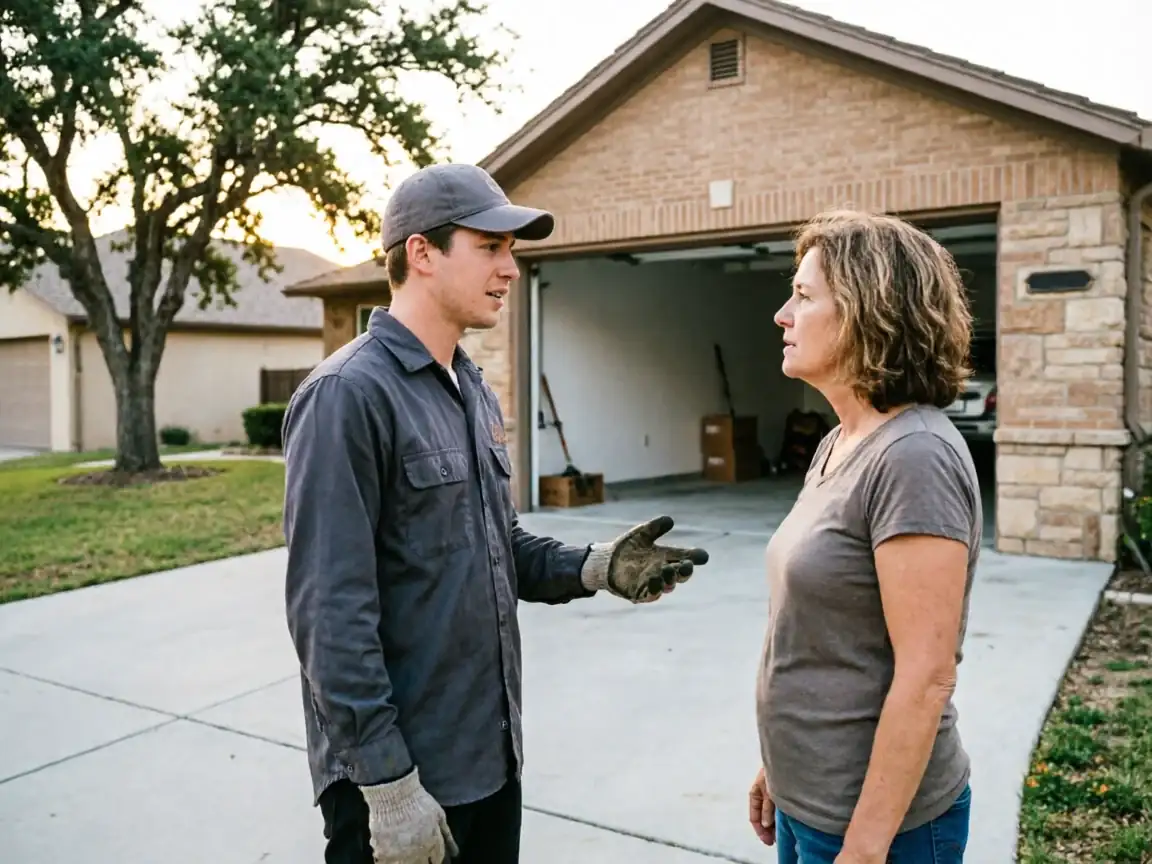
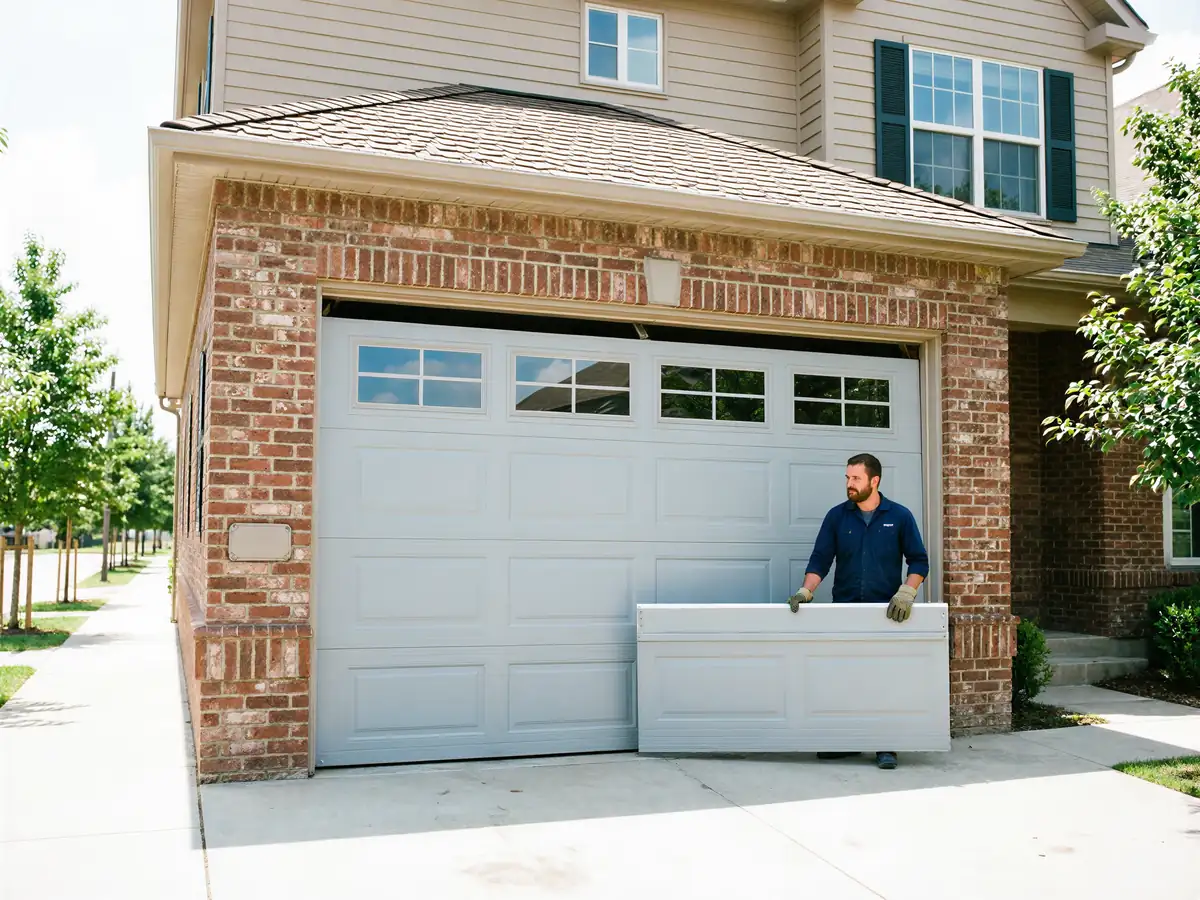
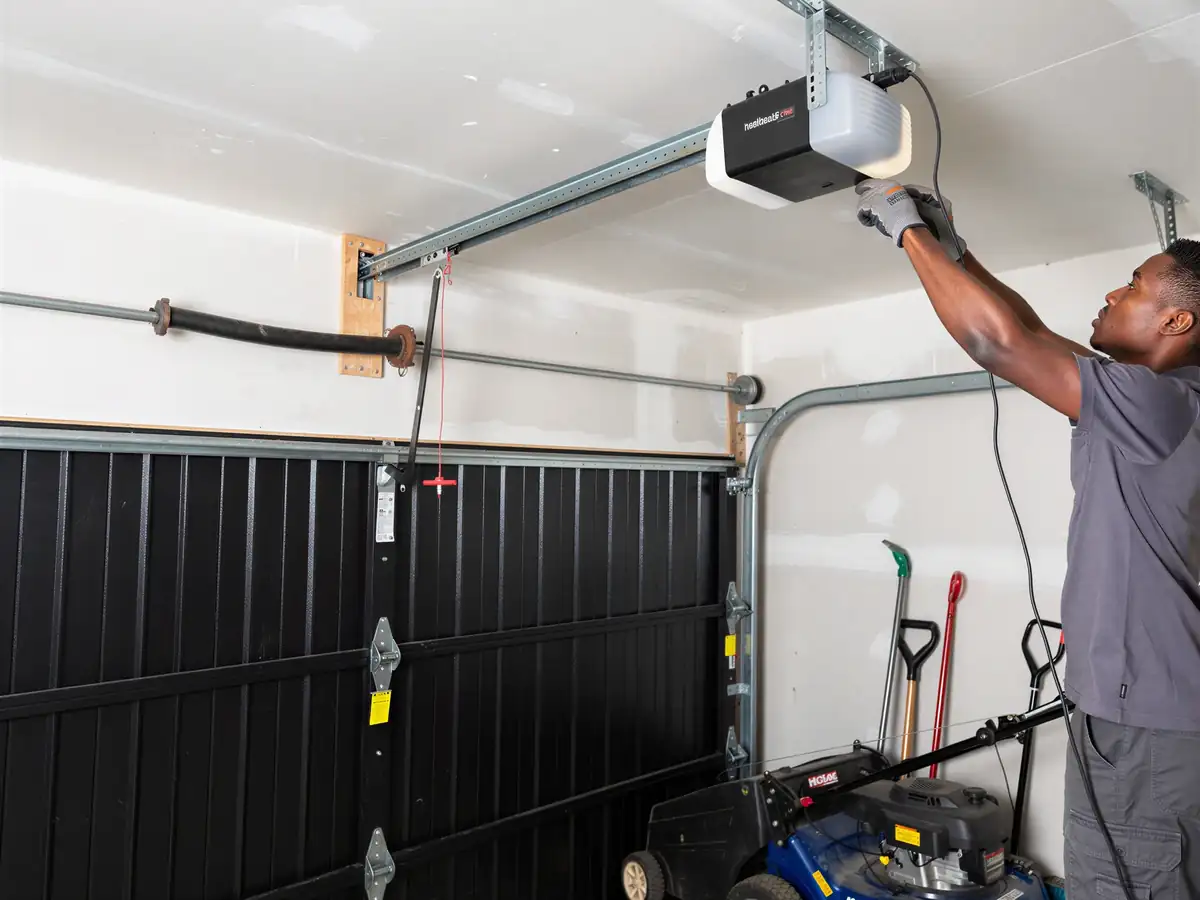
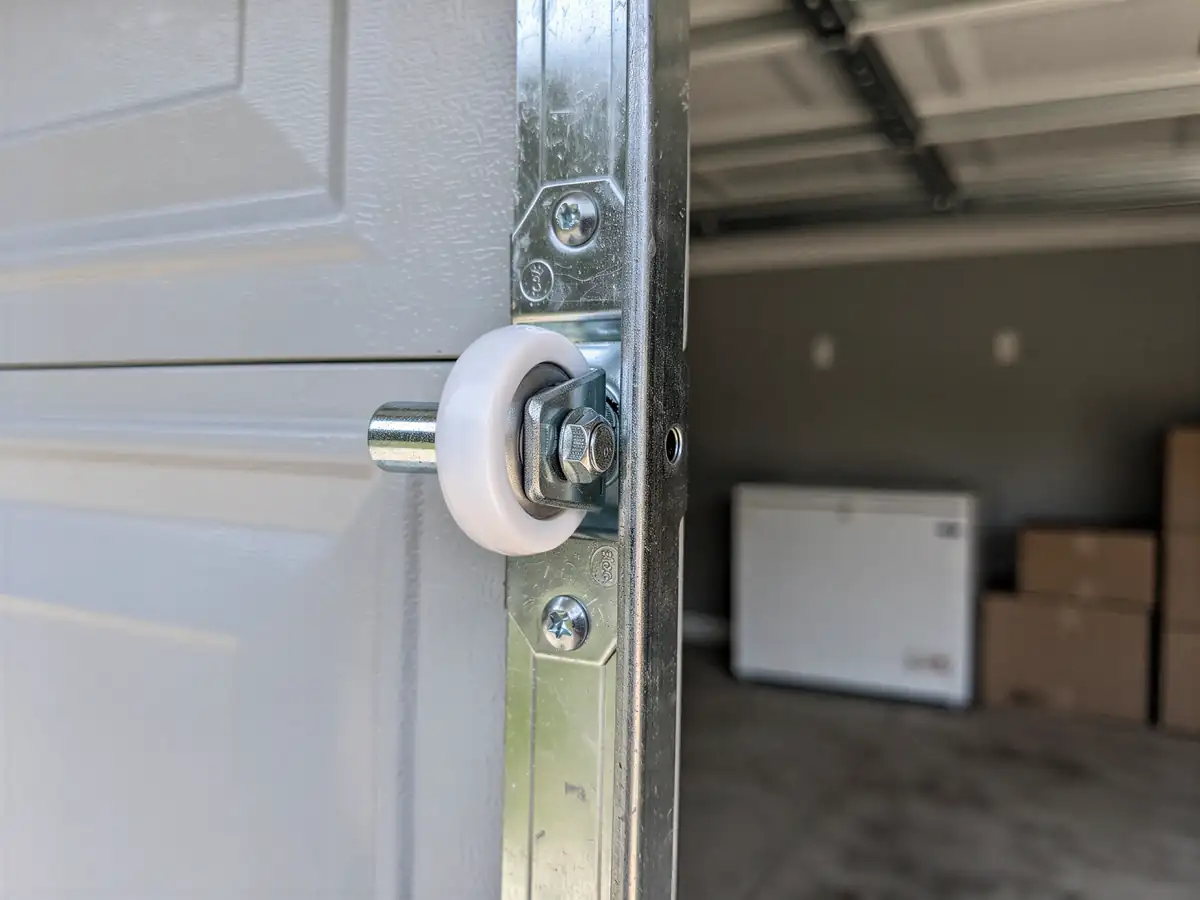
Here's the part we're honest about: once a door from that era has more than one failing system at once - say, worn rollers, a cracked panel, and an opener that's starting to strain - the repair bill starts to stack up close to what a new door costs, and at that point fixing it piece by piece is throwing money at something that's going to need the next part replaced in a year anyway. We'd rather tell you that up front than sell you three separate repairs over six months. On the other hand, a door that's mechanically sound with a bad seal or a single bent panel is almost always worth fixing - that's a $150-400 job, not a $1,500 one. The honest answer depends on what's actually wrong, which is why the walk-around check above is worth doing before anyone picks up the phone. We work throughout the Enid area, including out toward Waukomis, Kremlin, Garber, Covington, and Pond Creek, where the same 1960s-70s housing stock is common.