Why This Fails Locally
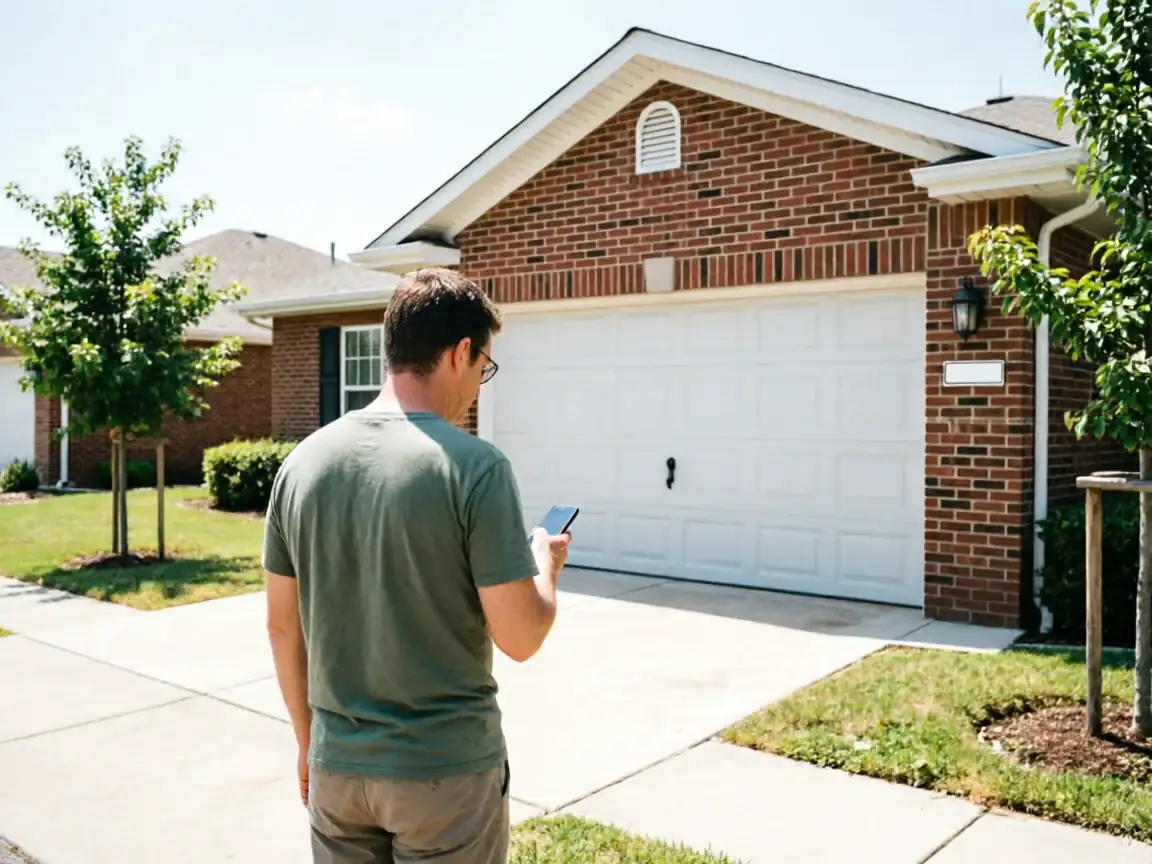
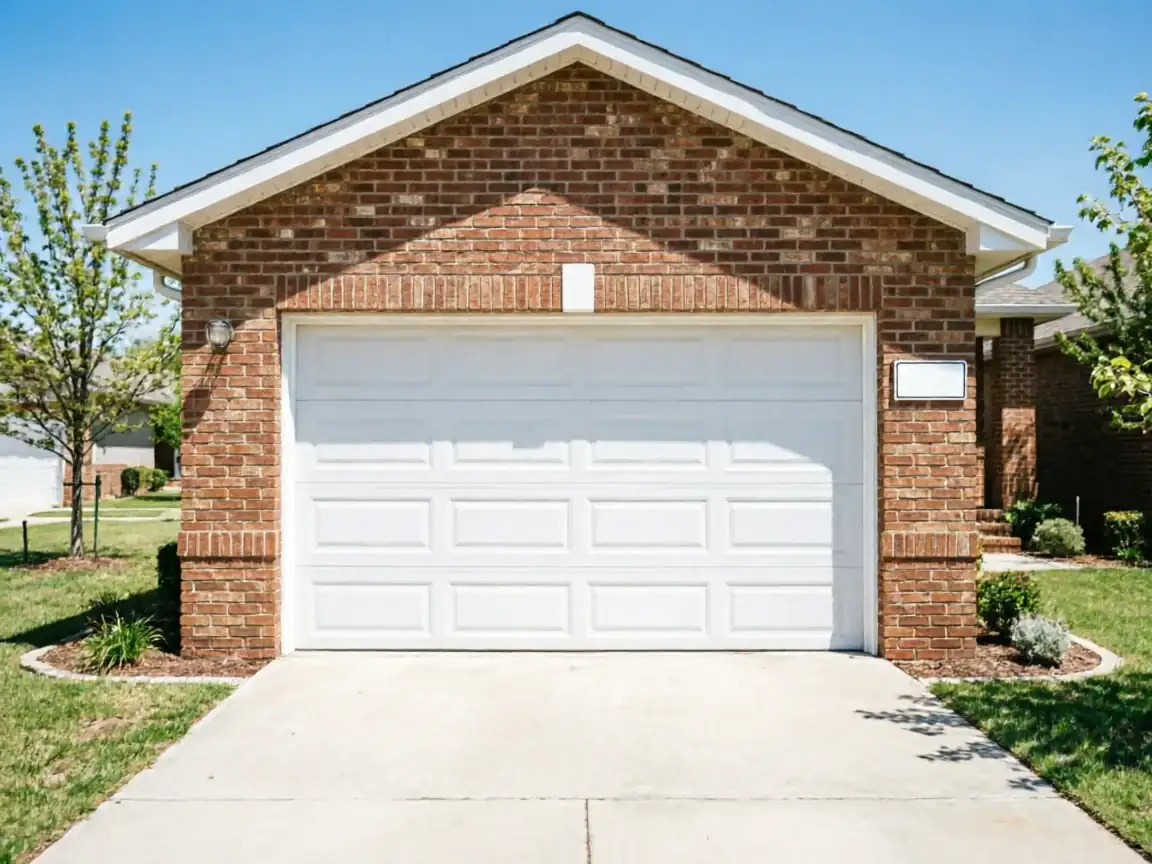
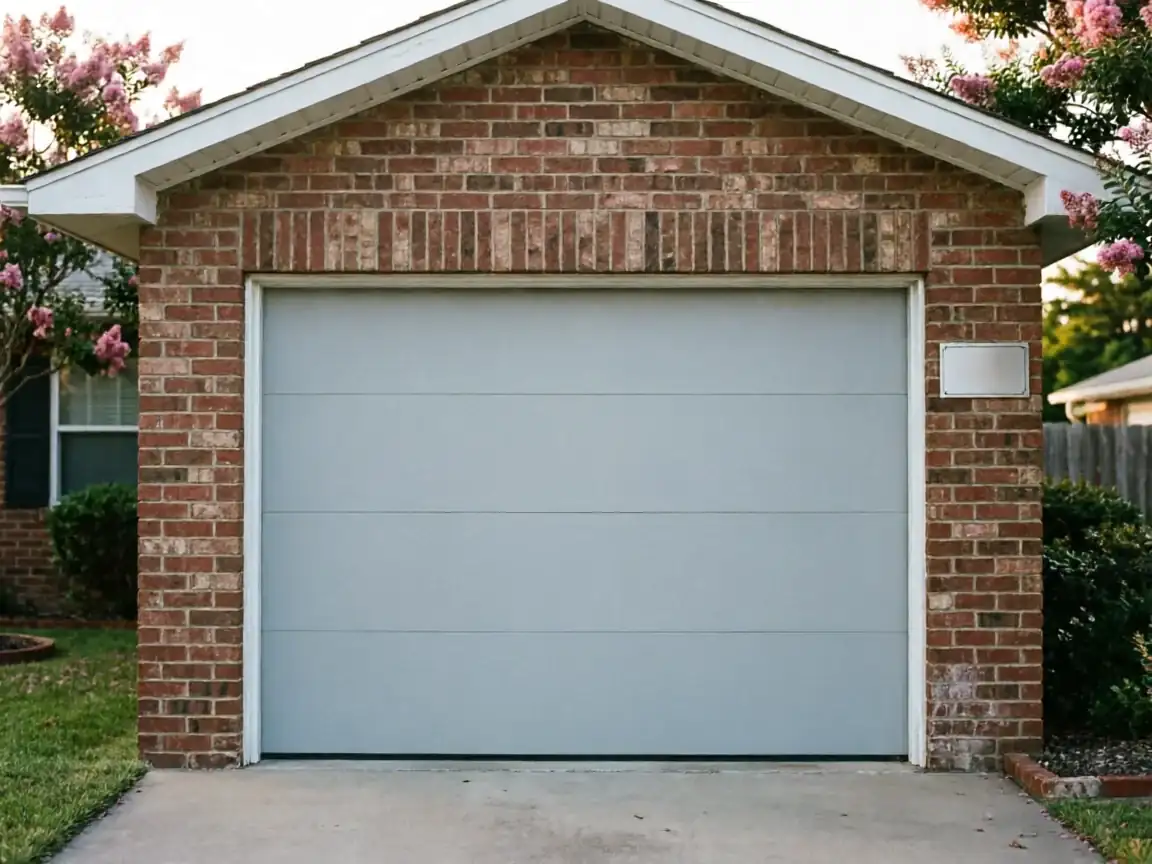
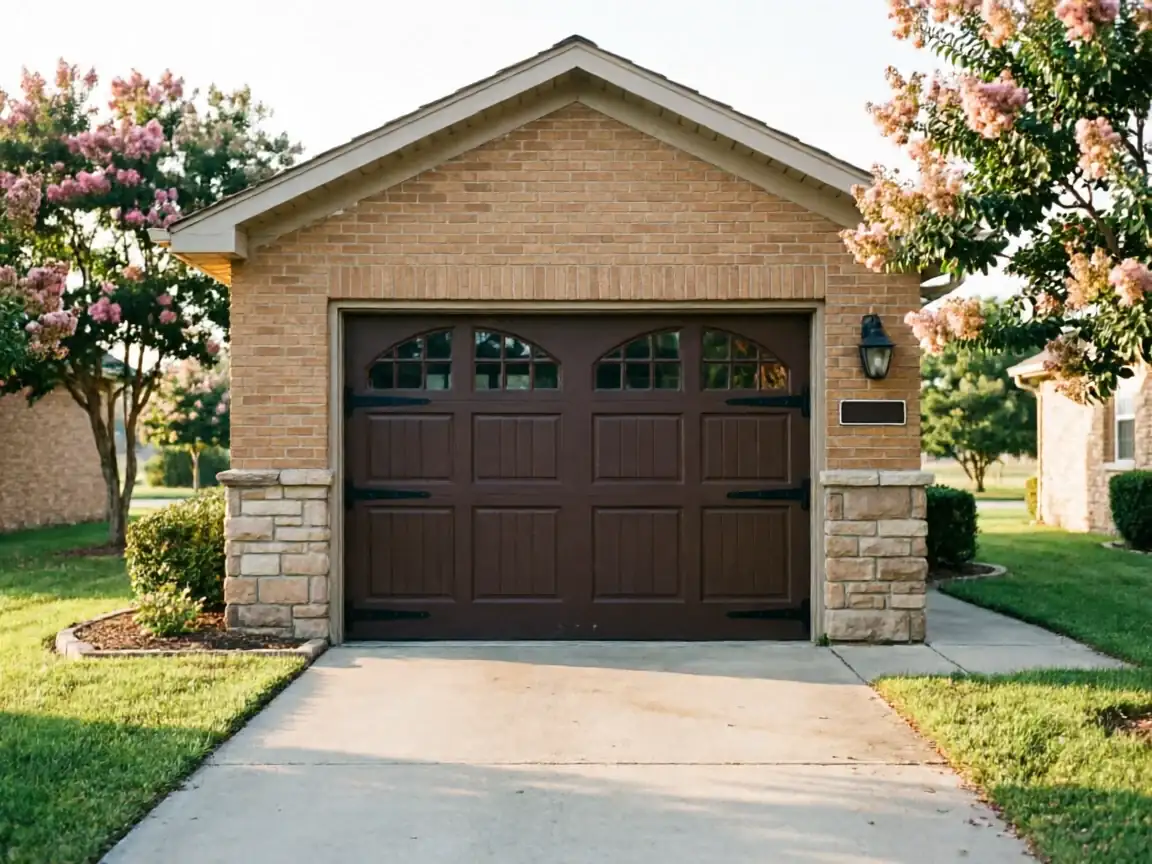
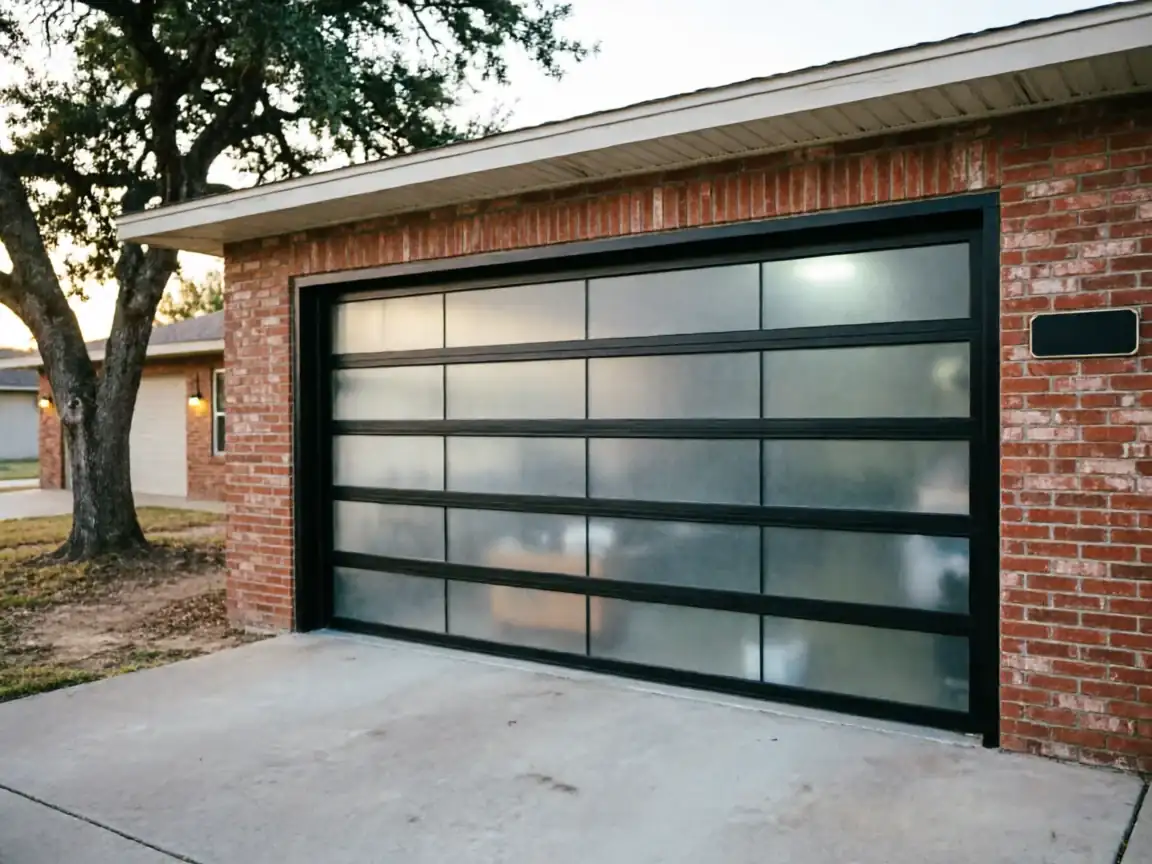
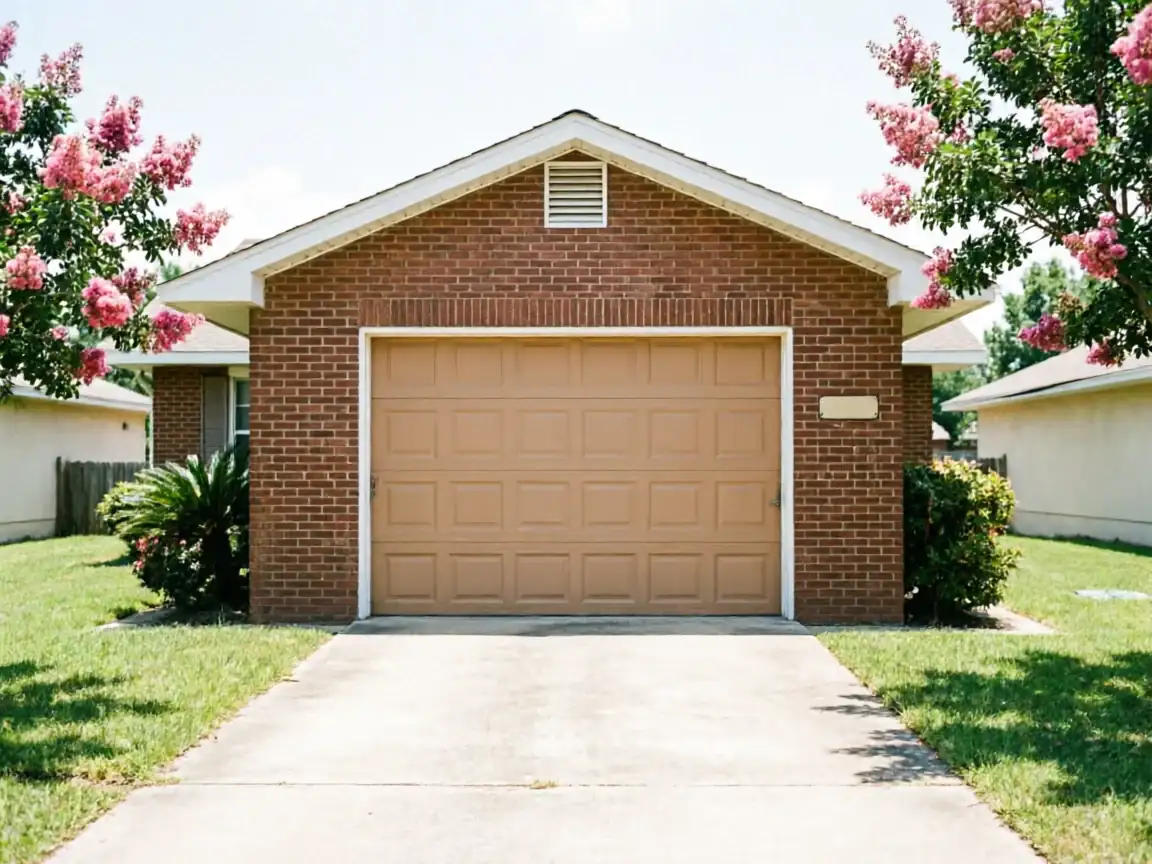
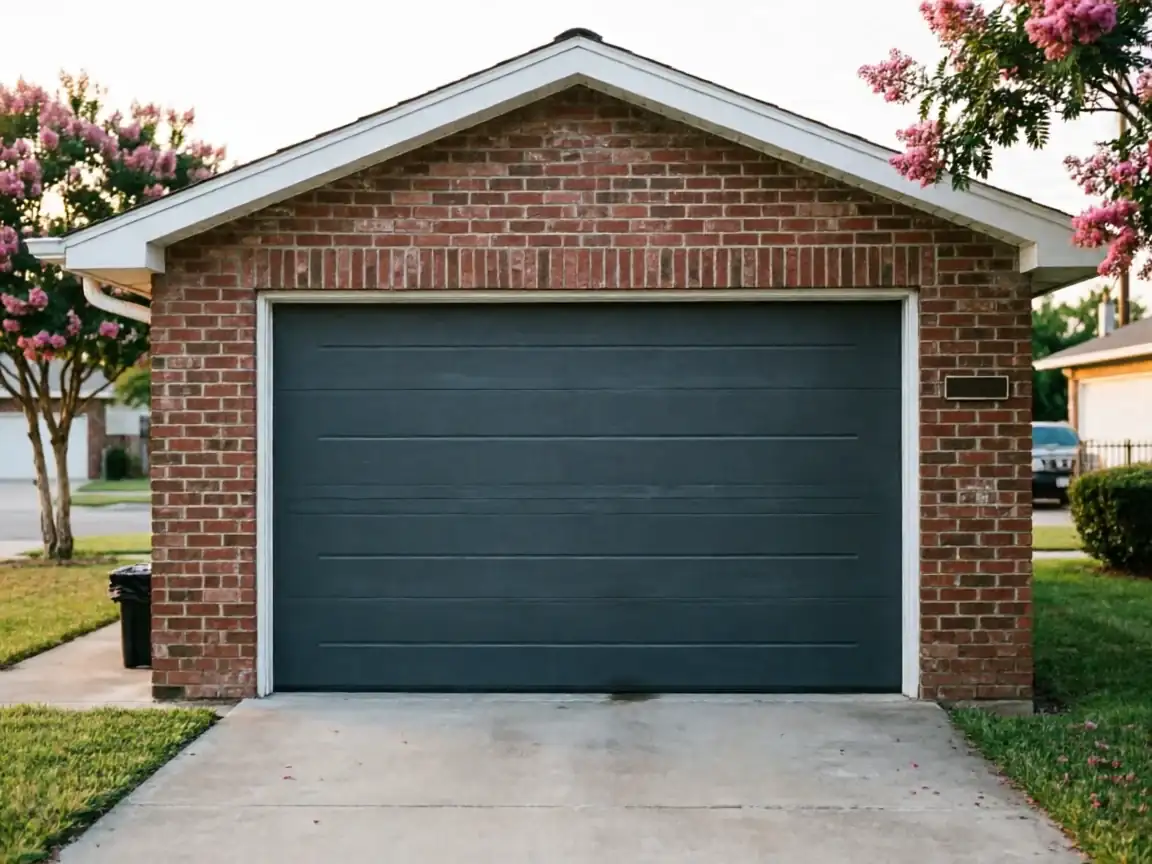
Most of the garage doors we're asked to replace in Enid went up with the house, and most of those houses were built between 1956 and 1981, with the median landing around 1972. That's a door and track system designed for a different era of hardware - lighter panels, narrower rollers, openers rated for weight nobody makes any more. Across the five main pockets of housing in our service area, the stock is overwhelmingly 1960s and 70s construction, which means the garage opening itself is often a non-standard width by today's door sizing. Add a cold-moderate climate with real freeze-thaw swings, and steel panels from that era have had sixty-plus years of expansion and contraction working the seams, the hinges, and the weld points. The failure isn't random - it's the predictable end of a door built for a house, not for this county's winters. When we quote a replacement here, we're not quoting a generic garage door. We're accounting for an opening that was framed before double-wall insulated doors existed, which changes what fits and what has to be special-ordered.
How It Shows Up
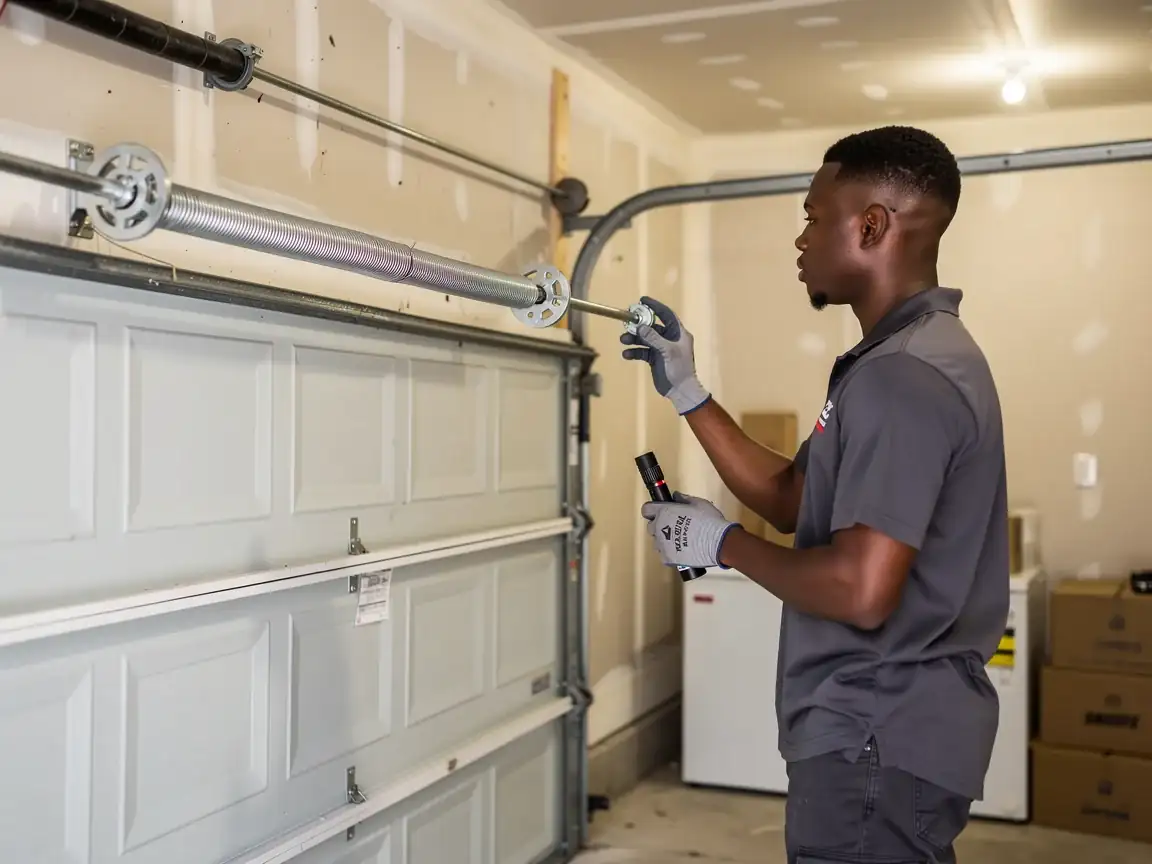
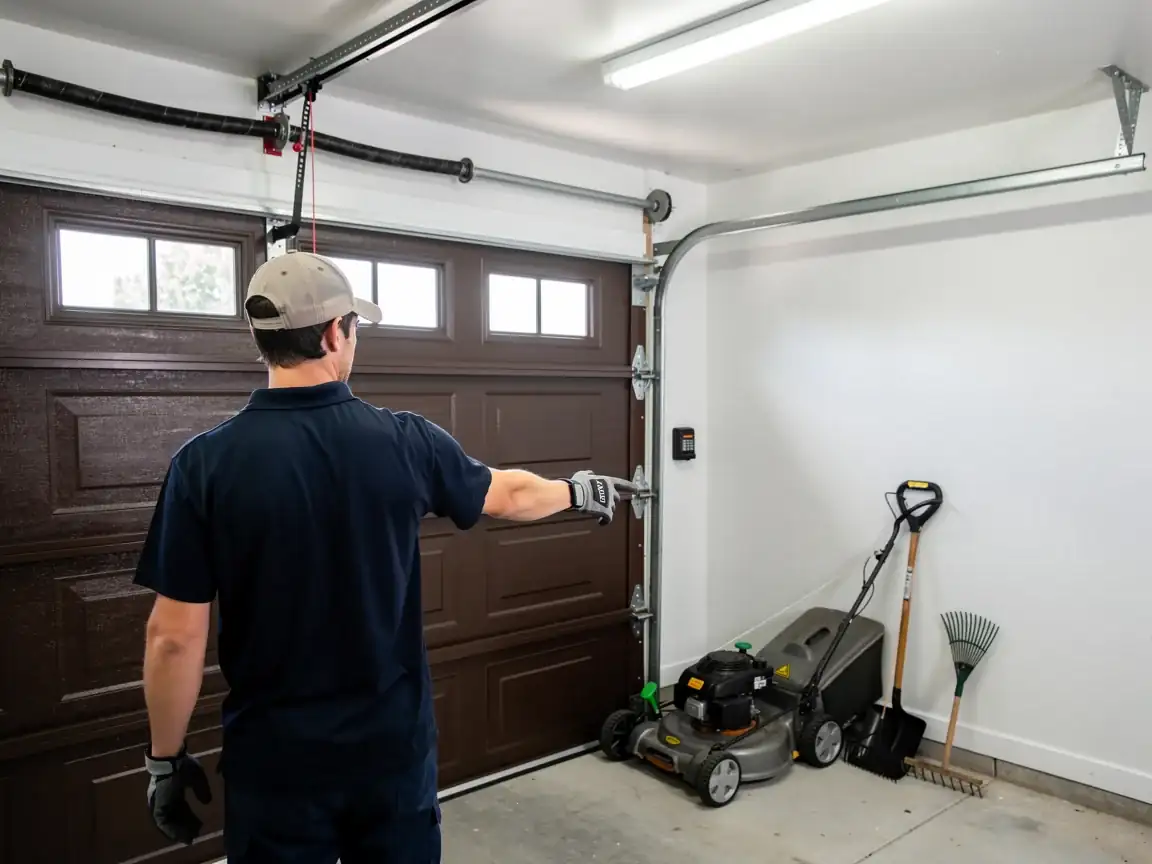
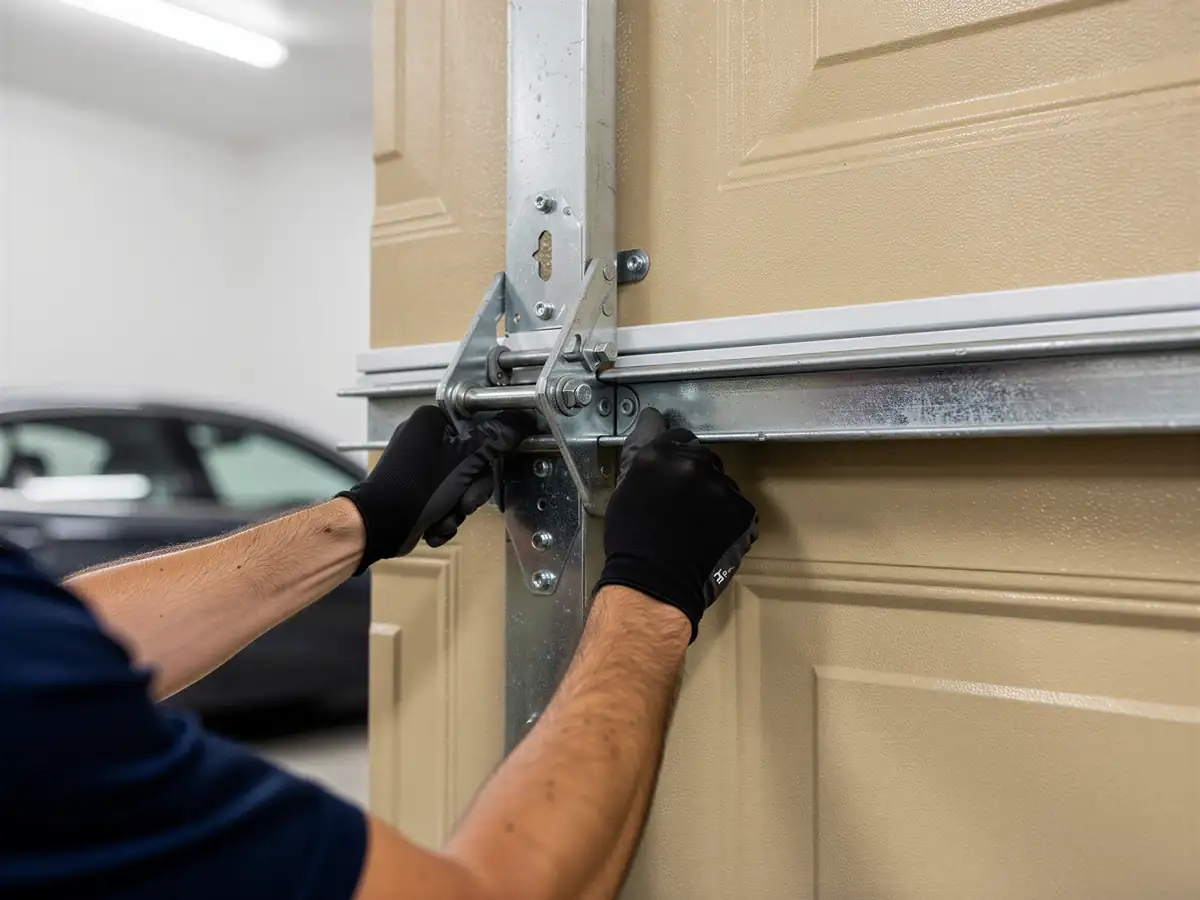
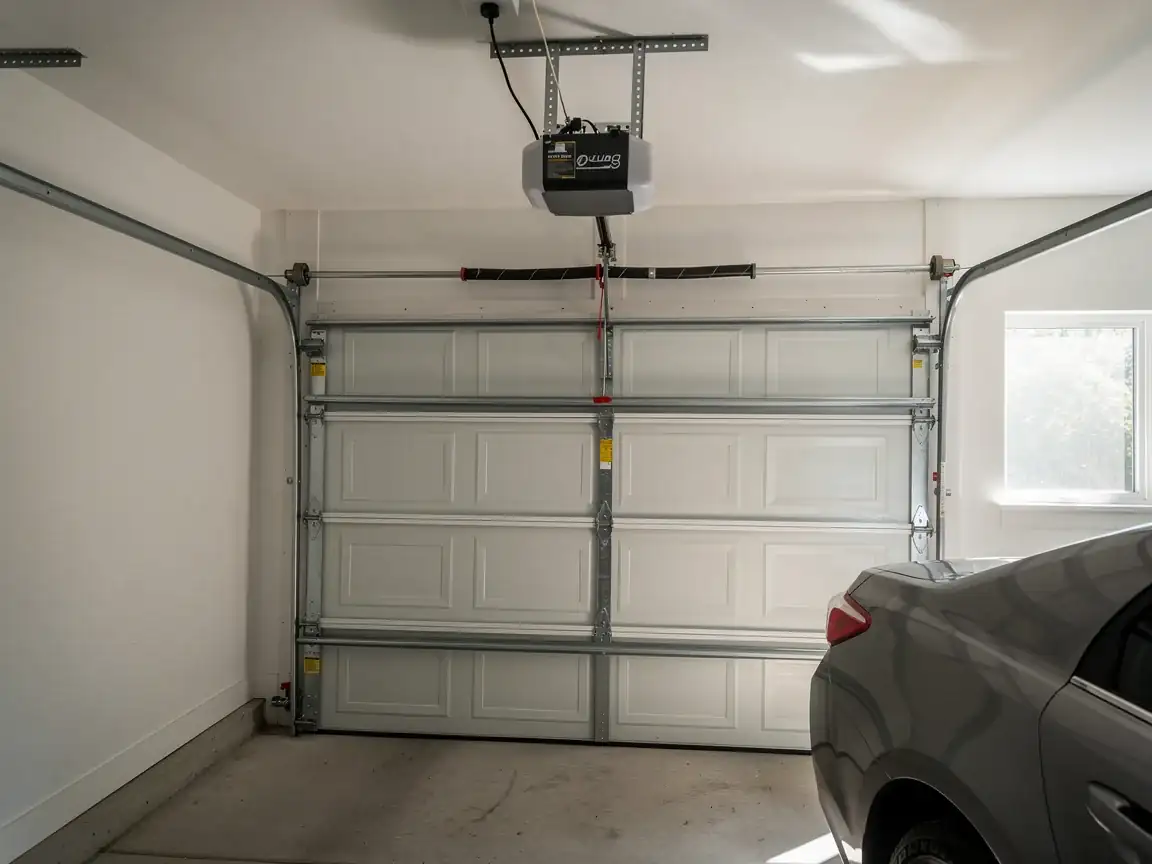
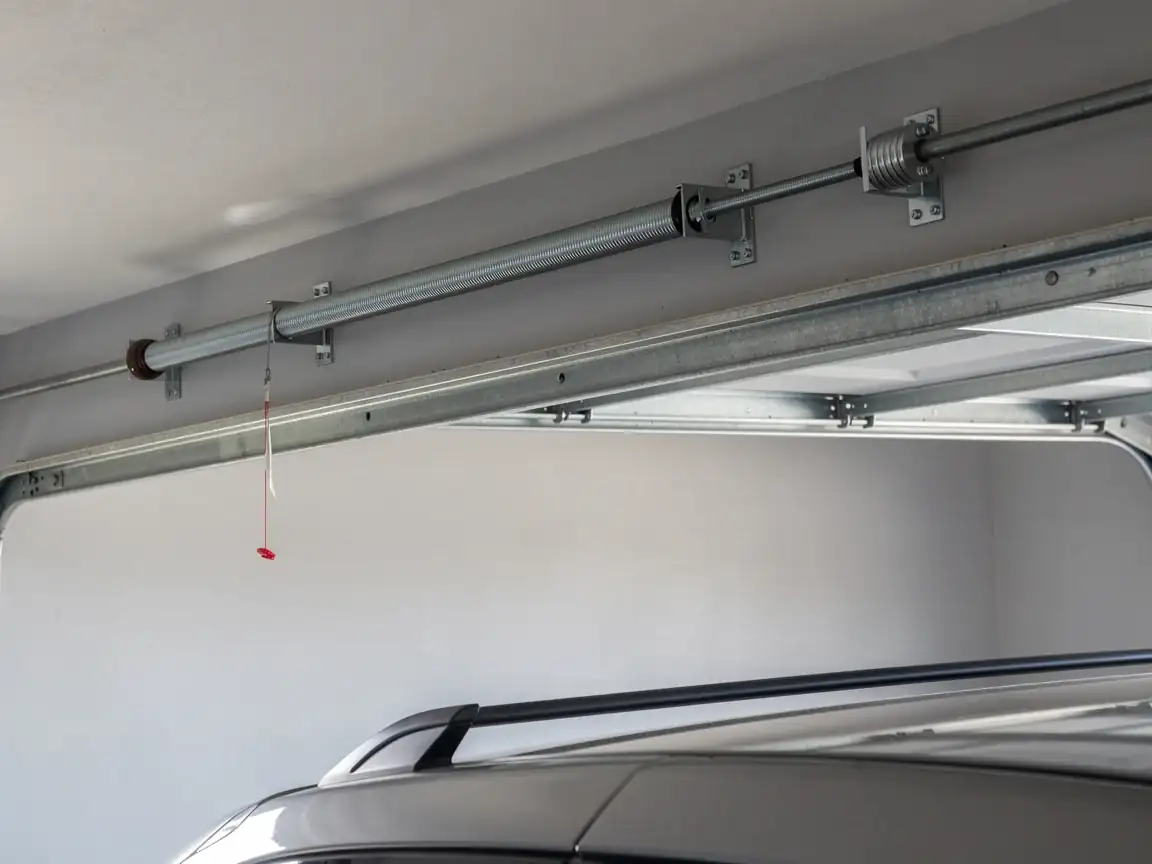
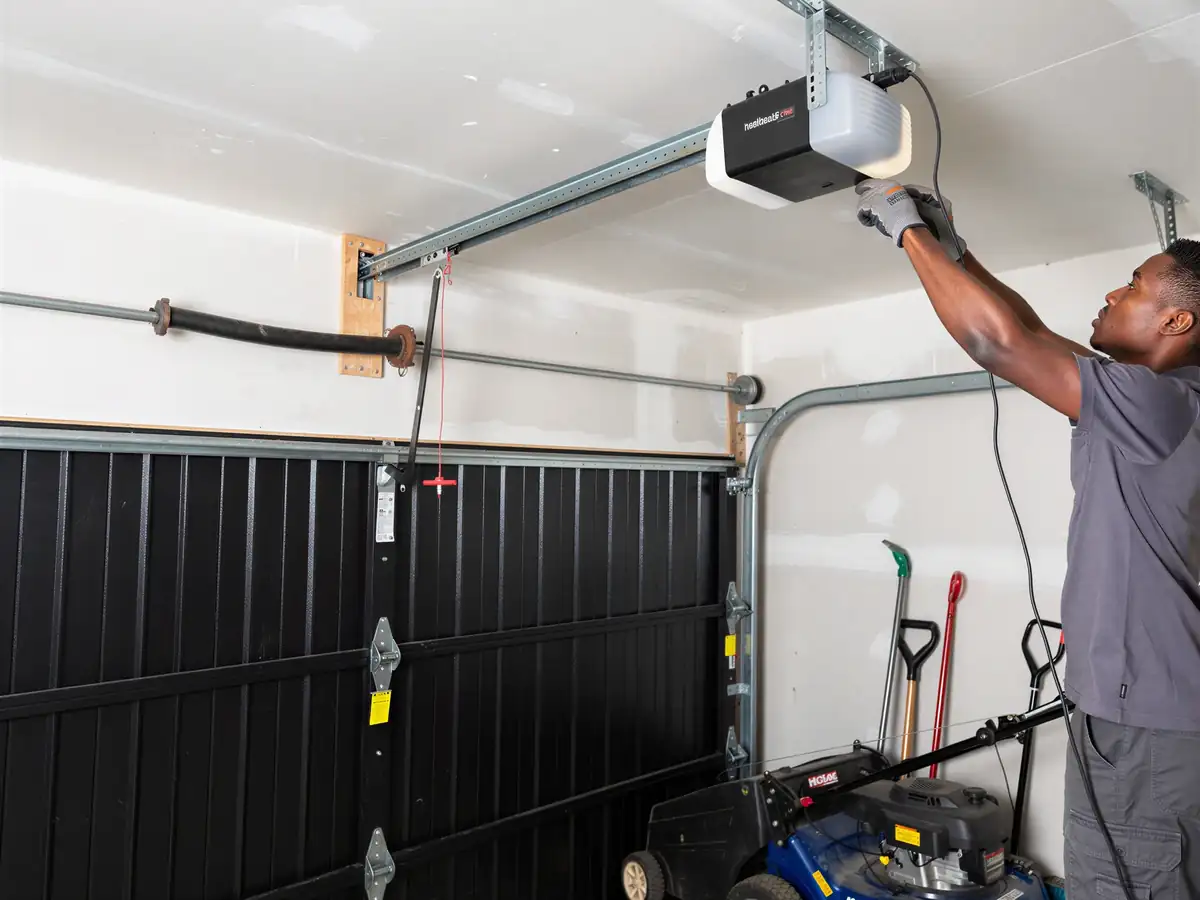
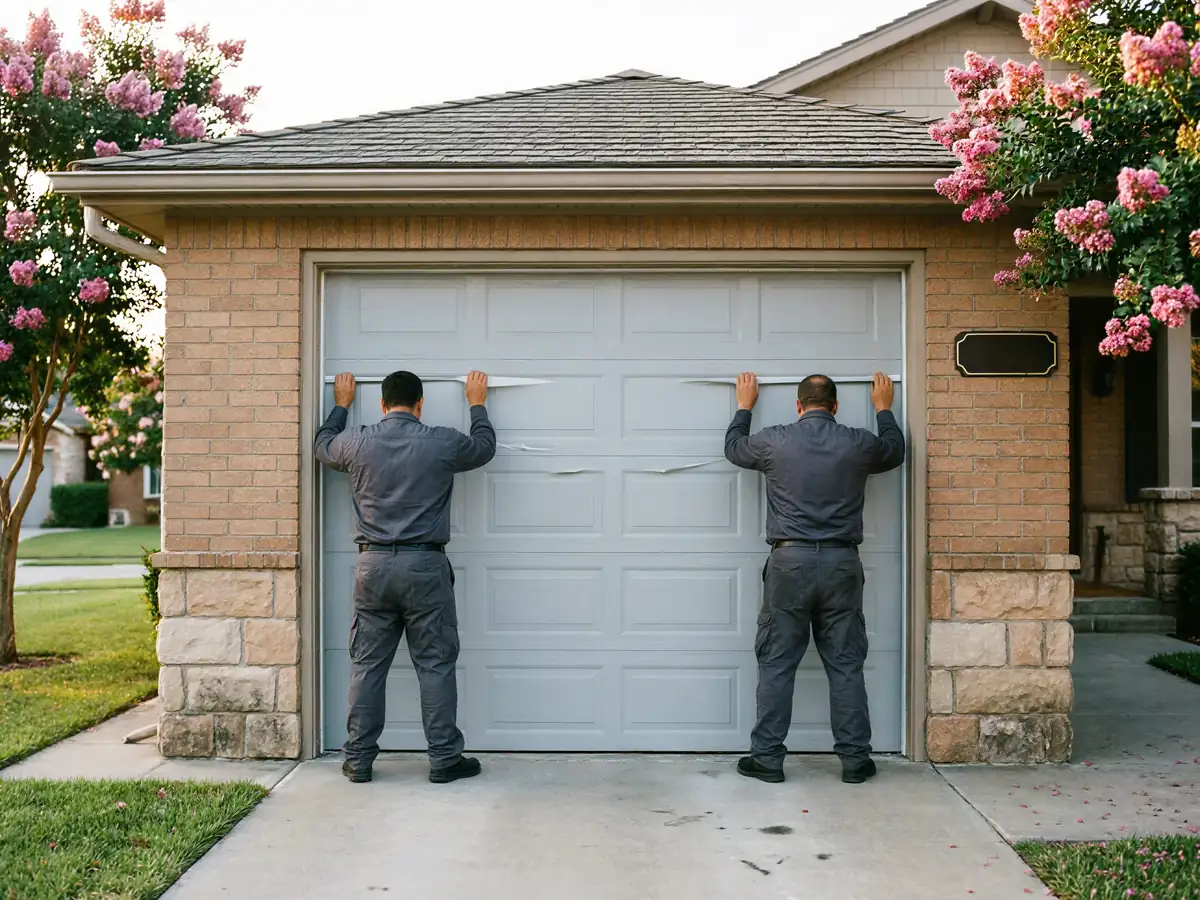
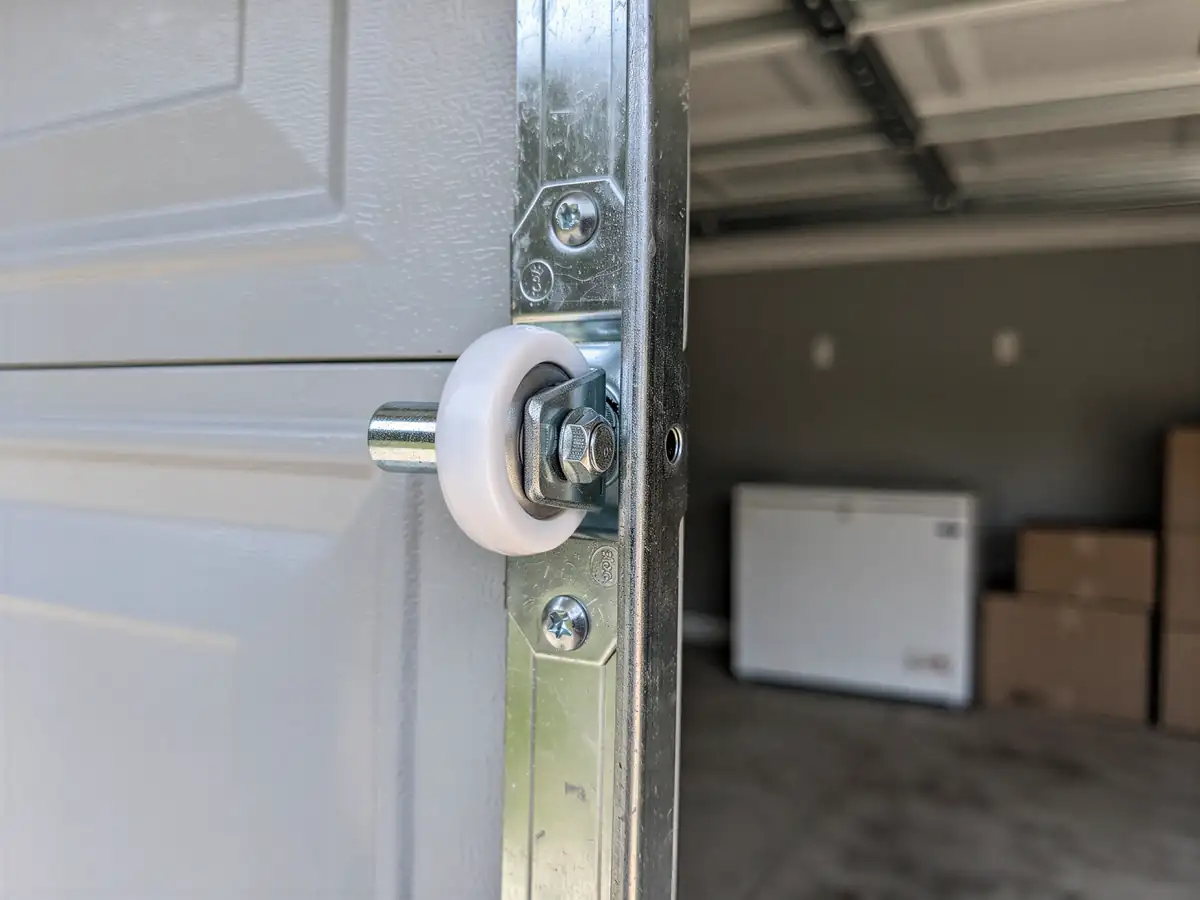
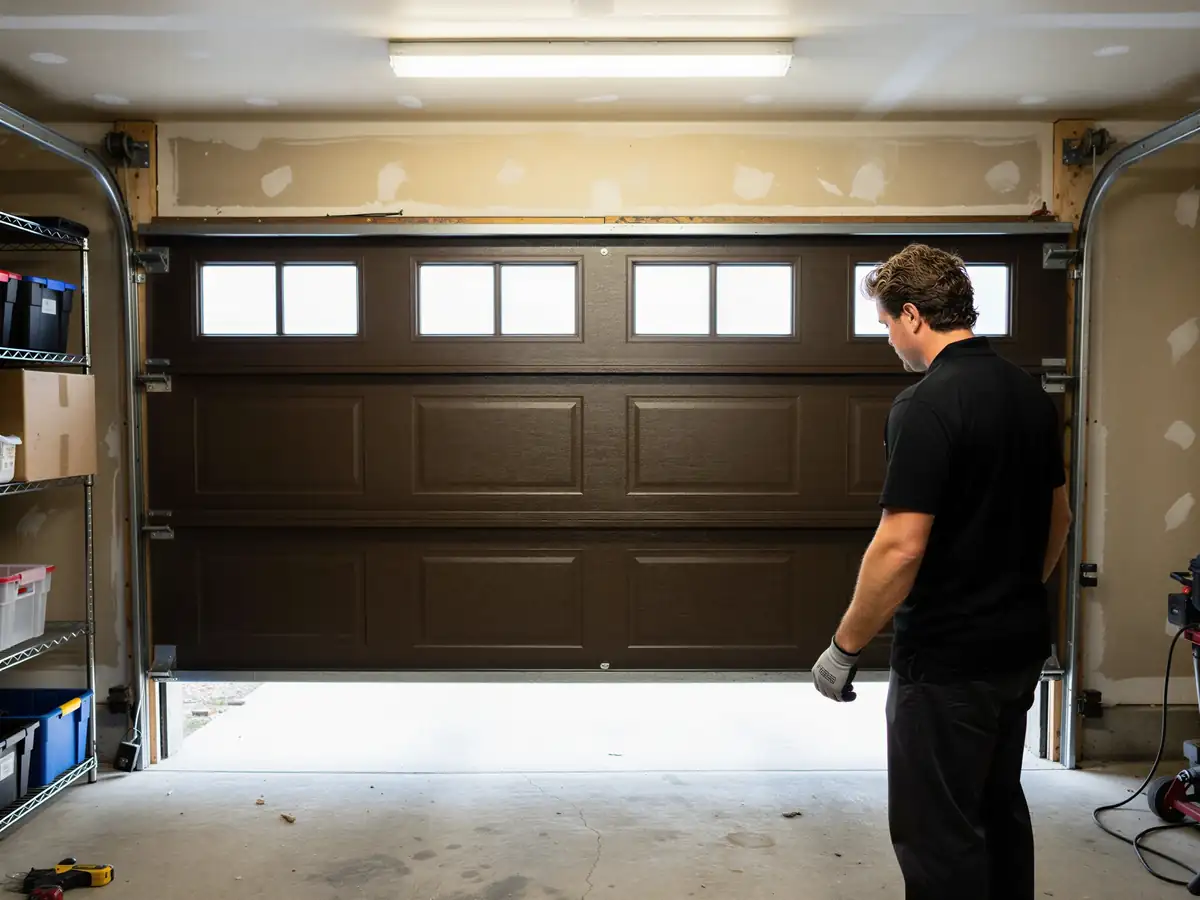
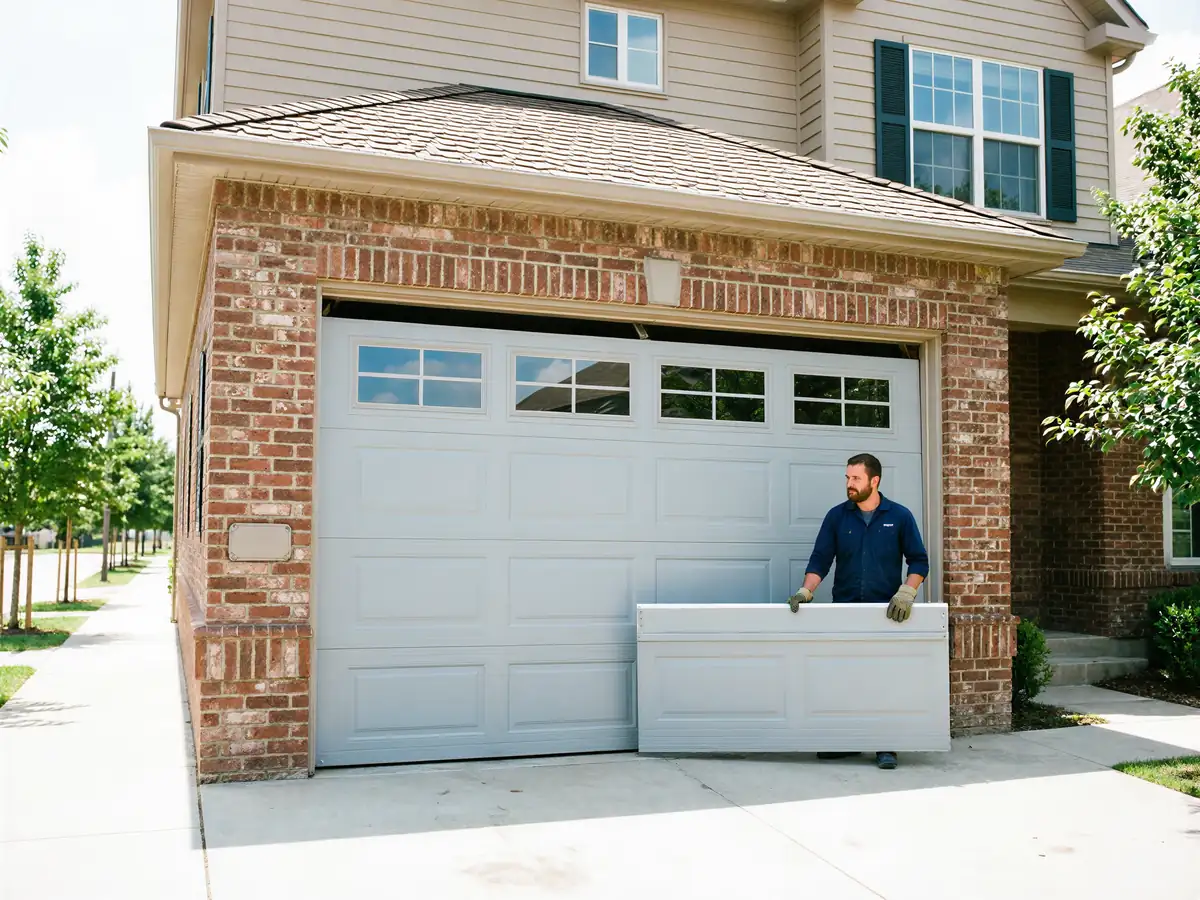
The most common call is a door that still runs but sags visibly at one corner, usually on the panel closest to where water collects at the base of the opening. On houses from the 1960s and 70s, the original track was set for a single-layer door, so when an owner upgrades to a heavier insulated panel without replacing the track and rollers, the opener strains and the door binds halfway up. We also see openers that cycle but the door reverses itself - a symptom of the whole system, spring included, carrying more weight than it was ever balanced for. In homes built before garage doors were treated as part of the building envelope, there's often no header reinforcement either, so a straight swap-in of a modern door can flex the frame. None of this shows up overnight. It's a slow drift from smooth operation to daily fighting with the door, and by the time most owners call, the track is bent enough that patching it isn't really an option anymore.
What It Costs
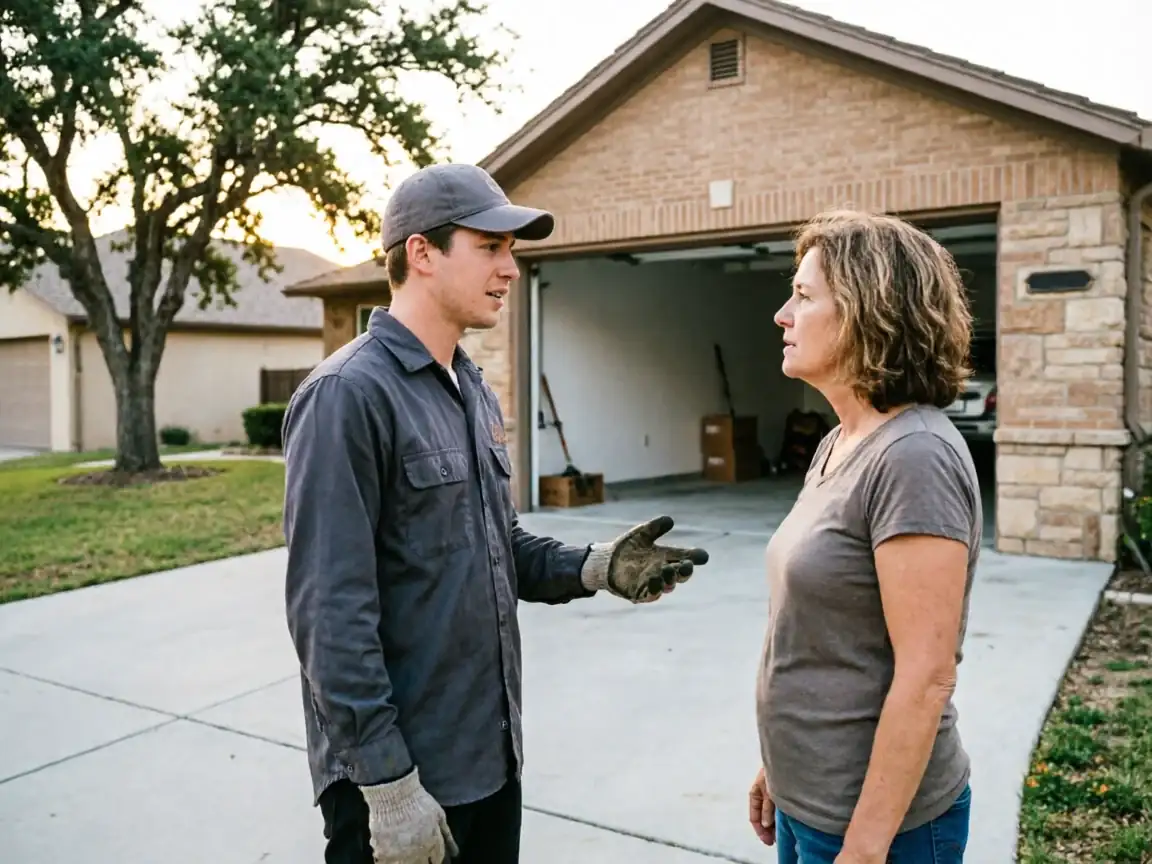
We don't publish a flat number here because the two biggest cost drivers - whether the header needs reinforcement and whether the opening needs a custom-width door - aren't known until someone's measured your garage in person. A straightforward swap where the frame is square and the opening is standard costs a lot less than one where the track, header, and seal all need attention because the house dates to the 60s or 70s and nothing's been touched since. We'll walk the opening, tell you plainly if a repair gets you another several years or if you're better off replacing, and give you a number before any work starts. If a part needs special ordering because of an odd-sized opening, we'll tell you that too - it's a real limitation, not a sales tactic.