
This Area's Housing
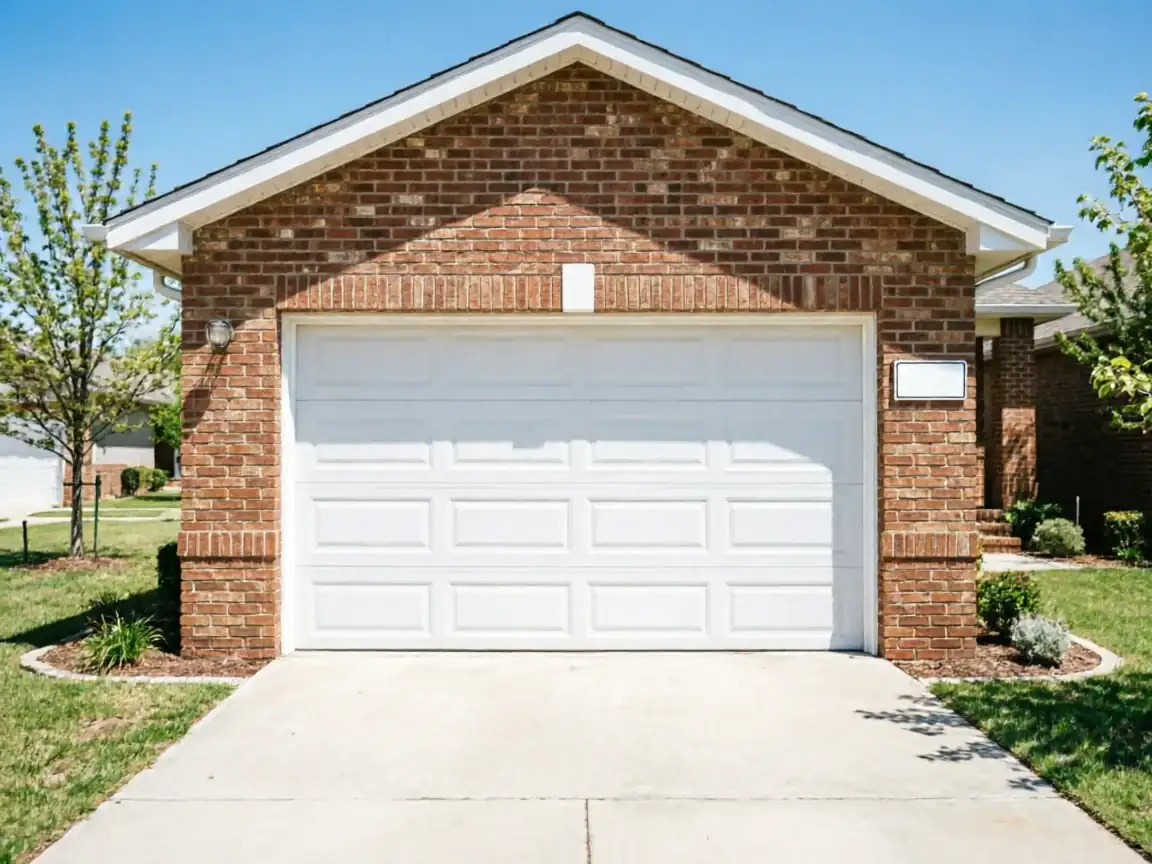
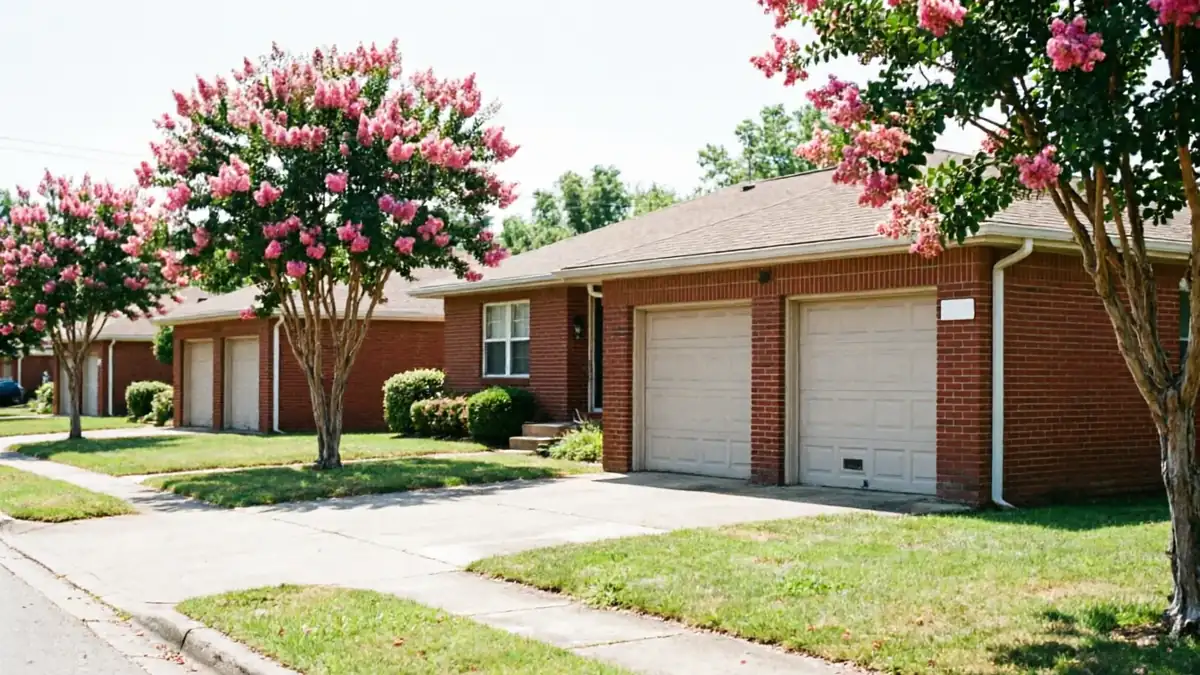
Covington's houses mostly went up around 1956 - close to two decades ahead of the 1972 median you see across the rest of our coverage area, where building ran from 1956 through 1981. That gap matters more than it sounds like it should. A town built mostly in one tight stretch gets one generation of garage doors and one generation of hardware installed to match it, and a lot of it is still out there doing the job it was built for, badly, forty-some years past when it should have been swapped out.
With only 136 households in Covington, this is one of the smaller pockets in our coverage area, nowhere near the roughly 1,235 households spread across the five areas we work. Median household income here runs about $74,500, higher than the $63,869 median for the wider service area - which tends to mean more owners choosing full replacement over patch repairs once a door starts giving them trouble, rather than stretching an old unit another five years.
What We Do Not Do
We don't keep a crew or a truck stationed in Covington. Every job here means a 17-mile drive out from Enid, longer than the run to Waukomis or Kremlin, so we're not the outfit to call if you need someone on your driveway in twenty minutes. We also don't try to force a repair on hardware that's past saving - if a spring system or track is far enough gone that patching it just delays a bigger failure, we'll say so plainly instead of billing you twice.
We don't do new construction or garage additions, and we don't install doors we haven't sourced ourselves, since we can't stand behind hardware we didn't pick.
What That Means for Doors
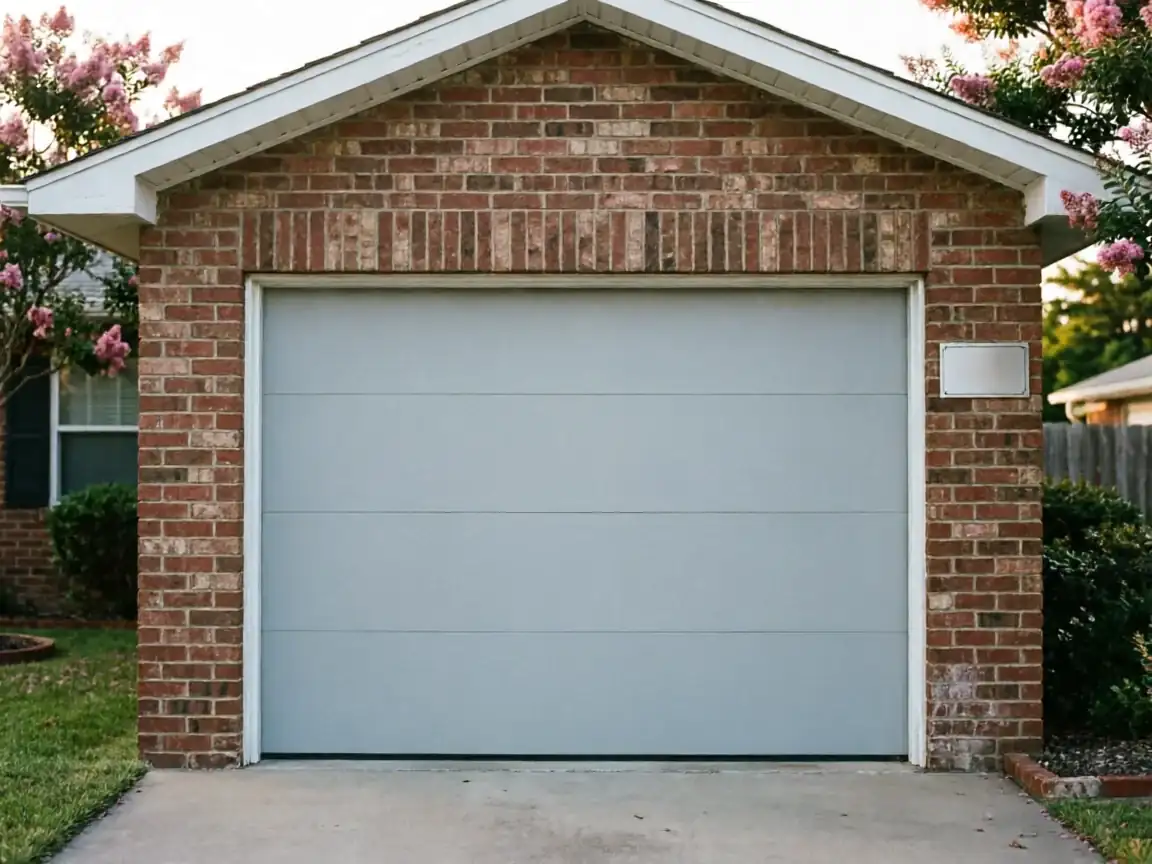
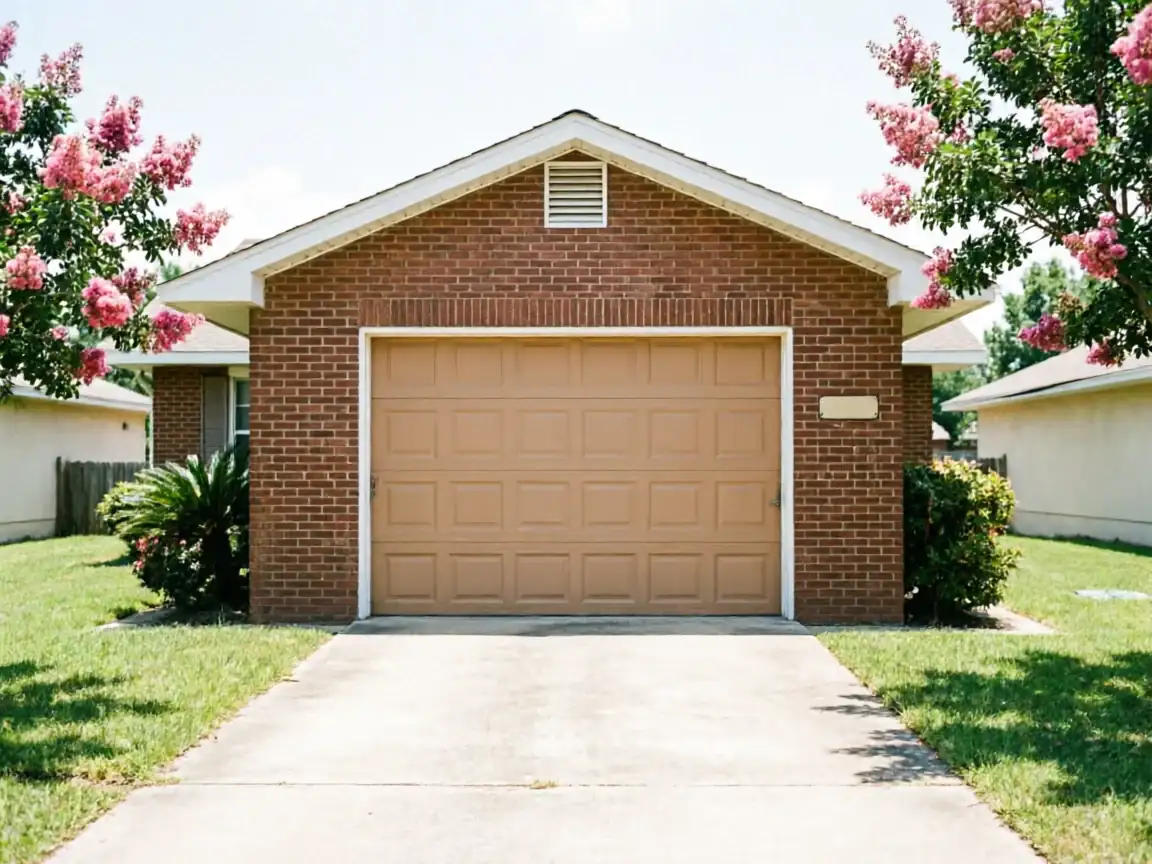
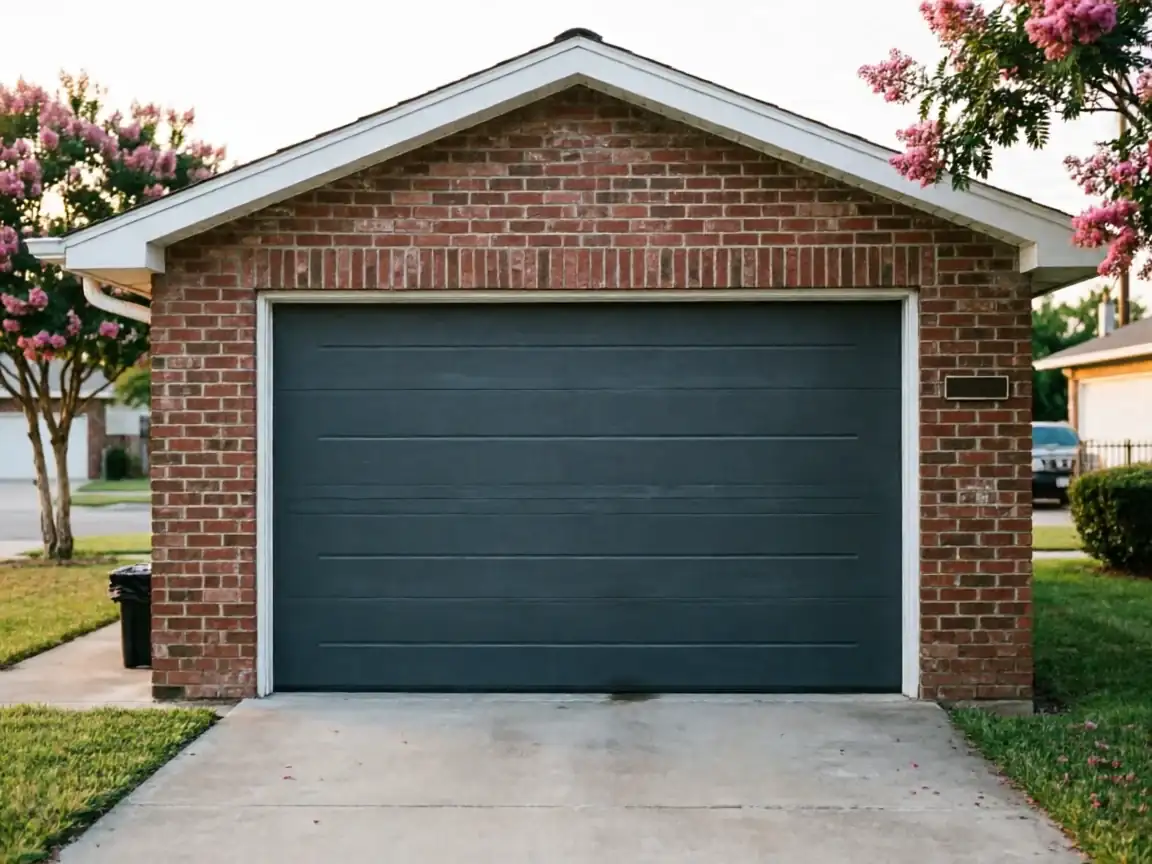
A house built in 1956 usually started with a single-car opening, a lighter steel or wood-composite door
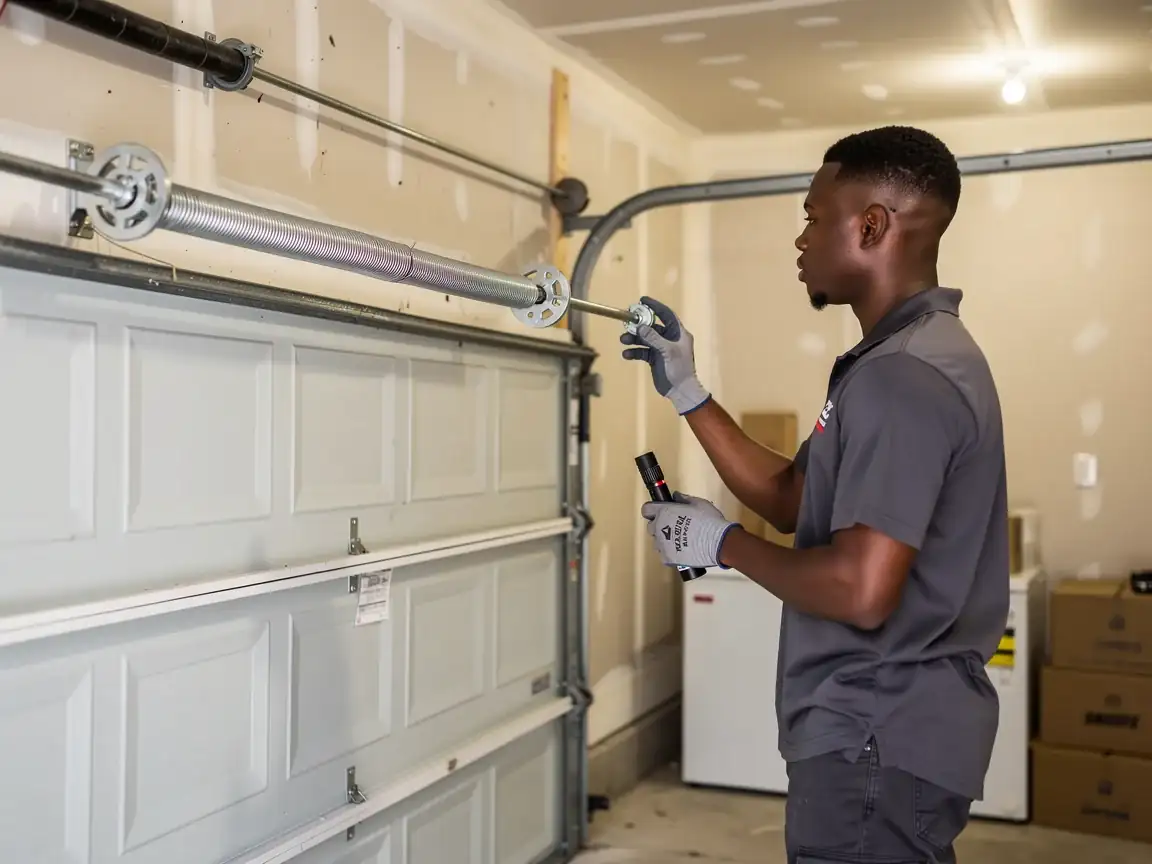
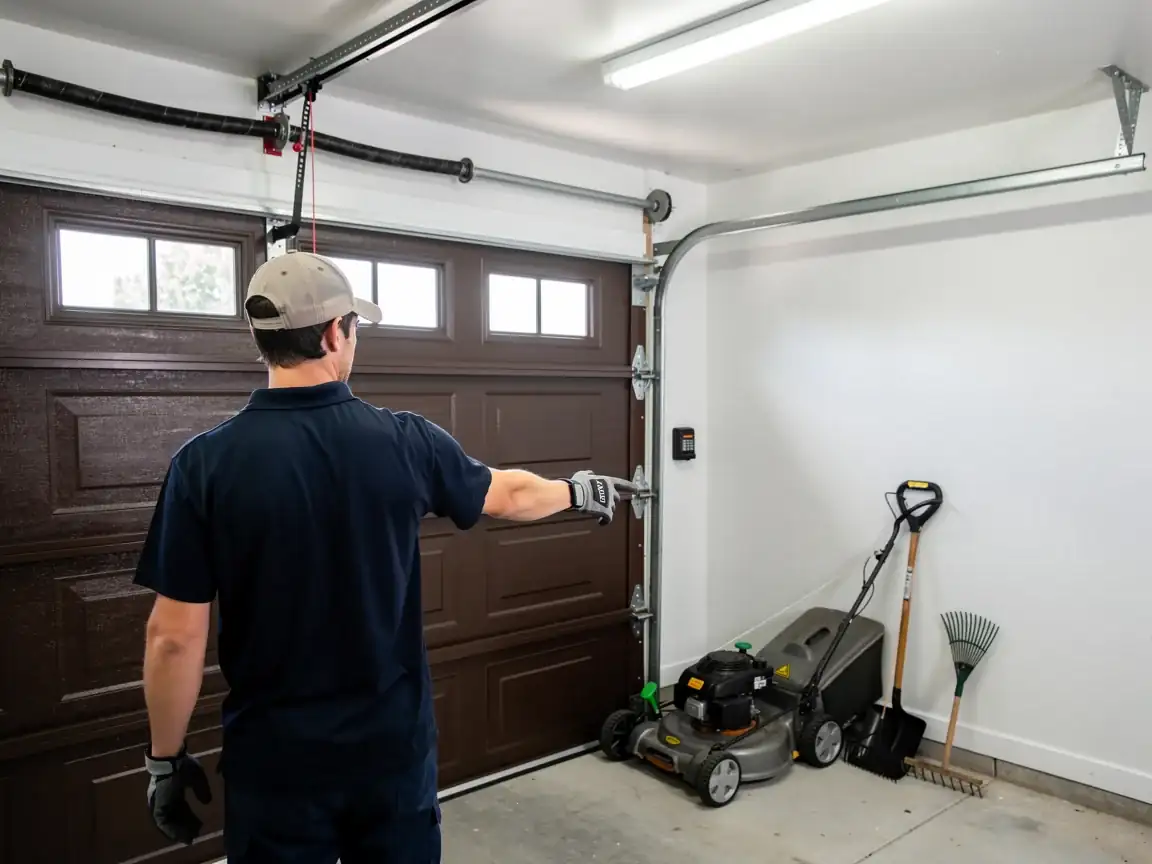
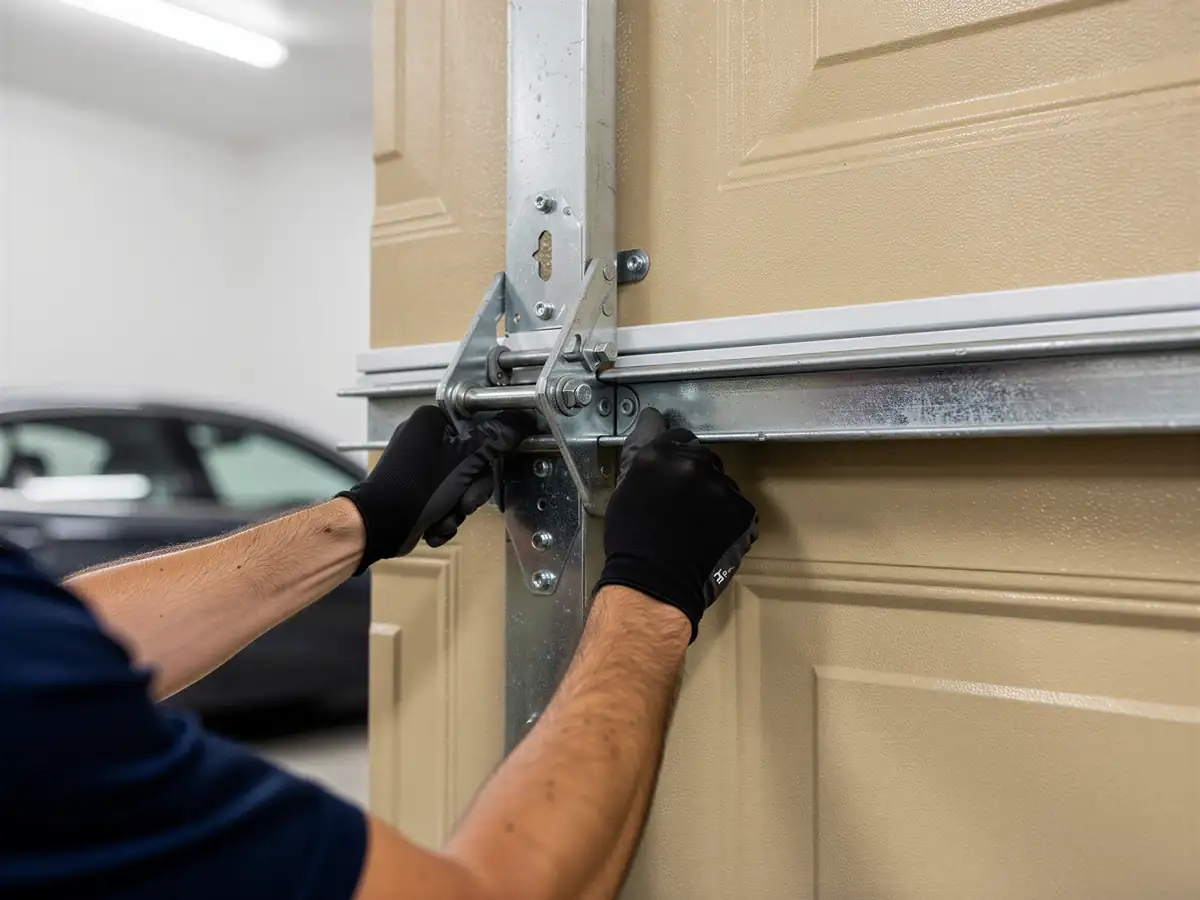
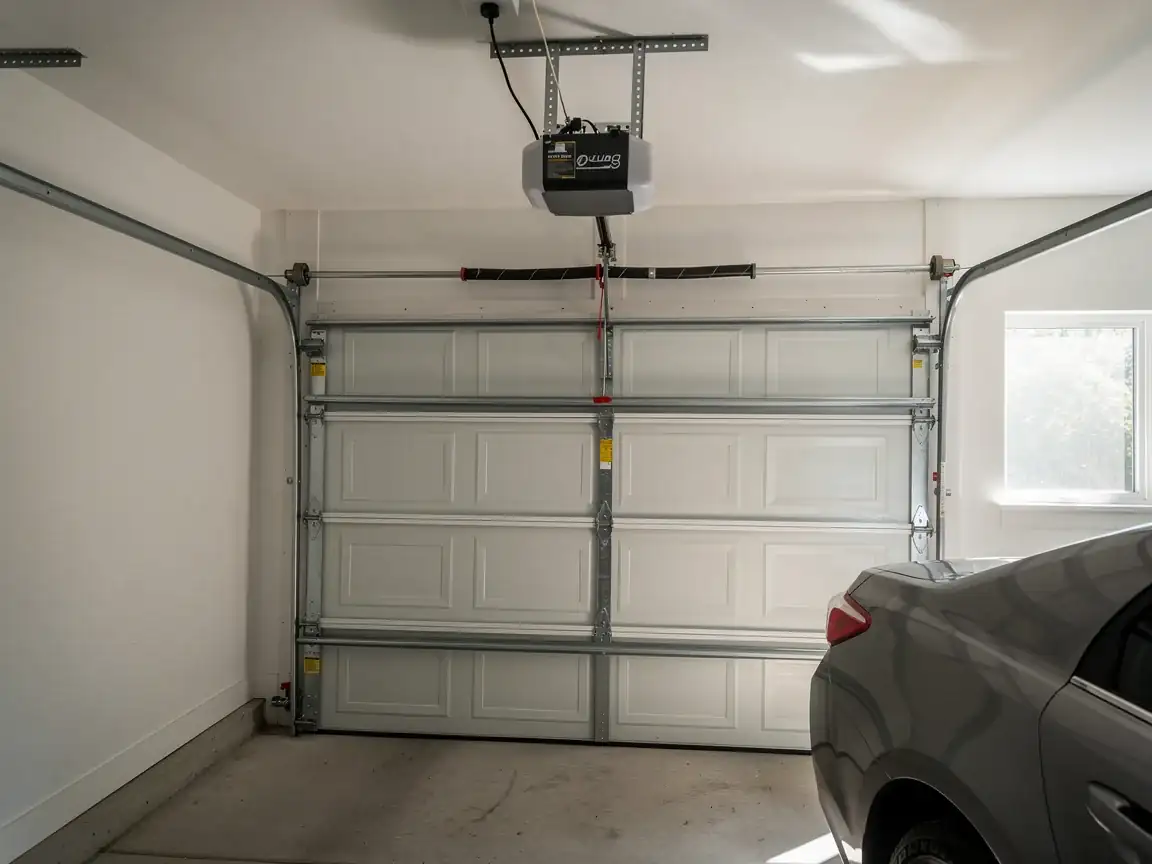
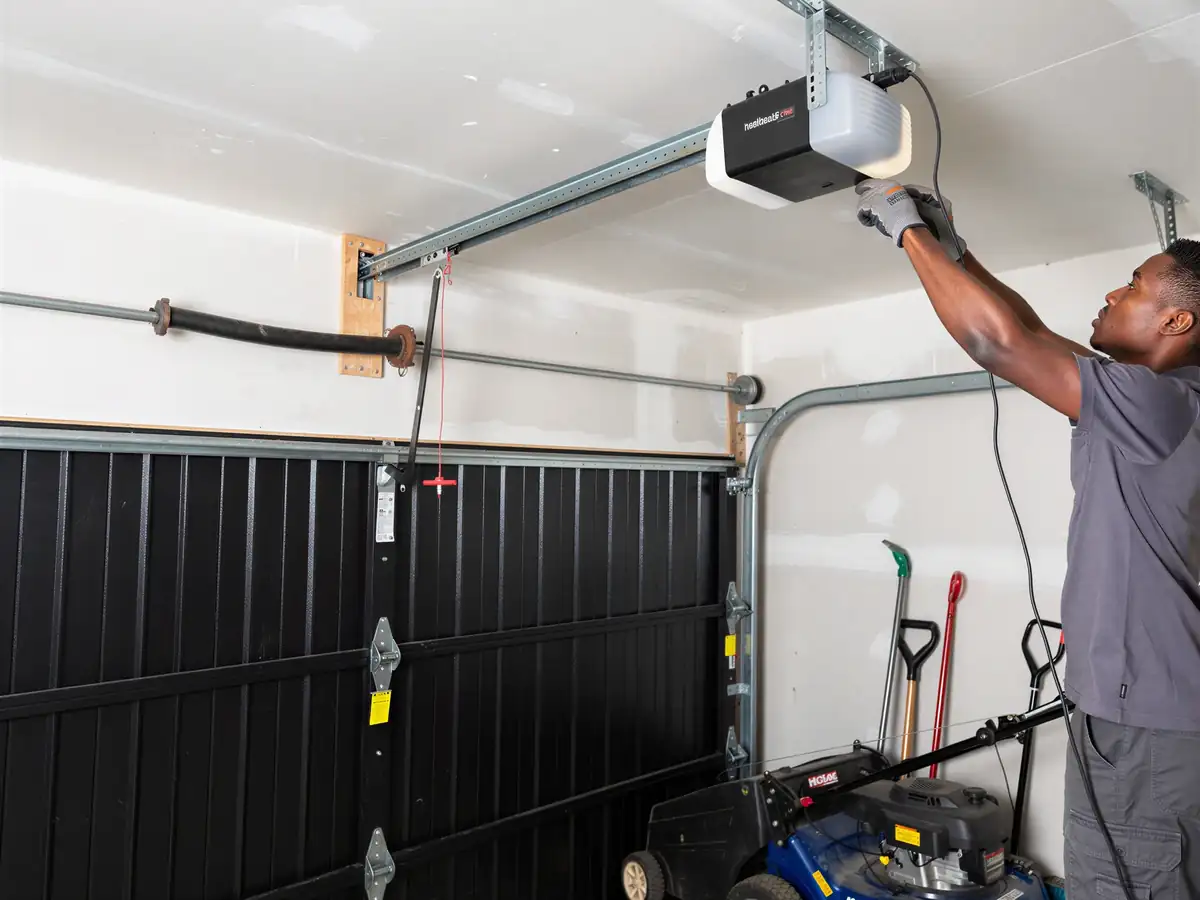
And an extension-spring setup mounted overhead along the horizontal track rather than a torsion spring on a header bar. Extension springs age differently than torsion springs - they stretch, they fatigue unevenly on each side, and they tend to let go without much warning compared to the slower give you get from a torsion coil.
Covington sits in the same cold moderate climate band as the rest of the area we cover from Enid
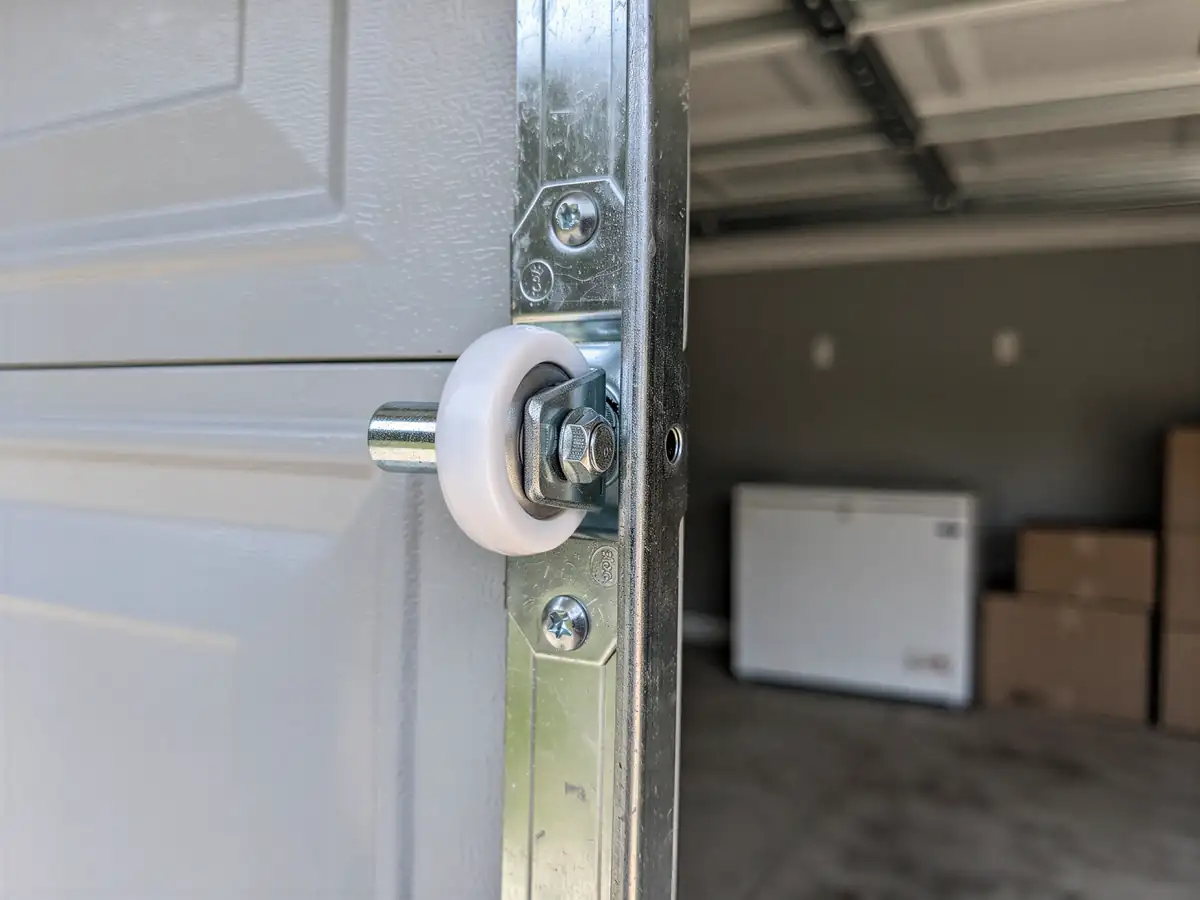
So whatever hardware is on the door is also cycling through freeze and thaw every winter. Steel contracts in the cold, lubricant thickens, and a spring or roller that was already tired from age gets pushed past the point where it's just noisy and into the point where it's done. On original 1950s hardware, that failure point tends to come sooner, not later.
Old Streets and New Ones
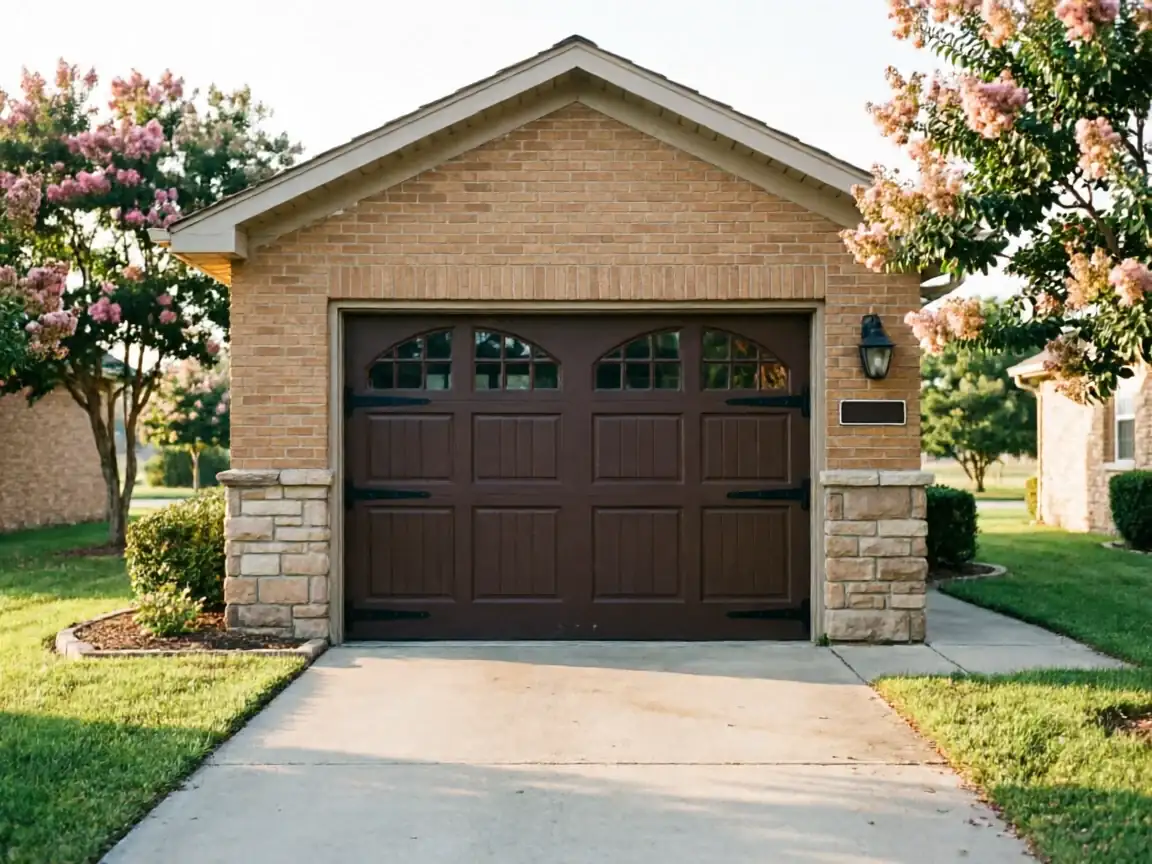
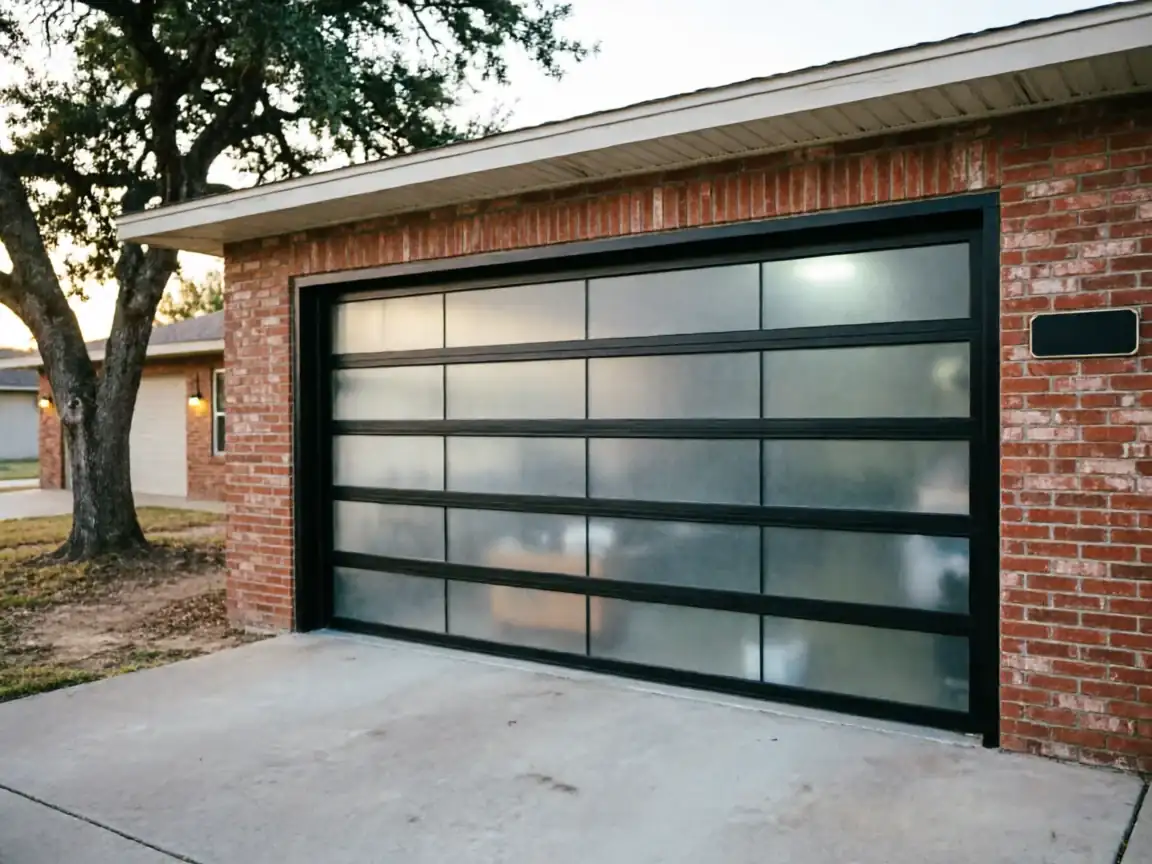
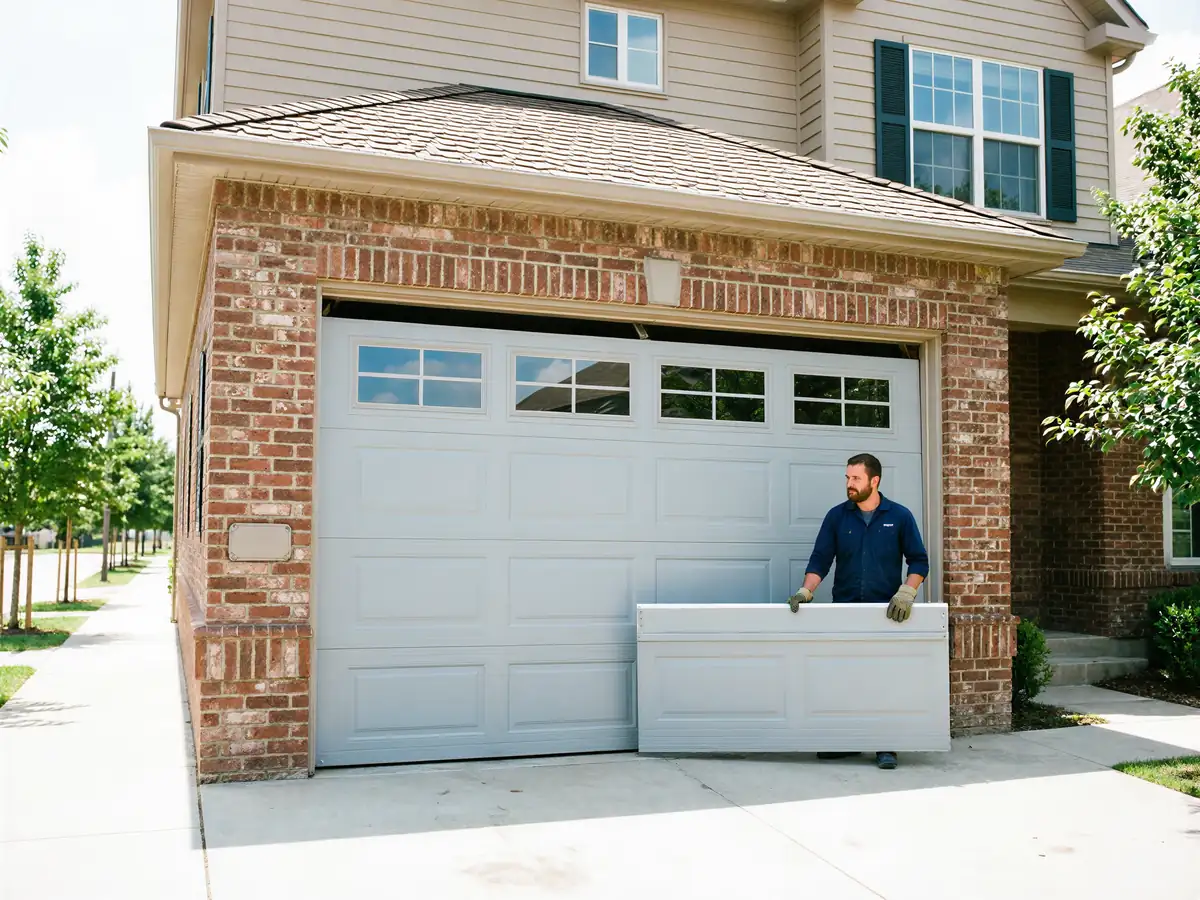
Not every door in Covington is original to 1956. Plenty of owners have already replaced the spring system, swapped to a torsion setup, or put in a newer steel door with insulation the first owners never had. Those jobs behave like any other newer installation - the fixes are more about openers, sensors, and routine wear than about hardware fighting its own age.
The older stock is where the work gets specific. Original overhead track, lightweight panels, and extension springs that have outlasted their rated cycle count all show up here more than they do in the newer-built pockets closer to Enid. If you're not sure which category your door falls into, the build year of the house is usually a good starting clue, though it's not a guarantee - plenty of owners swapped doors decades ago without touching anything else.