Why This Fails Locally
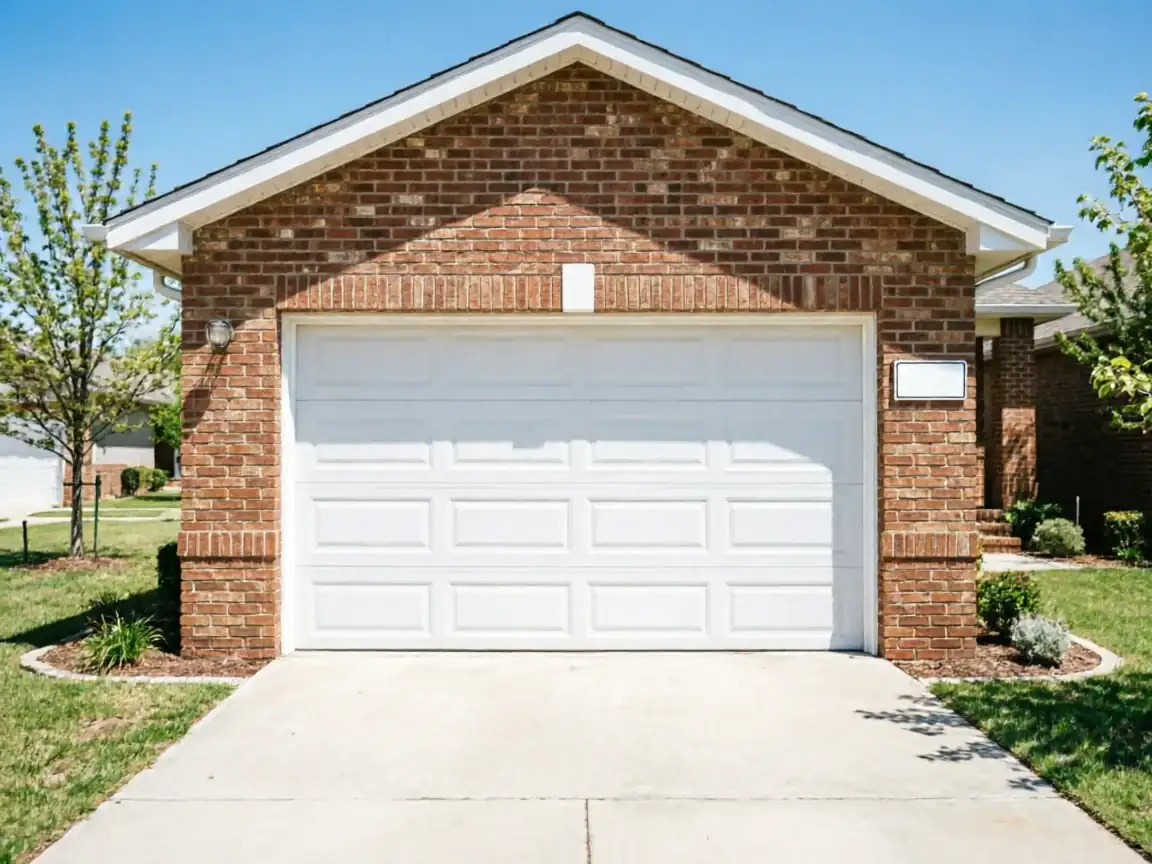
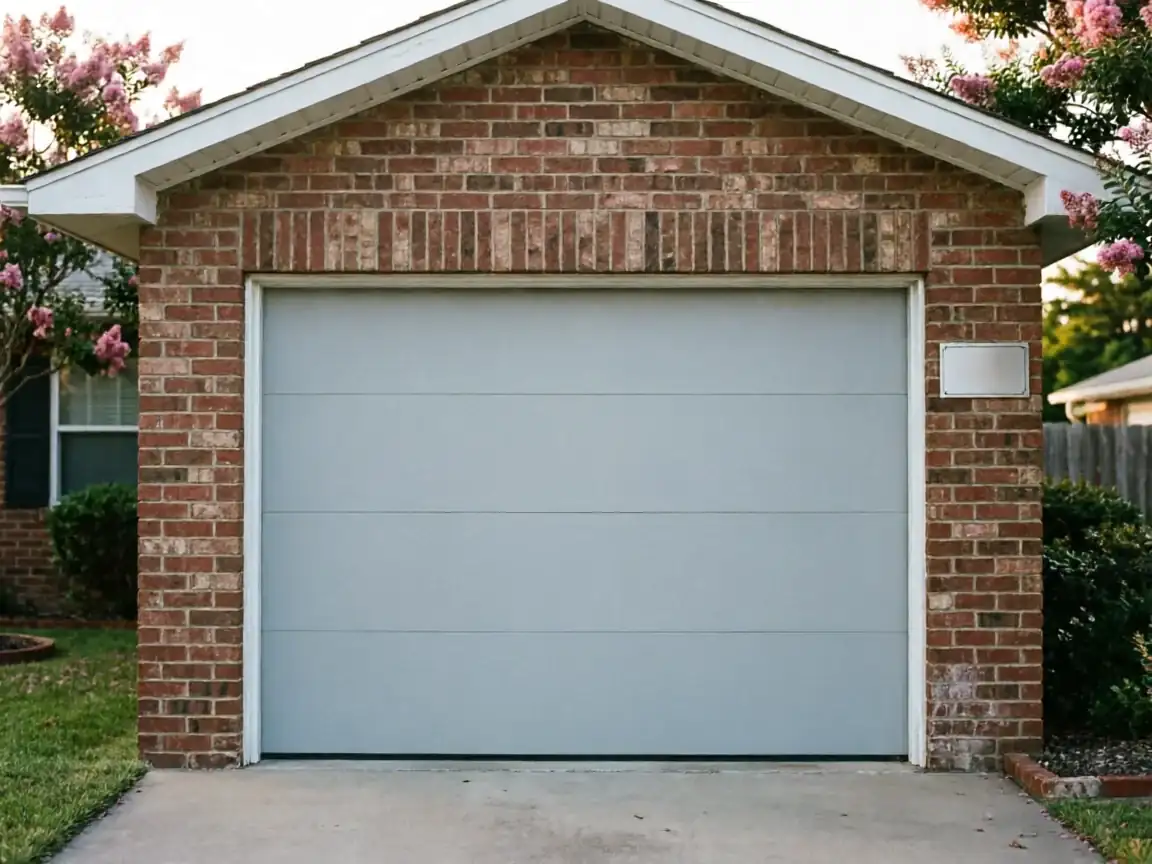
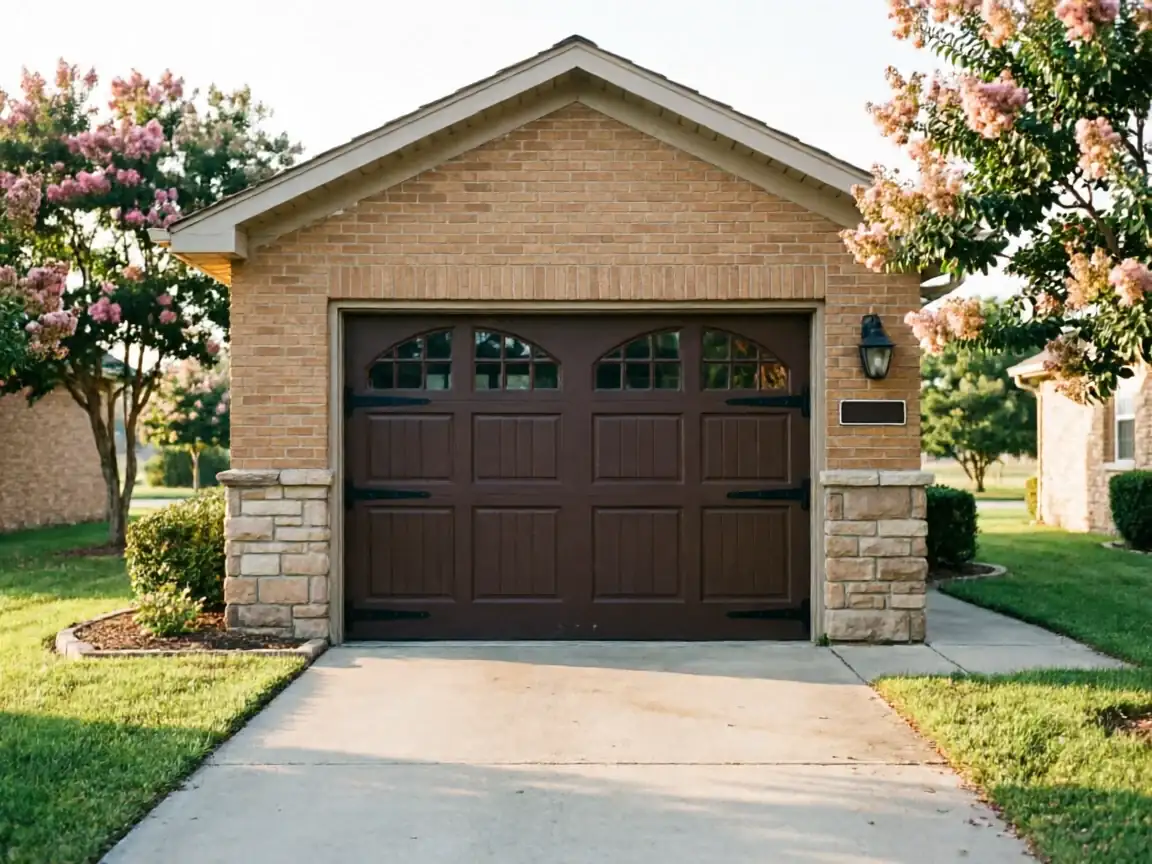
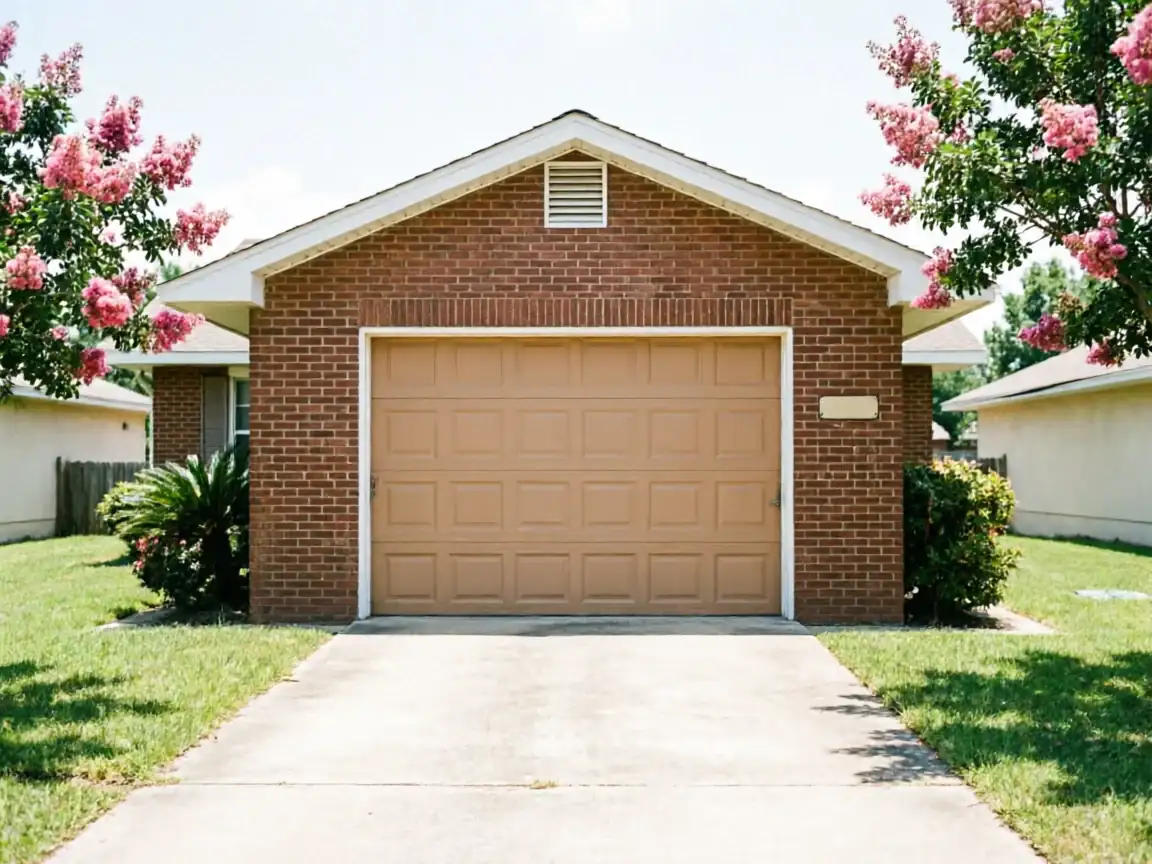
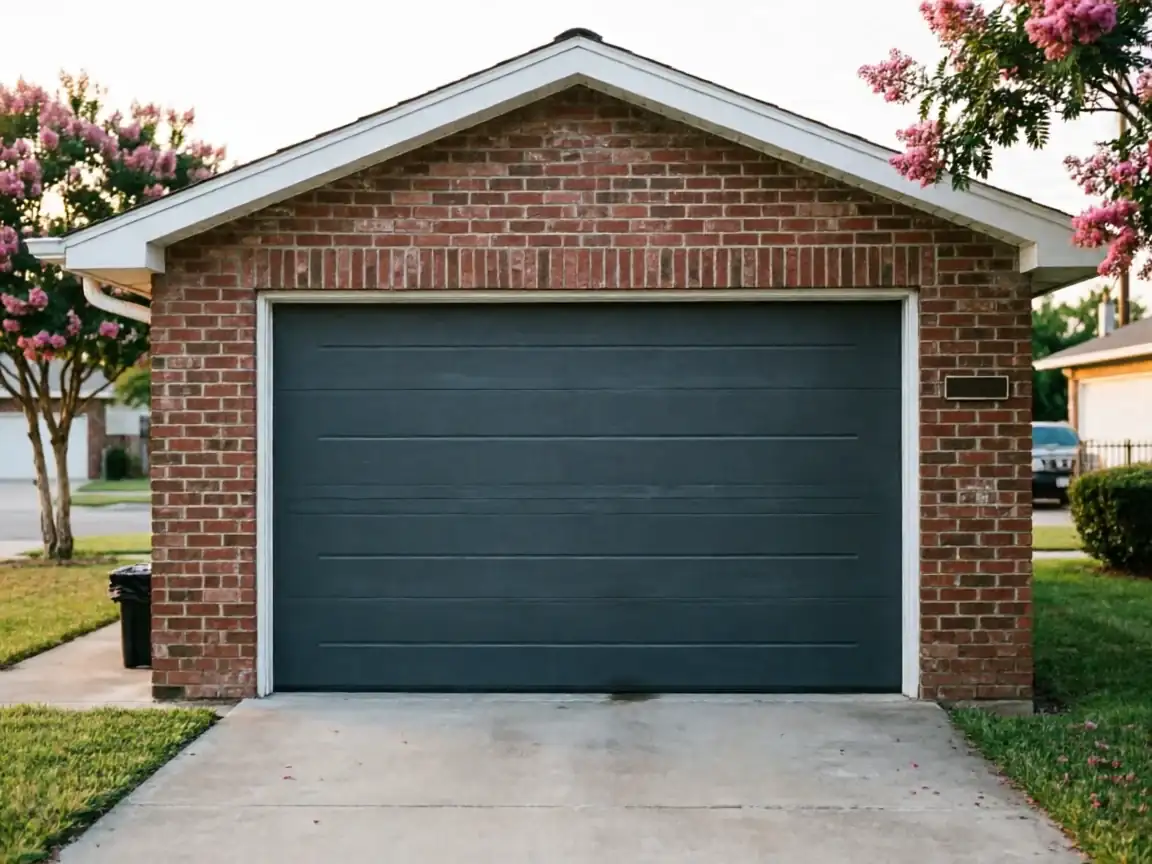
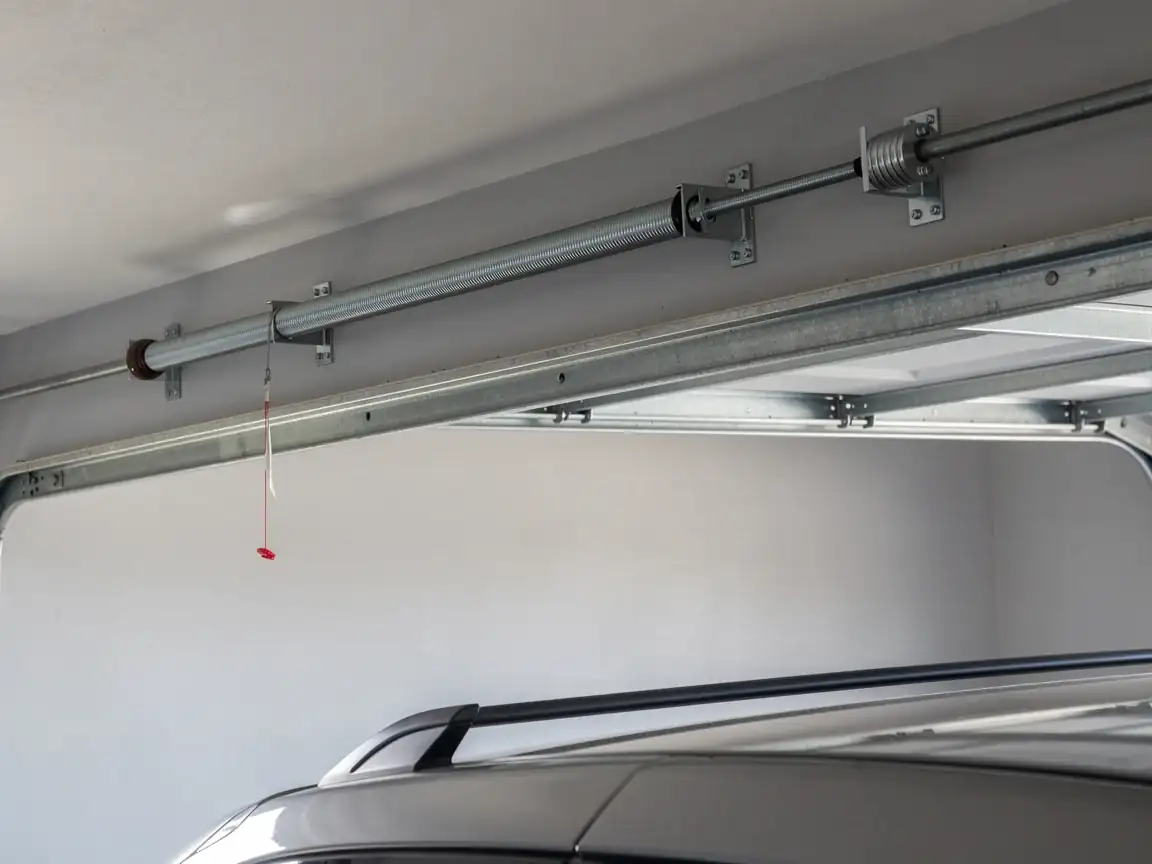
Most of the houses we work on in Enid went up between 1956 and 1981, with the bulk of that stock dating to the 1960s and 70s across the five main residential areas in town. That matters for one simple reason: a torsion spring has a rated cycle life, and a spring installed when the house was built, or replaced once sometime in the 80s or 90s, is well past due. We see the same pattern on street after street - a door that's opened and closed two or three times a day for fifty-plus years on hardware nobody has touched since.
Add the climate to that. Enid sits in a cold-moderate band, which means real winter swings - not the brutal cold of the northern plains, but enough freeze-thaw cycling to stiffen lubricant, shrink metal tolerances, and put extra load on a spring that's already tired. A spring that might limp along another year in a milder climate snaps here on the first hard cold snap of the season. This isn't a defect in any one door. It's what happens when 1960s-era hardware meets Oklahoma winter, year after year, until something gives.
How It Shows Up
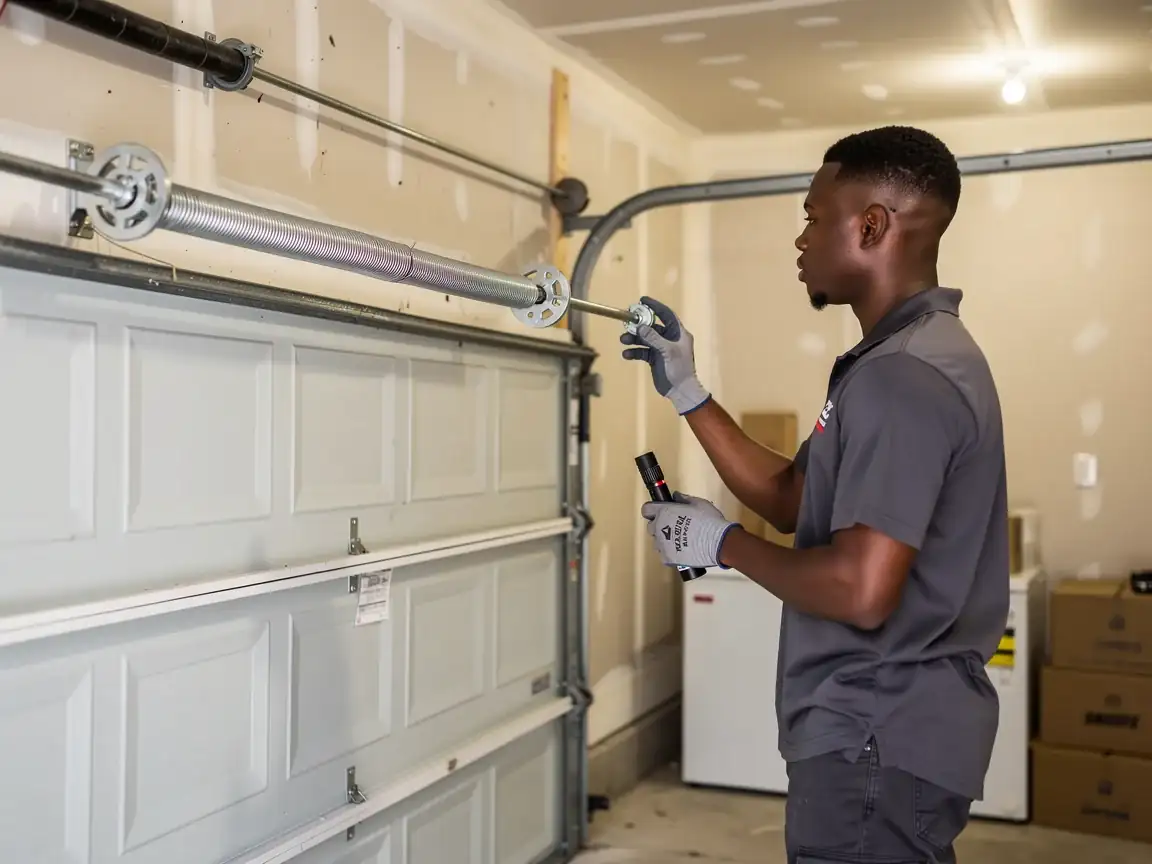
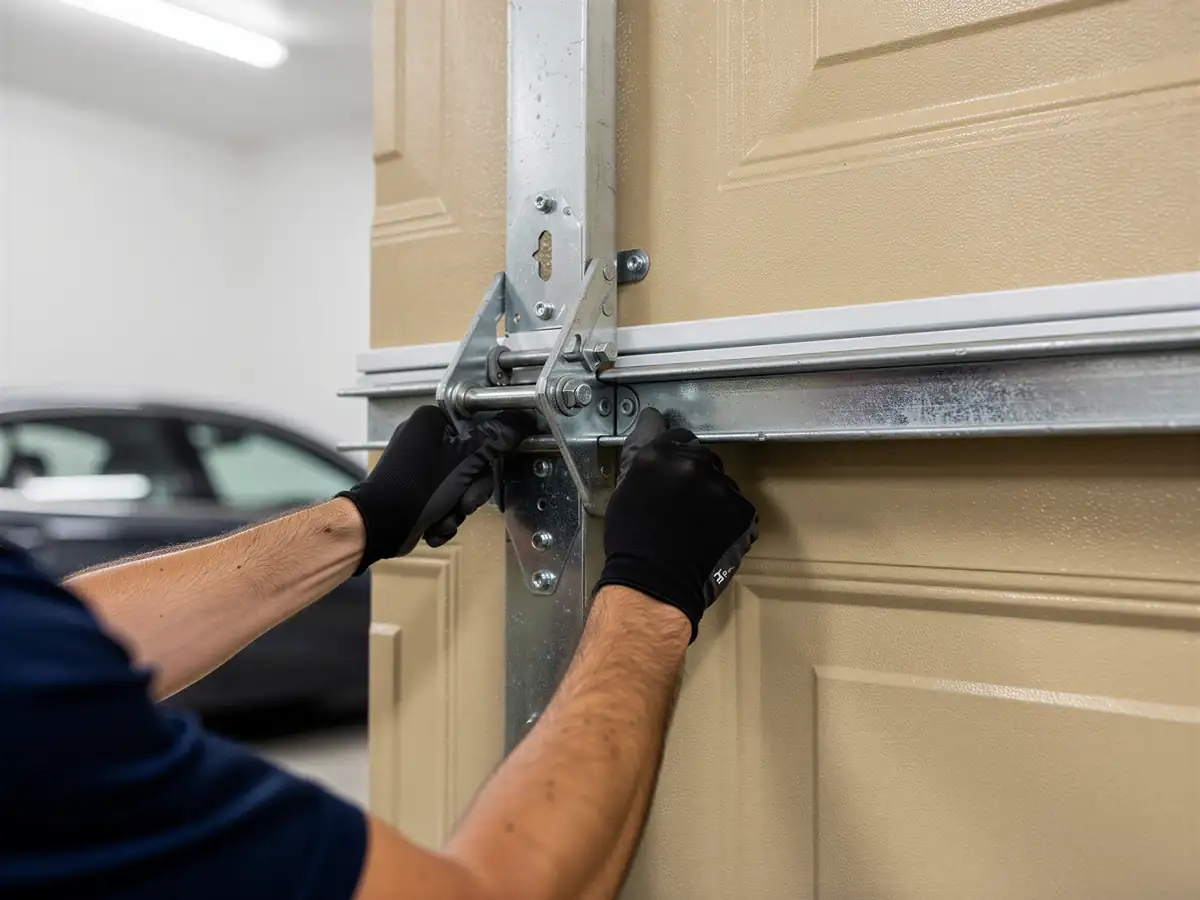
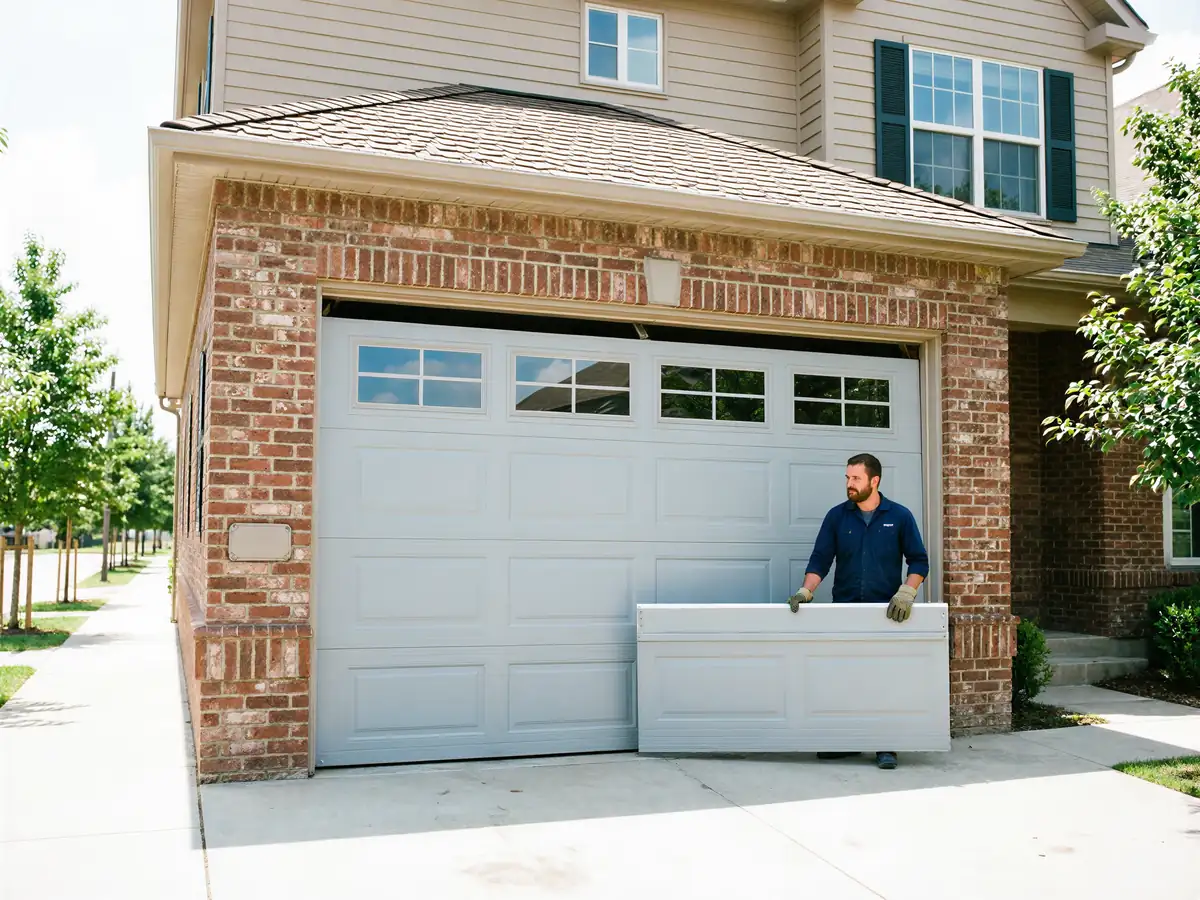
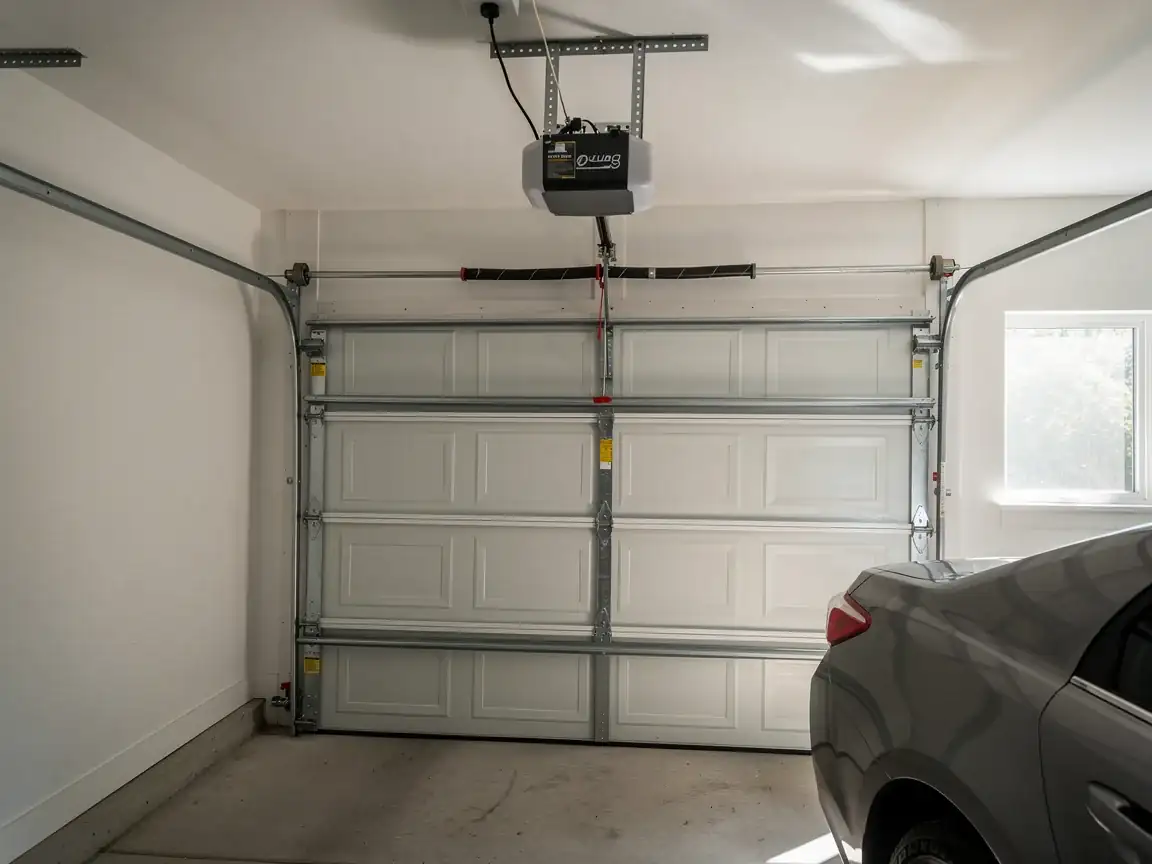
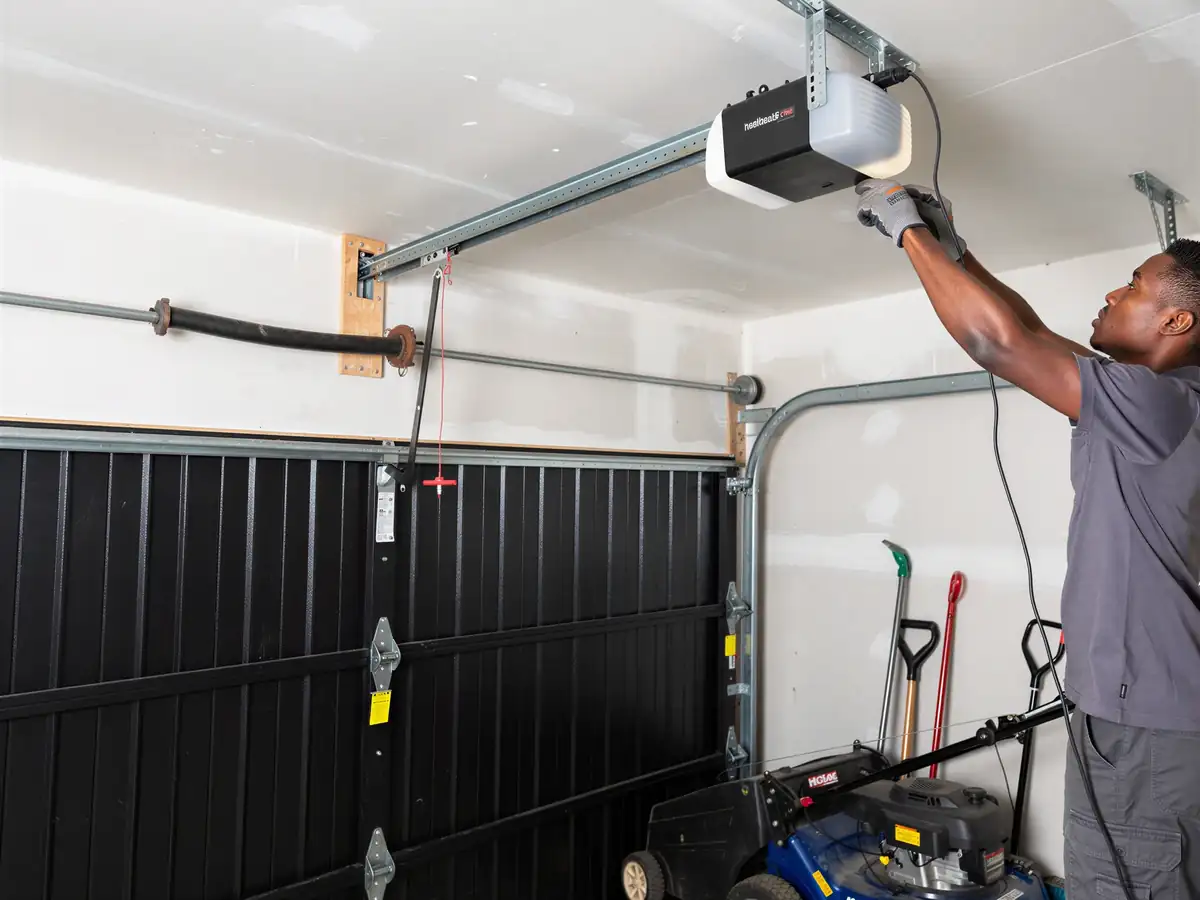
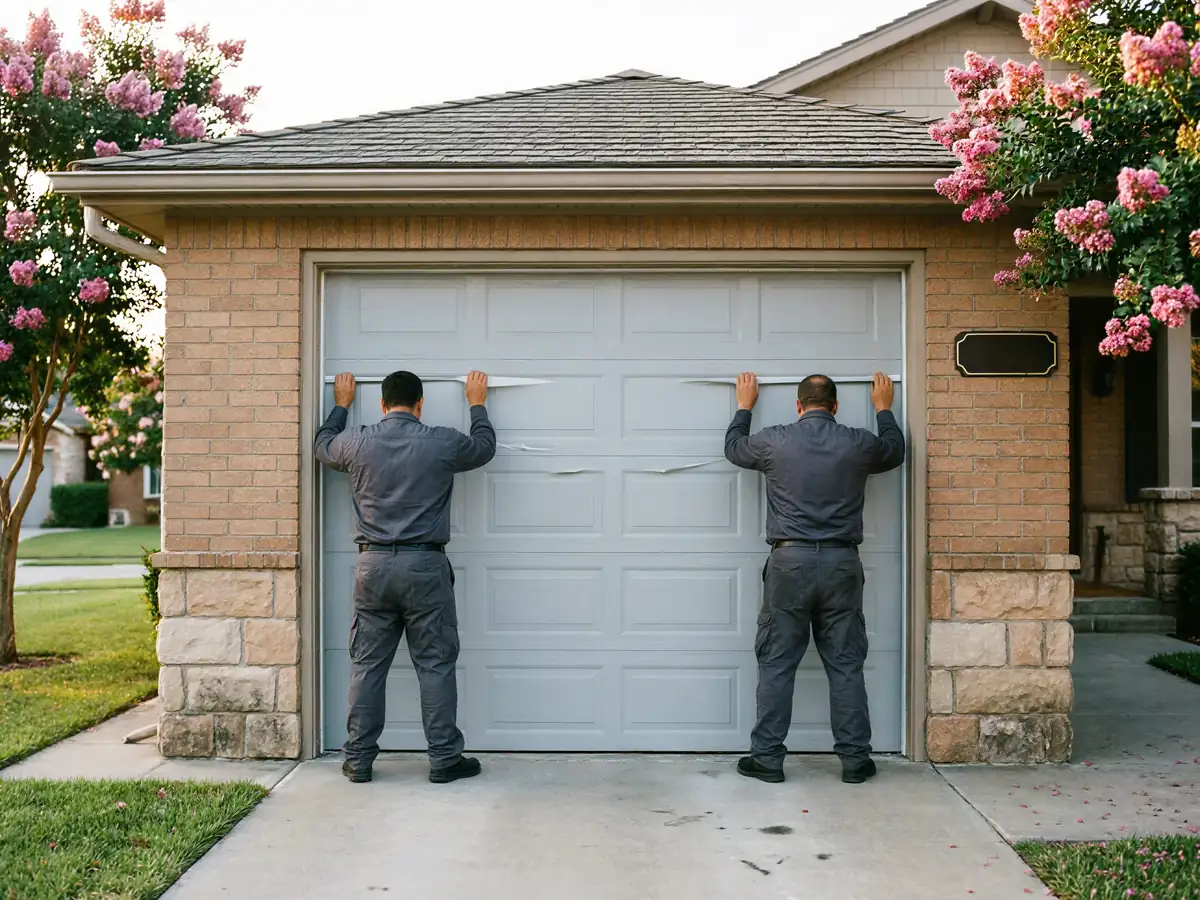
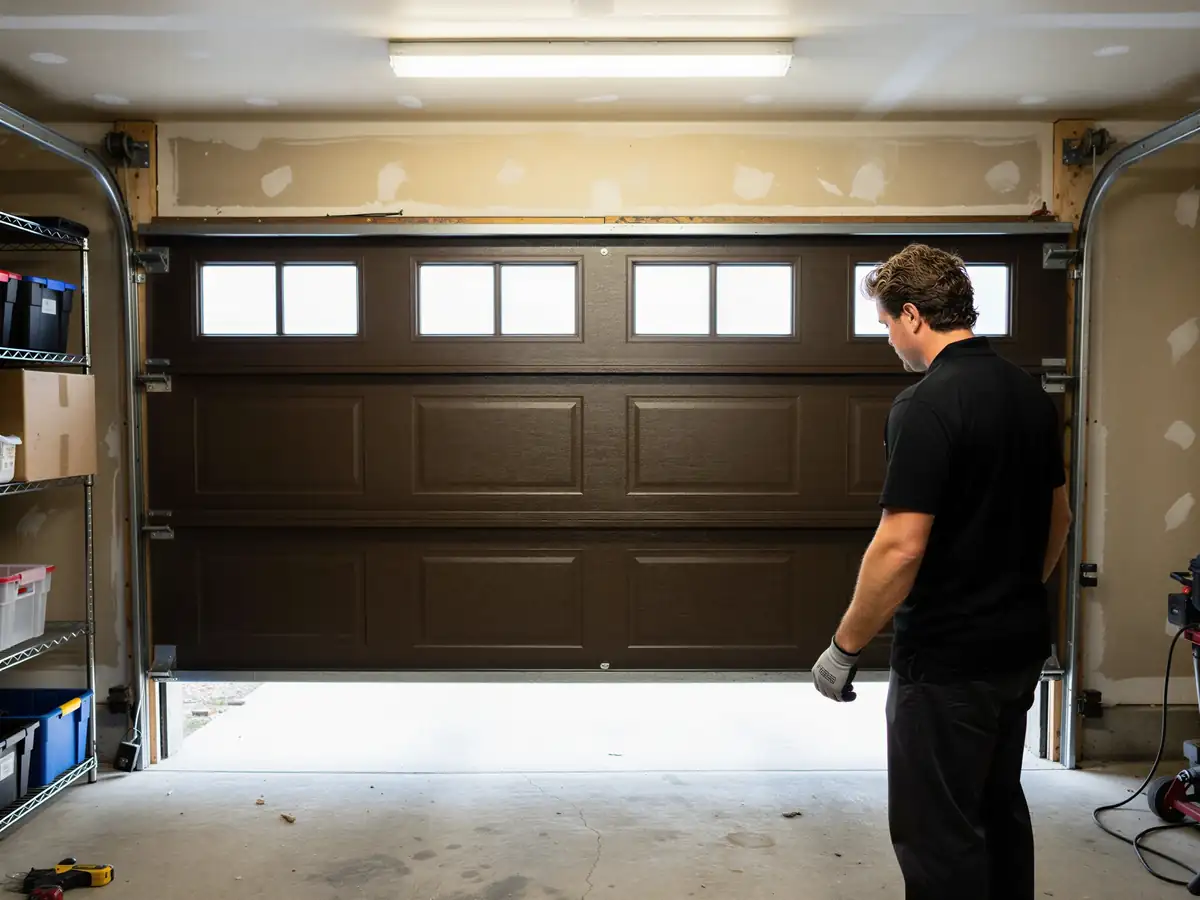
The call we get is almost always the same shape: the door won't go up, or it goes up a few inches and stops, or it comes down fast and uneven on one side. Sometimes there's a loud bang from the garage first - that's the spring letting go, not the opener. On older homes with the original torsion bar setup, a broken spring means the door is now just a heavy slab of wood or steel with no counterbalance, and the opener motor isn't built to lift that weight on its own.
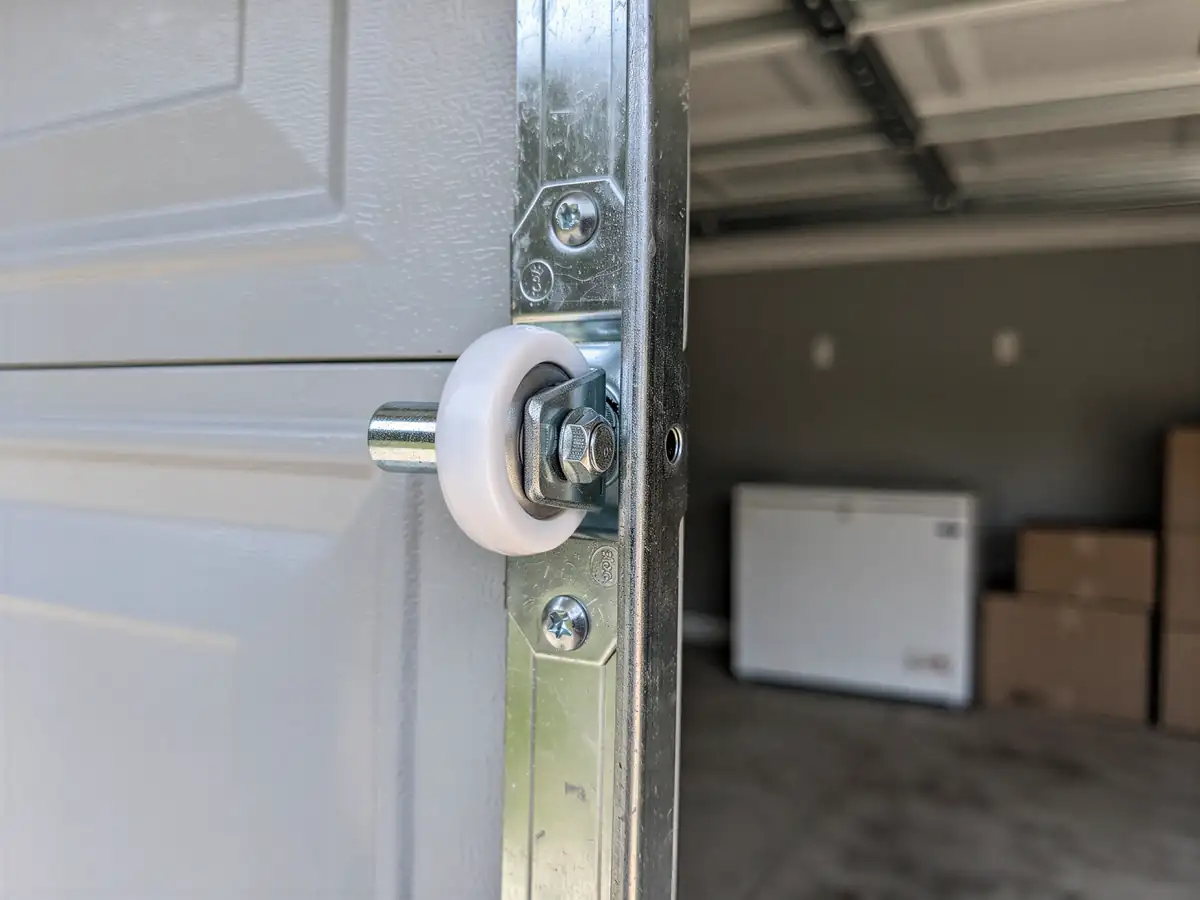
On houses from the 1972 median-build era, we also see worn rollers and glazed track that make the door bind partway through its travel, which looks like an opener problem but isn't. Cold mornings make all of this worse - metal contracts, grease thickens, and a door that worked fine in October suddenly won't budge in January. If your door has started groaning, hesitating, or reversing itself on the way down, that's usually the spring or the cable losing tension, not the sensors.
The Complications
Here's the part that catches people off guard
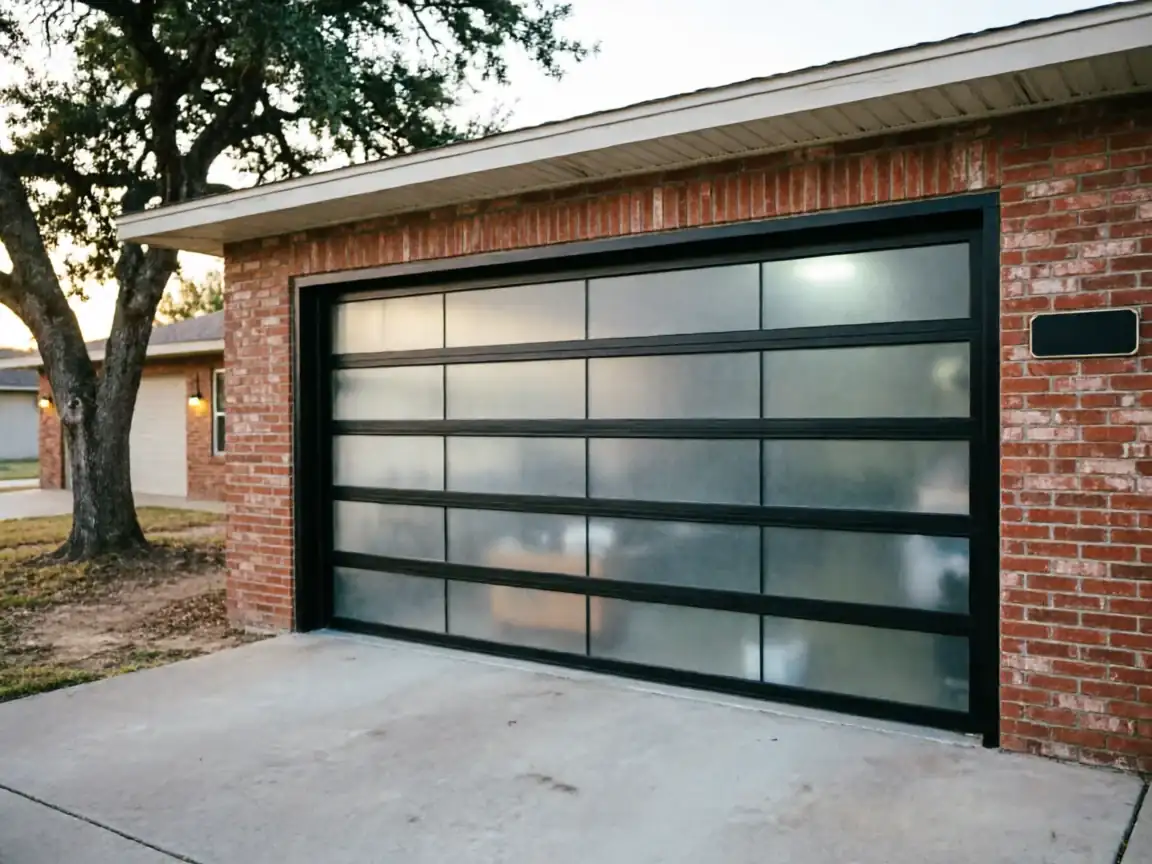
On a lot of these older Enid houses, the spring sizing and the opener's lift capacity were matched to a lighter, original door. If a previous owner swapped in a heavier insulated door at some point without upgrading the spring, the whole system has been working too hard for years, and it fails sooner than it should. We can't always tell you why a spring failed early without opening up the assembly and checking the wind and wire gauge against the door weight.
We also can't promise every repair is a quick one
On a house built before 1980, we sometimes find the track mounting has shifted slightly with the house settling over sixty-plus years, and that needs correcting before a new spring will hold tension evenly. That's more labor than a straight spring swap, and we'll tell you up front if that's what we're looking at rather than quoting a simple fix and finding the real problem halfway through.
What It Costs
We don't publish a flat price here because spring size, door weight, and whether the track or rollers need attention too all change the job. What we can tell you is how to think about it: a straight torsion spring replacement on a standard door is the baseline job, and anything beyond that - bent track, a strained opener gear, hardware that's been mismatched for years - adds to it.
Enid's median household income runs around $63,869, and most of the owner-occupied houses we see fall into a working middle-class budget range, so we try to be straight about what's actually broken versus what's merely old but still functional. If a repair is going to cost close to what a new door would run, we'll say so instead of patching something that'll fail again next winter. Call and describe what the door is doing - the bang, the stop-and-start, the uneven drop - and we can usually tell you roughly what you're looking at before we show up.