Why This Fails Locally
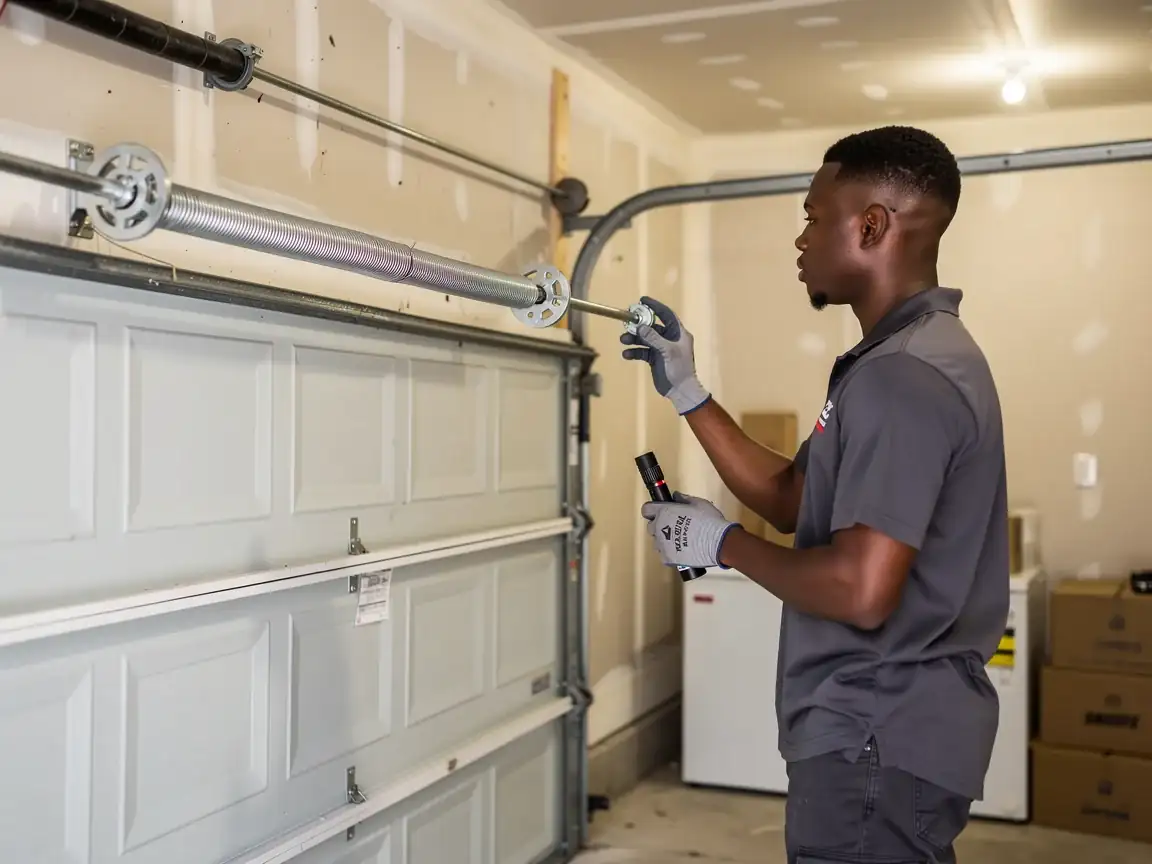
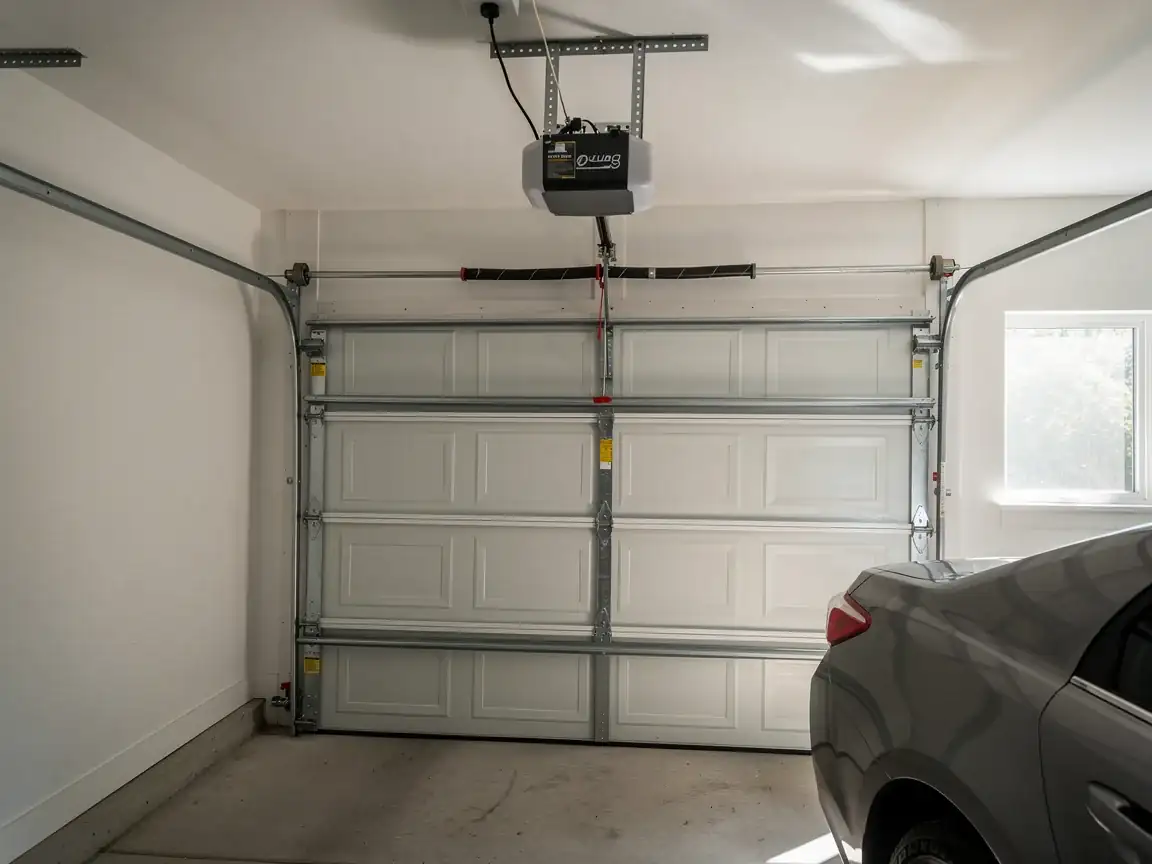
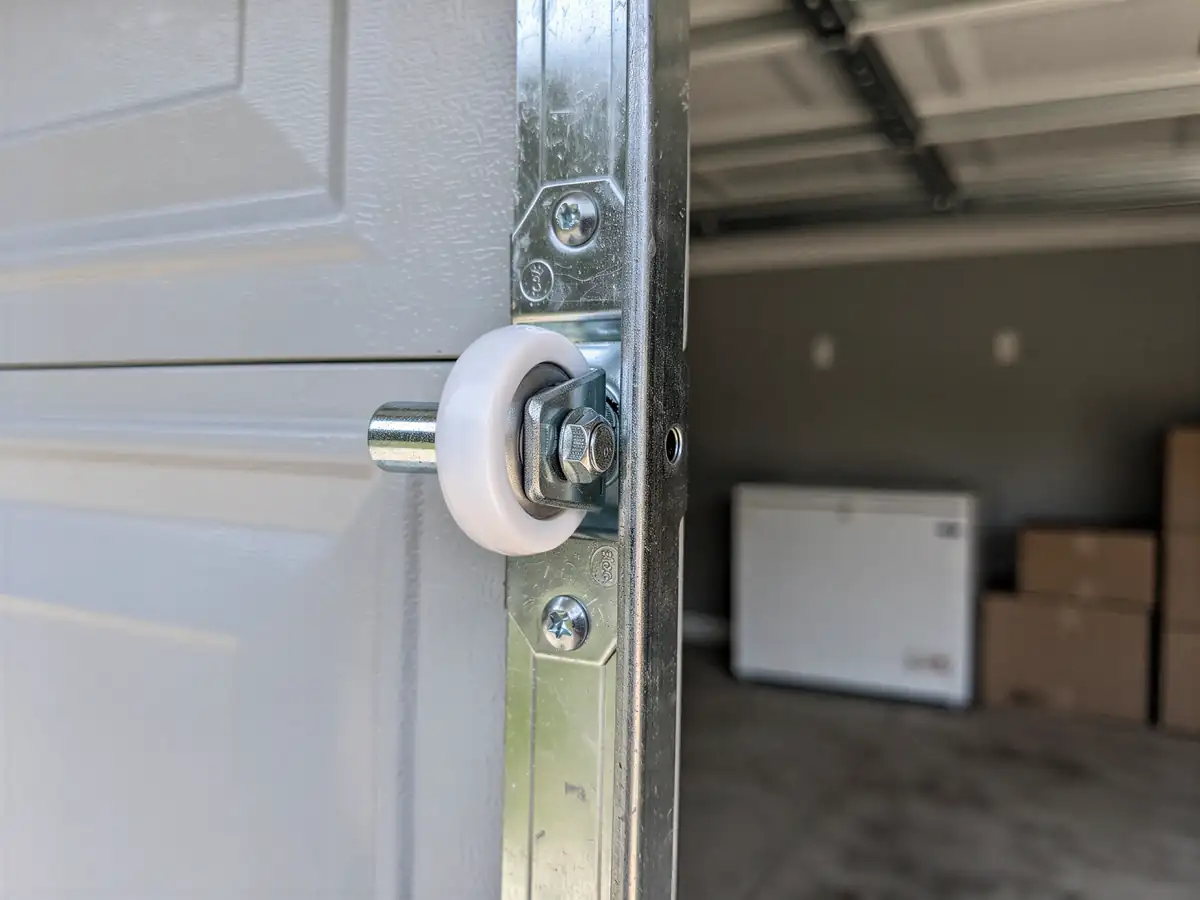
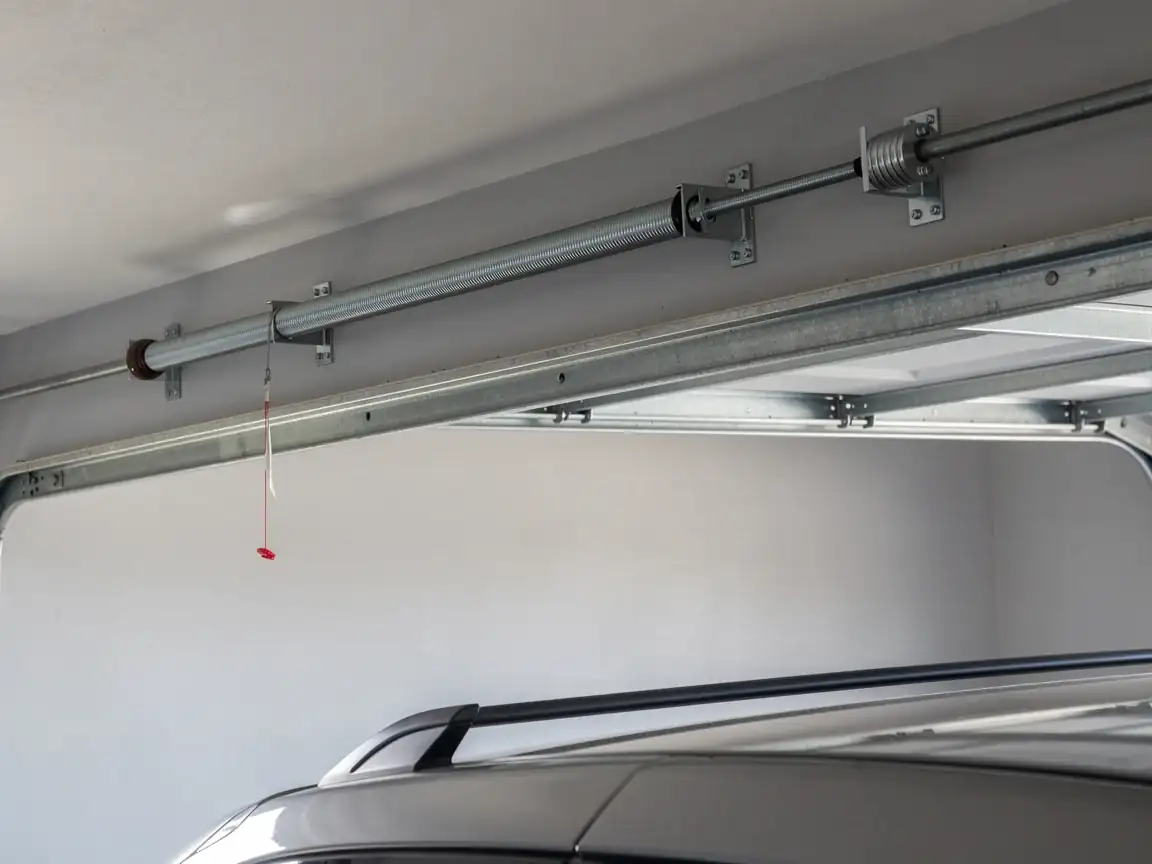
Most of the houses we get called to in Enid went up between 1956 and 1981, with the bulk of that stock dating to the 1960s and '70s across the five areas we cover out here. That matters for emergency calls because a door built or last replaced in that window is now 45 to 65 years past its install date, running on torsion springs and rollers that were never rated for this many open-close cycles. A spring with that kind of age on it doesn't give you a warning squeak for weeks - it goes on a Tuesday night when the temperature drops. Enid sits in a cold-moderate climate band, and that swing matters more than people think. Steel springs lose tension as they contract in cold air, and a spring that was already near the end of its life snaps clean when the cold adds that last bit of stress. Same story with nylon rollers and opener gears from that era - cold makes brittle plastic brittle faster. We're not saying every call is a 1960s door. But when we roll up on an emergency and the house was built in that window, the spring or the roller track is usually the reason, not the opener logic board people assume it is.
How It Shows Up
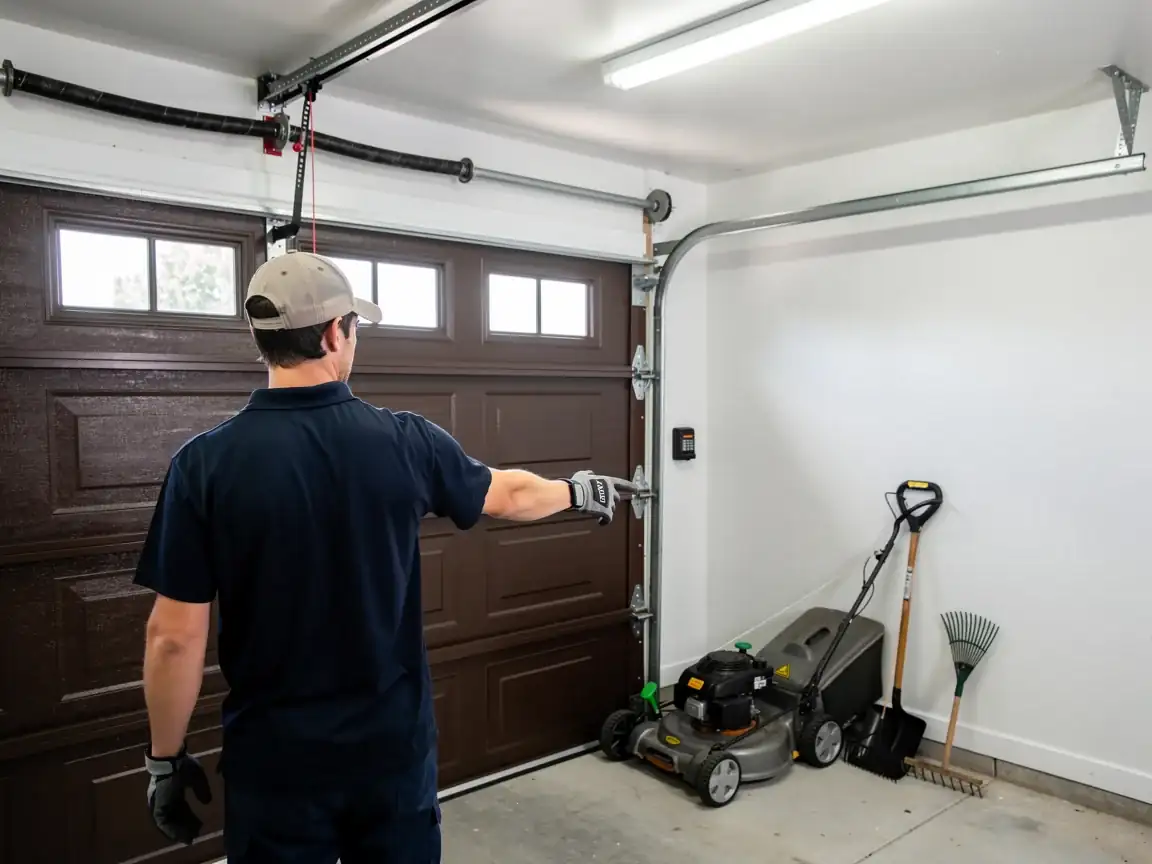
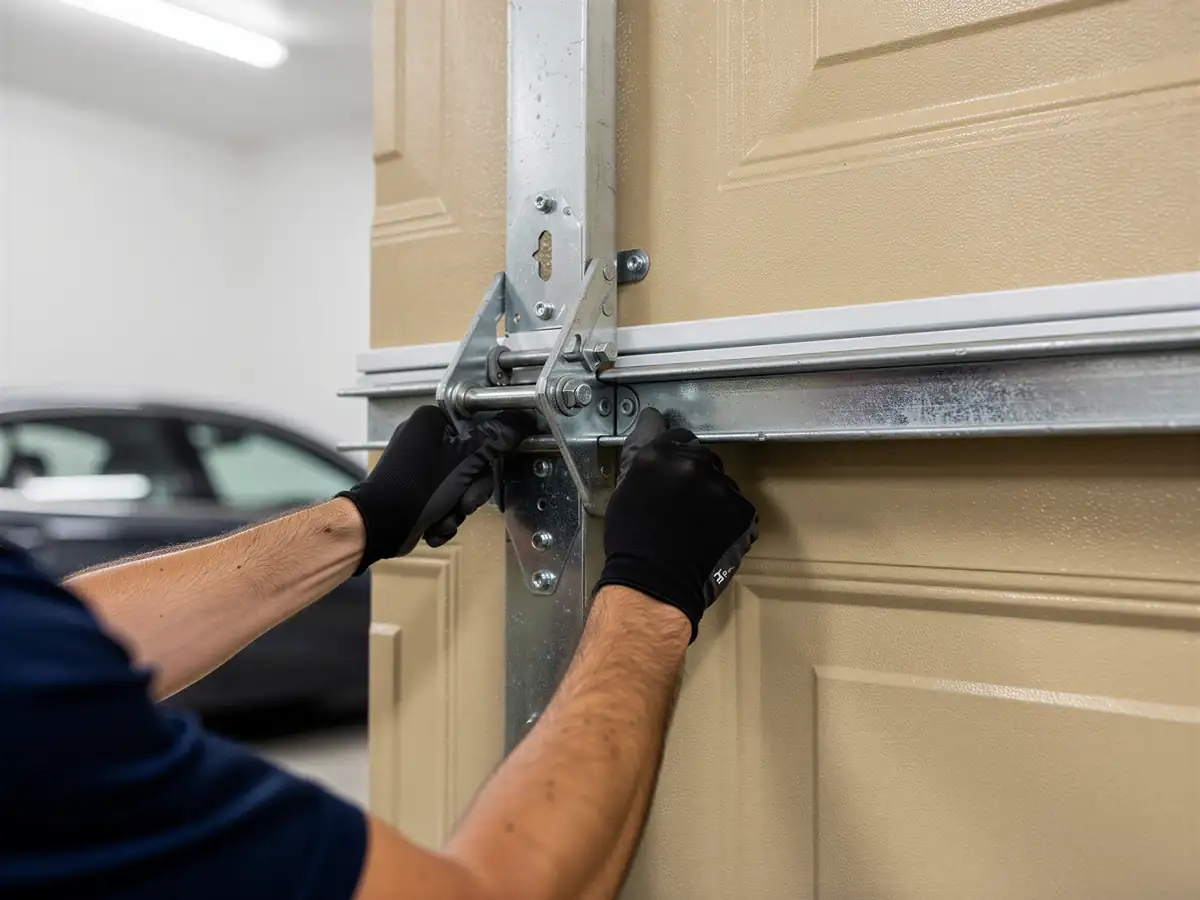
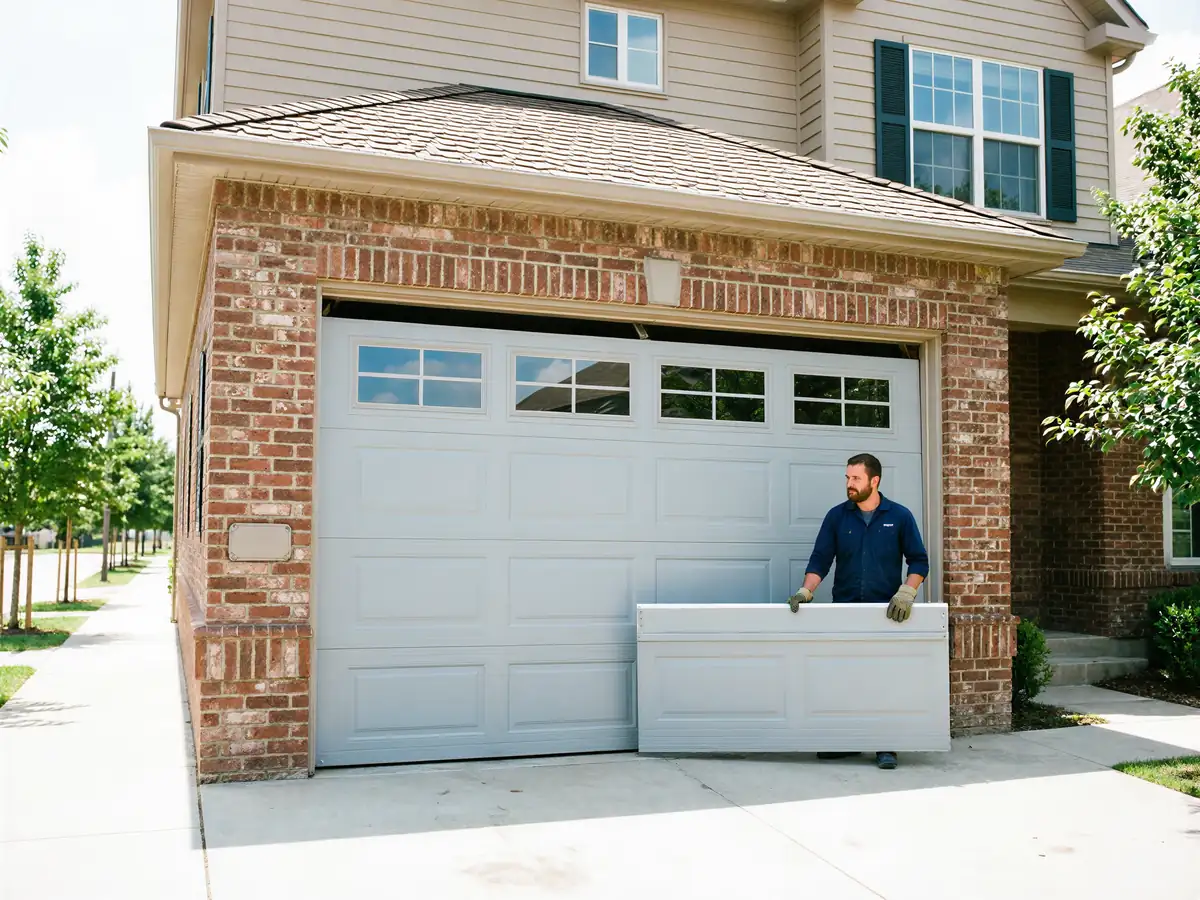
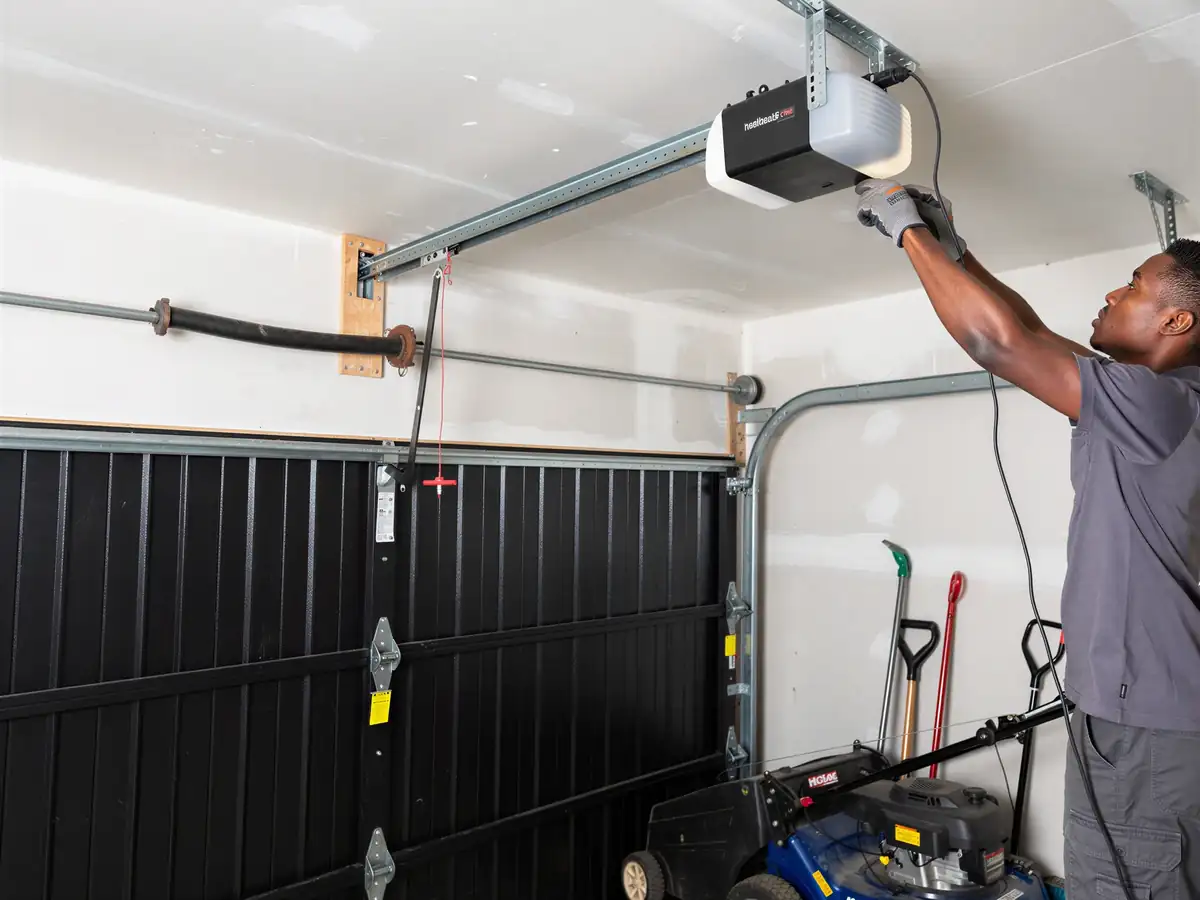
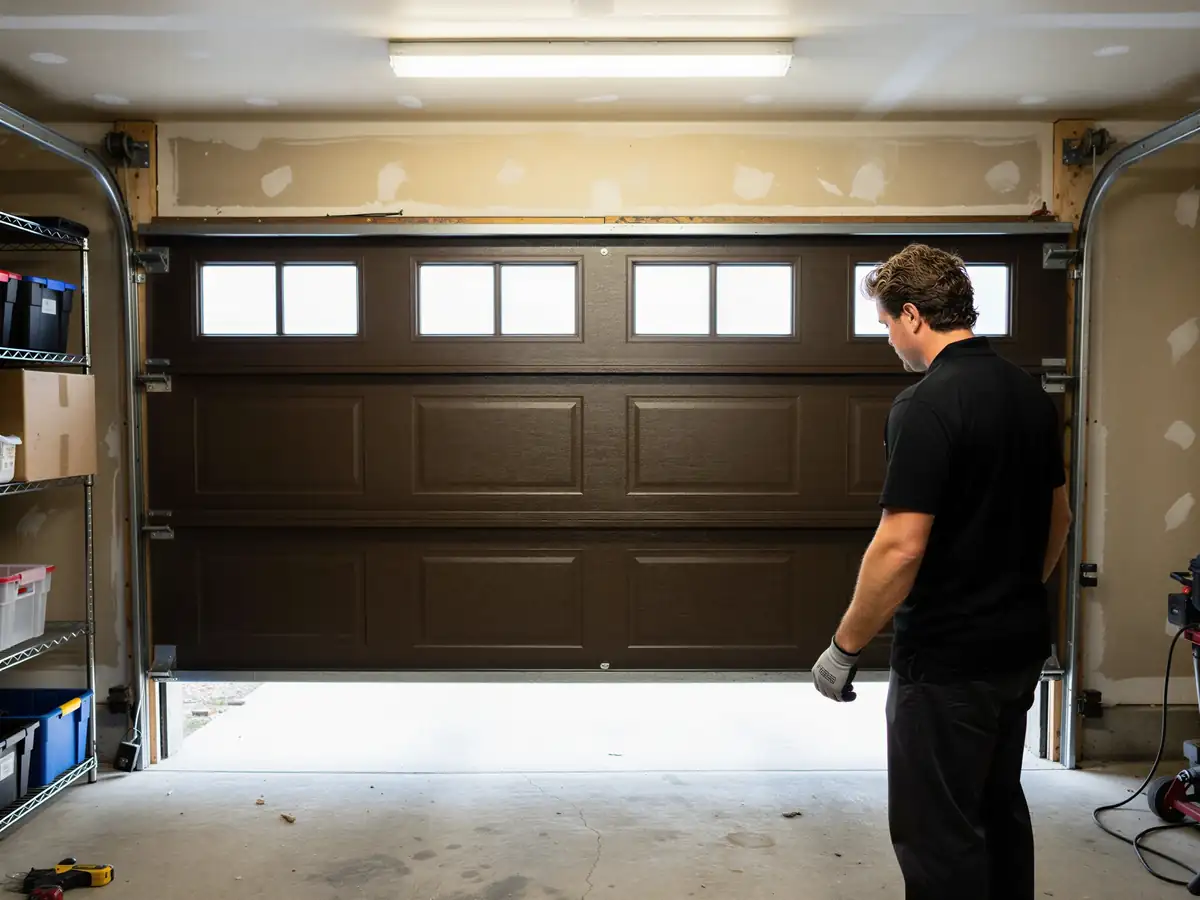
The call usually starts one of two ways. Either the door won't budge and there's a loud bang from the garage a few minutes before - that's a torsion spring letting go, and it can happen whether the door is up or down. Or the door starts moving, grinds, and stops halfway, which is almost always a cable off its drum or a roller that's jumped the track. Both leave a car trapped inside or a door that won't seal shut overnight. On older torsion setups common to the 1960s-70s builds around here, a snapped spring can also pull the cable off center, so what looks like one problem is actually two by the time we get there. We also see openers from that stock era quit outright in a cold stretch - not because the opener broke, but because a failing spring is making the motor work way past what it's rated for, and the motor just gives up first. If your door moves but shudders, or if it's dead silent when you hit the button, those point to different fixes, and knowing which one you've got before the truck shows up saves time on the call.
What It Costs
We're not going to quote you a number here that doesn't fit your door, because an emergency spring replacement and a cable-and-bracket rebuild on 1960s-70s hardware aren't priced the same, and we'd rather tell you that upfront than give you a figure that's wrong by the time the truck's in your driveway. What we can tell you: across the households we serve - roughly 1,235 of them, most owner-occupied houses - median income sits at $63,869, and we price emergency calls with that in mind rather than charging big-city after-hours rates. The actual cost depends on whether it's a clean spring swap or one of the bracket-and-anchor jobs we see more often on older torsion setups. Ask for the breakdown on the phone before the truck leaves - we'll tell you spring, labor, and whether your hardware needs anything extra, and you decide before anyone starts turning a wrench.