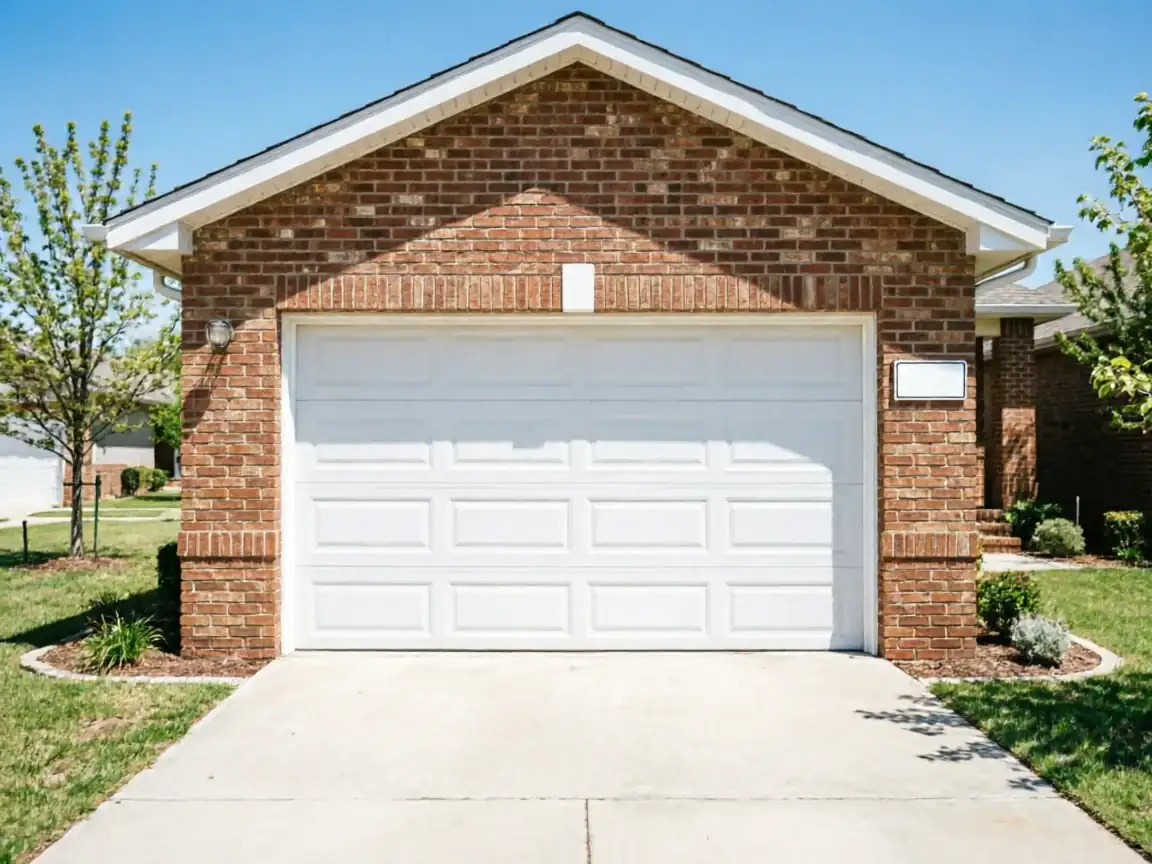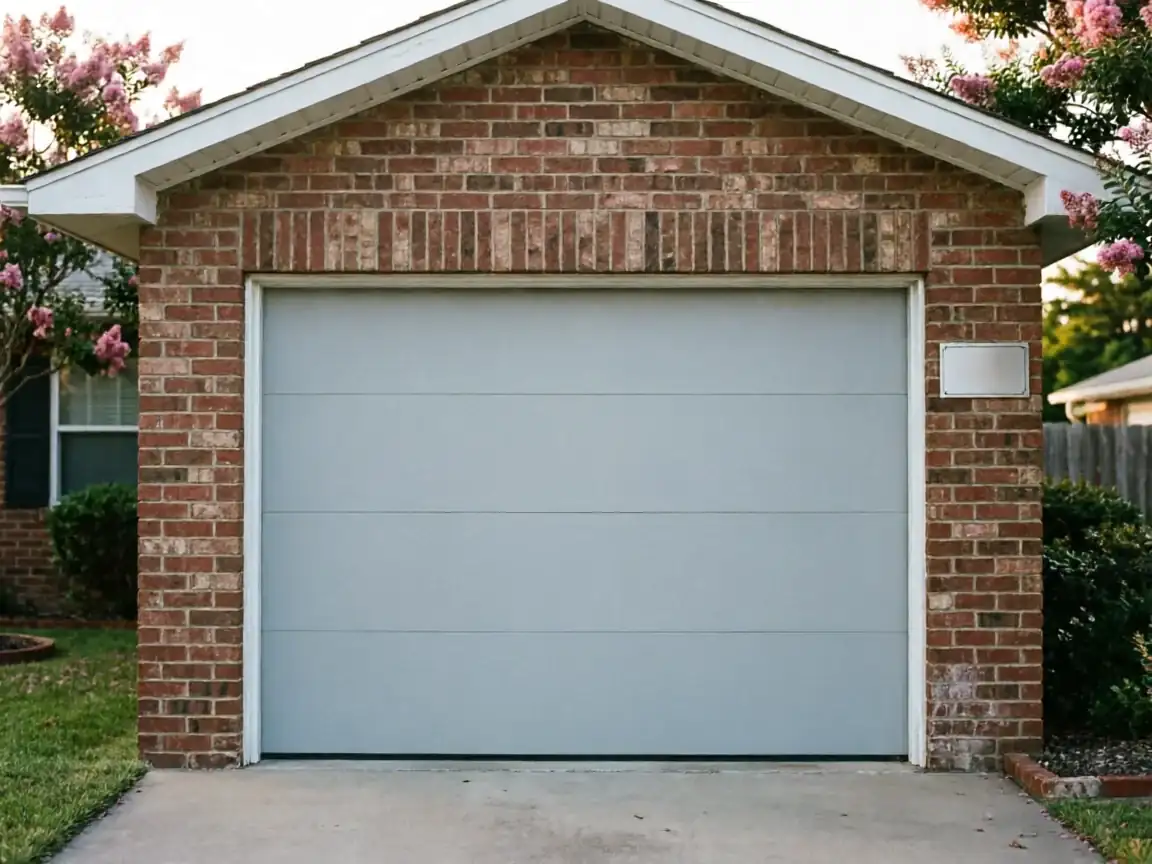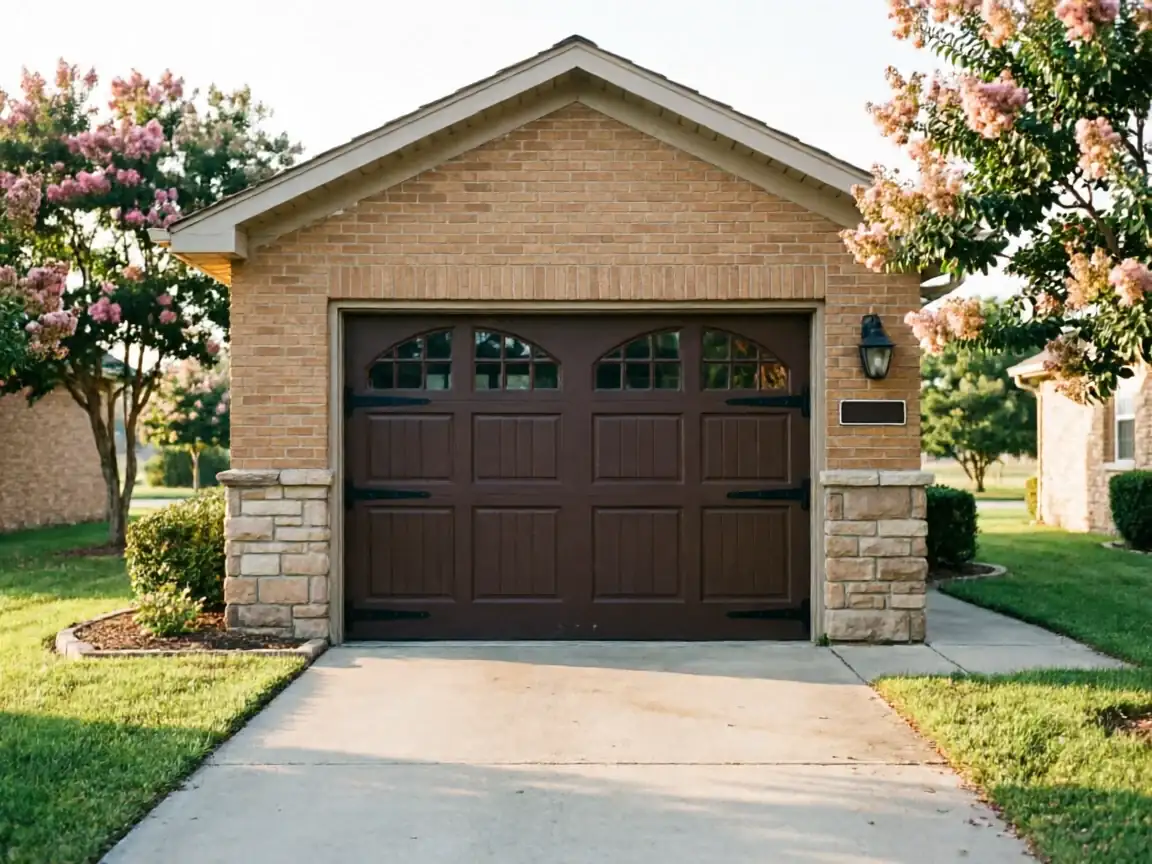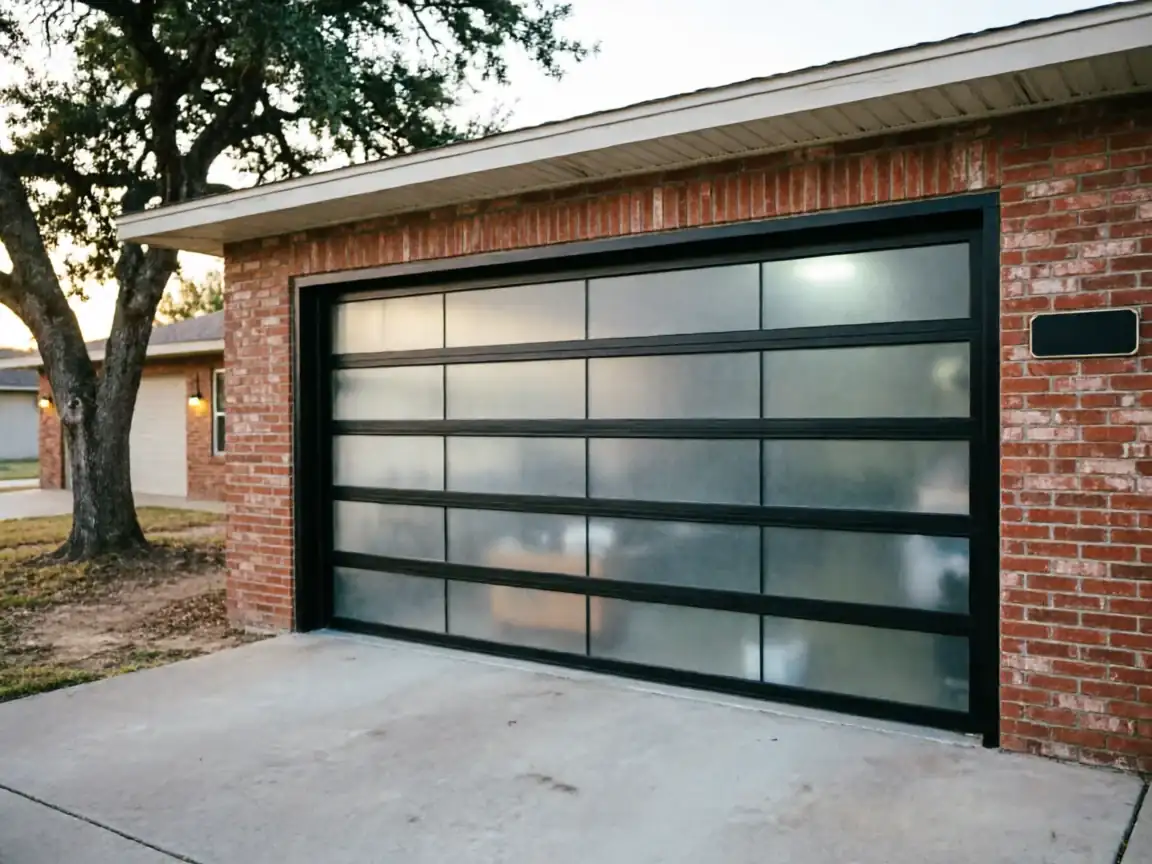
Why This Fails Locally
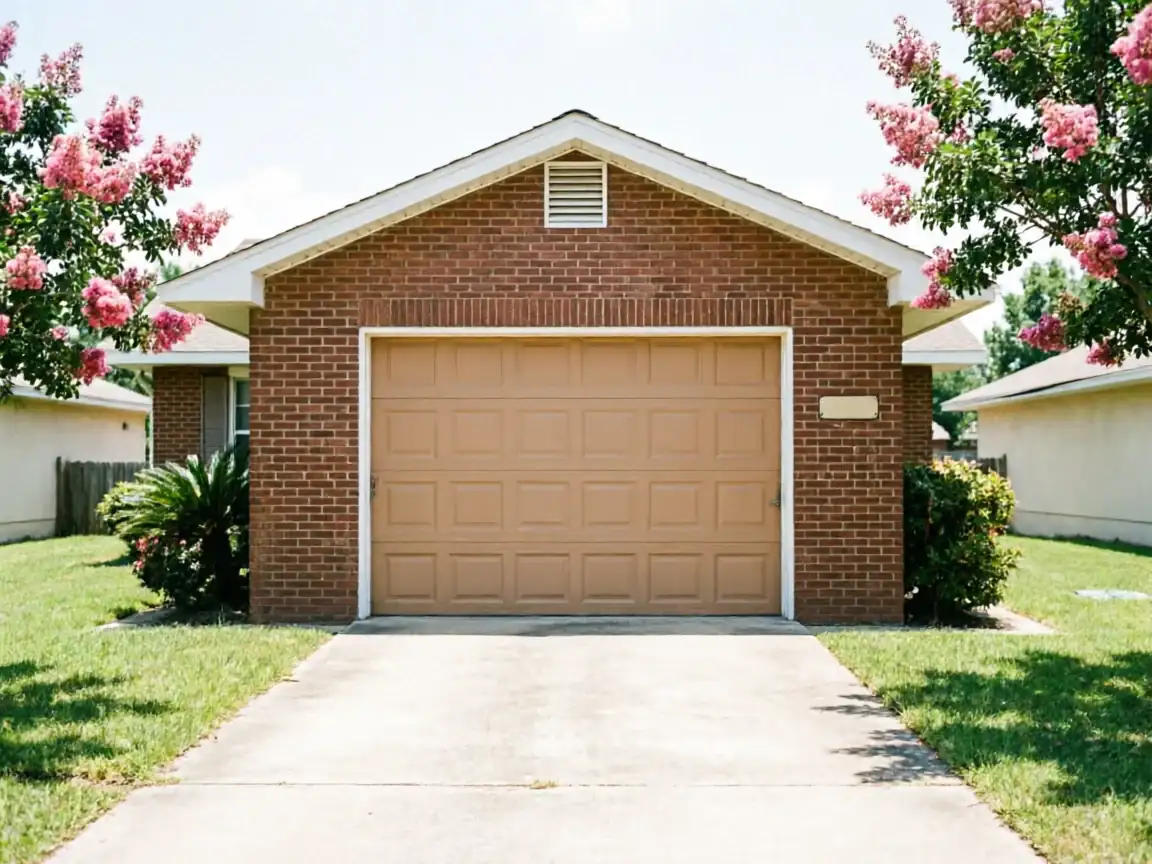
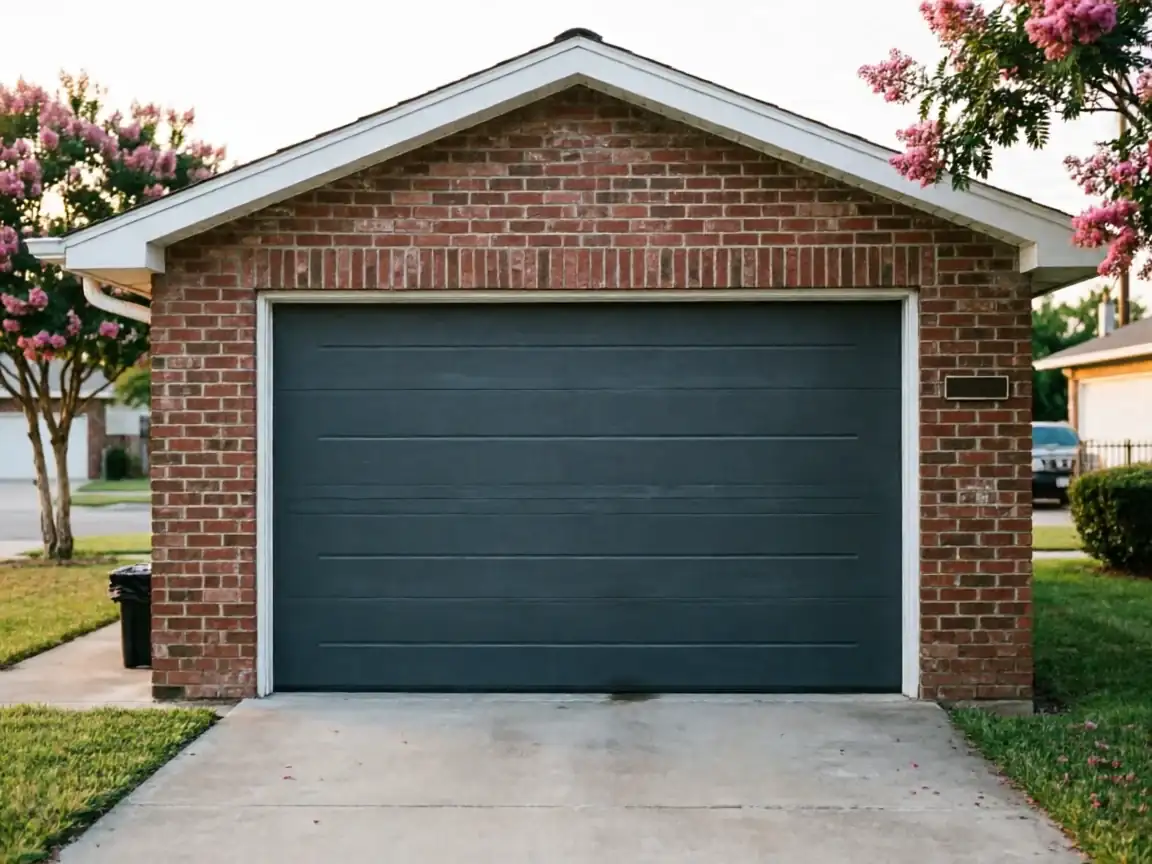
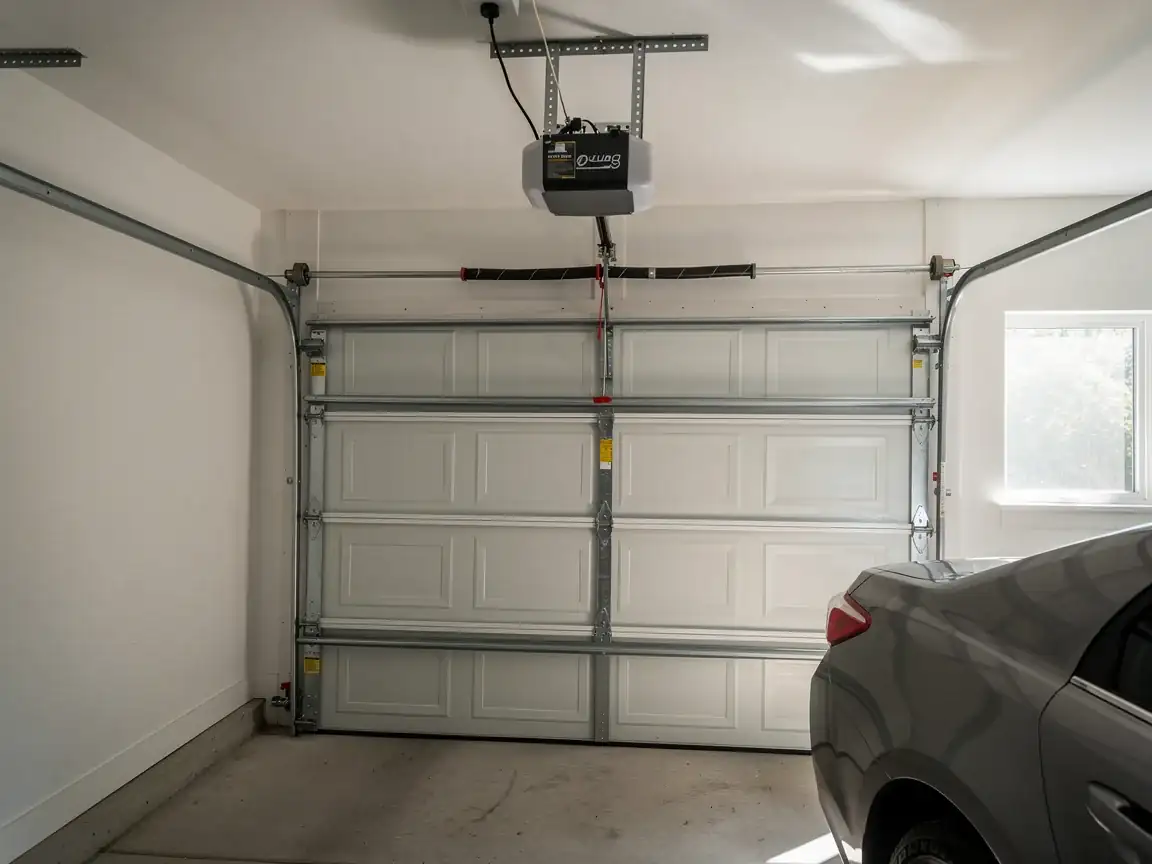
Most of Enid's garage doors went in with the house, and most of those houses were built between 1956 and 1981, with the median landing around 1972. That's a fifty-year-old steel panel, give or take, sitting in a climate that runs cold for a good stretch of the year. Steel contracts in the cold and expands when it warms back up, and over five decades that cycle works on the seams between panels and the hinges holding them together. A door built in 1972 was never engineered to flex that many thousand times. The panels don't fail because they were cheaply made - they fail because they've put in fifty winters of work they weren't sized for.
This isn't a one-house problem. Across the five named areas that make up most of the local housing stock, the build years cluster in that same 1960s-70s window, so the same panel fatigue shows up street after street. If your neighbor's door is starting to show seam gaps or a sag at the bottom, yours is on the same clock.
How It Shows Up
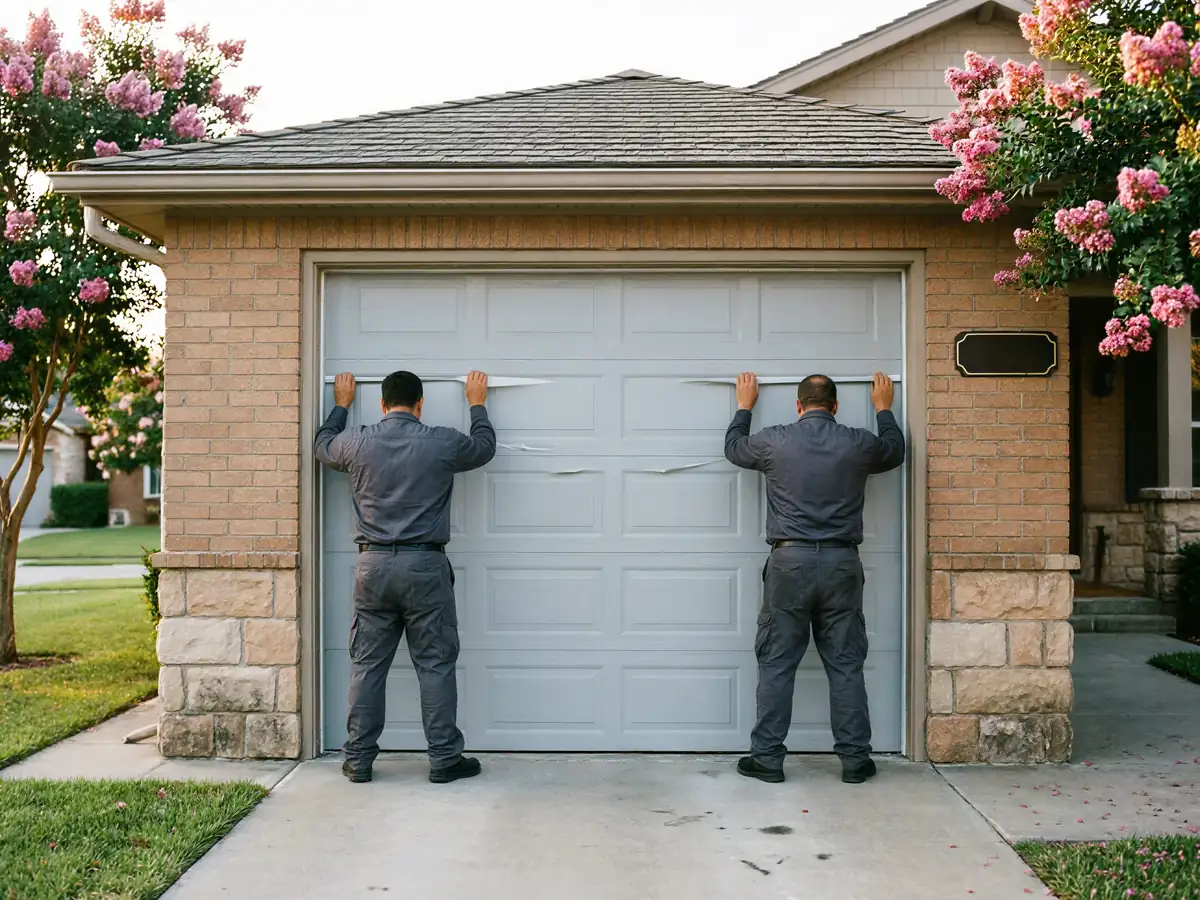
The bottom panel usually goes first. Snowmelt and runoff sit against it longer than any other section, and once the paint seal breaks, rust eats through from the inside out - you'll see bubbling or flaking near the weatherstrip track before you see a hole. Dents are the other common one: a bumped car, a stray basketball, a ladder leaned wrong. On a steel panel that's five decades old, a dent doesn't just bend the metal - it can crack brittle old paint and expose bare steel to the next freeze.
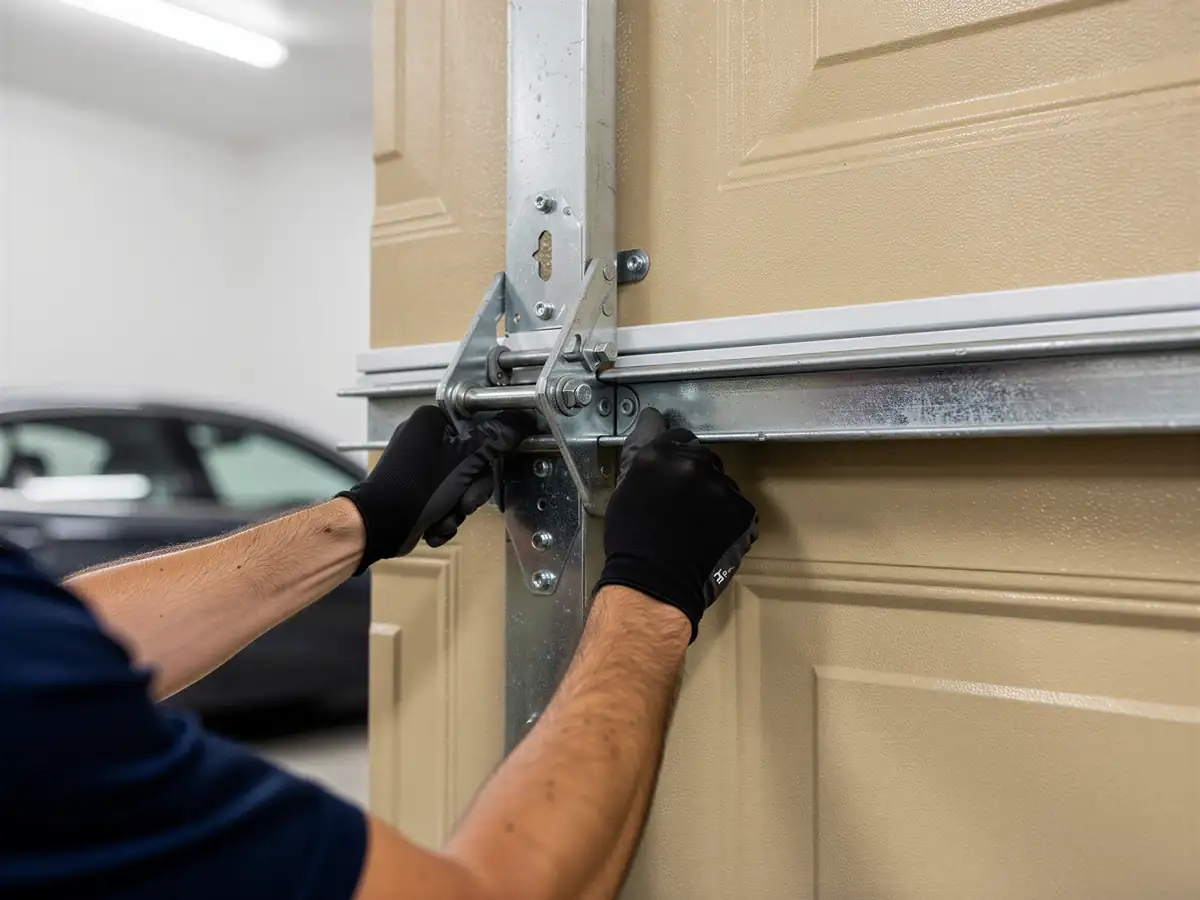
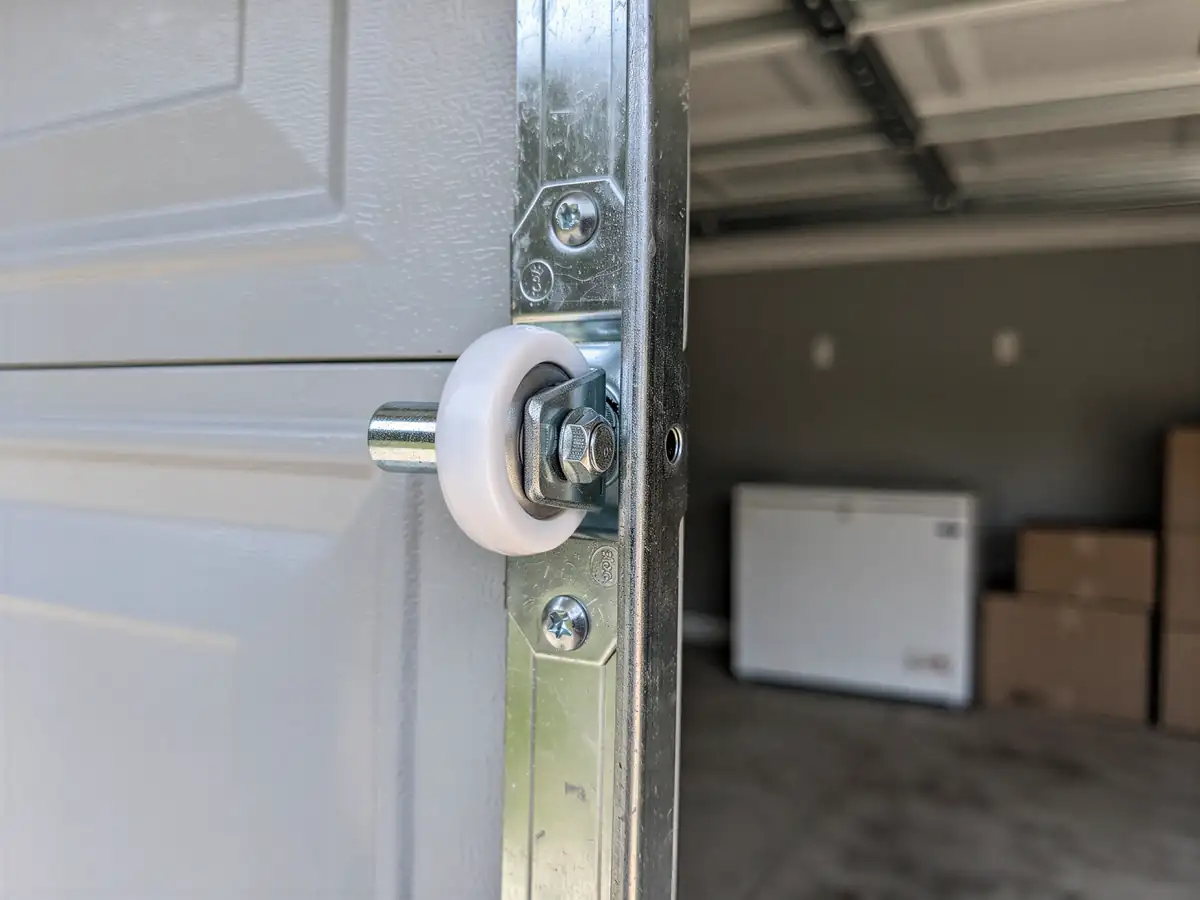
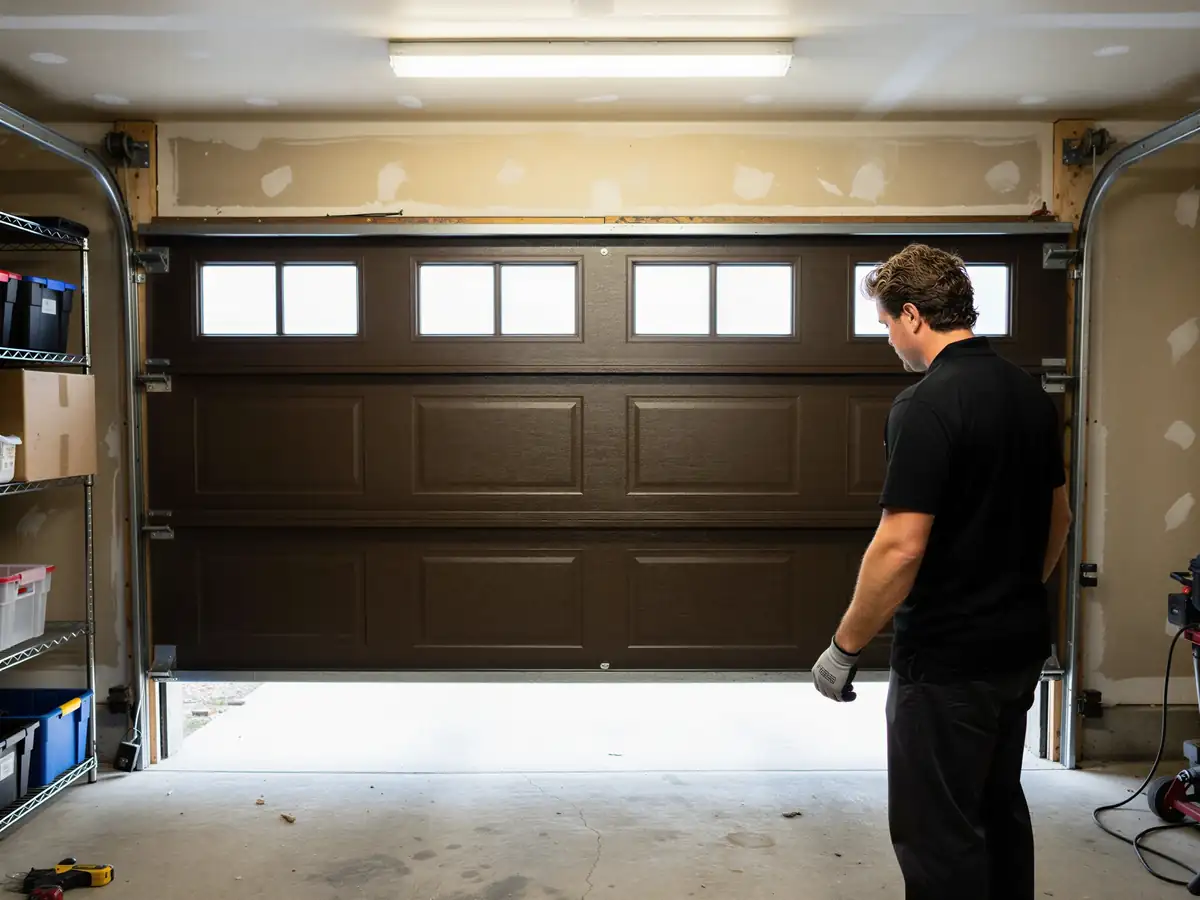
Middle panels tend to warp rather than rust, especially on doors that get full sun on one side and shade on the other. You'll notice it as a seam that doesn't sit flush anymore, or a door that binds in the track partway through its travel. In a cold climate, that gap at the seam is more than cosmetic - it's a direct path for outside air into an attached garage, which is exactly the kind of thing that shows up as a higher heating bill before anyone thinks to check the door.
The Complications
Across the roughly 1,235 households and 1,113 owner-occupied houses in this service area
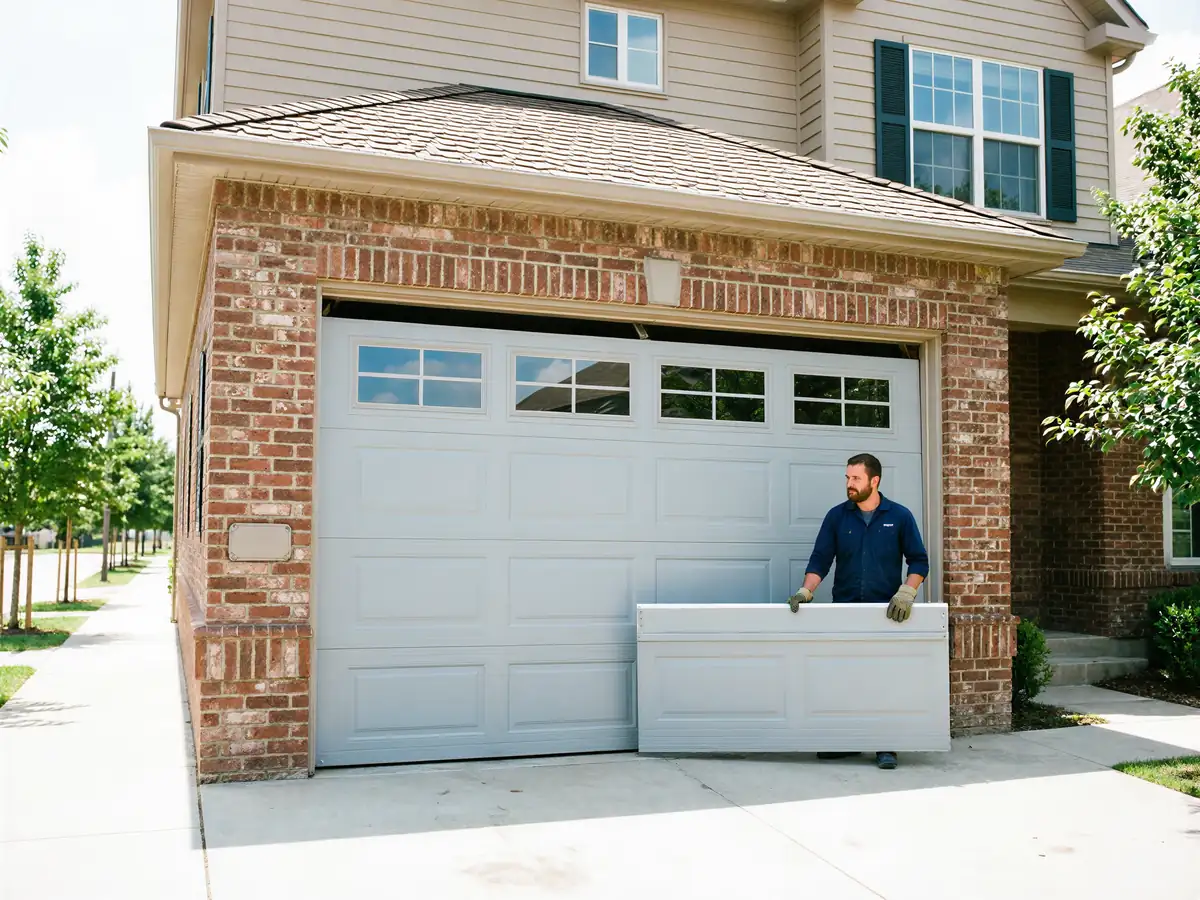
The doors built in that same 1960s-70s run share a problem: the panel profiles and paint runs from that era are long out of production. When one panel cracks or rusts through, the clean fix - swapping just that panel to match the rest of the door - often isn't available. The manufacturer that made it may not exist anymore, or the profile was discontinued before replacement panels were ever stocked as a standalone part.
- 1,235 households
- 1,113 owner-occupied
That leaves two honest options
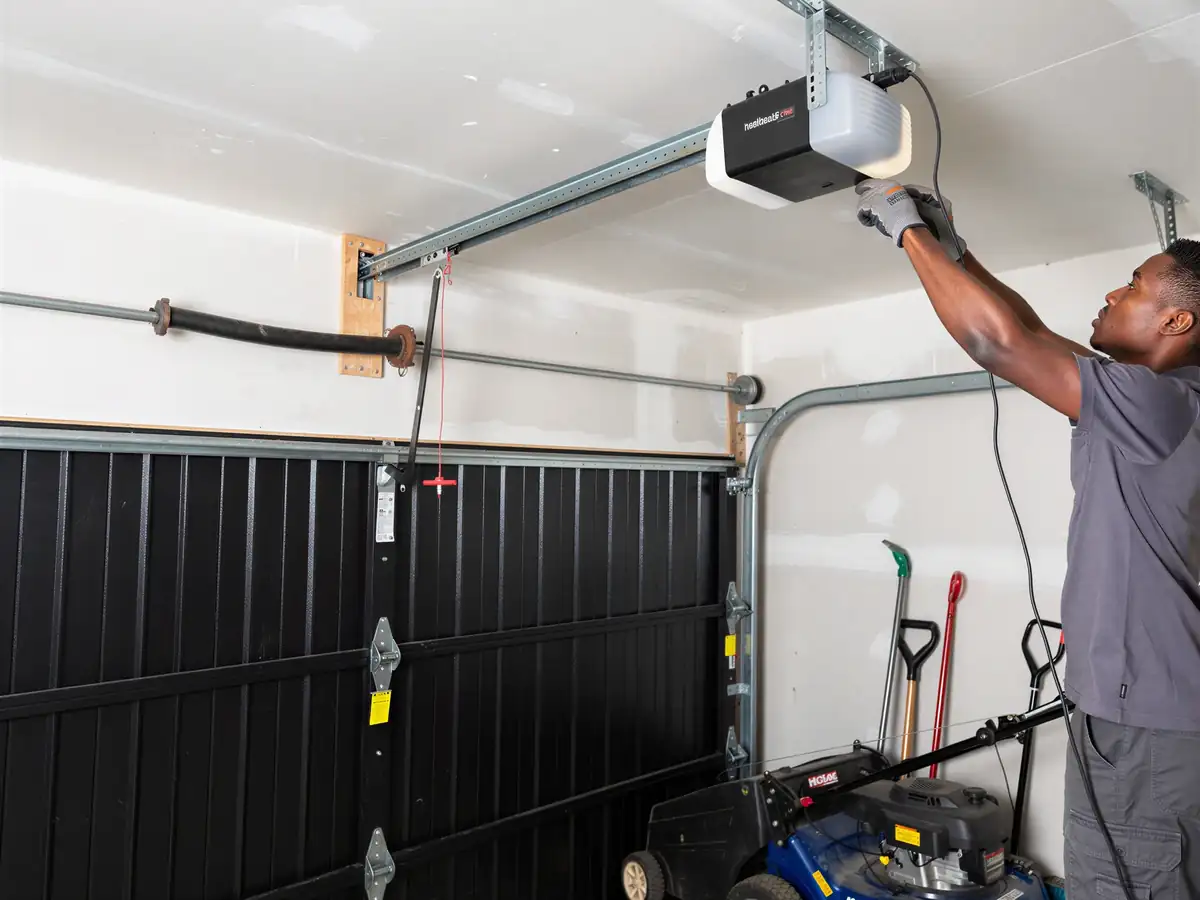
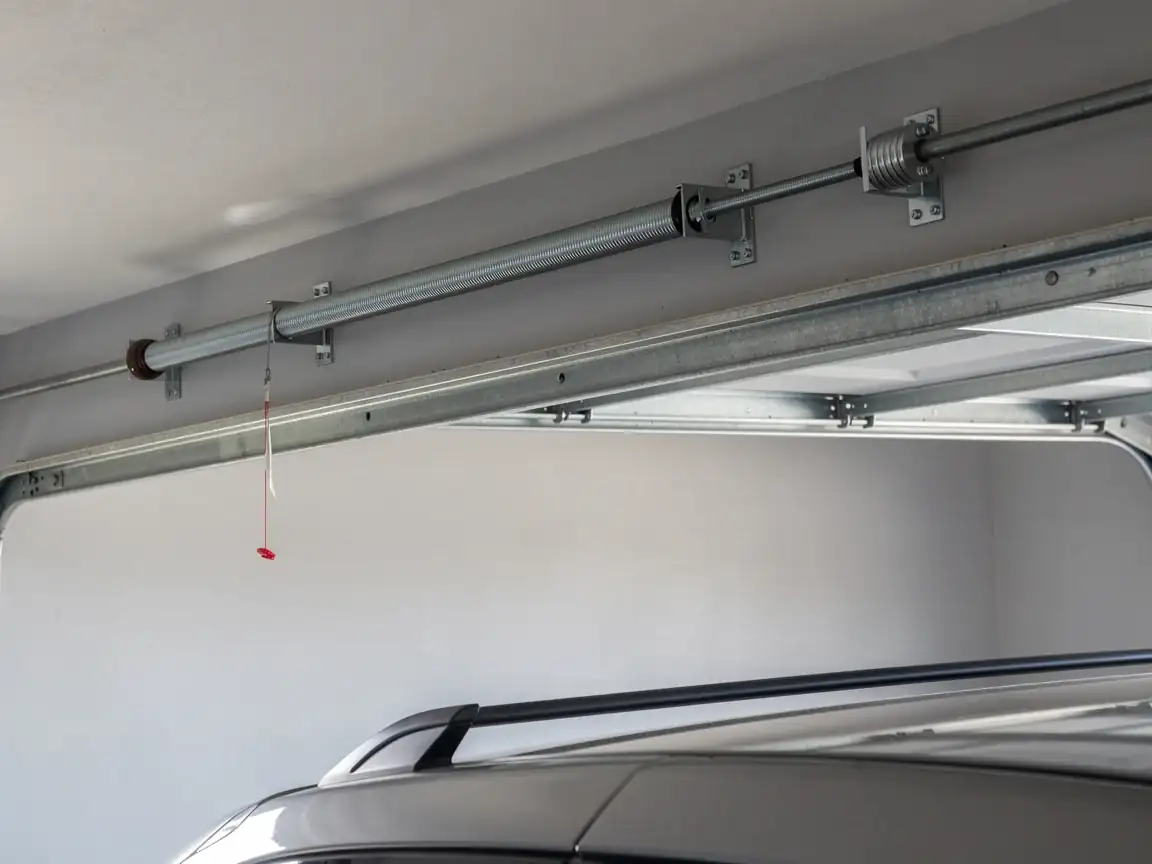
Replace the whole door so every panel matches, or accept a visible mismatch on one section while the rest of the door keeps working. Neither is automatically the better call - it depends on how many other panels are already showing wear, what the track and springs look like, and whether the opener hardware on an old door is worth building around. We won't tell you to replace a whole door over one bad panel if the rest of it has life left, but we also won't pretend a single new panel will look factory-matched on a fifty-year-old door.
What It Costs
We don't have a flat number to put here, and giving you one without seeing the door would be a guess dressed up as a quote. What actually moves the price: whether it's one panel or several, whether the panel is insulated or a plain single skin, how old the track and hinge hardware is, and whether a matching panel exists at all or the job turns into a full door swap.
Median household income across this service area sits around $63,869, and that's the range most of our panel jobs here get priced against - a single-panel repair on a door that's otherwise sound costs a lot less than a full replacement, and most owners want to know which bucket they're in before anything else. The only way to get a real number is to have someone look at the door, the track, and what's actually available to match it.