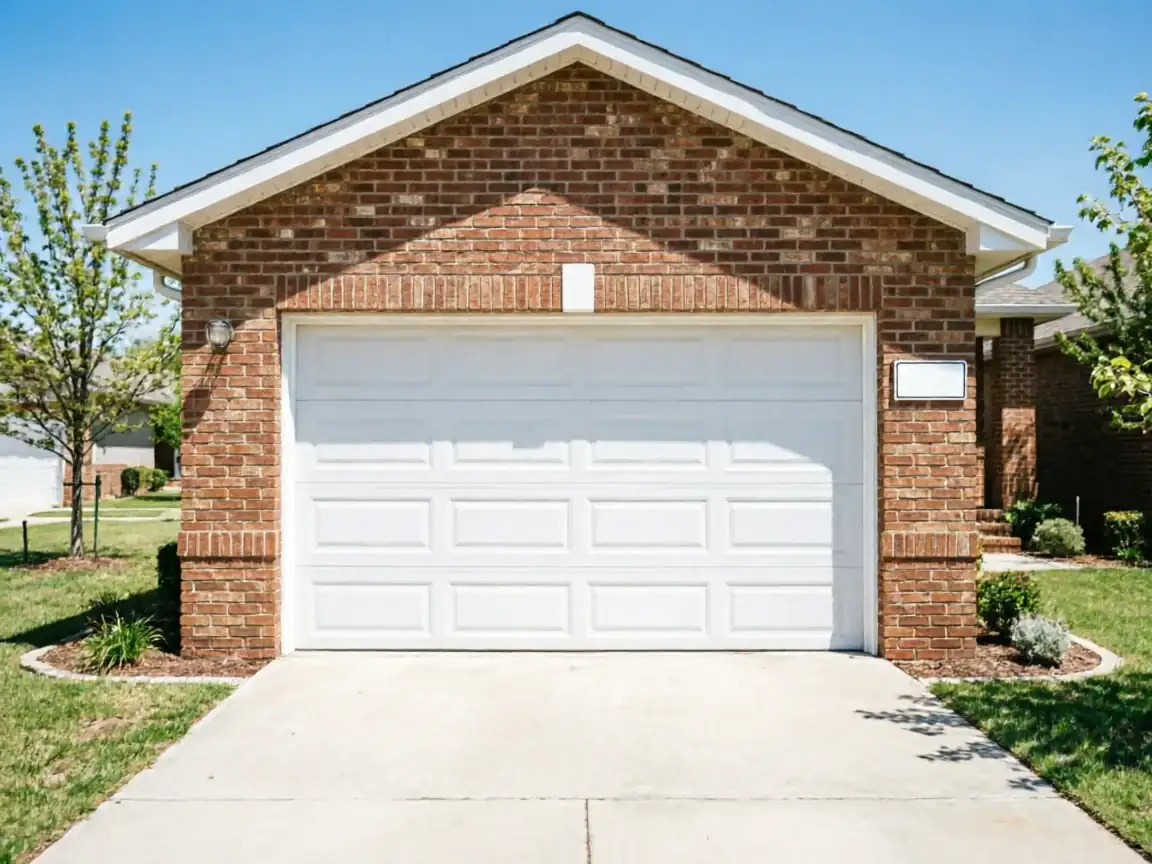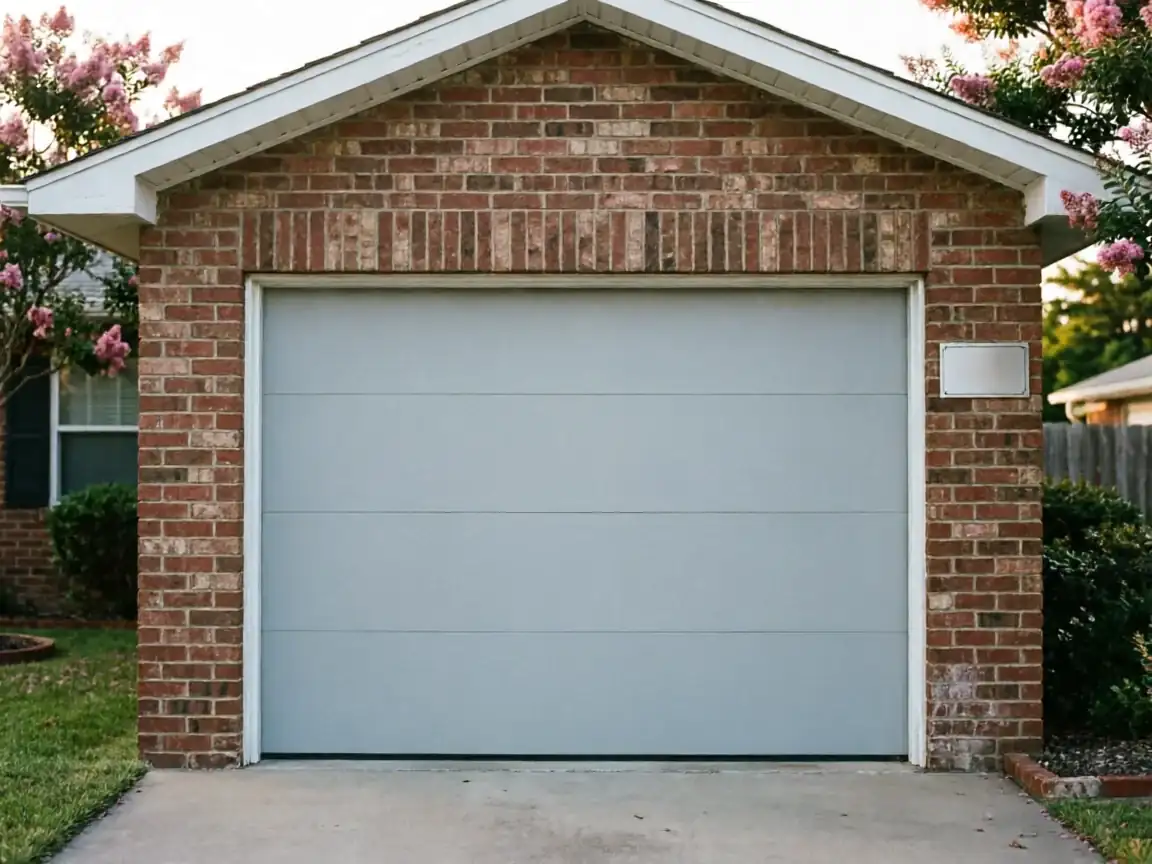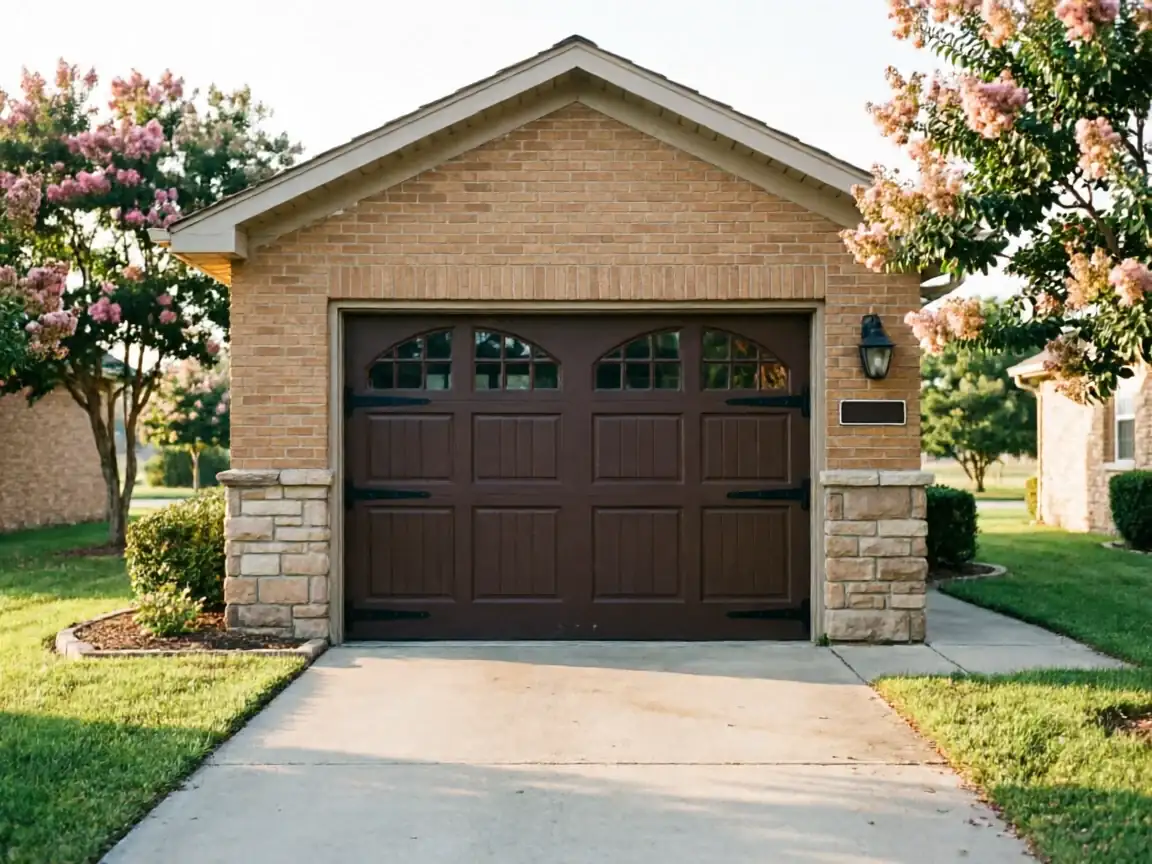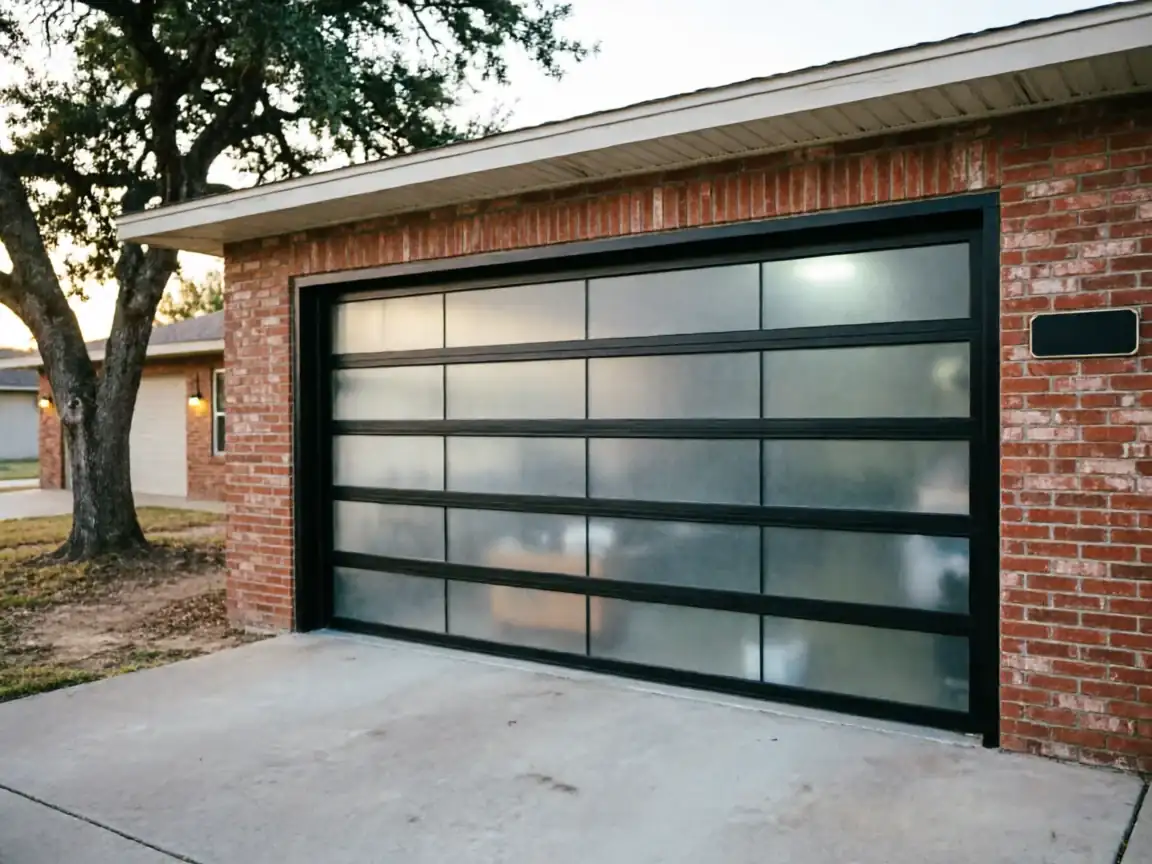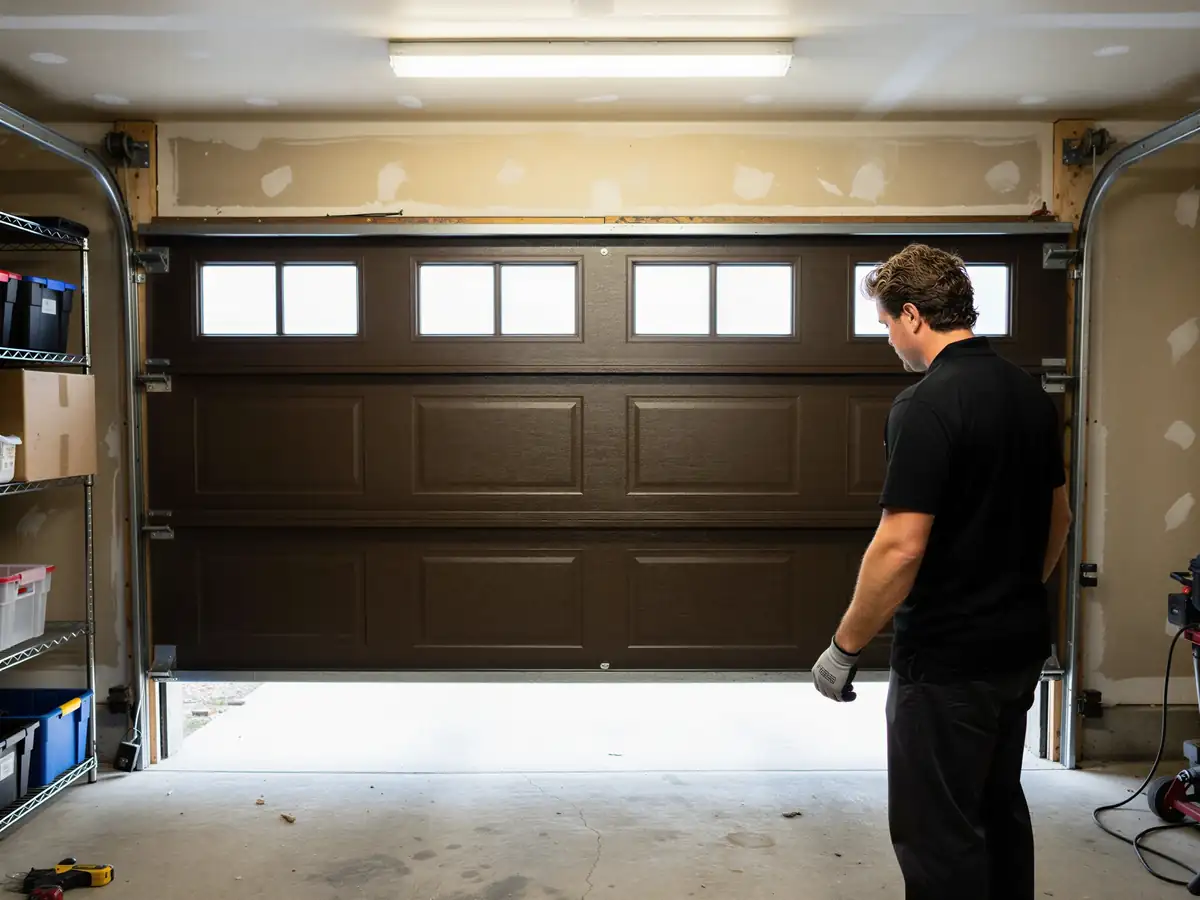
Why This Fails Locally
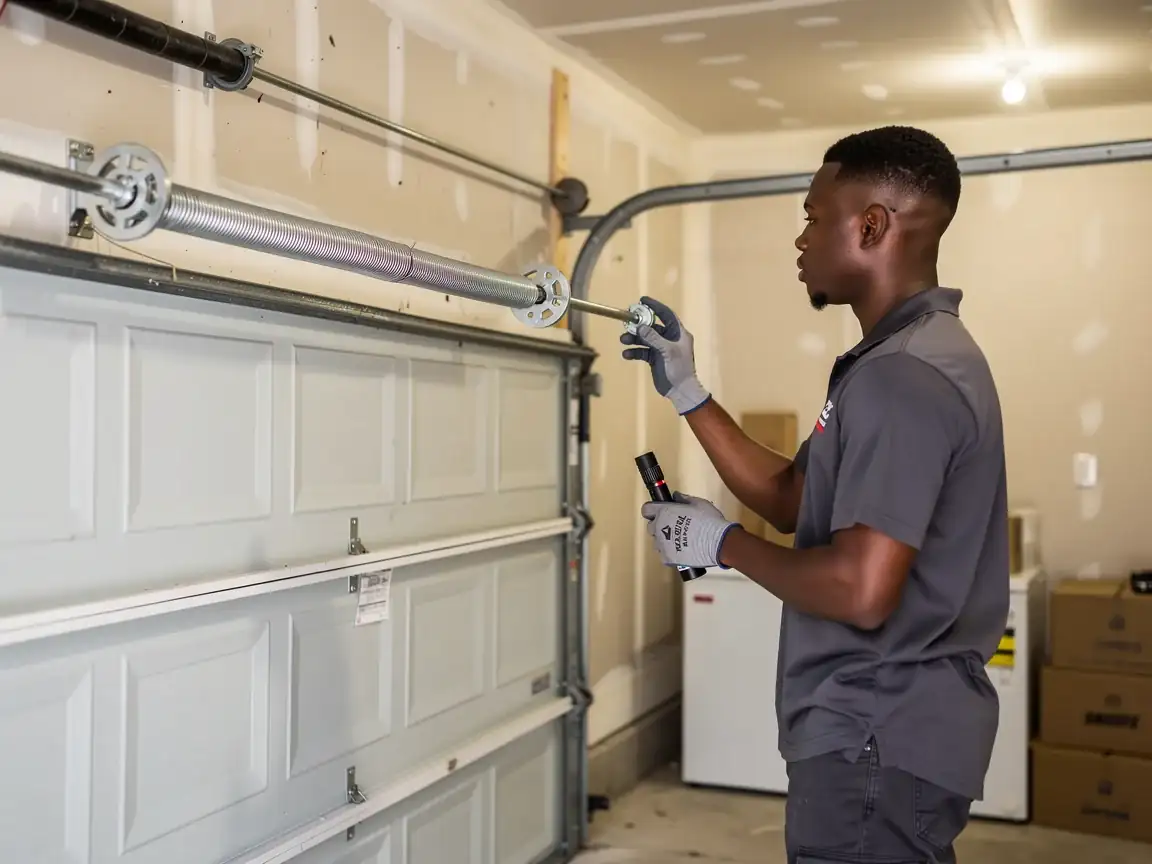
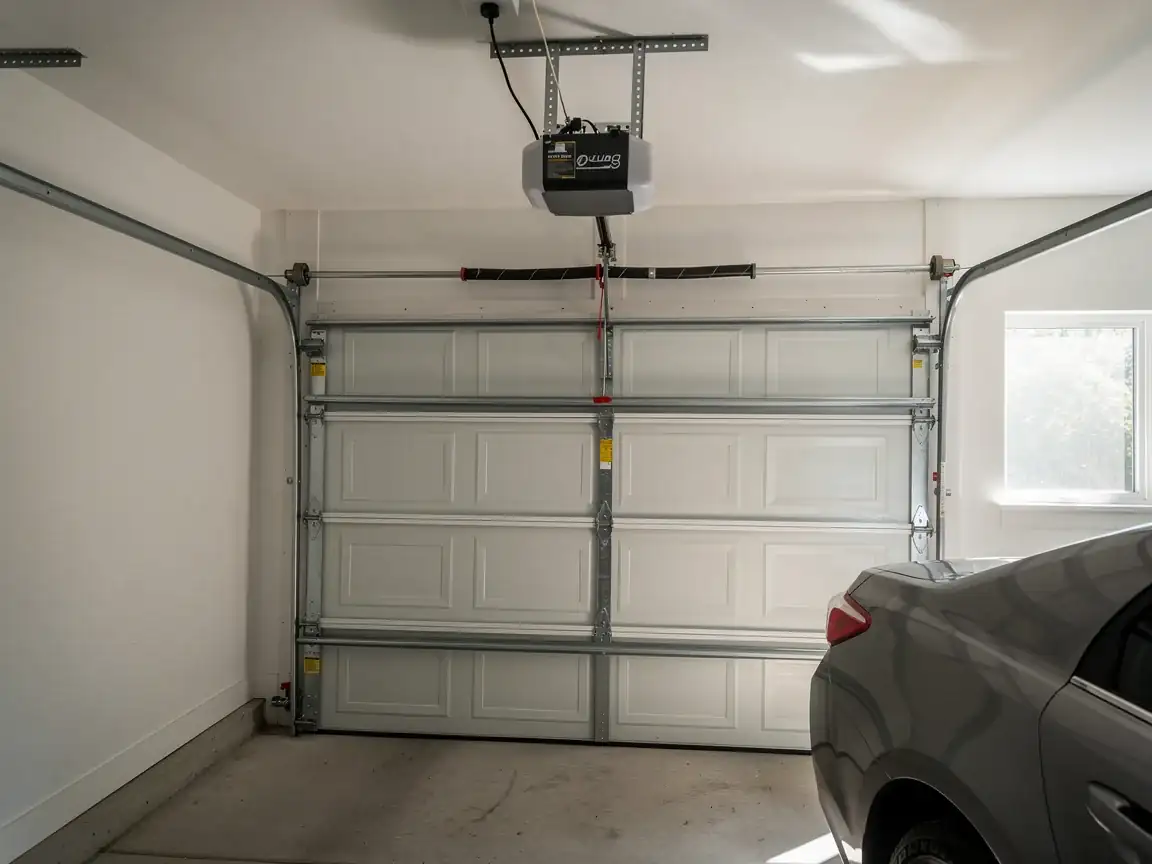
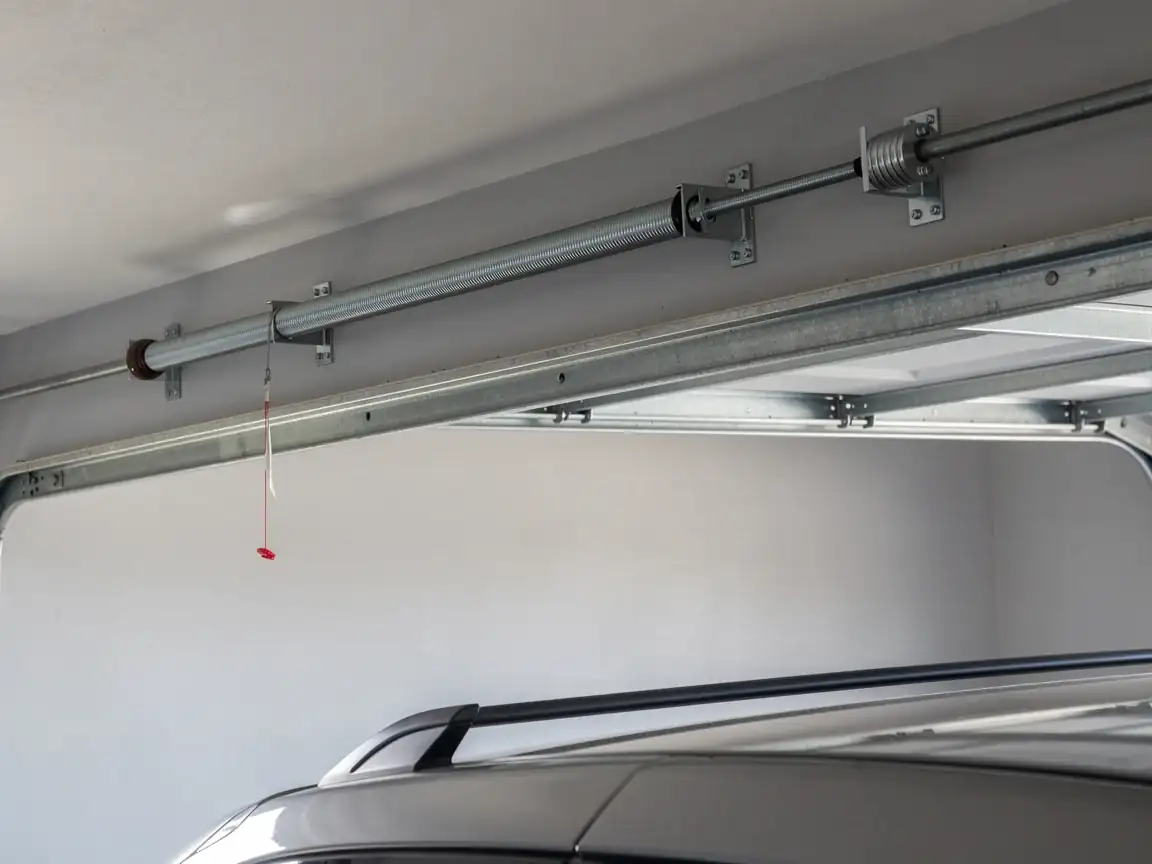
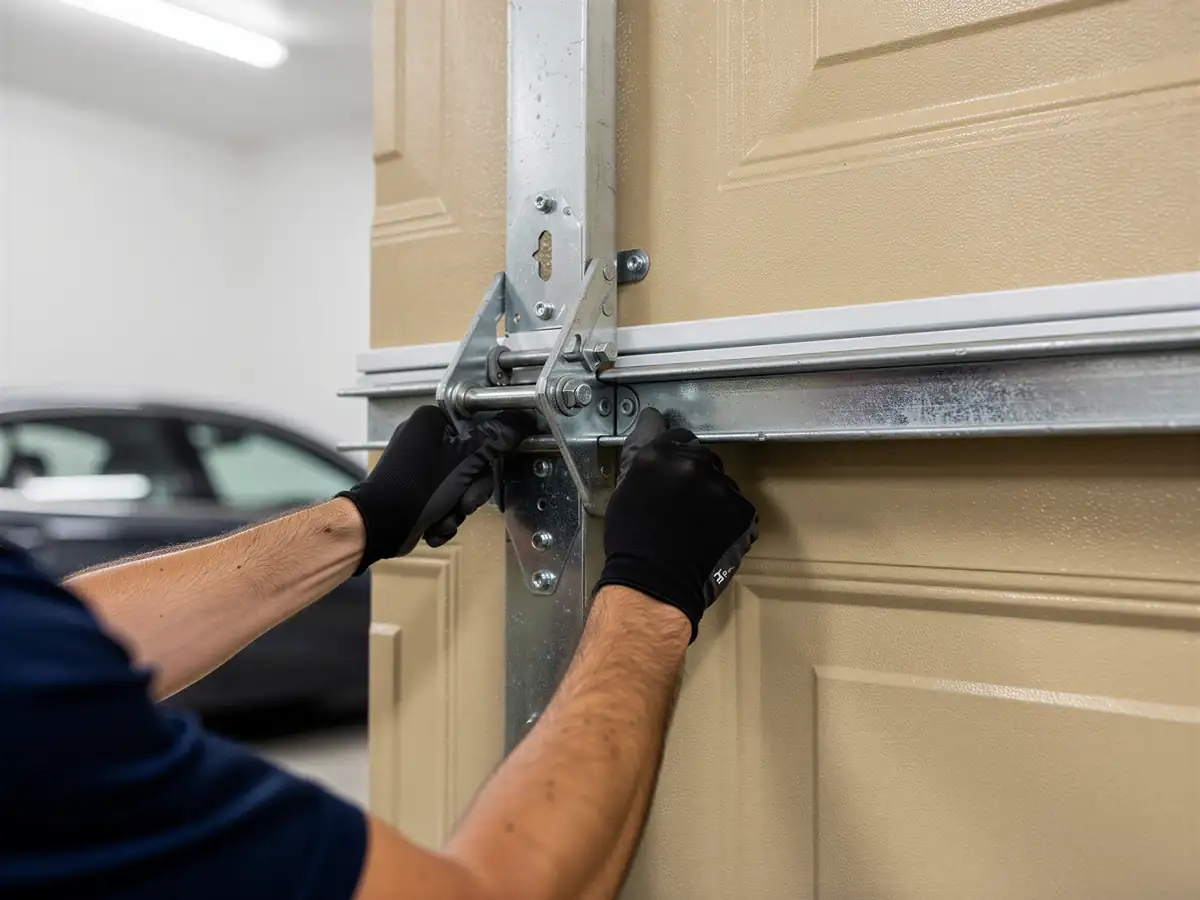
Most of the houses we work on in Enid went up between 1956 and 1981, with the median build year sitting around 1972. That's not a trivia fact - it's the reason we see the same failure over and over. Doors from that era were hung on torsion springs and steel tracks that were never meant to run for fifty-plus years without a full hardware swap, and in five of the older sections of town, the original spring and drum setup is still bolted to the header.
Pair that housing age with Enid's cold winters and you get metal fatigue nobody plans for. Steel contracts in cold, grease hardens, and a spring that's already wound tight from decades of cycling loses what little flex it had left. It doesn't fail gradually - it snaps on a Tuesday morning when the temperature drops fast overnight. This isn't a general garage door problem. It's what happens when 1960s-70s hardware meets a moderate-cold climate for half a century straight.
How It Shows Up
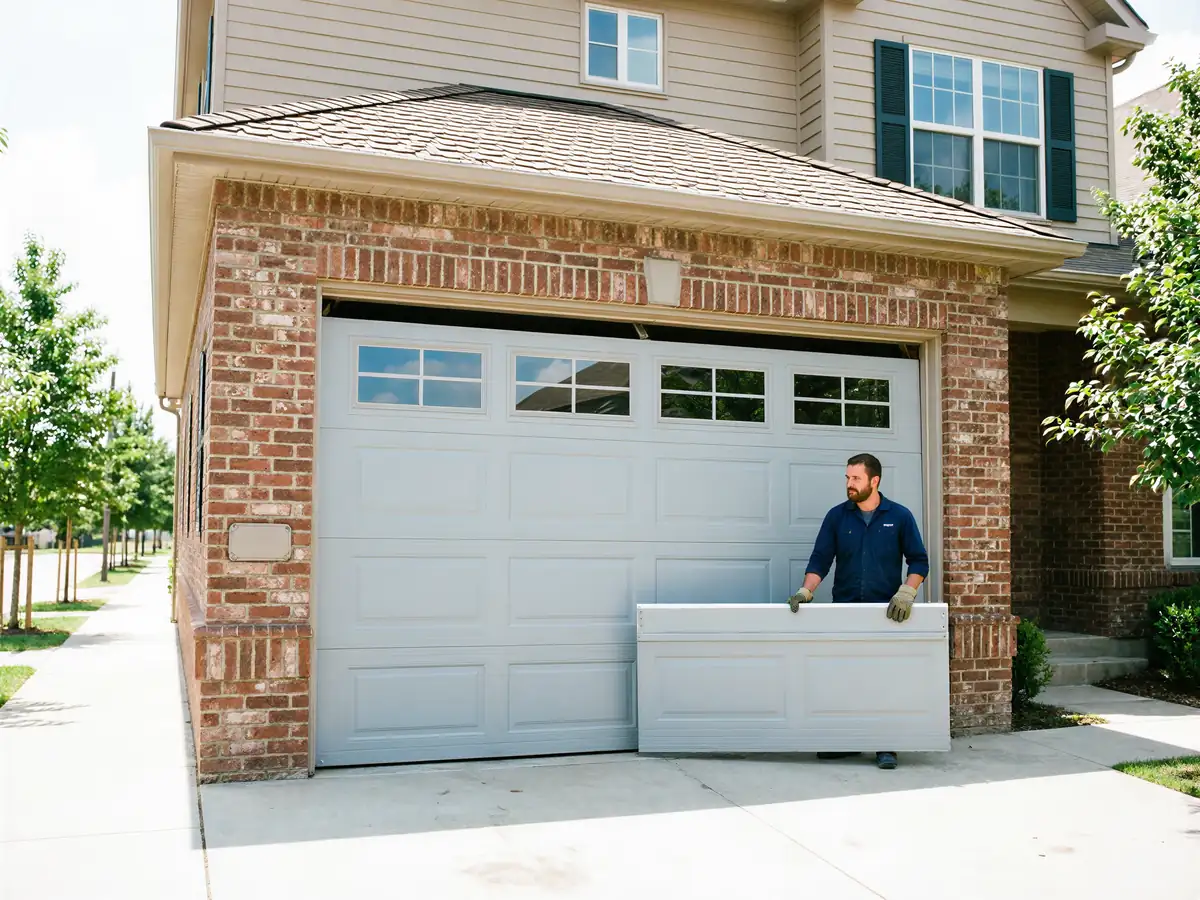
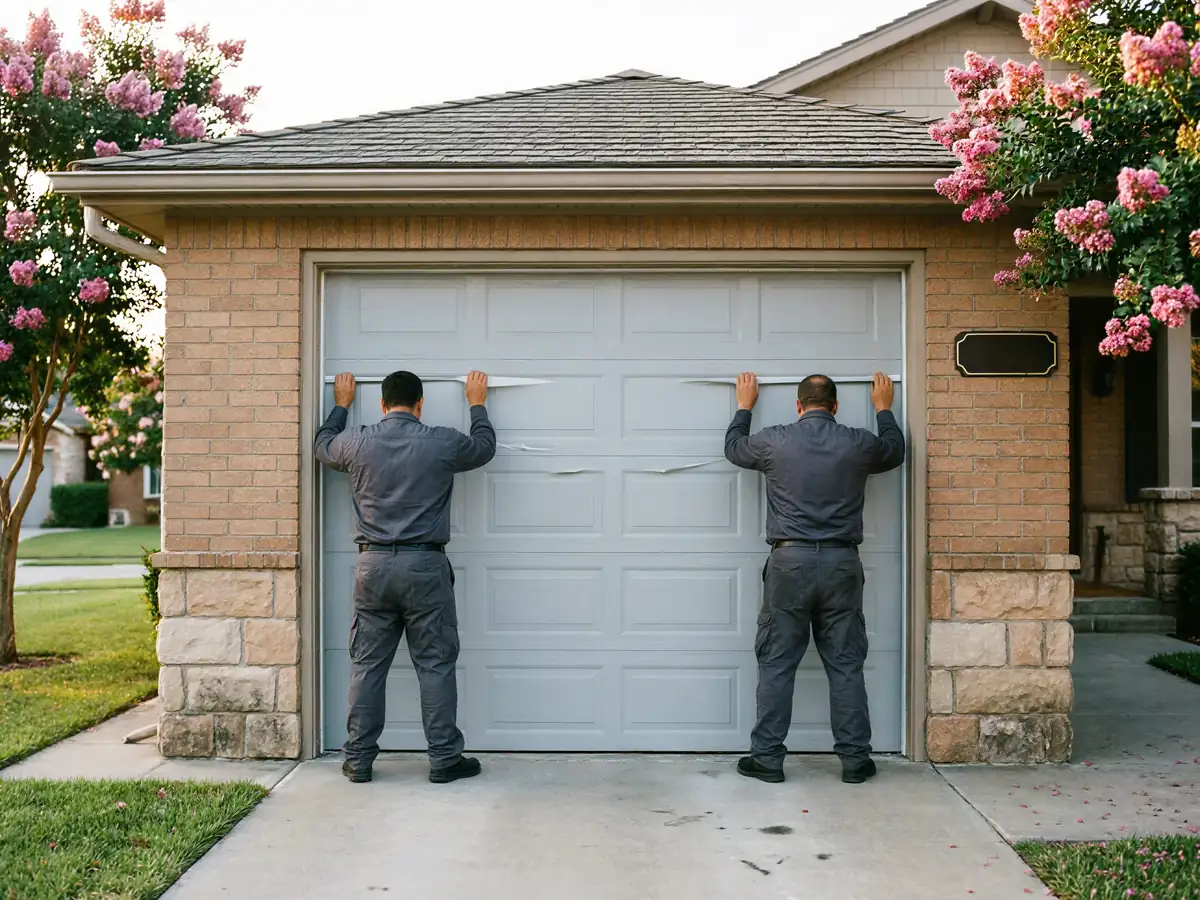
The door gets heavy fast. You notice it in the lift - the opener strains, or if you're pulling the release cord to open it by hand, it feels like it weighs twice what it used to. Sometimes there's a loud bang from the garage, usually when nobody's home, which is the spring letting go under tension.
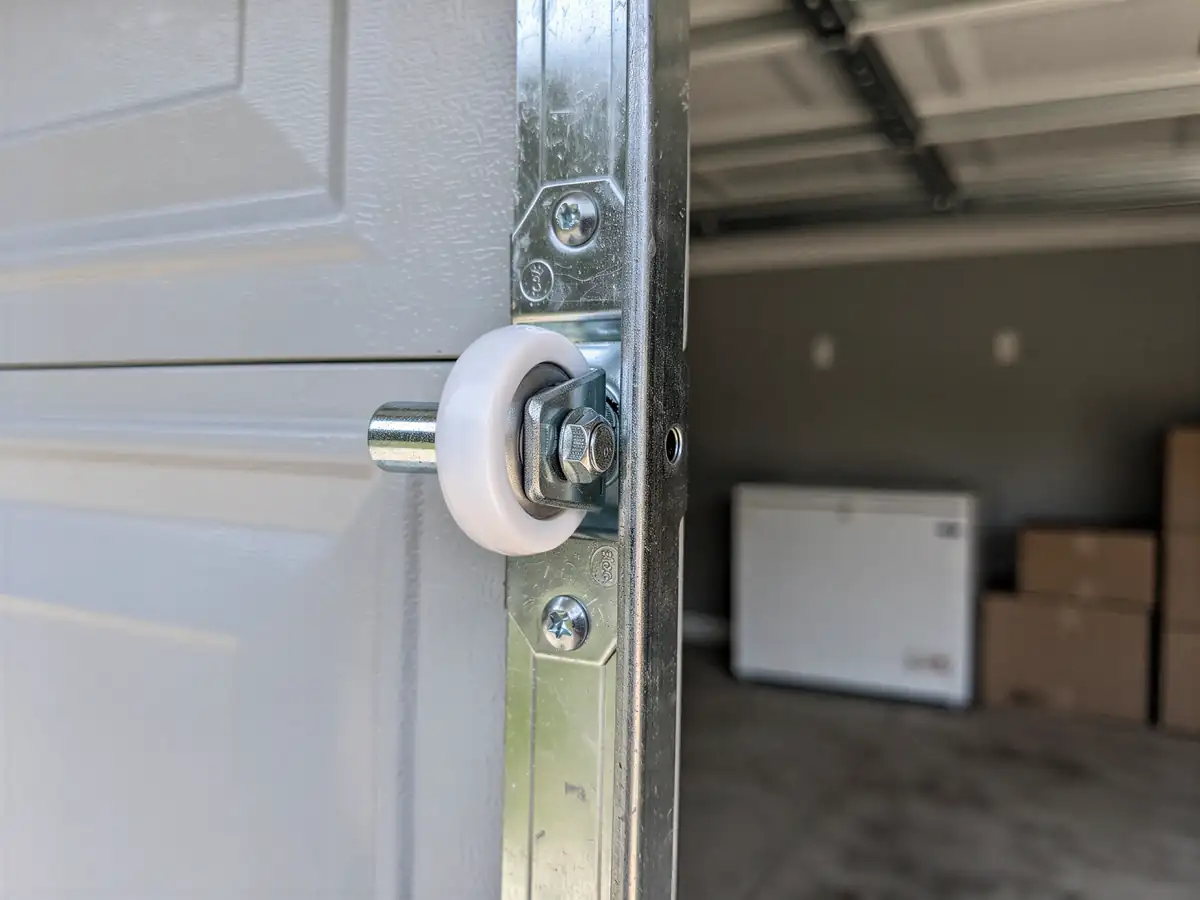
On the older torsion setups common in Enid's 1956-1981 stock, you'll also see the cable start to fray where it wraps the drum, because that cable has been doing the same job since the Nixon administration in some cases. Cold mornings make it worse - a door that closes fine in July can bind or stick in January because the track has shifted slightly with decades of temperature swings, and the rollers that were fine all summer suddenly grind.
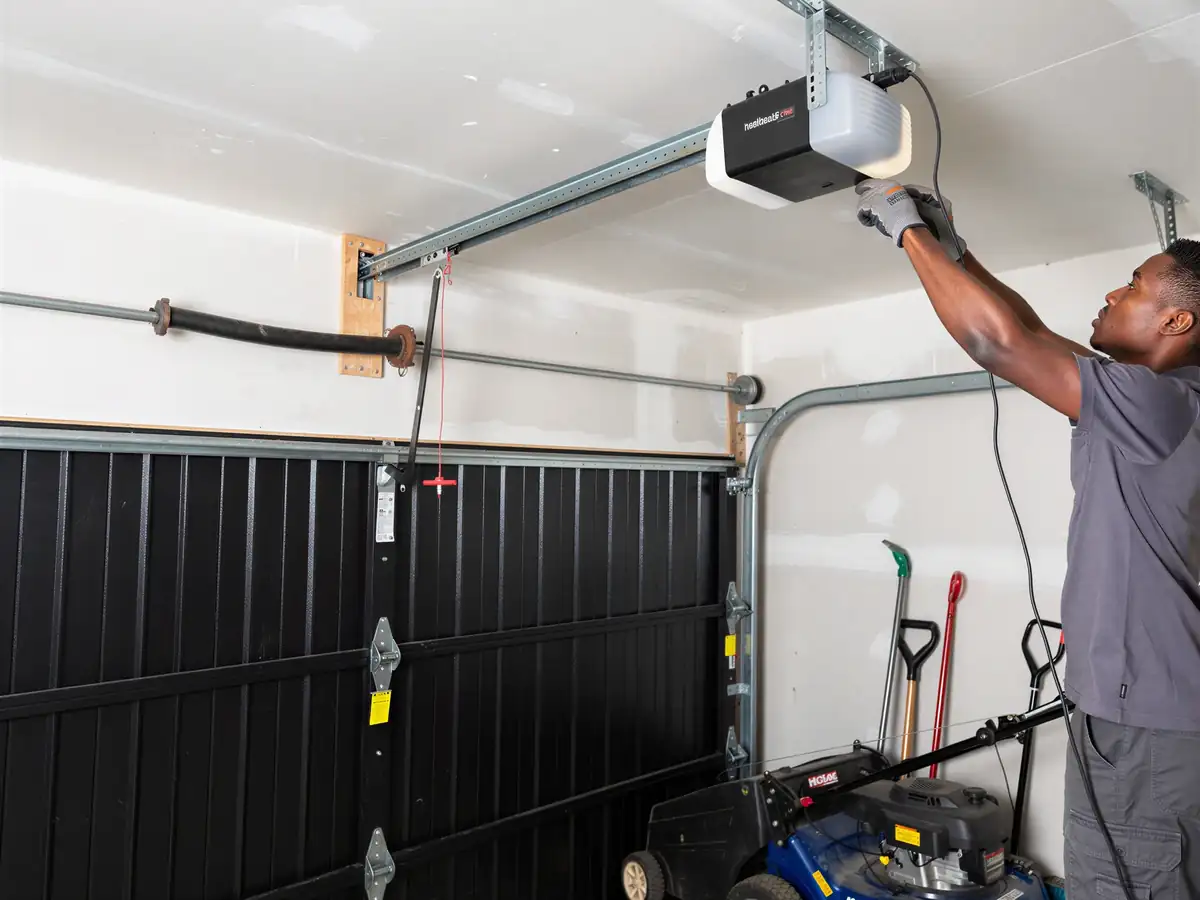
Openers tell their own story. Original units from that build era, if they're still in place, trip the safety sensors or just stop responding when it's cold, because the circuit board wasn't built for the duty cycle it's seen.
The Complications
The complication with houses this age isn't usually the repair itself
It's that one worn part rarely travels alone. A spring that's original to a 1965 build has a drum, cable, and bearing plate that are the same age, and replacing just the spring on that kind of setup is asking for a second call within the year.
We also run into non-standard spring wind and drum sizes on some of the older torsion hardware around Enid
Which means a same-day fix sometimes isn't possible - we have to confirm the spec before we order the right part rather than force a close-enough substitute that fails again in six months. That's the honest limitation: if your hardware is original to a house built before 1981, we'd rather take an extra day to get the right spring than hang one that's close but wrong.
If you're out toward Waukomis, Kremlin, Garber, Covington, or Pond Creek, add in that parts runs take longer the farther we are from the shop
Which can stretch a same-day job into a next-day one depending on what's needed.
What It Costs
We don't publish flat prices here because the two biggest cost drivers - whether your spring and drum are standard size, and whether the opener needs replacing alongside the spring - vary house to house, especially in Enid's older neighborhoods where original hardware is still common. What we can tell you is that a straight spring swap on standard hardware costs less than a job where we're also replacing cable, rollers, and a bearing plate that have all worn out together, which is common once a system passes the thirty-year mark.
With a median household income around $63,869 across the service area and 1,113 owner-occupied houses out of 1,235 households, most of the calls we get are homeowners trying to decide between a targeted repair and a full door replacement. We'll tell you straight if your door's worn hardware doesn't justify fixing piece by piece - sometimes a full torsion conversion costs less over five years than three separate repair calls on parts that are all the same age and all failing around the same time.