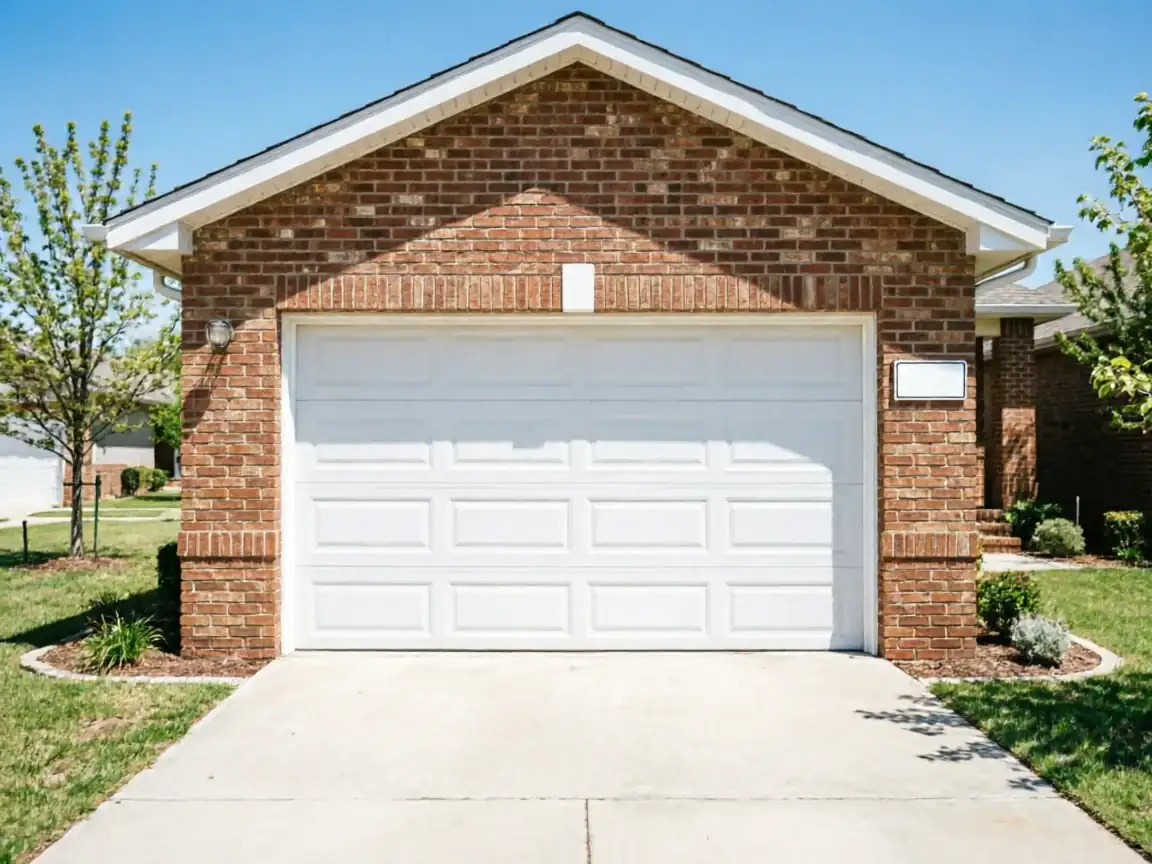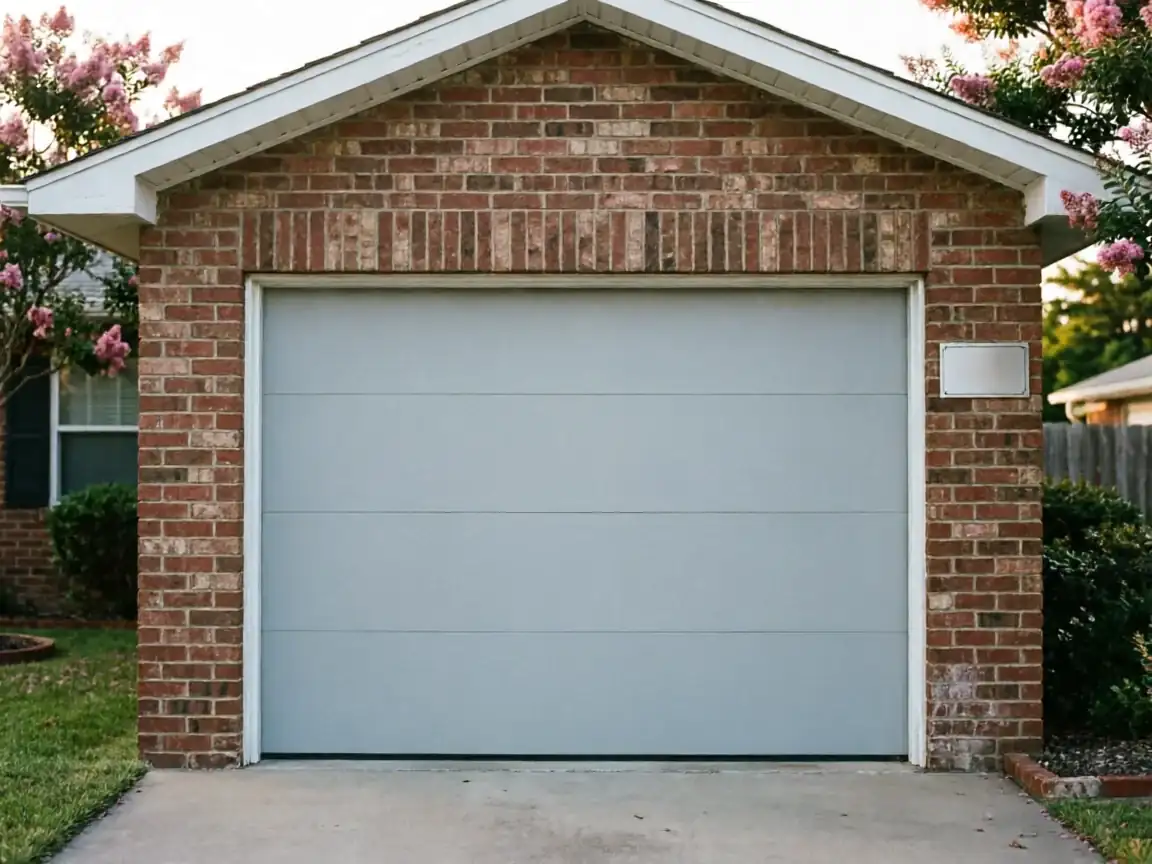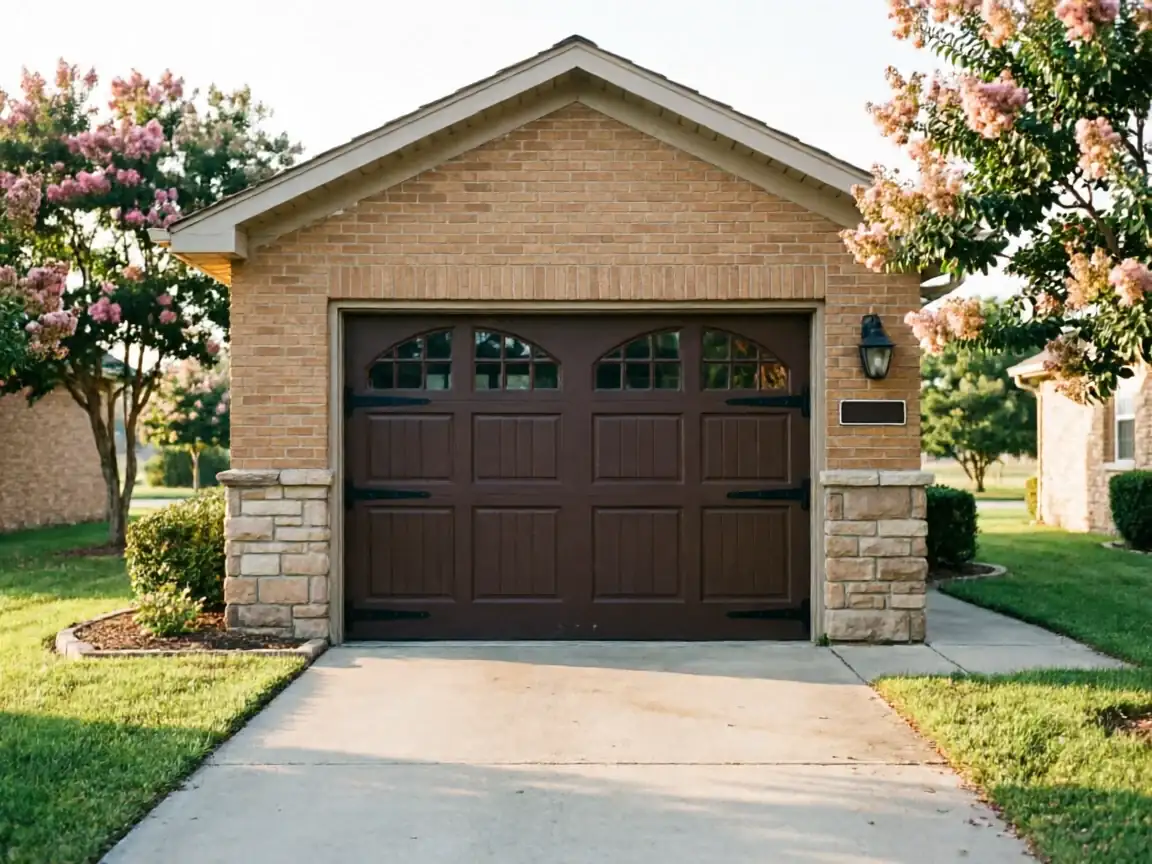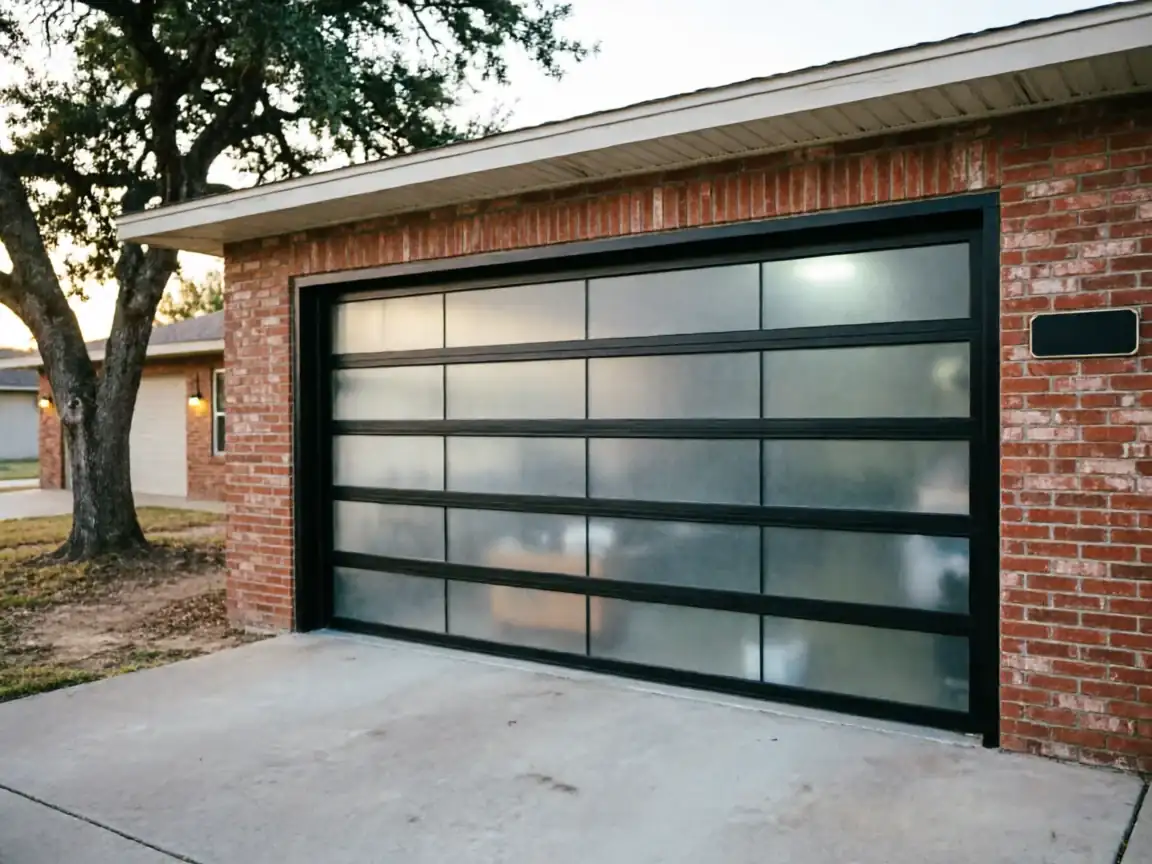
Can You Do This Yourself
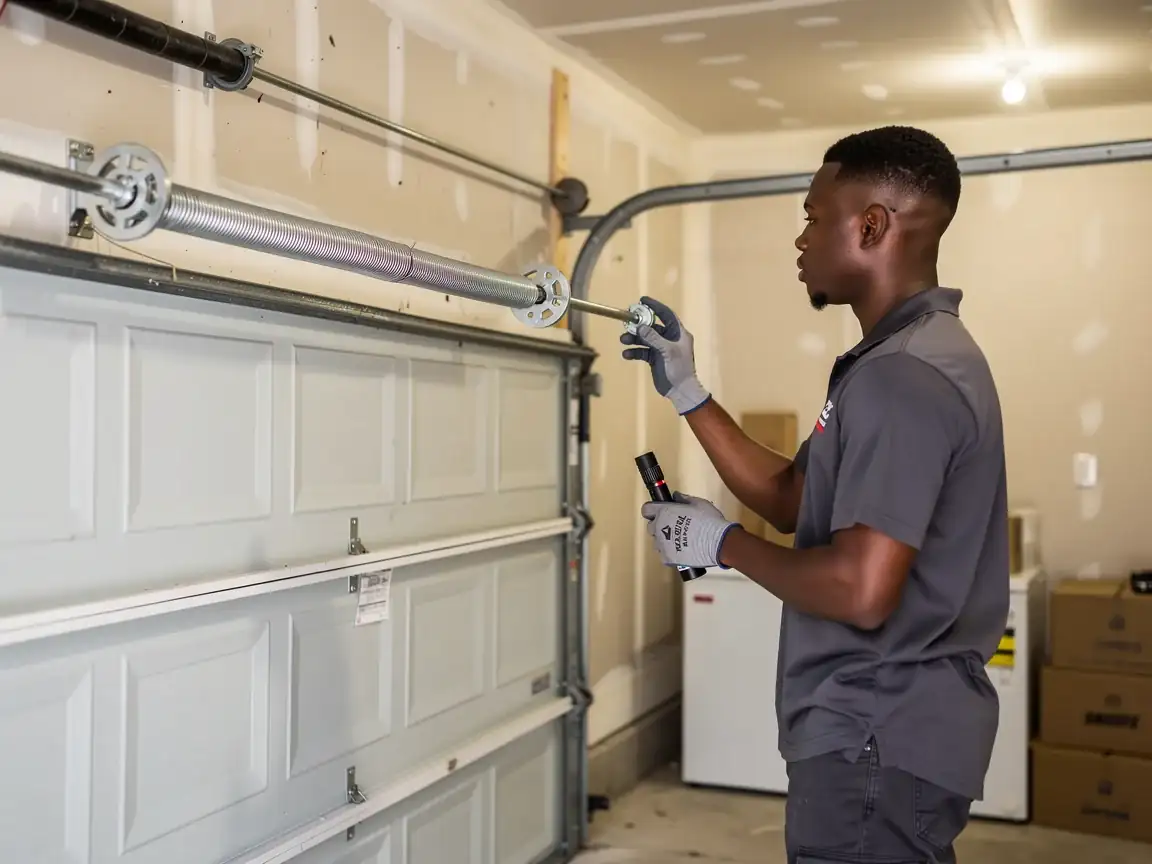
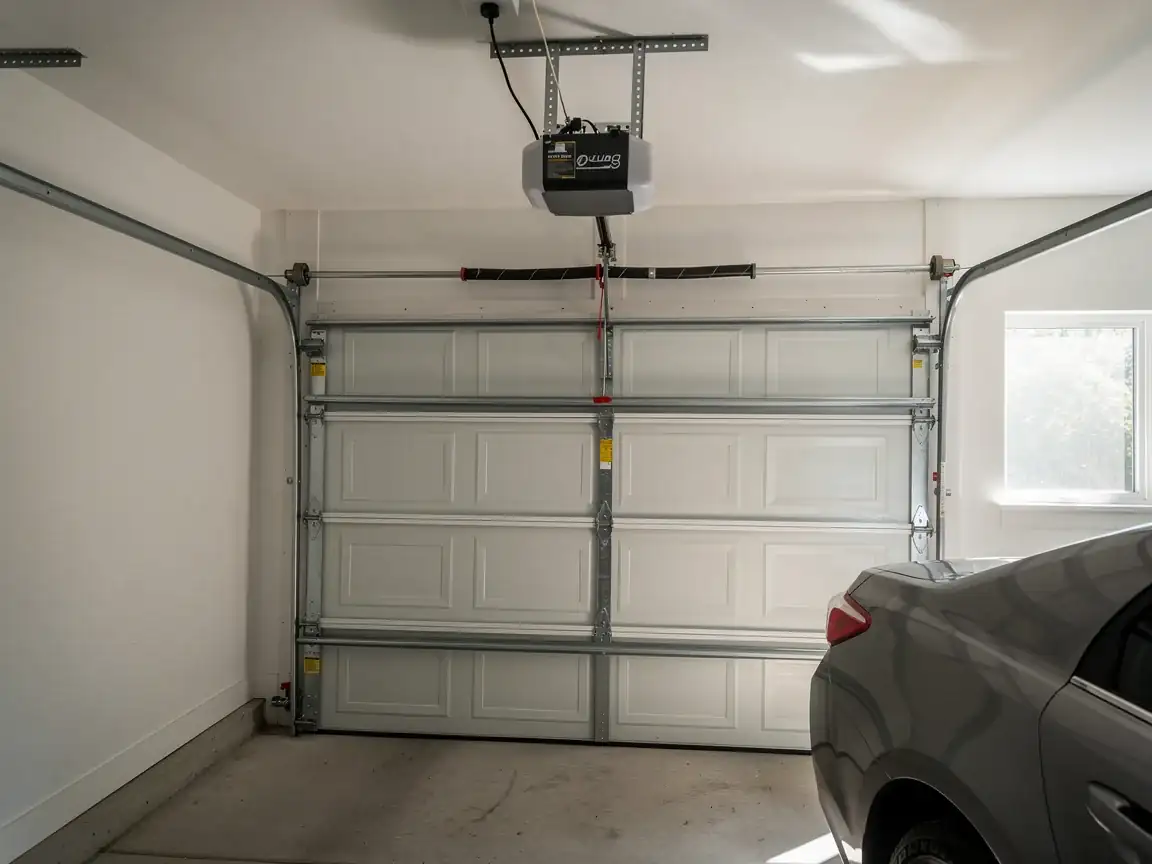
Some of it, yes. Hosing off the tracks, checking that the rubber seal on the bottom panel hasn't cracked, and listening for a new grind in the motor are all things you can do without a truck showing up. What you shouldn't do yourself is touch a torsion spring. Covington's housing mostly went up in 1956, right at the old end of the area's 1956-1981 build window, and a lot of those garages still have the original spring setup or a replacement that was sized to match it. Those springs hold more stored tension than most people guess, and the tools to wind them safely aren't something most homeowners own or want to own.
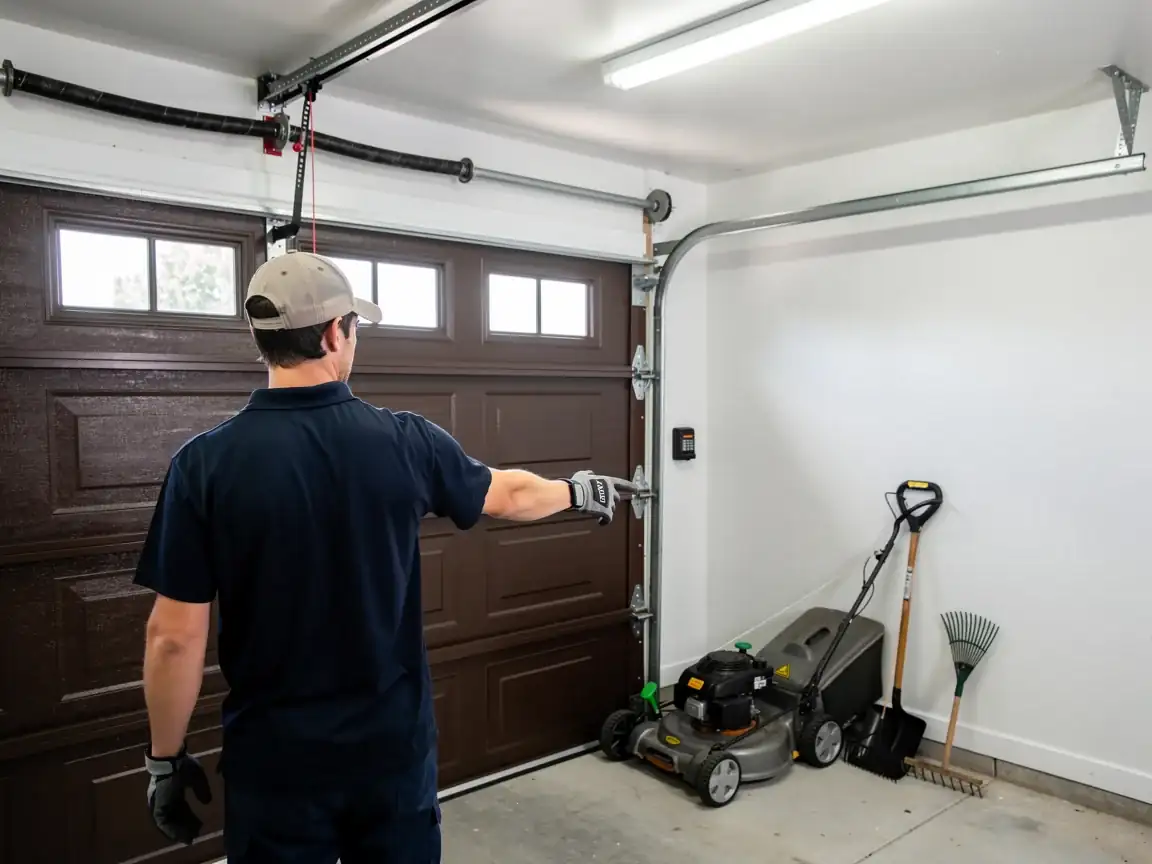
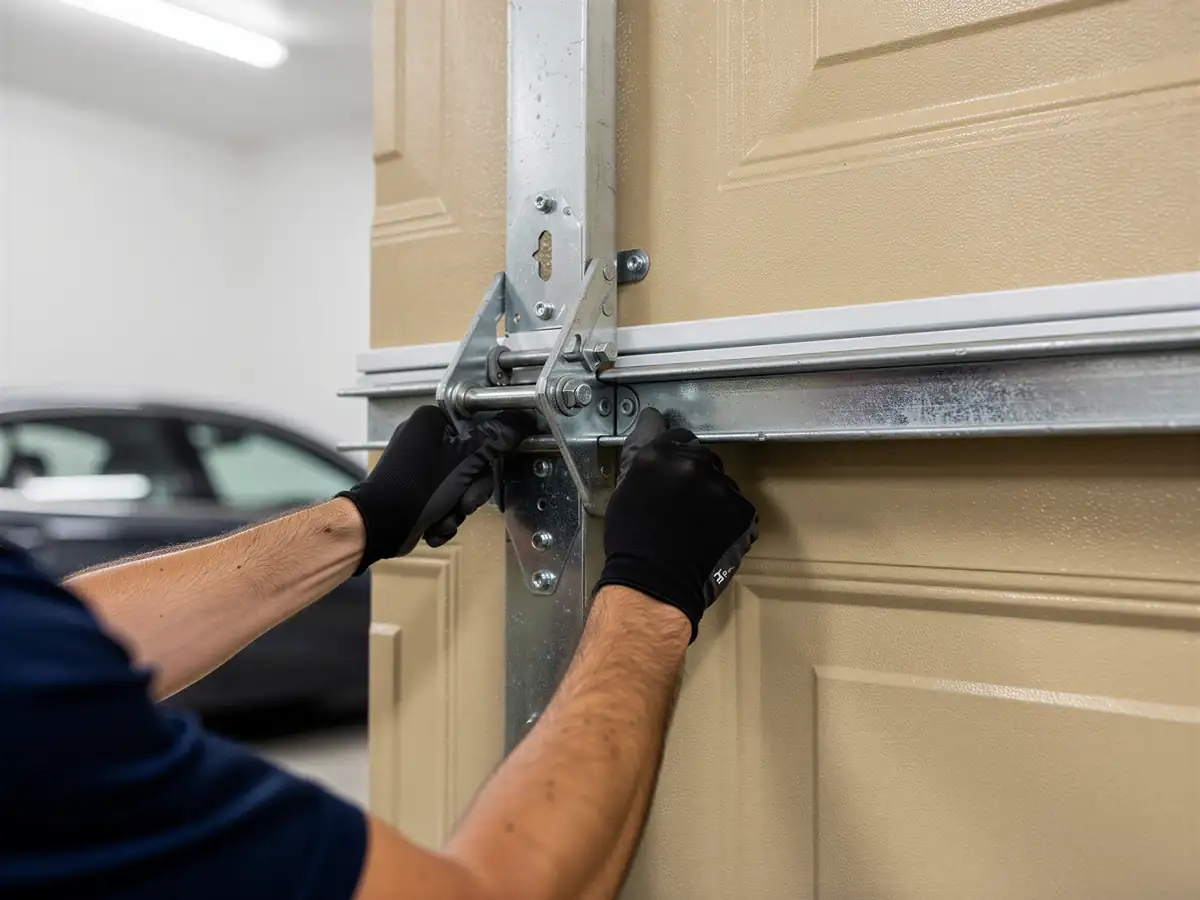
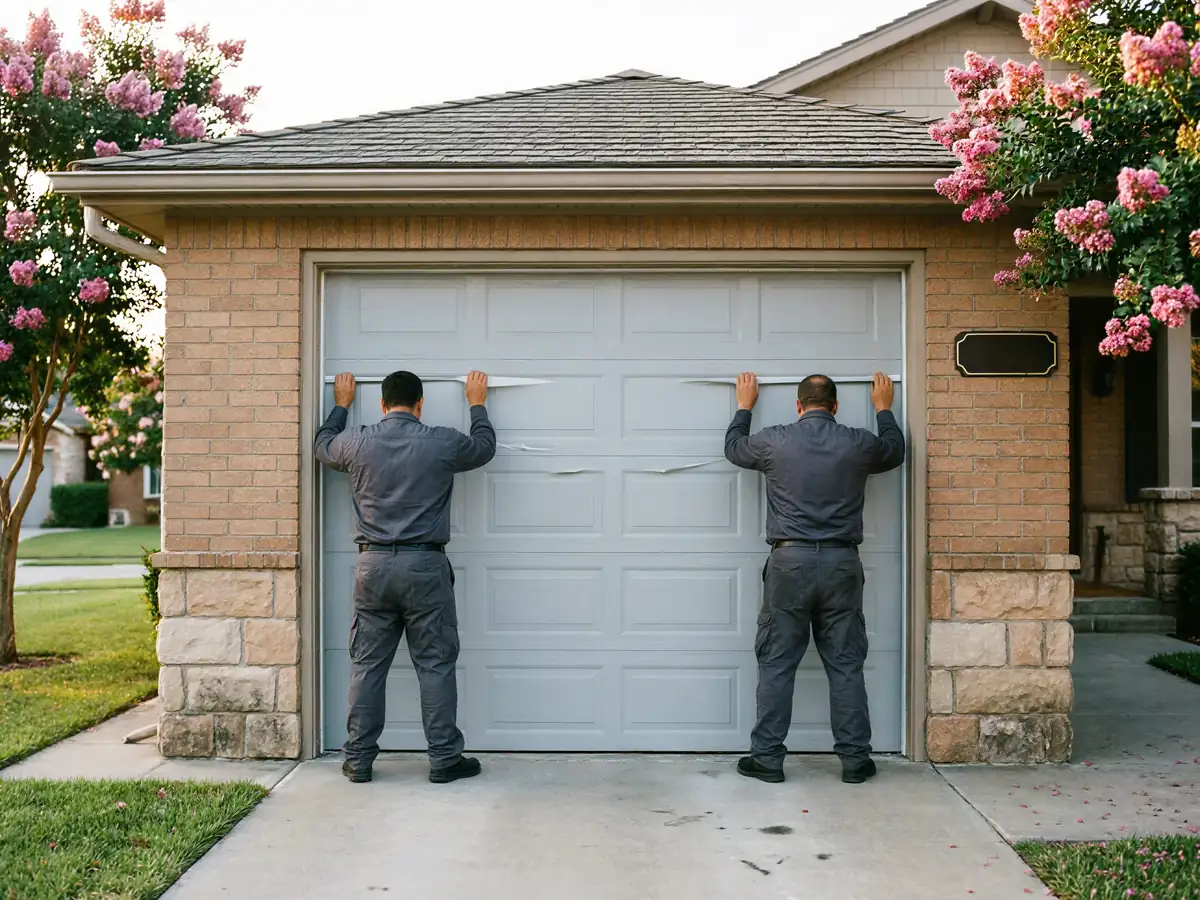
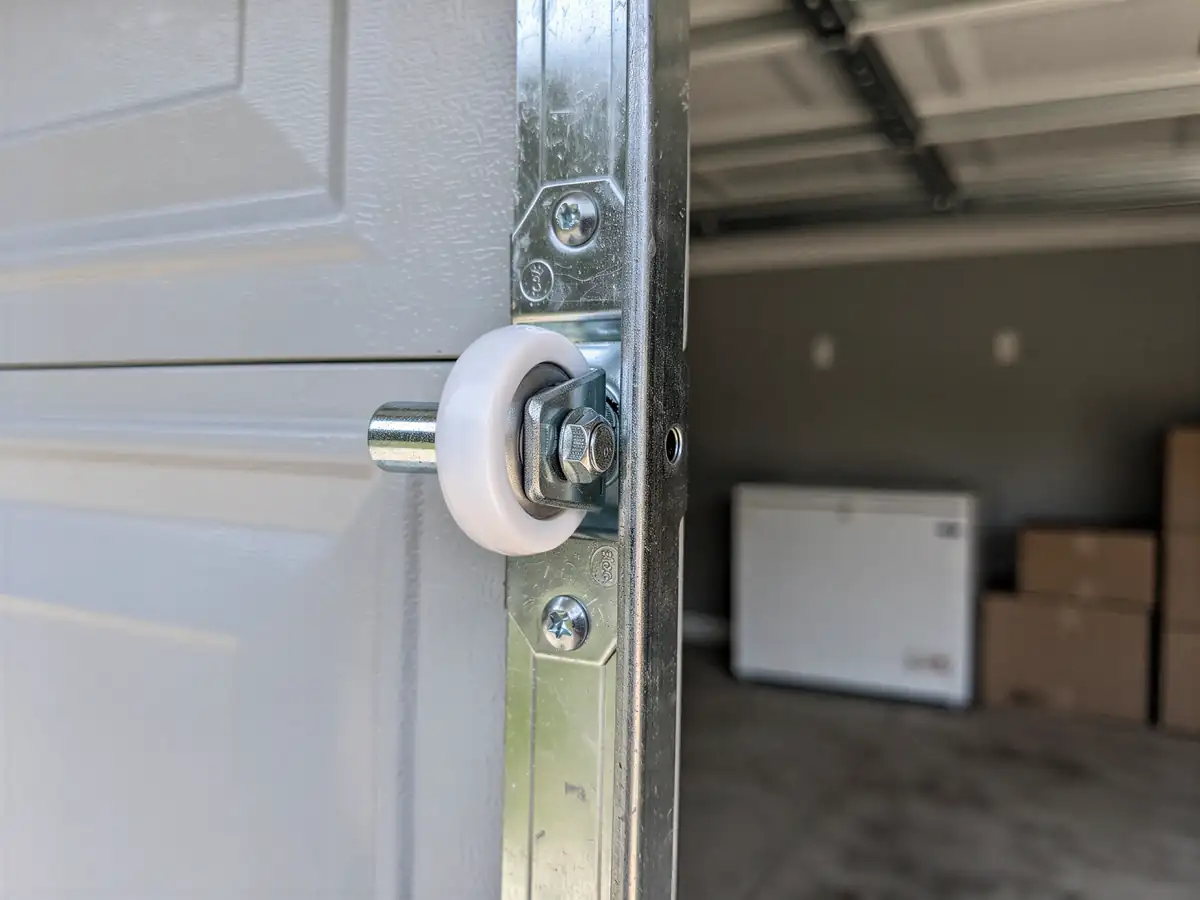
What you can manage: lubricating rollers and hinges twice a year, tightening loose bolts on the track brackets, and testing the auto-reverse by setting a 2x4 flat under the door and running it down. If the door doesn't bounce back up, that's not a DIY fix - that's a call. On a house this age, the safety sensor may have been added after the fact rather than built in, and that's worth having someone check rather than guess at.
How It Shows Up
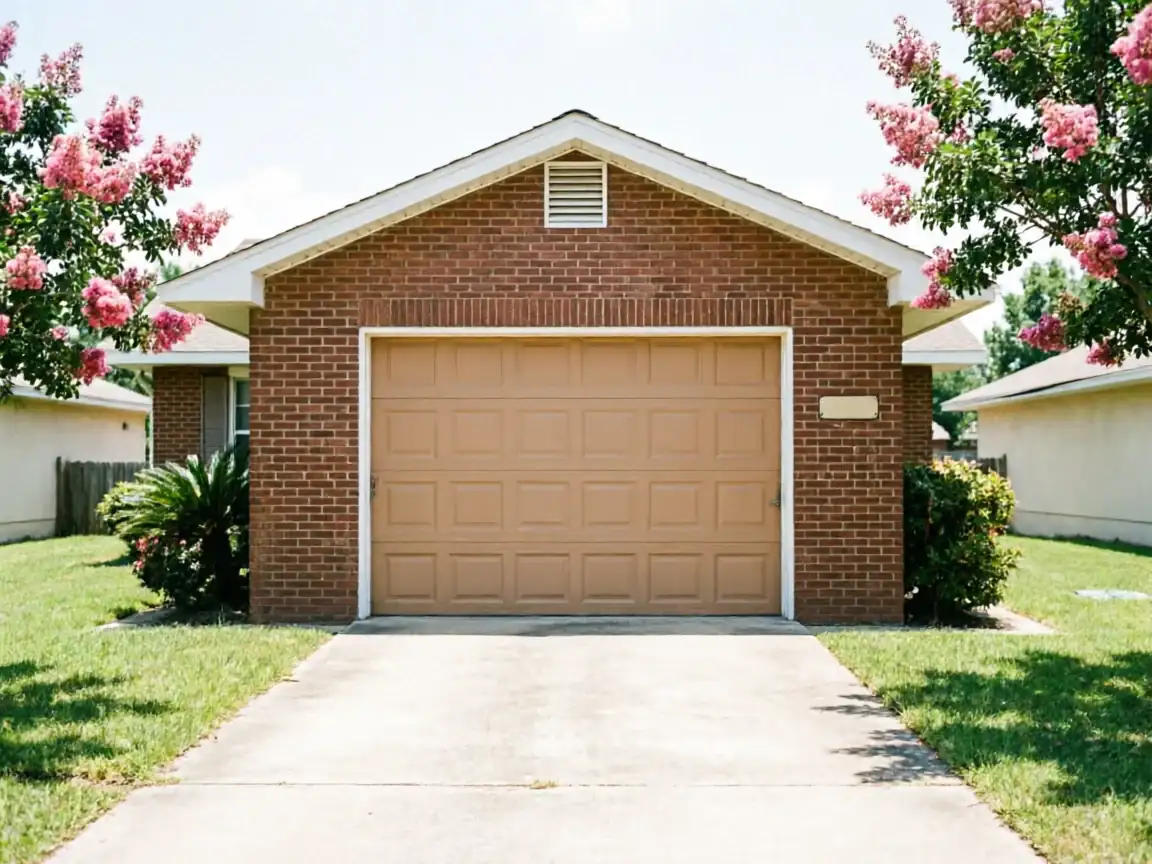
On houses built in the mid-1950s, the fault pattern is pretty consistent: the original torsion hardware is still wound to a spec that assumed a lighter door than whatever's hanging there now, since a lot of these panels got swapped out for steel or insulated replacements somewhere along the way without anyone resetting the spring tension. That shows up as a door that drifts down on its own, or one that the opener strains against every single cycle.
Cold, moderate winters in this part of Oklahoma add a second layer to it. Steel track contracts slightly in the cold, grease stiffens, and a door that ran quiet in August starts chattering or sticking in January. On a 1956-era track, the mounting brackets have usually loosened over the decades too, so what looks like a cold-weather noise is often a bracket that needs re-anchoring, not a part that needs replacing. We check both before we touch the spring.
Parts We Carry
We carry standard torsion springs, rollers, and cable in a range of sizes on the truck
Since most of what we see in this part of the service area fits a handful of common specs from the 1956-1981 build years. Where we run into trouble is original extension-spring hardware on a door that's never been upgraded - some of those brackets and drums were made to fit a frame size that isn't stocked anymore, and that part has to be ordered rather than pulled off the truck.
Openers are usually a simpler call
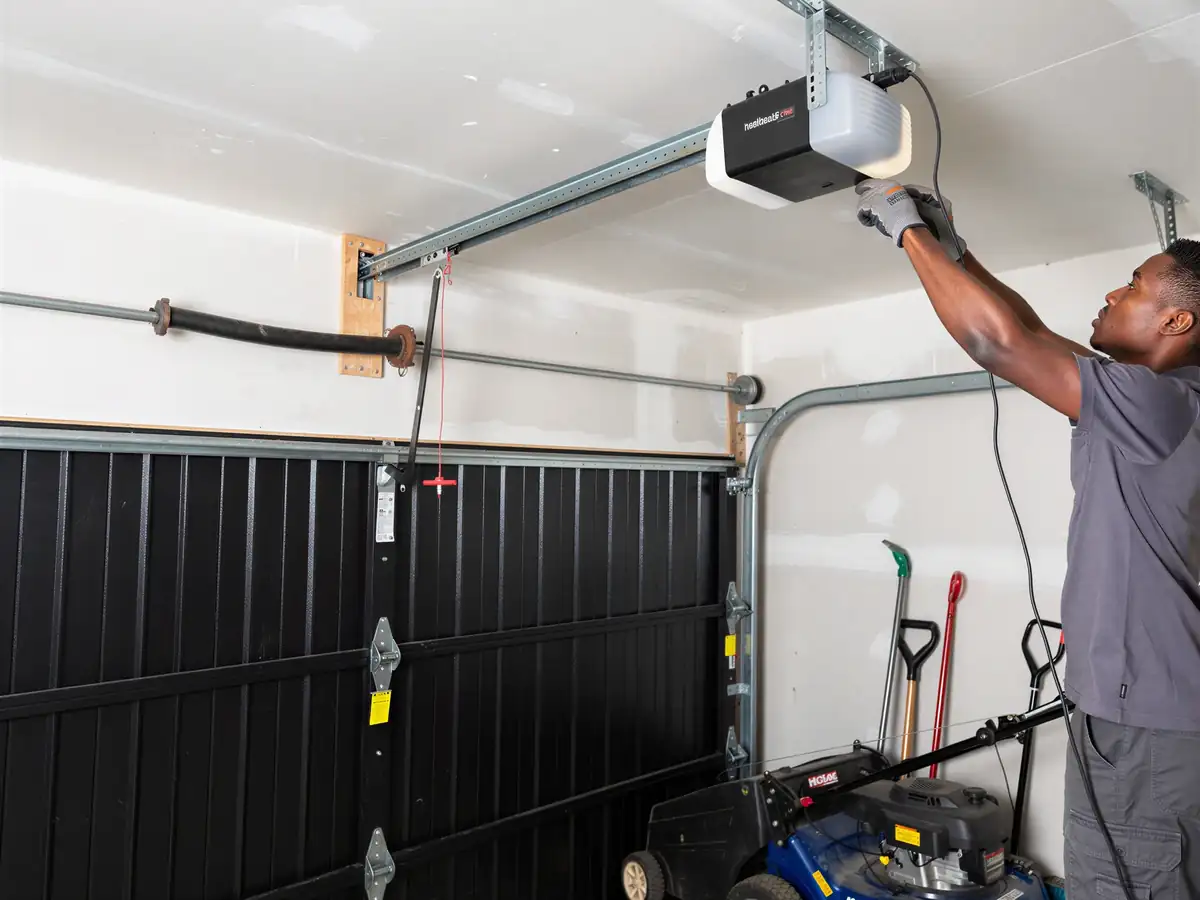
If the motor's shot, we replace it with a current unit rather than hunt for a discontinued model. That's the one honest limitation worth saying plainly: if your door is running on a 1970s chain-drive opener and the logic board is dead, we're not sourcing a matching part - we're putting in a new opener, and we'll tell you that before we quote the job, not after.
Getting It Booked In
Covington is about 17 miles from our base in Enid, so we route calls here alongside the other stops on that side of the county - Waukomis at 8 miles and Kremlin at 10 are usually on the same loop, and pairing your maintenance visit with one of those stops means less time waiting on a truck. With 136 households in Covington itself, we're not running a dedicated crew out here daily, so booking ahead for a non-emergency maintenance visit works better than calling same-day.
Income here runs higher than the area median - $74,500 against $63,869 across the wider service territory - and what we see on the ground matches that: more owners catching a stiff spring or a worn roller before it fails outright, rather than waiting for the door to quit working entirely. A seasonal check, done once before winter sets in, catches most of what cold and age do to hardware this old before it turns into a stuck door and a missed morning.