Can You Do This Yourself
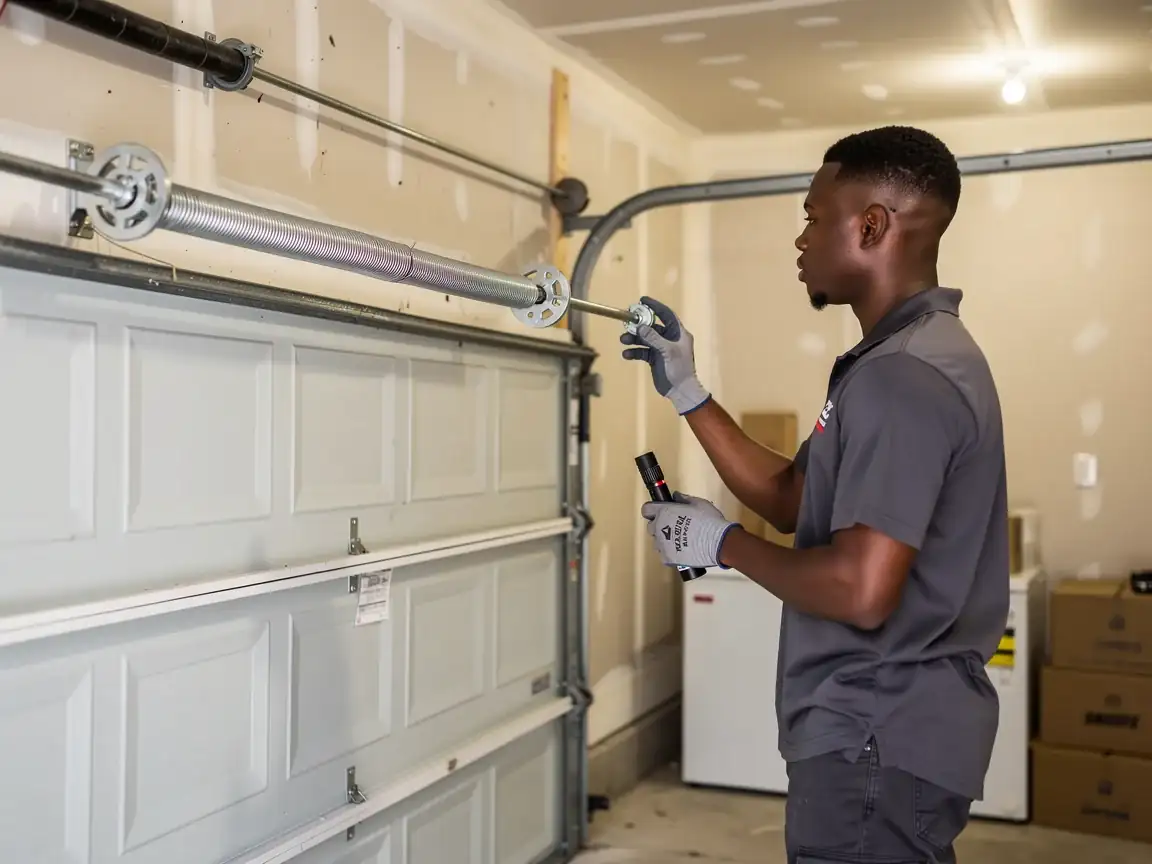
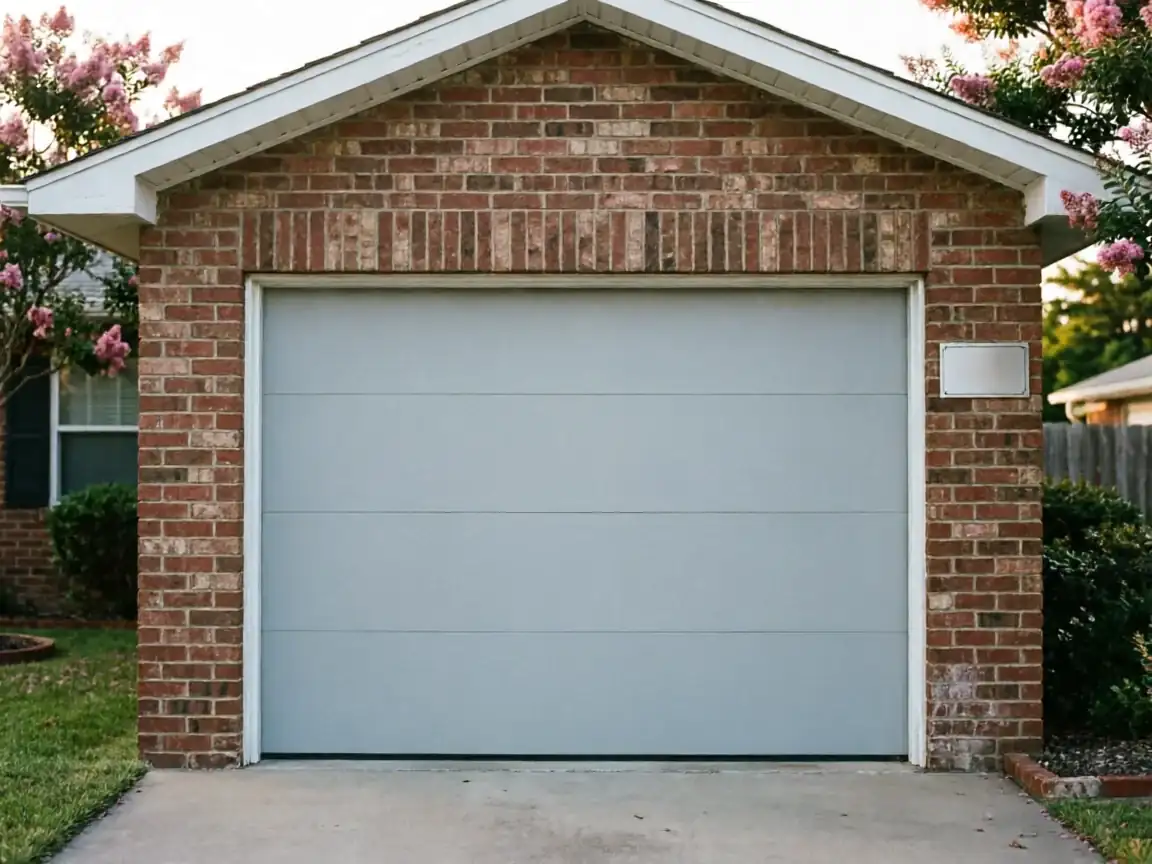
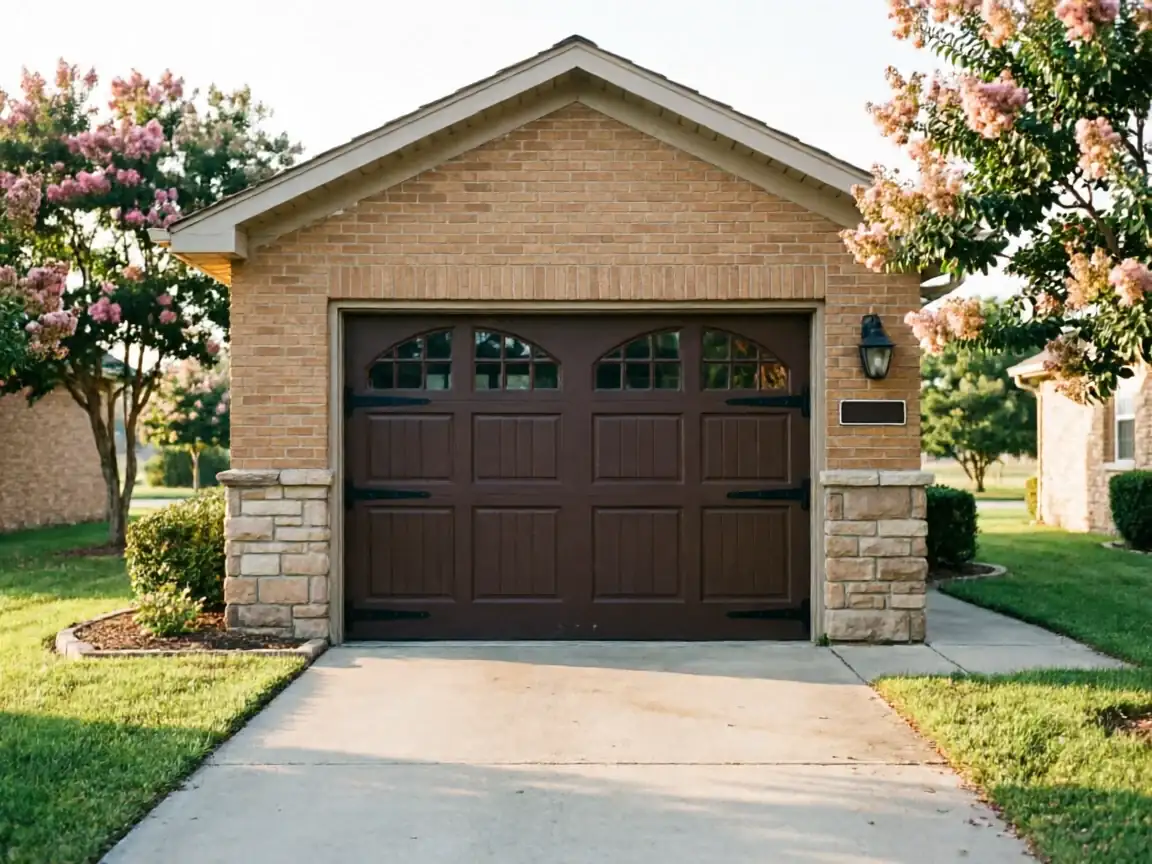
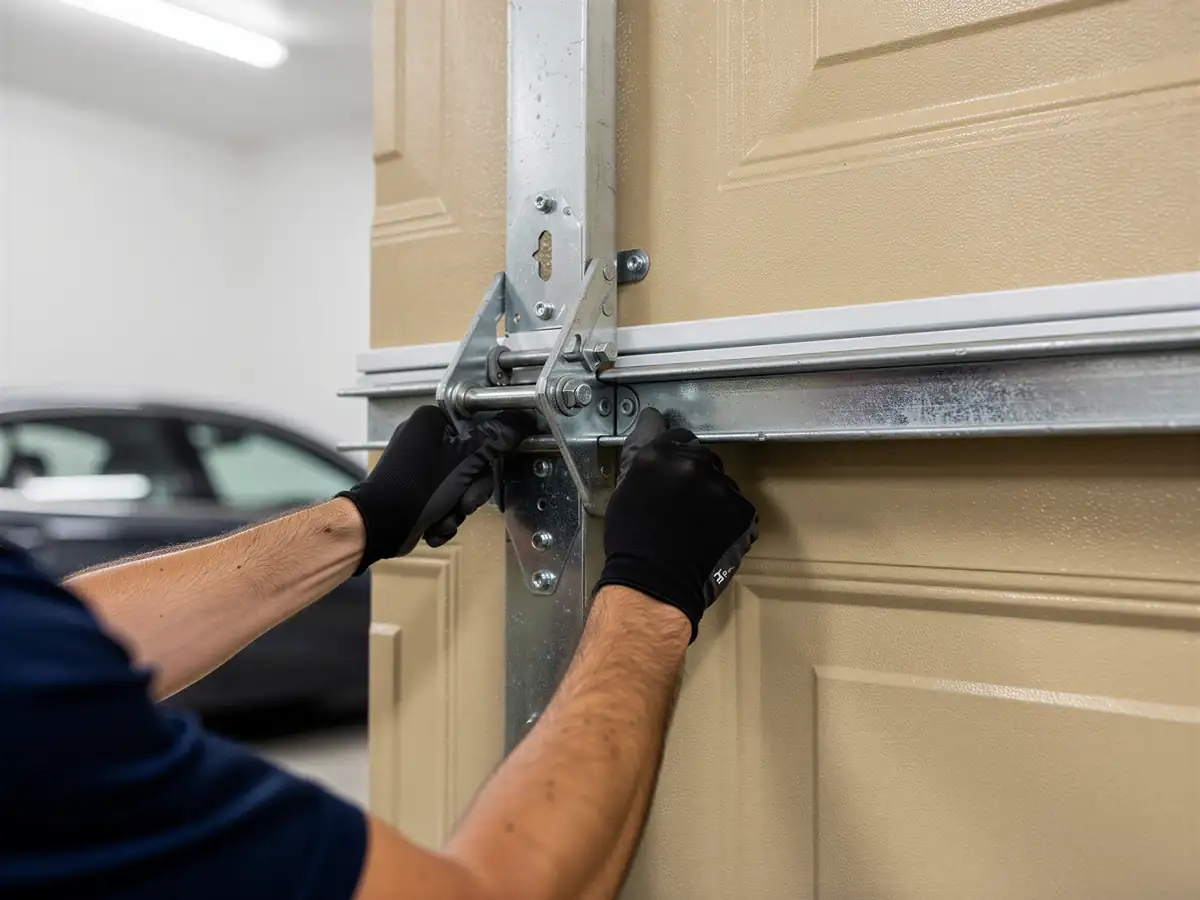
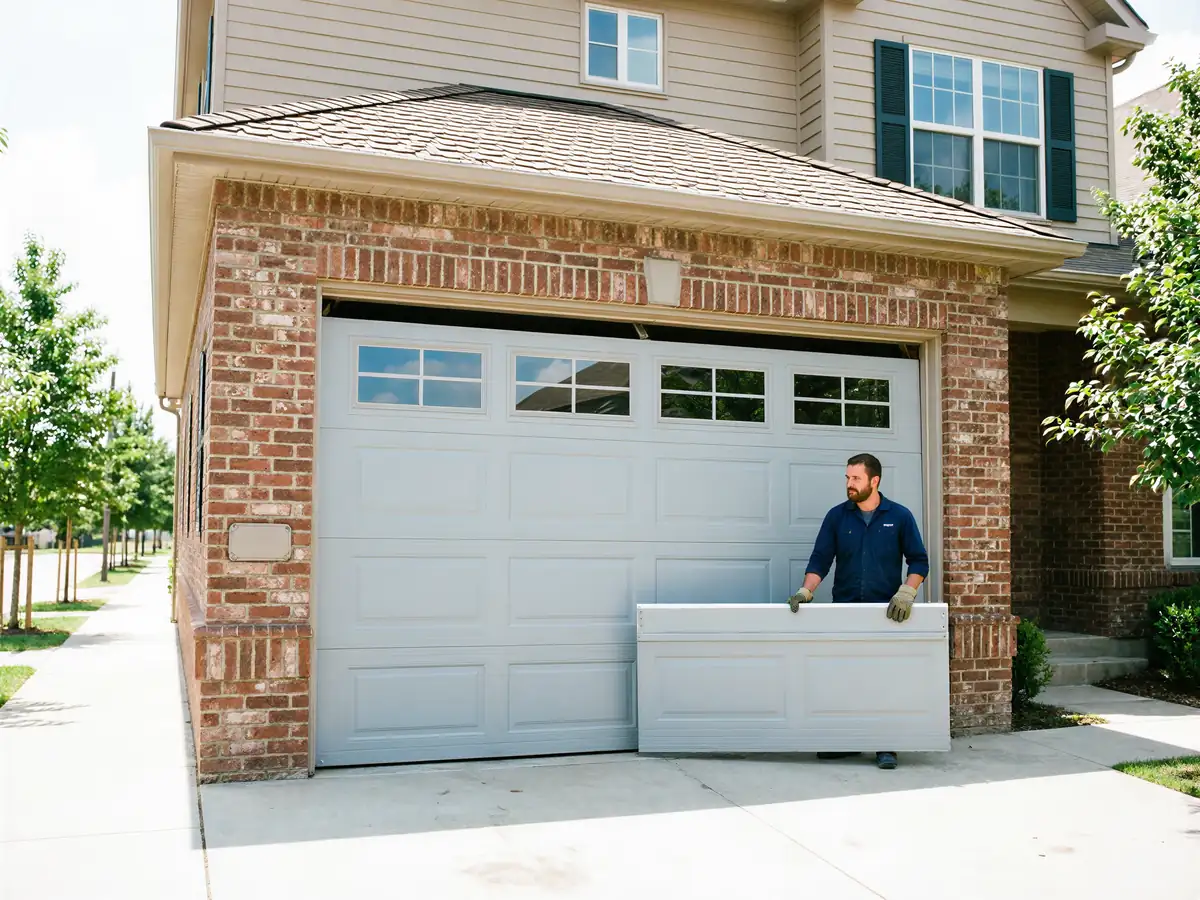
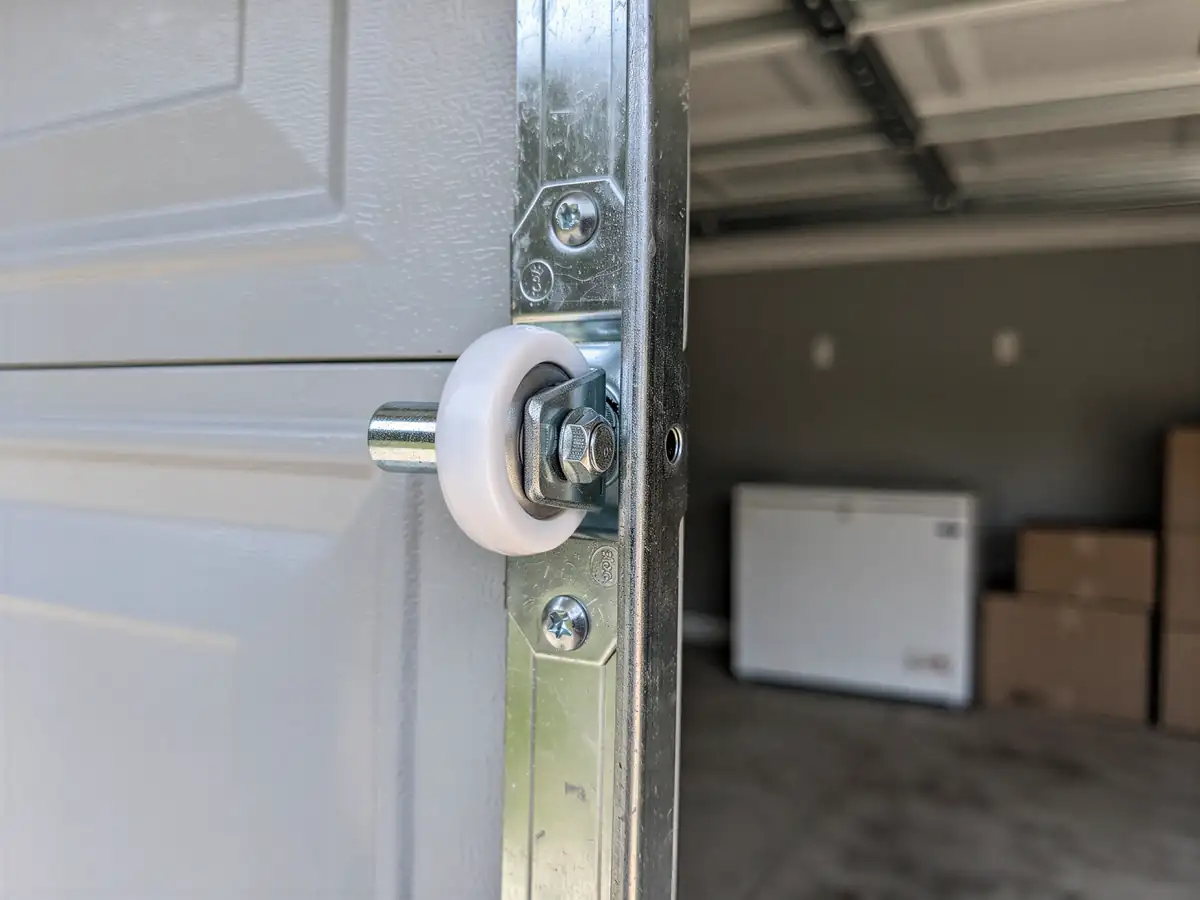
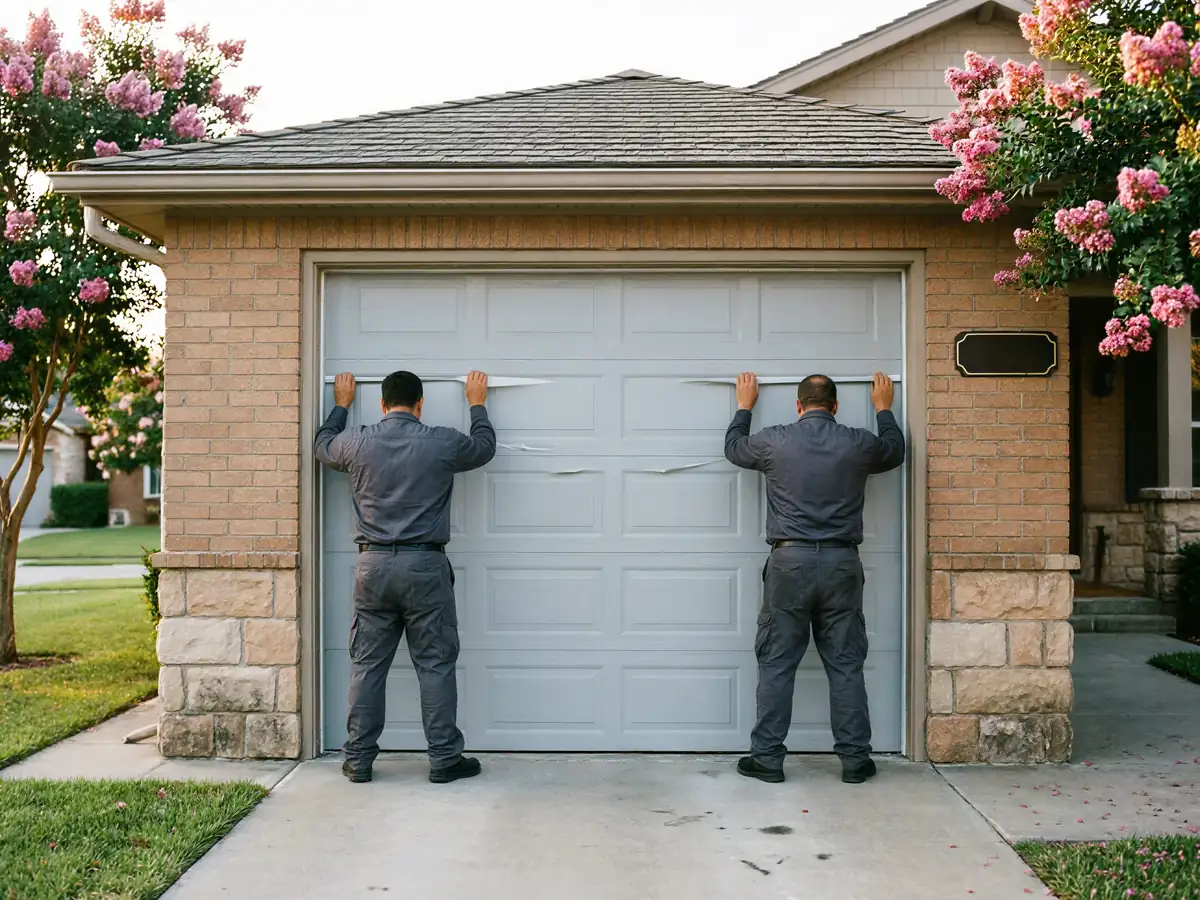
A lot of the doors we see in Covington are single-panel or narrow double-car units going back to around 1956, which puts this town on the early end of the 1956-1981 build range across the wider service area. That matters for panel work because doors from that era often run on sections sized differently than what's sold off the shelf today, and the fastener spacing on the stiles doesn't always match current hardware. If you're swapping a flat steel panel on a newer sectional door with standard hinges, you can often do that yourself with basic tools and a helper to hold the section plumb. If your door is one of the older wood or early steel units common on this side of the county, measure twice before you order anything, and don't be surprised if what you find online doesn't fit. We won't pretend every panel job is a weekend project - on an oddly sized section, a bad fit means a second trip and a return, and that costs you more than hiring it out would have.
One honest limitation: we don't stock every size. On some of these older sections, we have to order the panel to match, and that adds lead time you won't get on a standard modern door.
How It Shows Up
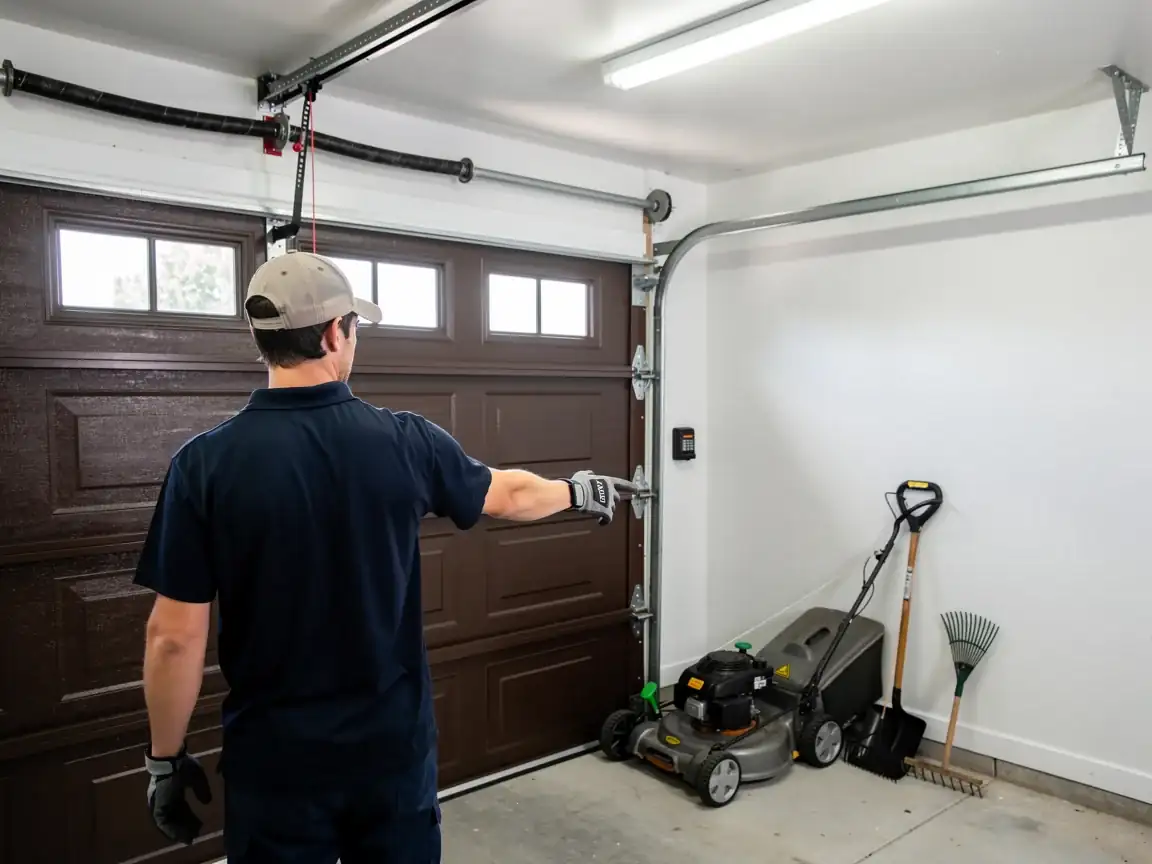
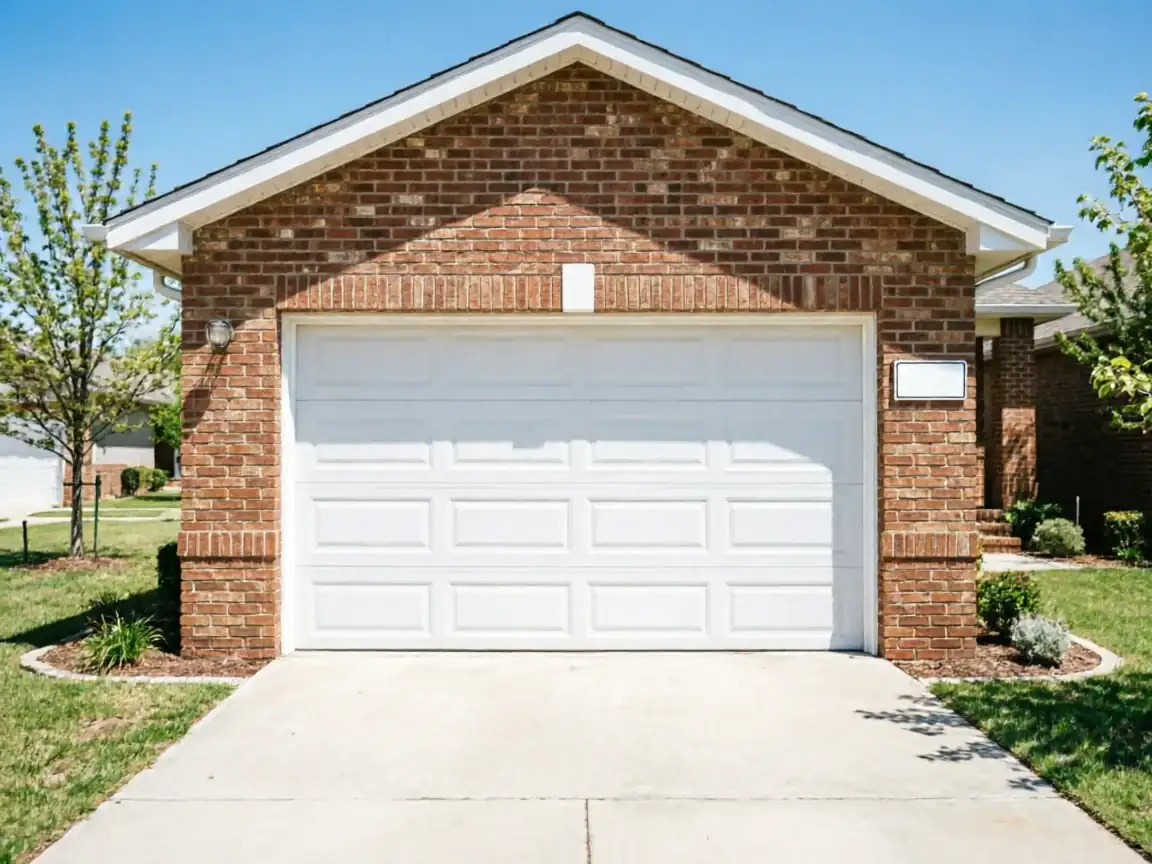
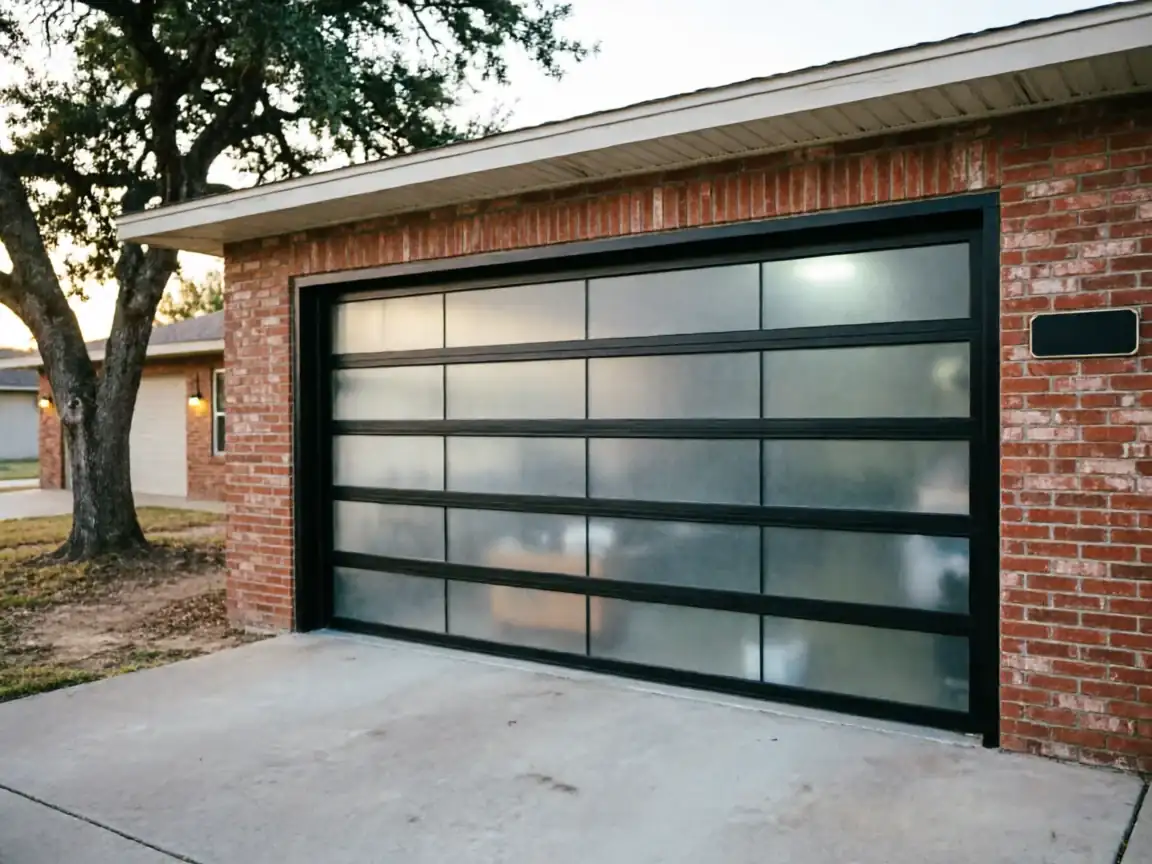
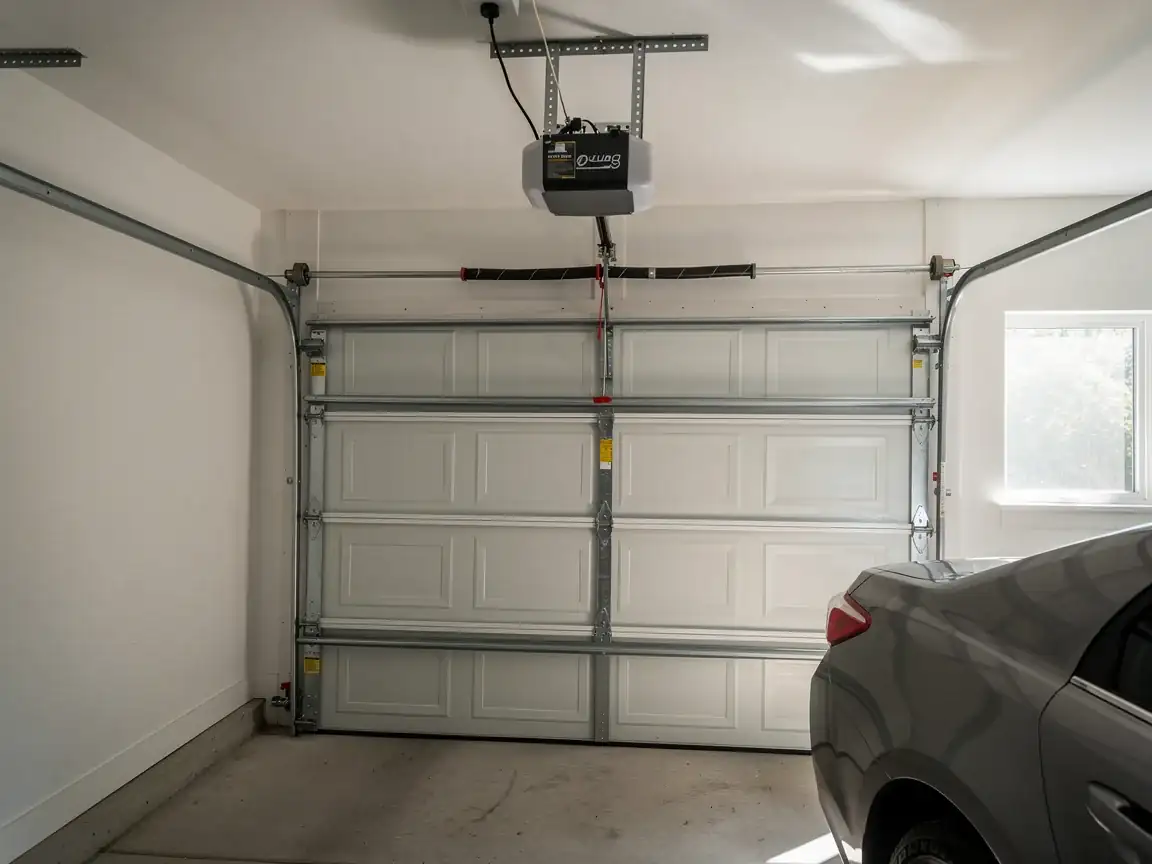
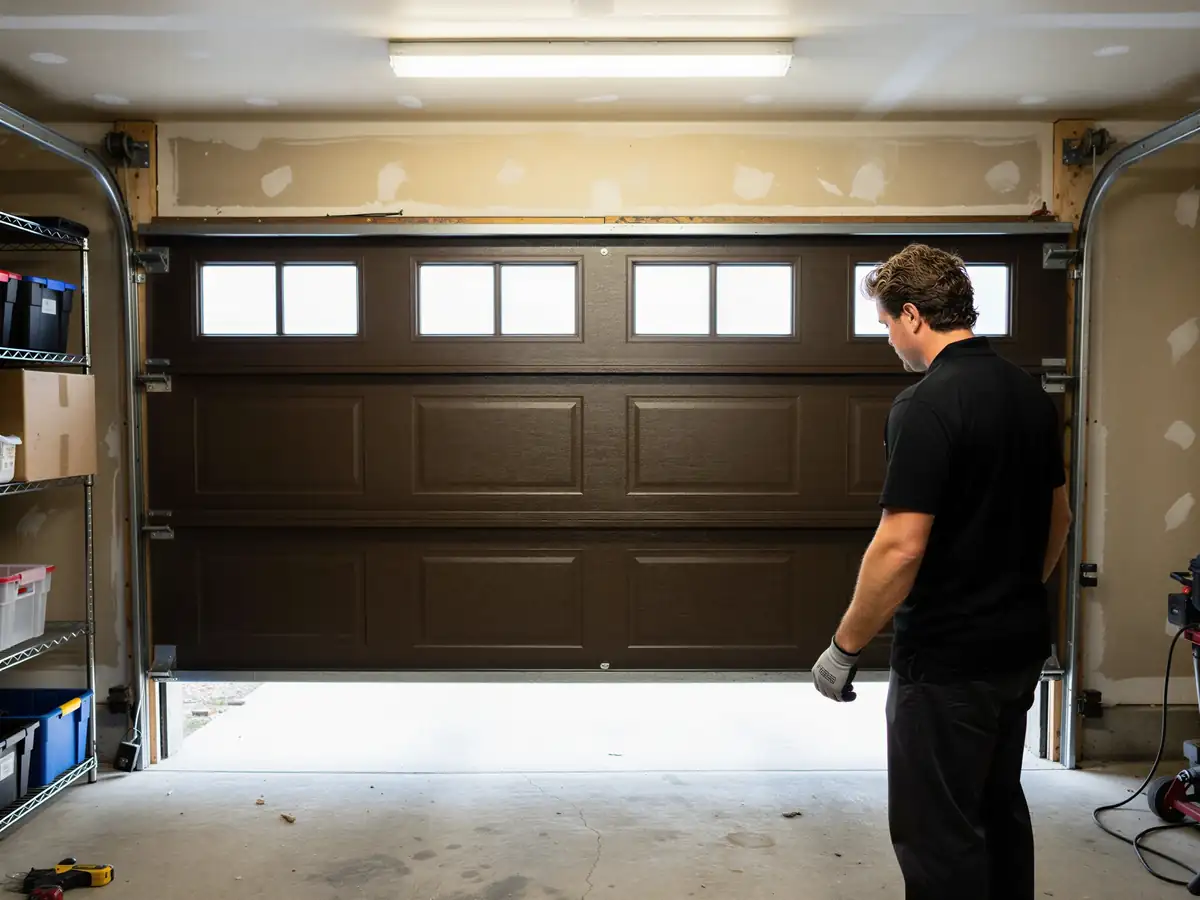
On houses built around 1956, the fault usually starts as a dented or bowed lower panel - the one that takes the brunt of a trailer hitch backing in wrong, a mower clipping the bottom, or just decades of weather working a steel panel until it bellies. Because so much of Covington's stock predates the main 1960s-70s wave across the rest of the area, you'll also see wood panels that have split along the grain or delaminated at the seams, which isn't something you fix with a patch kit. A single bent panel on an otherwise sound door throws the whole section out of square, so the door binds in the track even though the opener and springs are fine. We get calls where the owner assumes it's the opener failing, when really it's one warped panel dragging the rest of the door off true. With only 136 households in this immediate area, we're not out here constantly, so when we do get the call, it helps to know roughly how old the door is and whether it's wood, steel, or one of the newer insulated sections, before we make the drive out.
Getting It Booked In
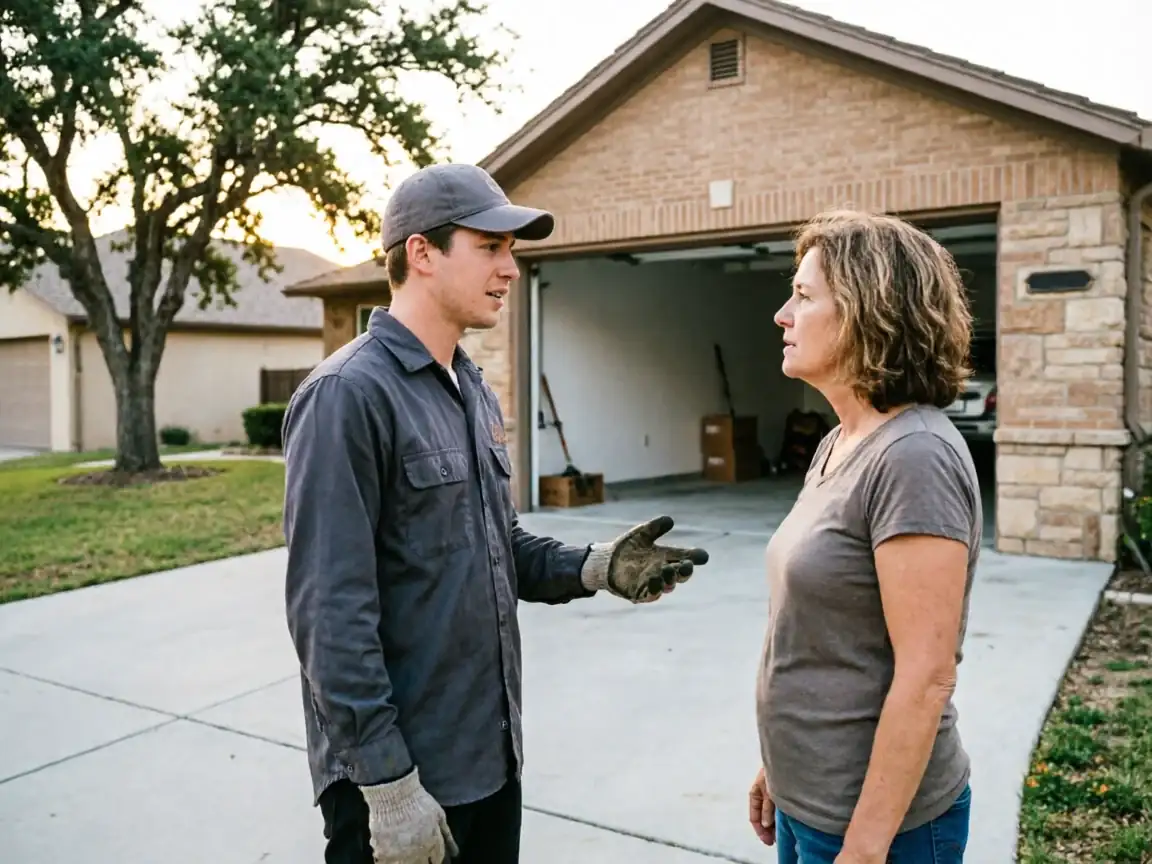
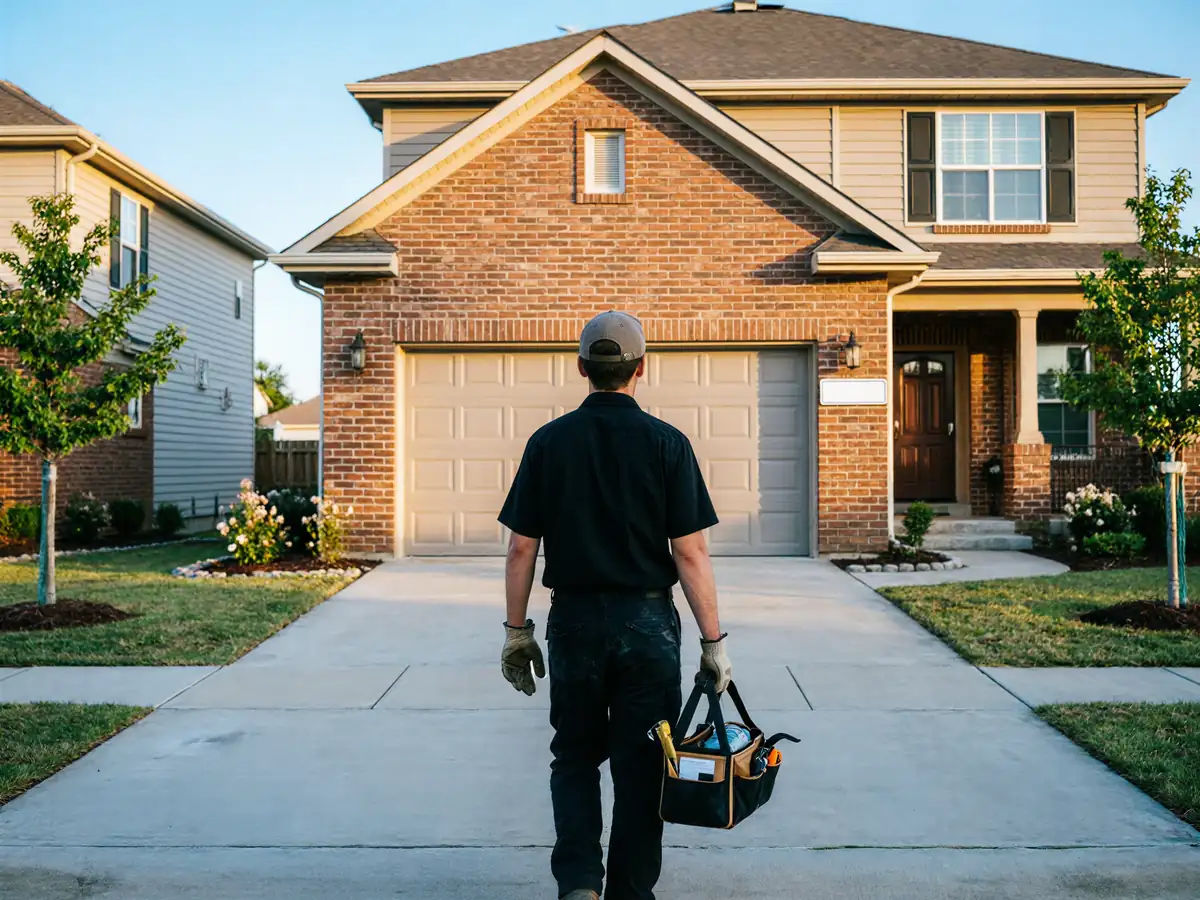
We run this job out of Enid, about 17 miles from Covington, so when you call we'll ask for the make and rough age of the door, the panel size if you have it, and a couple of photos if you can send them - that lets us bring the right hardware instead of guessing. Covington's median household income here runs a bit higher than the broader service area, but that doesn't change what the door needs; an older panel section is an older panel section whether the house is modest or not. Because the trip out is real mileage and not a five-minute hop across town, we try to confirm panel size and style before we load the truck, especially for anything that looks like it predates 1960. If you're not sure what you've got, that's fine - tell us what you see and we'll work out whether it's a standard swap or an order-in part before we set a date.