Time on the Job
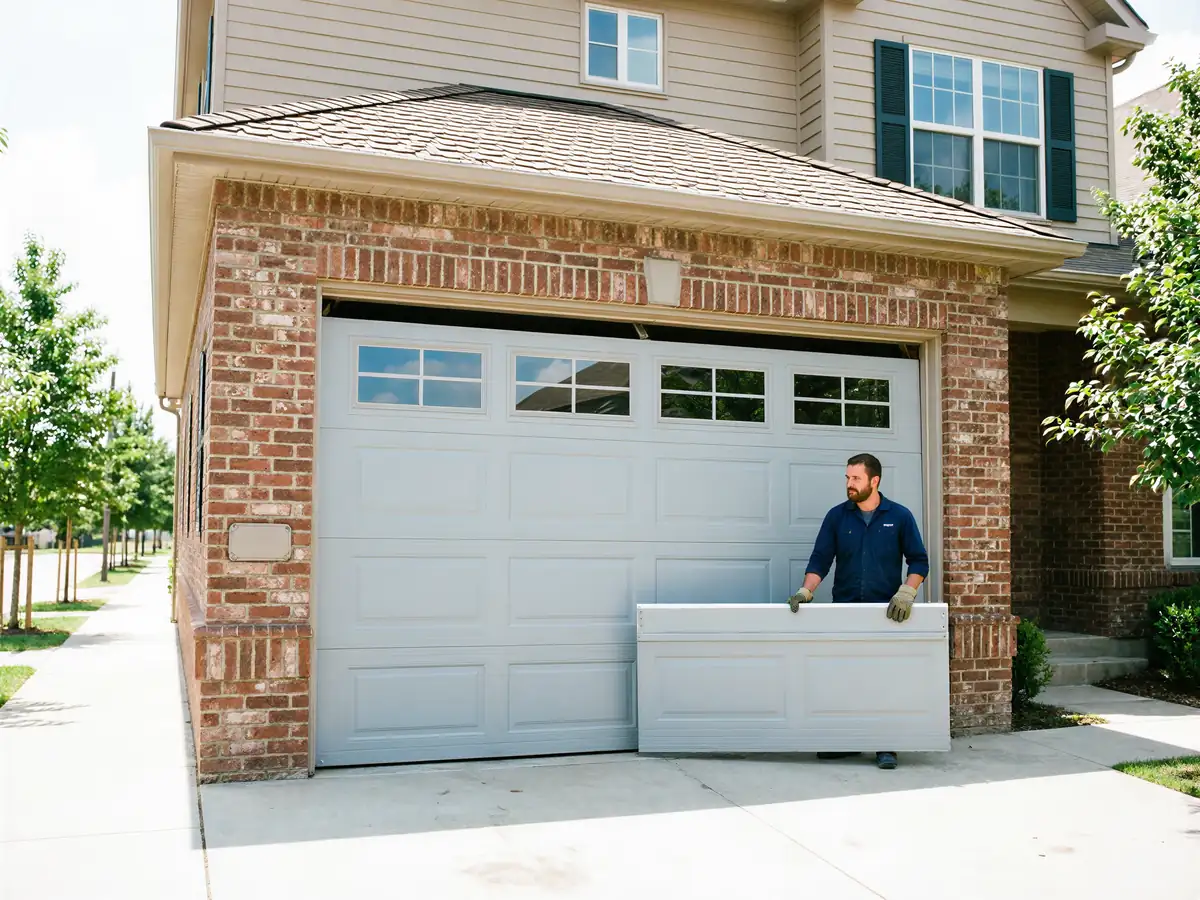
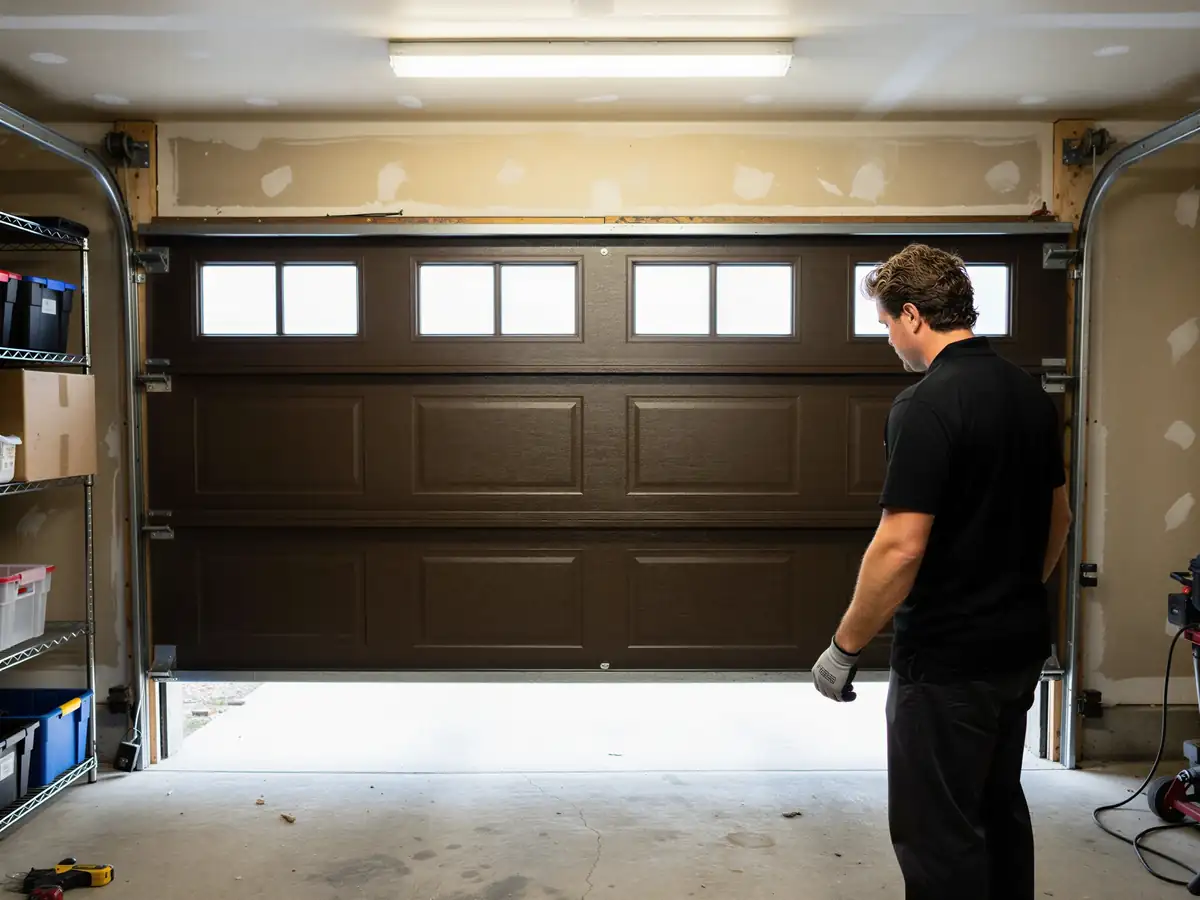
Kremlin is a small place - about 145 households, nowhere near the call volume of a town the size of Enid itself. That matters for how a repair truck plans its day. We're not parked ten minutes away waiting for the phone; we're coming from Enid, roughly 10 miles south. On a town this size, a broken spring or a door stuck half-open isn't a daily event, it's the kind of call that happens a handful of times a month across the whole area, which means when it does happen, the hardware involved is usually original or close to it.
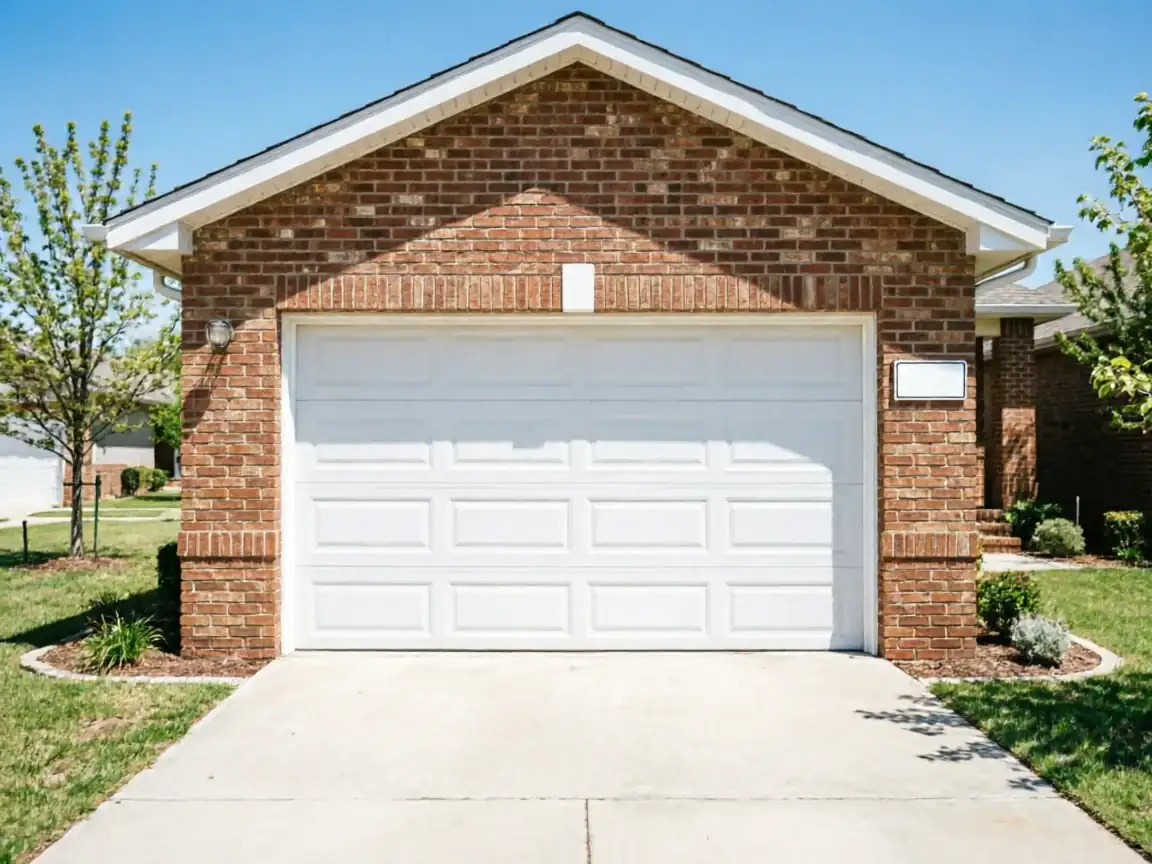
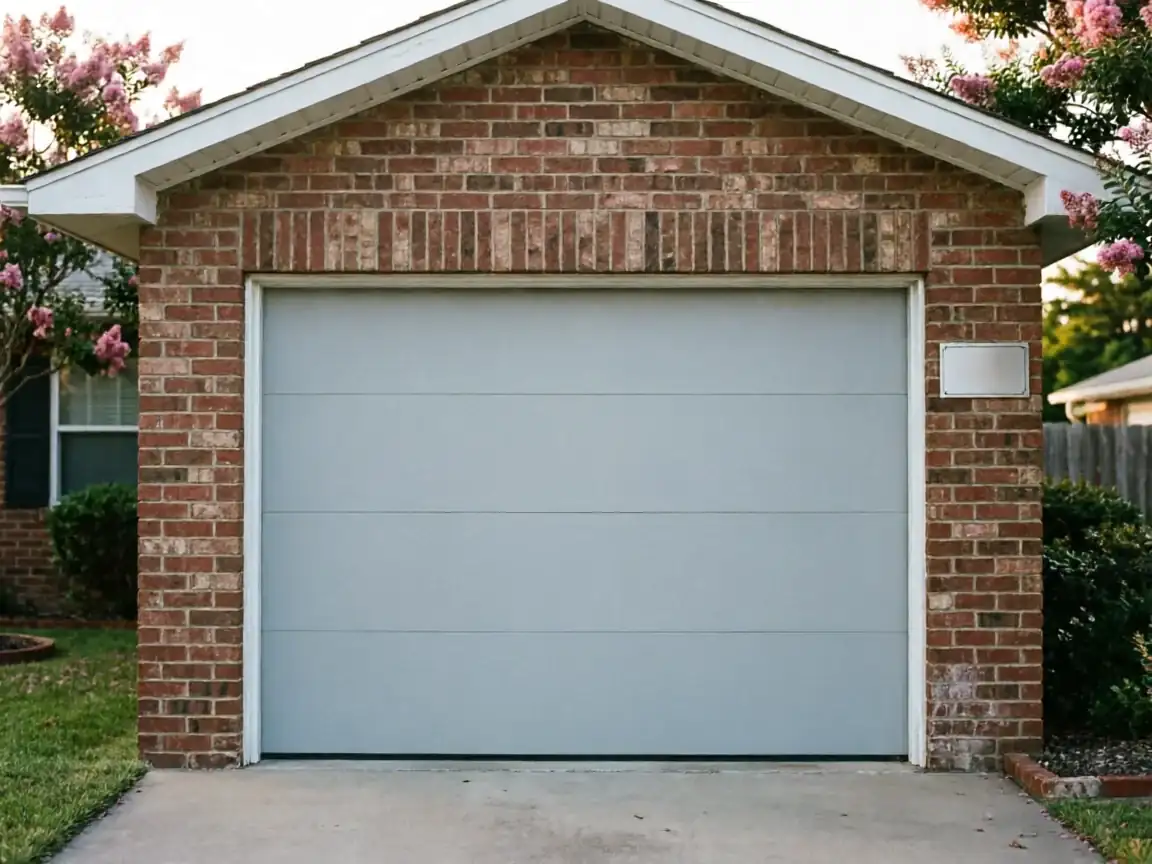
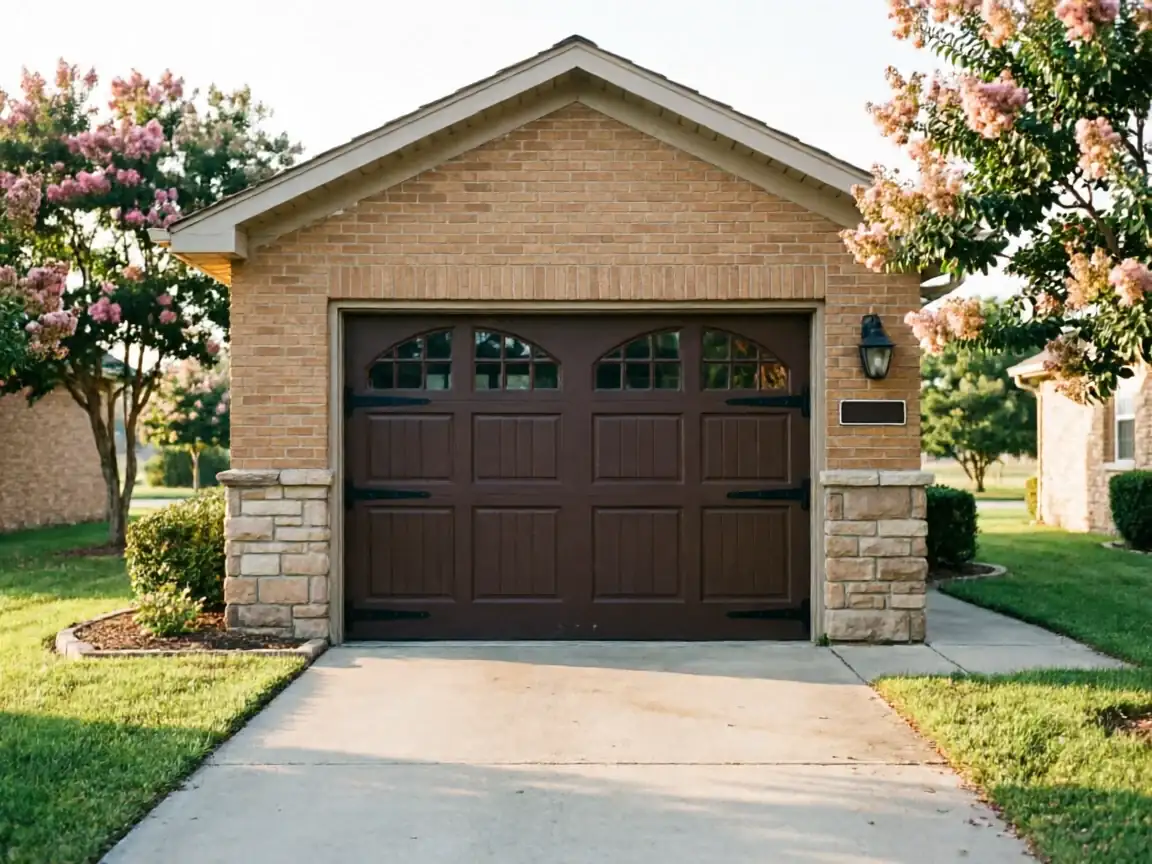
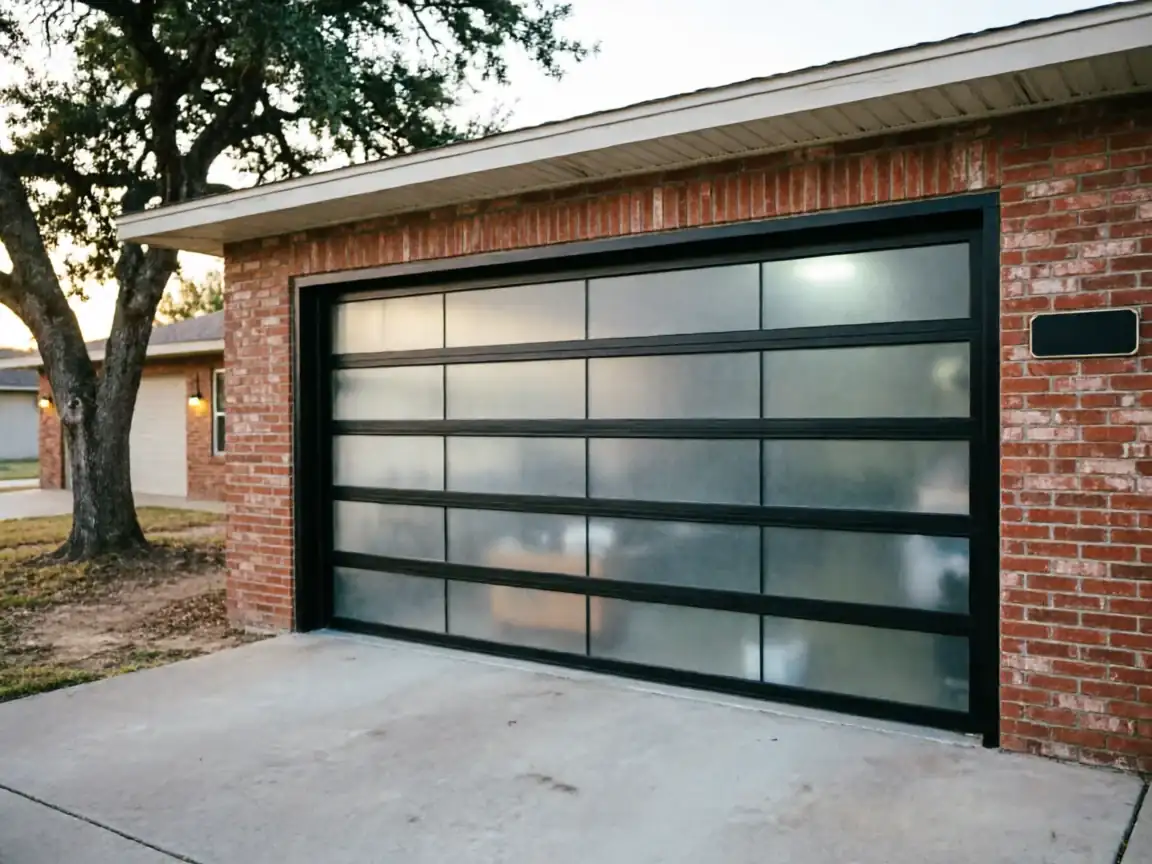
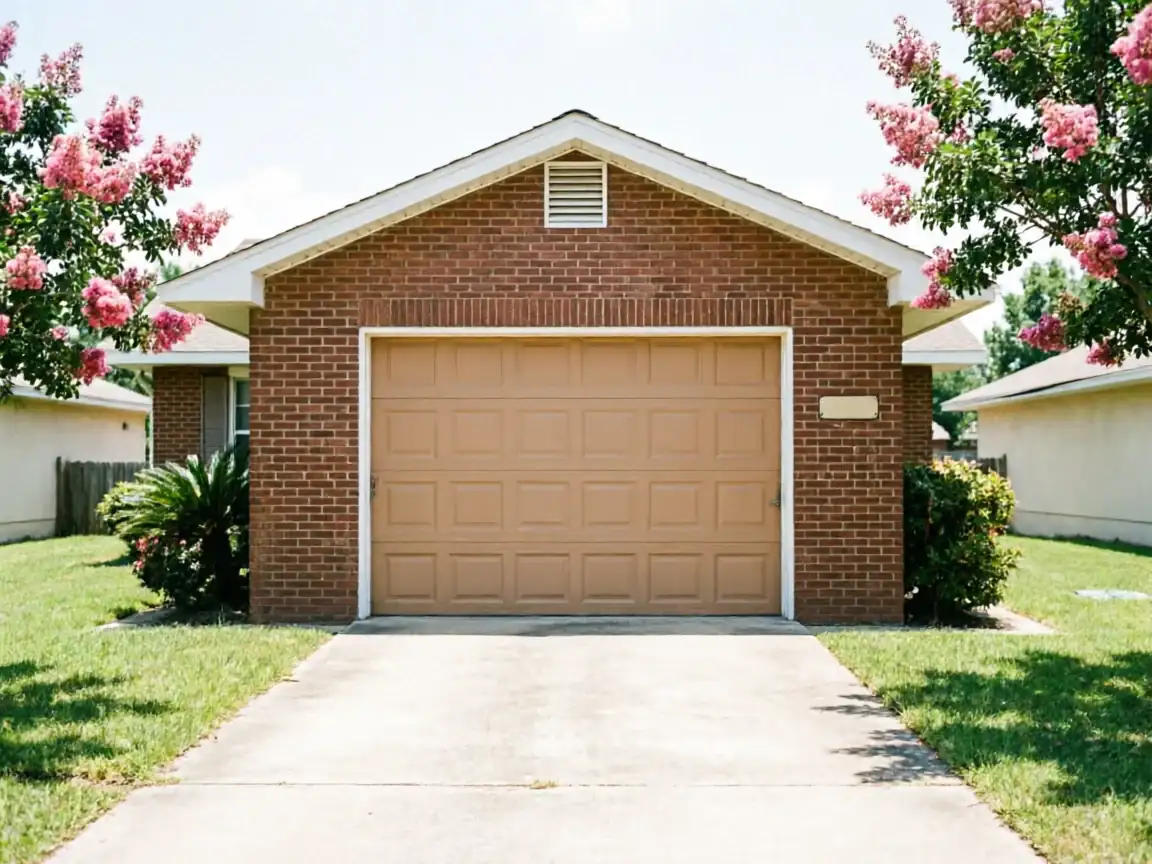
The median home here was built around 1981, noticeably newer than the mix of 1956-to-1972 stock that makes up a lot of the wider Enid service area. That's a meaningful gap. A door and opener installed in the early 1980s is often still on its first or second opener motor, with extension or early torsion spring setups that were standard for that era. We bring parts suited to what a 1980s build actually uses, not a guess based on an older farmhouse down the road in a different town.
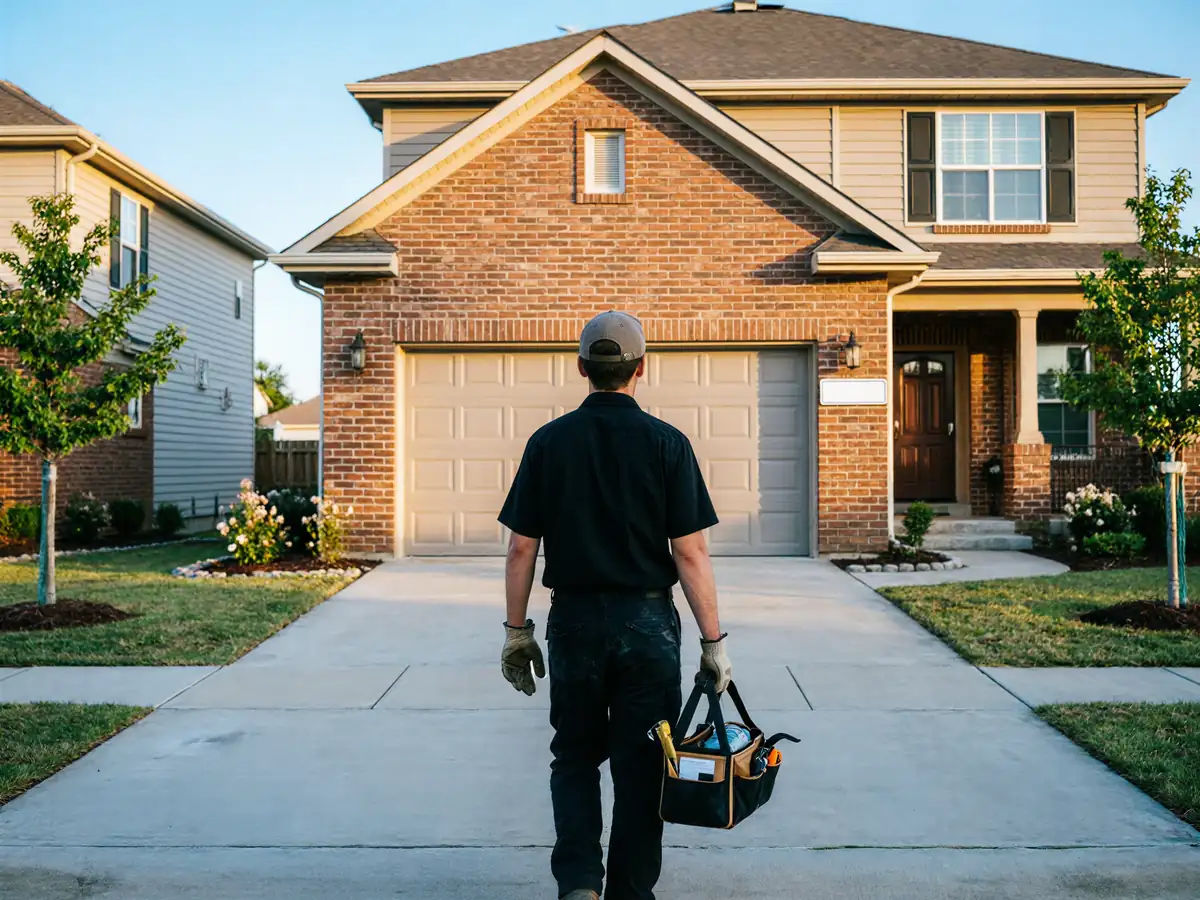
We don't keep a crew stationed in Kremlin. Every emergency call routes from our Enid shop, and we're upfront about that distance being part of the job.
What It Costs
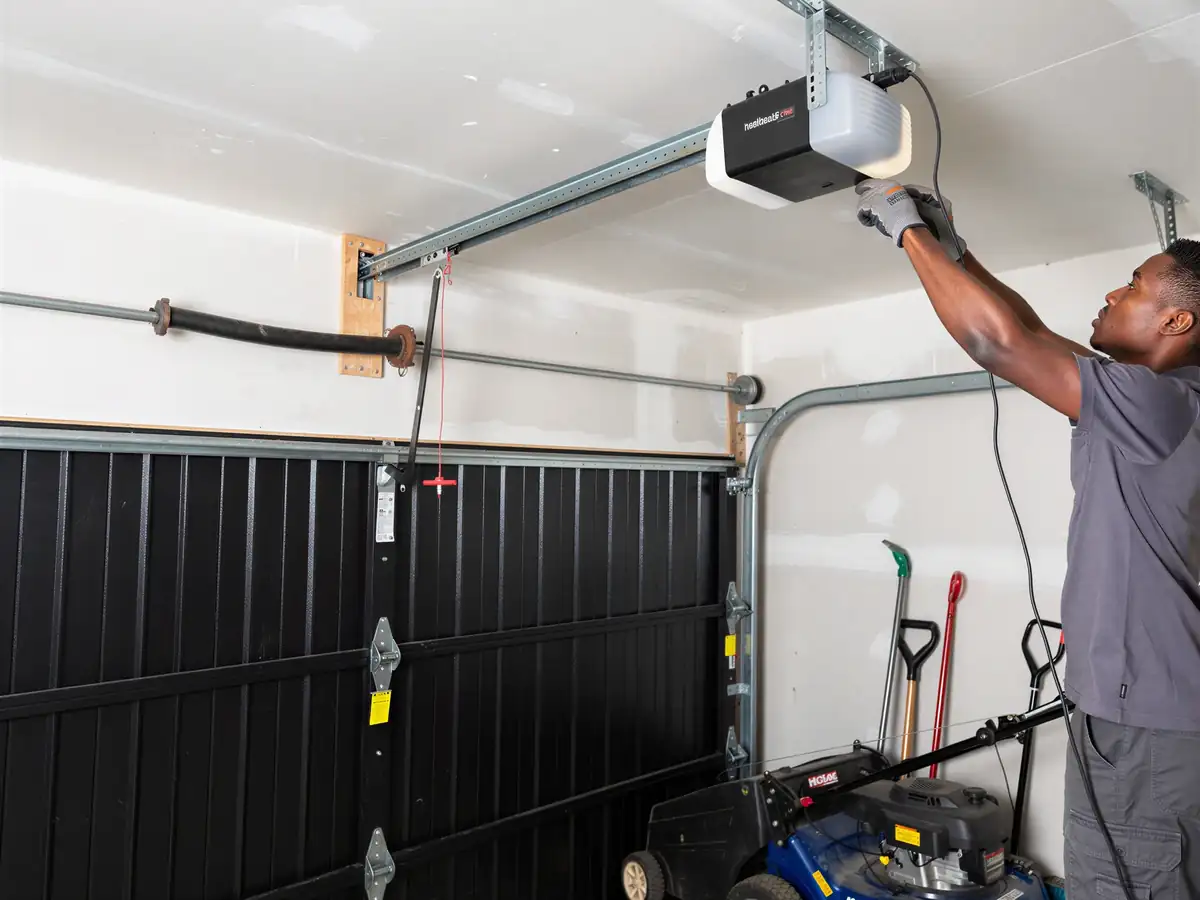
We don't publish a flat emergency rate here because what a door needs varies too much - a cable off its drum costs a fraction of a burnt-out opener board. What we can tell you is the local context: Kremlin's median household income runs about $86,094, noticeably higher than the roughly $63,869 median across the broader service area. That doesn't set our price, but it does shape what kind of fix most homeowners here choose when we lay out the options. A household in that income range more often opts to replace a failing opener outright rather than nurse along a motor from the early 1980s, since a repair on parts that old only buys a short extension before the next failure.
We quote the job in front of you, not a number pulled from a different town's housing stock. If a part needs to be special-ordered because it doesn't match anything common to a 1981-era build, we say so before we start, not after.
Parts We Carry
Our truck stock leans toward what shows up in houses built in the late 1970s through early 1980s
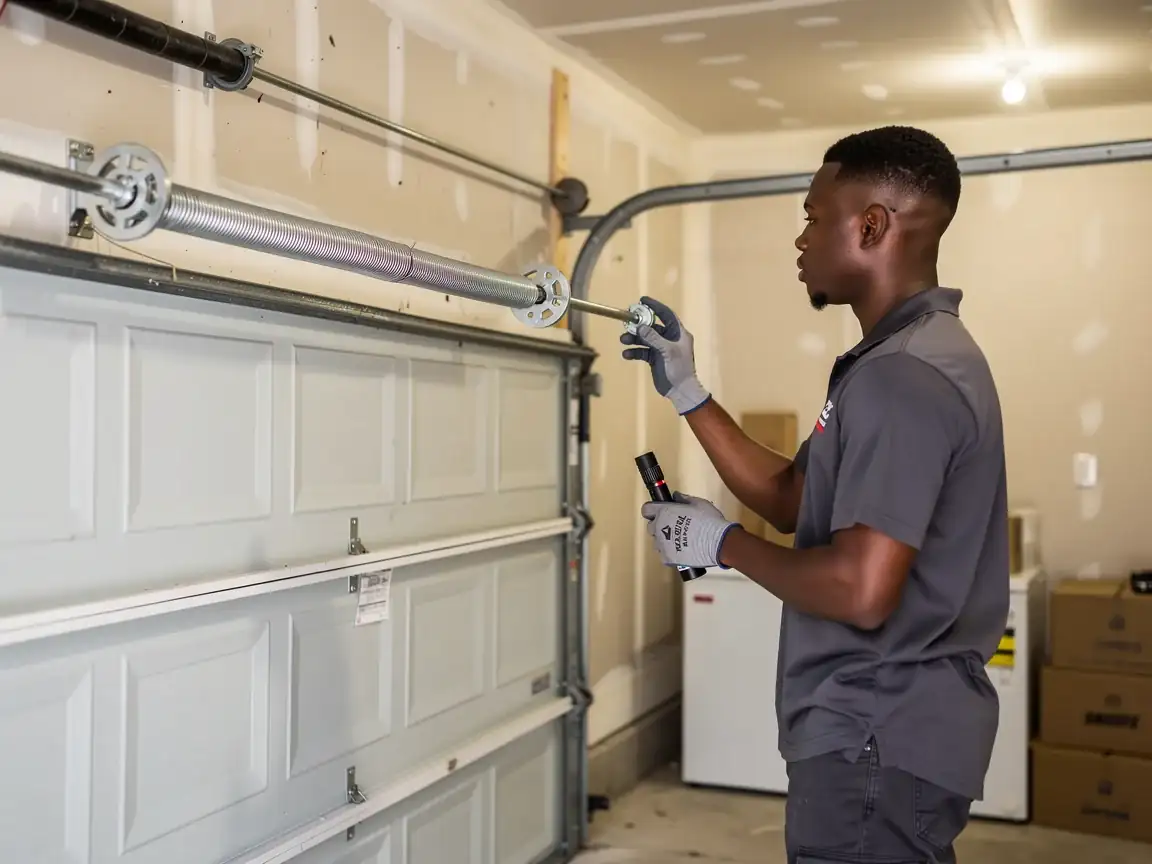
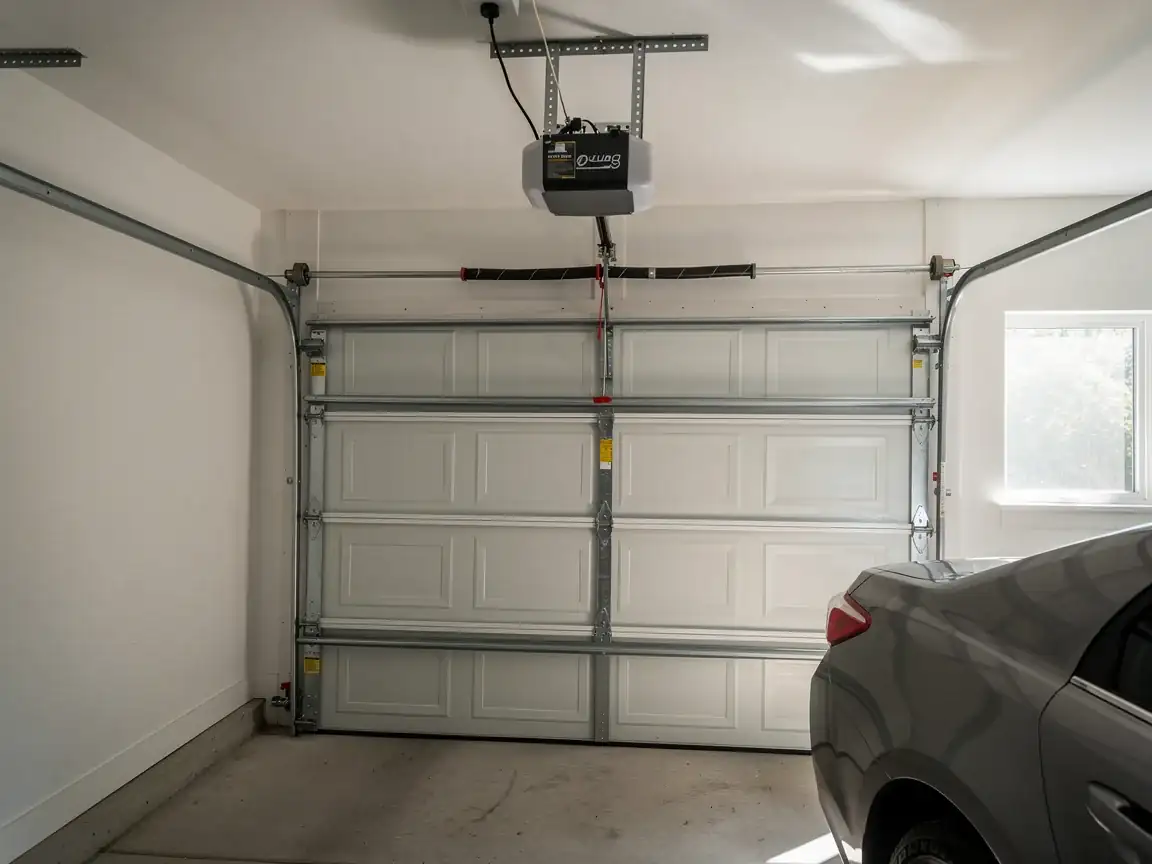
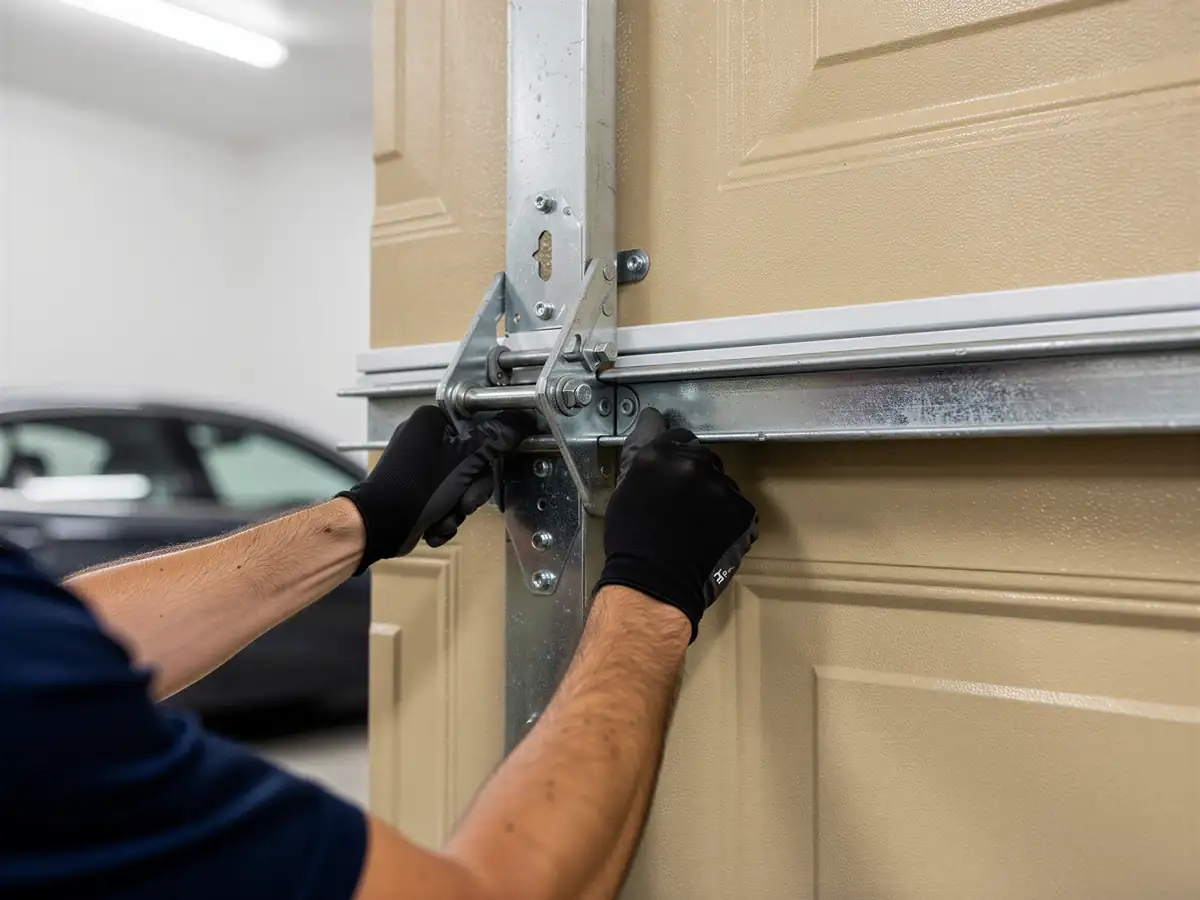
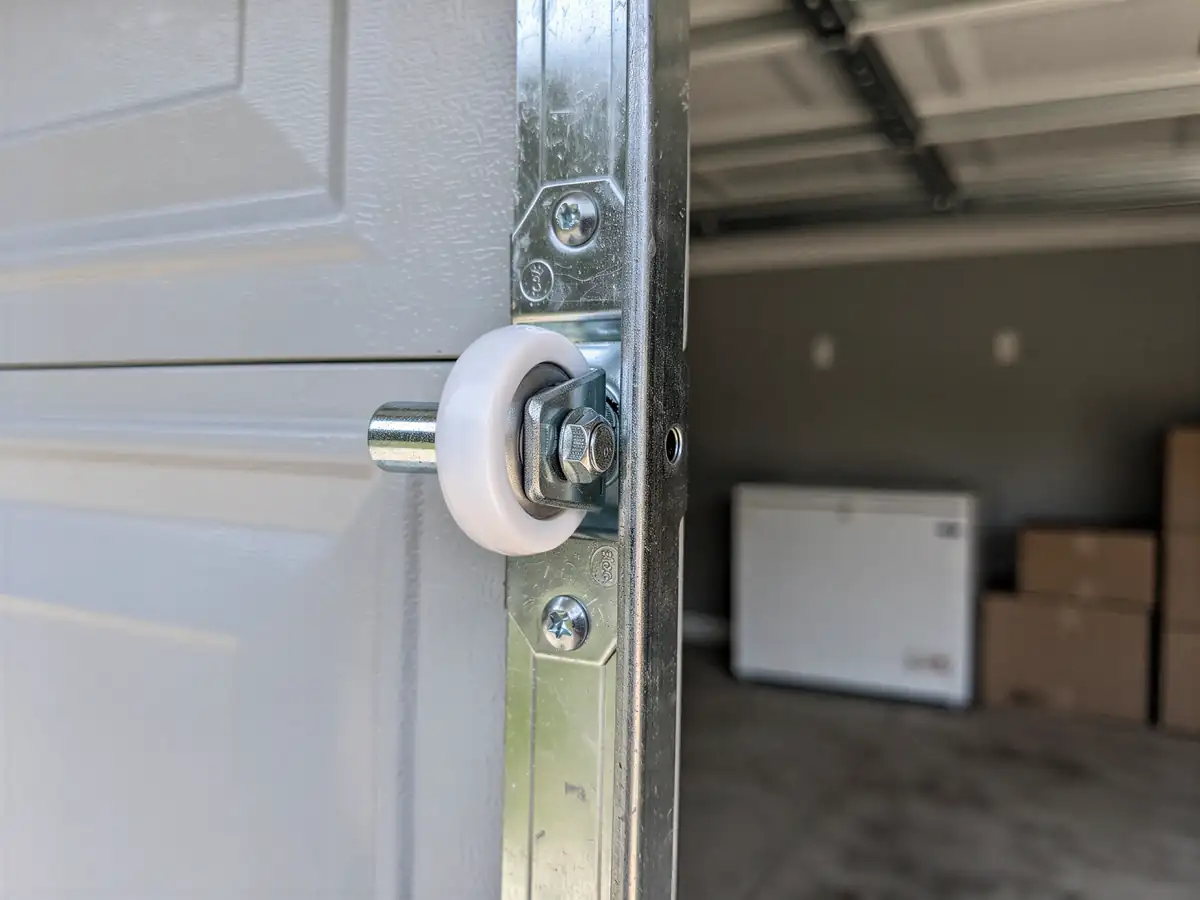
Since that's the bulk of what Kremlin has on its garages. That means torsion springs sized for doors from that build period, standard-lift track hardware, and openers compatible with the chain and belt-drive units that replaced the original motors on most of these homes by now. We also carry extension spring hardware, since some homes from that era were built with extension setups instead of torsion, and the two aren't interchangeable.
What we don't always have on the truck is a part for something unusual
A custom-width door or a commercial-grade opener nobody around here installed in volume. If that's what's failing, we tell you straight that it may mean a short wait on a special order, rather than pretending we can pull it out of the van on the spot. That's the honest limit of carrying parts for one typical housing era instead of every era at once.
The Complications
Oklahoma winters put real stress on garage door springs and openers, and a cold snap is usually when something that's been slowly wearing out finally lets go. That's true across the whole service area, Kremlin included. What's specific to Kremlin is the combination of a newer housing stock and the drive distance: a 1981-era opener logic board failing isn't something we fix with a universal part grabbed off a shelf meant for a 1960s install, and it's also not something we can get to in the same few minutes we'd manage for a call inside Enid itself.
The other complication is simply scale. With roughly 145 households in Kremlin, there isn't the same density of repeat customers or recent job history that we'd have in a bigger town, so every call starts closer to a first look rather than a return visit where we already know the door. We treat that as reason to ask more questions up front, not less.