Time on the Job
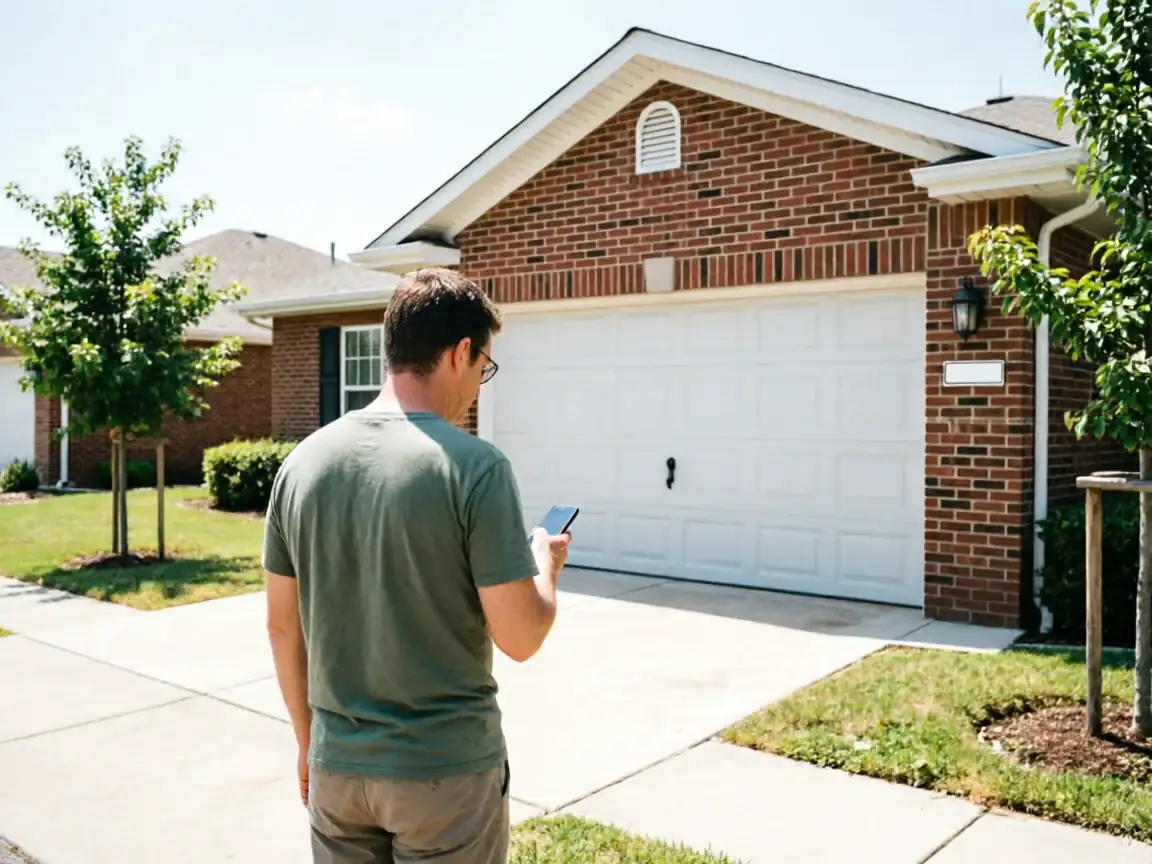
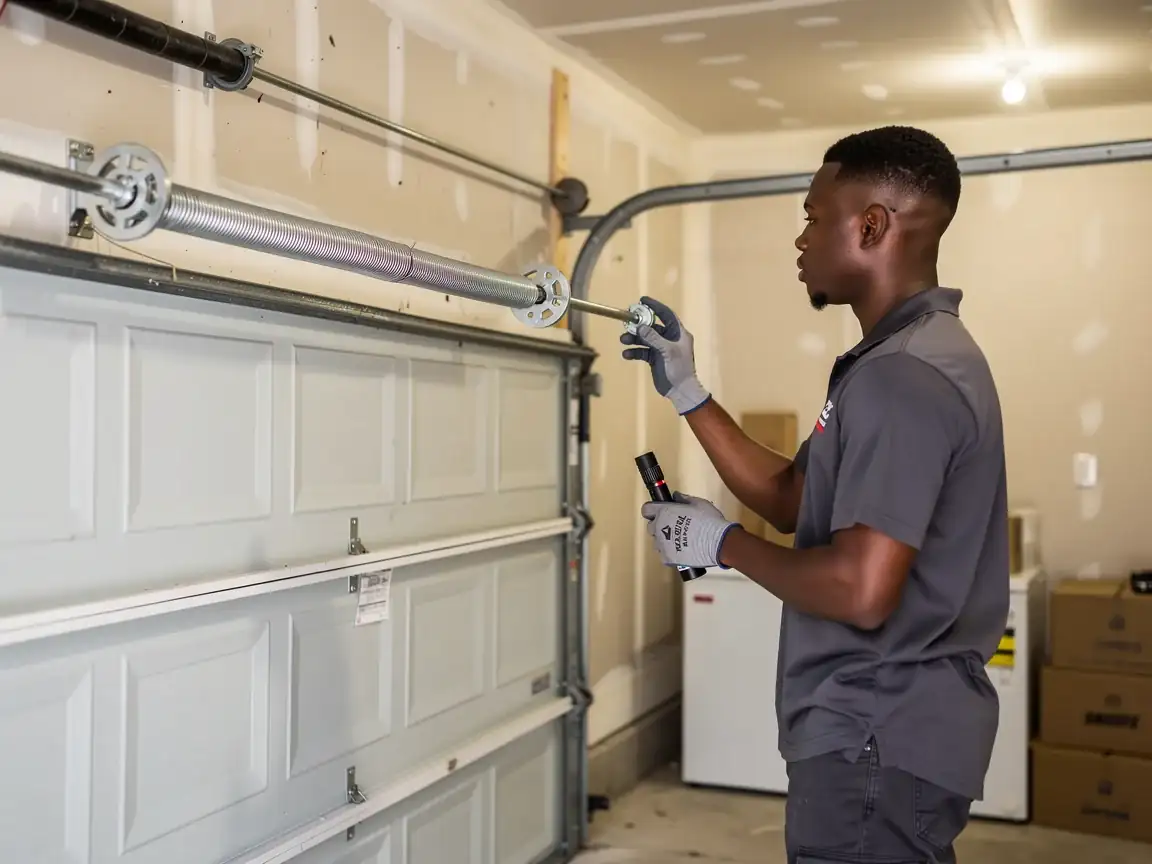
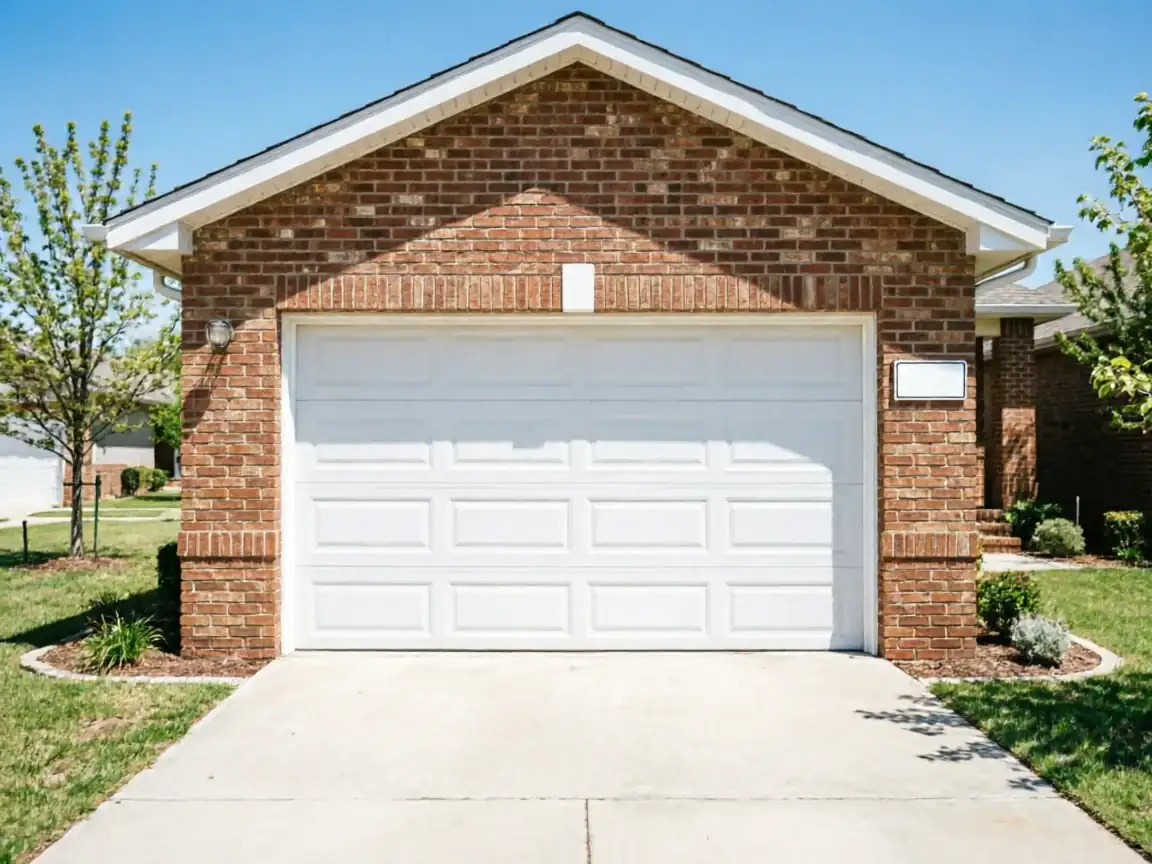
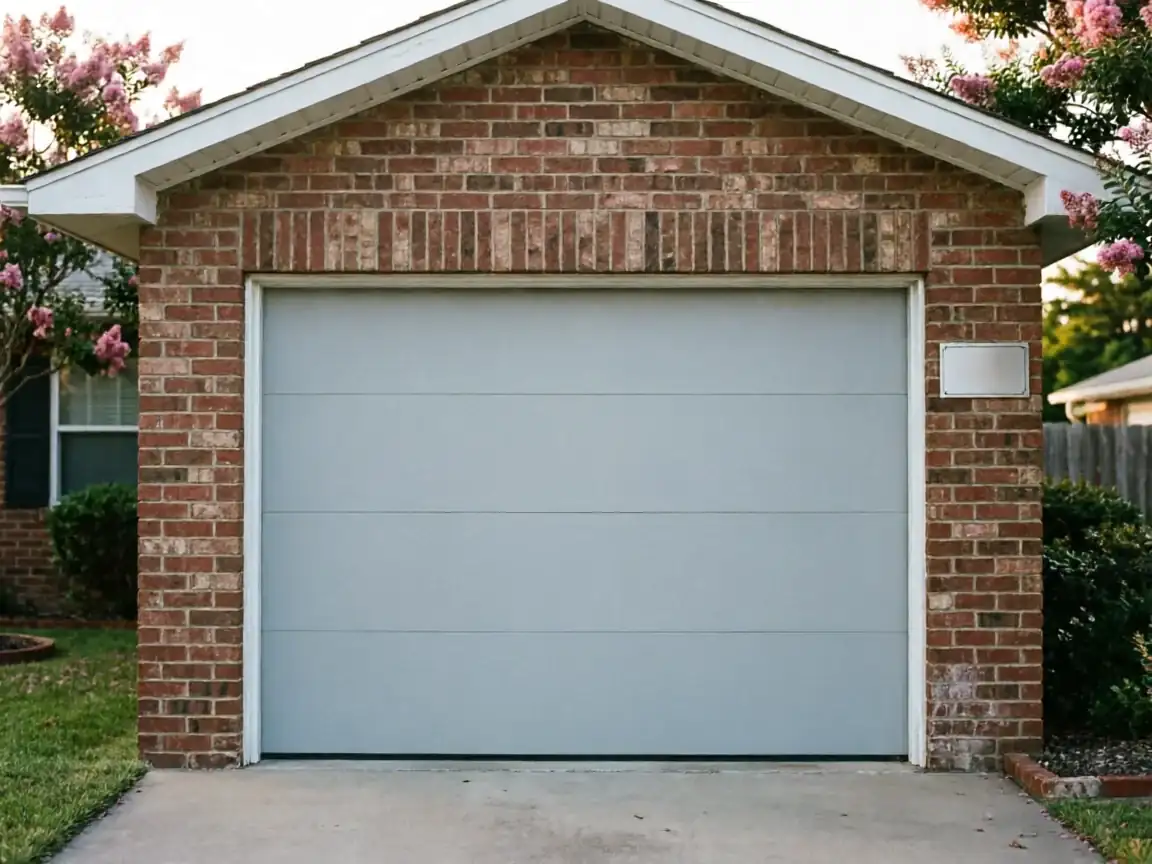
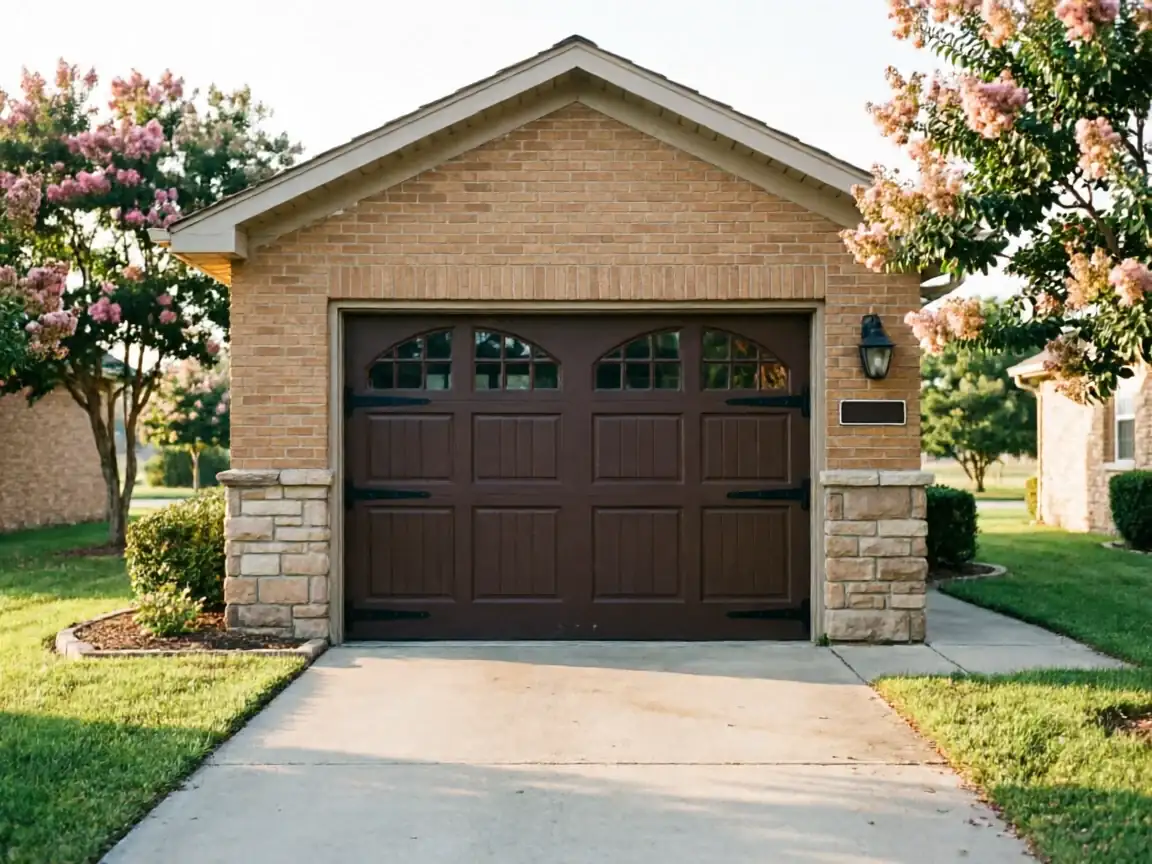
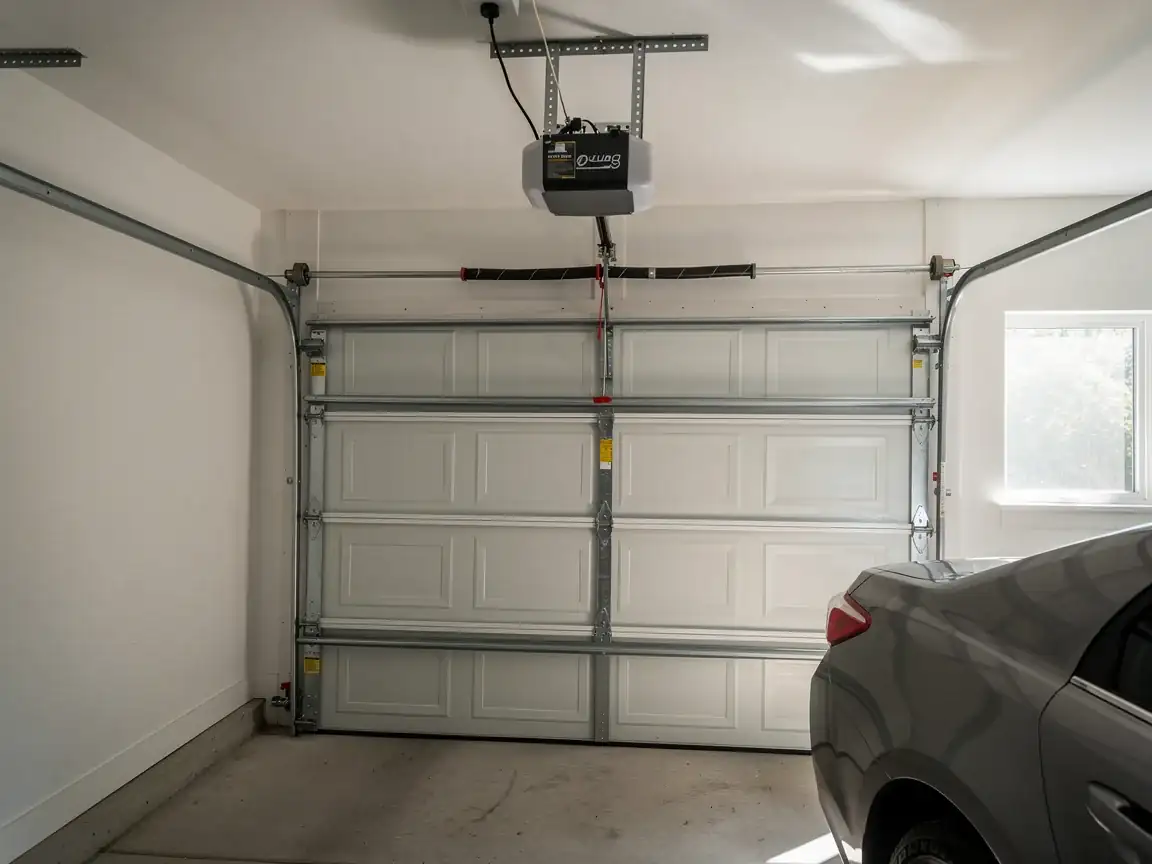
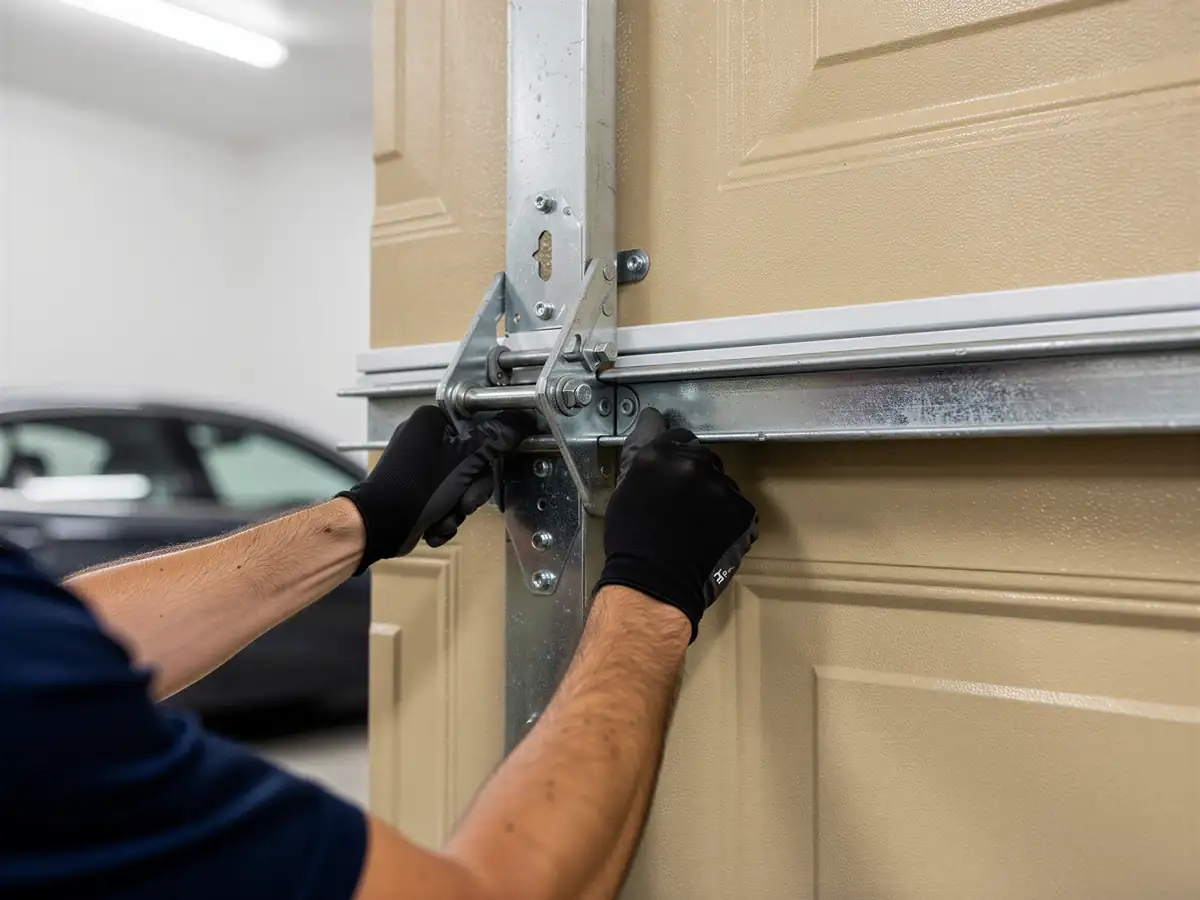
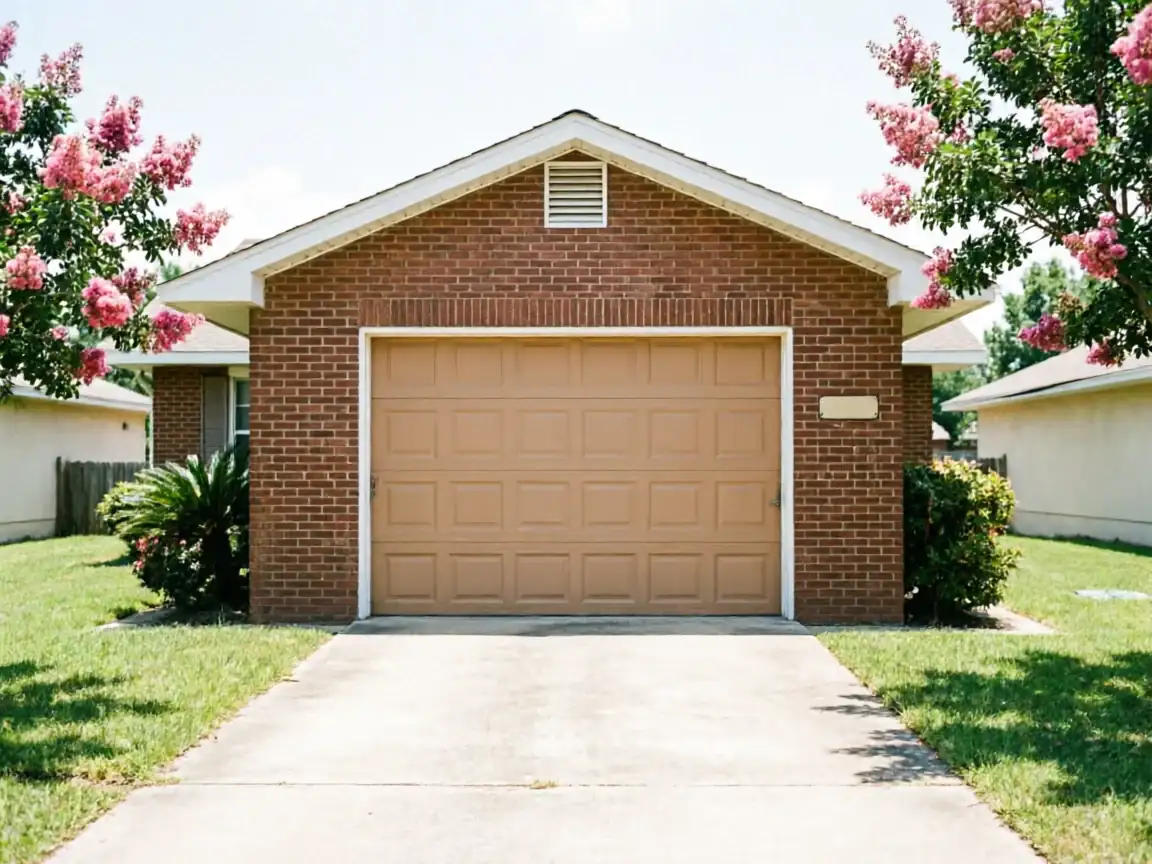
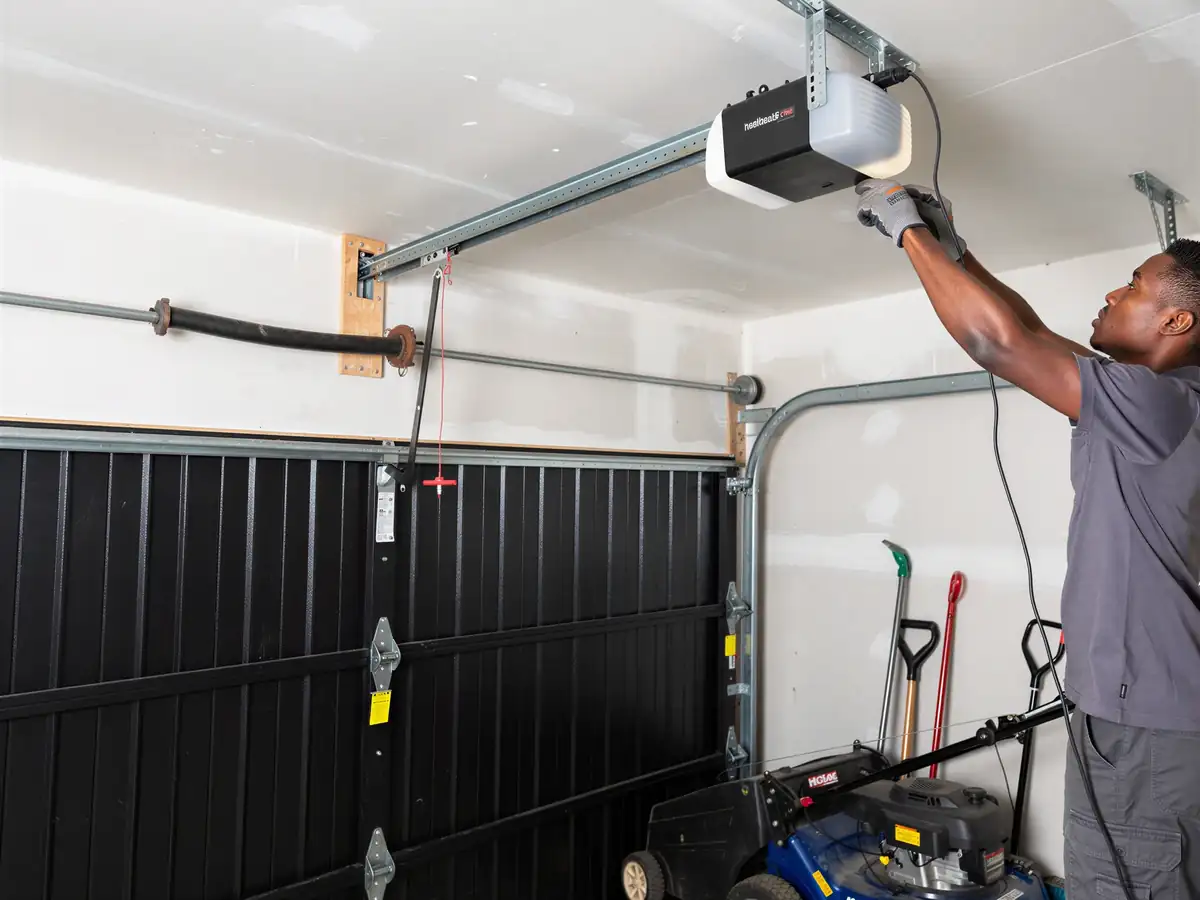
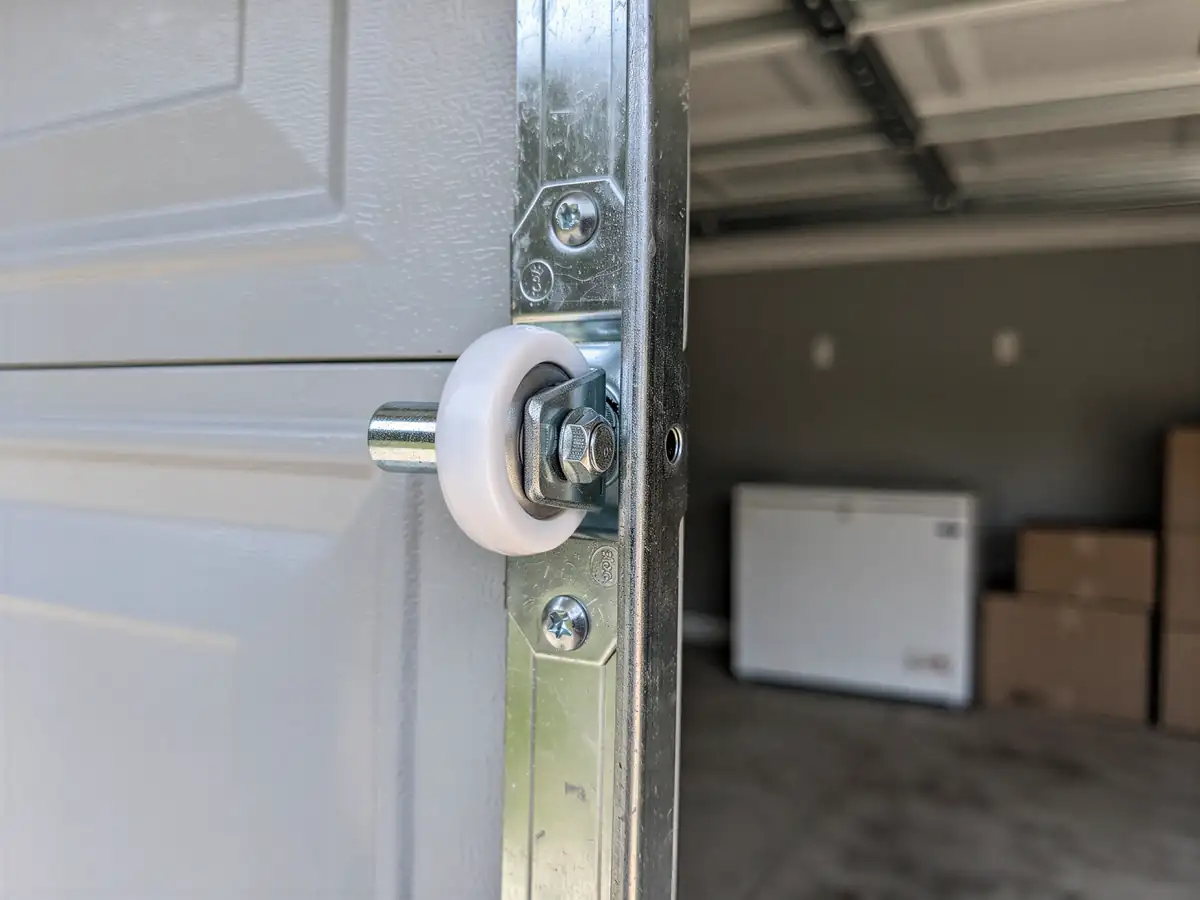
Kremlin sits ten miles from our shop in Enid, and that drive shapes how we schedule maintenance calls here. We don't keep a crew stationed in town, so a tune-up visit gets batched with other work on that side of the county rather than dispatched same-hour. What's worth knowing about the houses themselves: across our wider service area the typical home went up between 1956 and 1981, median 1972, but Kremlin's own housing sits right at that 1981 end of the range. That means fewer of the original heavy one-piece doors and more of the sectional steel doors that came standard once extension and torsion spring kits got cheaper to install. The maintenance call on a 1981 door looks different than on a 1960s door - less rust-frozen hardware, more worn rollers and stretched cable from forty-plus years of normal cycling. With only 145 households in Kremlin itself, this isn't a street-by-street route for us the way some denser parts of the service area are, but the door types are consistent enough that we know what to expect before the truck leaves Enid.
What It Costs
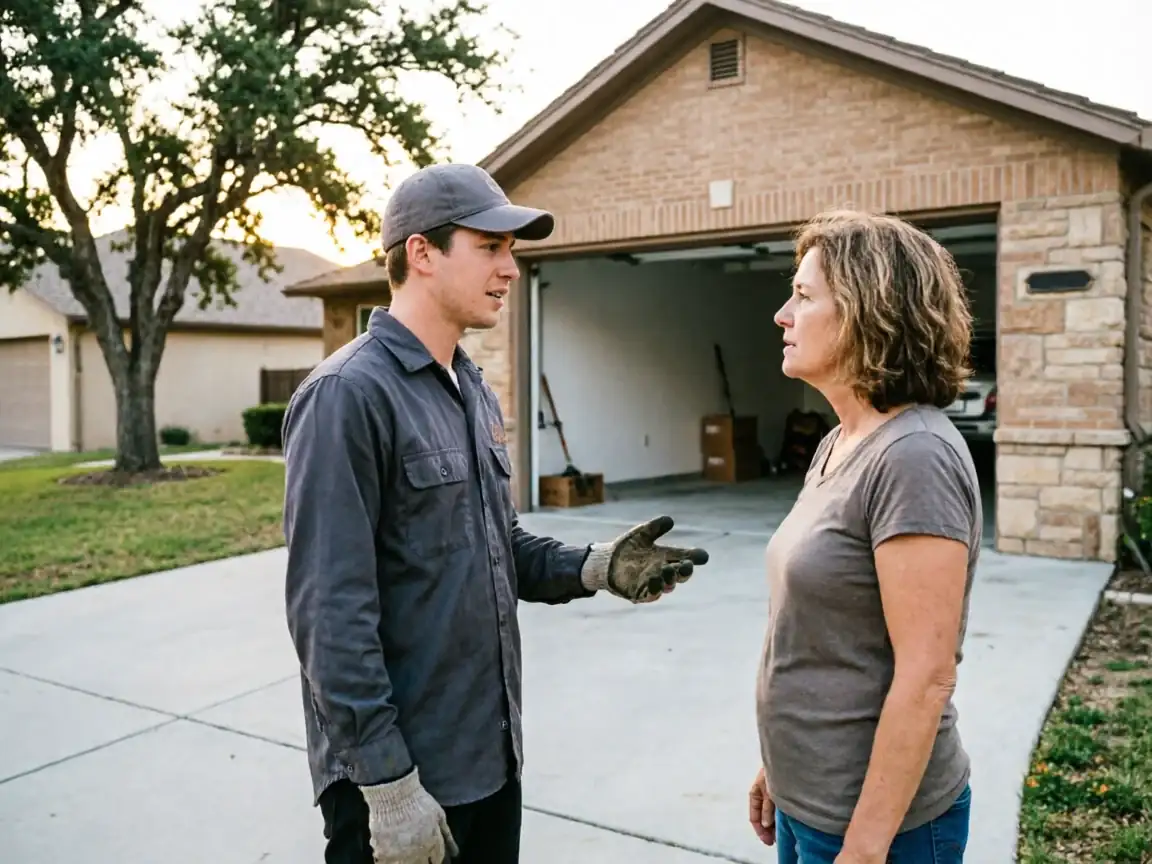
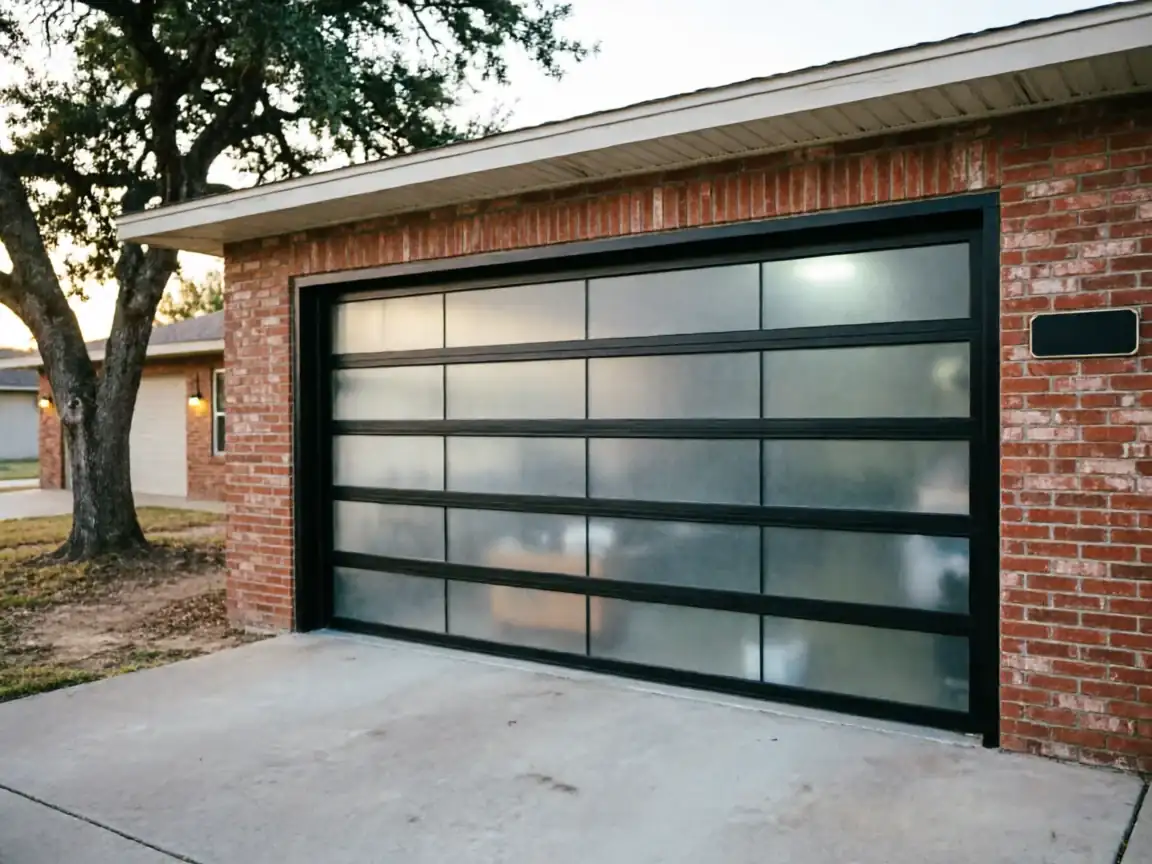
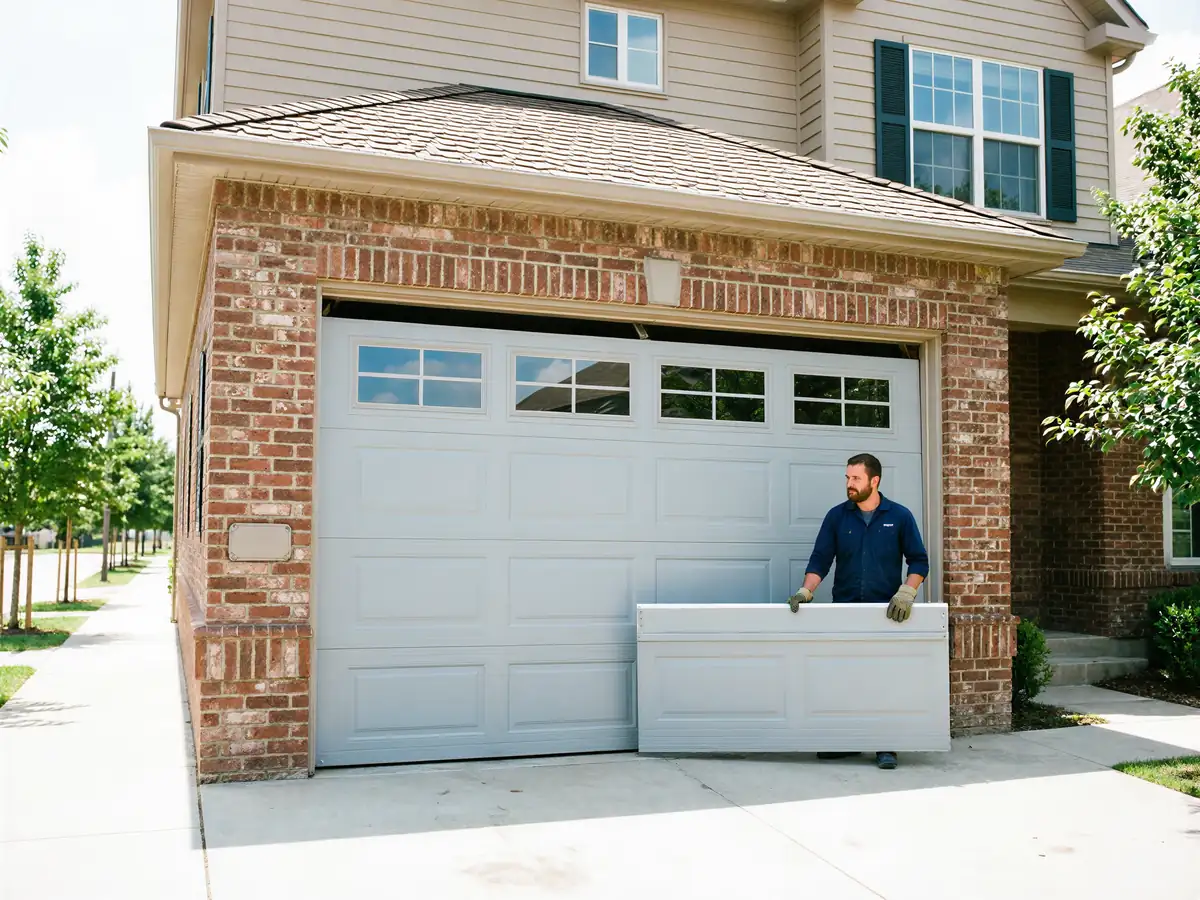
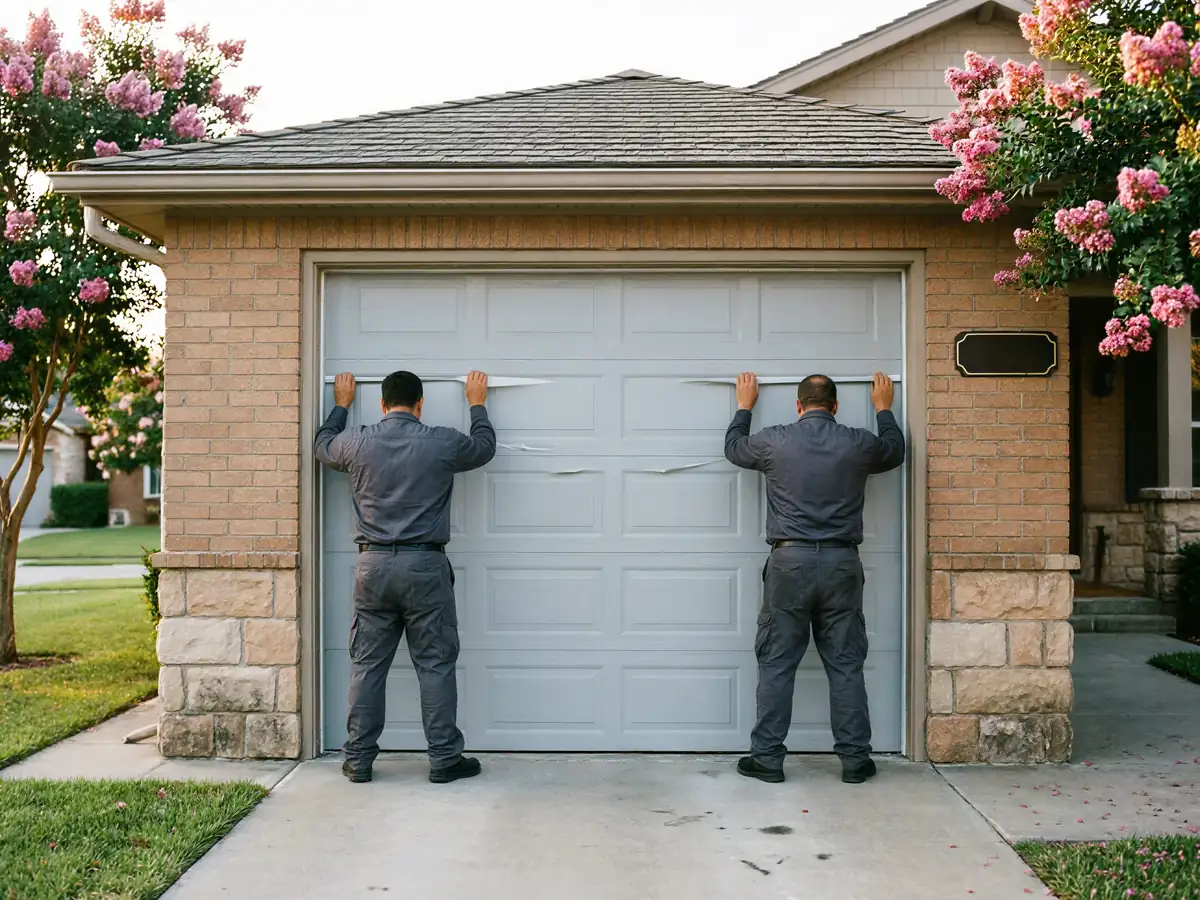
The honest starting point is Kremlin's median household income, $86,094, which runs well above the $63,869 median across our broader service area. That gap matters on the repair-or-replace call. At the area-wide income level, we tell most owners to repair anything short of a cracked panel or a dead opener motor, because stretching the budget on a full replacement doesn't make sense. In Kremlin, with more households sitting above that line, replacement pencils out sooner - a new insulated door often beats patching a 1981-era door that's due for a spring swap, new rollers, and weatherstripping all in the same visit anyway. We still run the numbers per door, not per zip code. A sound door with a bad spring is a repair no matter the income bracket. What changes is how quickly we recommend walking away from a door that needs three or four things fixed at once.
The Complications
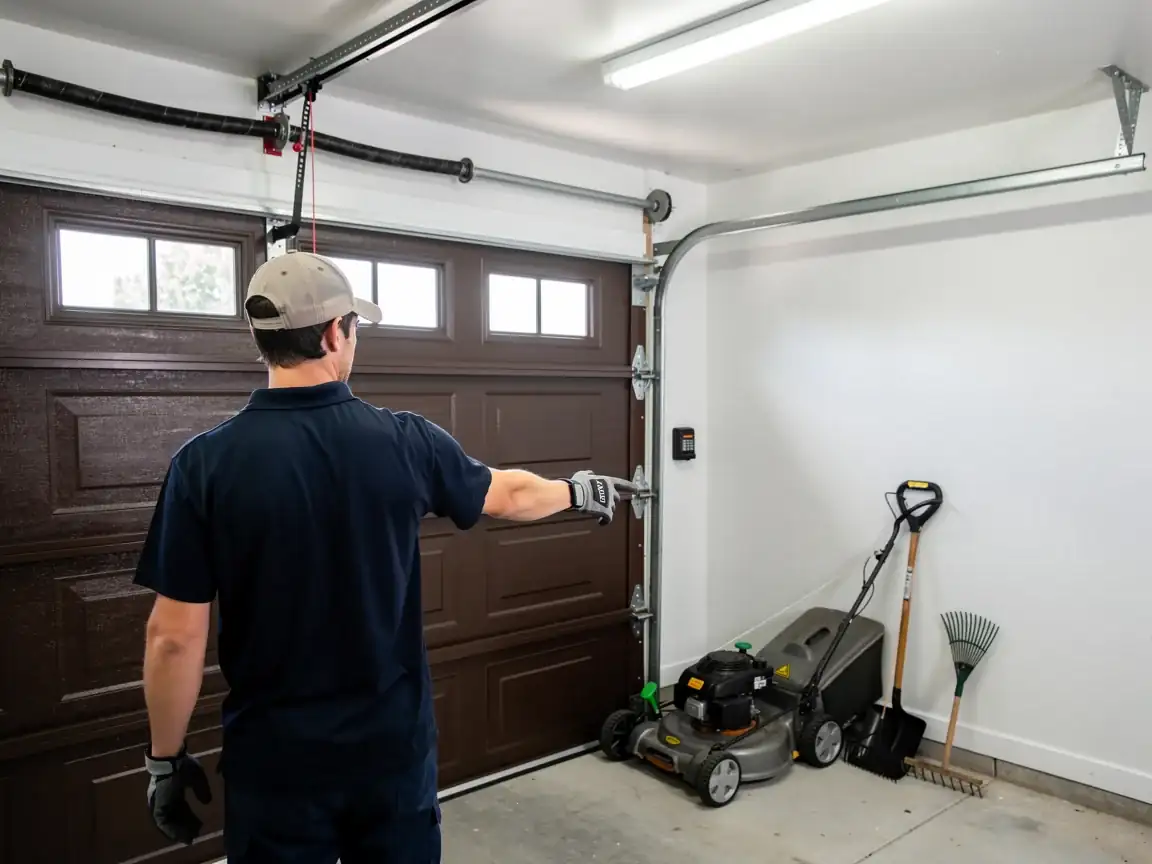
Oklahoma's cold-moderate winters are hard on steel doors and hardware no matter the build year, and Kremlin's garages see the same freeze-thaw cycling as the rest of the area - it stiffens grease, shrinks rubber seals, and makes a marginal spring finally let go on a cold morning. What's different in Kremlin is scale: with only 145 households total, there's no standing crew or parts cache here, so every maintenance visit is a trip out from Enid, and that travel is already priced into the visit before any work starts. We also won't push a tune-up on a door that's structurally failing - if the track is bent or the panels are rusted through, maintenance is a waste of your money and we'll say so instead of billing for it.