Time on the Job
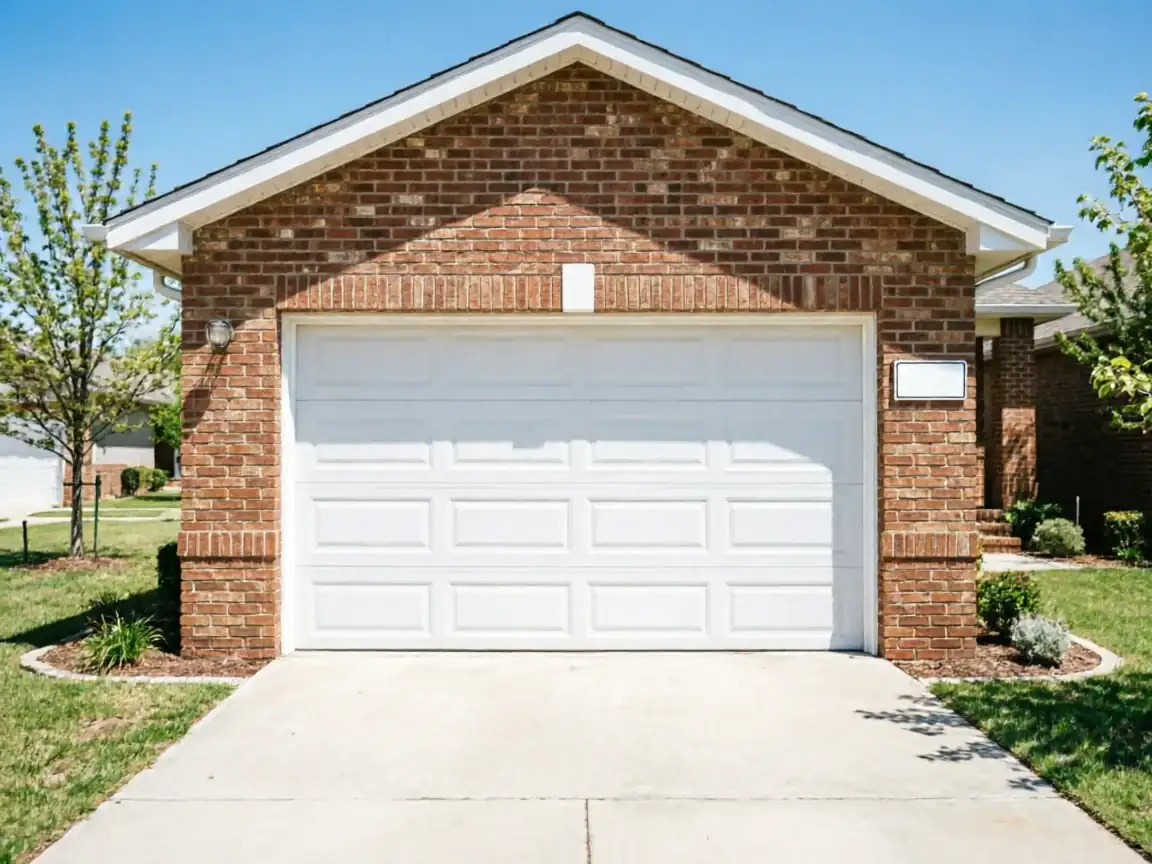
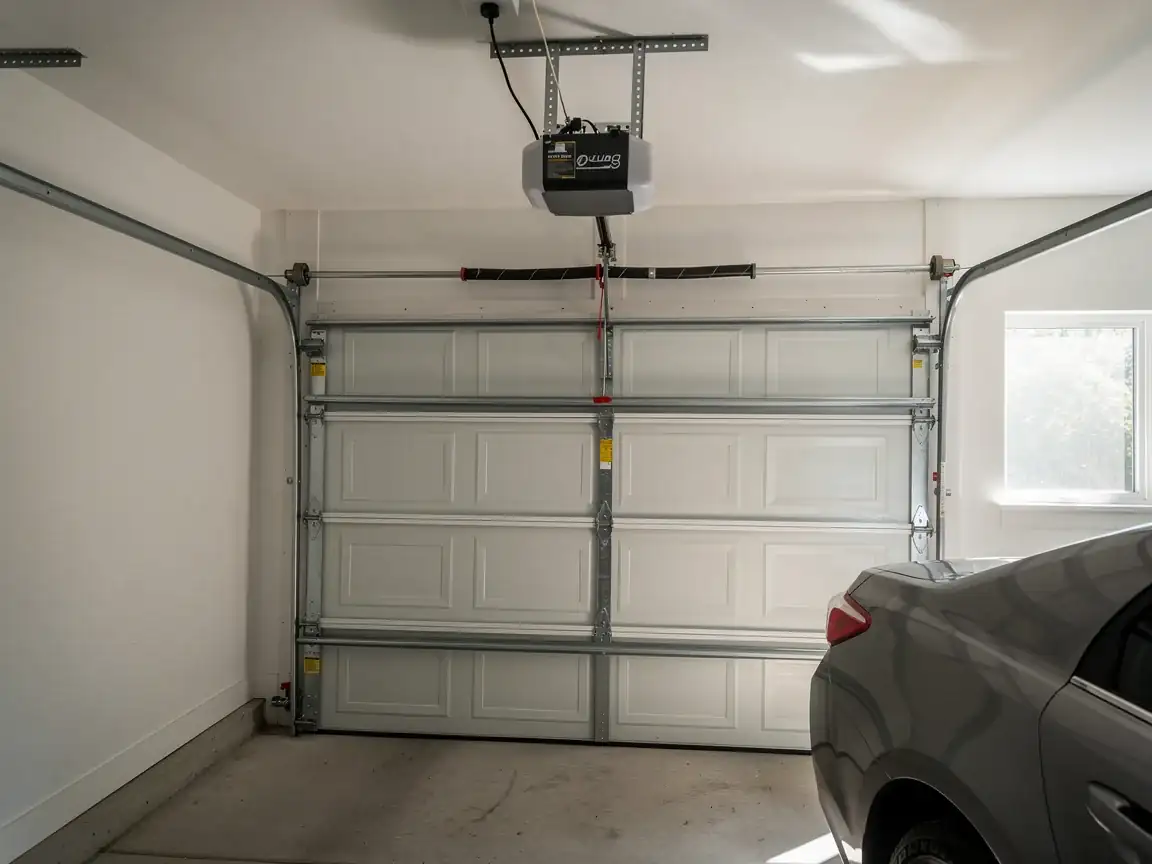
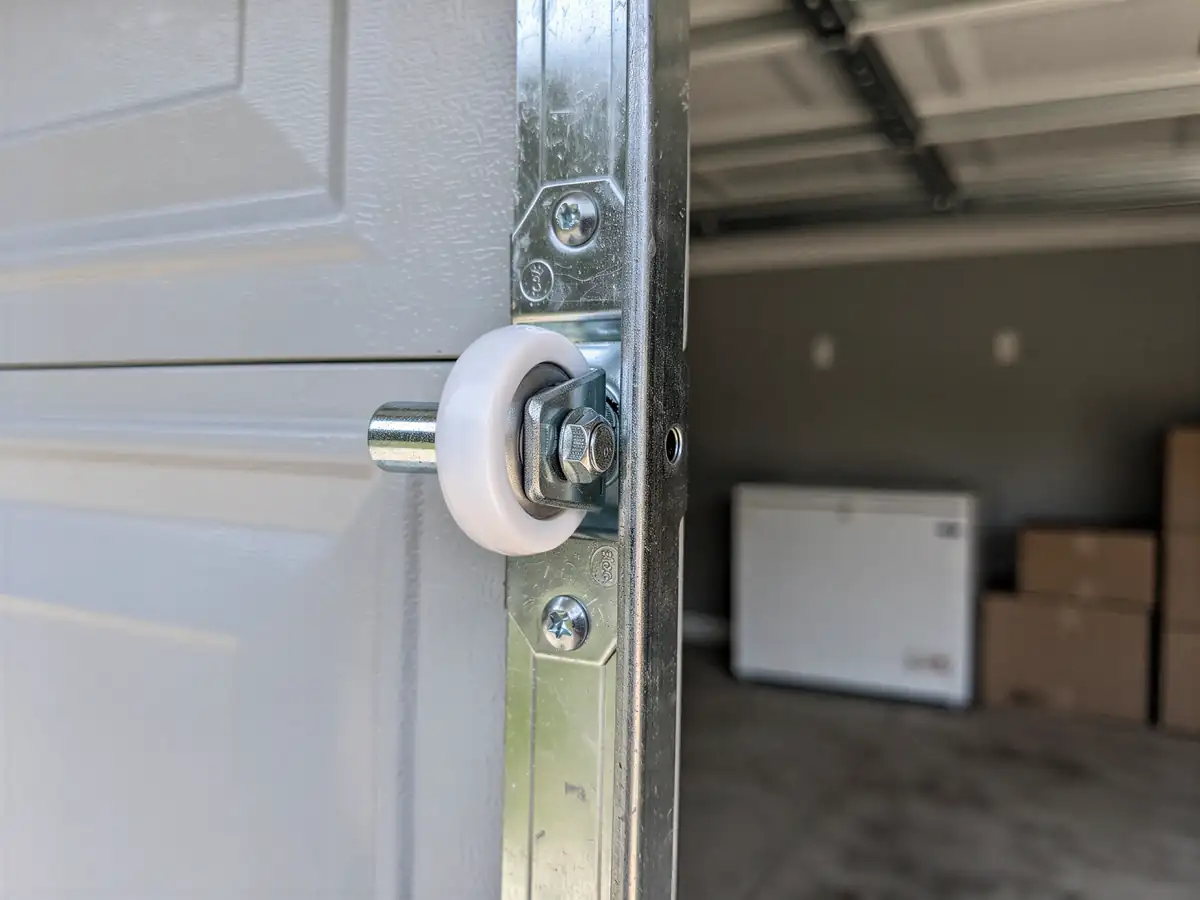
Most houses in Kremlin went up around 1981, and on a lot of those doors, the rollers have never been touched. Steel rollers from that era ride on a stem that was never sealed, so forty-plus years of dust and grit has worked its way into the bearing. You hear it before you see it - a grinding or a rhythmic thunk as each roller hits the same worn spot in the track.
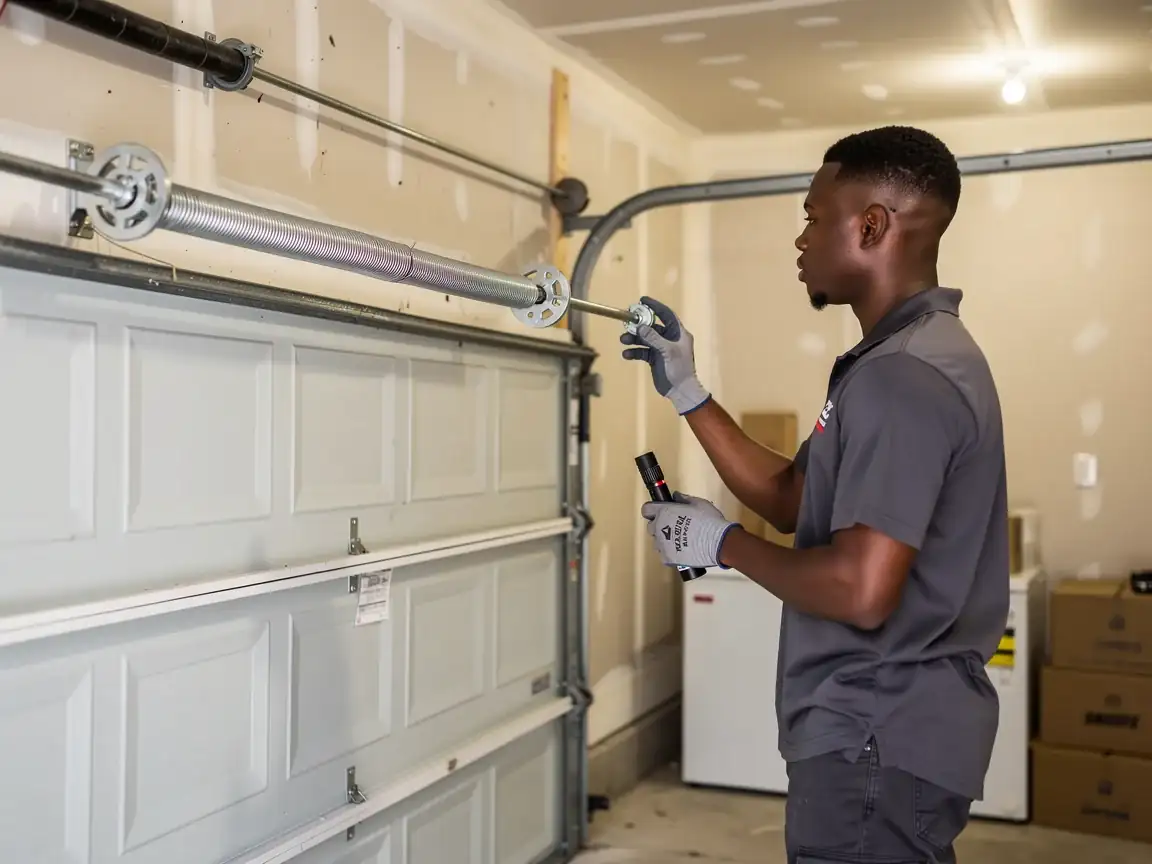
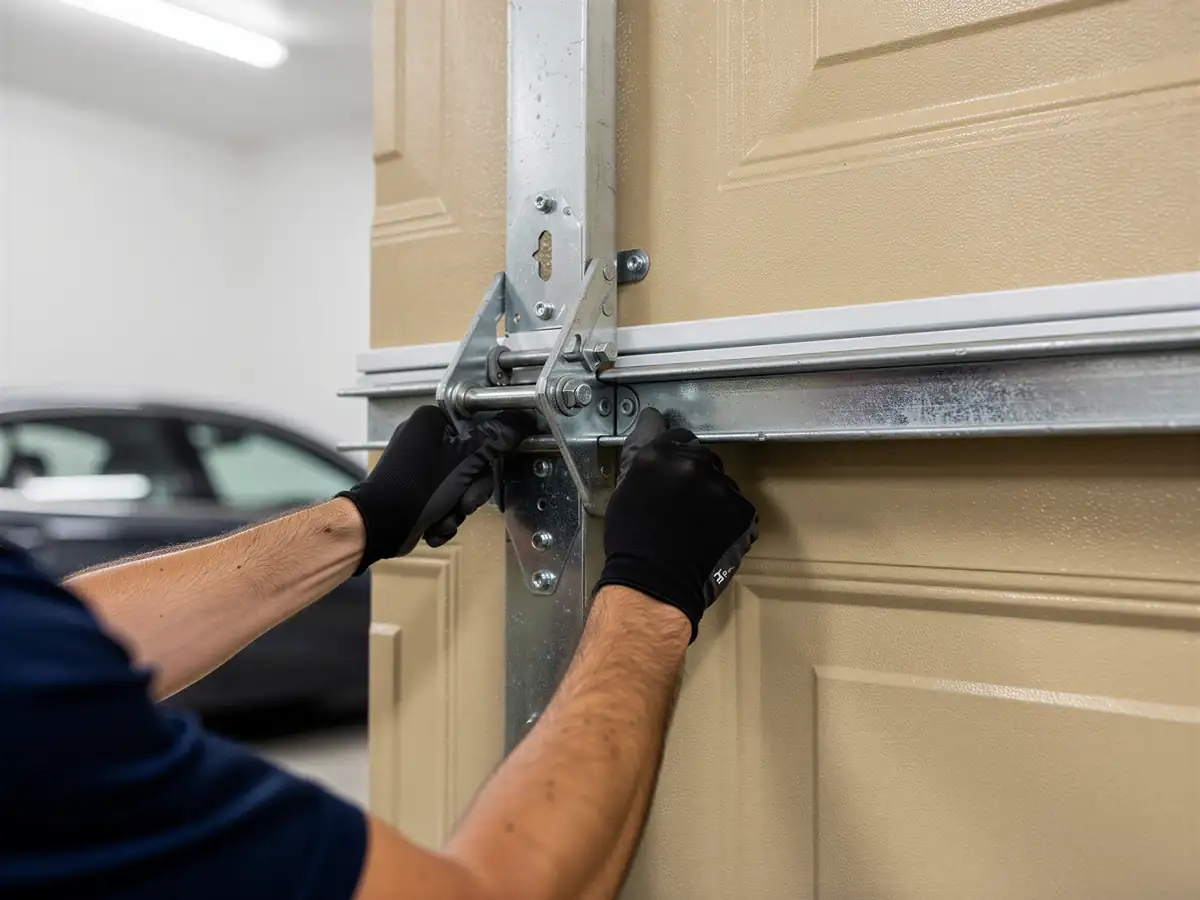
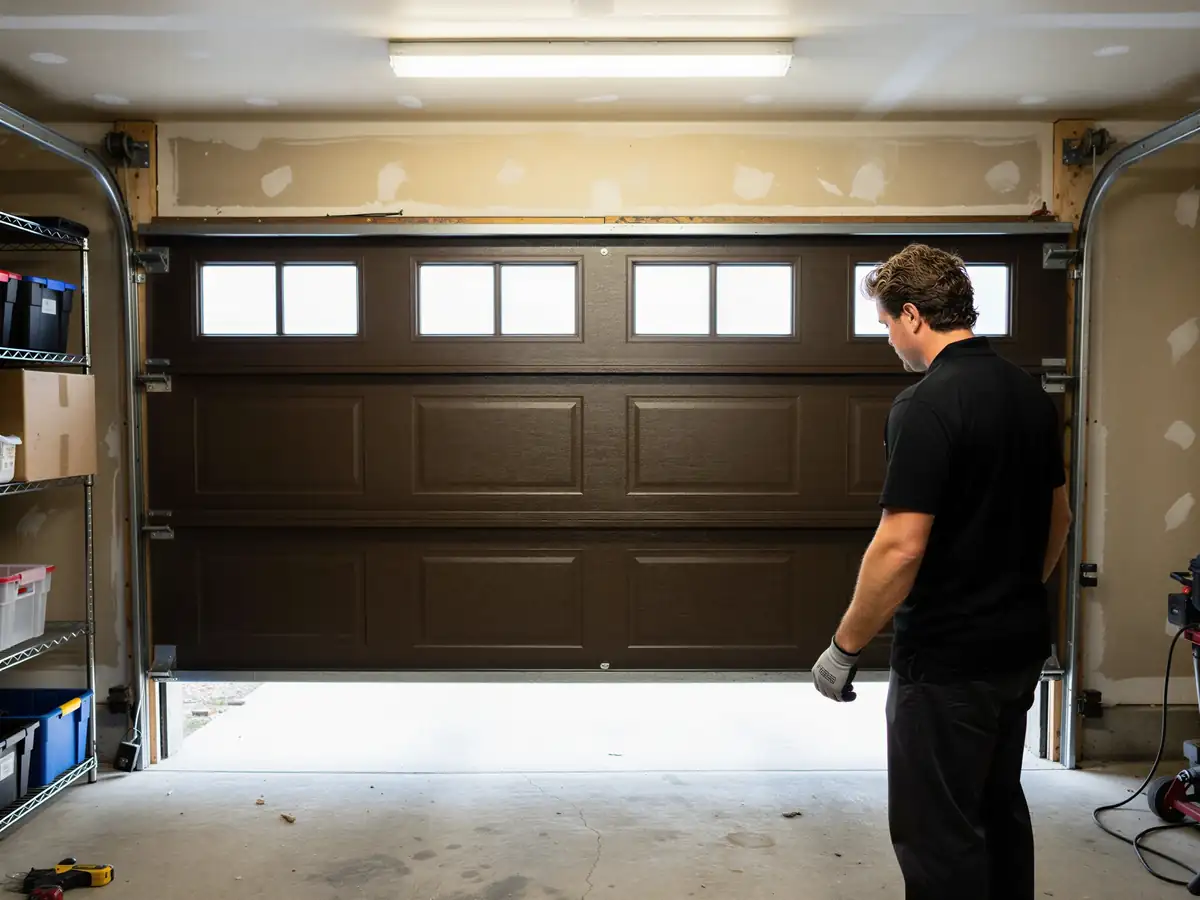
On the truck, swapping a full set of rollers on a double door usually runs under two hours once we're on site, longer if a track bracket has to come off the jamb with it. The slow part isn't the wrench work, it's getting the door level again after rollers that have been undersized for years are finally replaced with the right diameter. A door that's been riding on worn rollers for a decade has usually worn a groove into the track itself, and that has to get checked before we close the job out, not after.
We're coming from Enid for this call, about 10 miles down, so there's no local branch sitting on Kremlin's edge - the job is one trip, done right, not a string of return visits.
What It Costs
We don't have a posted price for roller replacement, and we're not going to invent one here - it depends on whether you're getting nylon or steel, how many rollers are shot versus just worn, and whether the track needs straightening or swapping along with them. What we can tell you is what drives the number up or down: full double-door jobs with ten rollers cost more than a single-car four-roller swap, and sealed-bearing nylon rollers cost more up front than steel but outlast them by years in this climate.
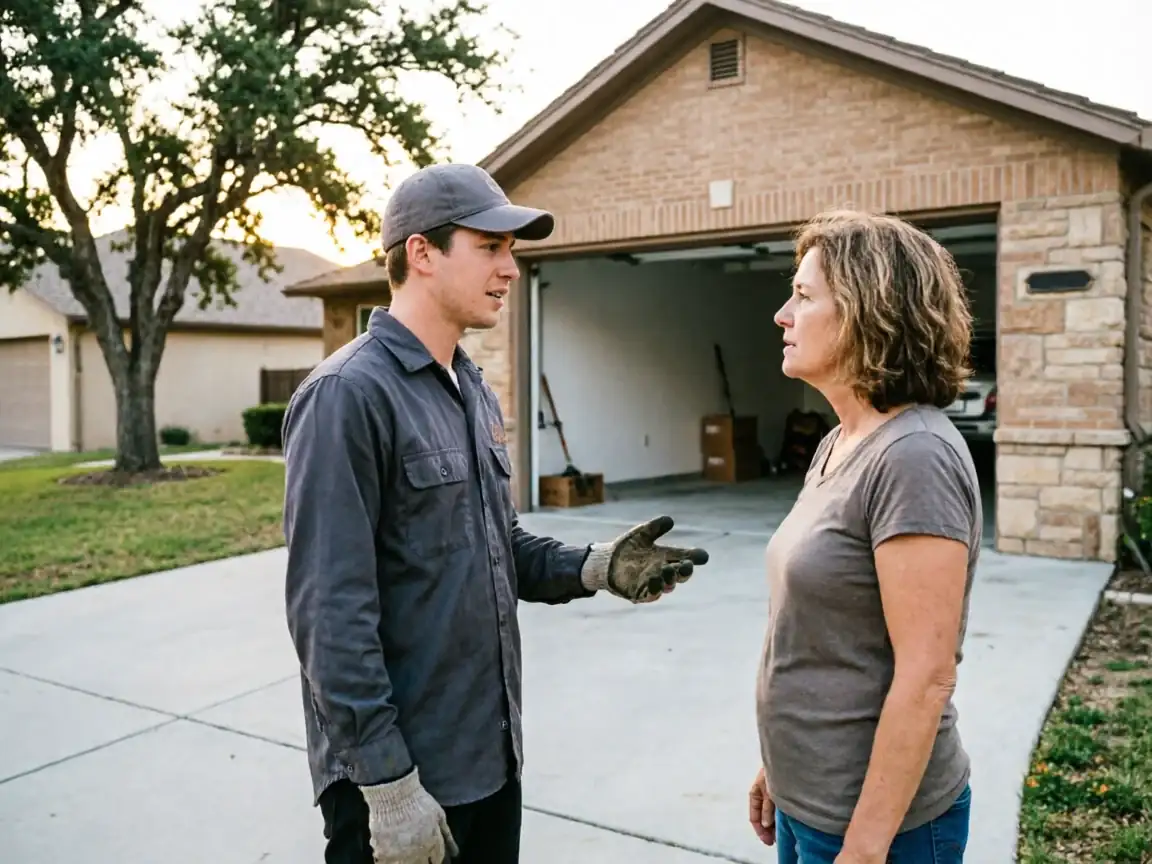
Kremlin households run a higher median income than the wider Enid service area, which tells us homeowners here are more often choosing the quieter, longer-lasting nylon option over a bare steel patch job - but that's a decision we walk through on site, not over the phone sight unseen. Get a number by having someone look at the door in person; a flat rate quoted blind is usually wrong in one direction or the other.
Parts We Carry
The truck carries both 2-inch and 2.5-inch stem rollers in sealed nylon and steel
Plus the track sections and roller brackets that fail alongside them. On houses from Kremlin's build era, the stem length and bracket spacing are usually a standard fit, which means we're not waiting on a special order to finish the job in one visit.
Where it gets slower
If the track itself is bent or pitted past a straightening job, we carry standard lengths but not every custom radius or low-headroom track variant. Those sometimes need a day or two to come in. We'll tell you on site if that's the case rather than send someone back out twice.
The Complications
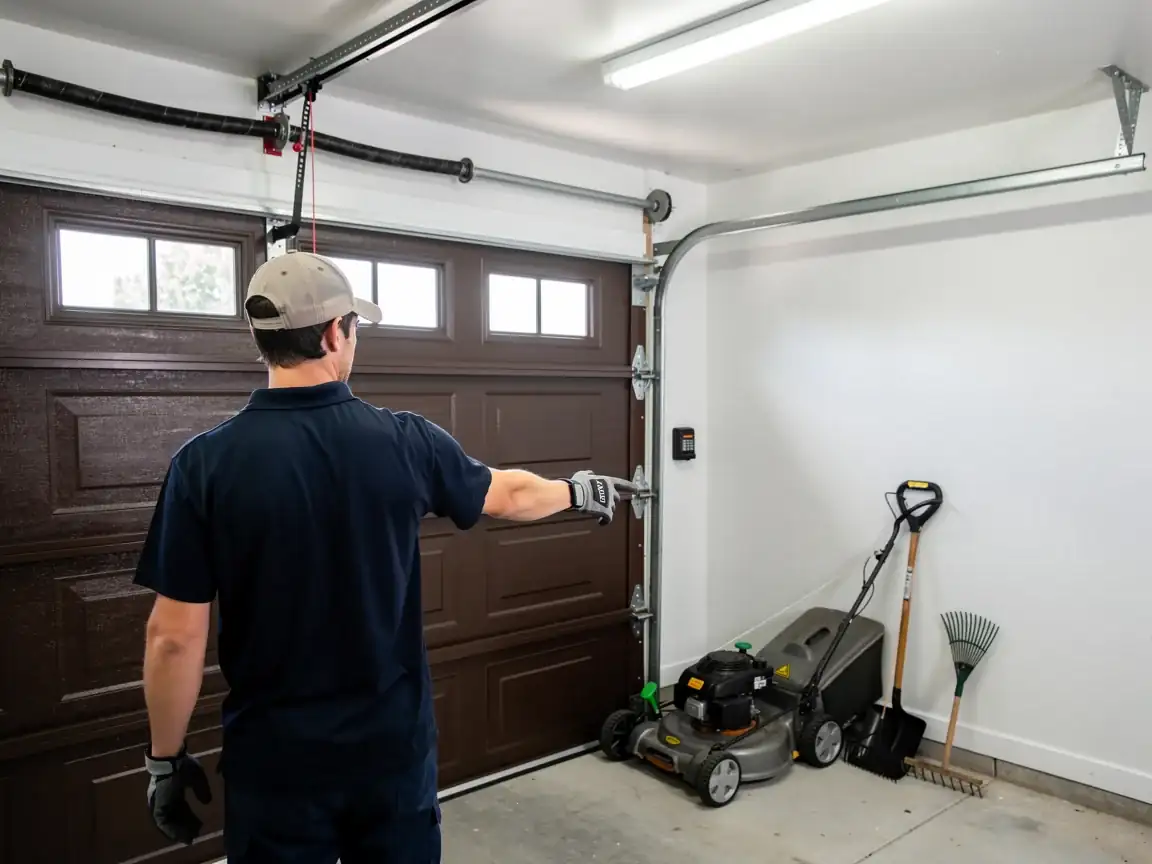
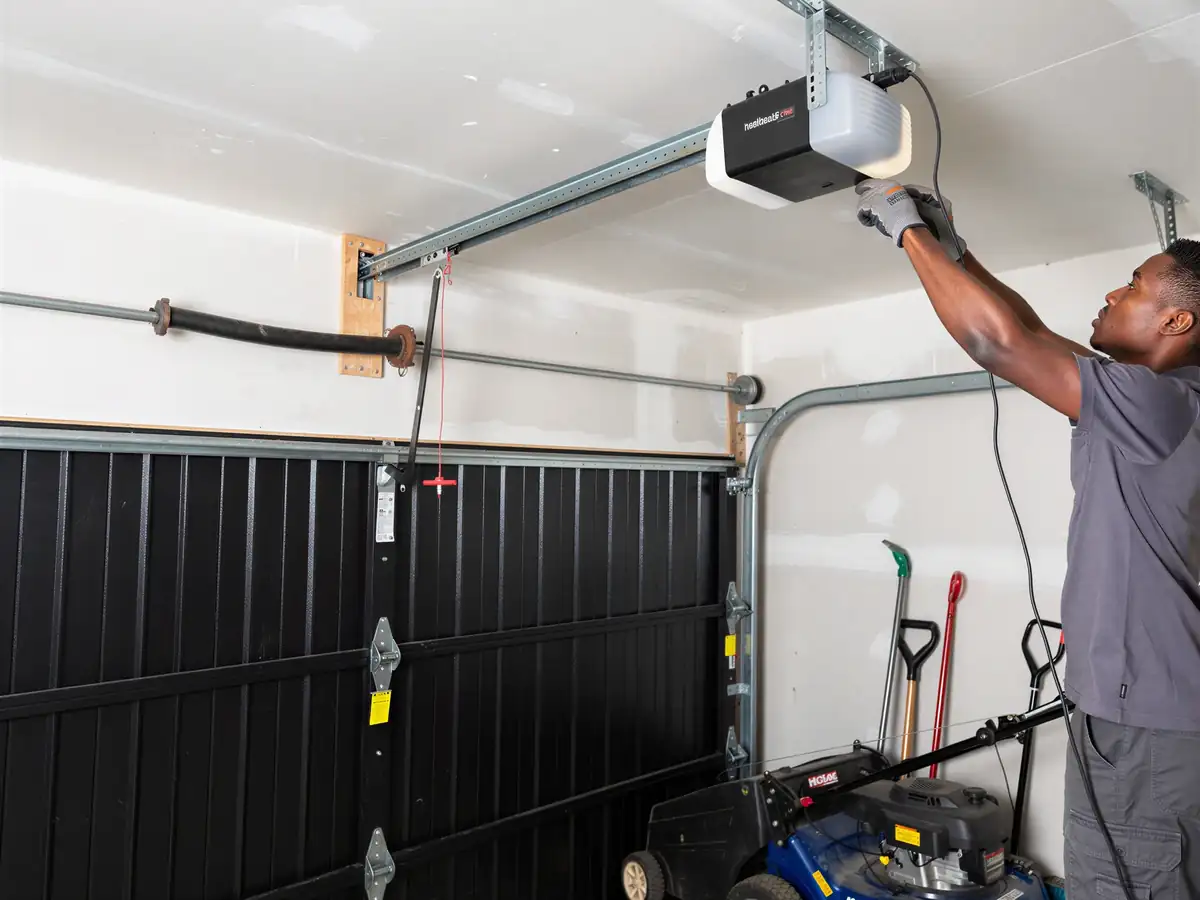
Cold, moderate winters mean steel contracts and expands through the season, and a roller that was marginal in September can bind hard by January. That's the pattern we see on original-hardware doors here - the roller doesn't fail cleanly, it seizes partway, and the opener motor takes the strain instead. Left alone long enough, that strain moves to the cable, and a roller job turns into a cable and roller job on the same call.
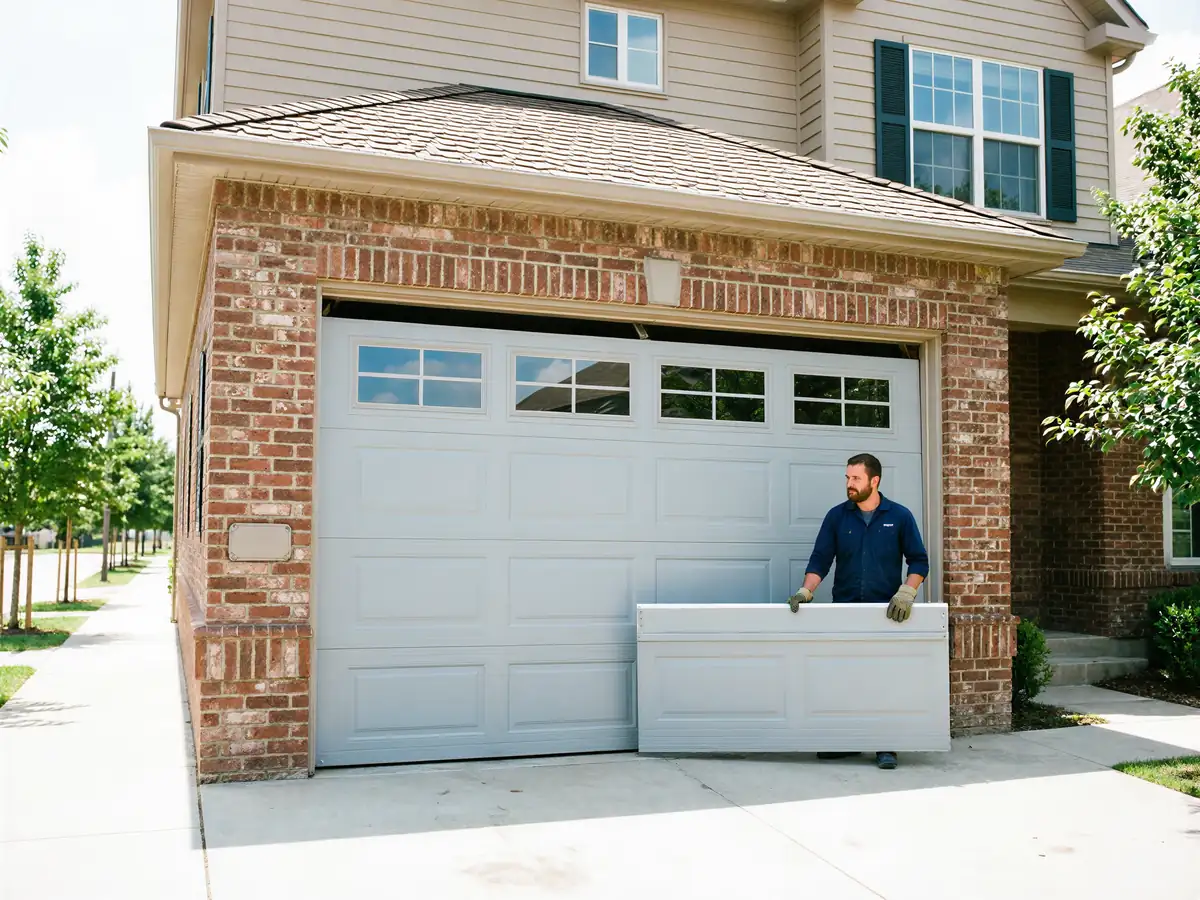
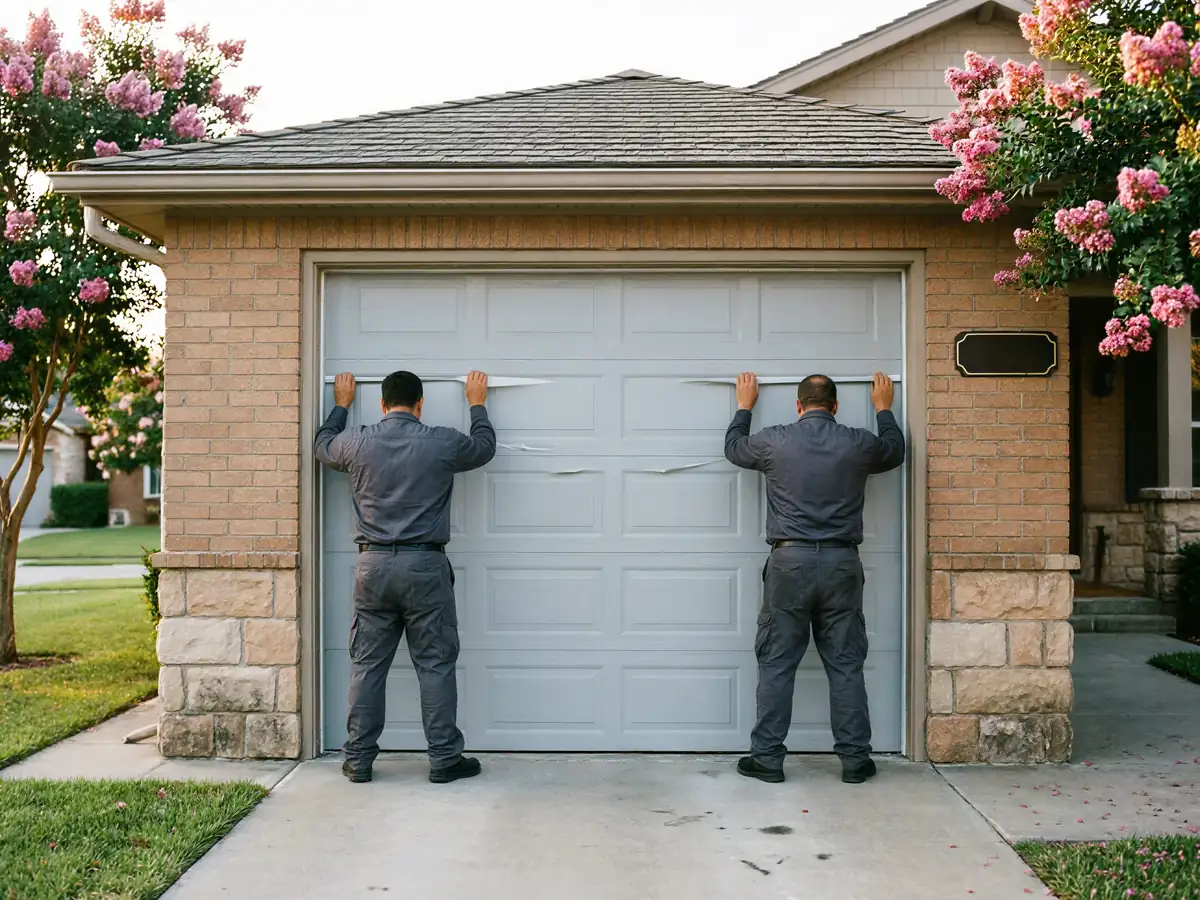
The honest limitation: if the track is bent badly enough, or the door panel itself has sagged from riding crooked for years, roller replacement alone won't fix the symptom you're calling about. At that point we'll say so rather than sell rollers as a cure for a door that needs a panel or a full track reset. With 145 households in Kremlin and a build year clustered around 1981, this is a predictable failure pattern, not a one-off - but predictable doesn't mean every door needs the same fix.