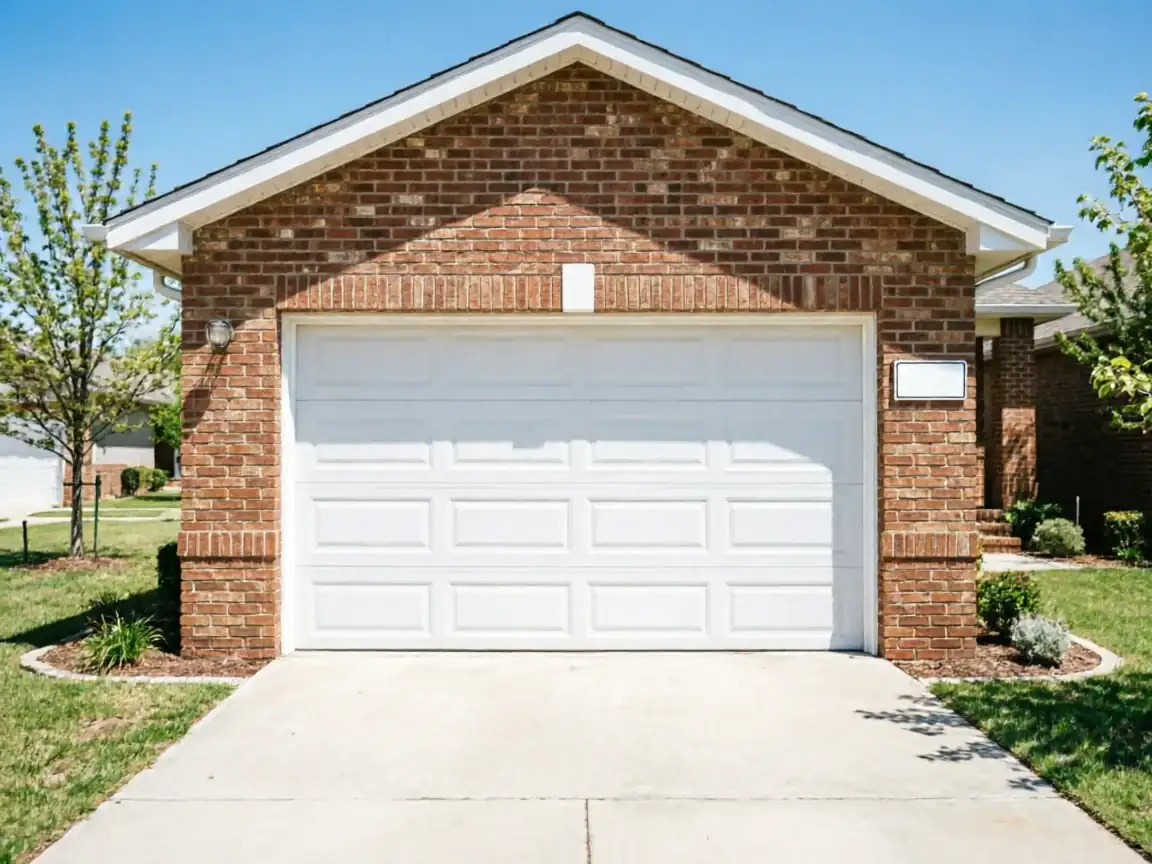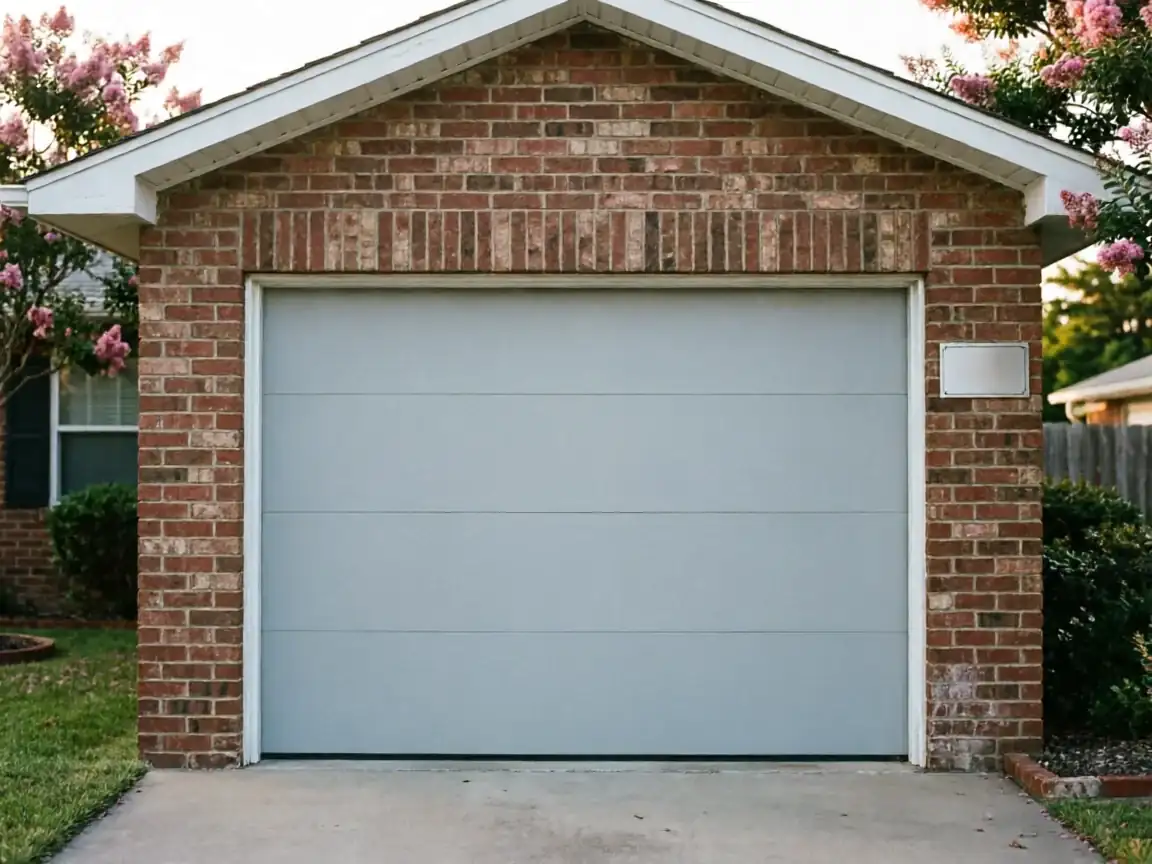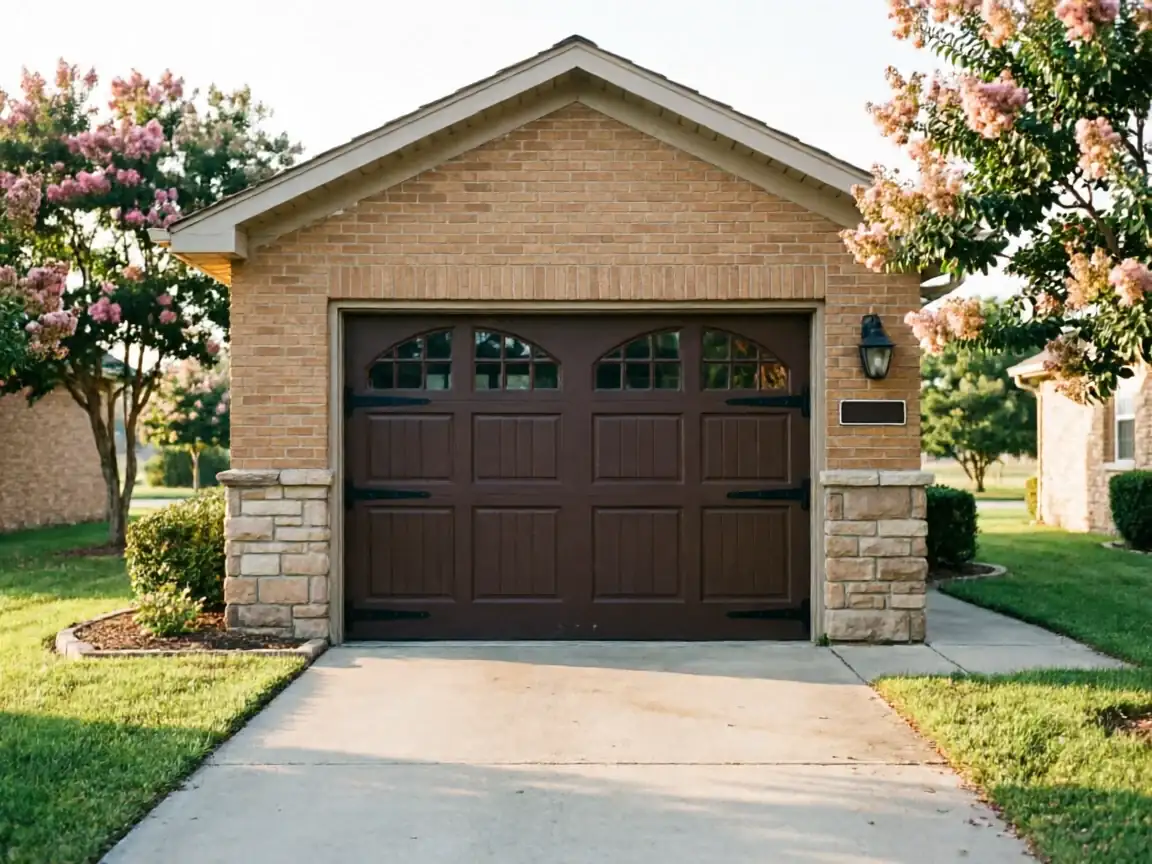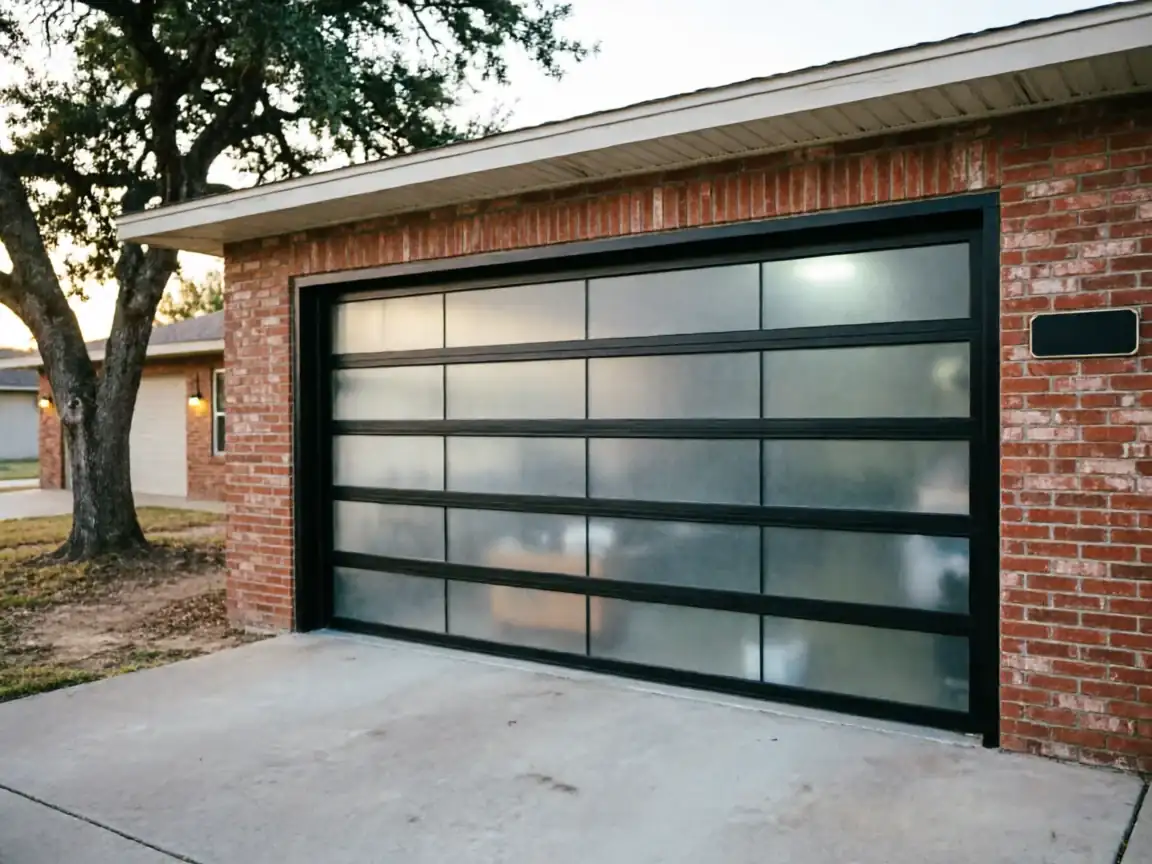
What the Repair Takes
Most calls out here aren't about a door that won't open - they're about a door that's still technically working but is the wrong door for the house. Pond Creek's housing mostly went up in that 1956-1981 run, with the median build year landing right around 1972. That means a lot of single-layer steel doors on torsion springs sized for a lighter panel than what's available now, and tracks that have been re-set a few times over fifty years instead of replaced.
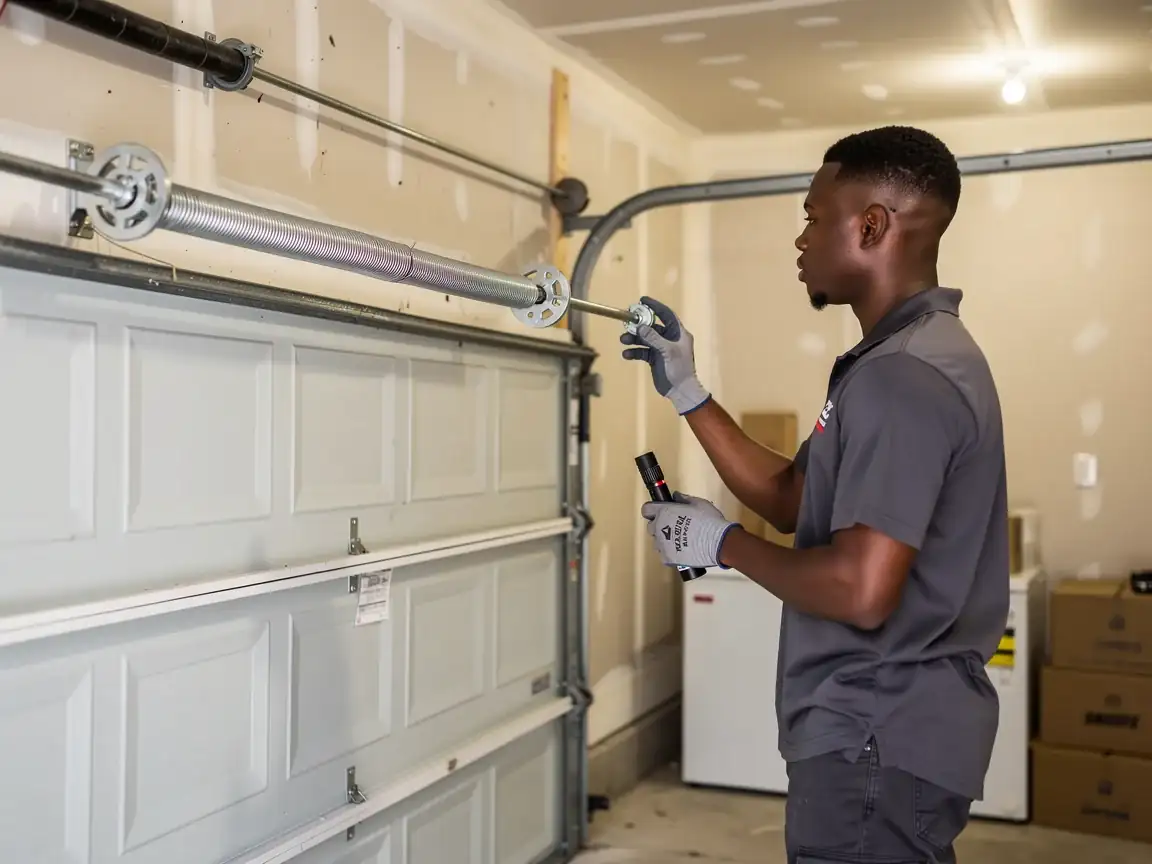
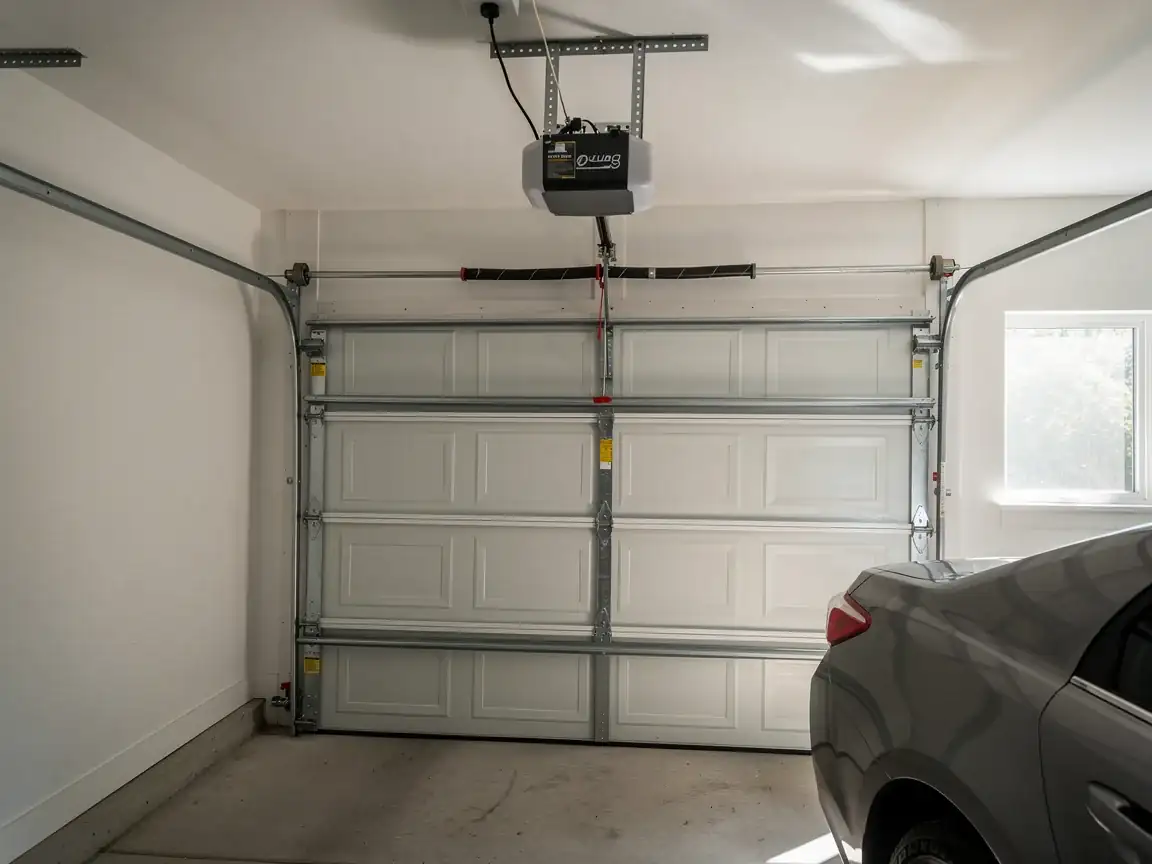
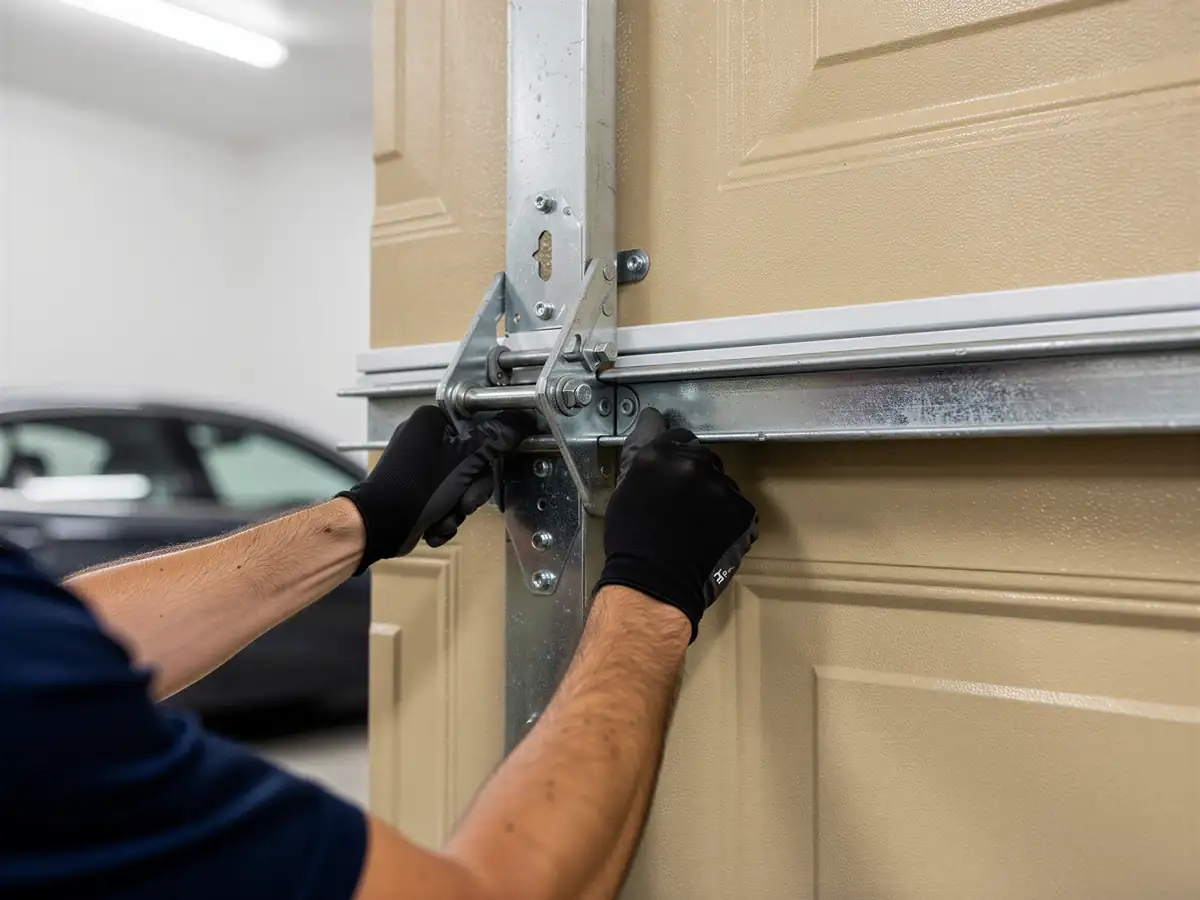
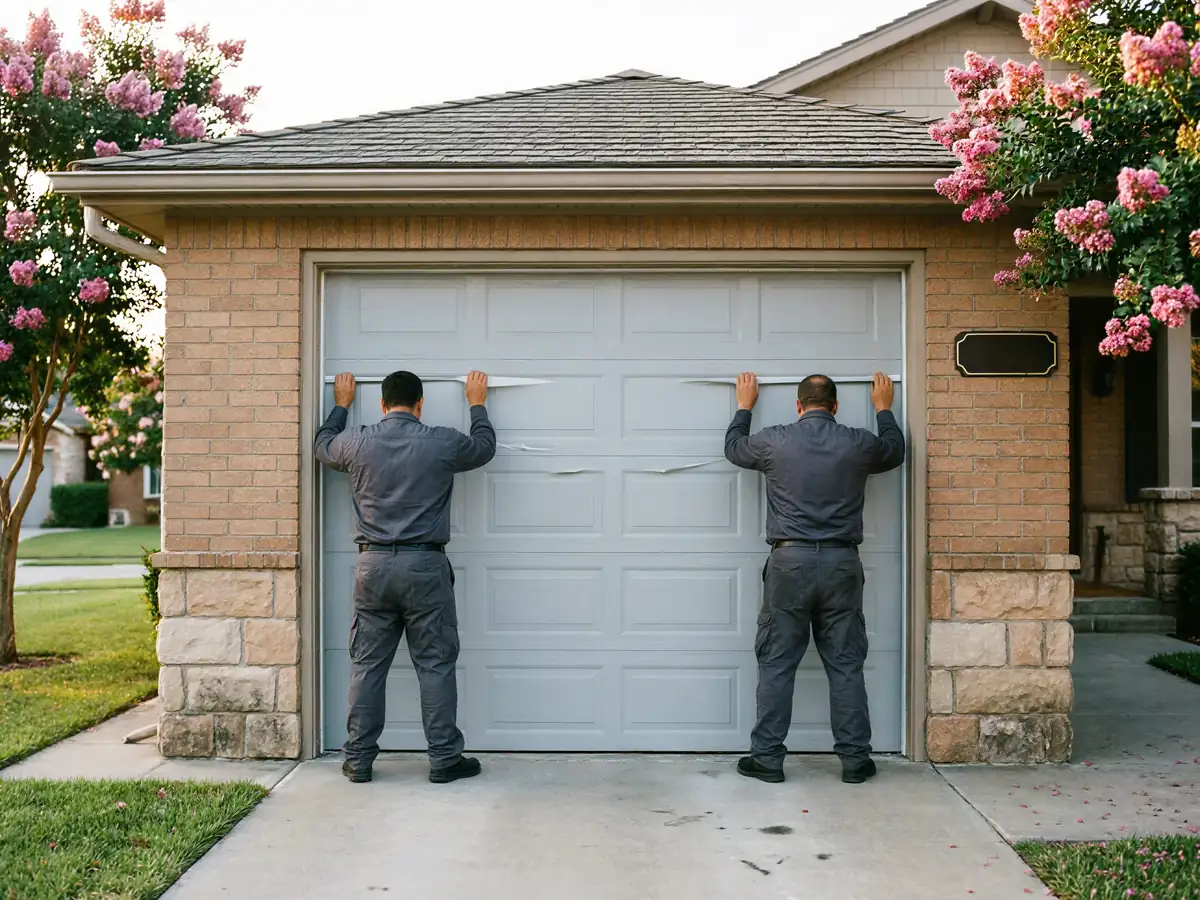
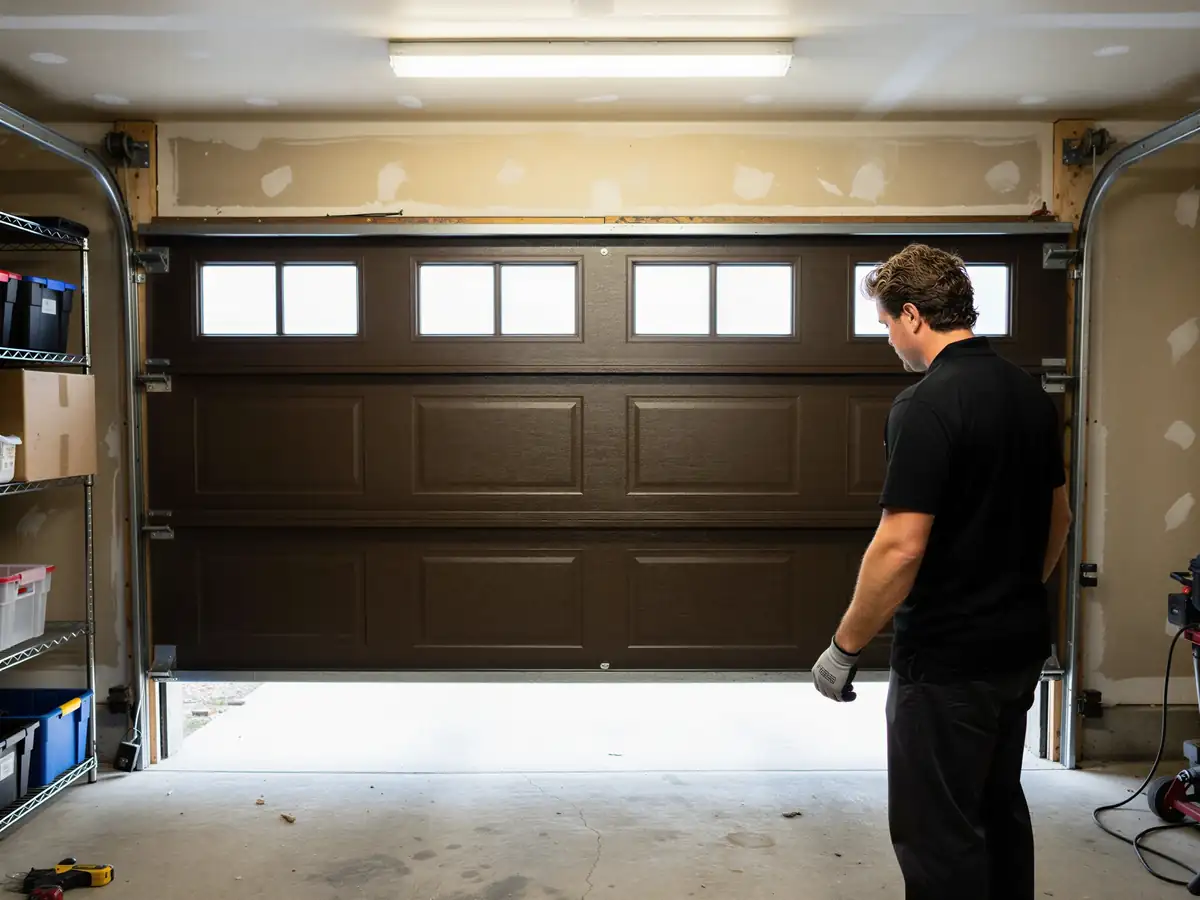
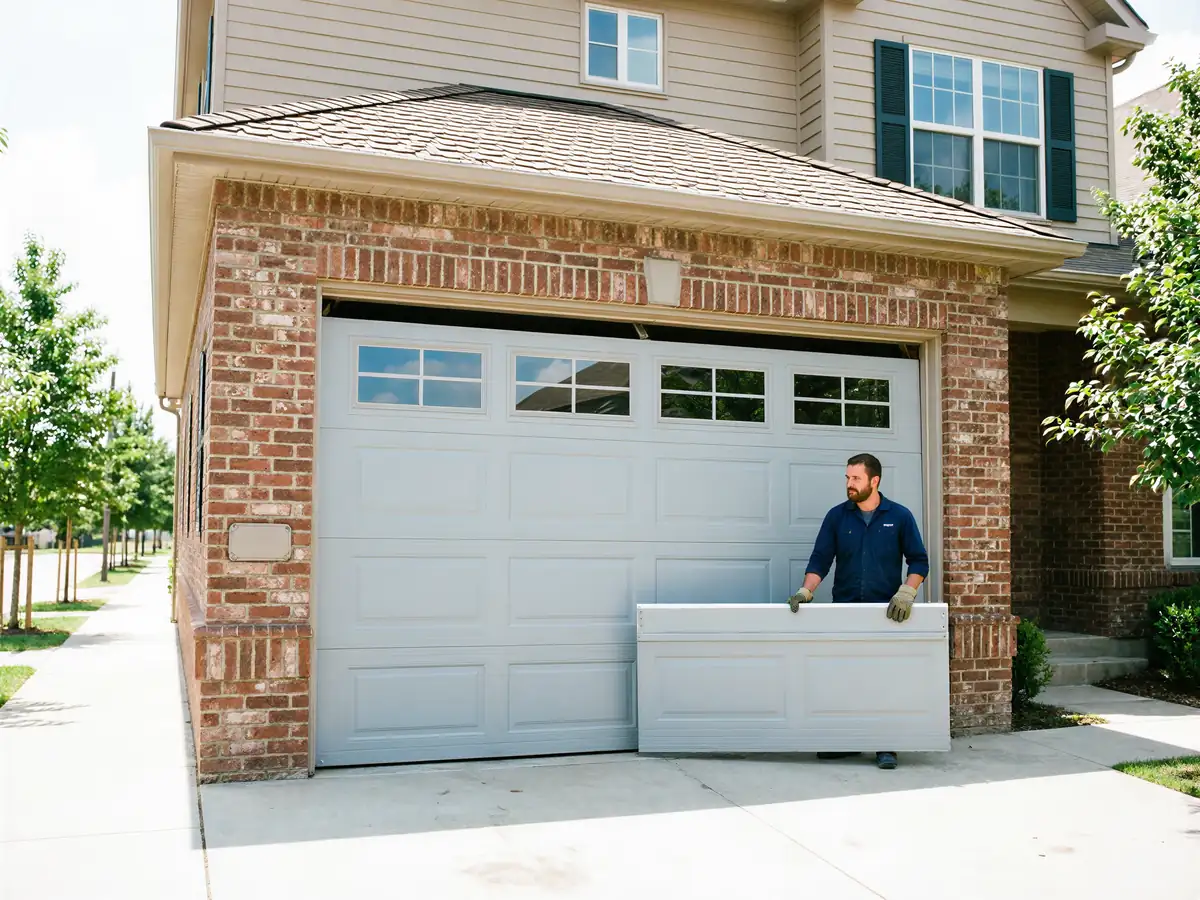
New installation here isn't a simple panel swap. We pull the old door, check the opening for square (it's rarely square after this many decades), and size new springs and hardware to the actual door going in, not the one that used to be there. If the jambs have shifted, that gets corrected before the new door goes up - skip that step and the new door fights the frame from day one.
Why This Fails Locally
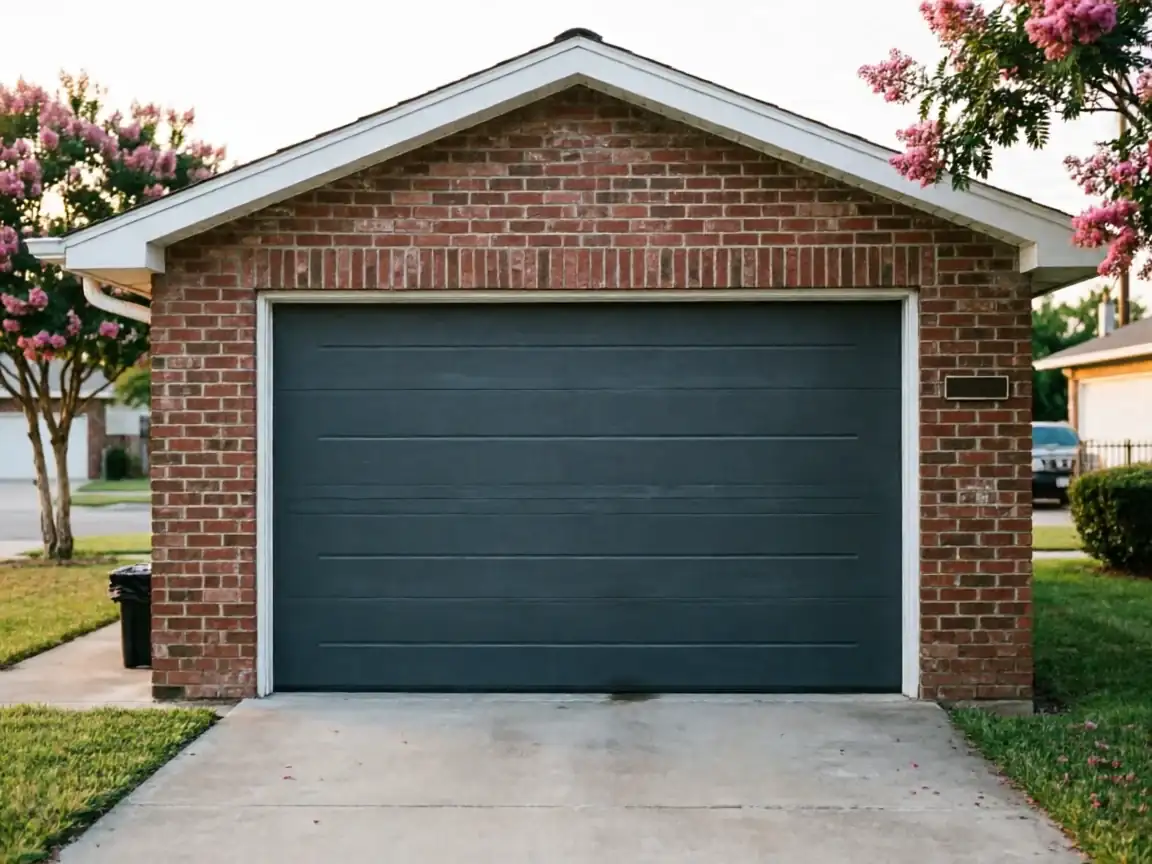
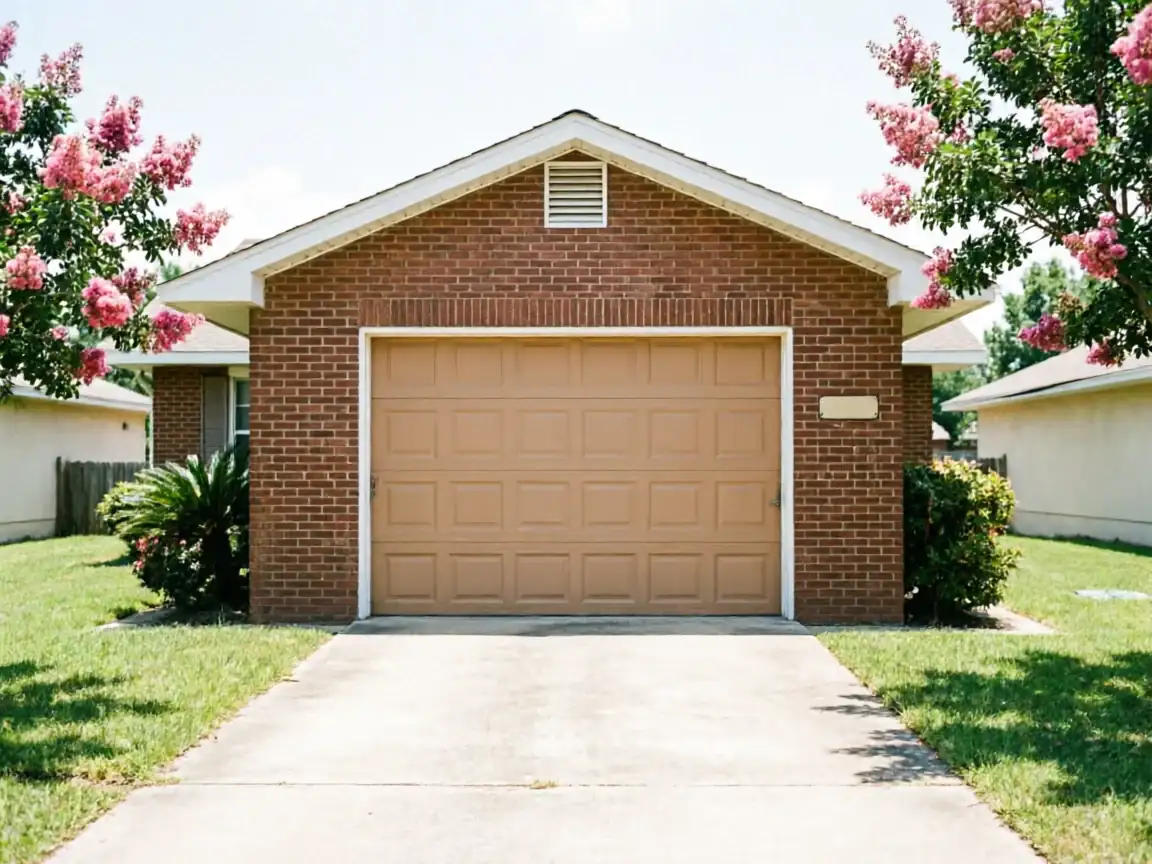
A 1972-era garage was built to a different standard than what code and manufacturers expect now. The original doors in this part of Oklahoma were single steel skin, no thermal break, hung on hardware sized for that lighter panel. Fifty years of temperature swings in a cold-moderate climate band - real winter cold, real summer heat - work on steel and on springs the same way they work on roof shingles: slow, then all at once.
When a homeower here finally replaces the door, the failure that shows up isn't usually the door itself giving out mid-cycle. It's that the new door is heavier and better insulated than what the opener and torsion spring were ever rated for, so if you just swap the door panel and leave the old spring and opener, you get a door that strains on every cycle. That's the local mismatch - not a defect, just hardware and door from two different generations trying to work together.
Parts We Carry
For a house on the older end of Pond Creek's housing stock
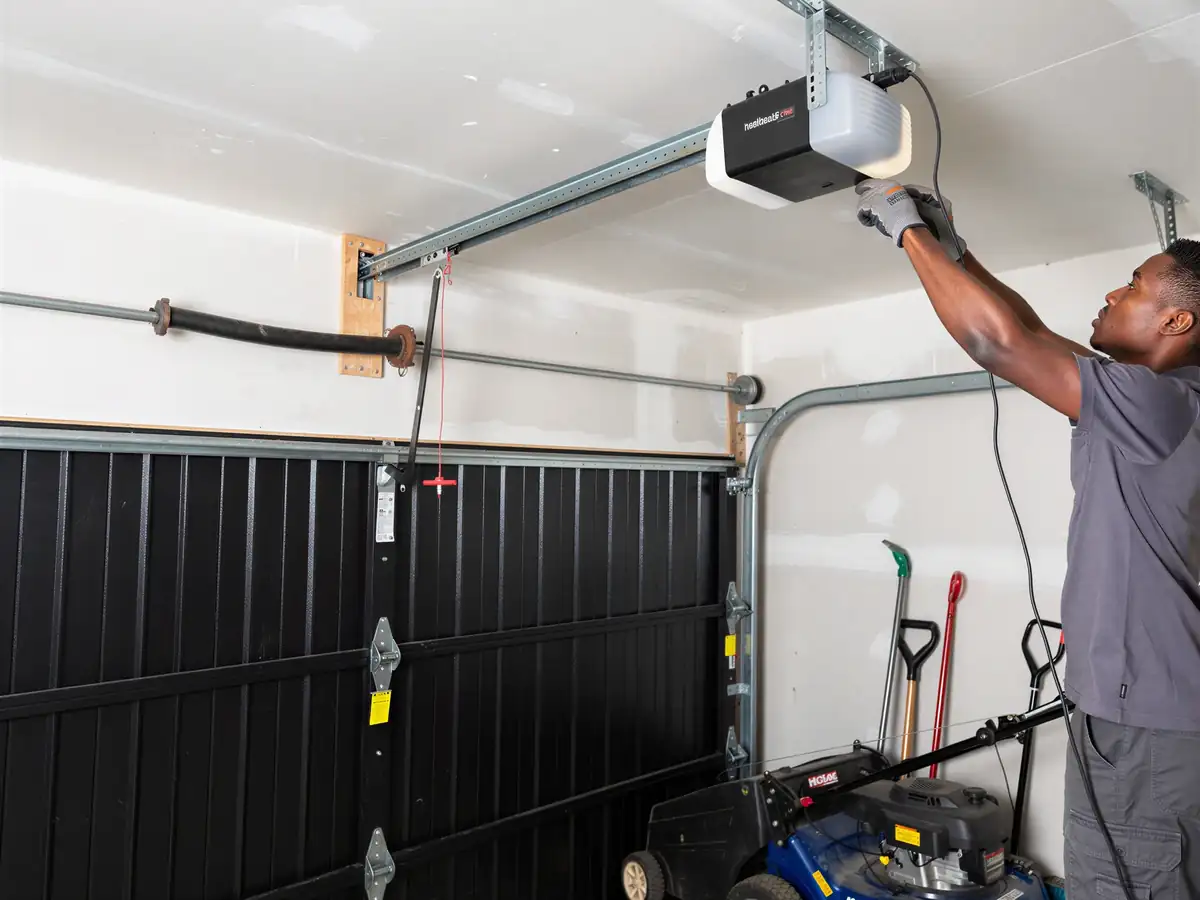
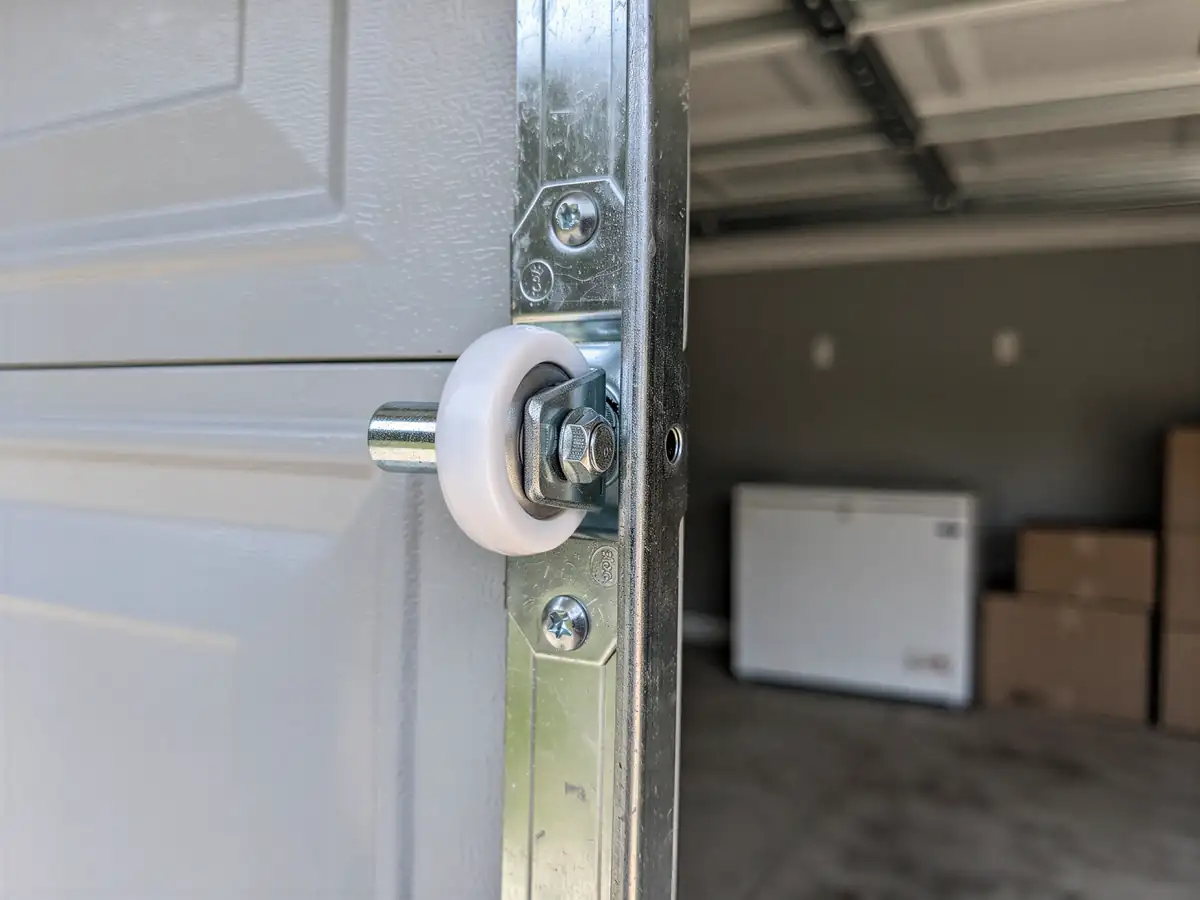
The hardware we bring out tends toward parts sized for retrofit onto an opening that was framed decades before current doors existed: torsion springs matched to the new door's actual weight, standard-lift track kits, and openers rated for insulated panels rather than the single-skin doors these openings were built around.
We stock common torsion spring sizes and standard track hardware on the truck
Since that covers most of what a 1972-era opening needs. What we don't carry as a standing item is anything custom-width or a door size outside the common range - those get ordered, and depending on the manufacturer that can add lead time to the job. We'll tell you up front if your opening needs something we have to order rather than something we're carrying that day.
What It Costs
We don't publish a flat number for new installation because the two things that move the price most - door size and whether the opener needs replacing along with the door - vary house to house, even within a town this size. What we can tell you is what drives the estimate: panel size and insulation level, whether the existing torsion spring and track can carry the new door's weight or need replacing too, and whether the opener is being kept or swapped.
Given that median household income in this area runs lower than in Enid itself, we price the estimate the same way for every address - no travel surcharge built in for the trip out, since the quote covers the install, not the mileage. We'll walk the actual numbers with you on site before anything goes on order.
Time on the Job
A straight new-door installation on an opening that doesn't need framing work is typically a single visit. Where it runs longer is when the opening itself needs correction - and on houses built around 1972, that's common enough that we check for it before quoting a timeline. If the jamb's shifted or the header needs reinforcing for a heavier insulated door, that adds a return trip.
Since we're coming from Enid, about 18 miles out, we schedule Pond Creek jobs as a full visit rather than splitting a measure trip and an install trip where we can avoid it. If your door needs ordering because it's outside the common sizes we carry, that lead time sits on top of the install day itself - we'll tell you that number as soon as we know the door you're ordering.