What the Repair Takes
Pond Creek sits 18 miles from our shop in Enid, and that drive shapes how a panel job actually runs here. We don't stock a van at a depot in town, so when you call, we're loading the truck in Enid first - which means we come out ready, with the panel sizes and hardware we expect to need based on what we know about the housing stock here, not guessing once we arrive. That 18-mile run isn't a problem, it's just a fact we plan around: we'd rather bring two options for a bent bottom panel than drive back for one.
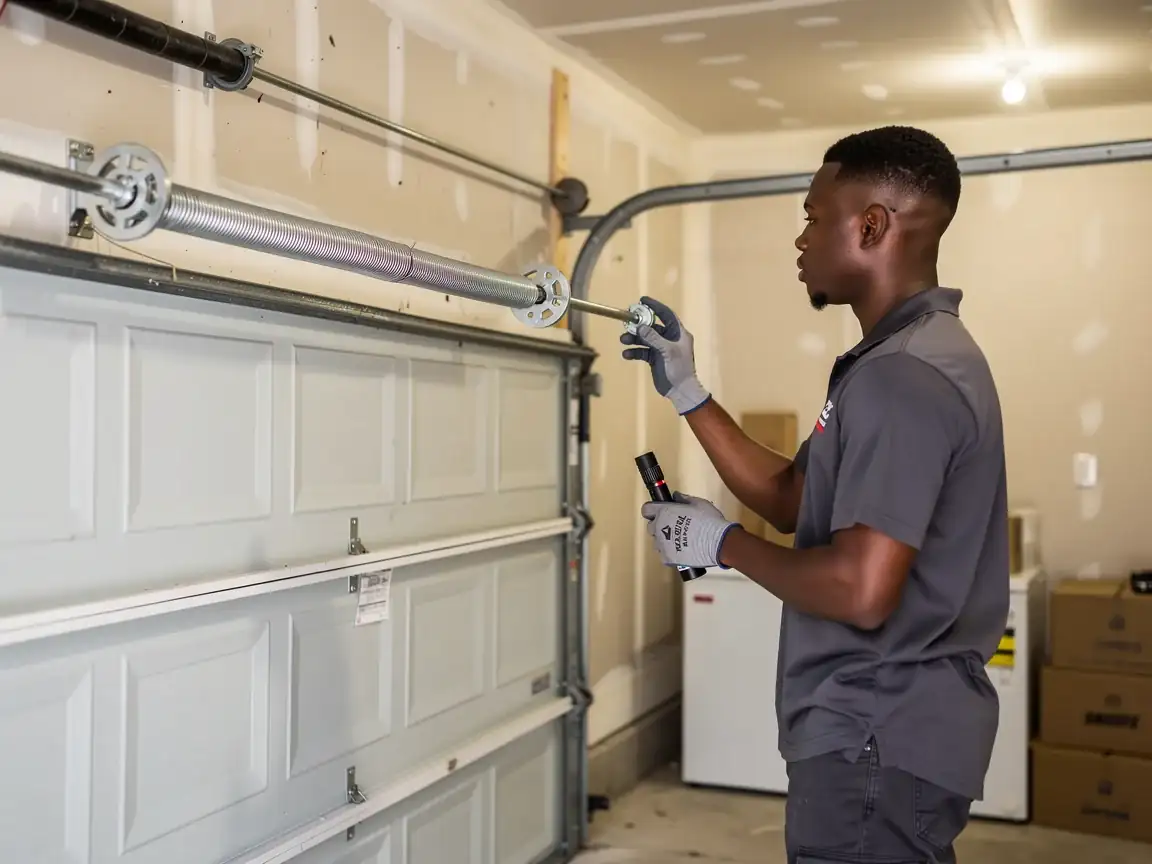
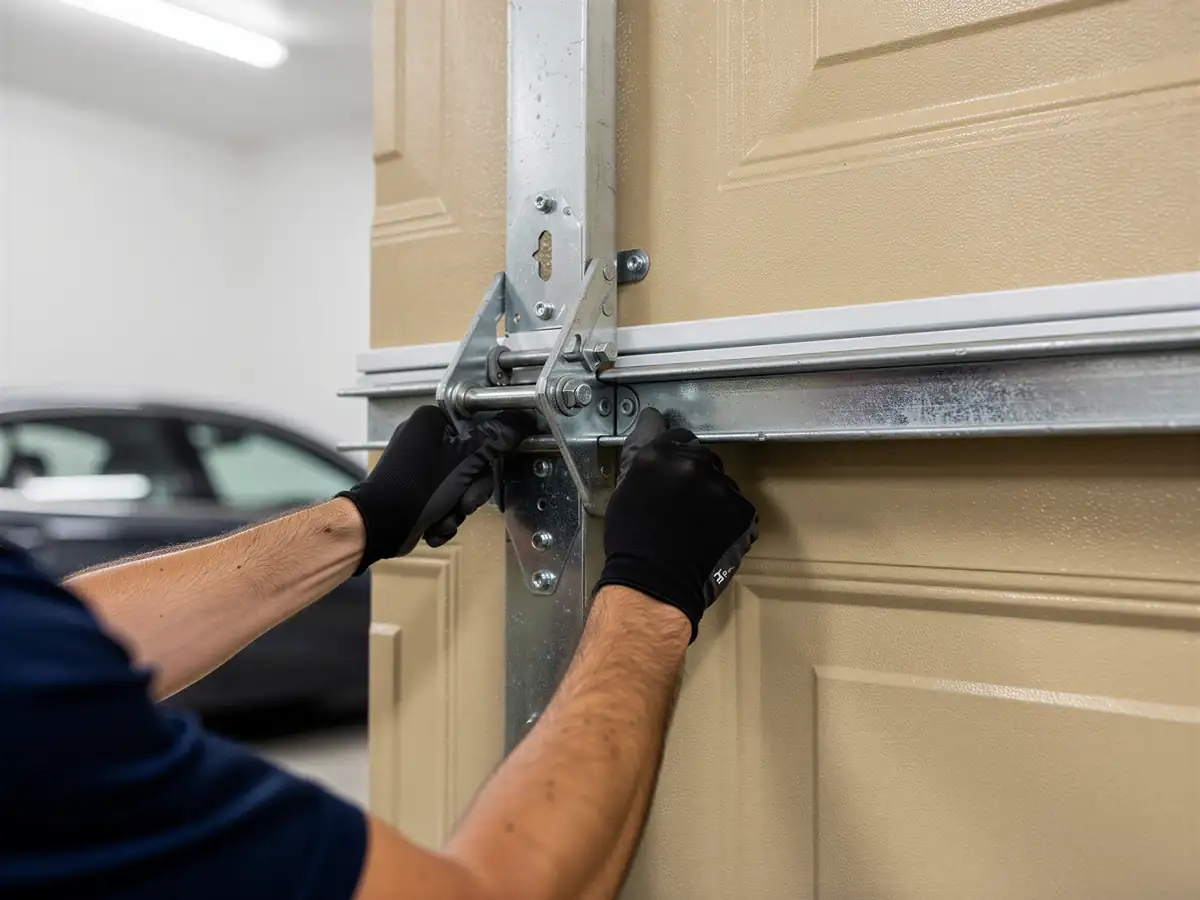
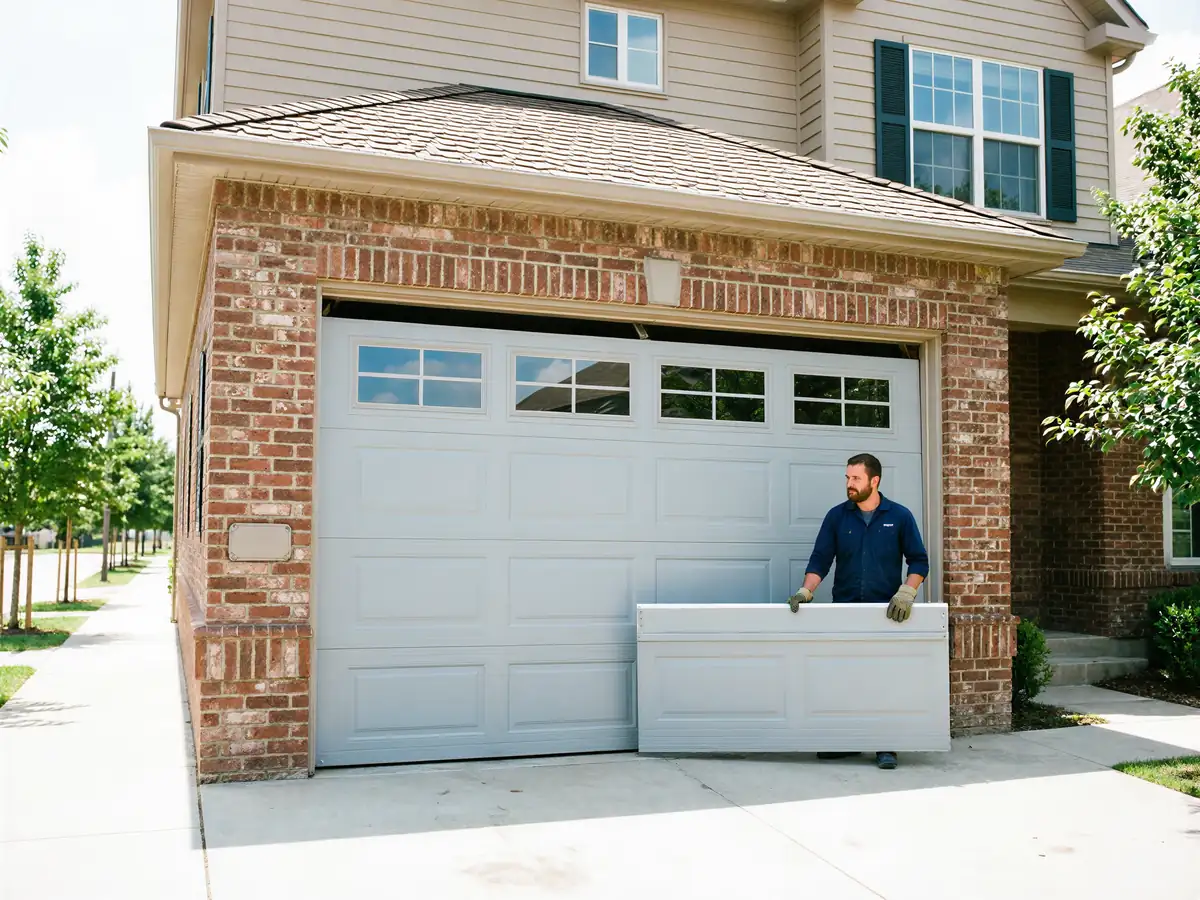
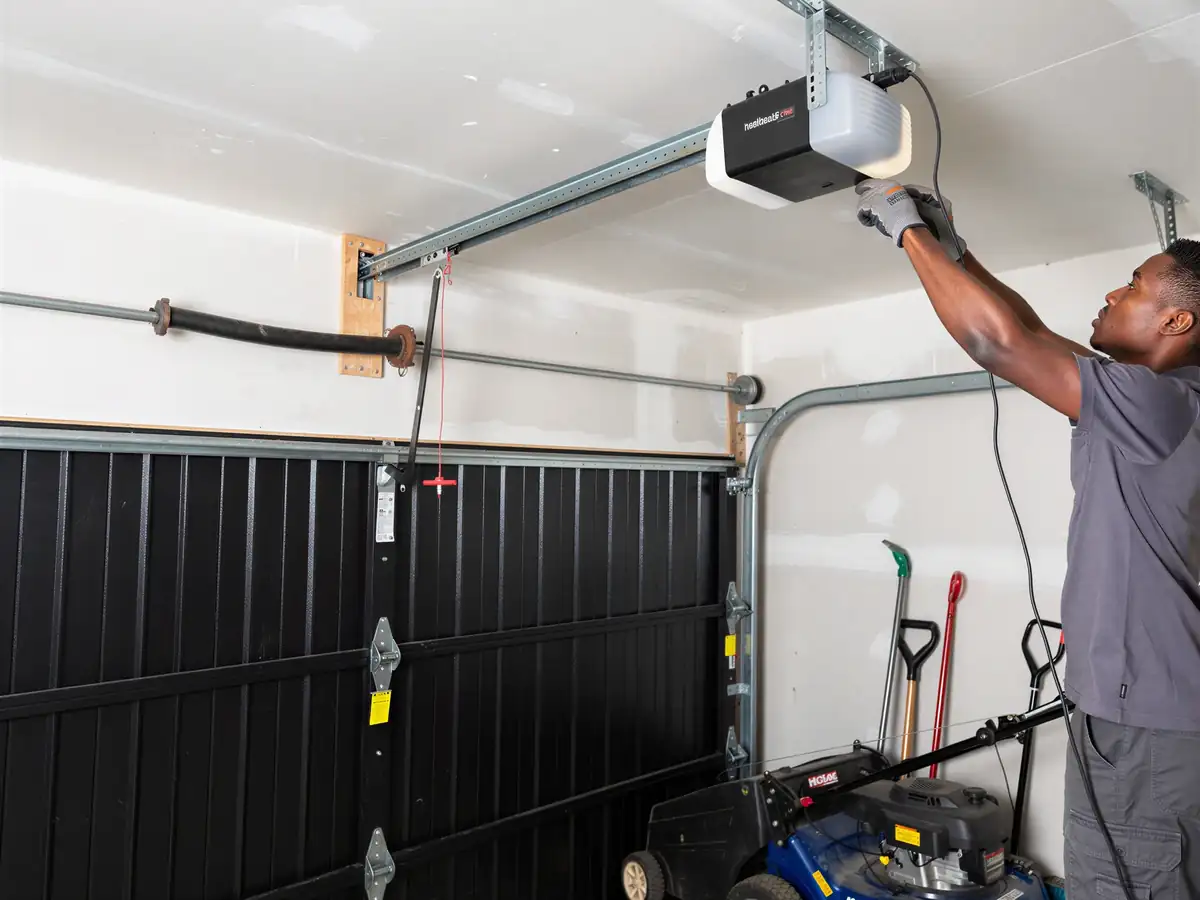
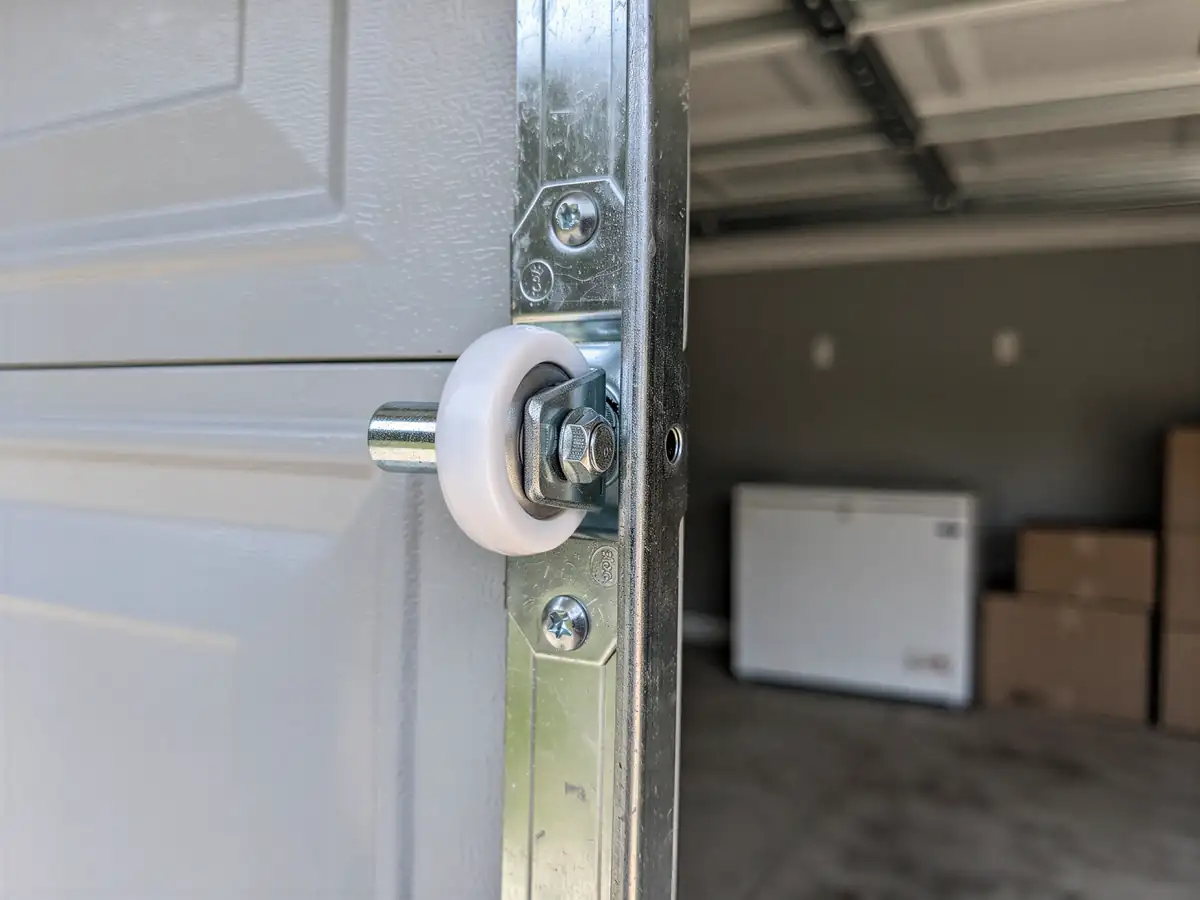
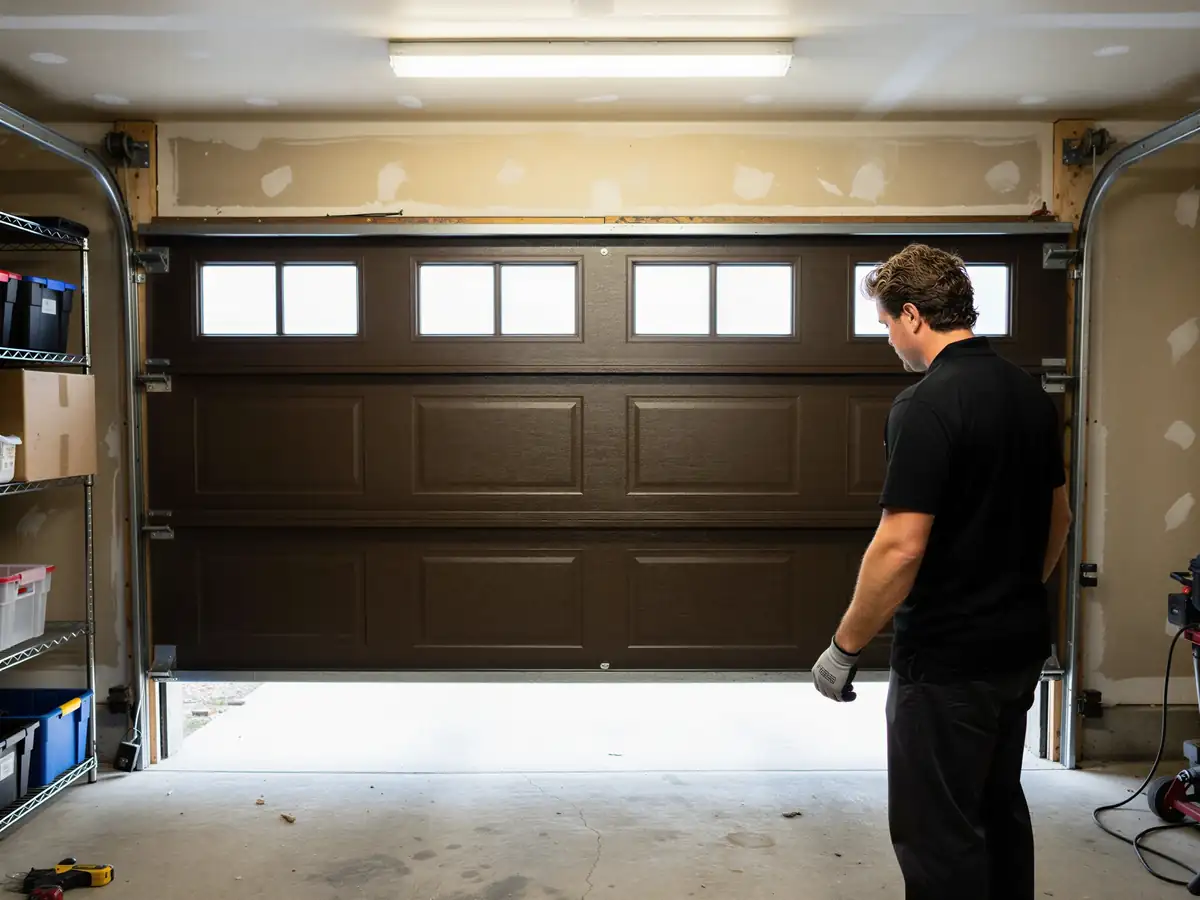
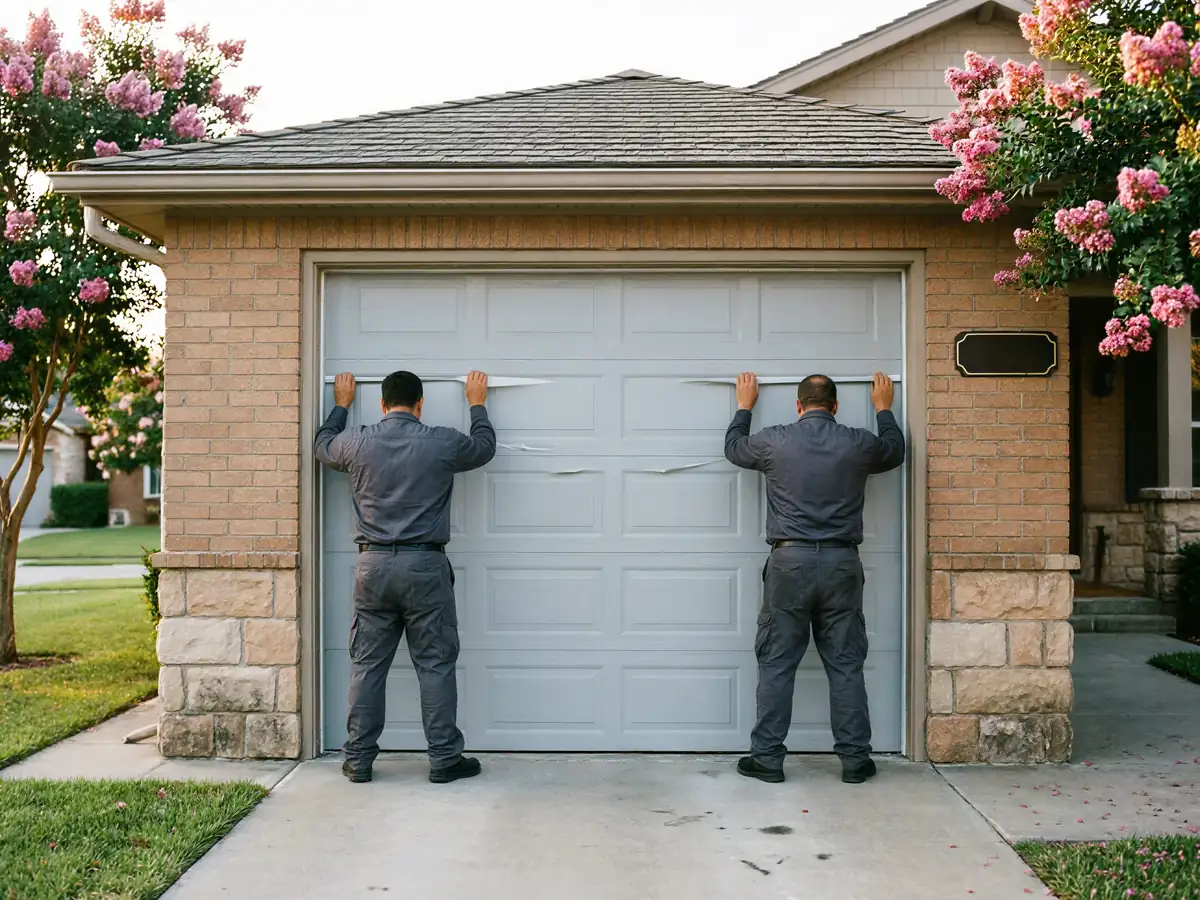
A panel replacement itself is straightforward on paper - unbolt the damaged section, pull the hinges and rollers off it, bolt on the new piece, reset the hinges, check the track alignment. Where it gets slower is matching the panel to a door that's been on the house since the 1960s or 70s. Steel gauges changed over the decades, and so did panel widths and the hinge spacing on sectional doors. We don't swing by for a quick look and come back later with parts - we bring the likely candidates on the same trip out from Enid.
Why This Fails Locally
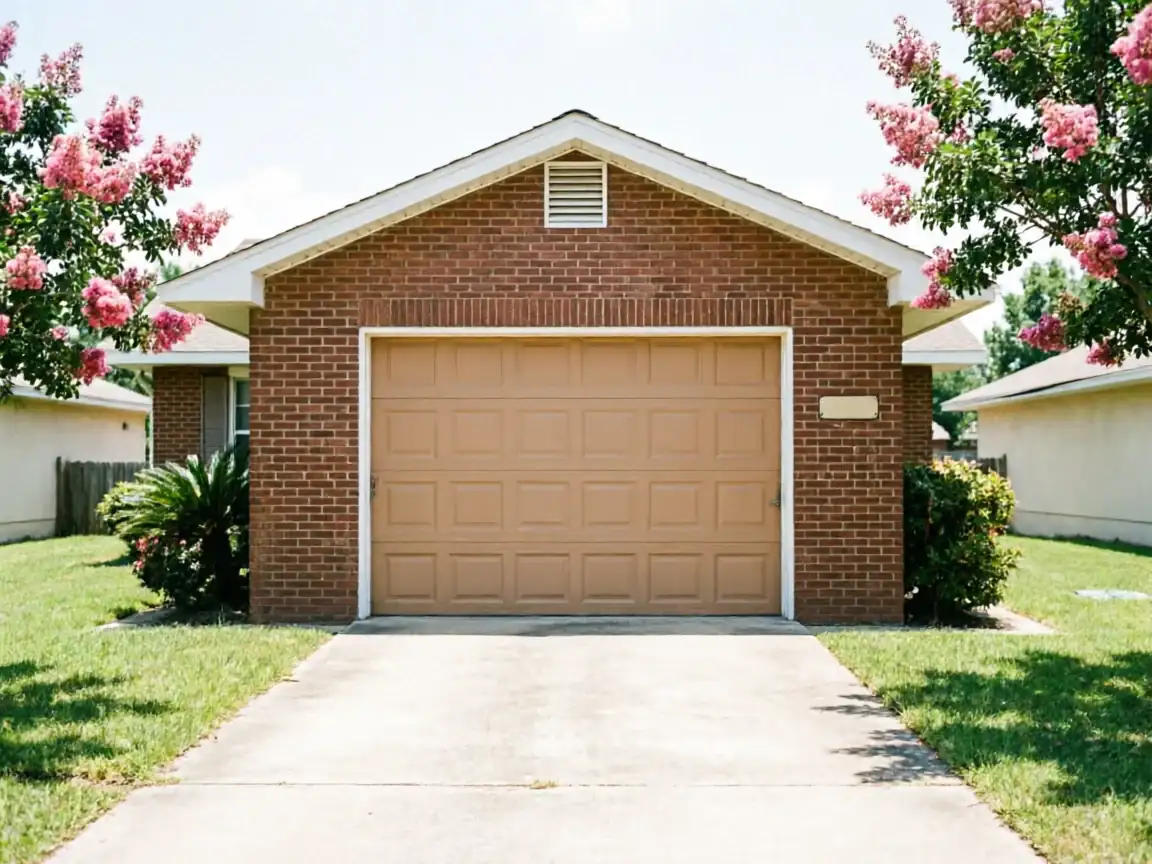
Housing across this area was mostly built between 1956 and 1981, with the median landing right around 1972, and Pond Creek's homes sit squarely in that window. A door installed or replaced once in that era is now past 50 years old on the original track and hardware in a lot of cases, even if the panels themselves got swapped once along the way. That's long enough for steel to thin out from rust at the bottom panel, where splash and snowmelt sit against it season after season.
The climate here is cold-moderate, which means freeze-thaw cycling through the winter months rather than one hard freeze and done. Water gets into a seam or a ding in the panel, freezes, expands the metal fatigue a little more, and by spring you've got a panel that won't sit flush in the track anymore. On a door from this era, that's usually the bottom one or two panels - they take the brunt of road splash, lawn equipment, and the occasional backed-into mishap. Garage doors that age don't fail evenly across every panel; they fail where moisture and impact concentrate.
Parts We Carry
Because the housing stock in Pond Creek and the surrounding area mostly dates to that 1956-1981 window
We carry panel stock sized for the sectional doors common to that build era, along with the matching hinges and roller brackets. What we don't carry on the truck is every obsolete panel profile from every manufacturer that's come and gone since the 1960s - if your door is an older model with a discontinued panel line, that's a part we may need to source before we come back out, and we'll tell you that on the phone rather than let you find out on site.
We also carry basic insulated and non-insulated panel options for newer doors
Since not every house here has kept its original door - some have been replaced outright over the years. The honest limit: if a specific panel needs a special order from the manufacturer, that adds time beyond the visit, and we'd rather say so up front than promise a same-trip fix we can't deliver.
What It Costs
We don't publish a flat price for panel replacement because the cost depends on what panel your door actually takes and how many sections need to come off. A single bottom panel swap on a common sectional door runs differently than replacing two panels on an older, less common profile that needs a special order. What we can tell you without seeing the door: homes in this area built in the 1960s and 70s tend toward standard-width sectional doors, which keeps parts costs more predictable than on custom or oversized doors.
Median household income across the wider service area sits around $63,869, and Pond Creek's own number runs closer to $60,208 - we mention that because it's part of why we quote the job plainly on the phone before we drive out, rather than padding an estimate for the trip.
Time on the Job
Once we're on site in Pond Creek, a single-panel swap on a standard sectional door is usually the fastest part of the visit - the slower part is the 18-mile drive each way from Enid. That's why we try to get the full picture on the phone first: how many panels, what the door looks like, roughly how old. With 304 households in Pond Creek itself, we're not making this trip constantly, so we'd rather load the right parts once than make a second run for a panel we should have brought the first time.
If we show up and the damage is worse than described - say a track that's bent along with the panel - that adds time on site, but it doesn't usually turn into a second trip. We'd rather finish the job in one visit than leave with a door that's only half fixed.