What the Repair Takes
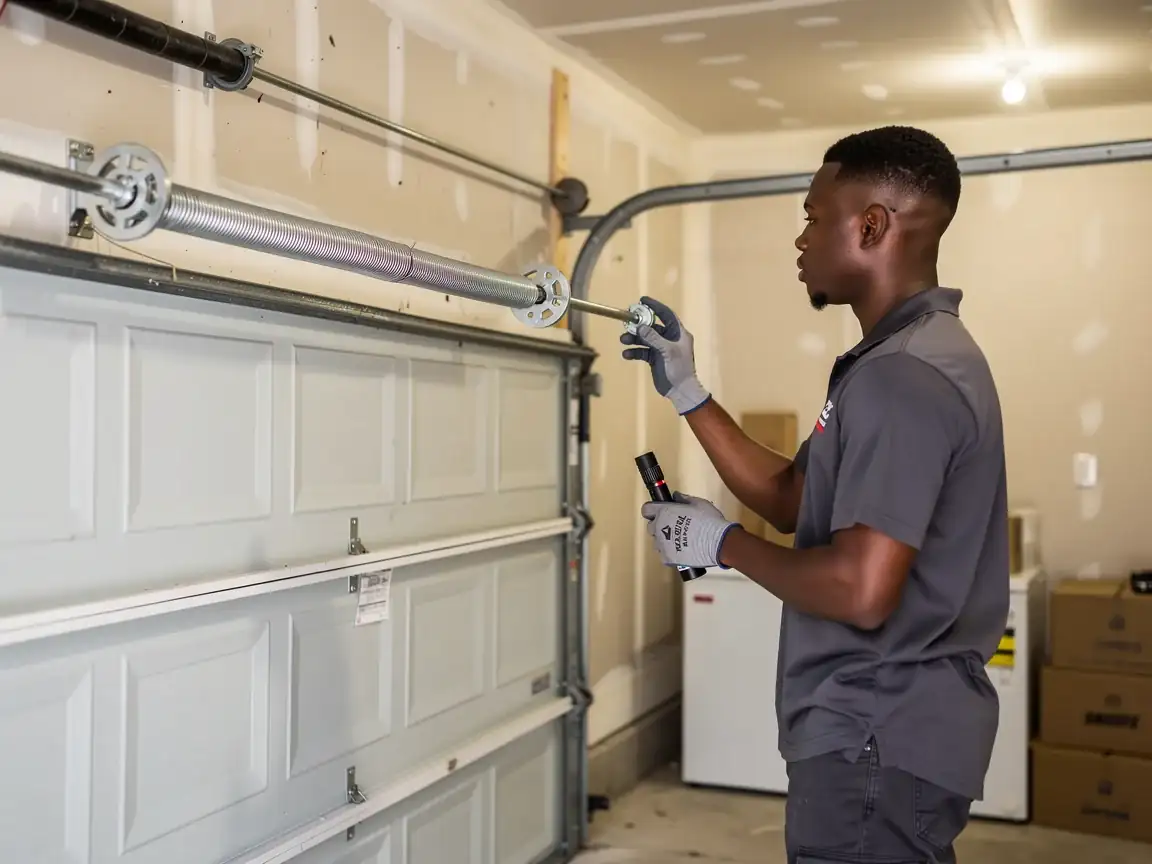
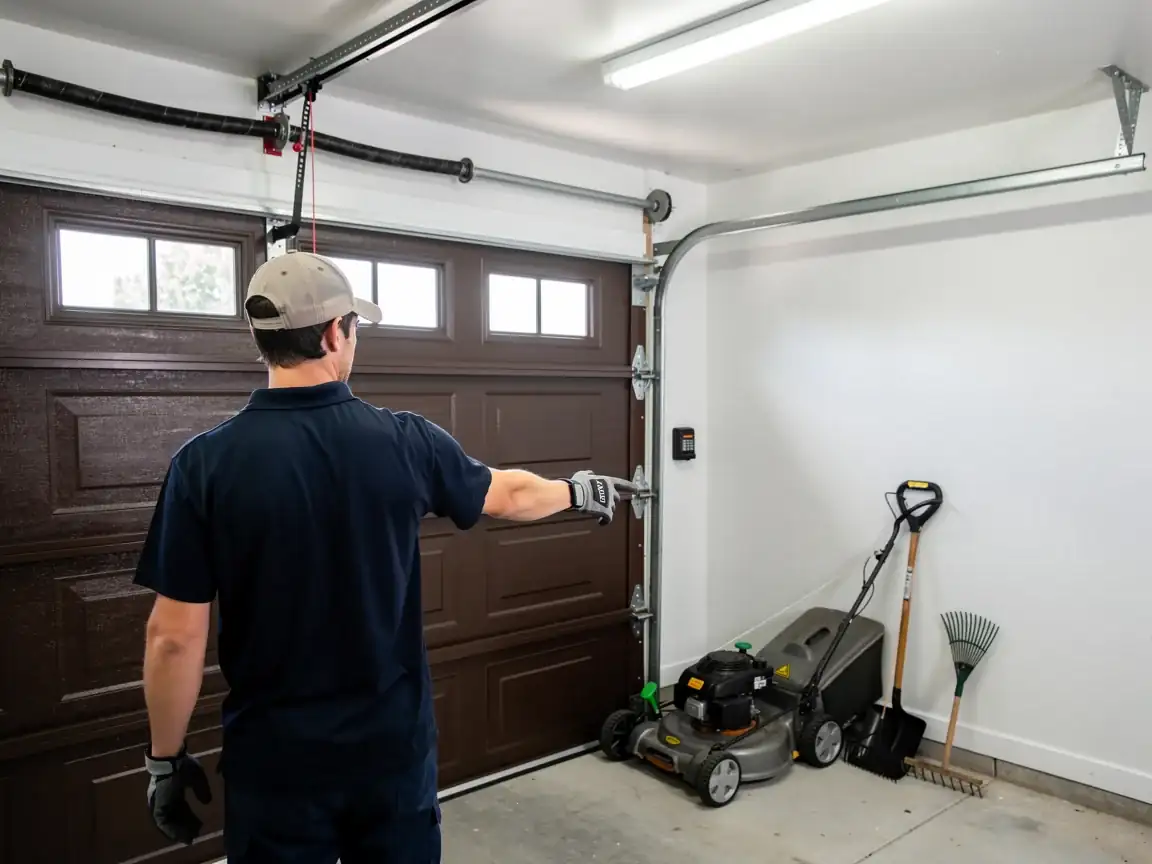
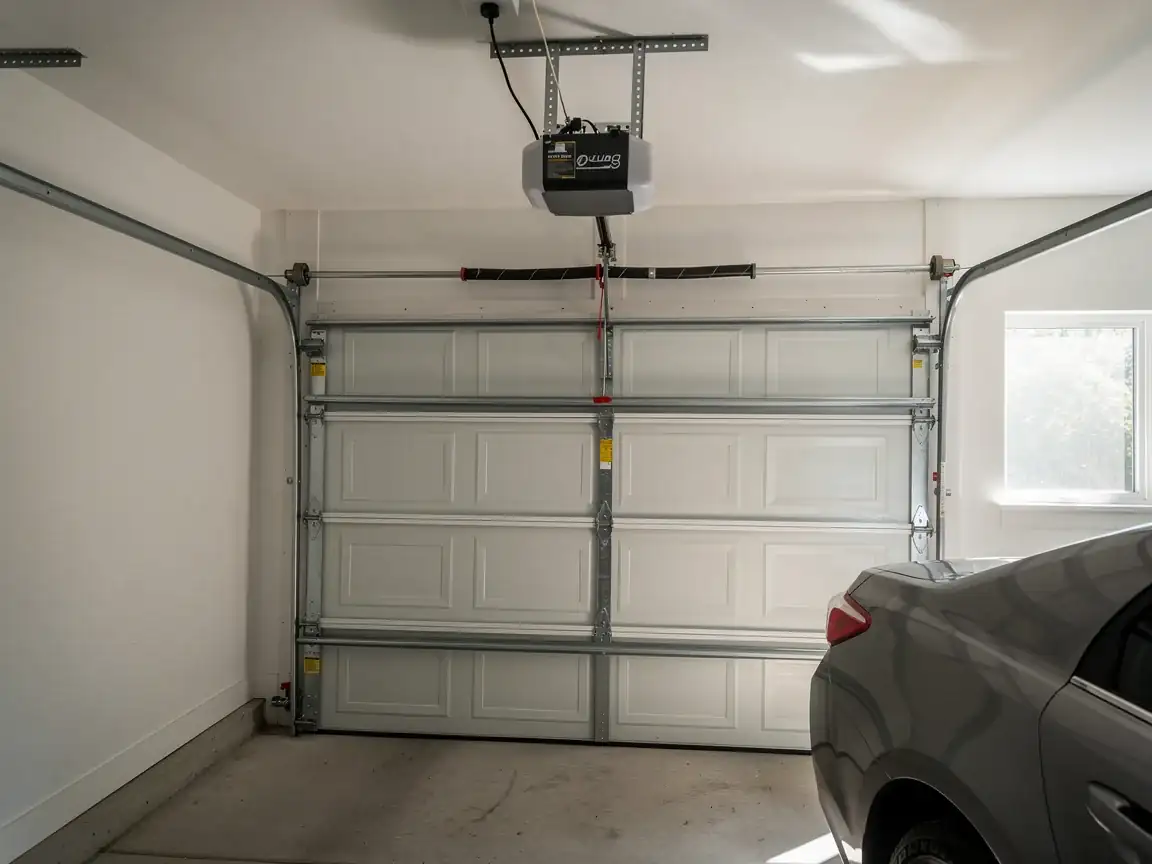
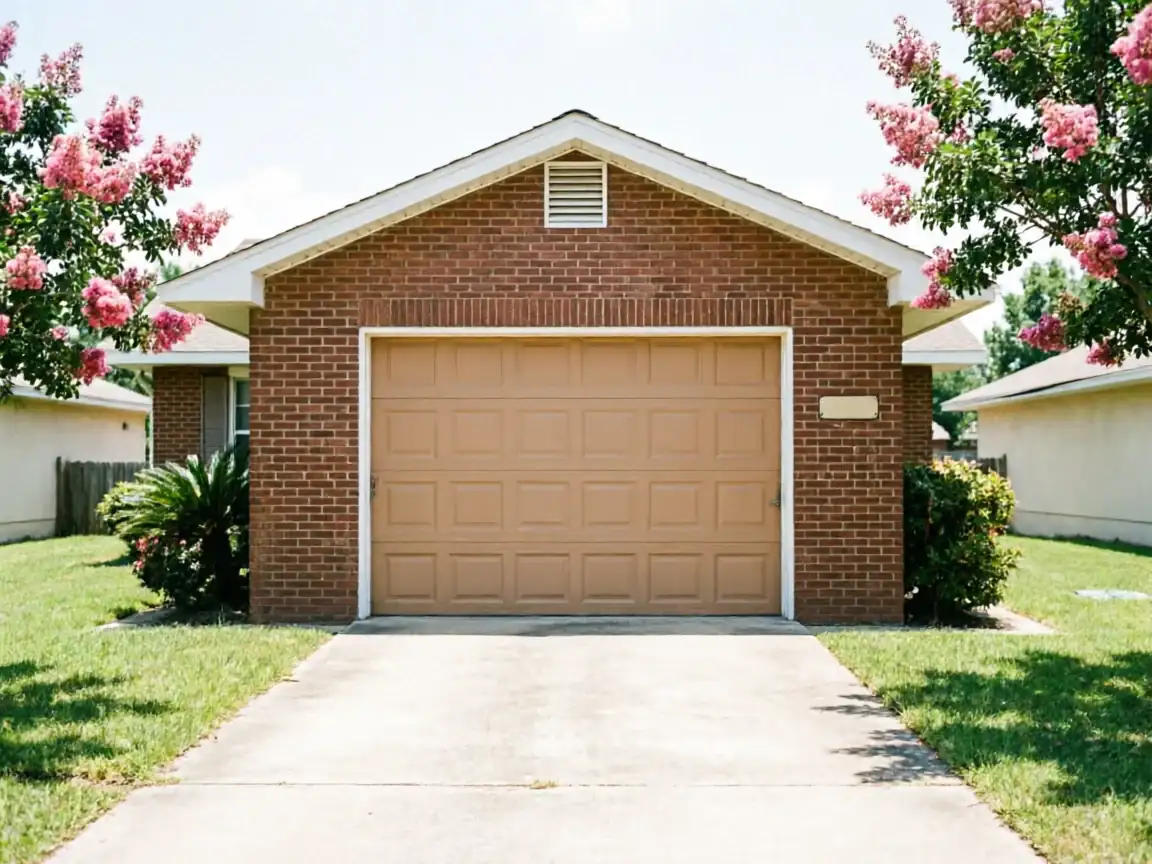
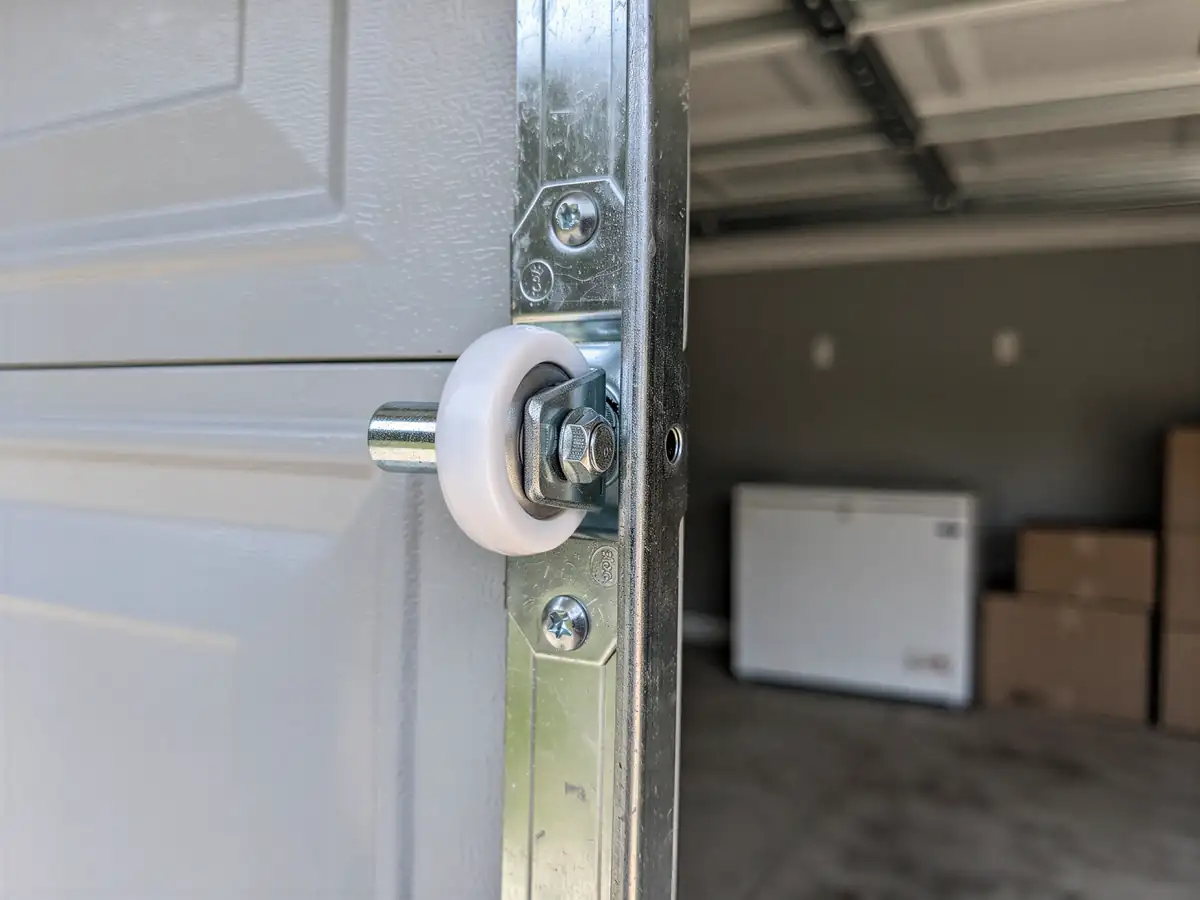
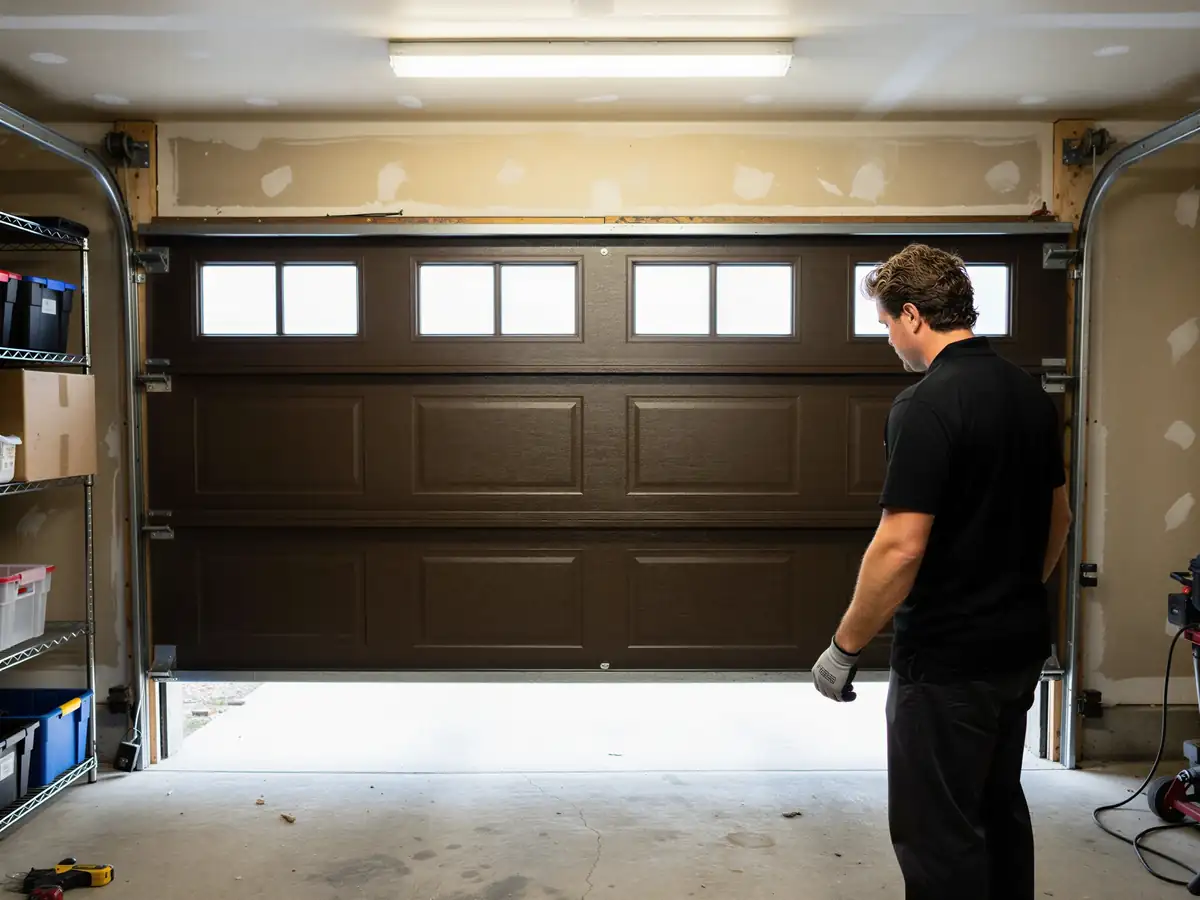
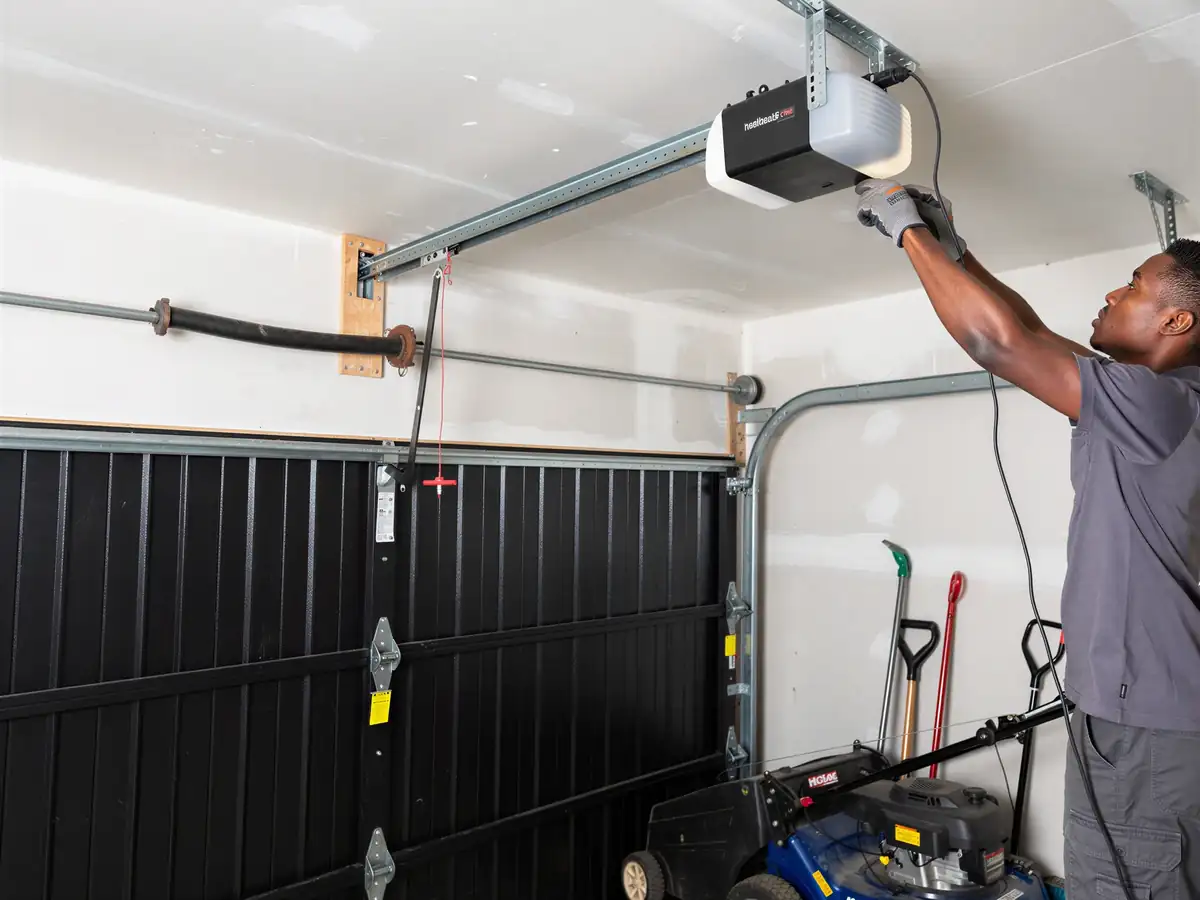
Most of Pond Creek's garages went up when the town's housing stock was centered on 1972 - part of the wider 1956-1981 build window across this service area. That year put a specific kind of opener over the door: a chain-drive unit on a bare steel rail, bolted to ceiling joists with no dedicated circuit and no photo-eye safety sensors, because those weren't required yet. Swapping that unit for a modern opener isn't a straight bolt-in. We're usually pulling old mounting brackets that were never meant for a belt or screw-drive head, running a new circuit where the old setup shared a light fixture outlet, and adding the photo-eye pair and wall console that current code expects. On a double door, we also check whether the header can carry a heavier unit without new bracing. None of this is dramatic work, but it's not a ten-minute box swap either, and a crew that doesn't expect 1970s framing underneath can run into surprises partway through.
Why This Fails Locally
Old chain-drive openers in this town don't usually die all at once - they grind down. Cold snaps stiffen the grease in a forty-plus-year-old gearbox, and nylon drive gears from that era were never built to flex in freezing-to-thawing swings the way the newer composite gears are. Add in a service area climate that sits in the cold-moderate band, and you get the seasonal pattern we see every winter: openers that worked fine in October start grinding, stalling halfway up, or tripping the breaker on a cold January morning. With 304 households in Pond Creek, a lot of that original 1970s equipment is still installed, just worn further down the same curve. It's not a Pond Creek-specific defect - it's the predictable end of hardware that's been running since the Nixon administration, in a climate that doesn't let it rest.
What It Costs
We don't have a posted price for opener installs here, and we're not going to make one up to fill space. Pricing on an opener swap depends on whether your garage needs new wiring, new rail brackets for 1970s framing, or reinforcement for a heavier unit - all things we check before we quote, not after. What we can tell you is the local context behind the number: Pond Creek's median household income runs $60,208, below the wider service area's $63,869, which is part of why so many garages here are still running on original hardware instead of a full replacement. We size the job to the house, not to a flat rate.
Time on the Job
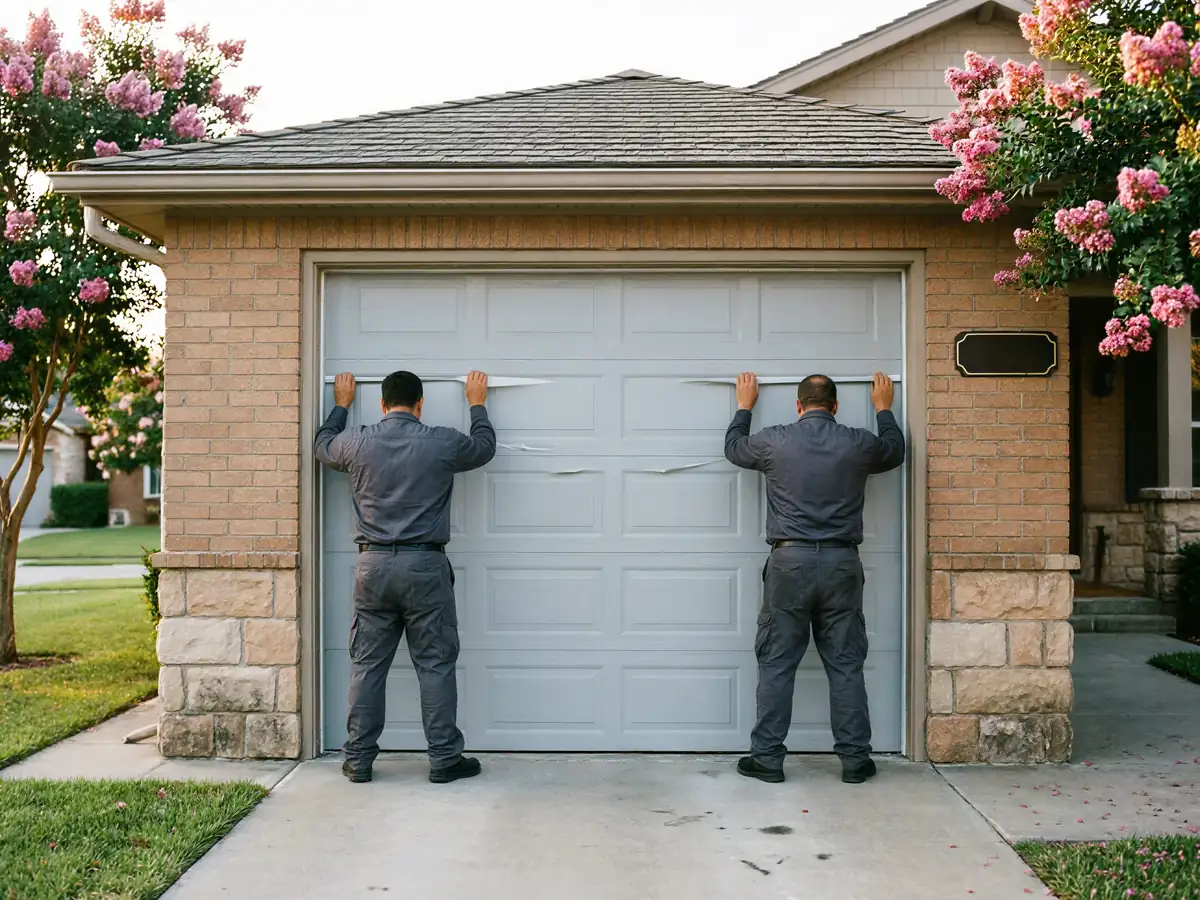
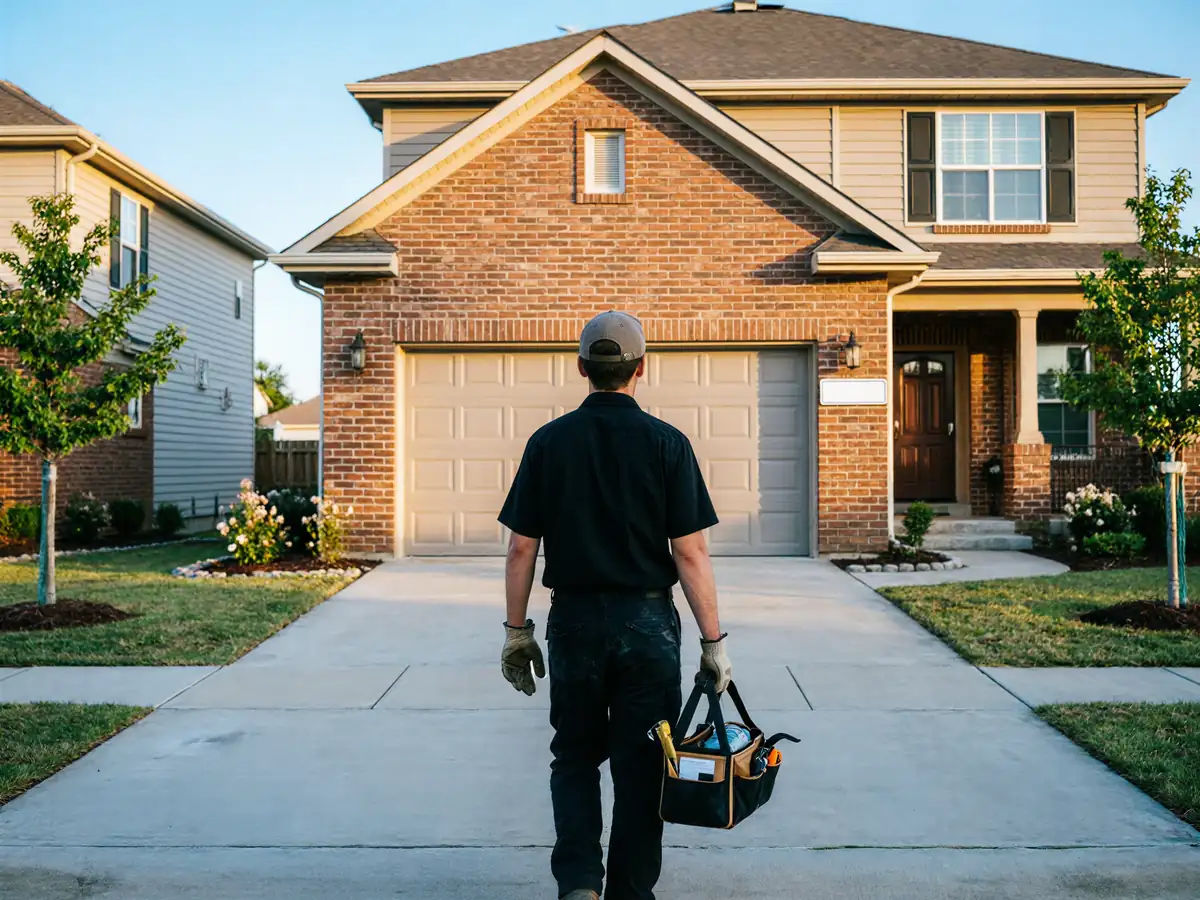
Pond Creek sits 18 miles from our shop in Enid, so a visit here gets scheduled as a routed trip, not a same-hour drop-in - we're clear about that up front rather than promising something we can't deliver from that distance. Once we're on site, a straight opener swap on existing rail usually runs a few hours. If we're also rewiring, adding bracing for a heavier header, or tracking down an odd 1970s bracket pattern, it runs longer. We'd rather tell you a job will take the afternoon and be right than guess short and leave your car in the driveway overnight.