What the Repair Takes
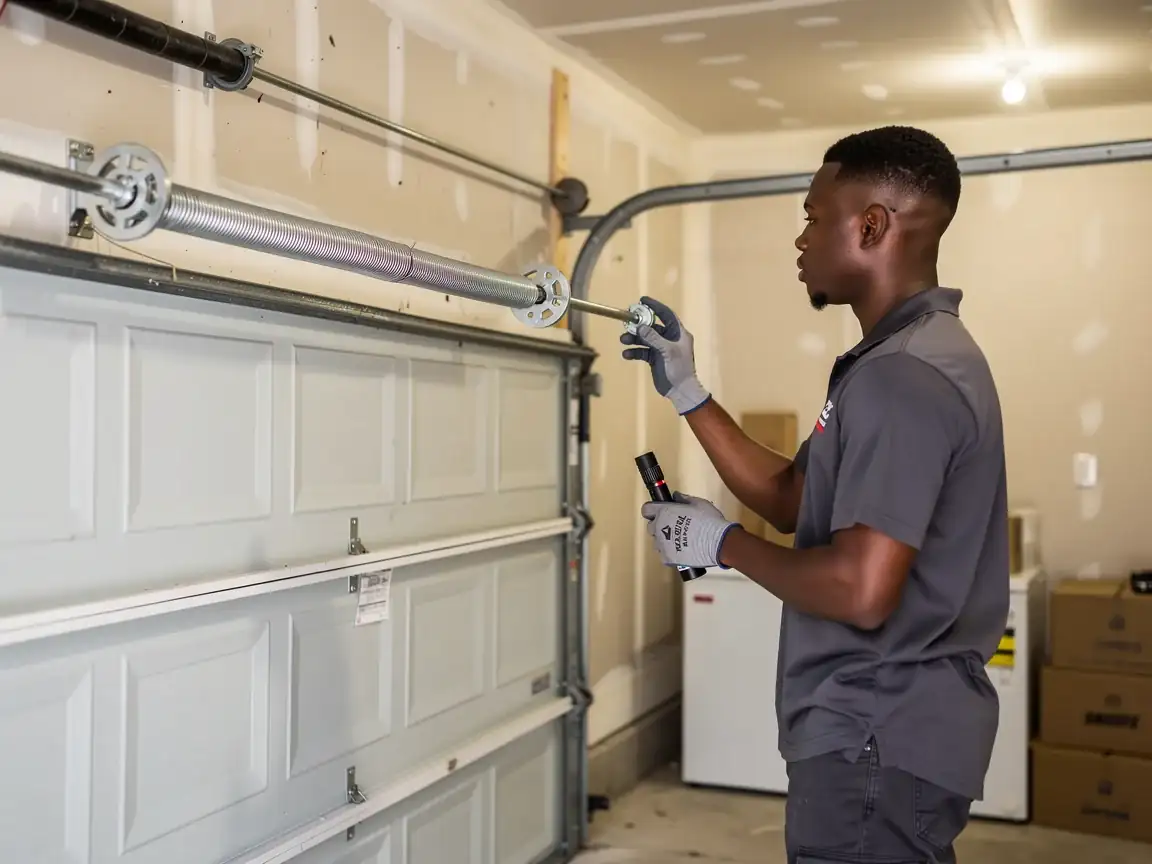
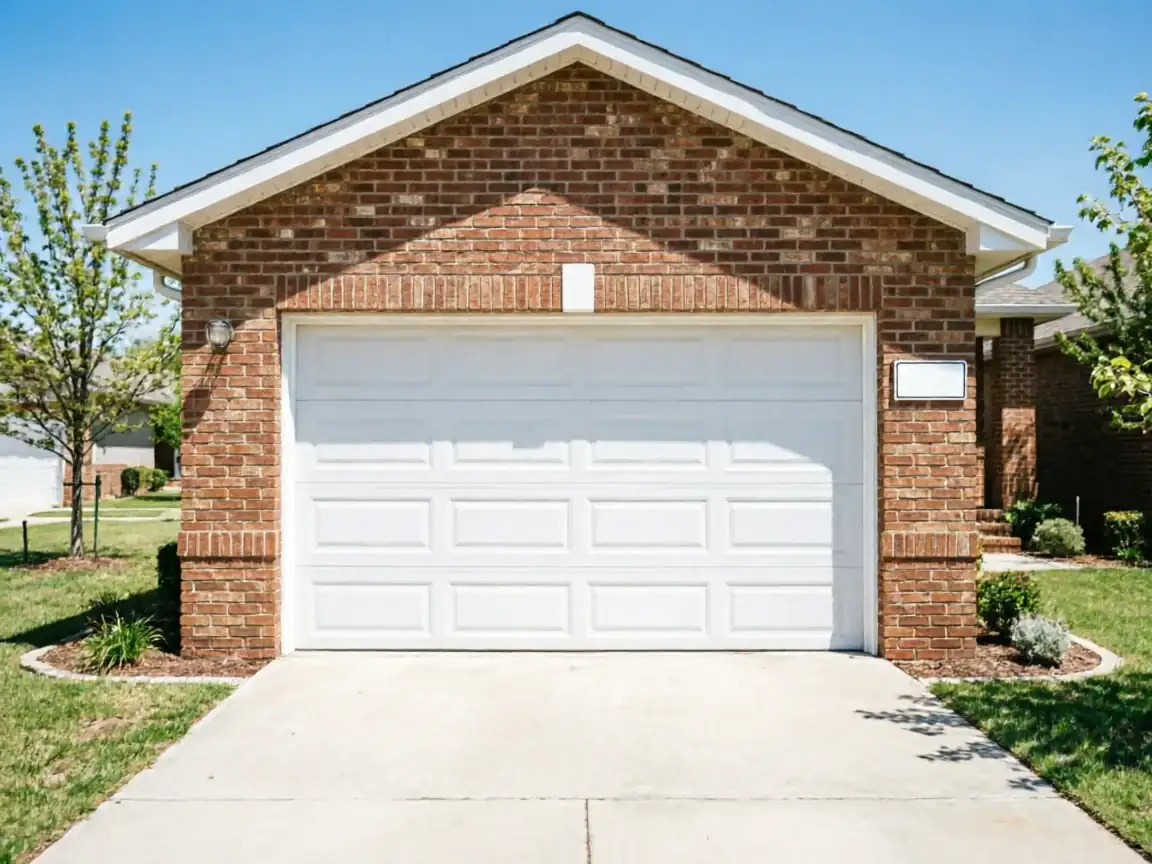
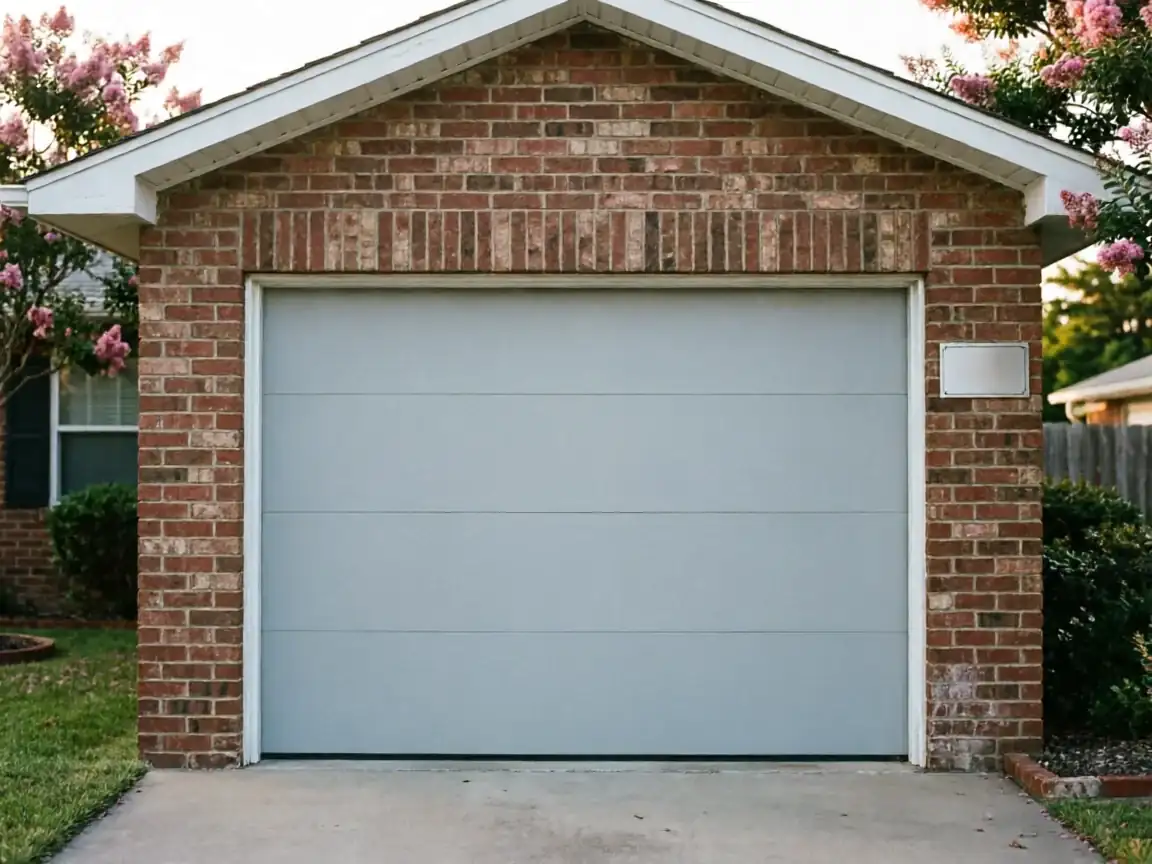
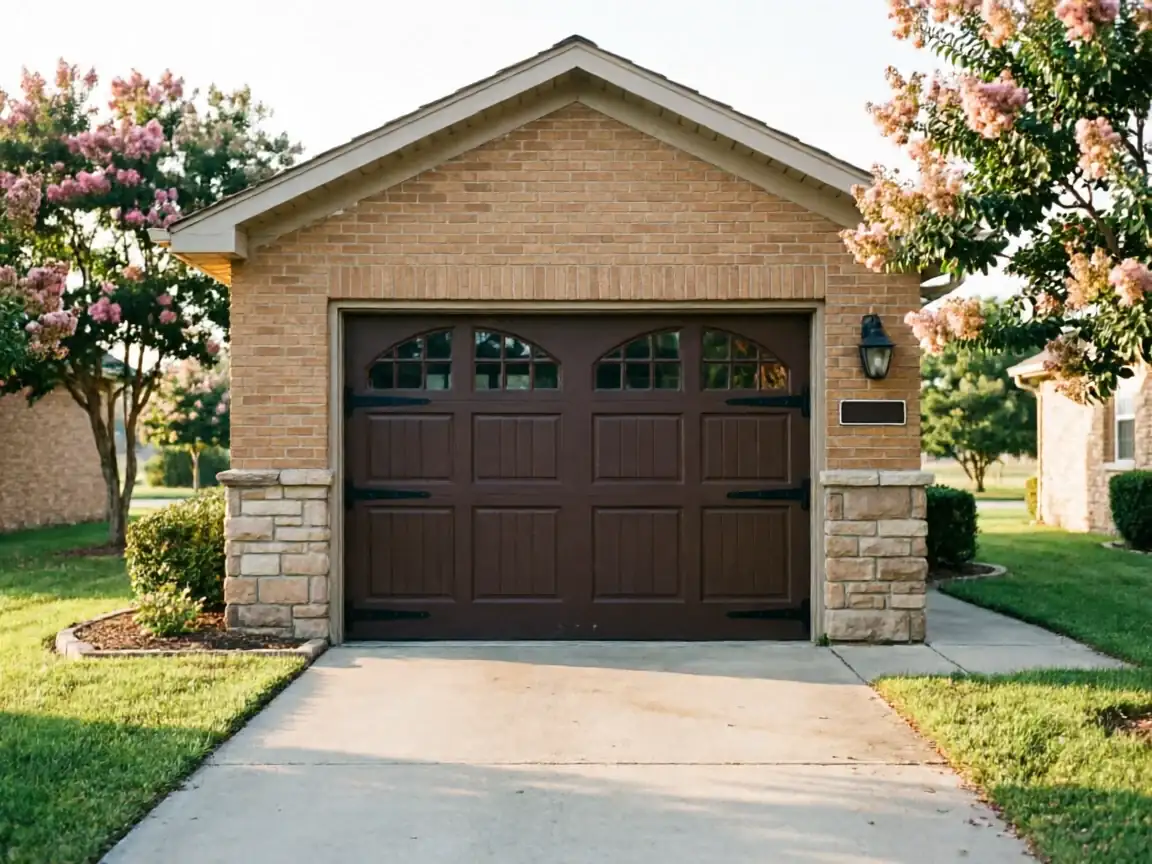
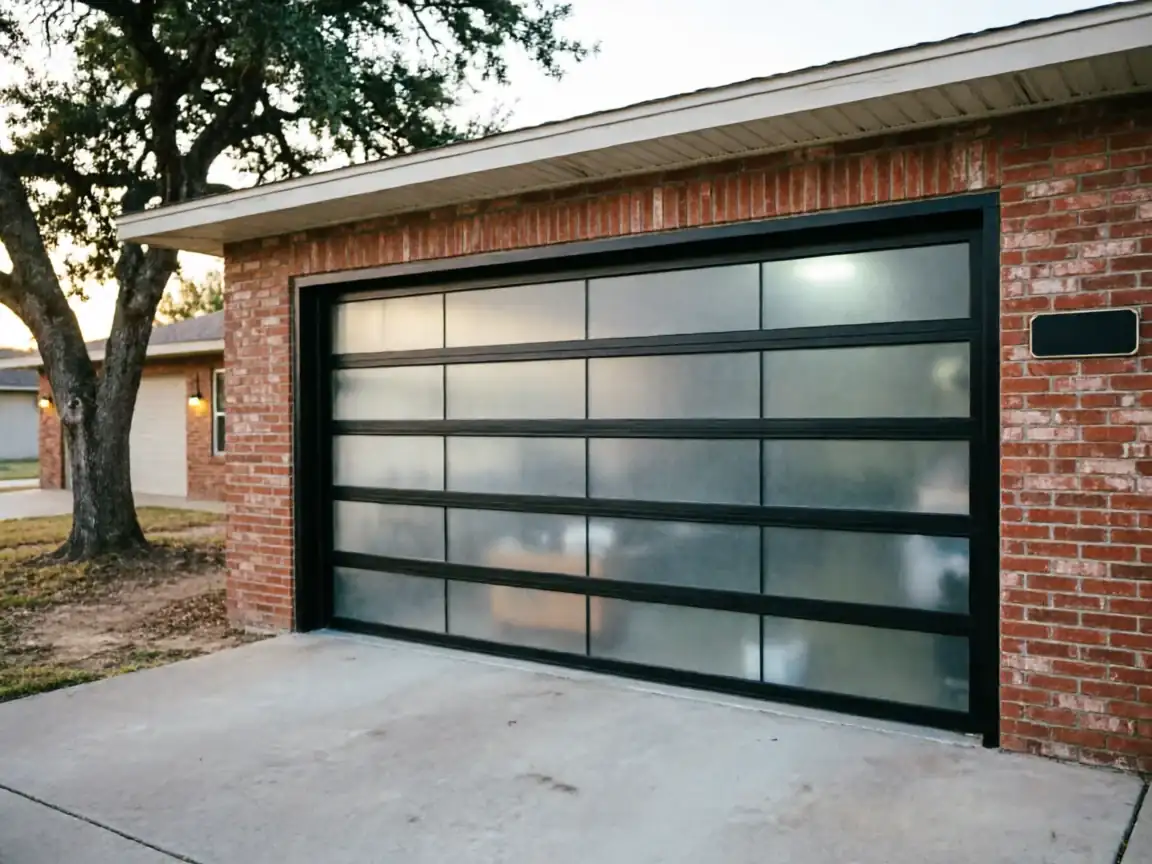
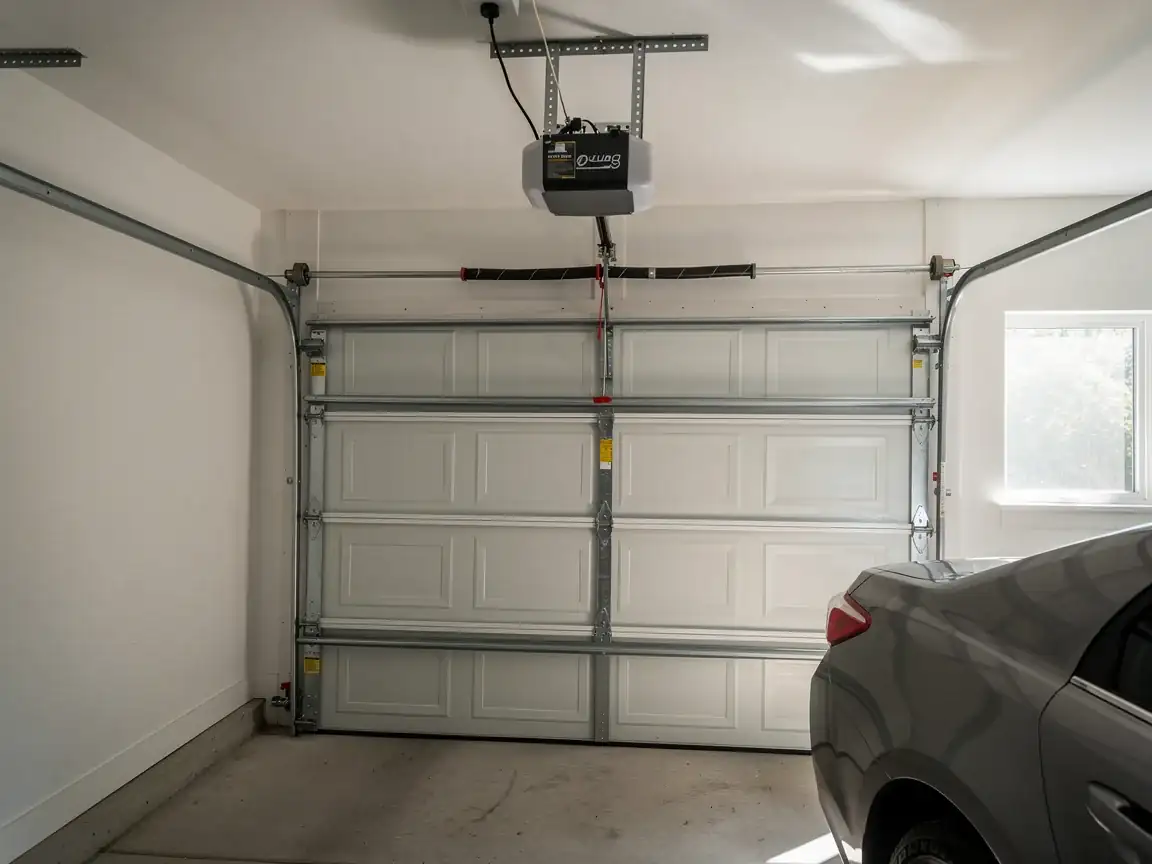
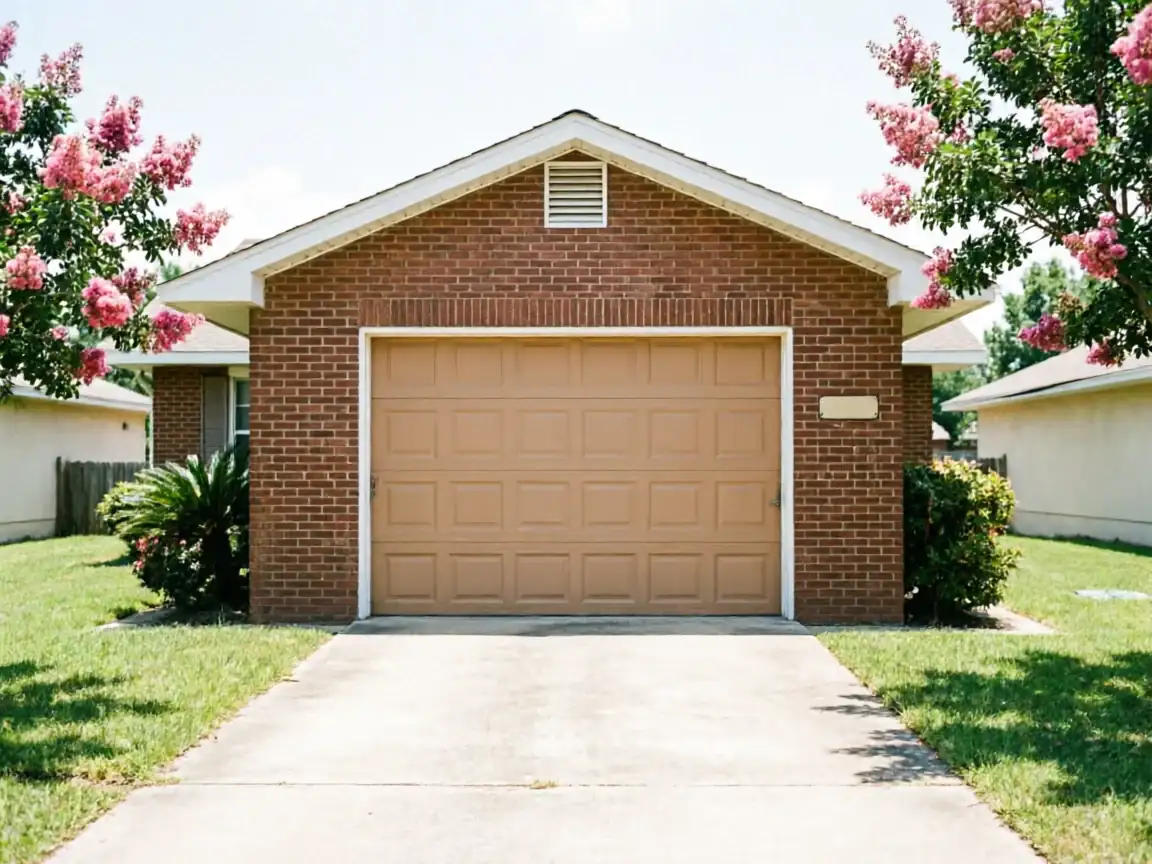
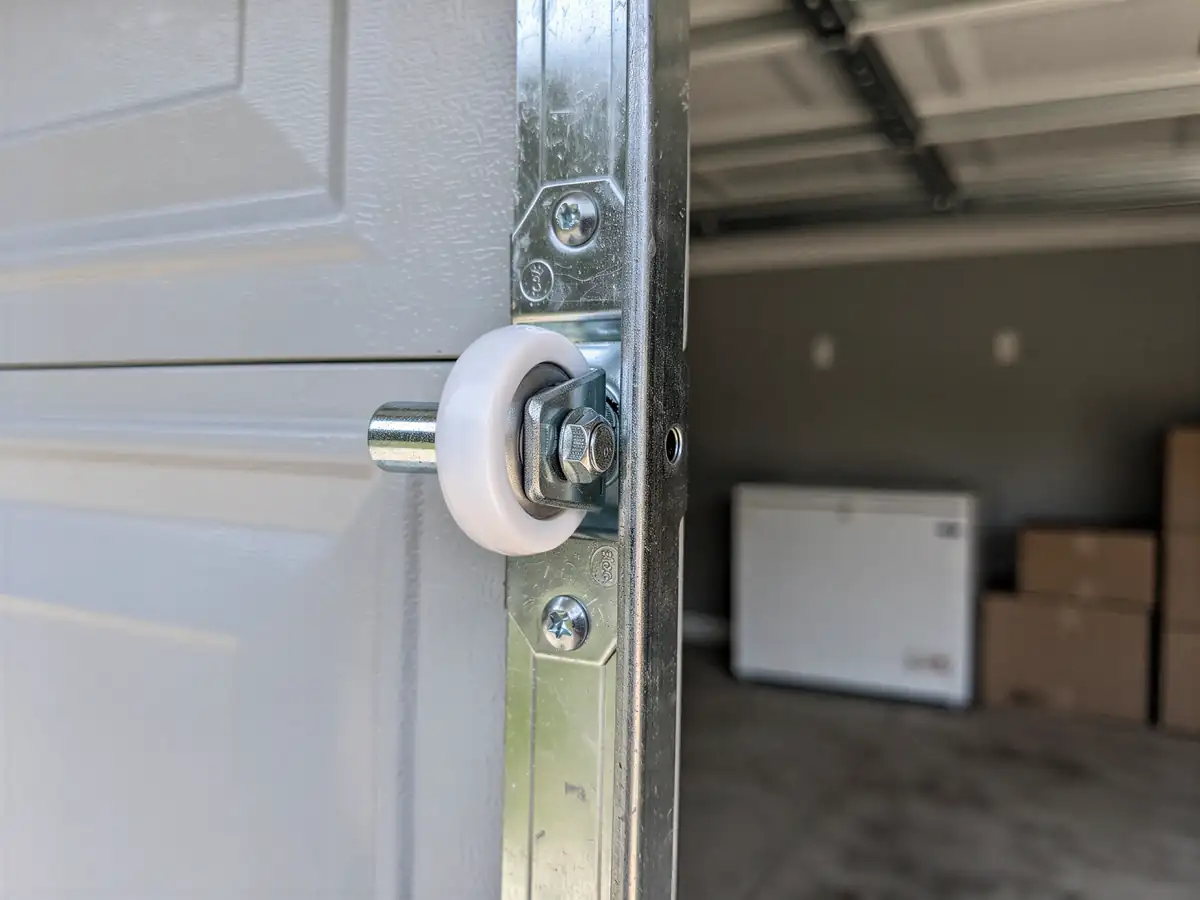
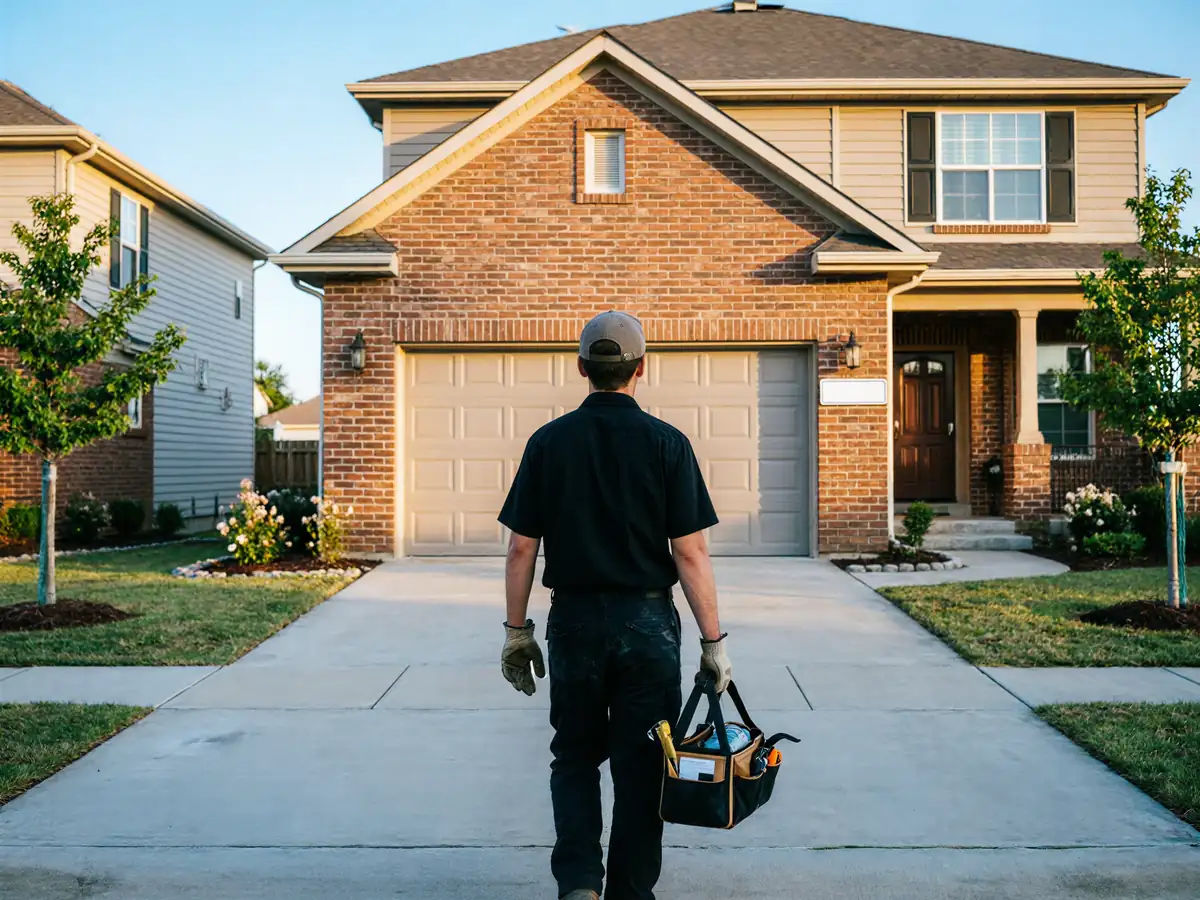
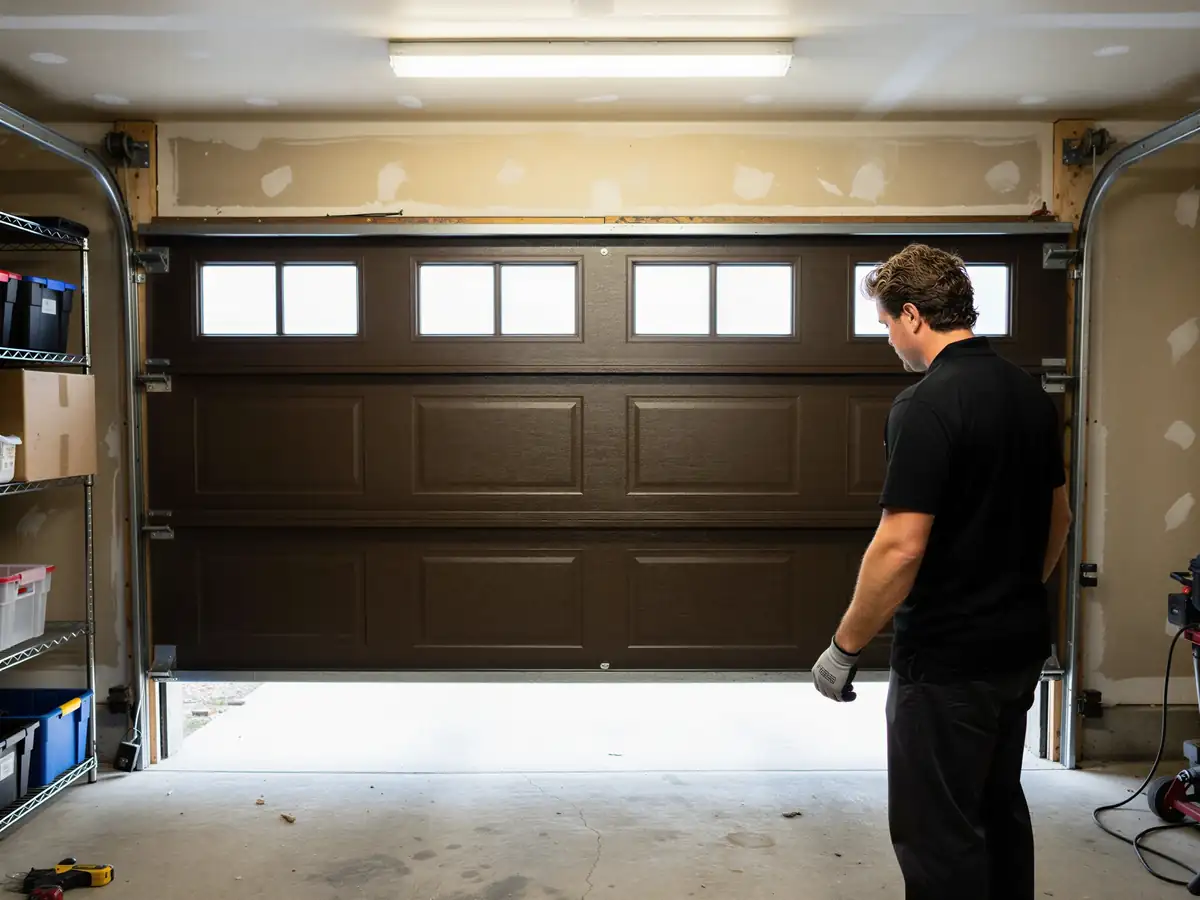
Waukomis's houses cluster around a 1975 median build year, which puts most garages right in the middle of the extension-spring-and-loose-pulley era before torsion conversions became standard practice. A maintenance visit on a house like that starts with checking spring wind and cable condition rather than assuming a torsion bar sits over the door. We also check the track alignment on these older jambs, since 50 years of settling moves a frame more than people expect. None of this is exotic work, but it's different work than what you'd do on a door installed in the last decade, and treating it the same way misses the actual wear points. The opener, if it's been replaced at all, is usually newer than the door and hardware around it, which creates its own mismatch - a modern opener fighting old rollers and a worn idler pulley works harder than it should and burns out sooner. We note all of this on the visit so you know what's original and what's been swapped.
Why This Fails Locally
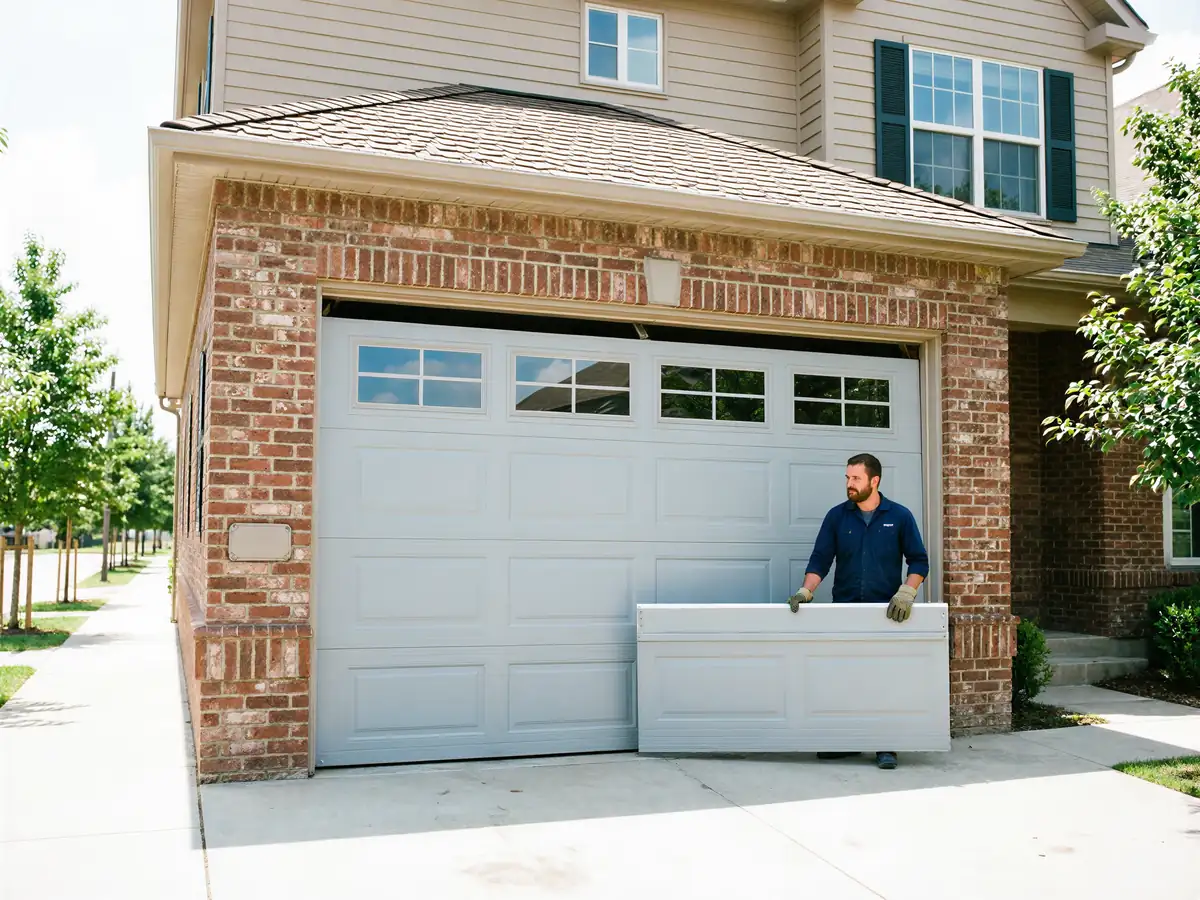
This part of Oklahoma sits in a cold-moderate climate band, and houses built in the early-to-mid 1970s weren't insulated or sealed with that in mind the way newer construction is. Steel sections from that era warp more at the bottom panel from ground moisture and temperature swing, and the weatherstripping manufacturers used then wasn't built for 40-plus years of freeze-thaw cycling. We see the bottom seal crack and the panel below it rust from the inside out before anything else on the door shows a problem. Extension springs from this build era also don't hold tension as evenly as torsion systems do, so the door can feel like it's dropping unevenly on one side well before a cable actually breaks. None of this is unique to one house - it's a pattern tied to when this part of town was built and what builders used at the time, which is also why a maintenance check here looks for different failure points than one on newer housing.
Time on the Job
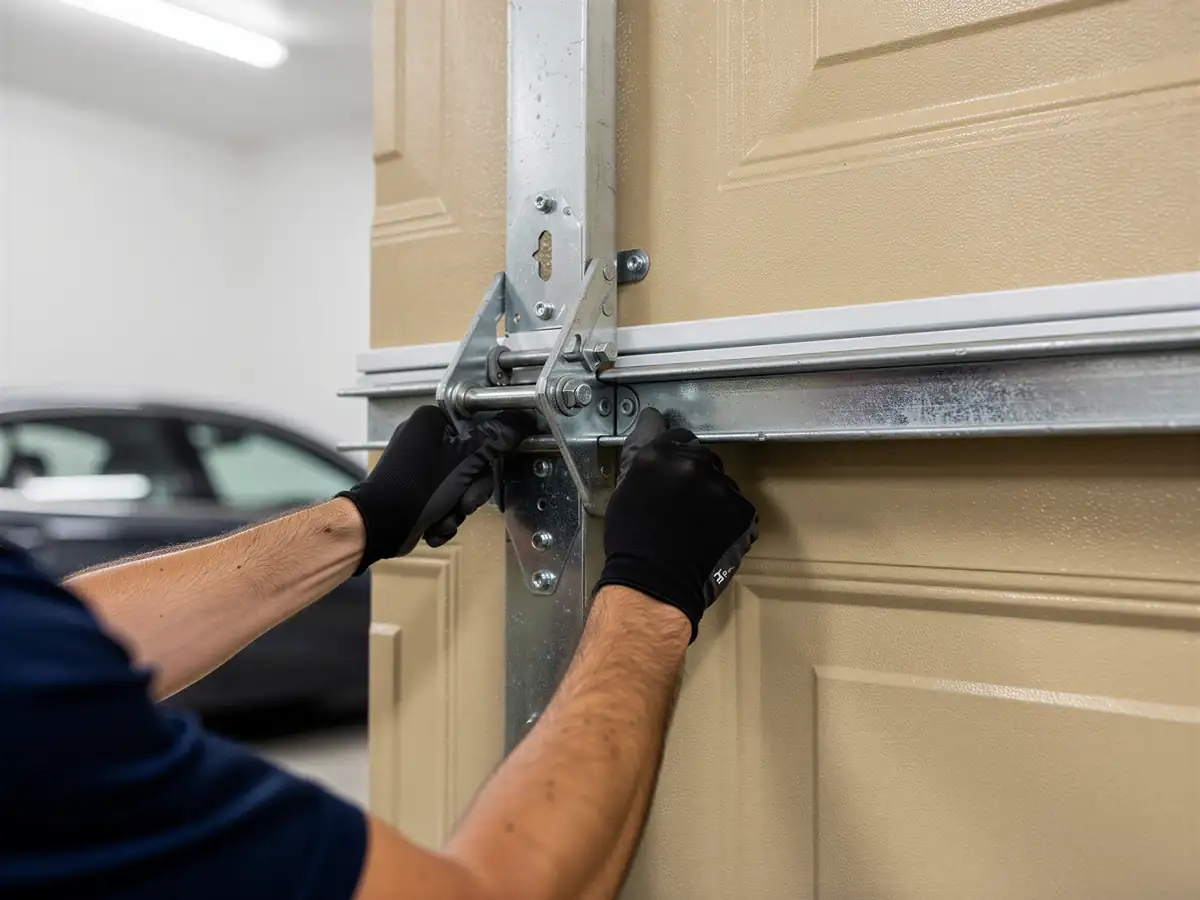
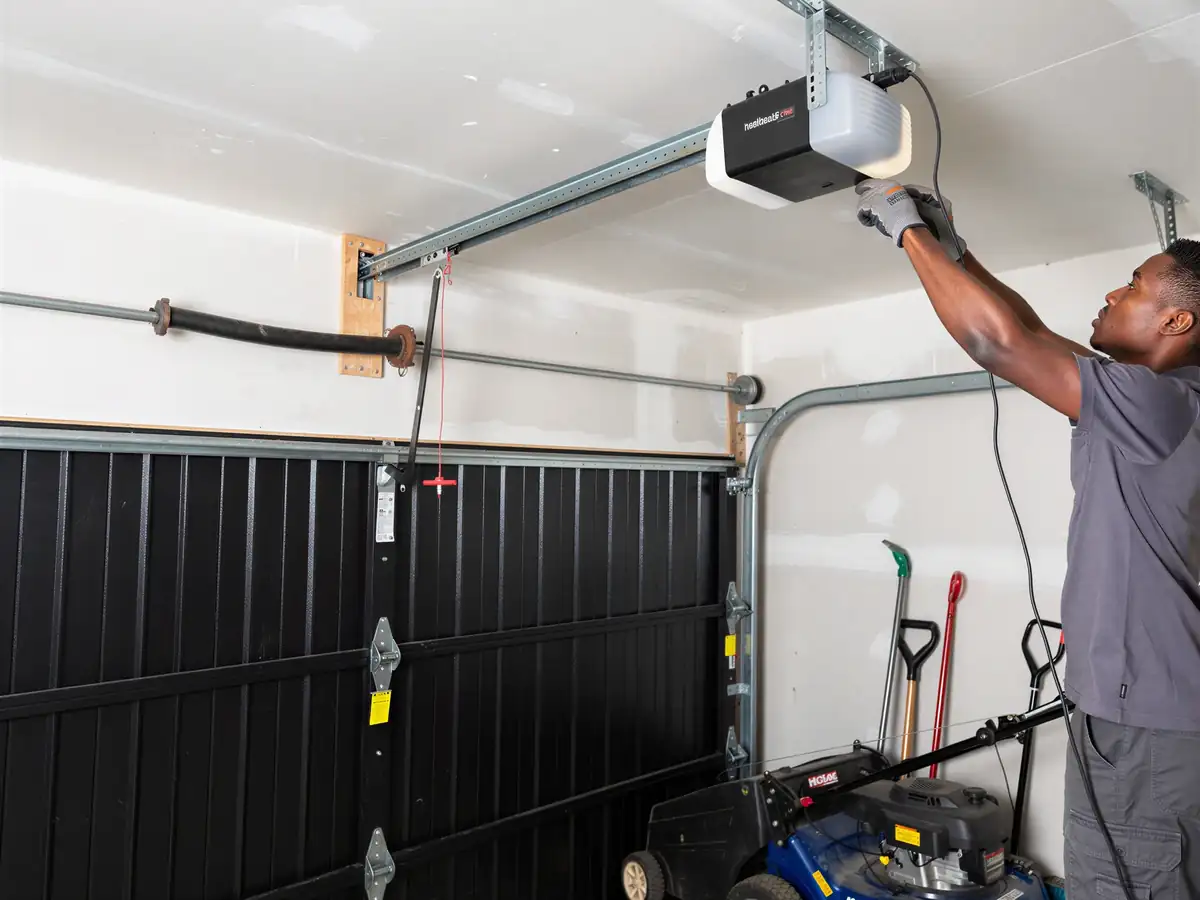
A standard maintenance visit - lubrication, hardware inspection, spring tension check, track alignment, opener safety test - runs about the same length of time whether the door is five years old or fifty. What changes on an older Waukomis door is how much we find once we're in there. A house built close to 1975 has had multiple decades to accumulate small issues that don't show up as a service call on their own: a hairline crack in a panel, a hinge worn oval instead of round, a cable starting to fray where it wraps the drum. We flag those during the visit instead of treating maintenance as a once-over. If something needs more than adjustment or lubrication, we'll quote that separately so the maintenance visit itself doesn't turn into an open-ended repair bill.
Can You Do This Yourself
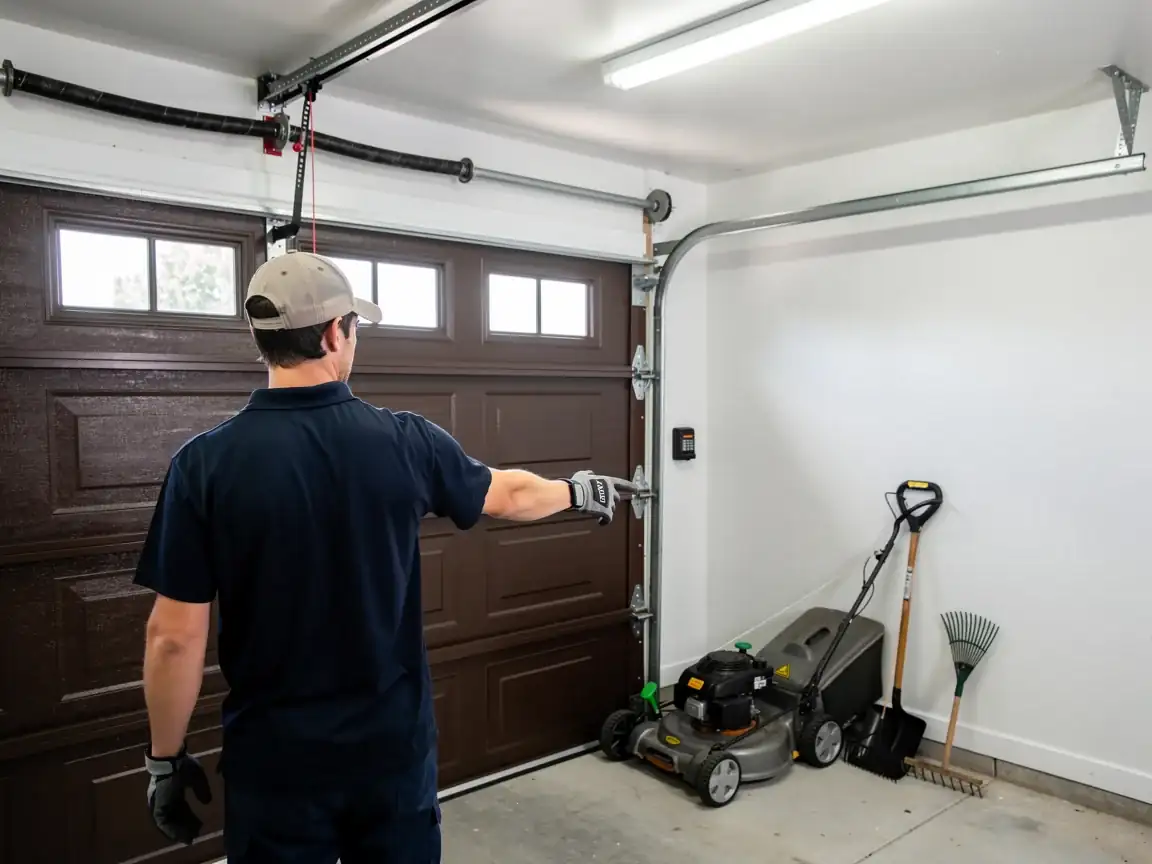
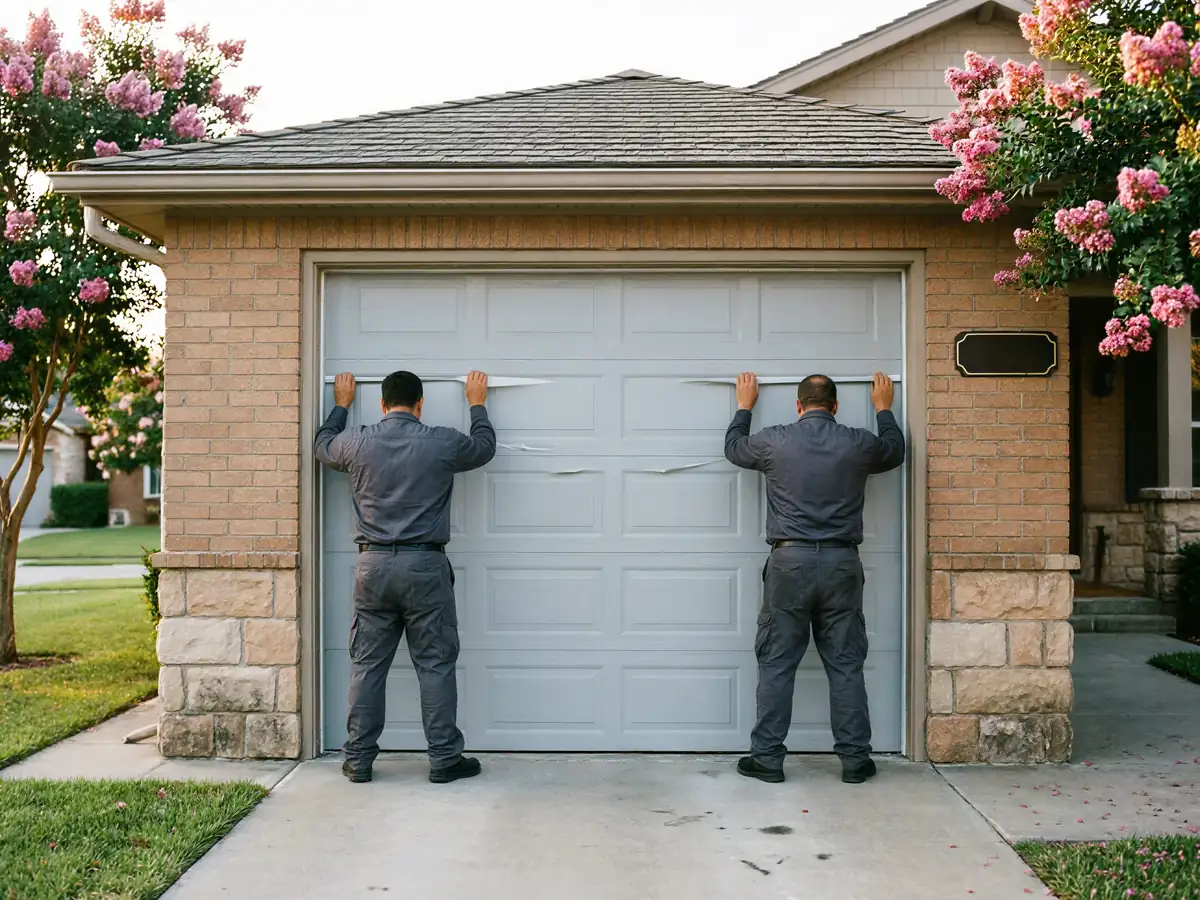
Lubricating hinges and rollers, checking the auto-reverse safety feature, and visually inspecting cables for fraying are all things an owner can do without tools beyond a flashlight. What you shouldn't touch is spring tension - on a door with original 1970s extension springs especially, the wind on those can let go with enough force to cause real injury, and there's no safe way to adjust that without the right bars and clamps. Track alignment is also a two-person, trained job once a door is out of square, because forcing a misaligned track back into place by hand usually bends it further. If you're doing your own basic upkeep between our visits, stick to lubrication and visual checks and leave the spring and track work to a call.