What the Repair Takes
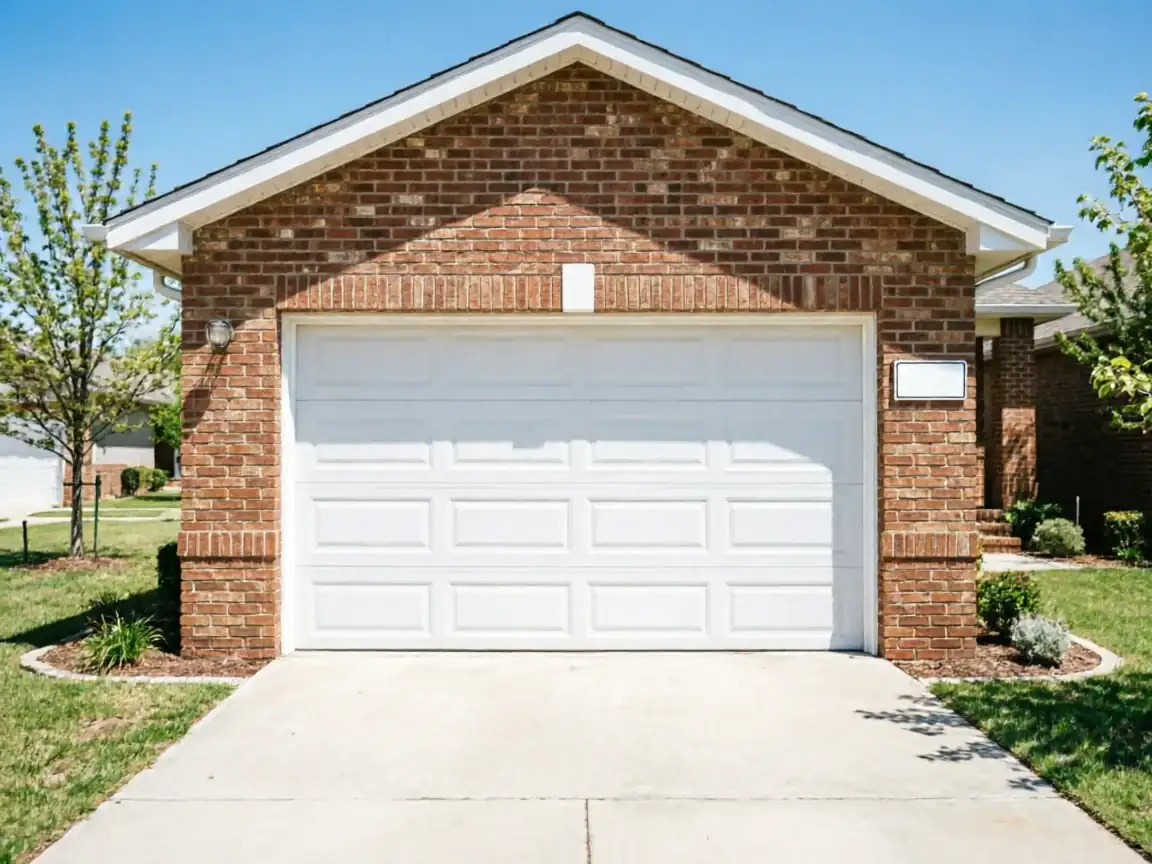
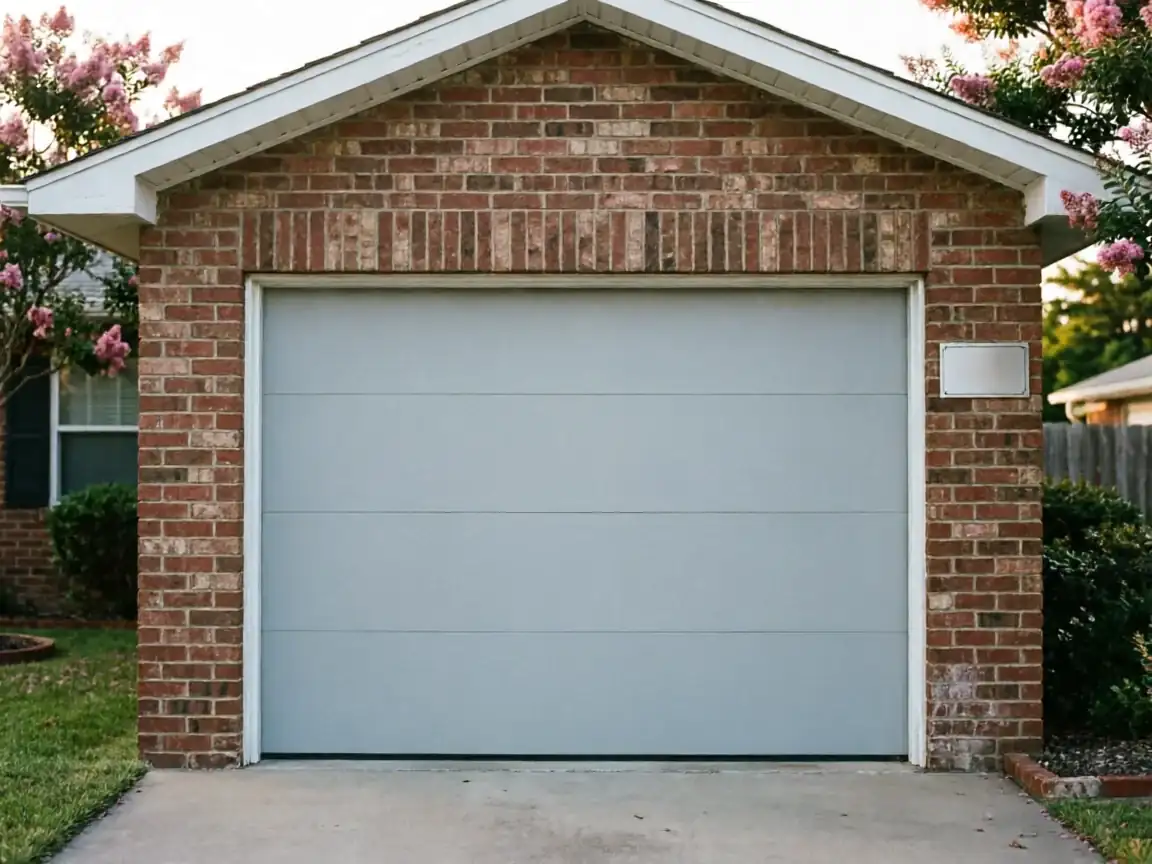
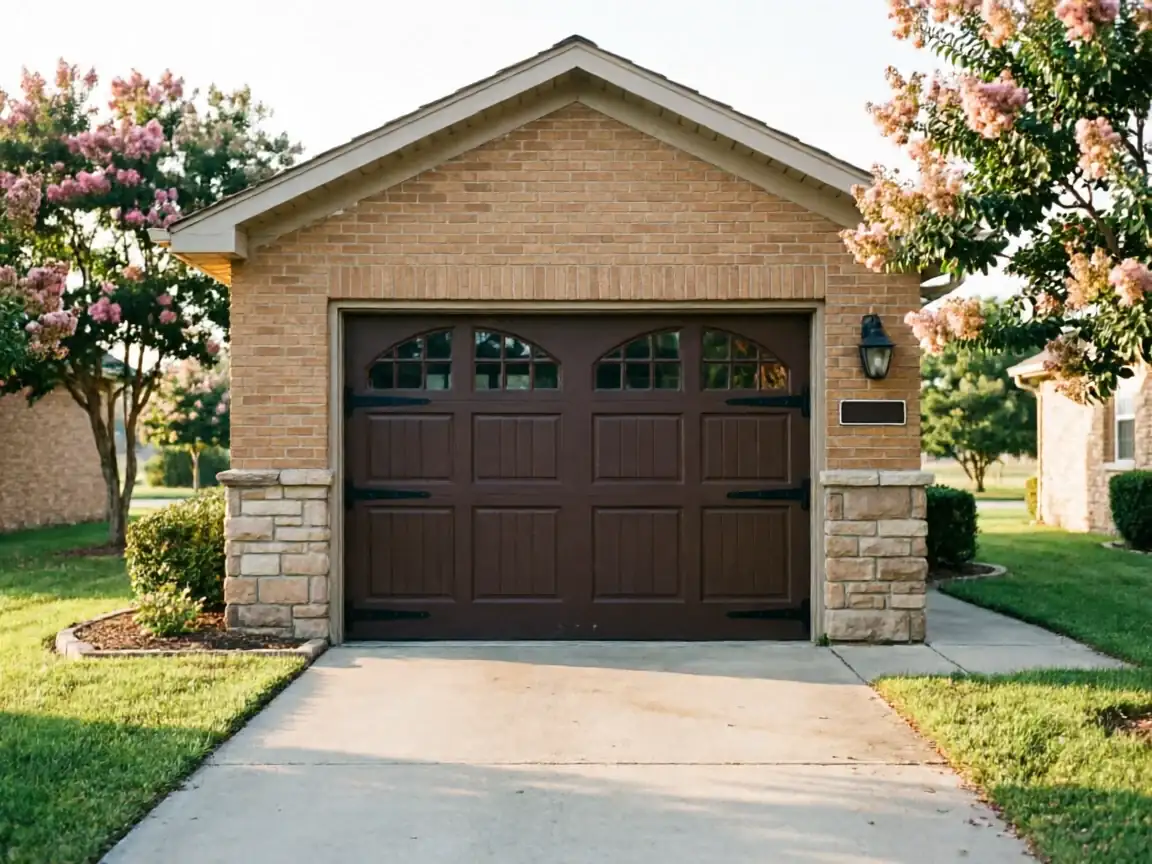
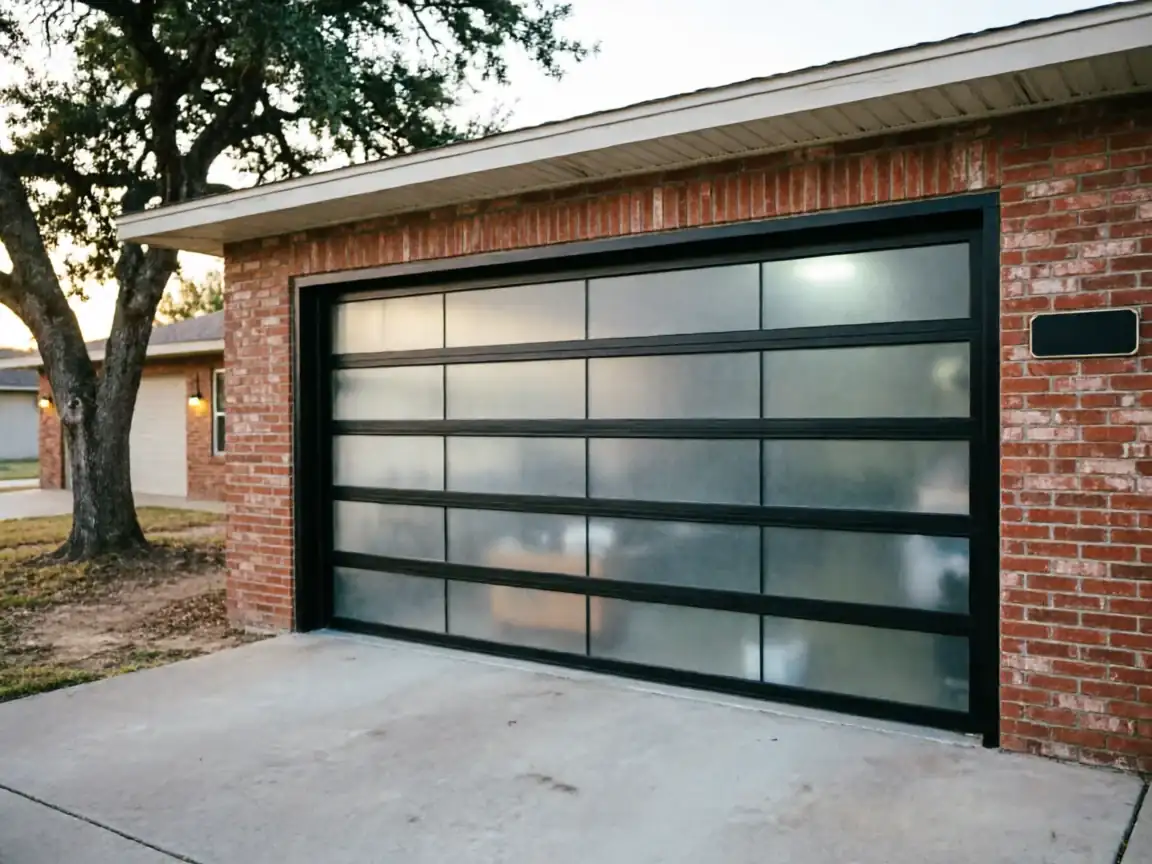
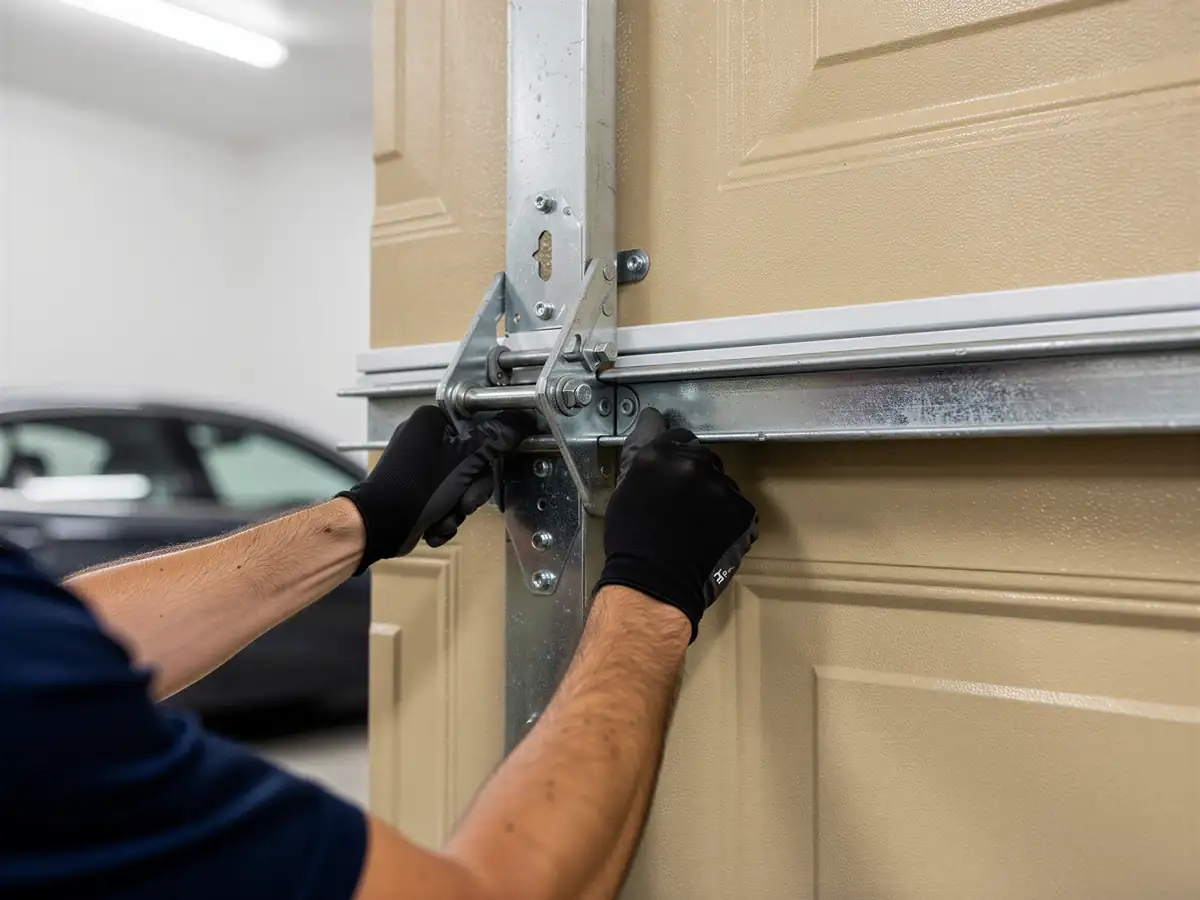
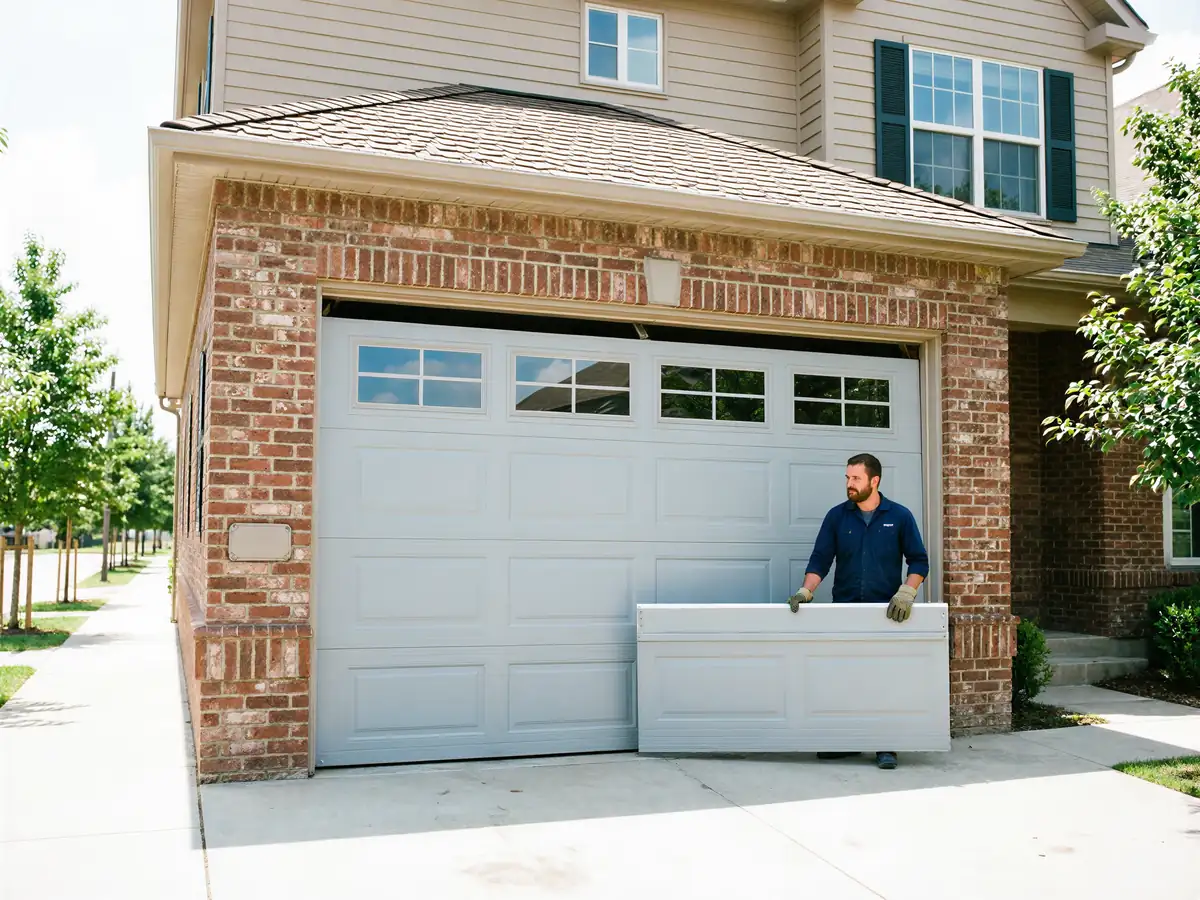
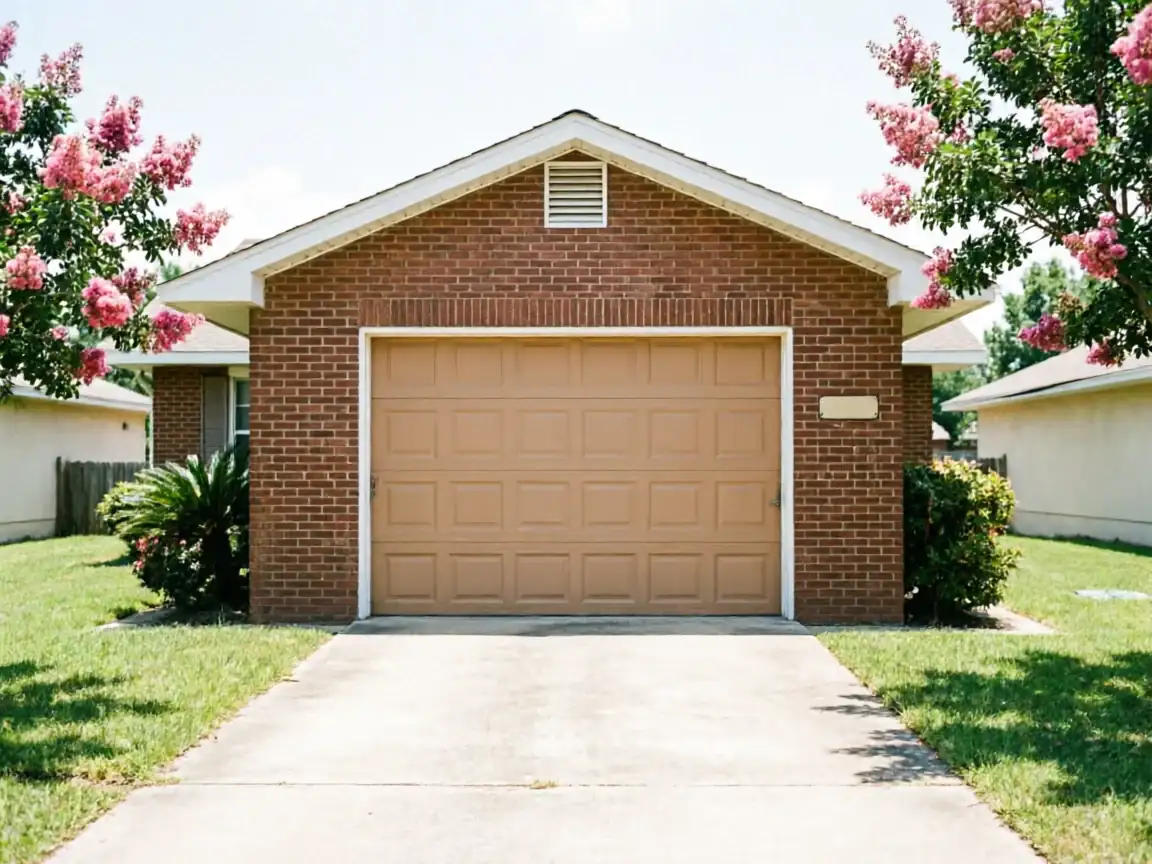
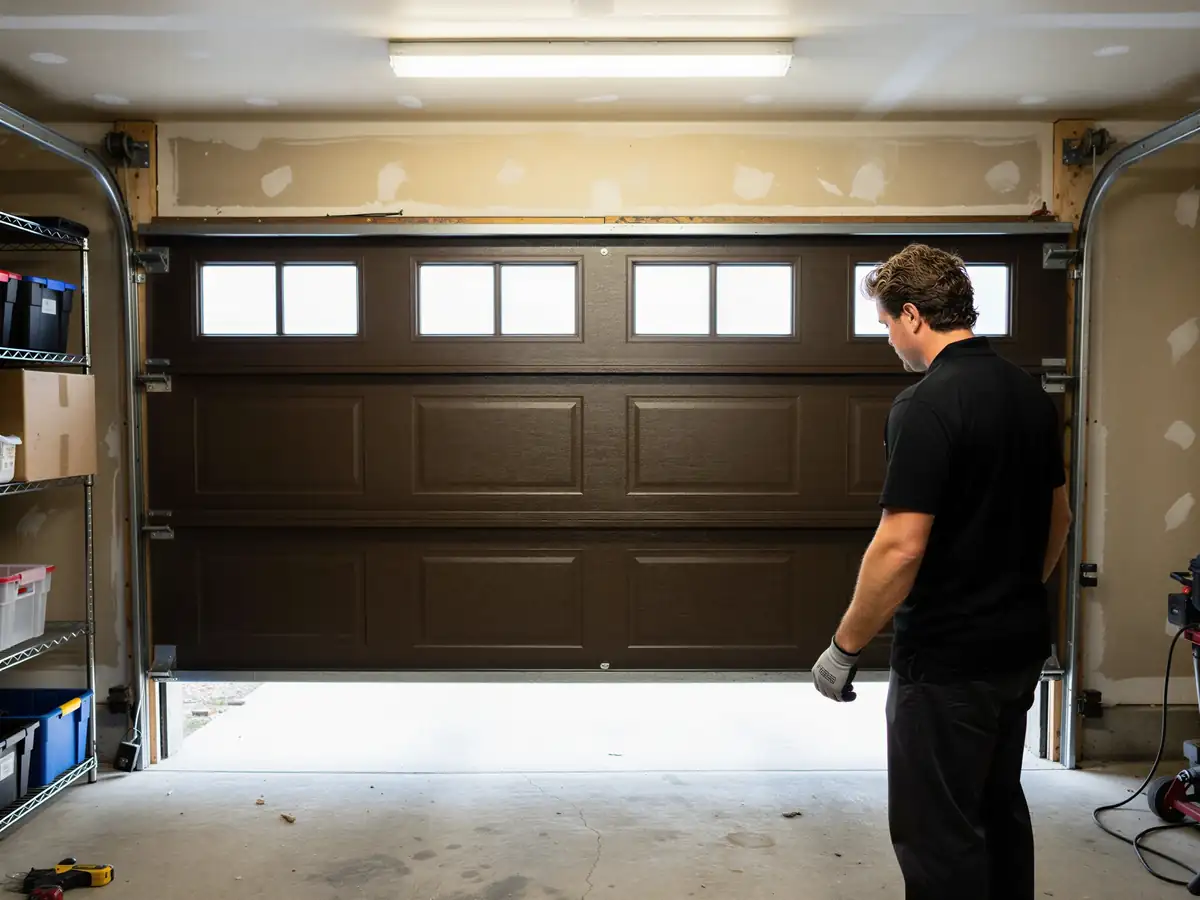
Waukomis is a small place - 427 households, eight miles south of Enid - and that size matters more than you'd think for panel work. A town this small doesn't support a dedicated parts supplier or a local garage door outfit of its own, which is why the job comes from Enid rather than from a shop down the street. Panel replacement itself is straightforward on paper: unbolt the damaged section, match the panel profile, re-hang it on the existing hinges and track. The hard part is the matching. We pull the door's brand, width, and panel height on site, then either source a matching panel or, if the design's old enough that nothing matches cleanly, price out replacing the full section run instead of patching one piece onto a door that won't match anyway. For a town this size, doors tend to cluster around a handful of builder-grade models rather than a wide mix, which actually helps us stock the right parts before we show up.
Why This Fails Locally
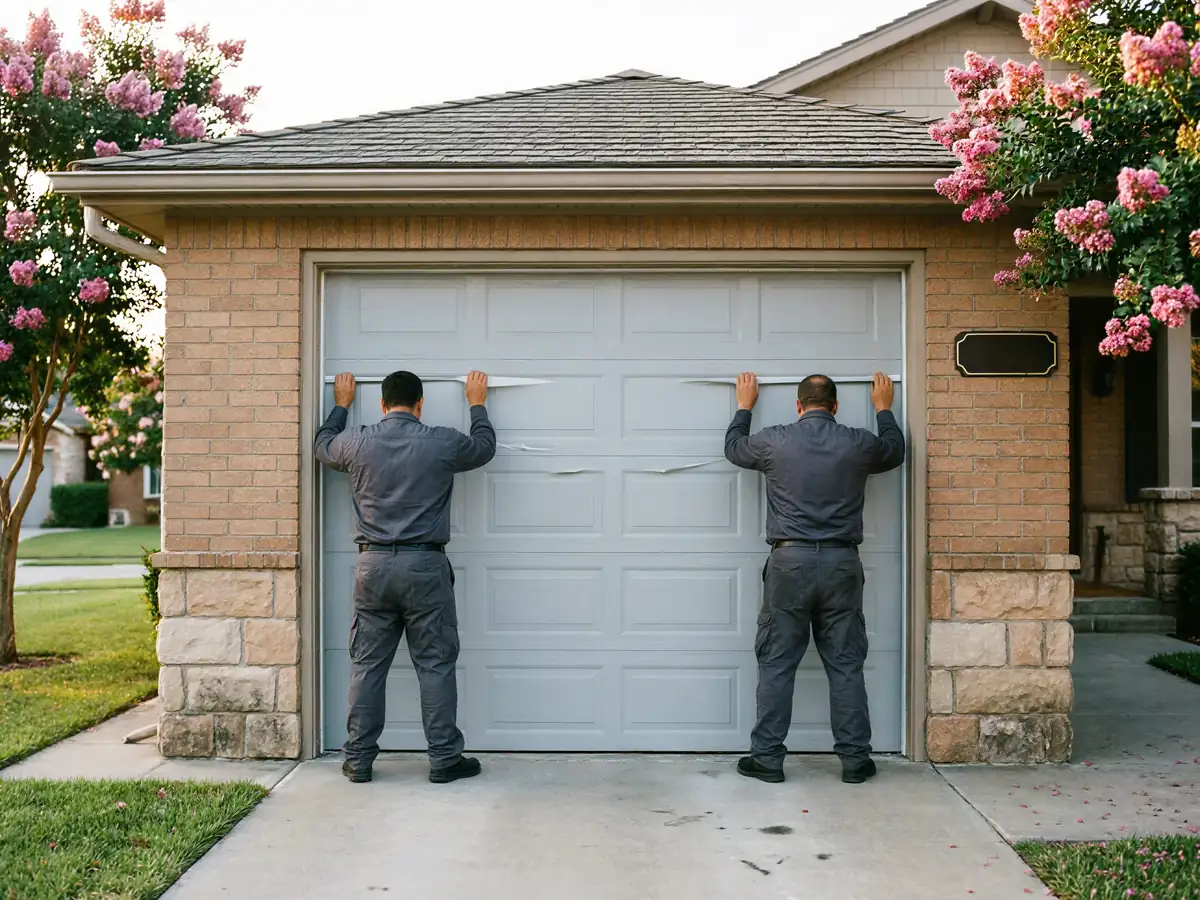
Most houses in this part of the county went up in the 1960s and 70s building boom, and the median year built here lands around 1975 - a touch newer than the 1972 median across the wider Enid service area, but still well inside that same era. Doors from that stretch were built with thinner steel skins than what's sold today, and a lot of them never got upgraded hardware when the springs or openers were swapped out over the years. The failure pattern we see is a panel that's dented or rusted through at the bottom section, where moisture sits after snow melt, while the rest of the door and its original track are structurally sound. That's a panel job, not a full door job - but only if the panel can still be matched. On doors from this era with discontinued profiles, a dent in one section can force a decision between a mismatched patch and full replacement.
Time on the Job
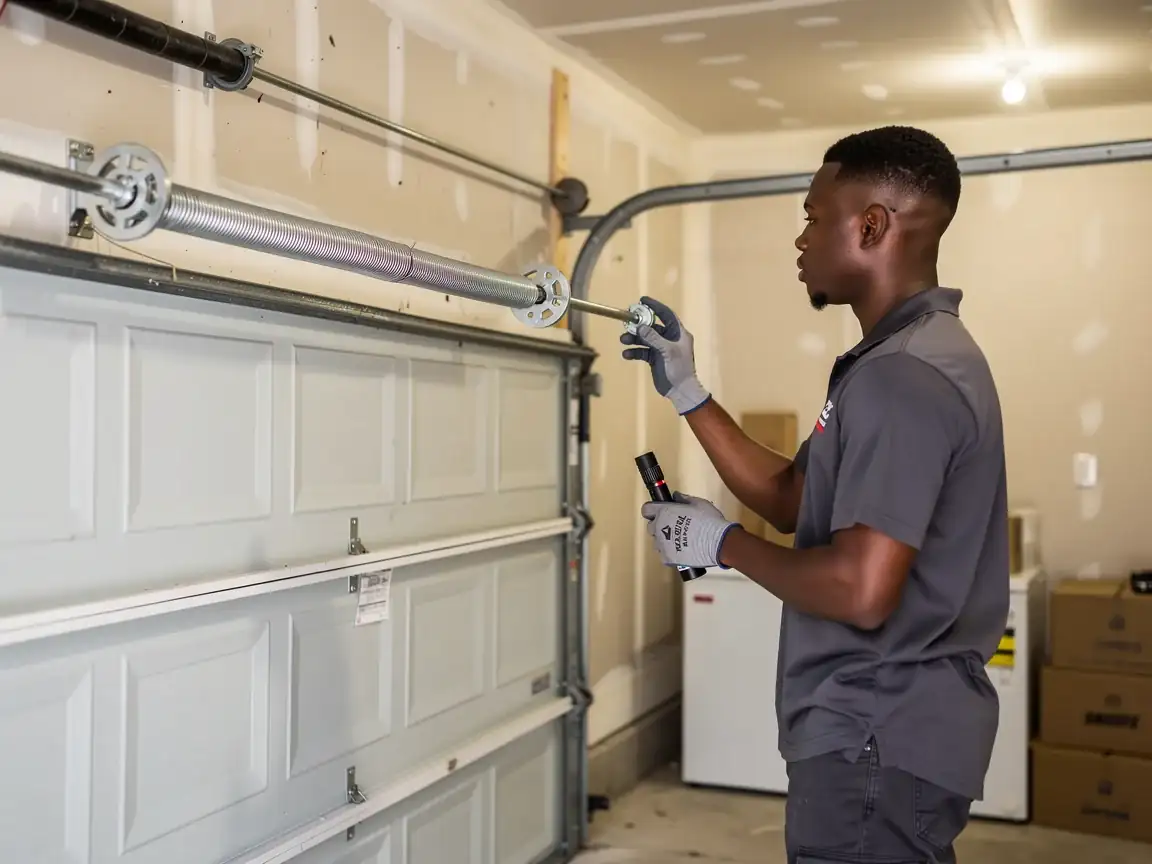
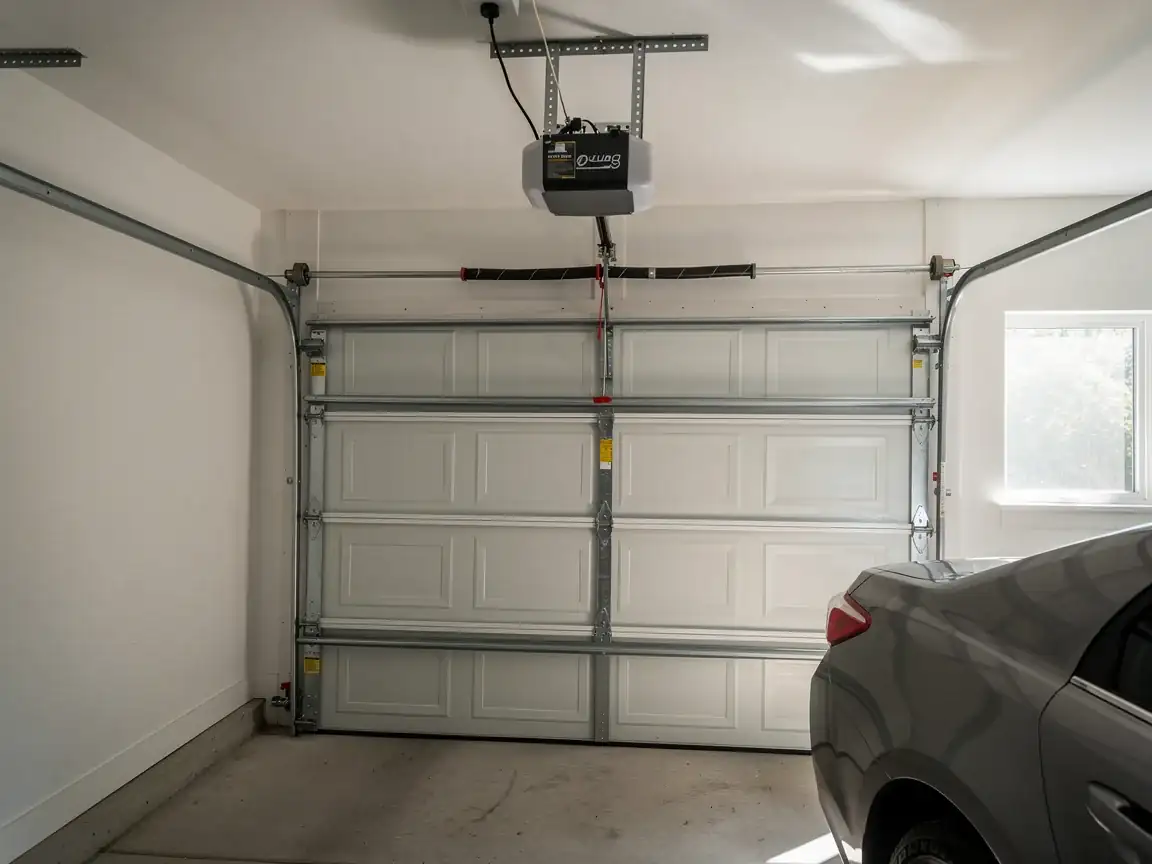
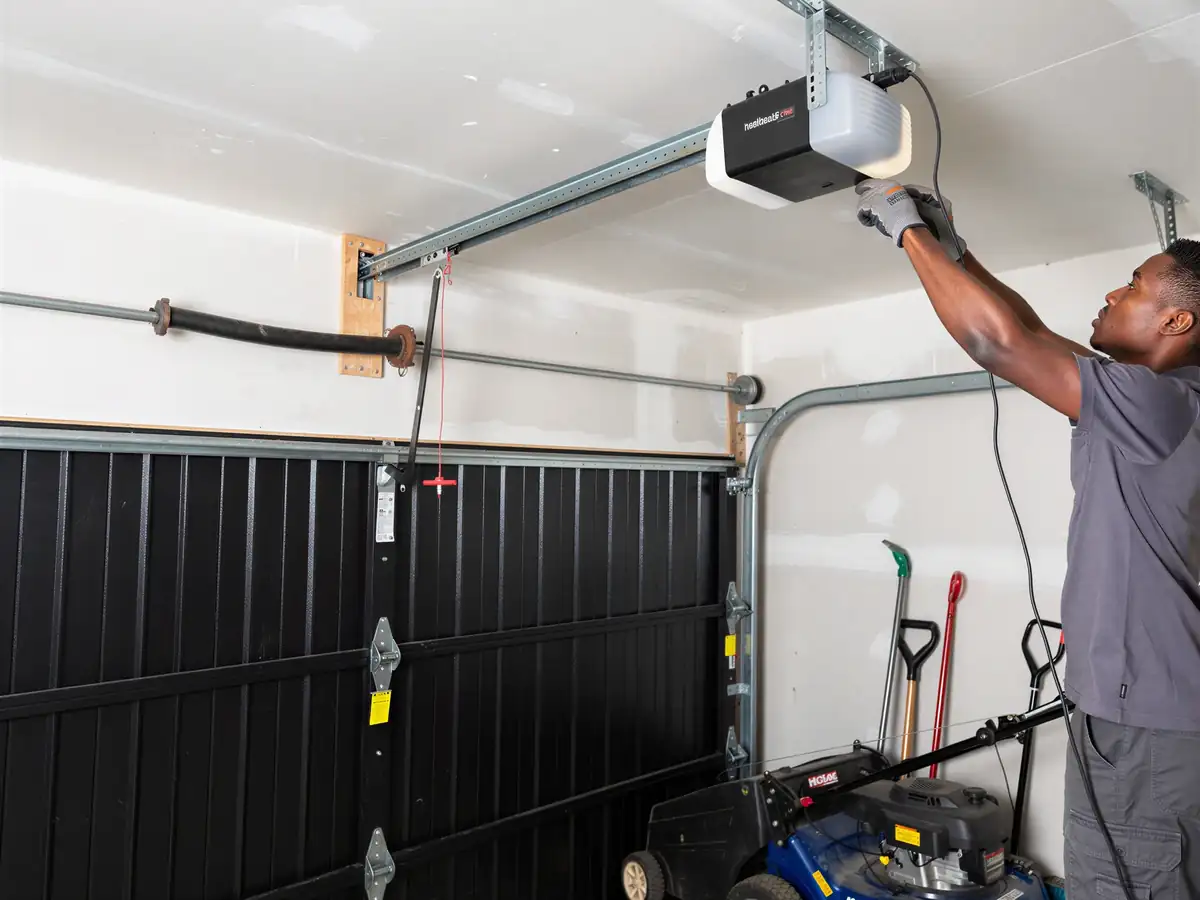
A single-panel swap on a standard door, once we're on site with the right part, is a few hours of work - unbolting the section, transferring hardware, re-hanging and balancing the door. What adds time in Waukomis specifically is the lead-in: confirming panel match before the truck leaves Enid, since there's no local stock to fall back on if the part's wrong. We'd rather spend ten extra minutes on the phone getting width and panel height right than show up with a panel that's close but not correct. On doors with the original 1970s-era track still in place, we also check that the new panel's weight doesn't throw off the torsion spring tension, which can add time if the spring needs adjusting or replacing to match.
Can You Do This Yourself
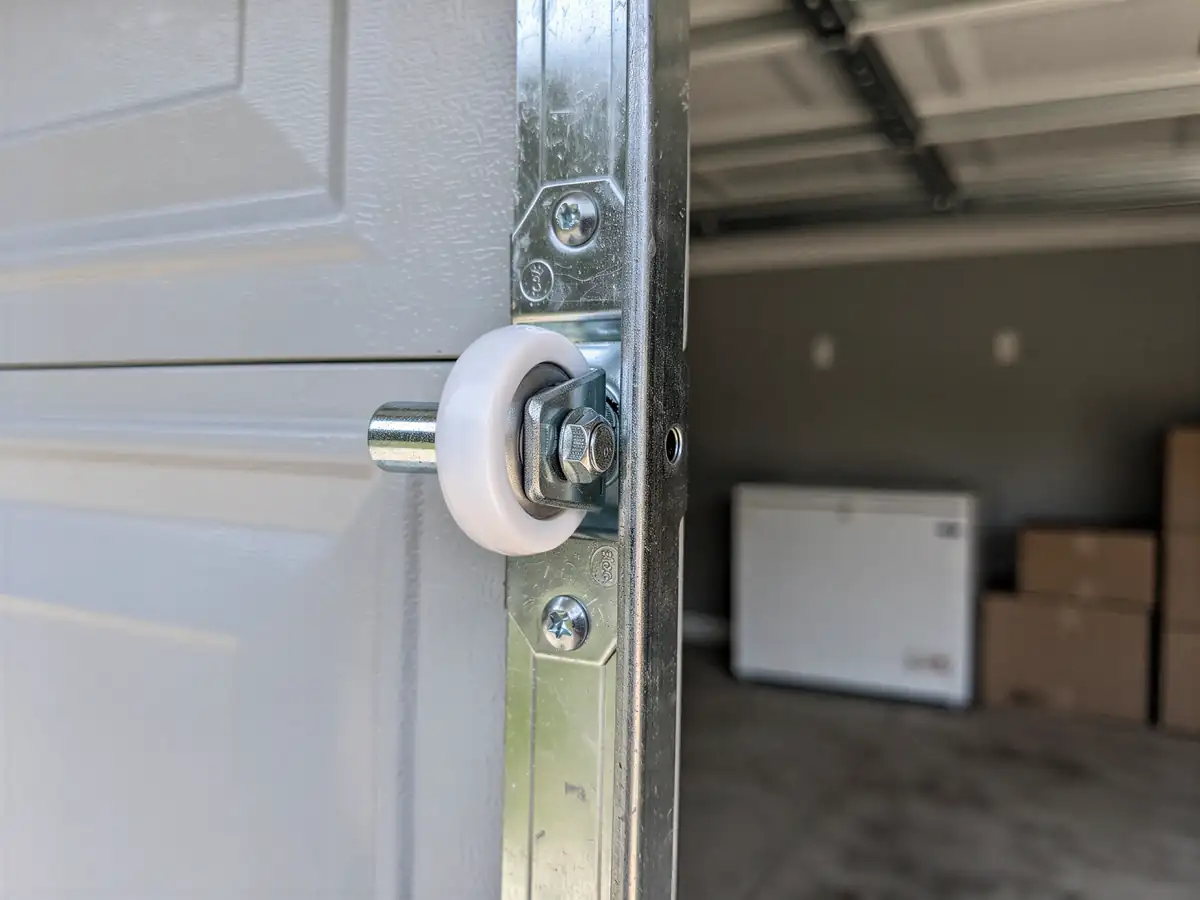
Swapping a single panel is within reach for someone comfortable with hand tools, if the door is a common builder model with available replacement sections. The risk with houses from this era is mismatched hardware - hinges and rollers that look standard but were sized for a panel thickness no longer sold, which means a DIY panel won't seat flush or seal right even if it bolts on. We also won't talk anyone through disconnecting a torsion spring; that's not a panel issue, it's the one part of this job that puts people in the ER every year, and it's not worth the money saved on a service call. If the door is off its track or the panel damage goes past one section, that's past a weekend fix regardless of skill level.