What the Repair Takes
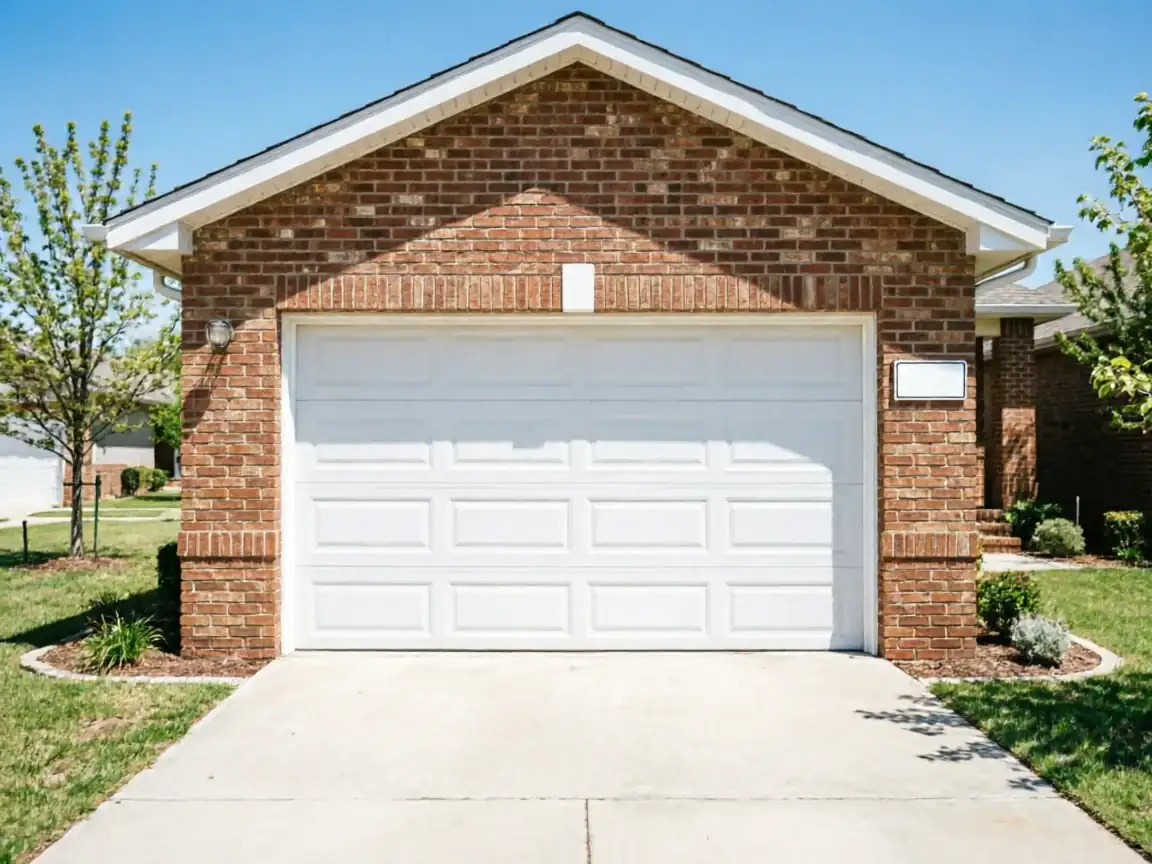
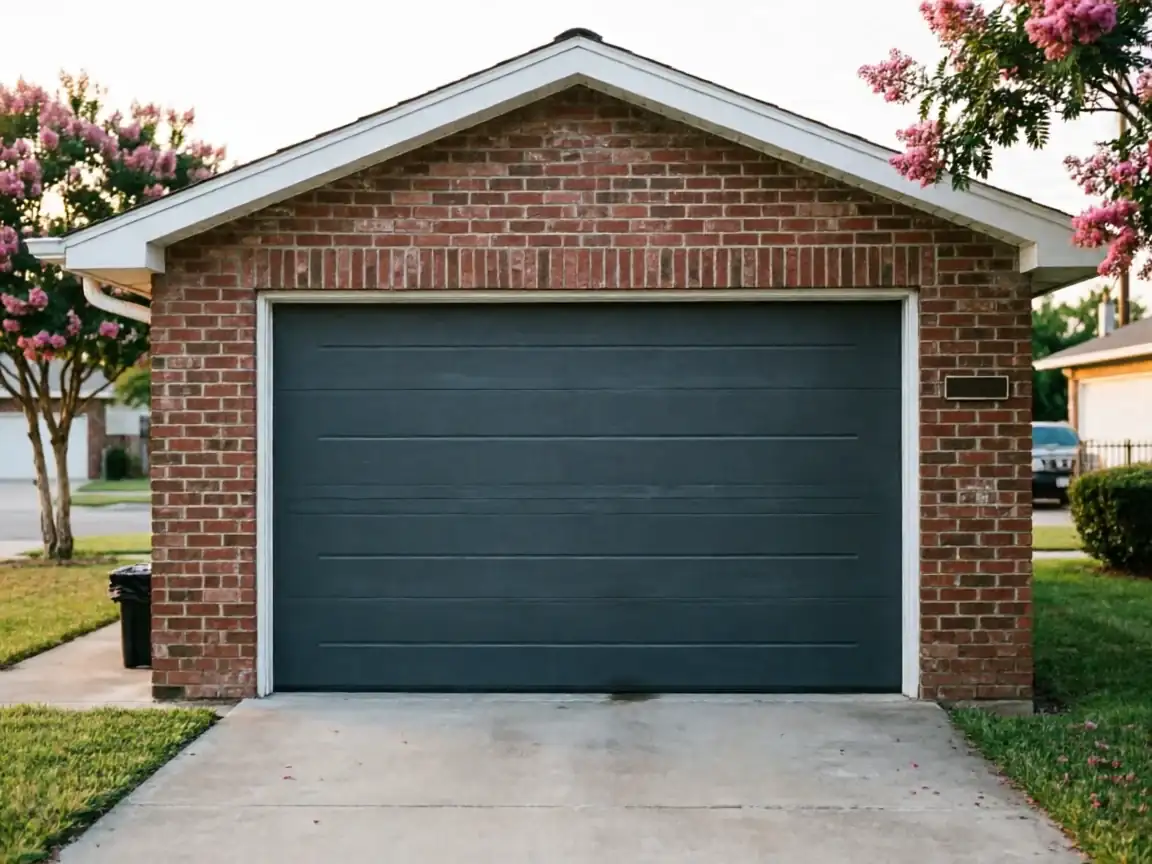
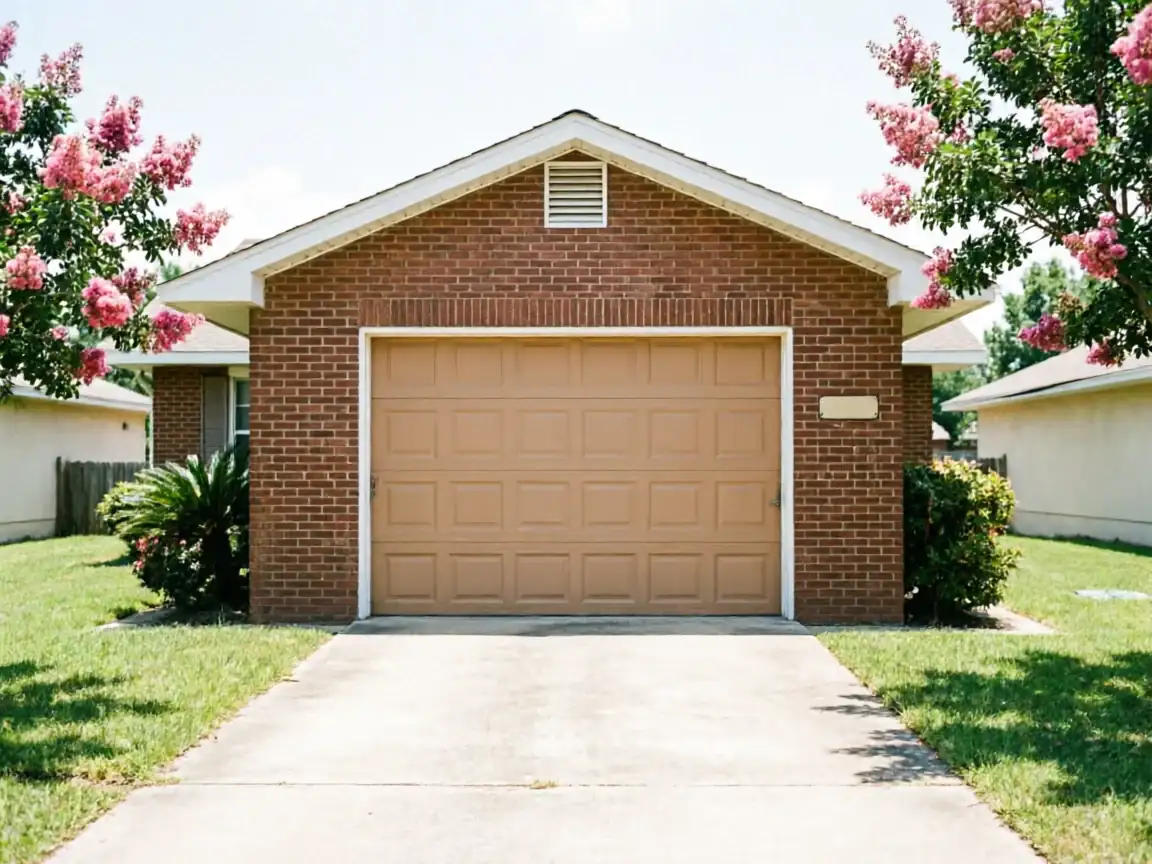
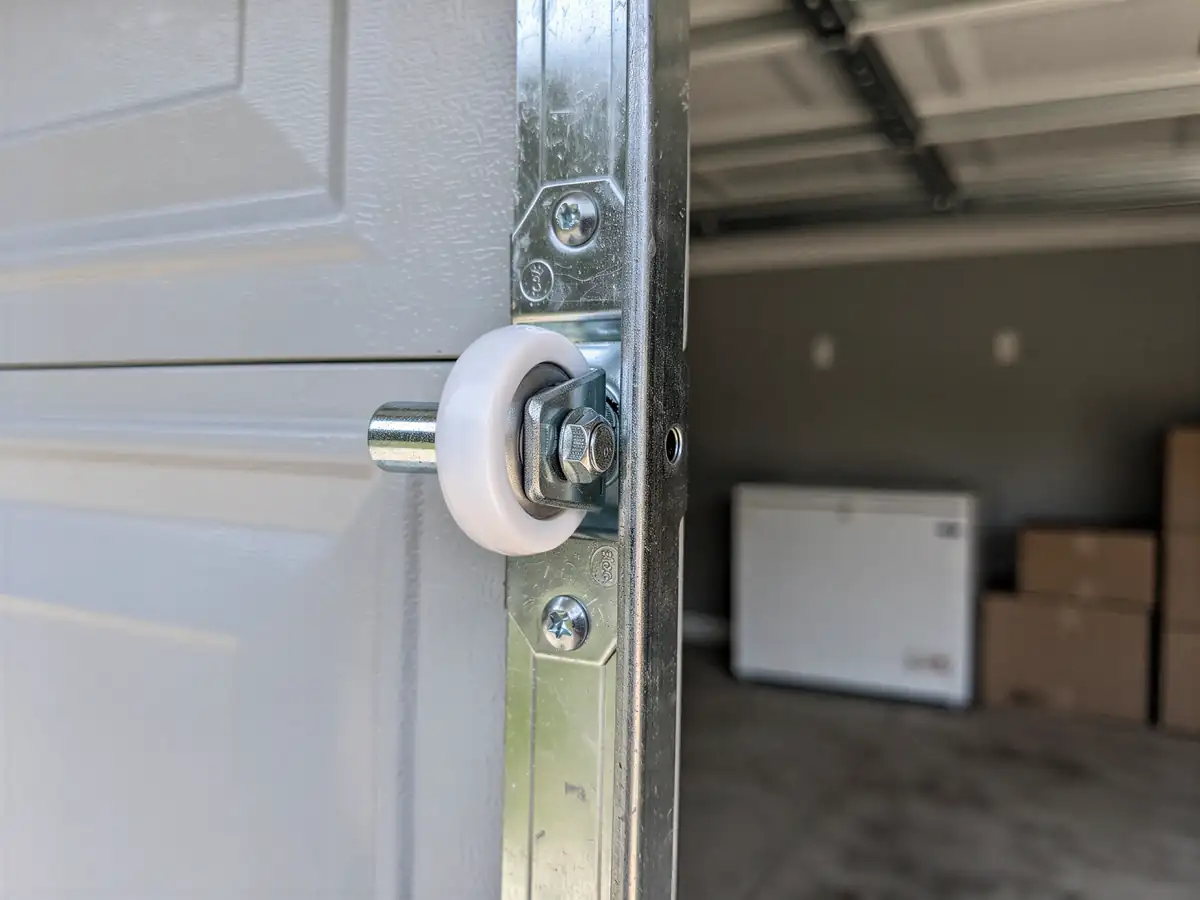
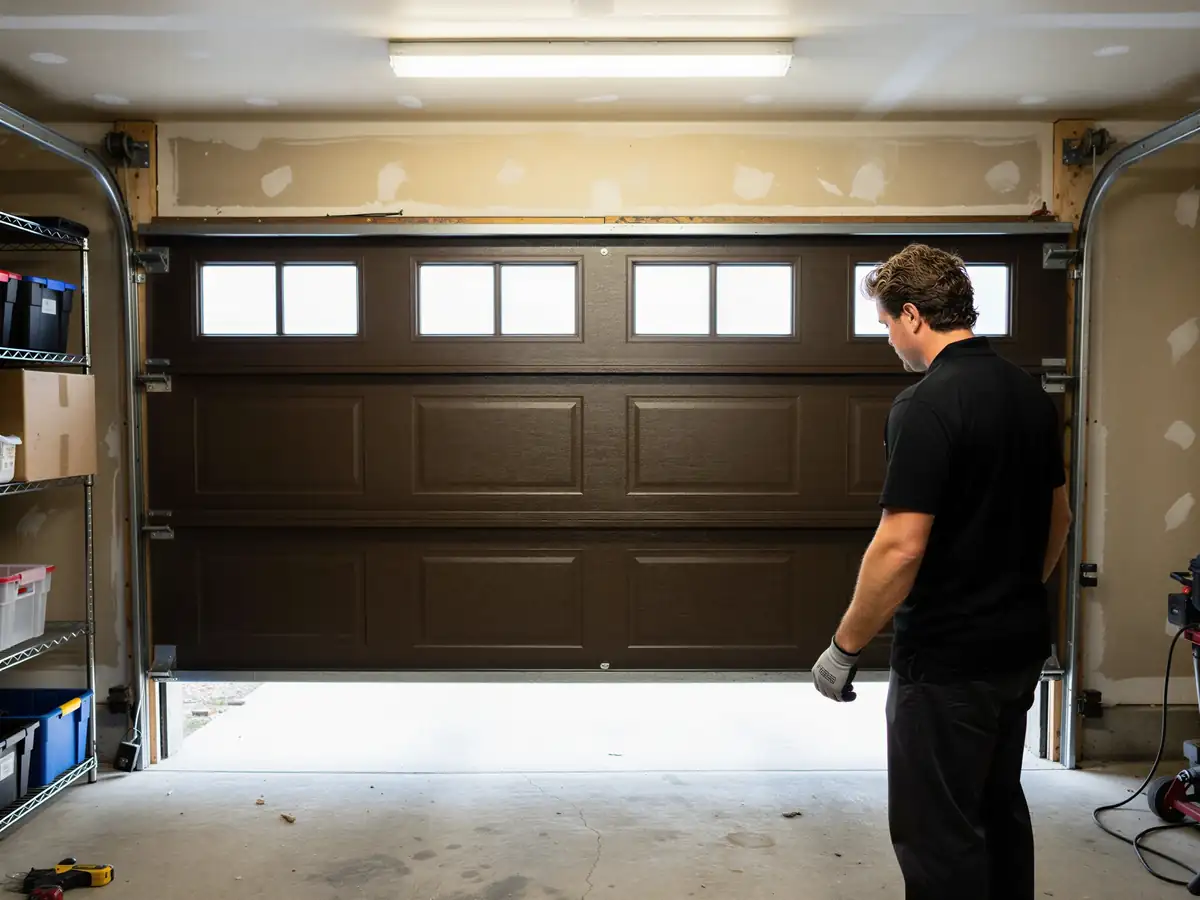
Most houses in Waukomis went up in a tight window, with the local median landing around 1975 - a few years newer than the service area median of 1972, but still squarely in the same build era as the rest of the towns we cover out of Enid. That matters because a lot of what's holding the door up has never been touched. The original jamb, the header, sometimes the same torsion bar from the day the slab cured. When we come out for a new install, we're rarely bolting a new door to a clean, modern frame. We're working around decades-old wood that's shifted, settled, and in some cases been painted over so many times you can't see the original reveal anymore. A straightforward swap turns into reframing the opening, squaring the jambs, and sometimes replacing track mounts that were never meant to hold today's heavier insulated sections. We tell customers up front when we see this, because it changes both the timeline and the quote before we ever touch the old door.
Why This Fails Locally
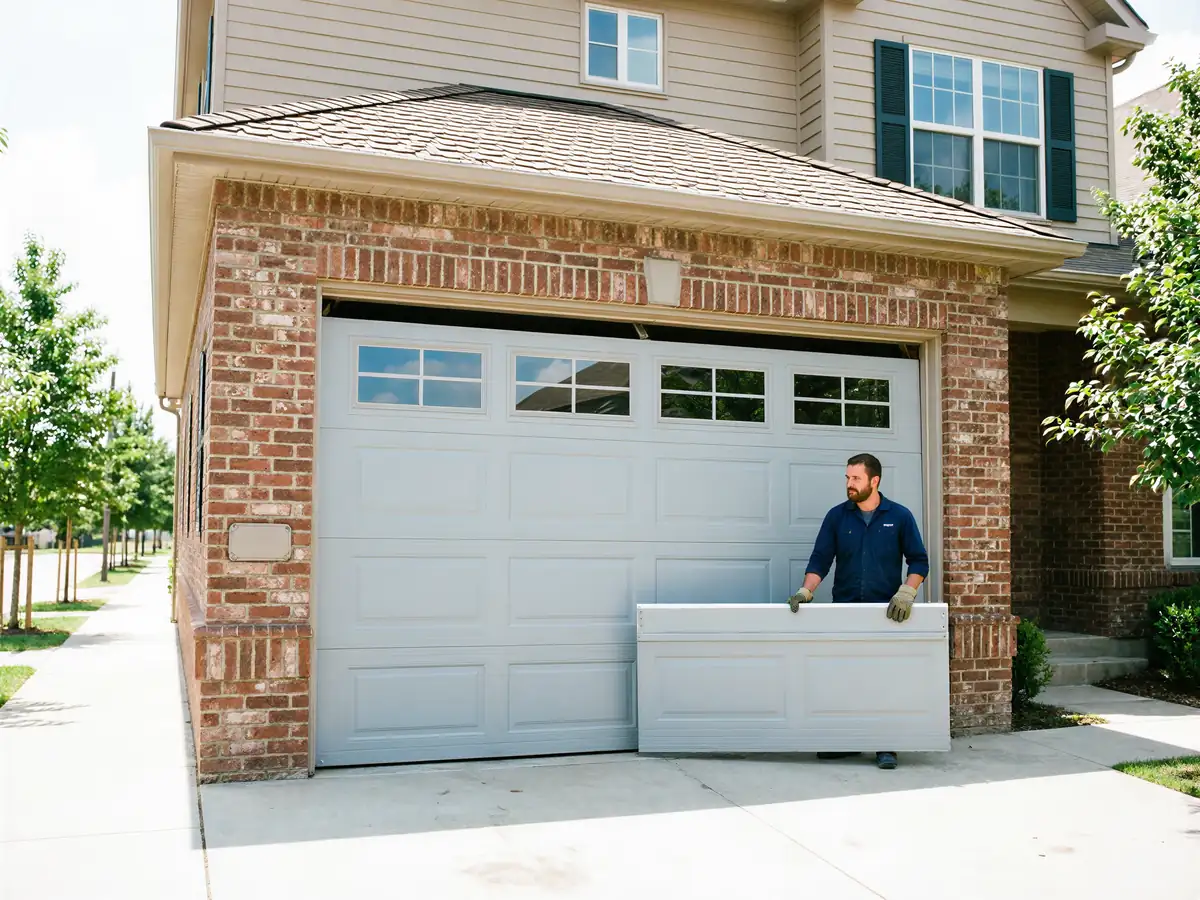
This part of Oklahoma sits in a cold-moderate climate band, which means garage doors here take real temperature swings across a season rather than one extreme in either direction. A door built to the standards of 1975 - single steel skin, no thermal break, bottom seal that's been replaced with whatever fit at the hardware store - just isn't built for that cycling. Steel expands and contracts, seams open up, and the bottom seal hardens and cracks faster than people expect. On a house where the door has never been upgraded, that's forty-plus years of thermal stress on hardware that was mid-grade when it was new. We see the same pattern across the 1960s-70s housing stock in this part of the service area: panels that have warped just enough to bind on the track, or springs that were sized for a lighter door than what's actually hanging on them now because someone swapped panels at some point without re-rating the spring. None of that is a Waukomis-specific flaw - it's what happens to doors built in this era anywhere the winters get cold enough to matter.
Time on the Job
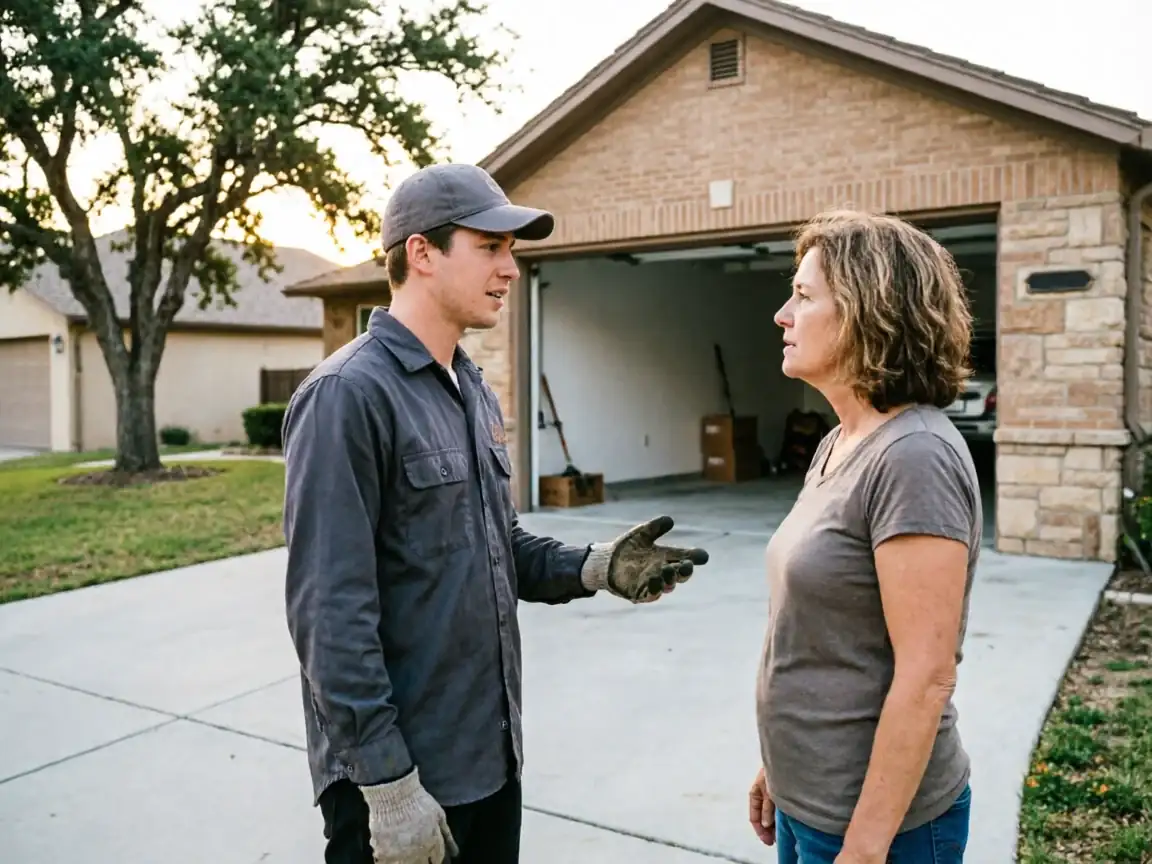
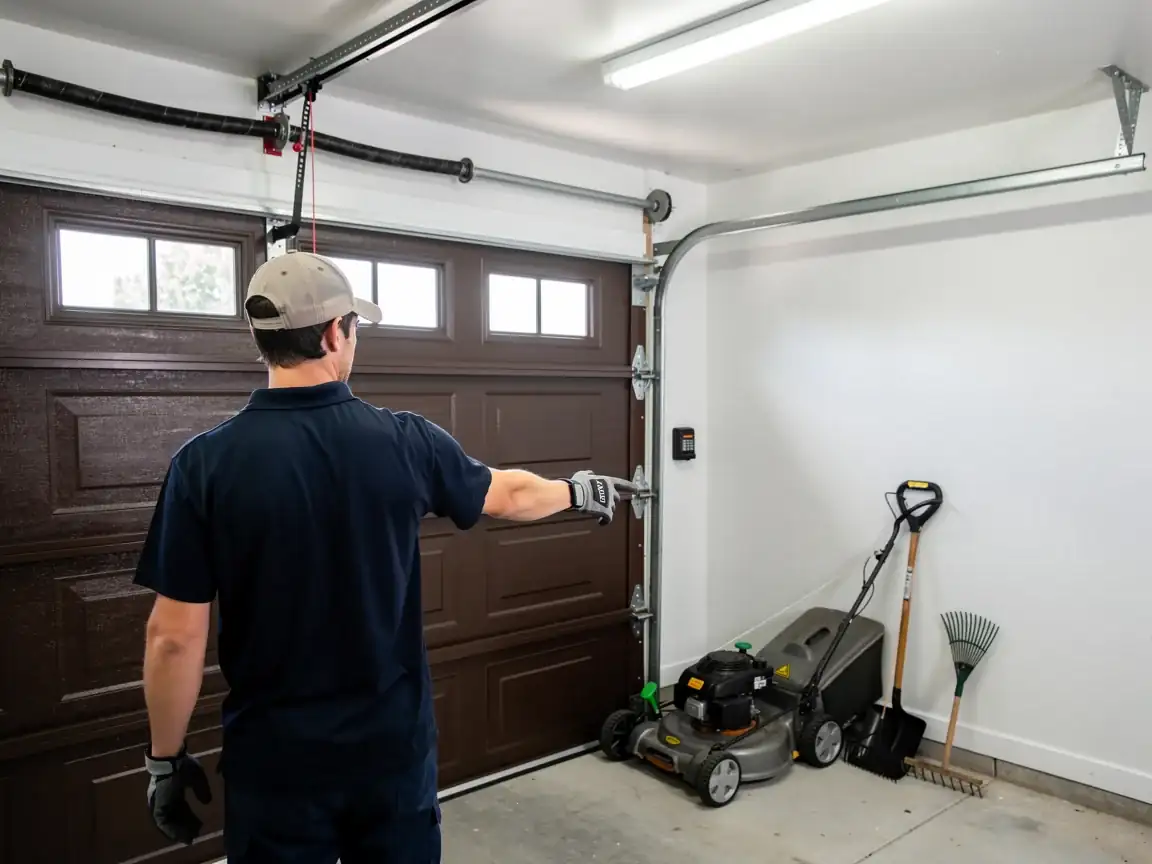
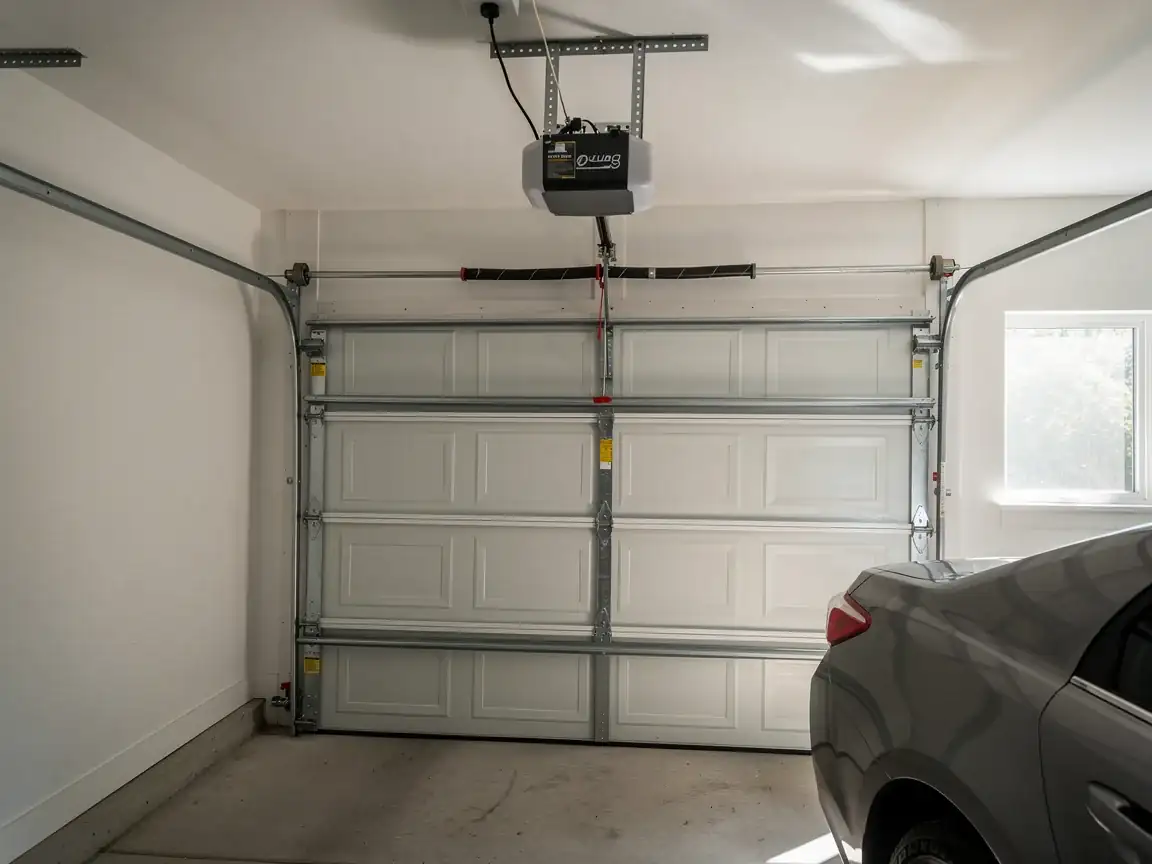
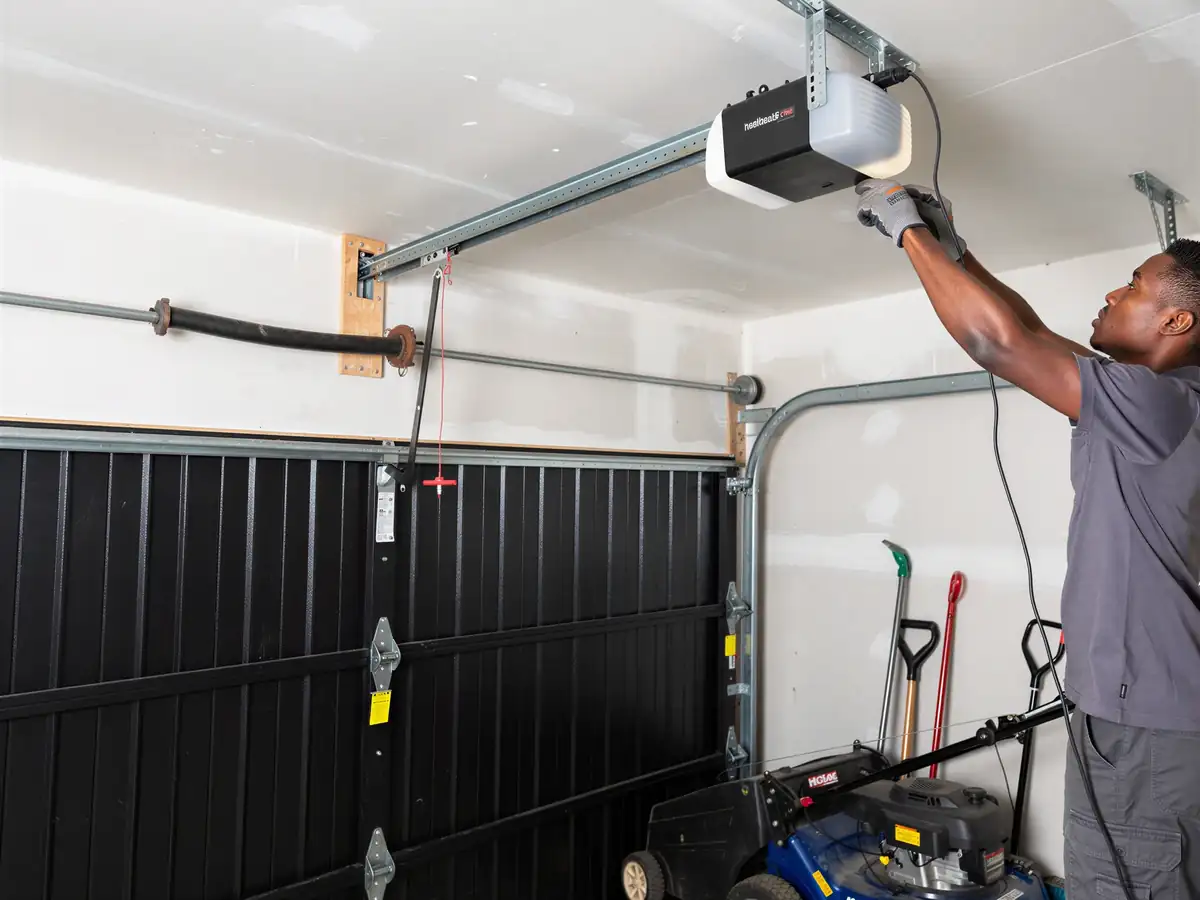
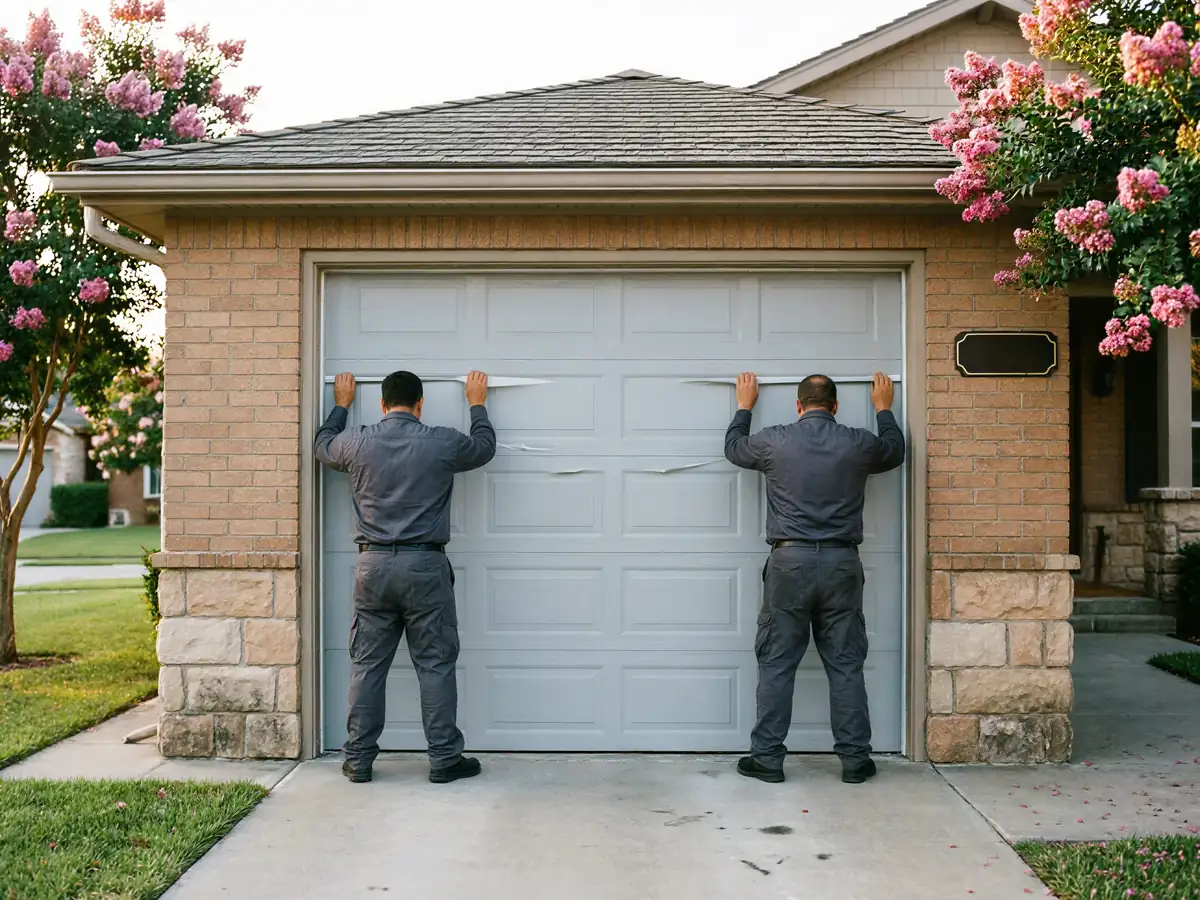
A standard replacement on an opening that doesn't need reframing is a one-day job - old door off, track and springs matched to the new panel weight, opener reattached and balanced. Where the time adds up is in the prep, not the install itself. On houses from this era, that often means squaring a jamb that's racked slightly over the decades, or replacing a header that's been chewed up by whatever hardware came before. We don't pad the estimate for that up front, because not every house needs it - but we also don't promise a tight window until we've actually opened up the frame and looked. If the opening is clean, we're usually done well inside a day. If it's not, we'll tell you before we start cutting anything, not after.
Can You Do This Yourself
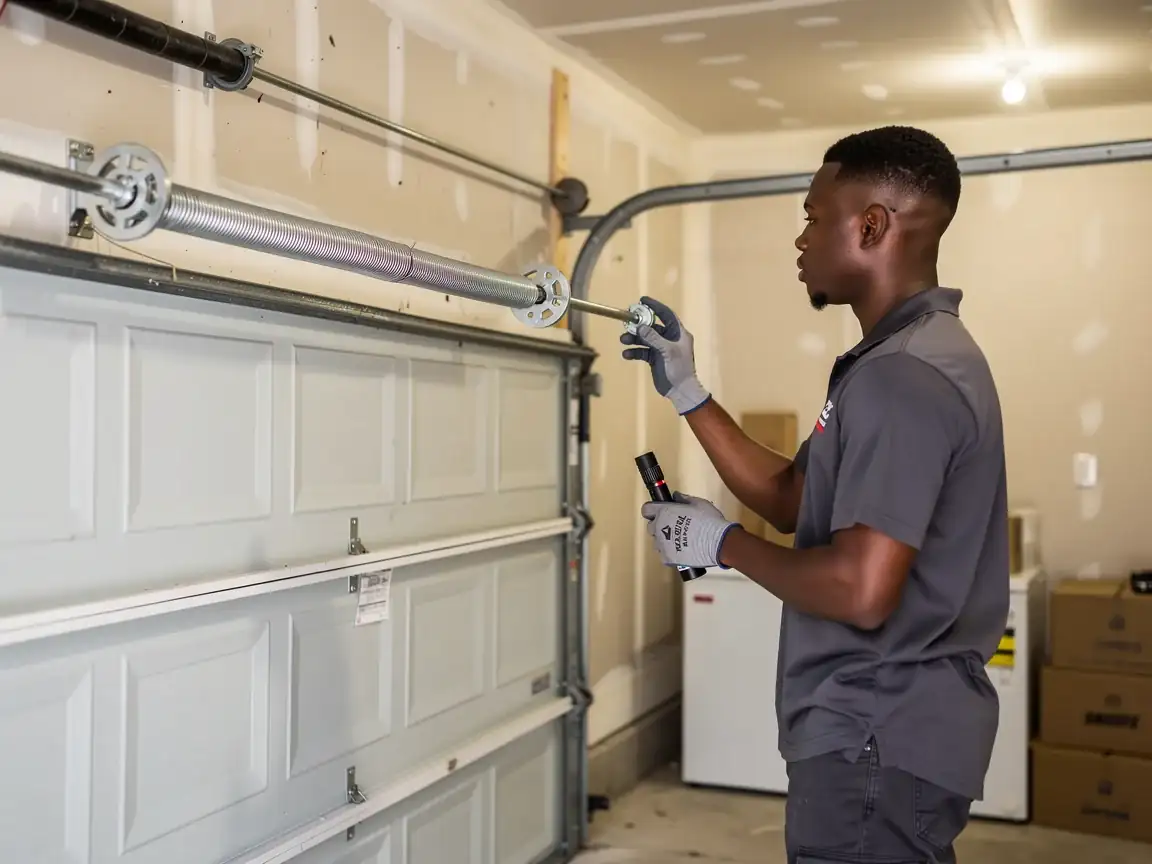
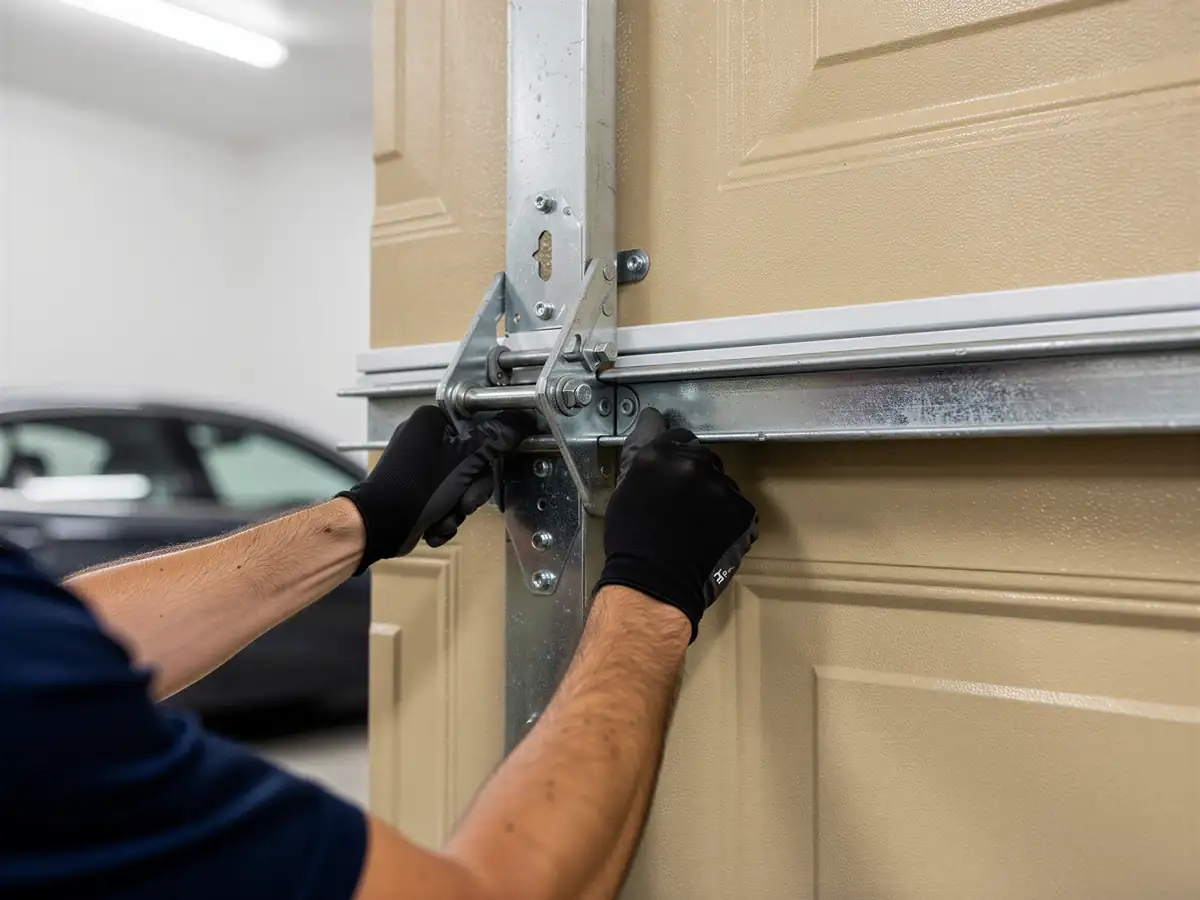
Hanging a new garage door yourself is possible if you've done it before and you understand torsion spring tension - but that's the part that puts people in the emergency room, not the panel work. A spring sized wrong for the door weight, or one that's wound under tension without the right bars, can take a finger or worse. On houses in this area where the frame itself is old enough to need correction, the job also isn't just door-in, door-out - it's carpentry, and getting the reveal wrong means the door never seals right no matter how good the panel is. If you've got the tools and the experience, a basic swap on a square opening is within reach. If you're not sure the opening is square, or you've never set spring tension before, that's the point where a mistake costs more than the service call would have.