What the Repair Takes
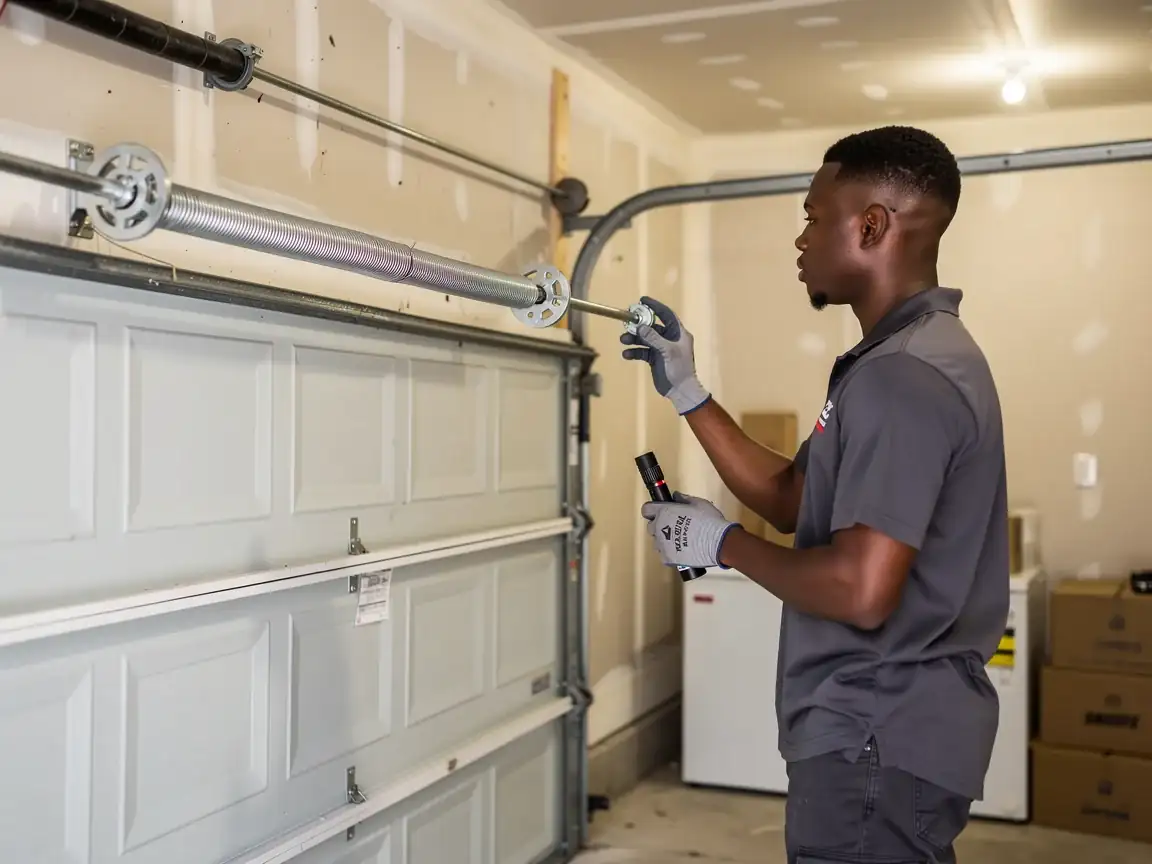
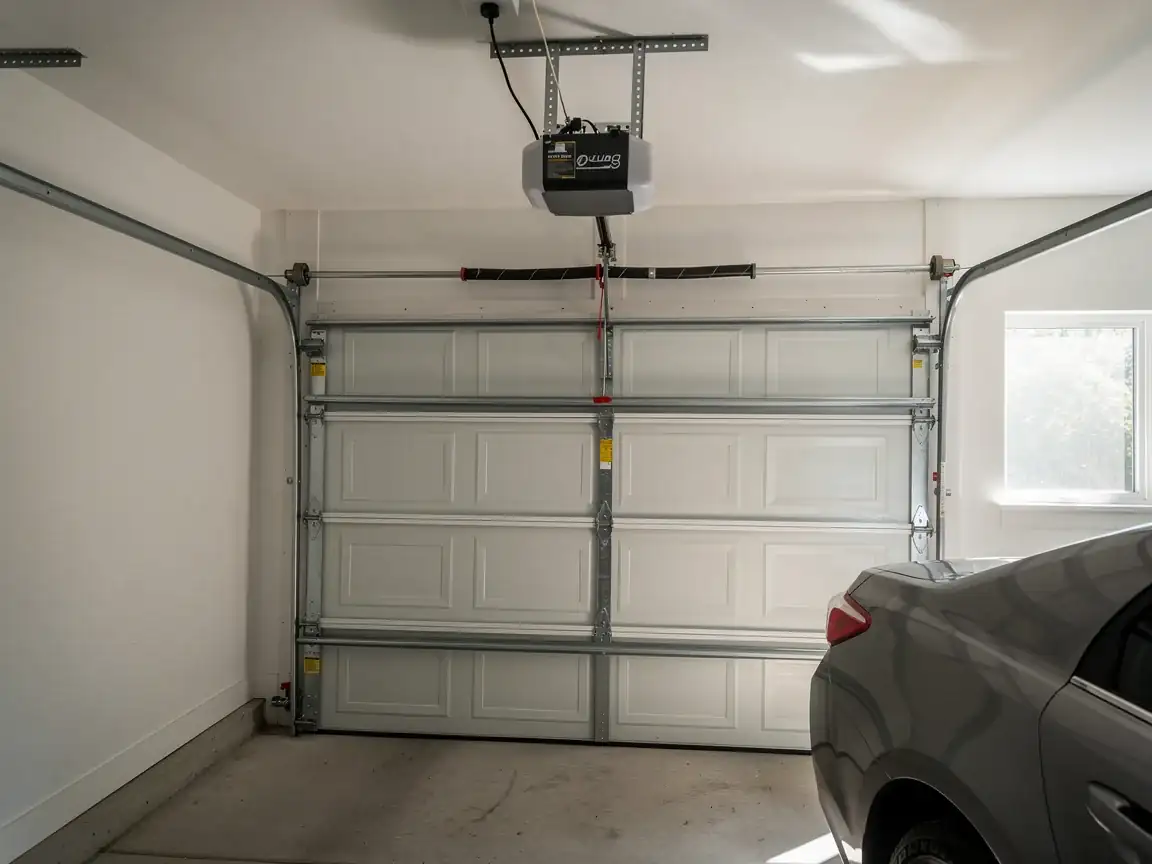
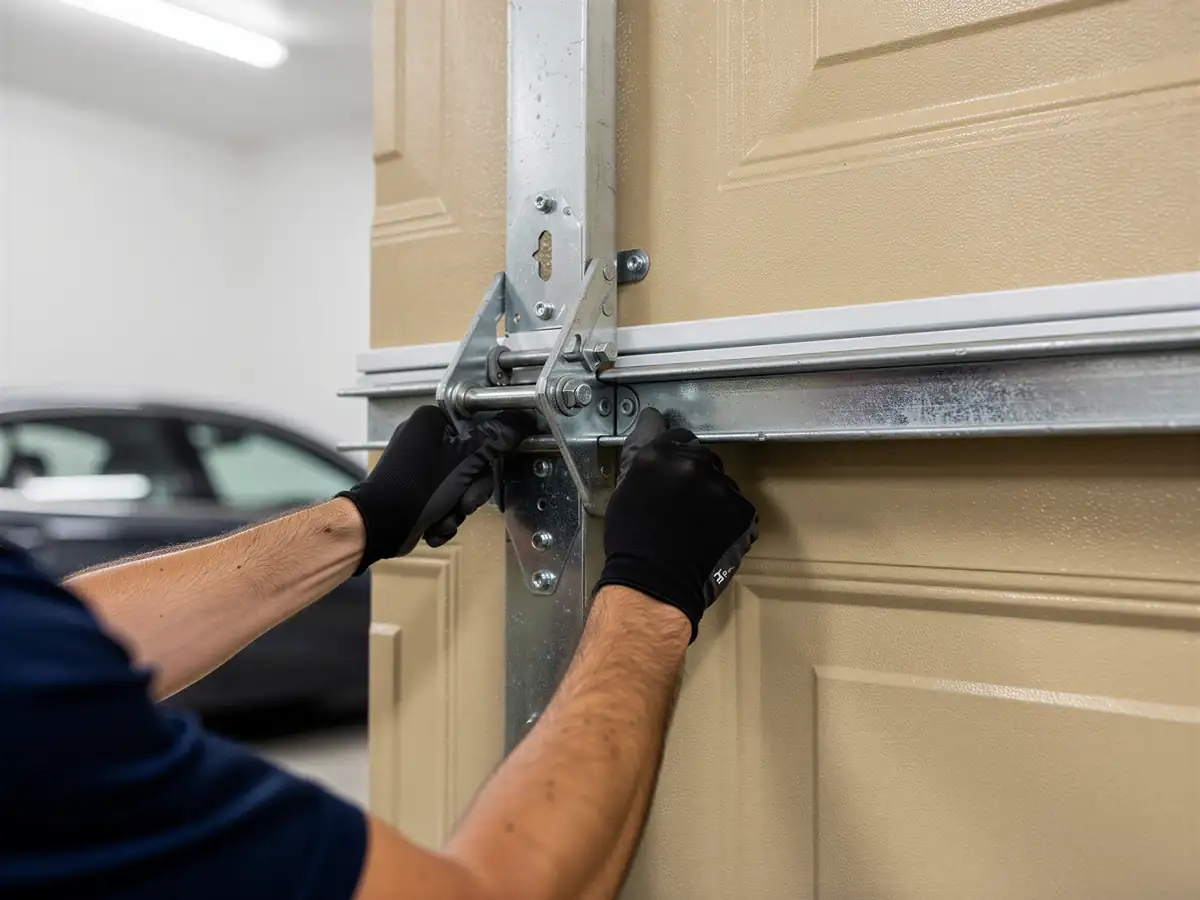
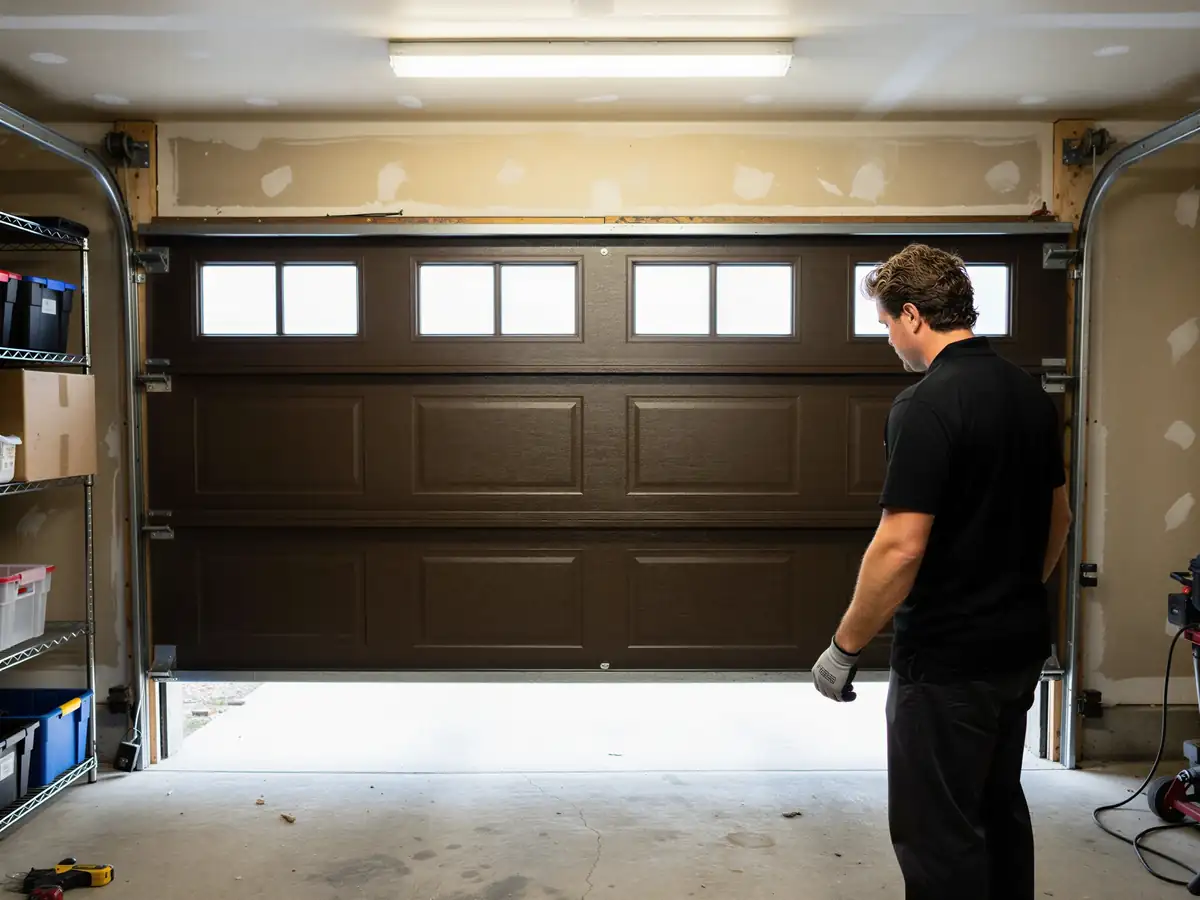
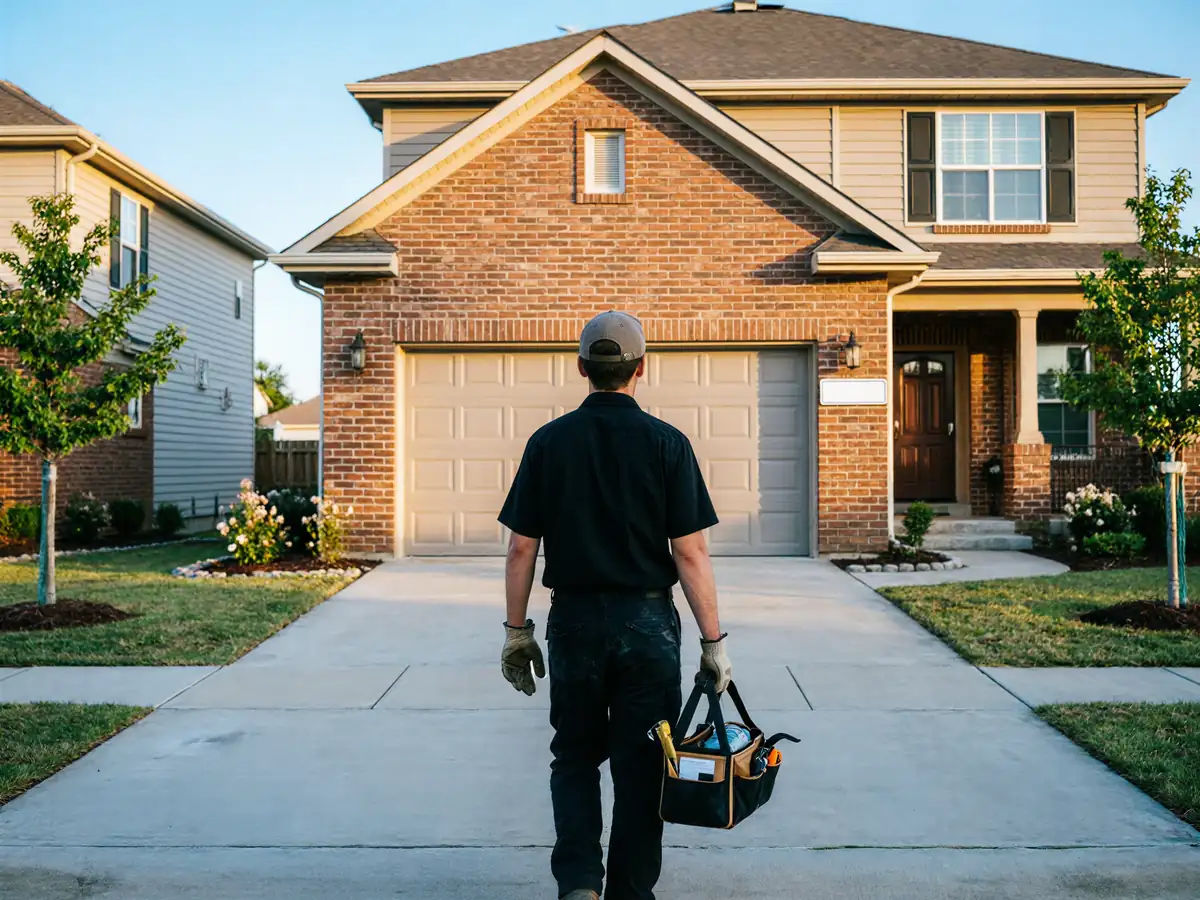
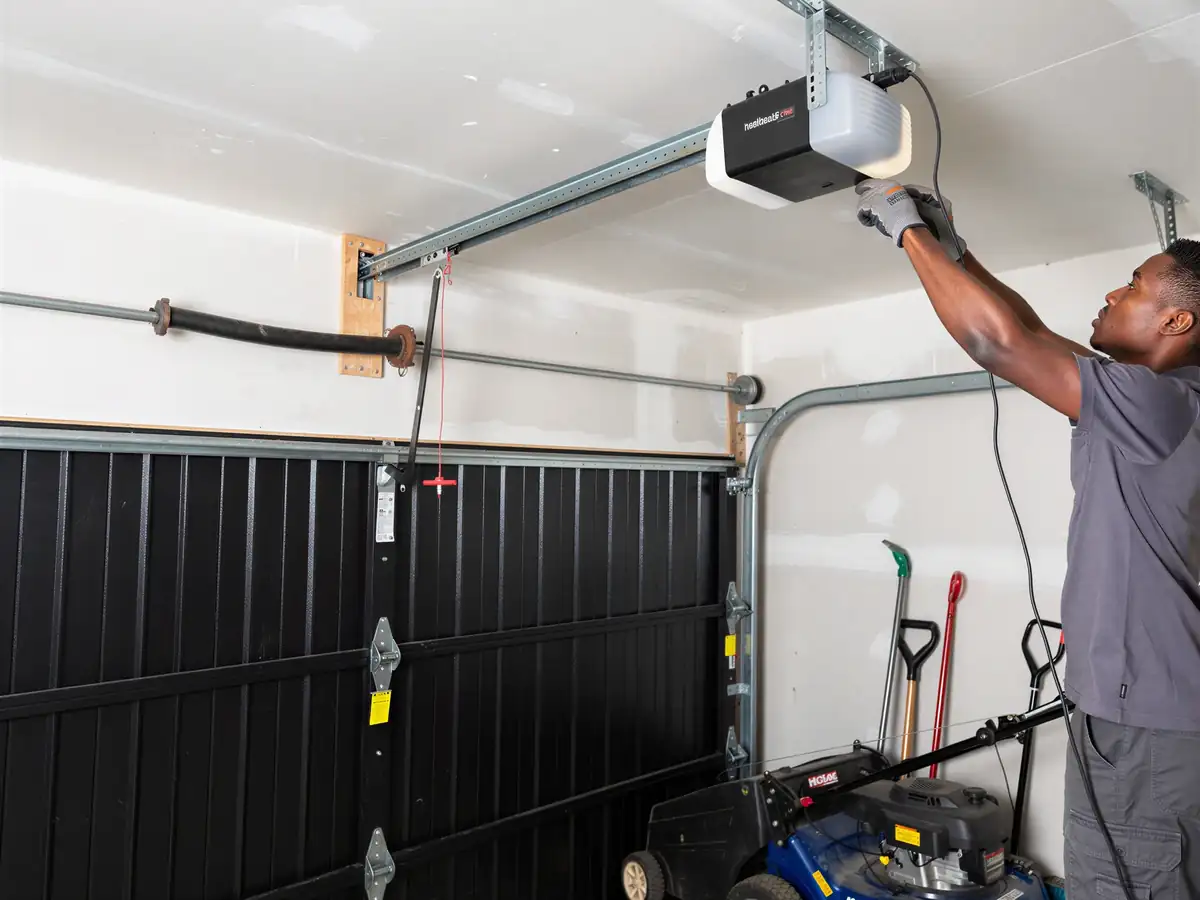
The drive from Enid to Waukomis runs about 8 miles, short enough that a same-day call doesn't mean a half-day wait, but it still shapes how we plan the job. We load the opener, the rail, the header bracket hardware, and a spare wall control before we leave the shop, because a forgotten part means a second trip down that same 8 miles. Most installs here are a straight swap: old opener off the header, new unit up, rail squared to the door, safety sensors re-aimed at the right height. Where it gets slower is the bracket. Houses built in the 1970s often used a header mount pattern that doesn't match what comes in a current opener box, so we're drilling new holes or adapting the plate rather than bolting straight in. That's normal here, not a sign anything's wrong with the house. We also check the door itself before we hang a new opener on it - a door that drags on its tracks or has a weak spring will burn out a new motor fast, and we're not going to mount a $200 unit on a door that's fighting itself.
Why This Fails Locally
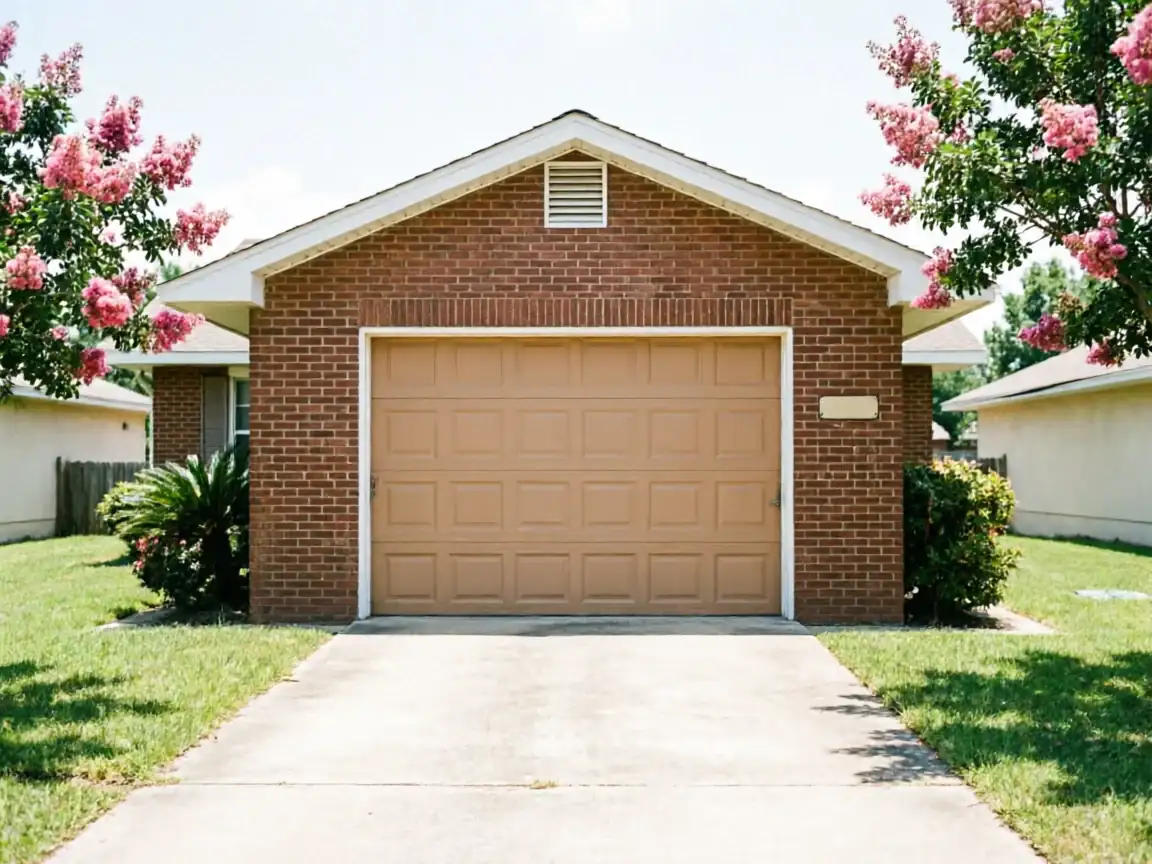
Most houses in Waukomis went up around 1975, a few years into the long run of 1960s-70s construction that covers this stretch of the county. That era of garage came with a specific header setup - often a single center support rather than the wider double-brace framing you see in newer builds - and it was never built with a 1/2 horsepower chain-drive opener in mind. Bolt a modern opener straight to that original header without checking it, and the stress shows up as sag or a crack within a season or two, not immediately. Winters here still get cold enough that an uninsulated garage sees real temperature swings, and a chain-drive unit that's already working against an undersized header will bind worse in January than it does in July. None of this means the house has a problem. It means the opener has to match the structure it's going into, and that structure is 50 years old. We check header condition before we mount anything, and if it needs reinforcing, we say so before we quote the job, not after.
Time on the Job
A standard opener swap on a single door, no header work needed, usually runs about an hour and a half once we're on site - that's the motor, rail, wall control, and sensor alignment, plus a run-through so you know how to use the wall button and any remote or keypad we set up. Add header reinforcement, which is common enough on the older homes here, and you're looking at closer to half a day, since we're cutting and setting new brace lumber or a plate before the opener ever goes up. The 8-mile trip from Enid doesn't change the on-site time, but it does mean we schedule Waukomis jobs in blocks rather than squeezing one in between stops across town, so the crew that shows up isn't rushing to get back.
Can You Do This Yourself
A basic opener swap is within reach for someone comfortable on a ladder and patient with wiring - the kits come with decent instructions, and a modern unit is safer to work around than the old chain-drive units some of these houses still have, since most new ones include auto-reverse sensors as standard. Where we'd tell you to stop and call someone is the header. If your garage was built in the 1970s like most of the stock here, and you're not sure whether that center support can carry a new motor's weight and vibration over years of daily use, that's not a guess you want to get wrong - a header that lets go drops the opener, and sometimes the door, on whatever's parked underneath. We're honest that we'd rather get a call for a header check than get called after one failed.