Time on the Job
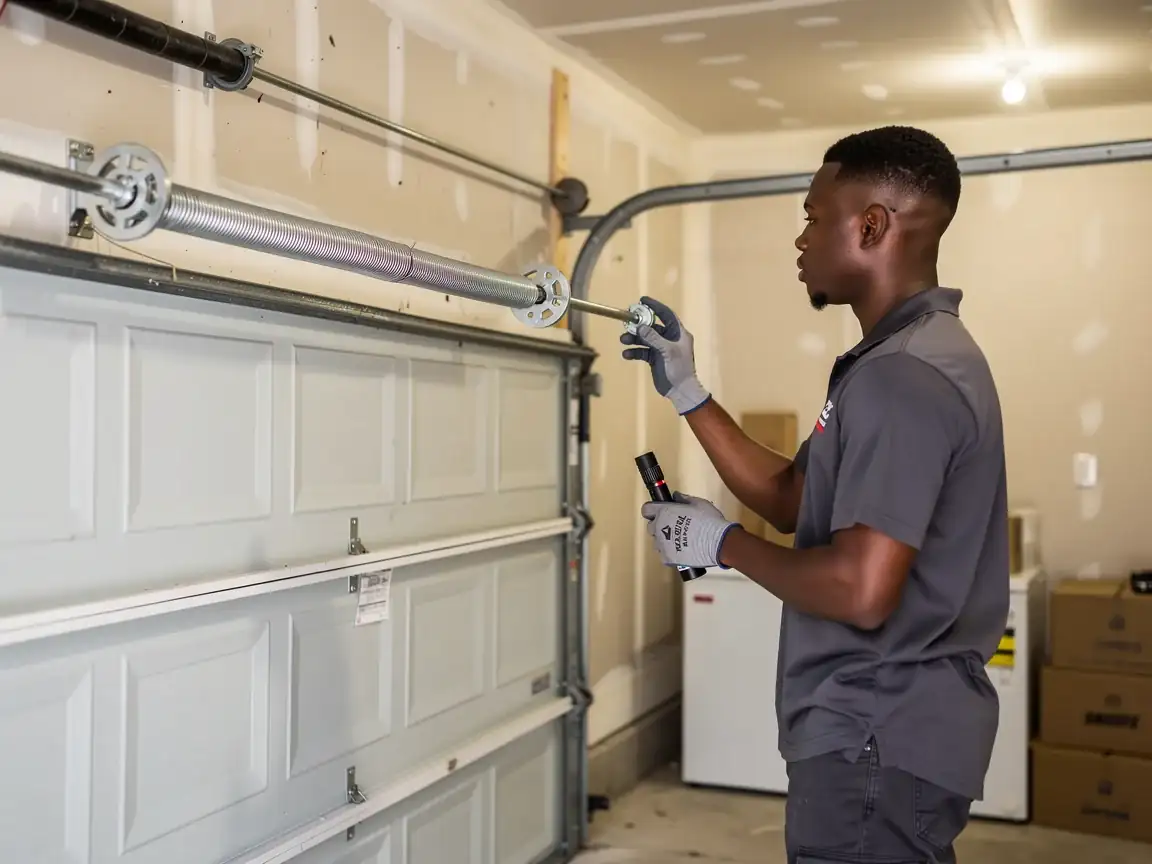
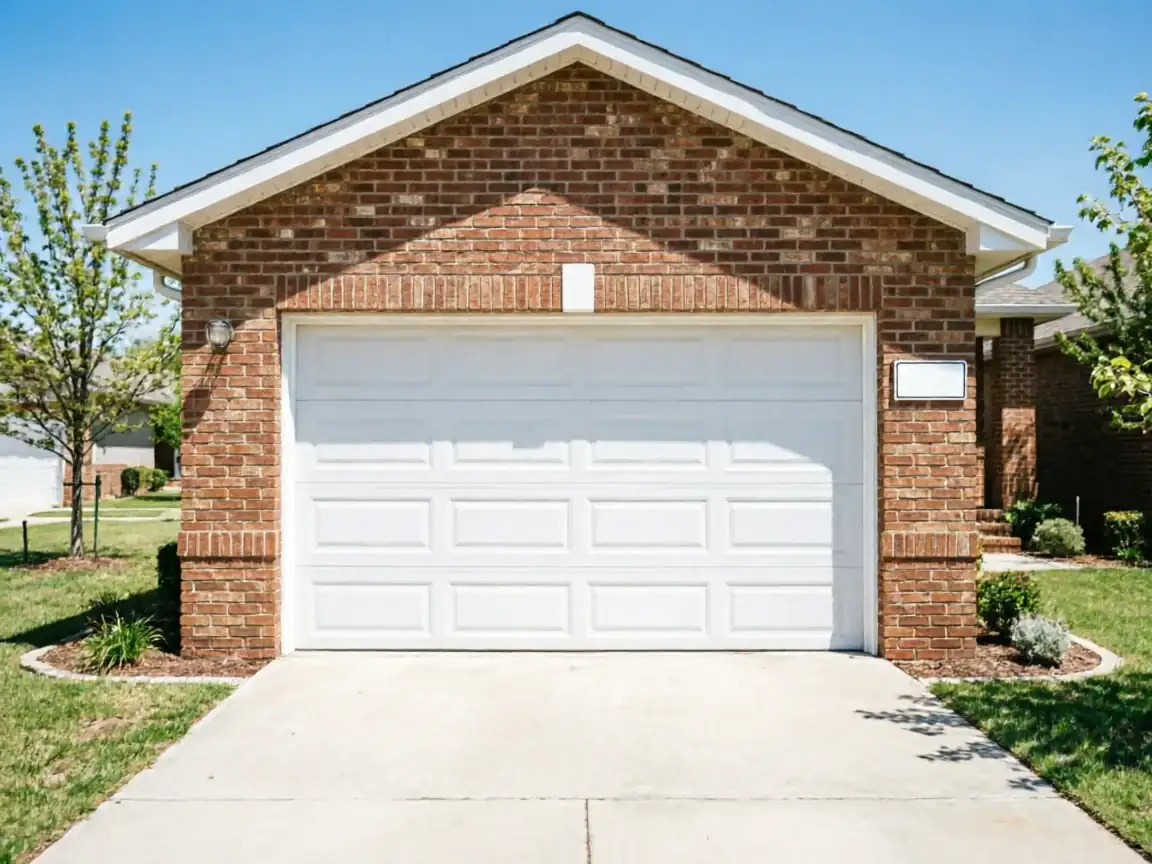
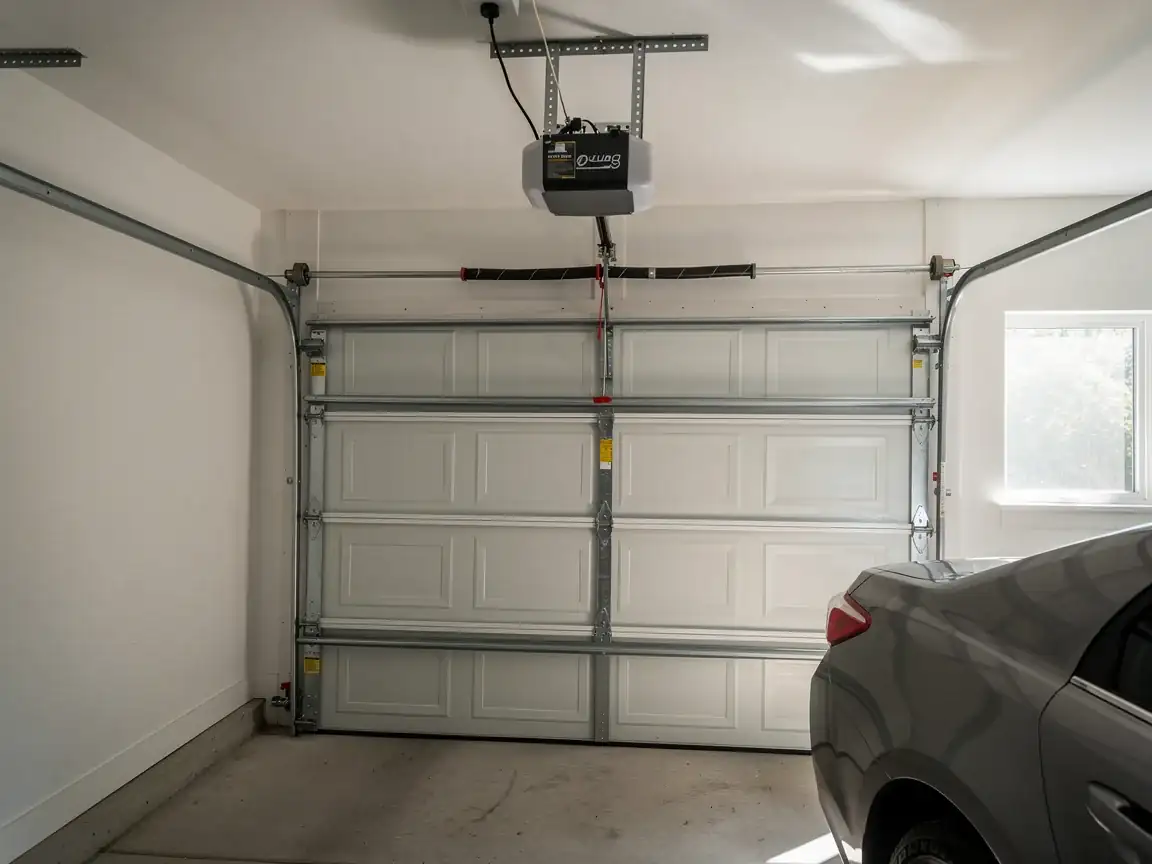
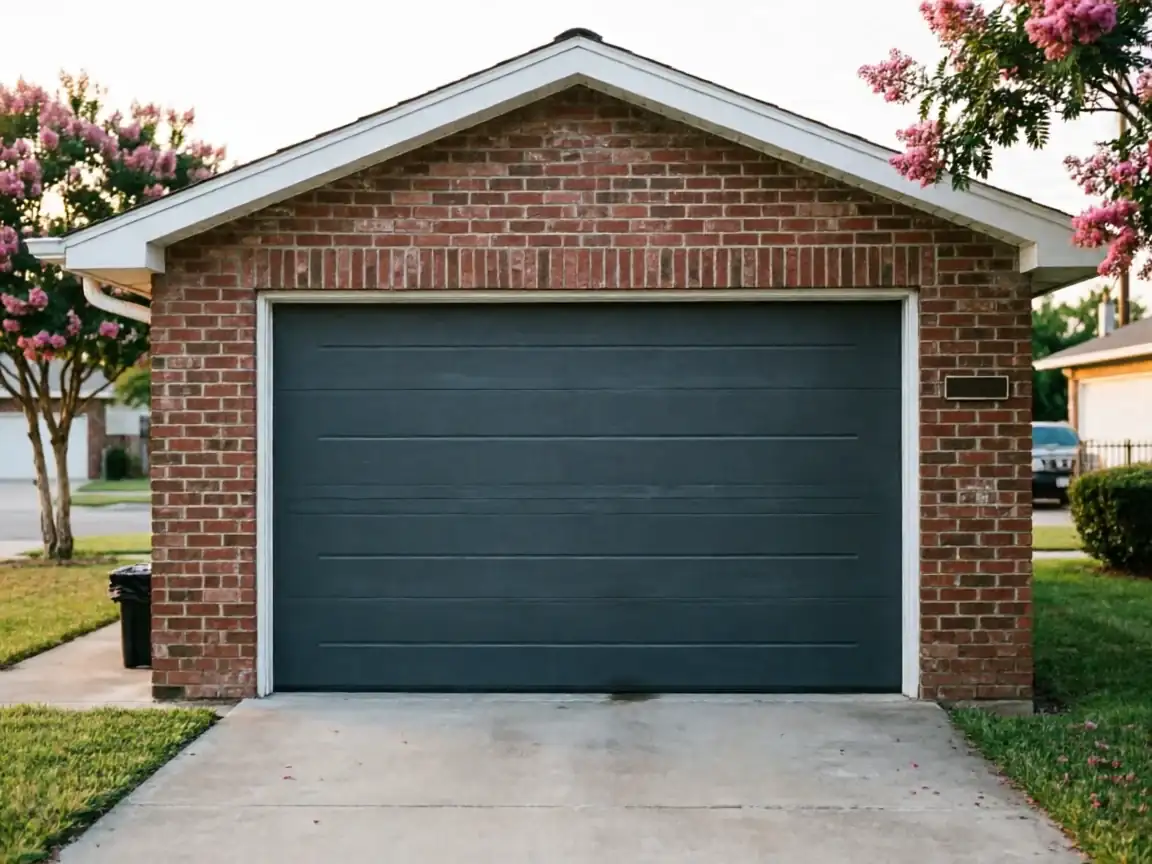
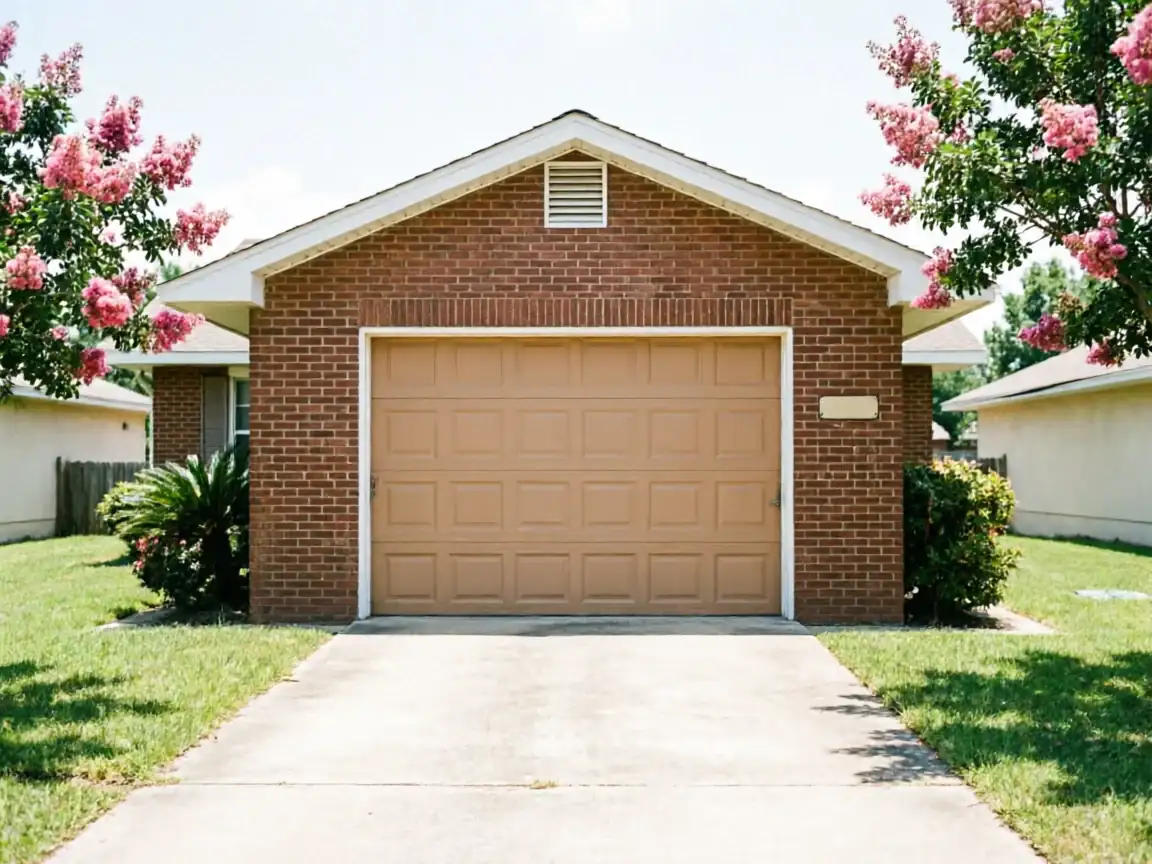
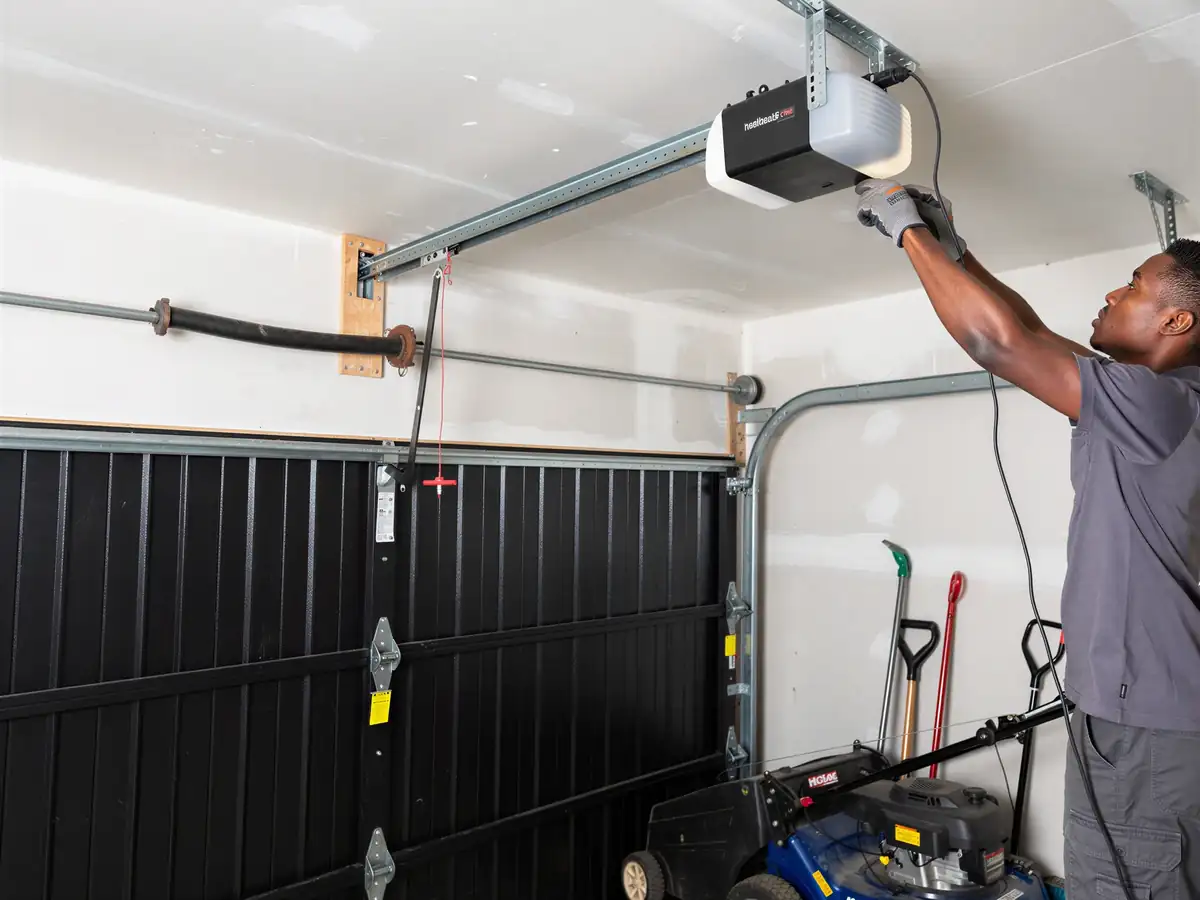
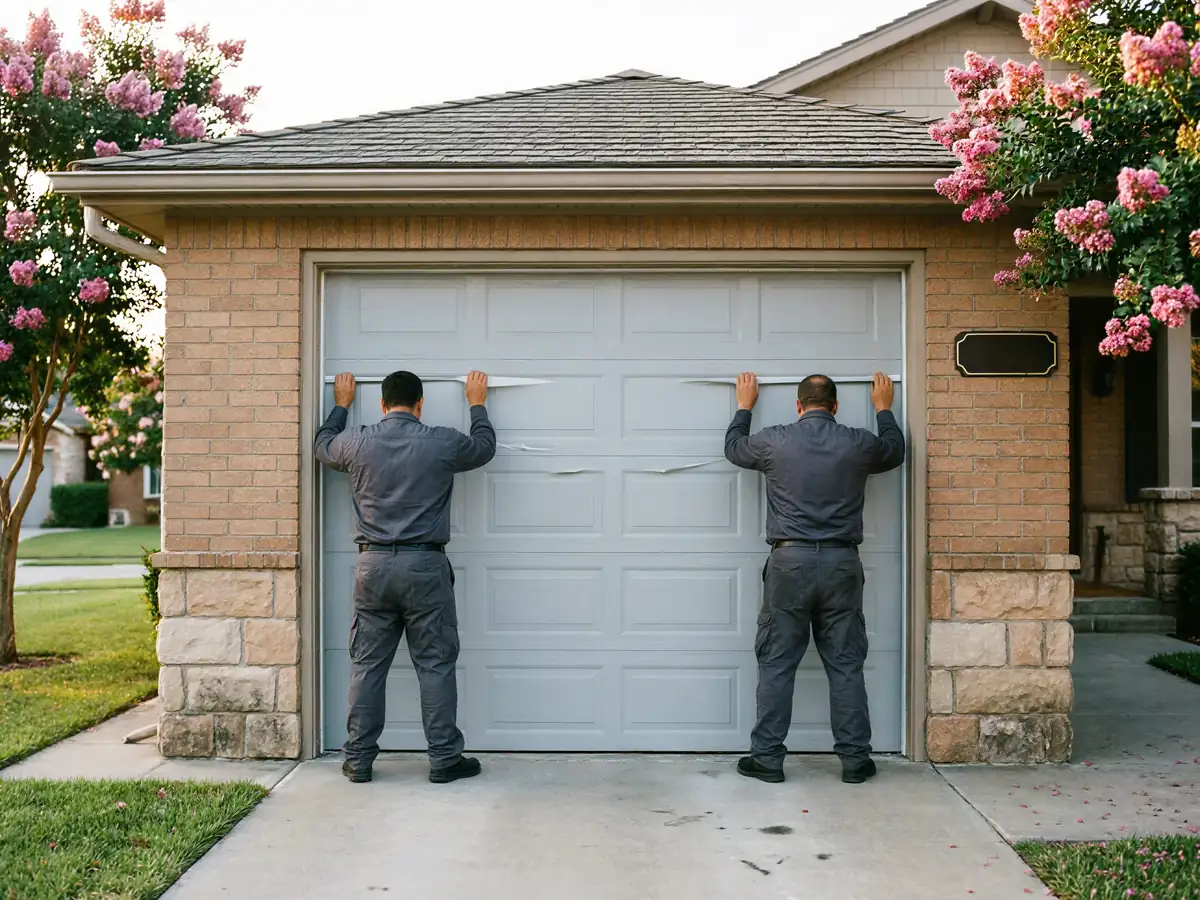
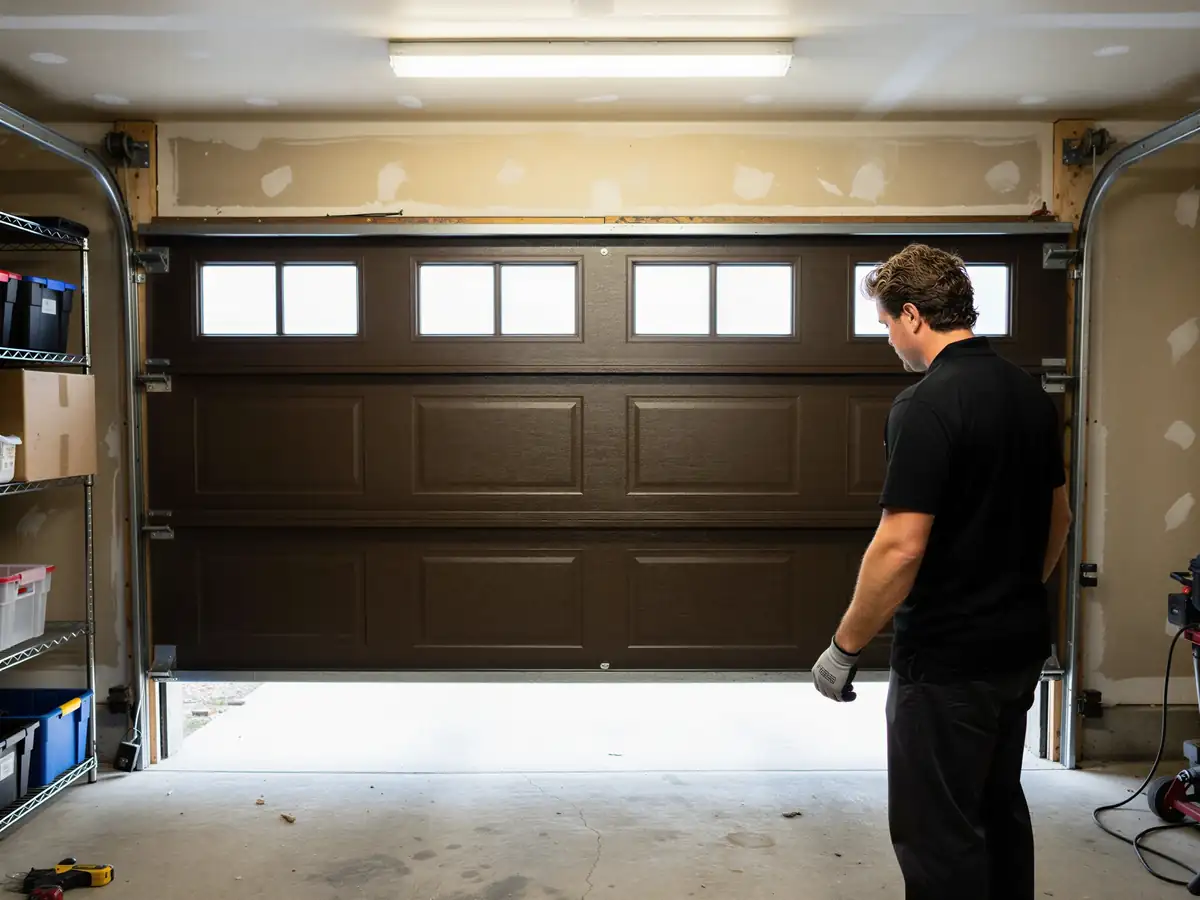
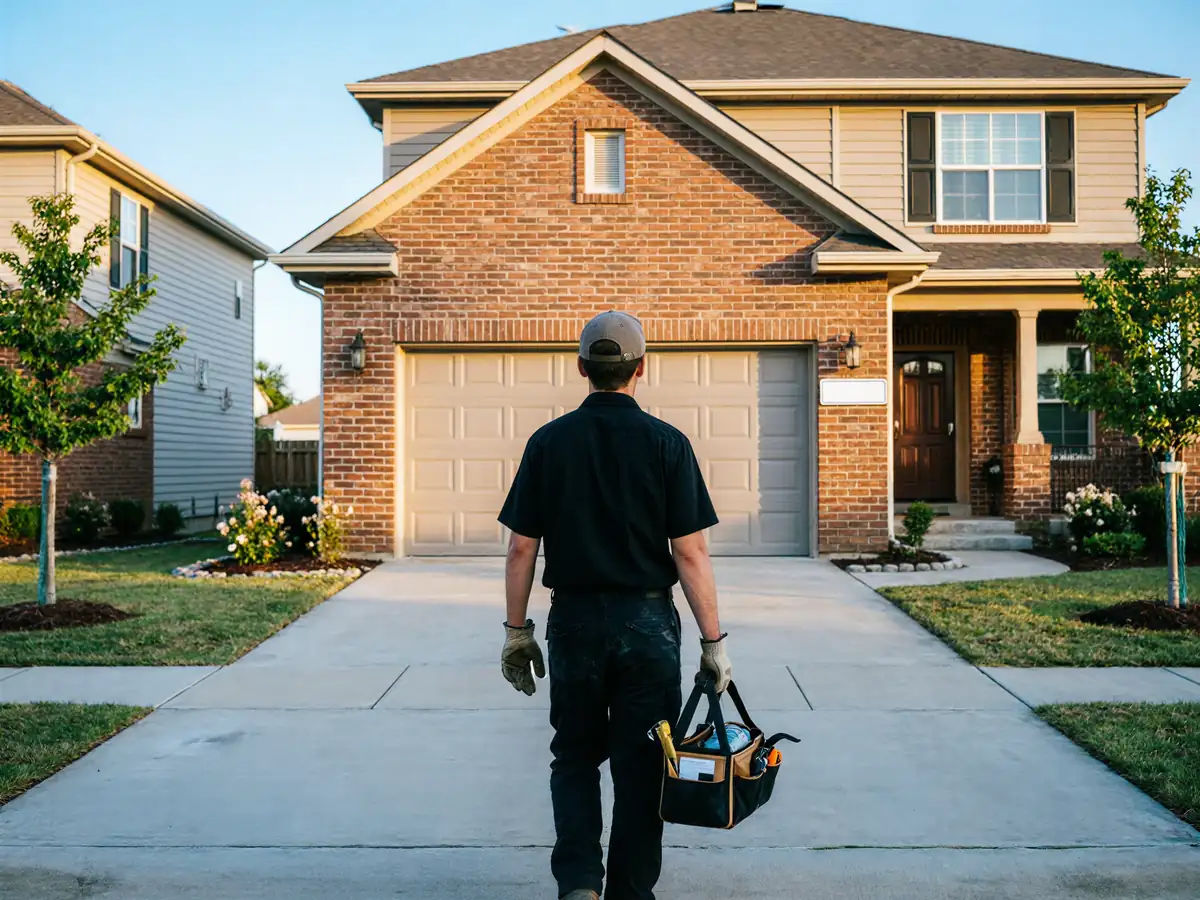
Garber sits about 16 miles out from our shop in Enid, and that drive is the first thing to understand about an emergency call here. We don't keep a crew stationed in Garber - every job starts with a truck leaving Enid, loaded with the springs, cable, and roller stock that actually fit what's on the houses out this way. That's not a knock on the town, it's just the honest shape of how the coverage works. Most of what we see in Garber is a steel door, single layer, 16 by 7 for the two-car openings that got added on later, or a single 9-footer on the older builds that never got widened. These are heavier doors than the newer insulated sandwich-panel units, and heavier doors load torsion springs harder over fifty-plus years of cycles. When a spring finally lets go on one of these, the door doesn't ease down, it drops, and that's the call that brings us out.
What It Costs
We don't publish a flat number for Garber because the job itself decides it - a single broken torsion spring on a steel door is a different bill than a cable that's jumped the drum and bent a track in the process. What we can tell you is that income here runs close to $63,869 for the wider service area, which is part of why we don't push a full opener swap when a $200 part fixes the actual problem. If a door is original to a house built in '62, sometimes the repair is the spring and nothing else. Sometimes the drum or the shaft is worn enough that patching it just buys you another call in a year, and we'll say so before we quote it.
Why This Fails Locally
The housing stock across this part of the county runs 1956 to 1981, with a median build year right around 1972, and Garber itself sits a decade earlier than that median at 1962. A door and opener from that era, if it's never been swapped, was built for a lighter duty cycle than what gets asked of it now - more cars, more cold starts, more years of the same spring taking the load. Add a moderate cold climate on top of that: steel contracts in a hard freeze, grease in an old bearing stiffens, and a spring already near the end of its wind cycle is more likely to go on a cold morning than a mild one. That combination - older doors, harder winters, original hardware still in place - is why we see more full spring failures out here than in houses built in the '90s with factory-set torsion units.
How It Shows Up
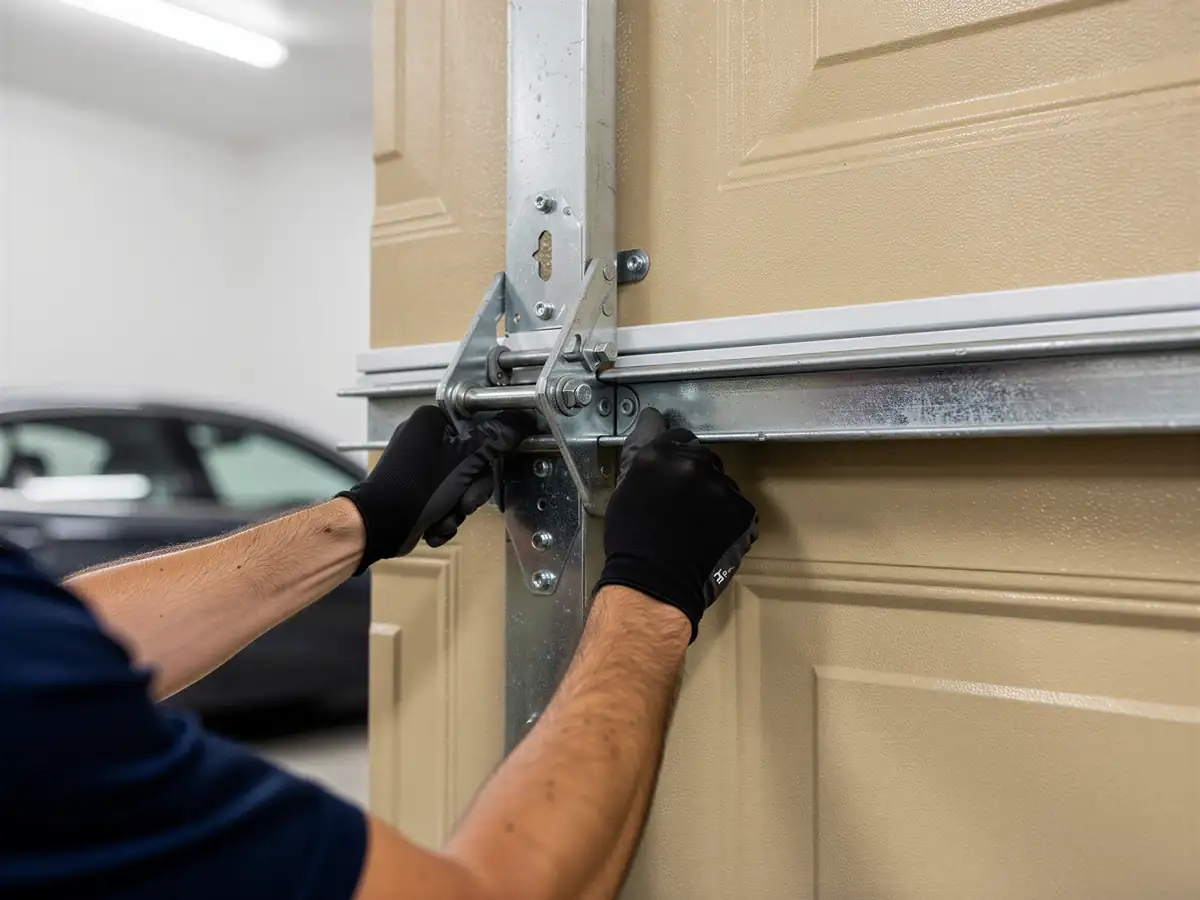
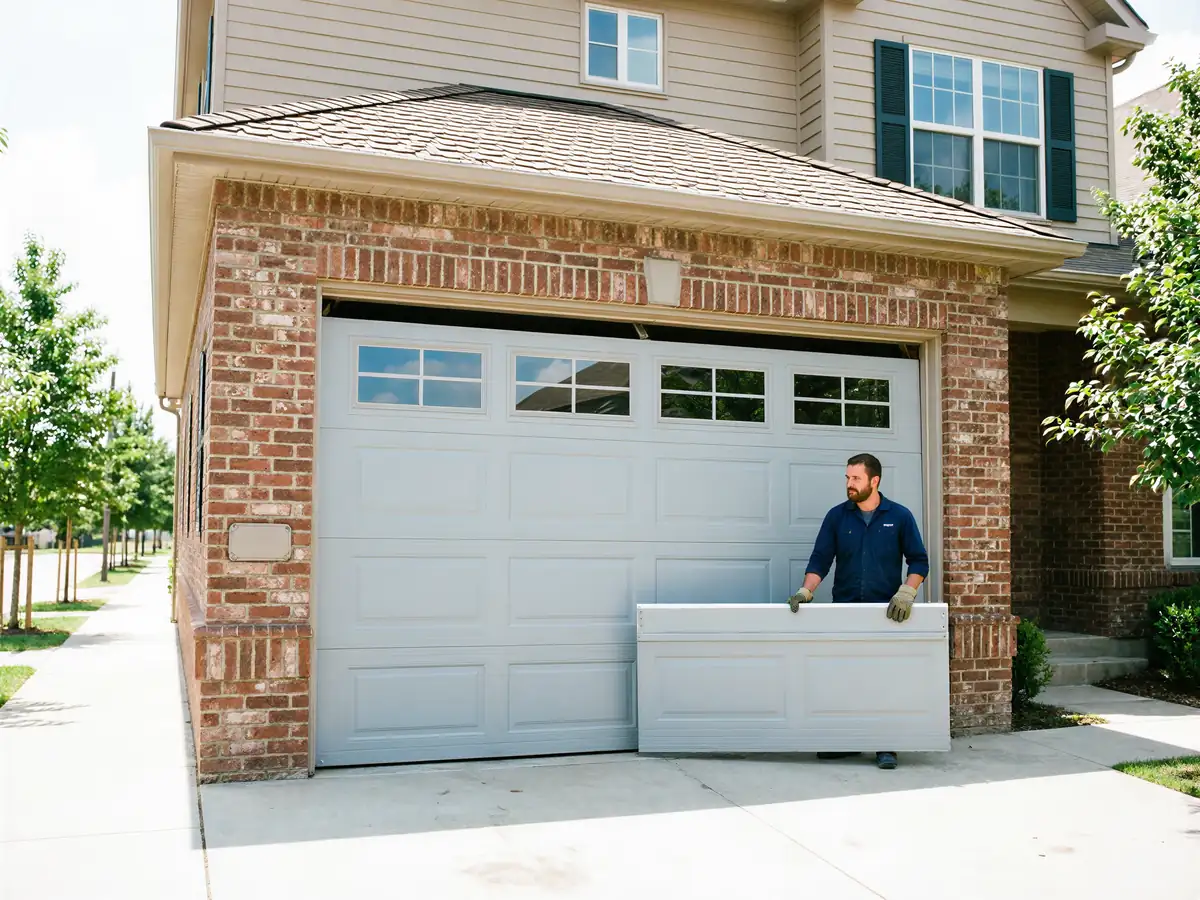
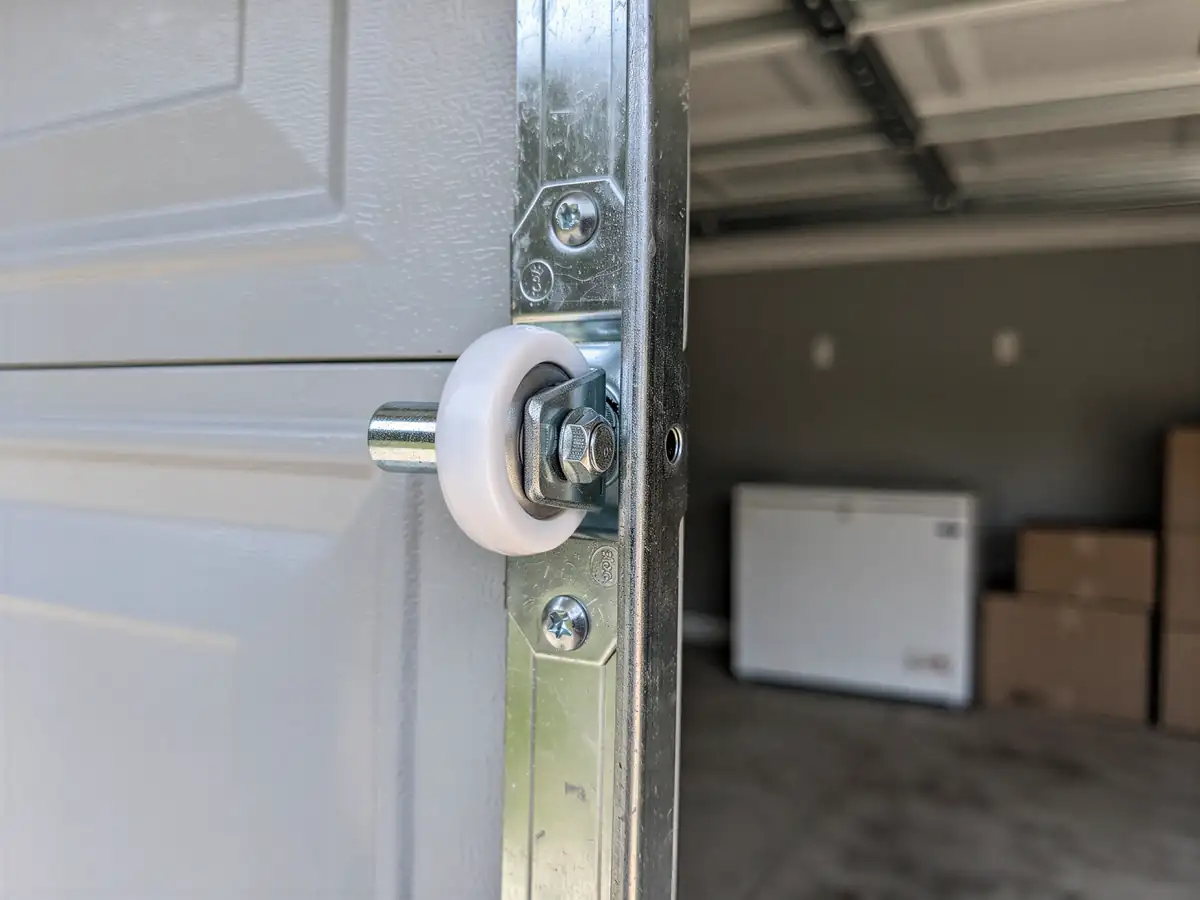
It rarely looks like one clean failure. A door that's been riding on a worn roller usually gives a warning first - a grinding sound on the way up, or the door catching slightly at the same spot every cycle, before the roller finally jumps the track. A torsion spring going tends to be sudden: the door feels fine one morning and then won't lift at all, or worse, it starts down and free-falls the last foot because the spring that was holding its weight is gone. A frayed cable sometimes shows a visible kink or a few broken strands near the bottom bracket before it parts outright. None of these are things to force past with the opener - running a door on a broken spring or a half-cut cable is how a torsion shaft gets bent, which turns a parts repair into a full header assembly job.