Time on the Job
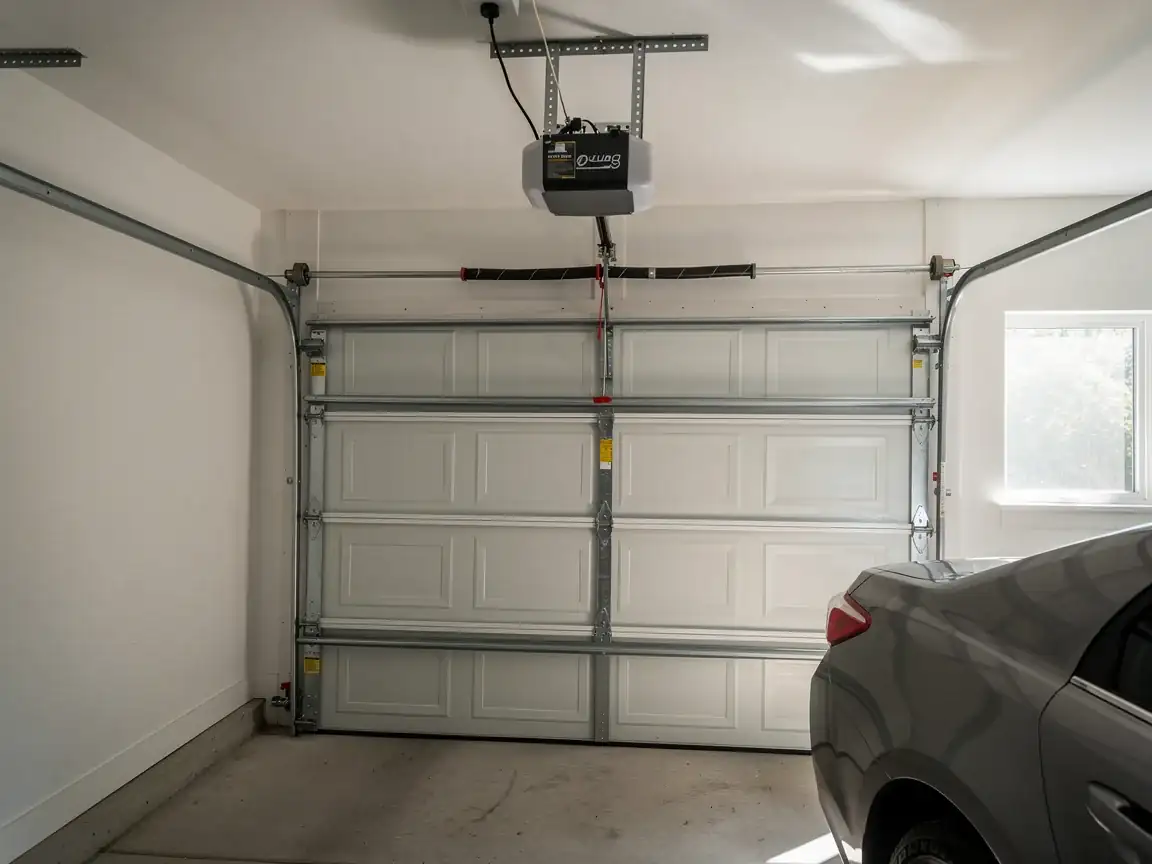
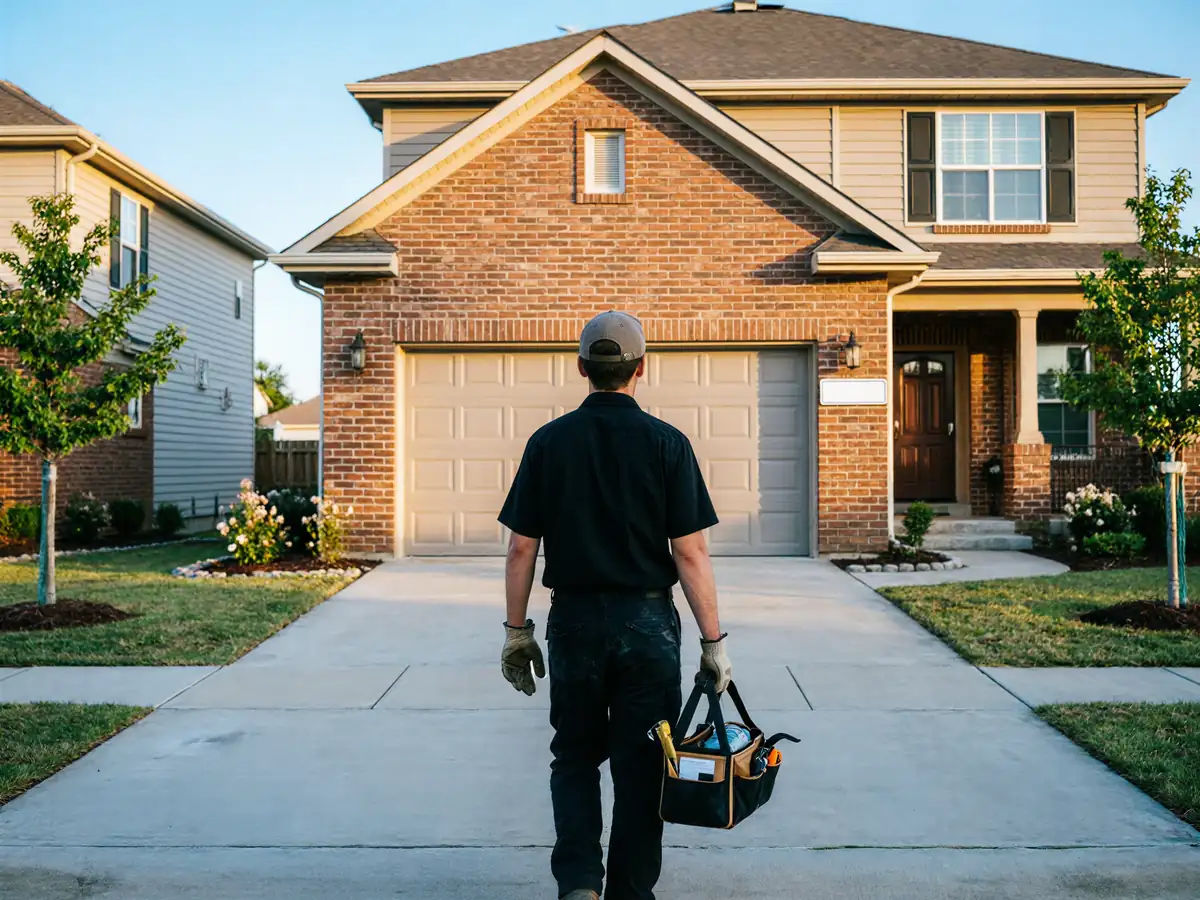
Garber sits 16 miles out from our shop in Enid, which is close enough that a morning call can still get a same-day look, but far enough that we plan the trip instead of squeezing it between two in-town jobs. That drive matters more here than it sounds like it should: if we're coming out to swap an opener, we bring the rail, the head unit, the wiring harness, and the mounting hardware with us, because there's no running back to the shop for a part we forgot. We build the truck for the job before we leave Enid, not after we see the door.
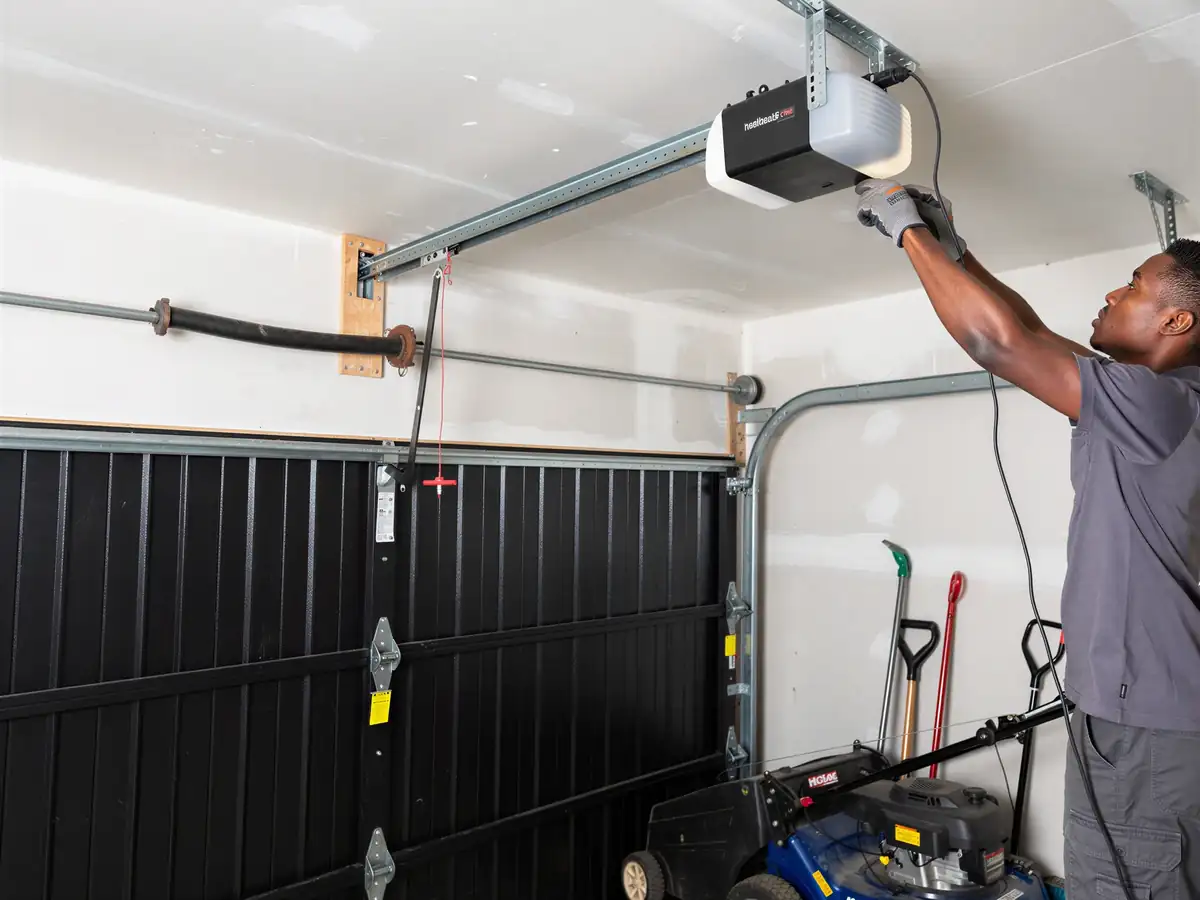
Most of what we see in Garber are houses built around 1962, which puts the garage and its original hardware squarely in an era when openers were either an aftermarket add-on or a builder-grade chain drive bolted onto framing that was never meant to carry a motor. The install itself - once we're on site - usually runs a few hours for a straightforward swap, longer if the header above the door needs reinforcing to hold the new unit's bracket. We'd rather spend the extra half hour bracing it right than get a callback.
What It Costs
We don't publish a flat number for Garber because what drives the cost isn't the town, it's the door and the header behind it. A house built in 1962 often has framing that was sized for a lighter door and no motor at all, which means some jobs need added blocking or a reinforced bracket before the opener goes in - and that's time and material the original builder-grade installs around here never budgeted for. We price that once we're looking at your specific header, not before.
What we can tell you is that Garber is a small town - 223 households - and most of the housing stock shares that same 1960s build era, so the framing issues we run into on one job tend to repeat on the next one down the road. That consistency helps us quote accurately once we're there, even without a standard rate sheet for the area.
What the Repair Takes
An opener swap on a house from the 1962 era usually starts with pulling the old unit down and checking what the rail was ever actually bolted to
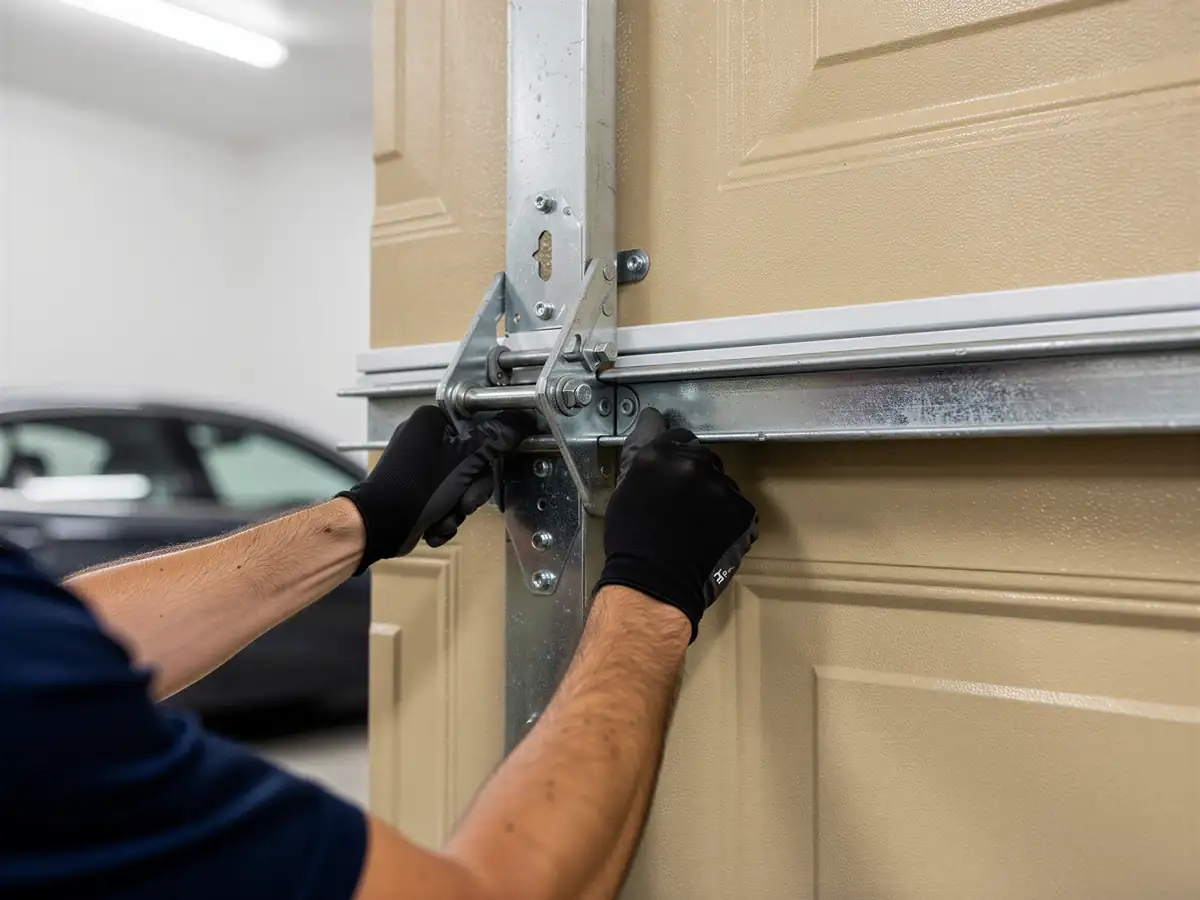
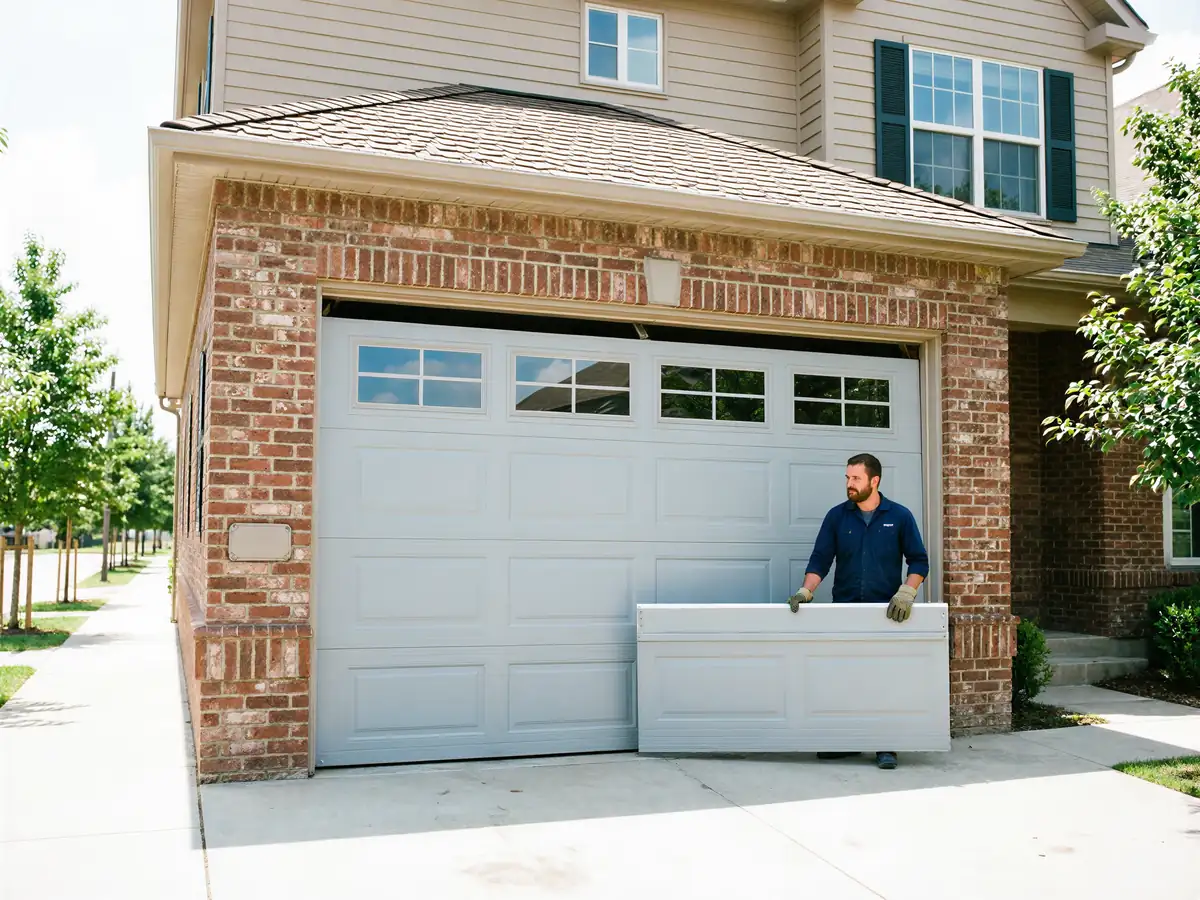
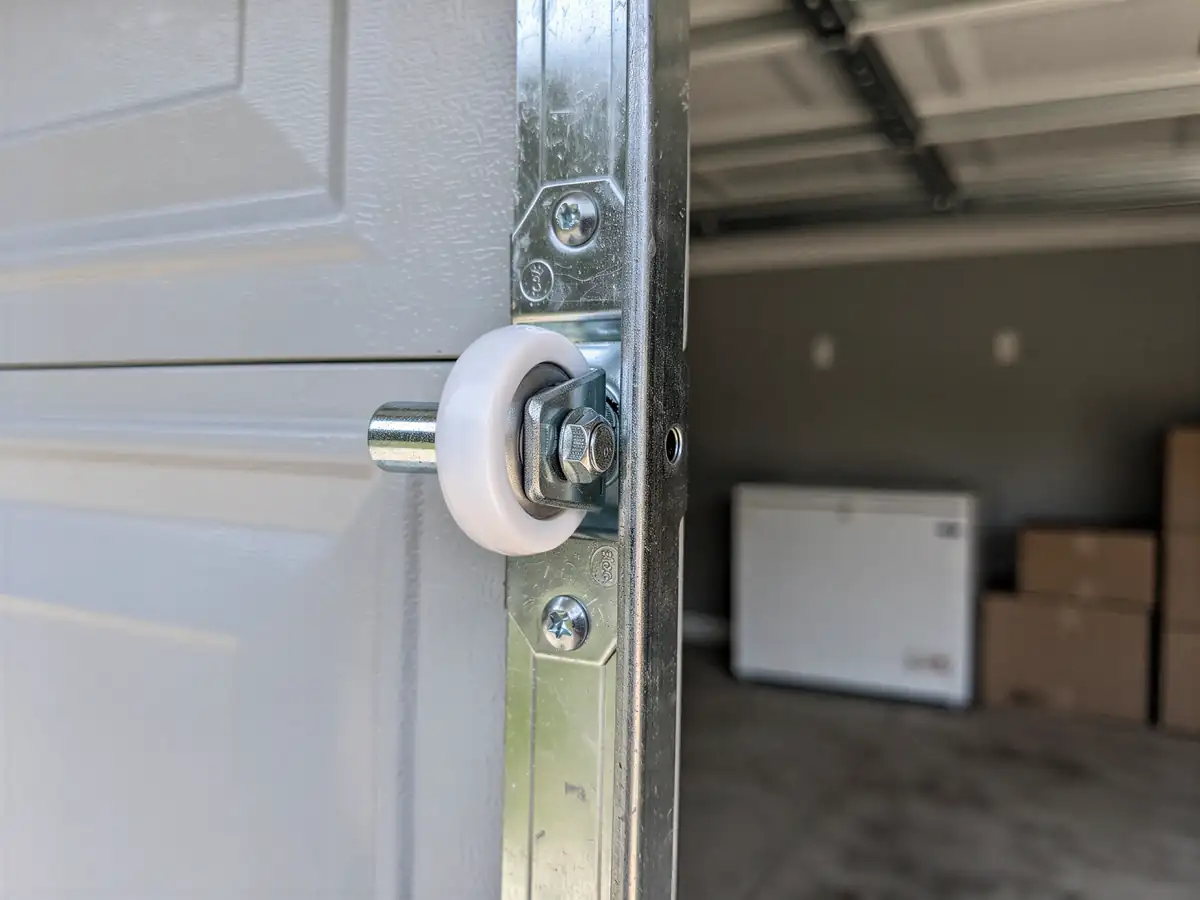
A lot of these garages were framed for a door and nothing else - no reinforced point for a motor bracket - so step one is often adding a brace before step two is hanging anything new. We check the door itself too: if the panels or track are original, a new opener won't run smooth on worn rollers no matter how good the motor is.
Wiring is the other variable
Houses from this period weren't built with a garage circuit in mind, so depending on what's already run to the garage, we may be working with what's there or recommending an electrician look at a dedicated line before we mount anything. We don't guess on electrical - if it's not safe, we say so and hold the install until it is.
Why This Fails Locally
Garber's winters sit in the same cold-moderate band as the rest of this part of Oklahoma, and that matters for openers more than people expect. Cold snaps thicken grease in an aging chain-drive unit and make the motor strain on start-up, which is exactly the kind of load that finishes off a gear already worn from thirty-plus years of use on original 1960s hardware. We see more opener failures here in a cold stretch than in mild weather, not because the units are old exactly, but because they were never matched to the door weight or spring tension of a house this age in the first place.
That mismatch - door and spring from one era, motor swapped in later without checking the balance - is the single most common reason an opener burns out early in houses like these.
How It Shows Up
The call usually starts with the opener running loud, then struggling, then stopping partway up or down. On a house this age, that's rarely just the motor - it's often the door's spring tension drifting out of balance over the decades, which makes the opener work harder than it was built for every single cycle. Other times it's a remote that stopped syncing, or a wall button with wiring old enough that the whole run needs replacing rather than patching.
If your door is heavy to lift by hand with the opener disconnected, that's the tell. The opener didn't fail on its own; it's been fighting unbalanced springs for years and finally lost.