Time on the Job
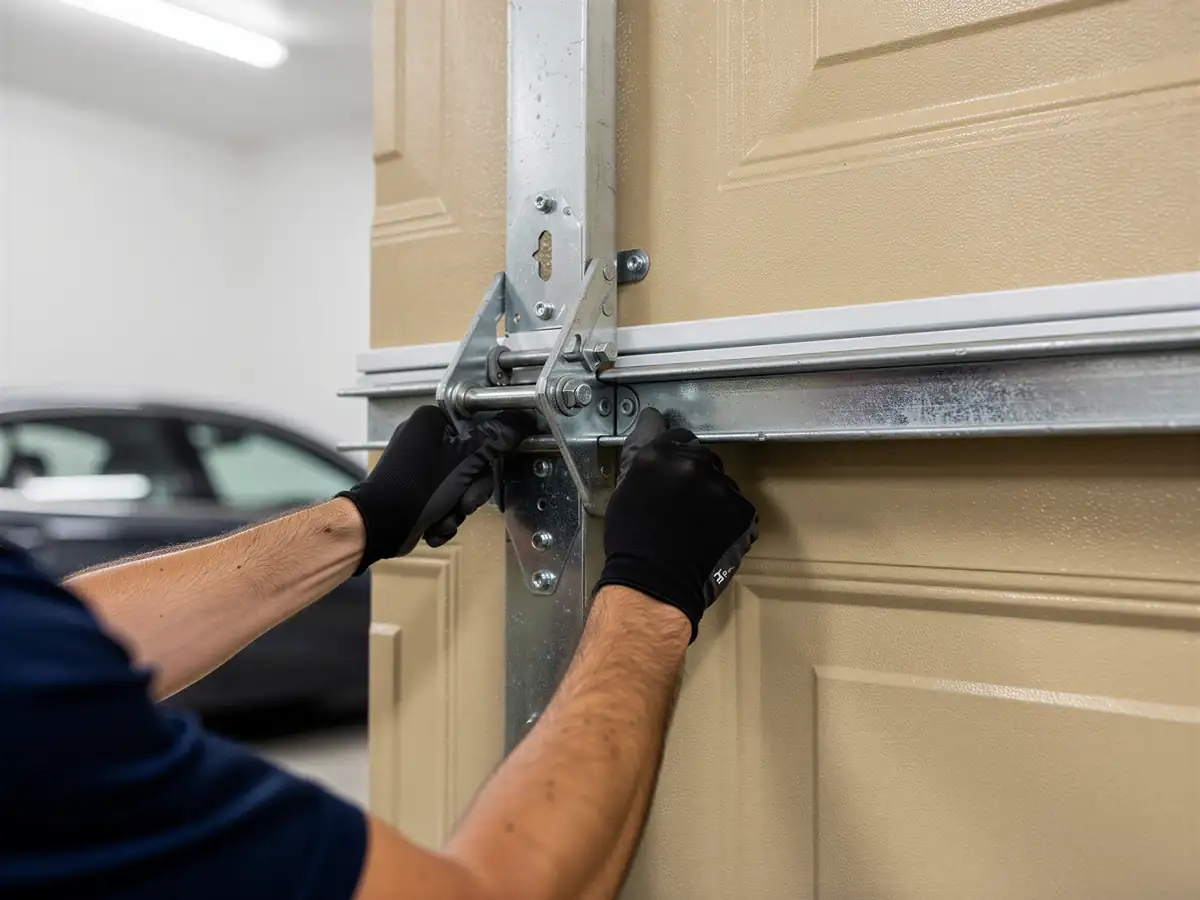
We don't keep a shop in Garber. Every call here starts with a 16-mile drive from Enid, and that drive is part of how we plan the job - we load roller sets, bearings, and the hex or socket hardware for older steel track before we leave, because there's no hardware store around the corner to run back to if we guessed wrong on the part. That means a roller job on a 1960s door usually gets done in one trip, start to finish, without a second visit for a forgotten bracket. It also means we're not the outfit to call if you need something looked at in the next twenty minutes - we're coming from Enid, not around the block. For a straightforward roller swap, that's rarely a problem since this isn't an emergency repair the way a broken spring is. It's wear you can usually see coming and schedule around, which works in your favor given the drive.
What It Costs
Garber's median household income sits at $63,869, the same figure we see across the wider Enid service area, and that number is the one that decides whether a roller job makes sense versus a full door replacement. At that income level, roller replacement is almost always the cheaper, smarter move when the door itself and the track are still straight - you're paying for hardware and labor, not a new door, opener, and install. The math changes fast if the rollers have been grinding long enough to chew up the track or pull a panel out of square. At that point you're not comparing roller cost to door cost anymore, you're comparing a patch job to a replacement that actually solves the problem. We'll tell you straight which side of that line your door is on rather than sell you rollers on a door that needs more.
Why This Fails Locally
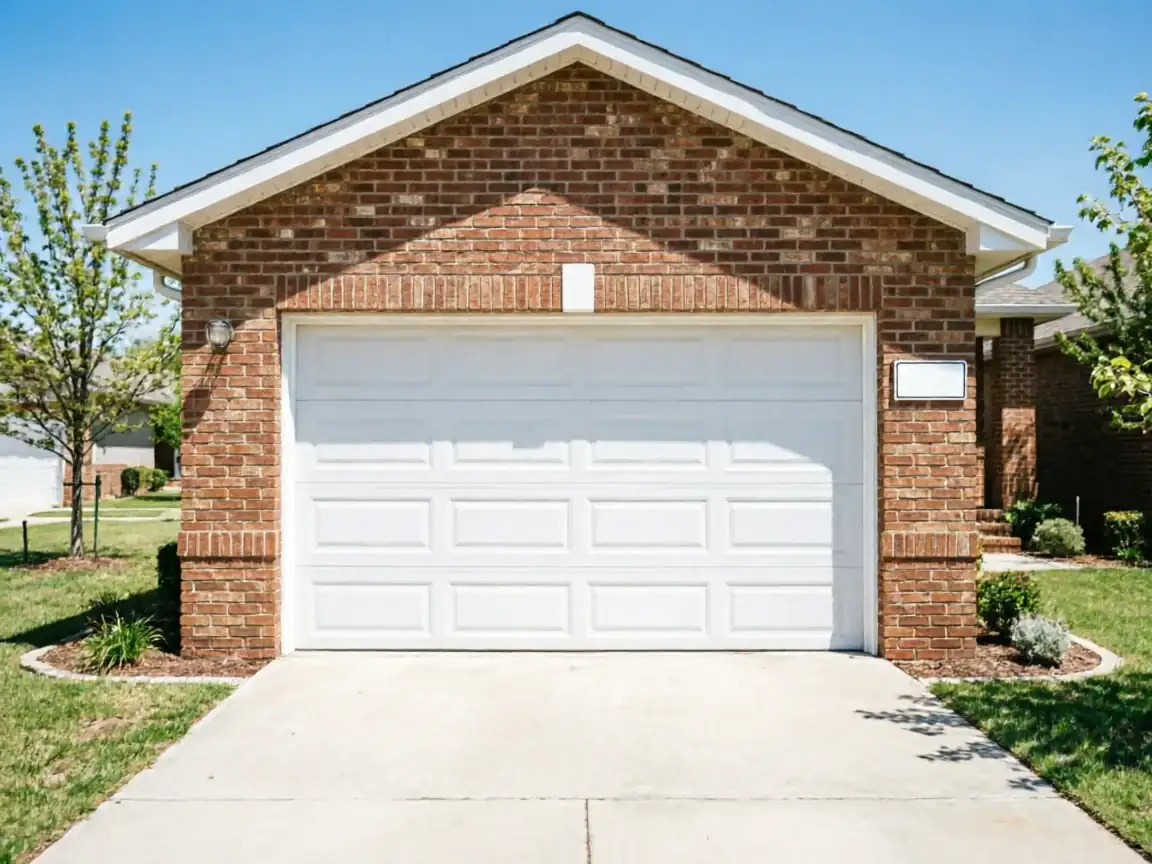
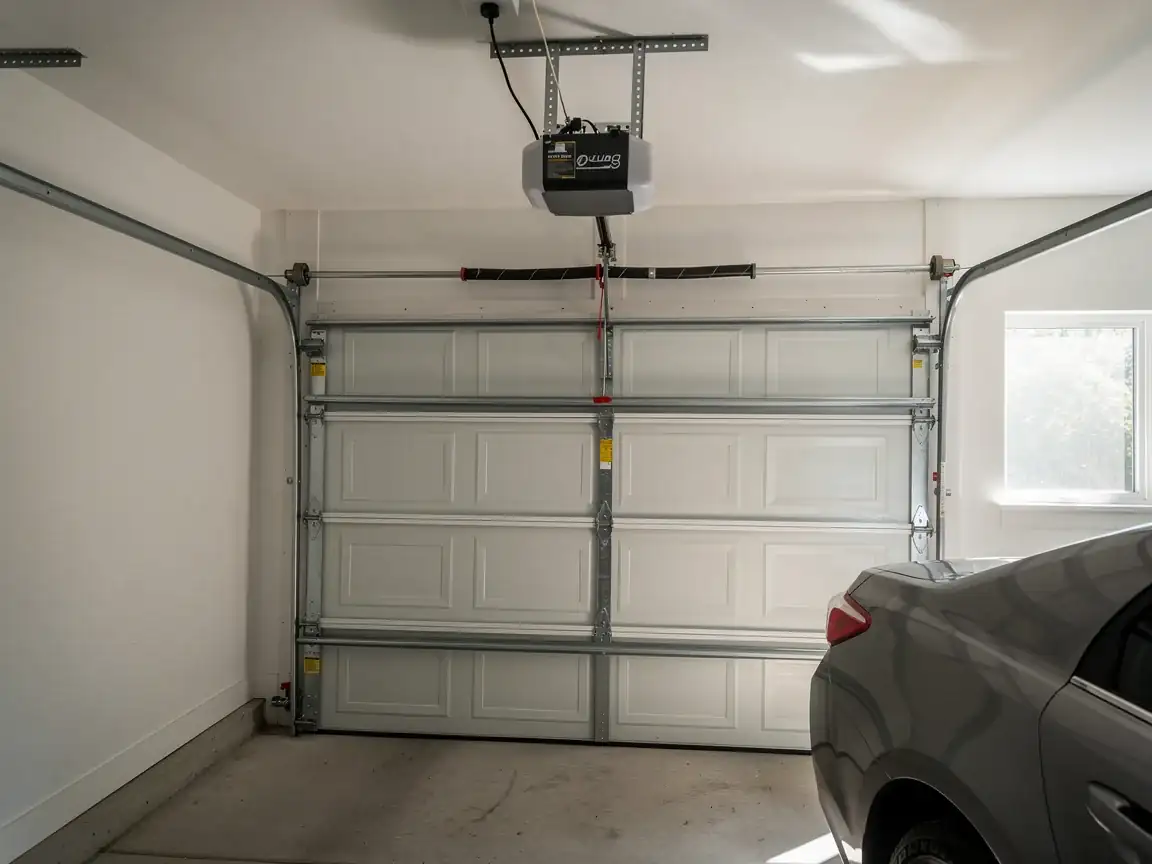
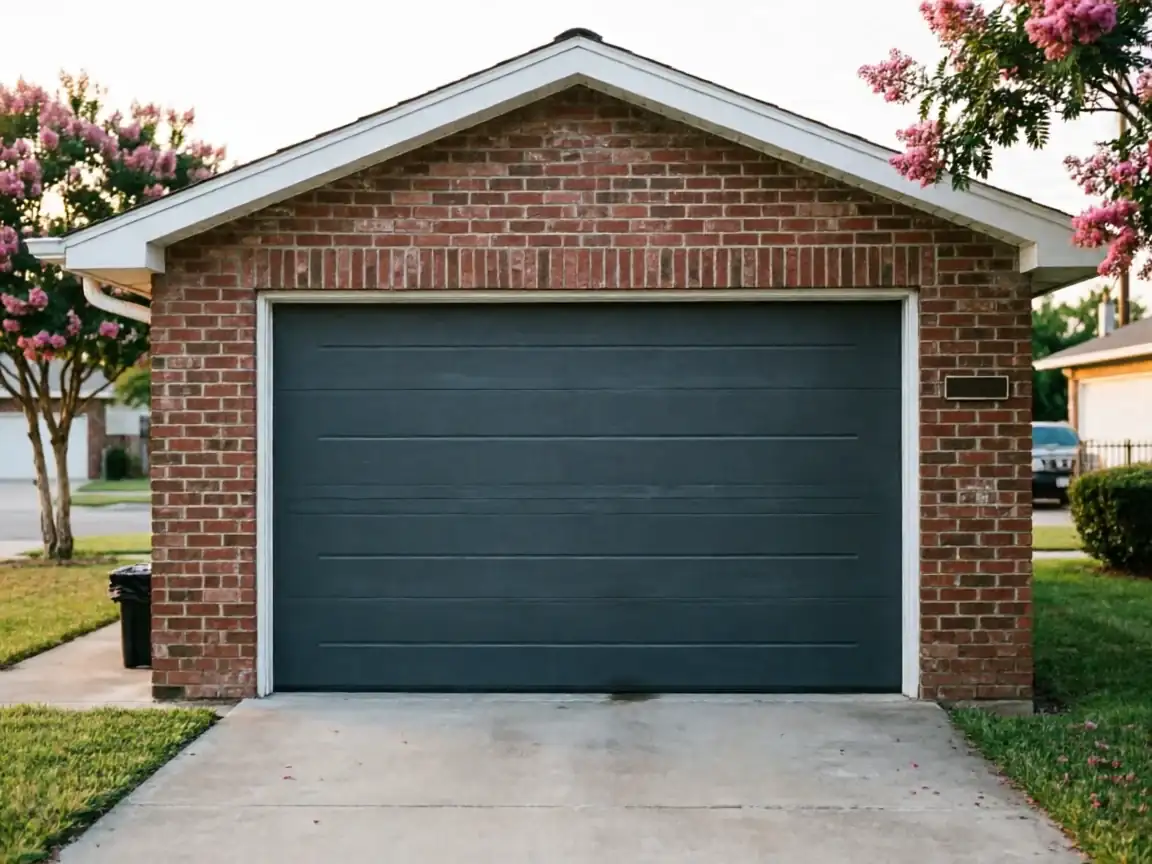
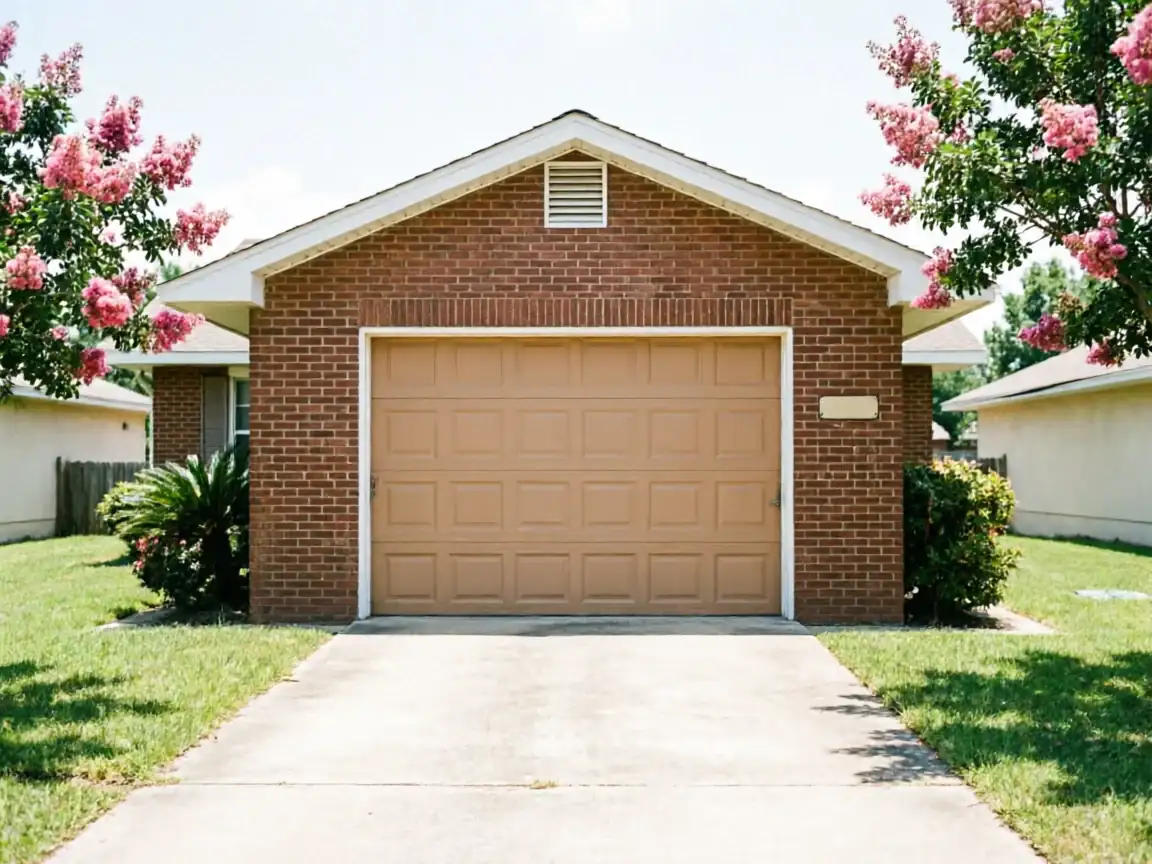
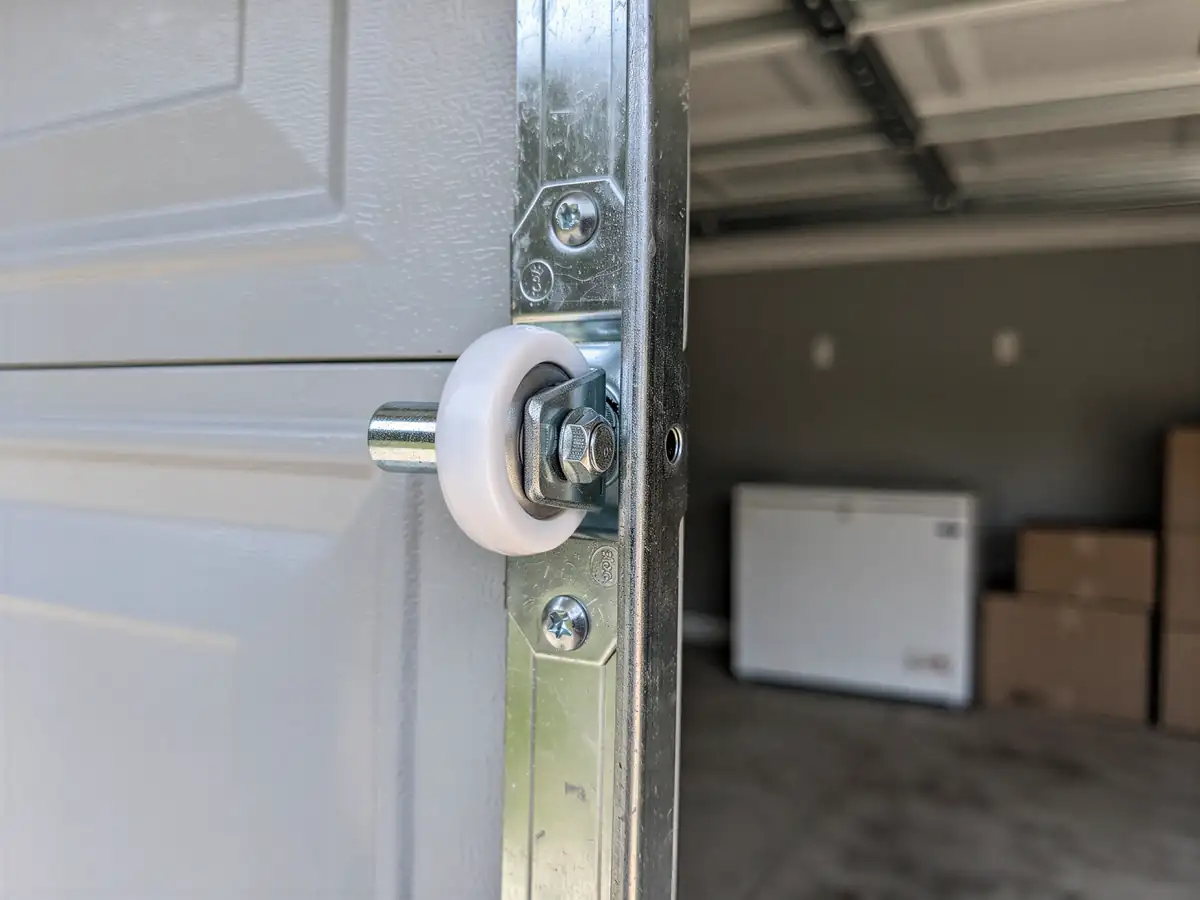
The median house in Garber went up around 1962, right in the middle of the 1960s-70s building run across this part of the county. Doors from that era were built with steel rollers running in steel track, not the nylon-and-bearing setup you'd find on anything installed in the last fifteen years. Steel-on-steel wears fast, and once the factory grease dries out or washes off, it wears faster - there's no cushioning left between two hard metal surfaces grinding against each other every time the door opens. In a cold-winter climate, that grease also stiffens and cracks with temperature swings, which speeds up pitting on the roller stem and the track rail both. A door of this age that's never had the rollers touched isn't running on worn parts so much as it's running on parts that were never meant to last sixty years in the first place.
How It Shows Up
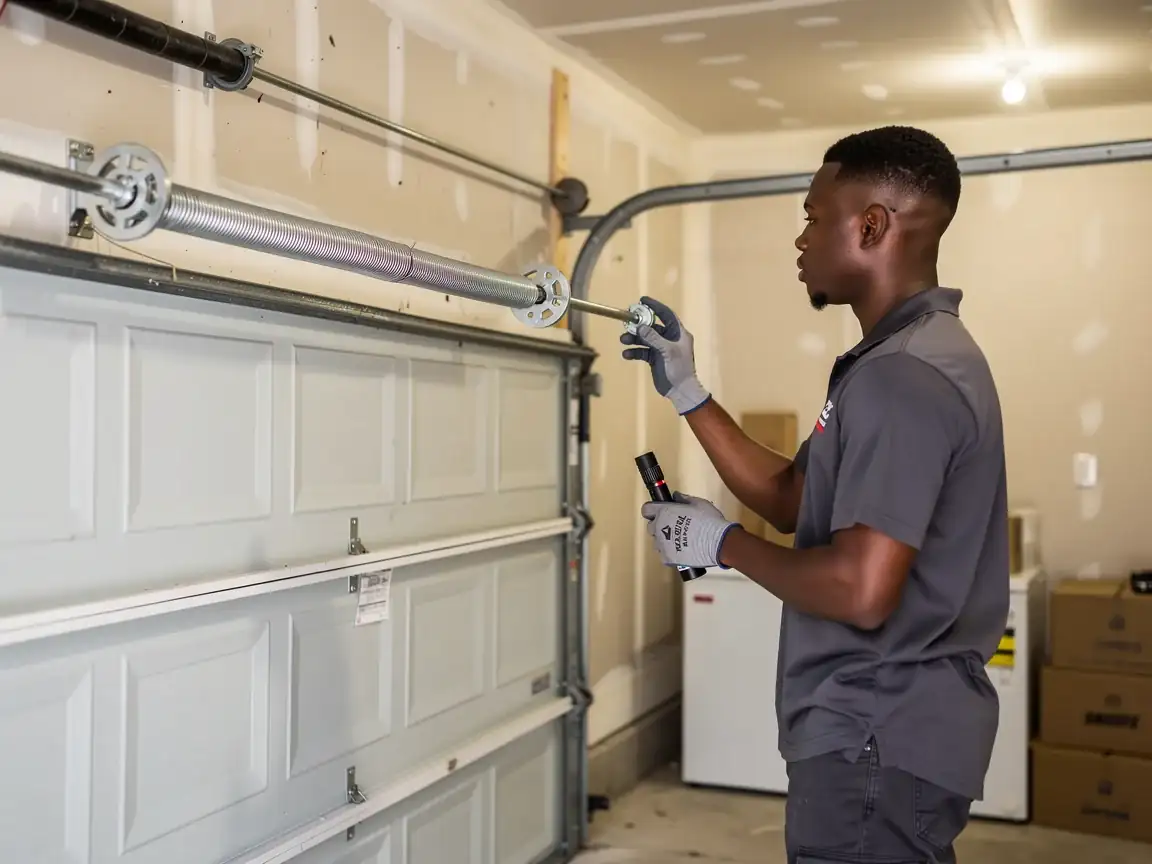
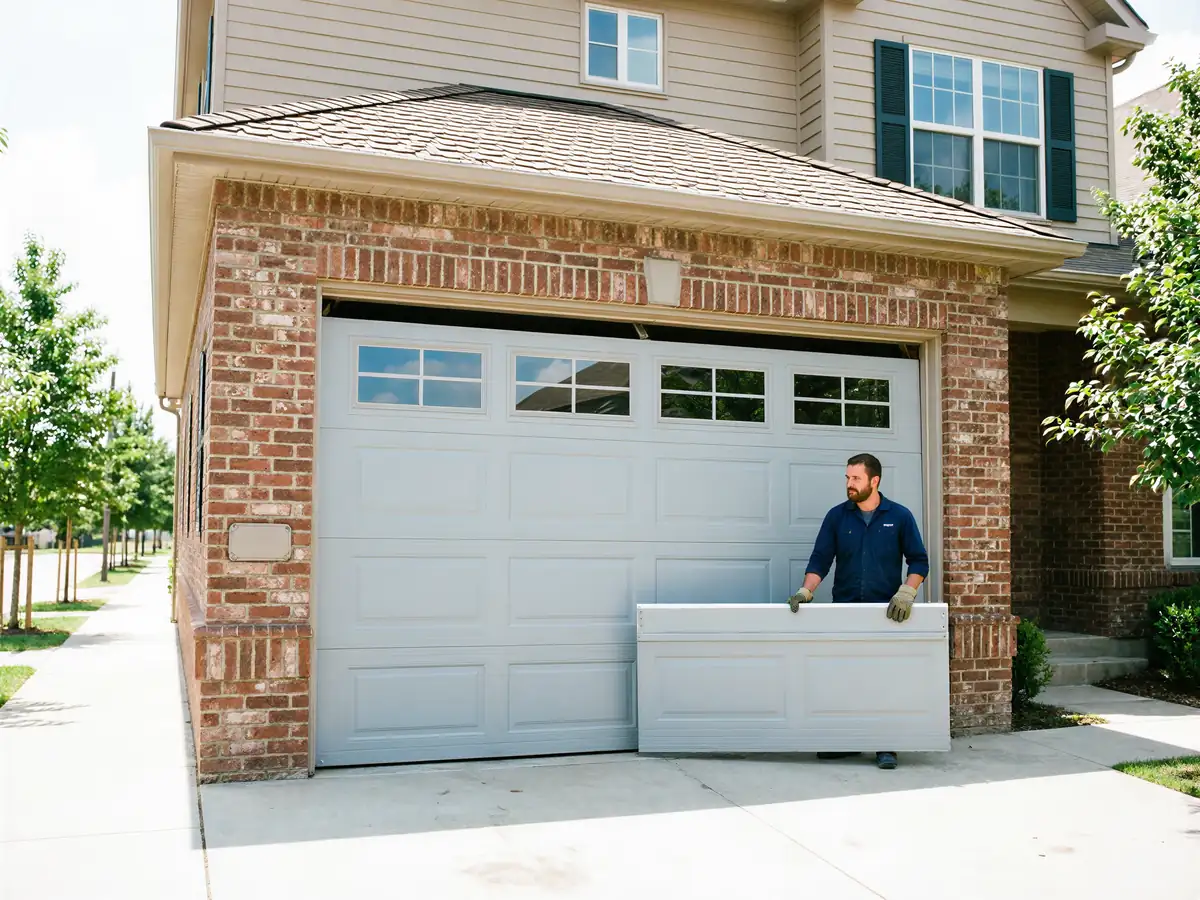
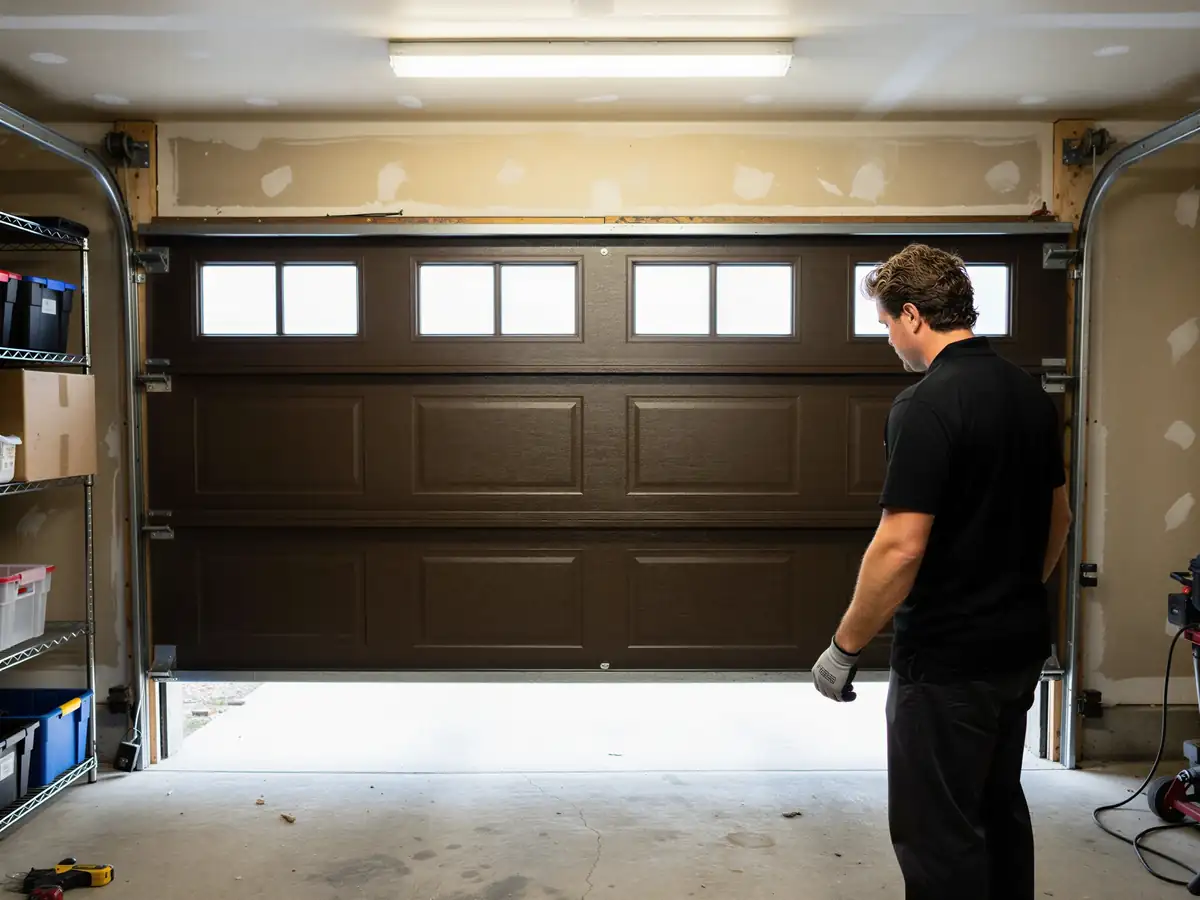
The first sign is usually noise - a grinding or rattling that gets louder as the door travels, worse at the top or bottom of the run where the roller sits longest in one spot. After that you'll notice the door catching or hesitating at the same point on the track every time, which is a flat spot worn into one roller rather than a problem with the opener. Left alone, worn rollers start pulling the track away from the frame, and that's when a roller problem turns into a track and bracket problem. If you see the door walking sideways as it opens, or hear a roller actually hop out of the track, that's past the point where a simple swap fixes it cleanly - get it looked at before it does.