Time on the Job
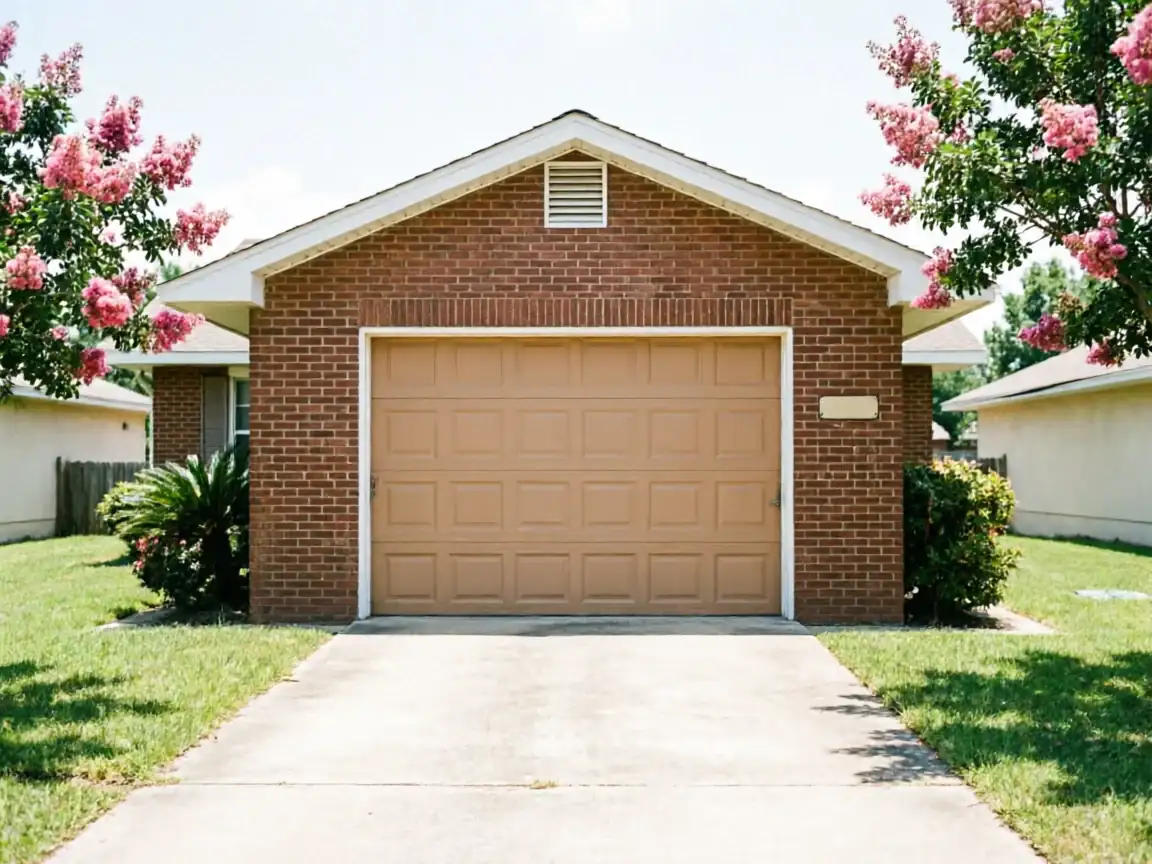
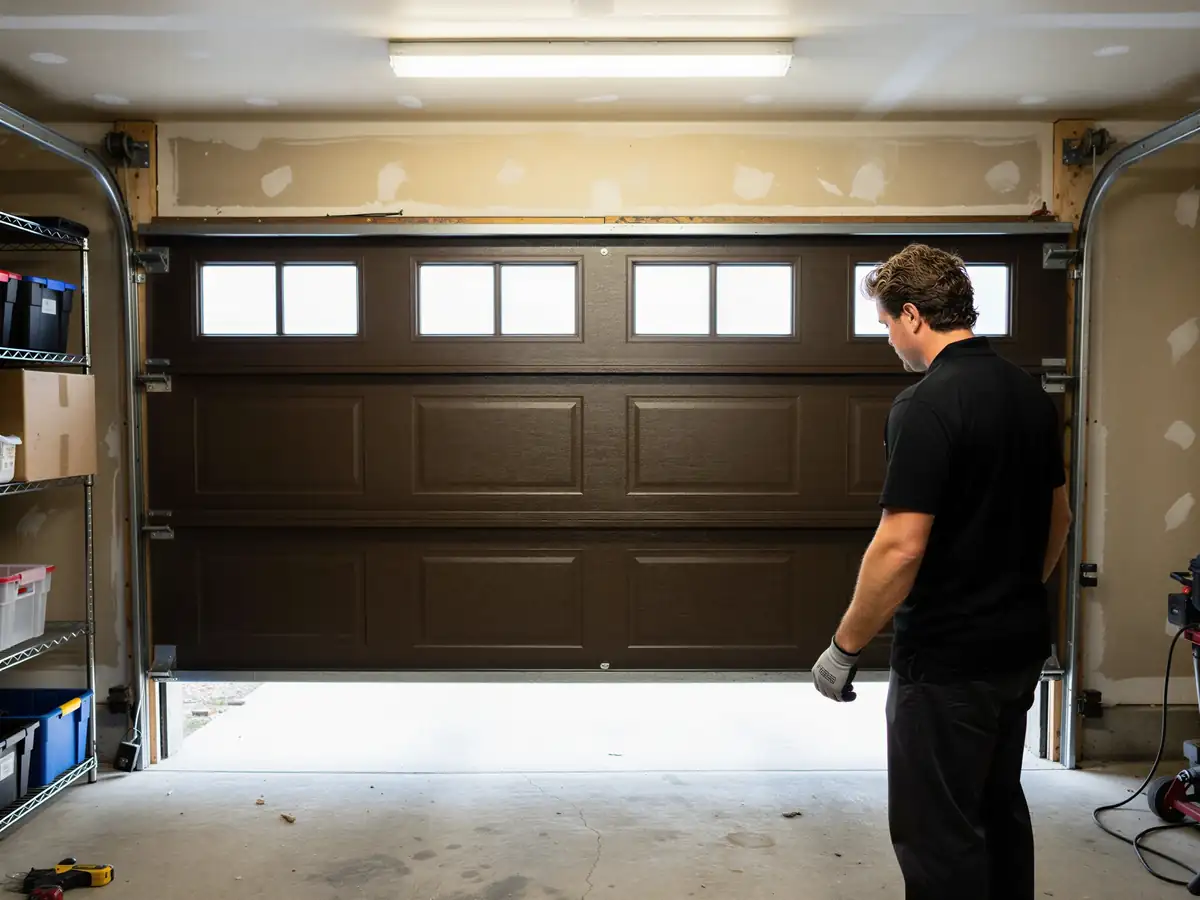
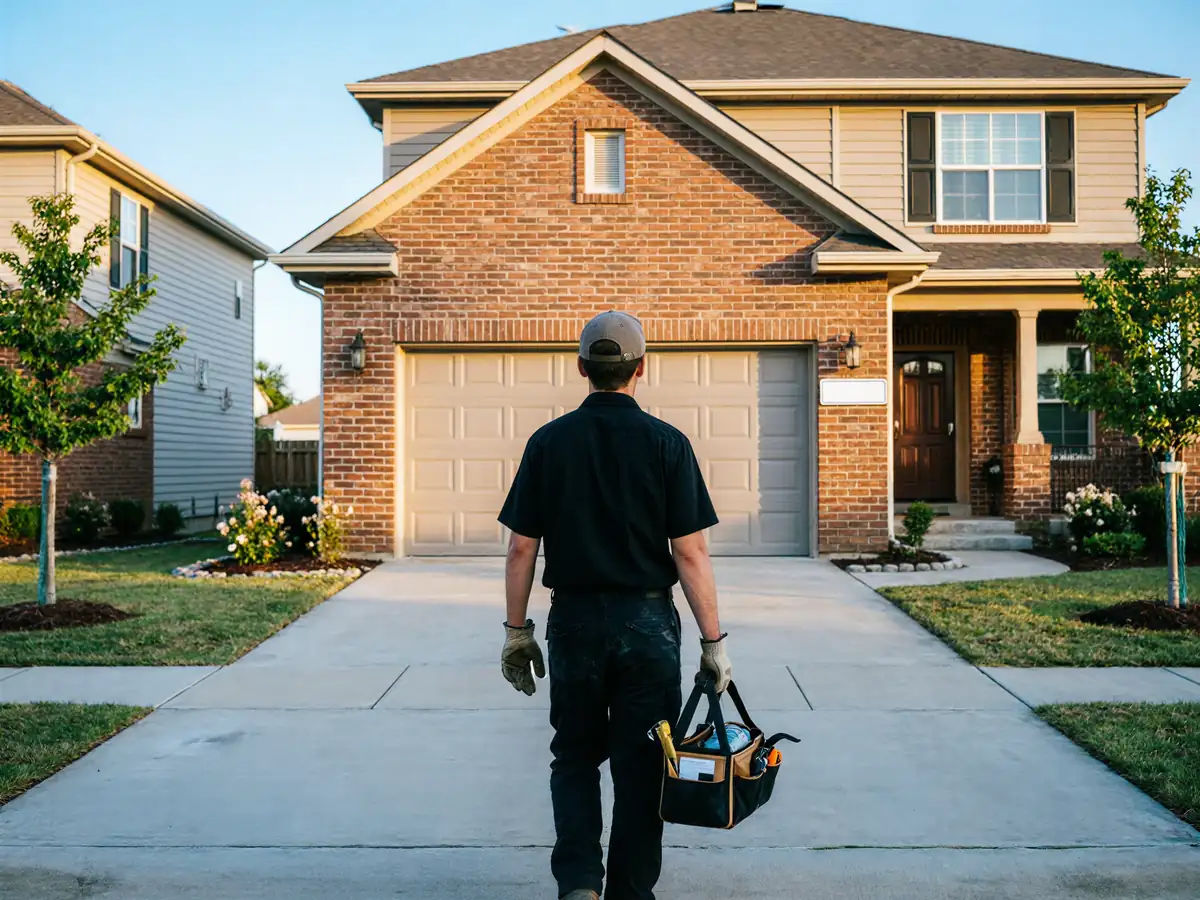
Most houses in Garber went up around 1962, which puts this pocket a decade ahead of the 1972 median for the wider service area. That matters for installation because a door this age was almost never touched after the original builder put it in. The track, the hinges, the drum - if nobody's called about a broken spring in the last twenty years, there's a decent chance none of it has been swapped. We drive out from Enid, about 16 miles, to look at the actual opening before quoting anything. On a job like this, the first visit is as much about measuring the frame and checking for settling as it is about picking a door. Older framing in this town often isn't square anymore, and that changes what track and hardware will actually fit without shimming. We won't guess at that over the phone - it's a drive-out call every time, because the house decides the job, not the catalog.
What It Costs
We don't post a flat number here because what drives the price in Garber isn't the door panel - it's what's behind it. A house built in 1962 with original jambs and a narrower opening than modern doors expect will need more carpentry than a newer house would. Median household income across the service area sits at $63,869, and most of the installs we see here are owners replacing a door that's finally quit rather than upgrading for looks. That changes the conversation: we quote the base install and then call out separately if the framing needs work, because that's the part that varies house to house in this era of construction. We'd rather walk you through two numbers than give one number that doesn't hold once we open the wall.
Why This Fails Locally
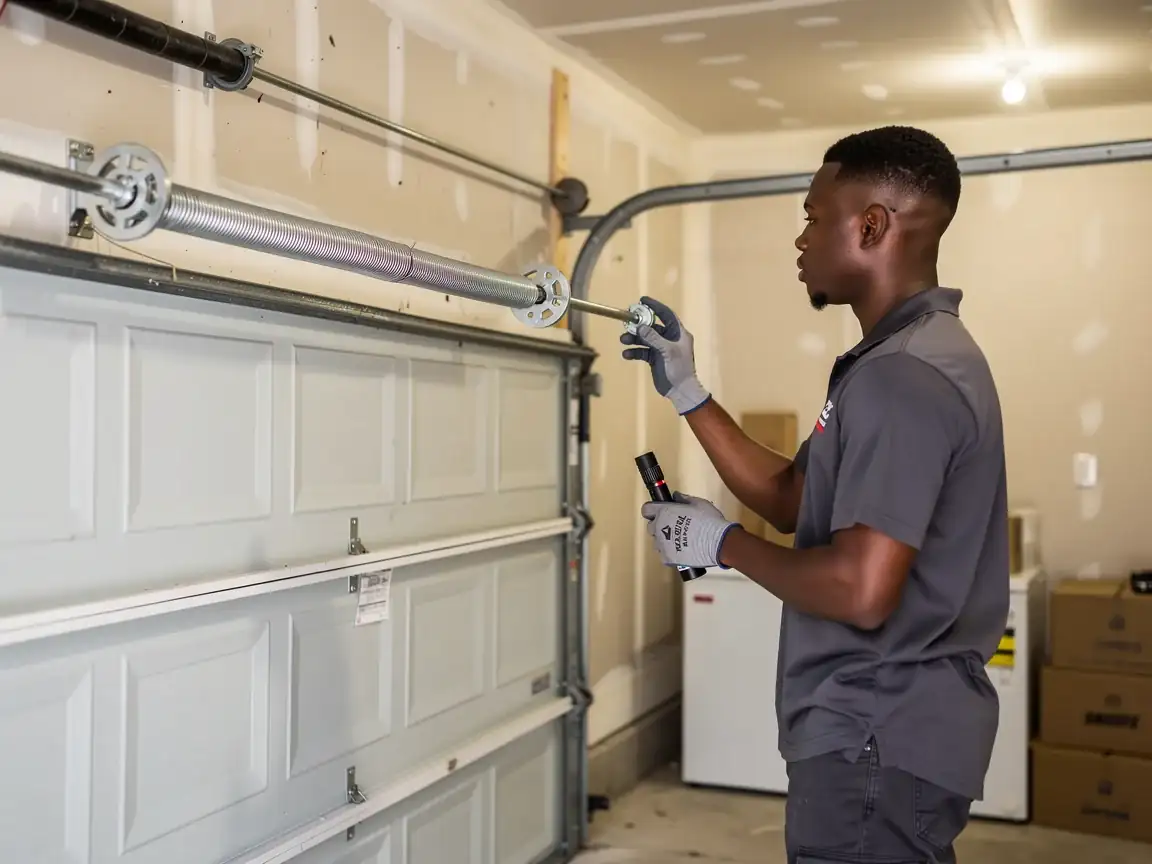
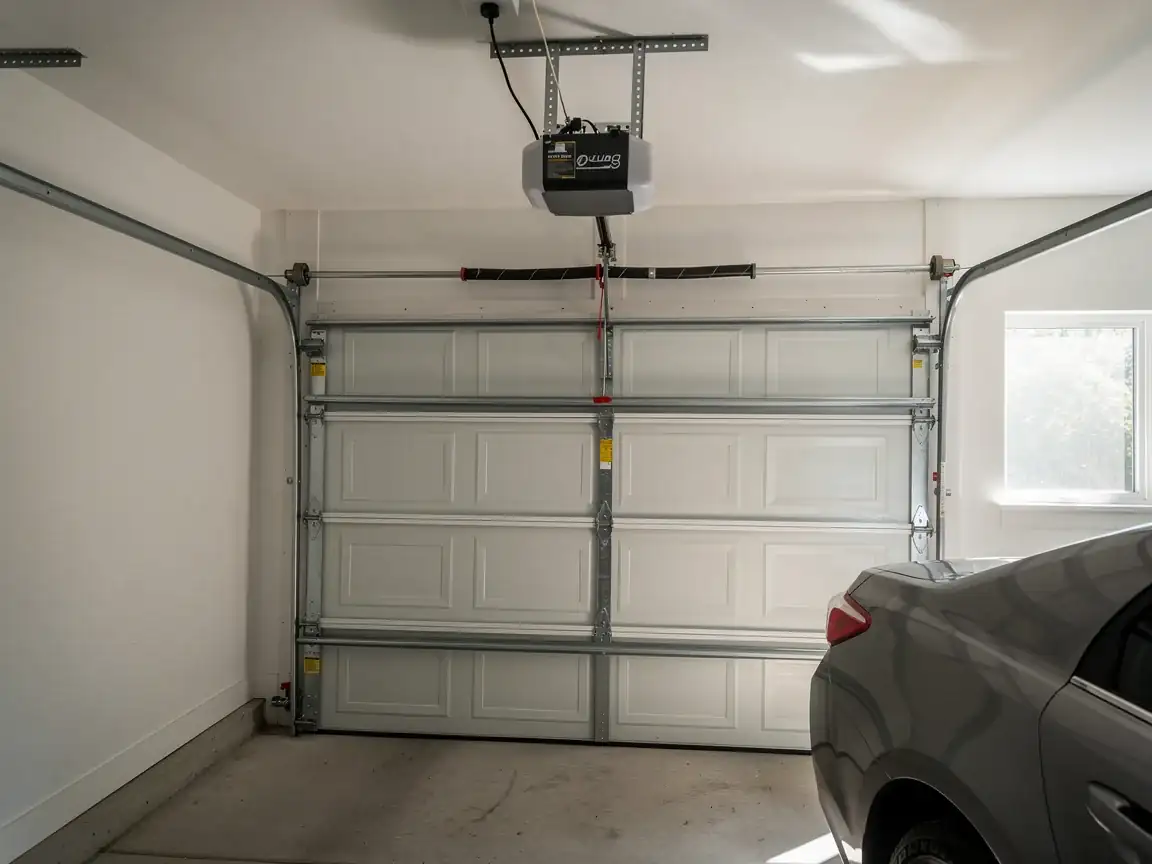
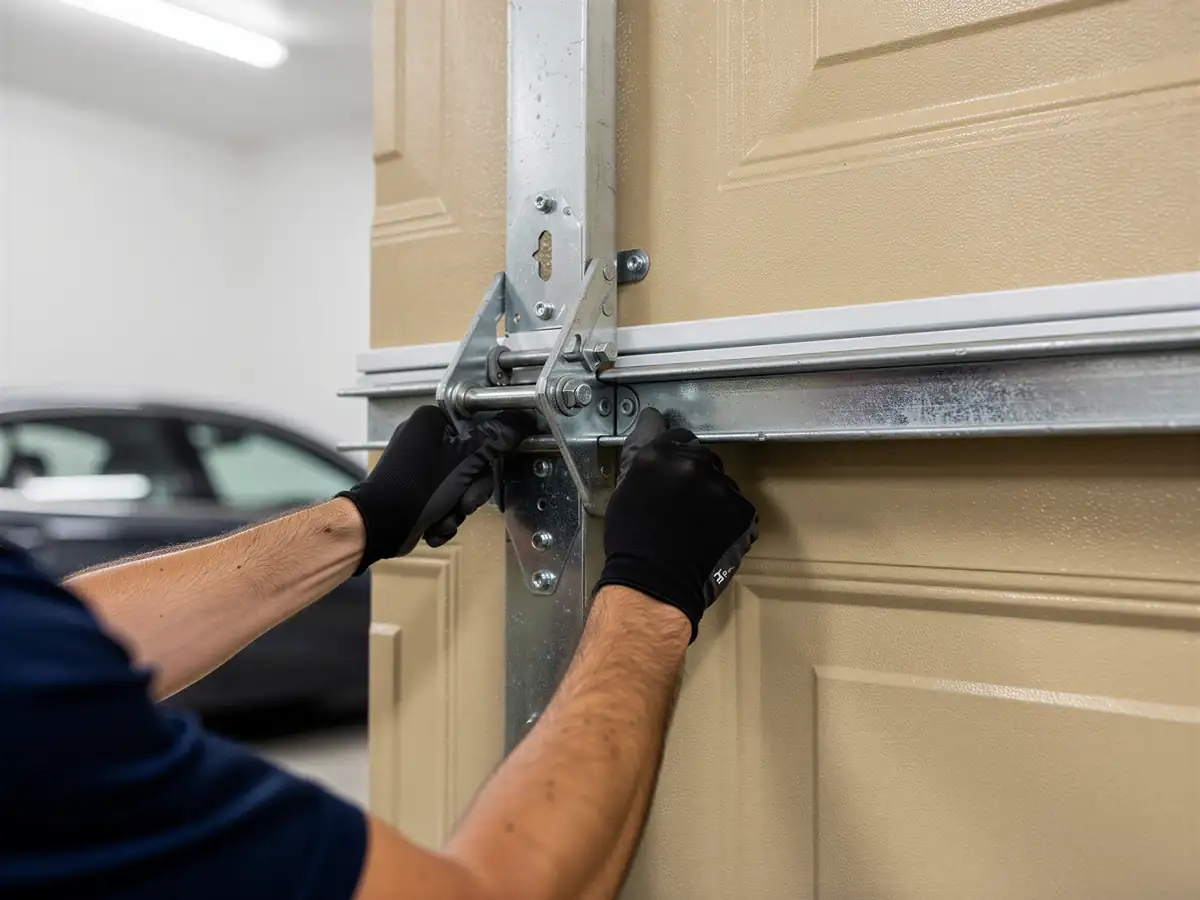
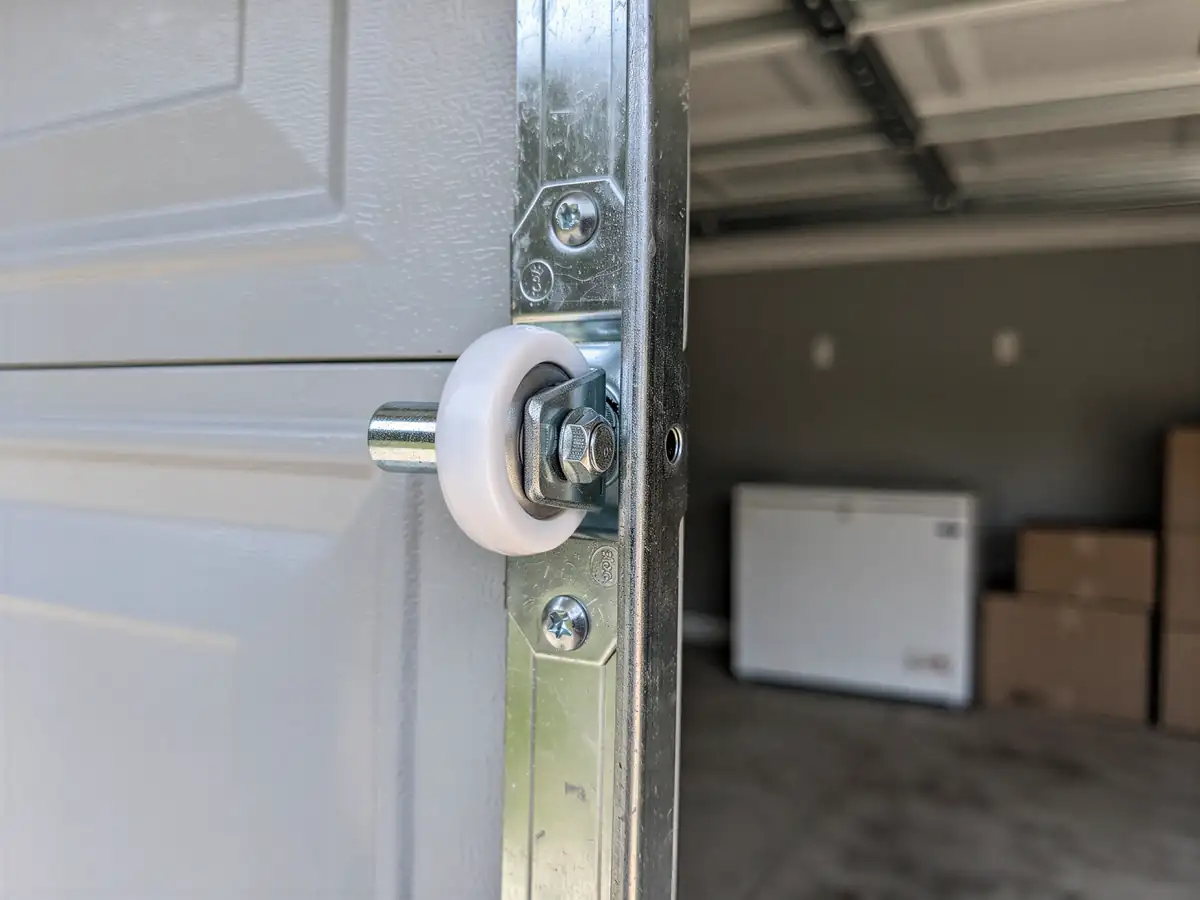
This area sits in a cold-moderate climate band, and a door and track installed in 1962 wasn't built with sixty winters of freeze-thaw cycling in mind. Steel track expands and contracts, lag bolts back out of old jamb wood, and the rollers that came with a door this age were never rated for the cycle count a garage door sees over six decades. None of that is a Garber-specific defect - it's what happens to any hardware this old, in this kind of winter, when it's never been replaced. The failure point is almost always the original track and roller assembly, not the panel, which is why a full new install usually means new track hardware even if the door itself looks fine.
How It Shows Up
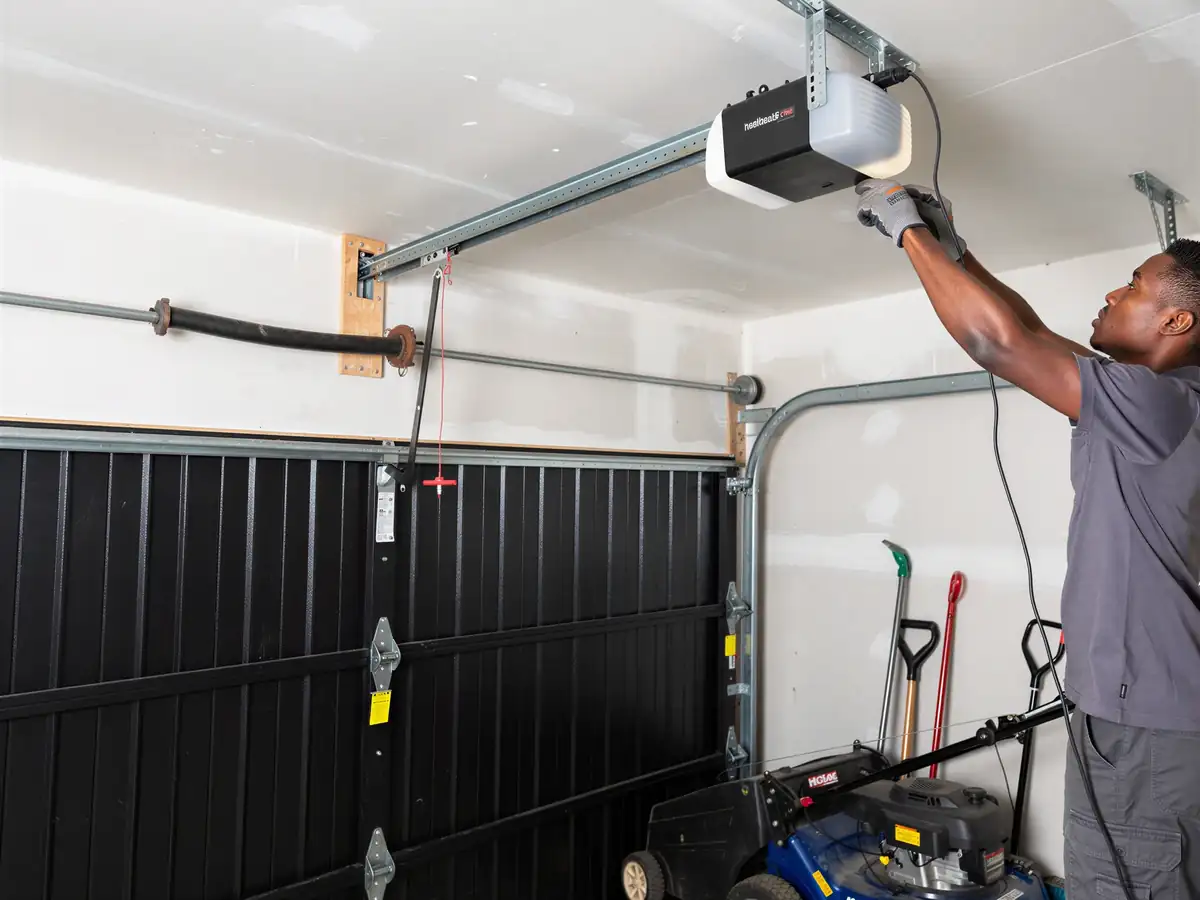
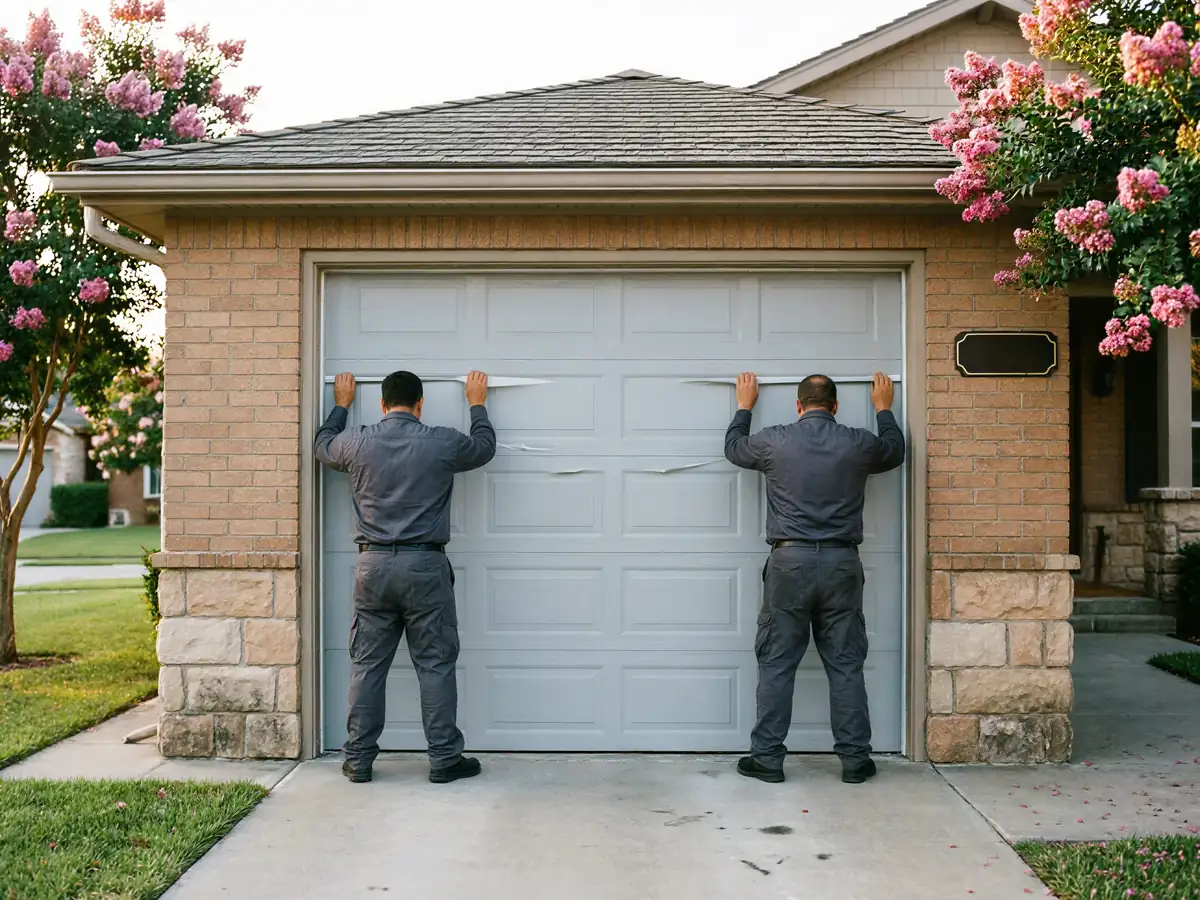
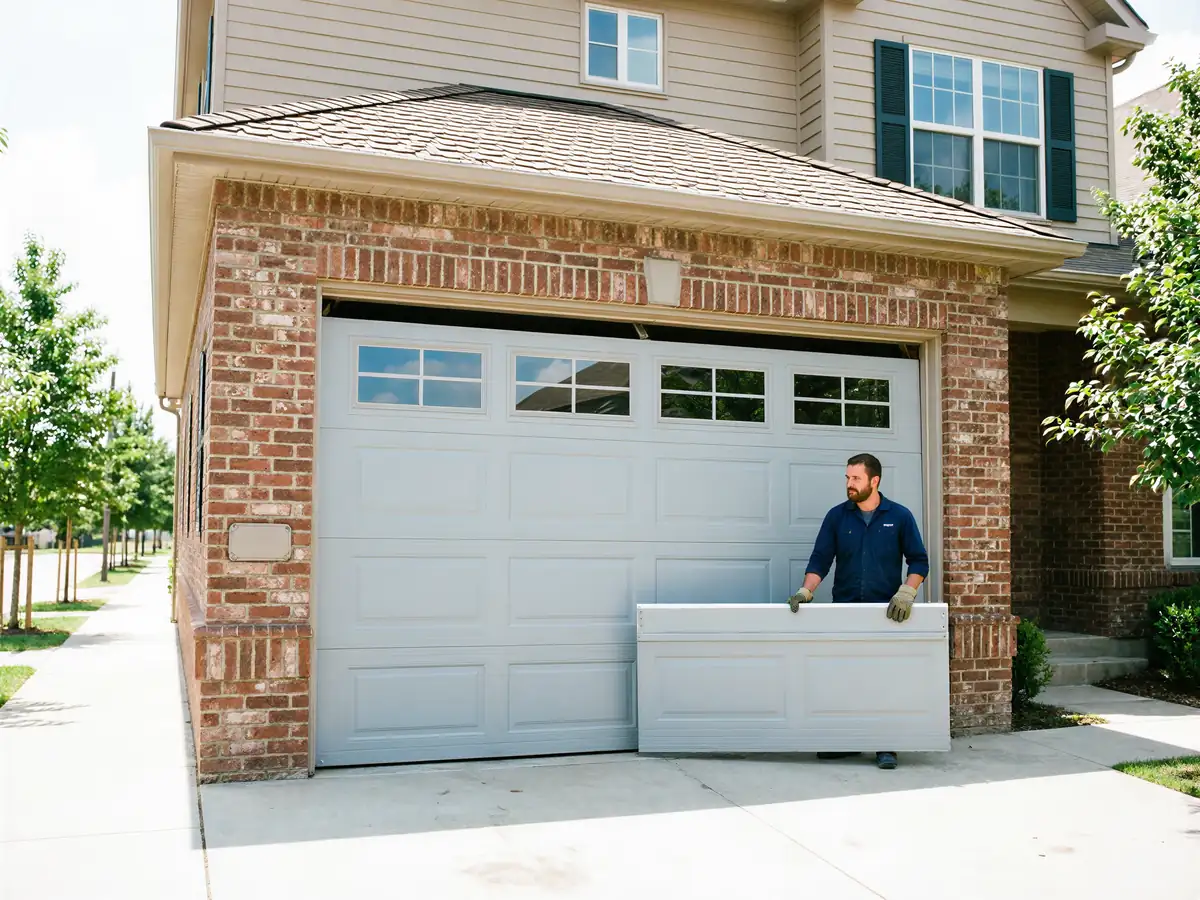
The door that finally gets replaced in Garber usually doesn't fail all at once. It starts dragging on one side, or the opener strains and reverses partway up. Sometimes it's a gap at the bottom that wasn't there a few years back, which is the track pulling slightly out of alignment rather than the door warping. Owners often try a new opener first, thinking that's the fix, and find the real issue is the track and spring assembly underneath - original hardware from the build year that was never swapped out. By the time it's visibly sagging or won't stay up on its own, replacement is usually cheaper than chasing the symptoms piece by piece.