Time on the Job
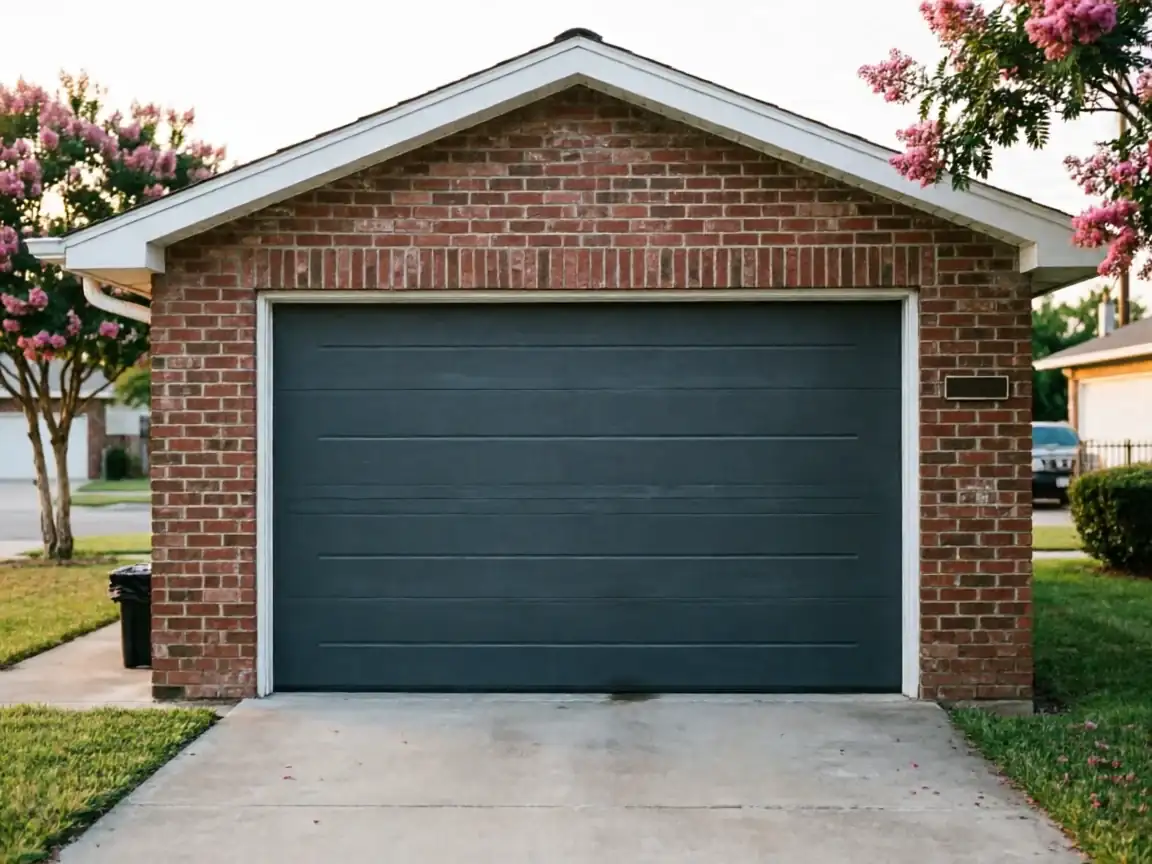
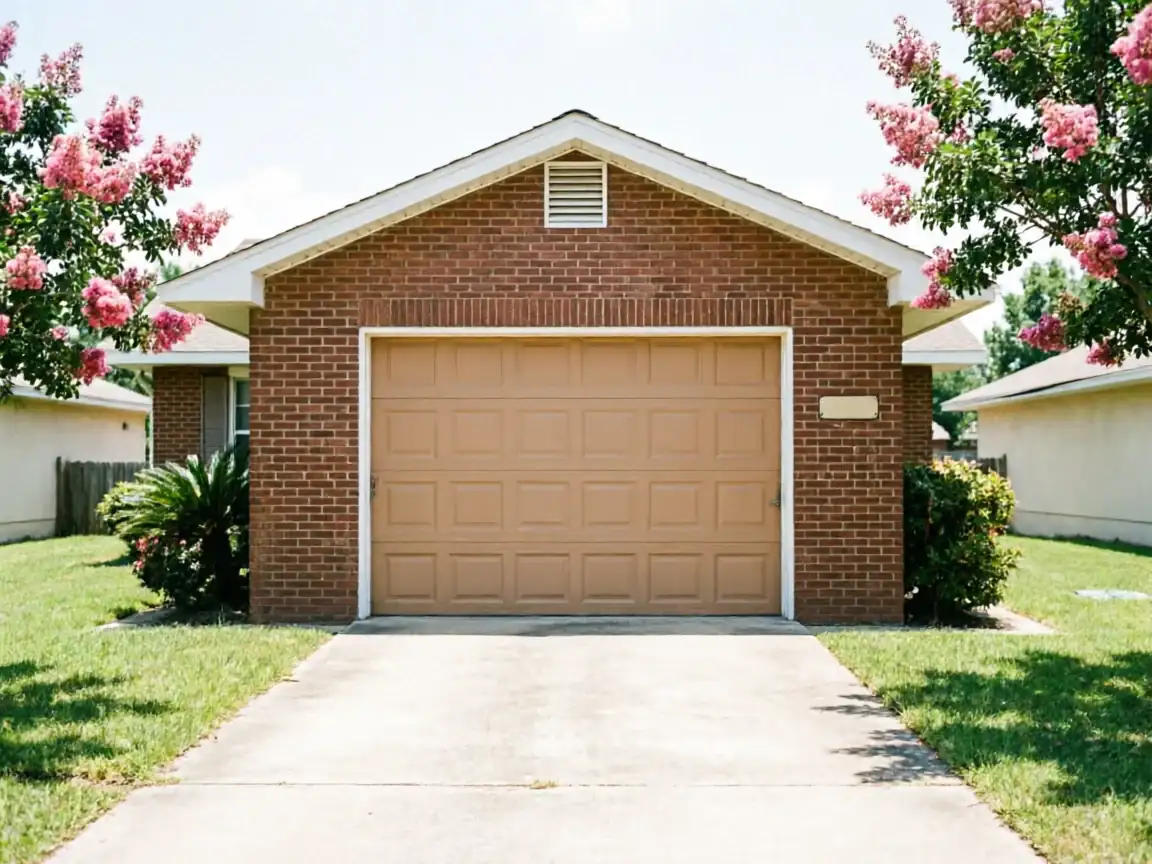
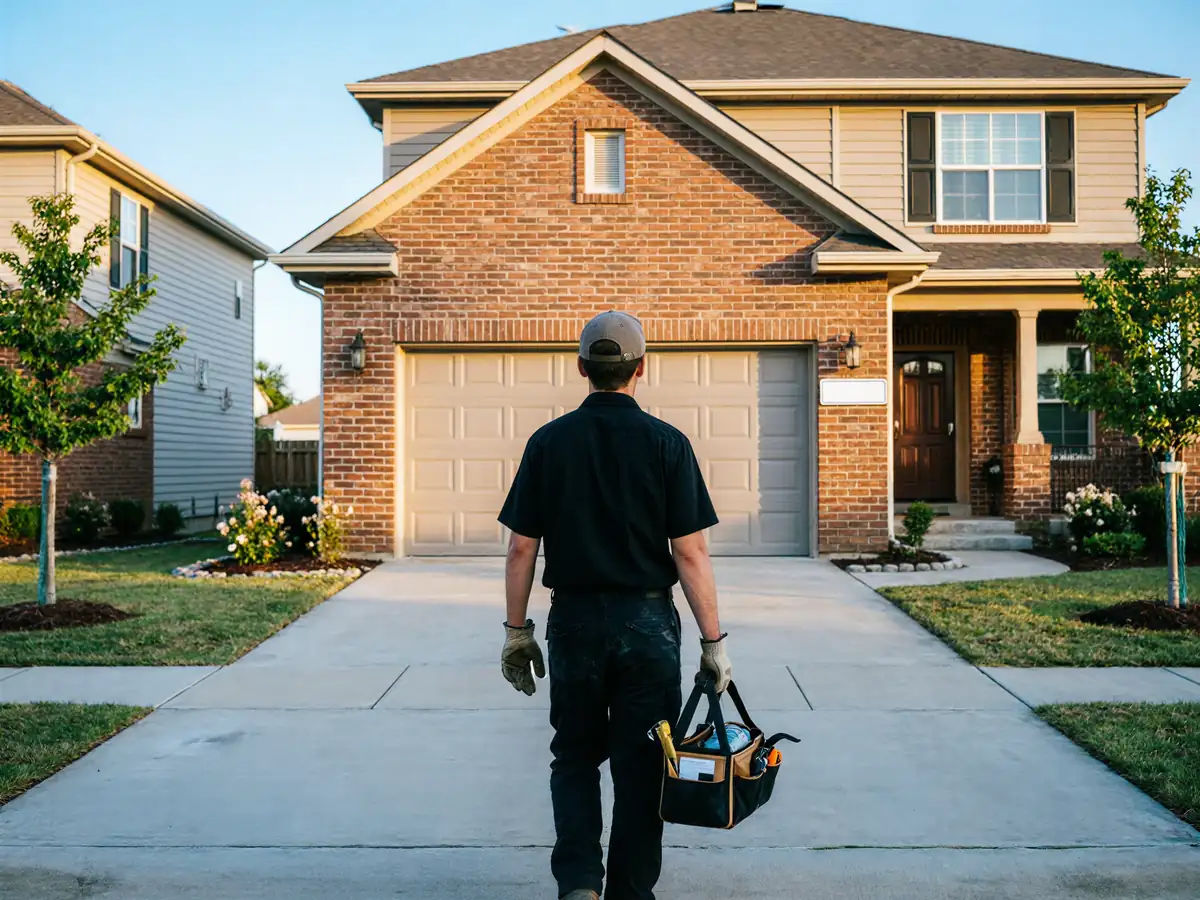
Garber is a small place - 223 households, which means this isn't a town where a crew works a dozen doors a week. Most of the panel calls we get out here come from the same stretch of housing: places built around 1962, give or take a few years either side. That's not a huge service area to cover, but it's a consistent one. When a panel on a door from that era gets cracked by a backed-into car or just rots out from sixty years of weather, we're usually looking at the same handful of door widths and the same older track spacing. We make the drive from Enid - it's 16 miles - because the work here is predictable enough to plan for, not because there's a branch sitting in town. There isn't one. You call, we schedule the trip, we bring what a door that age is likely to need.
What It Costs
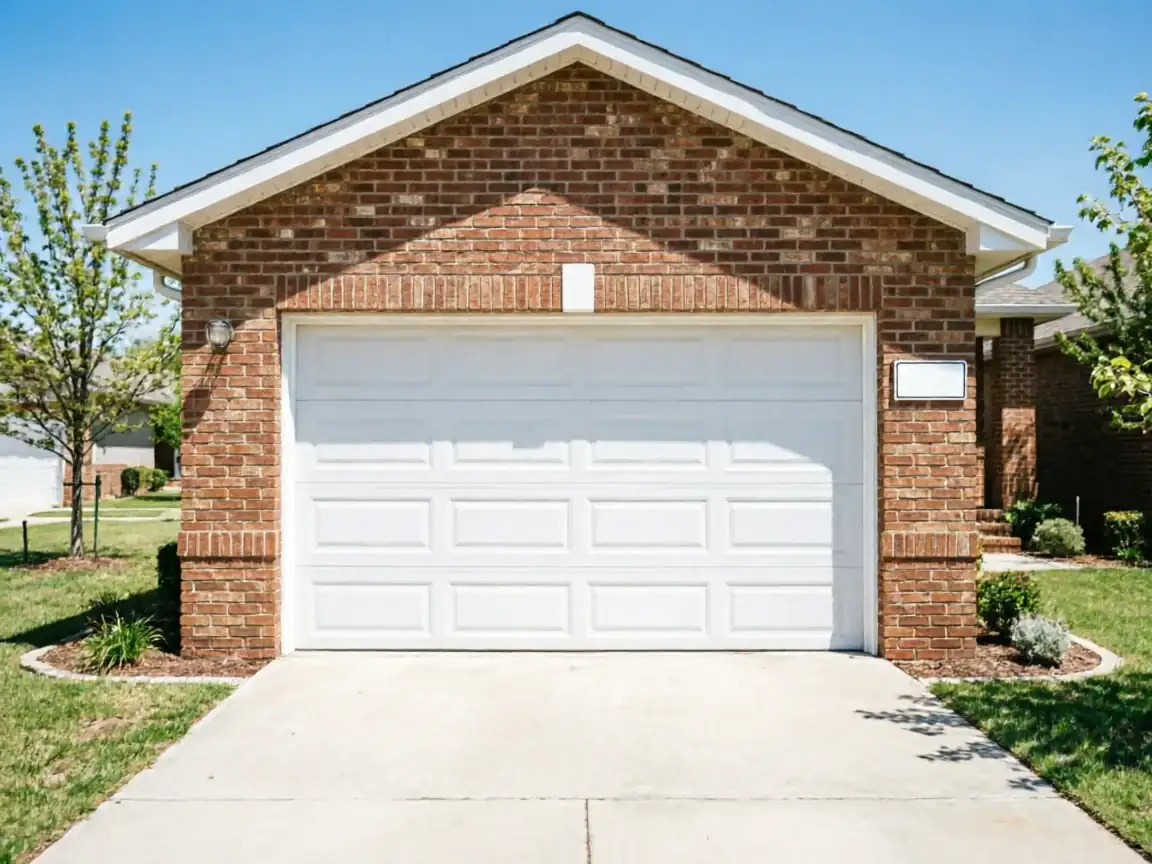
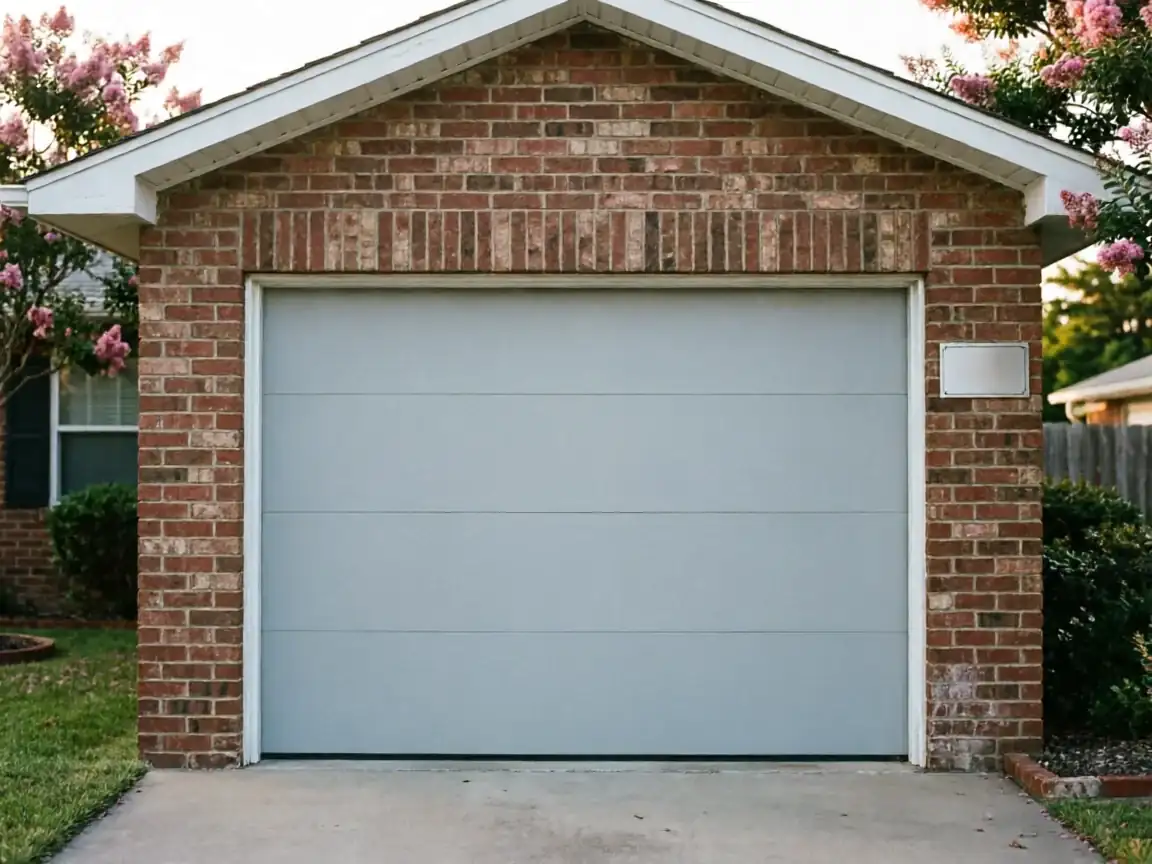
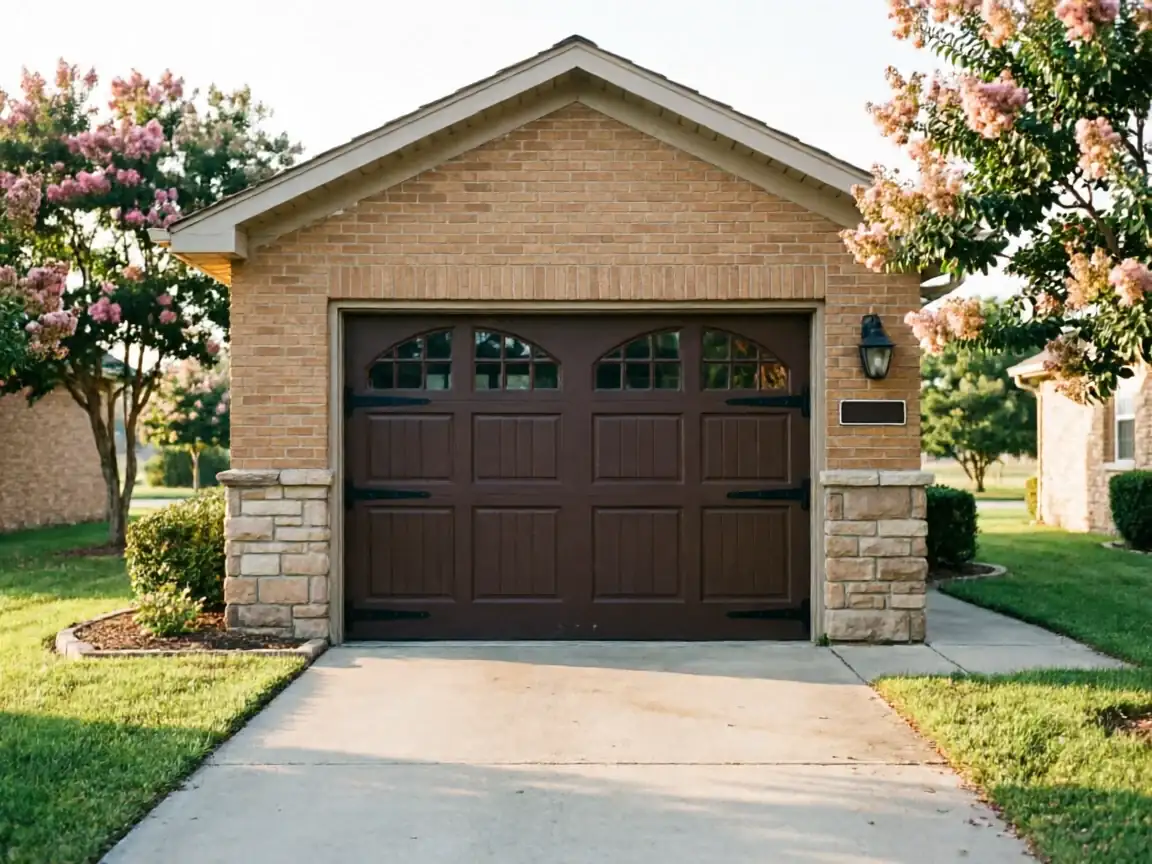
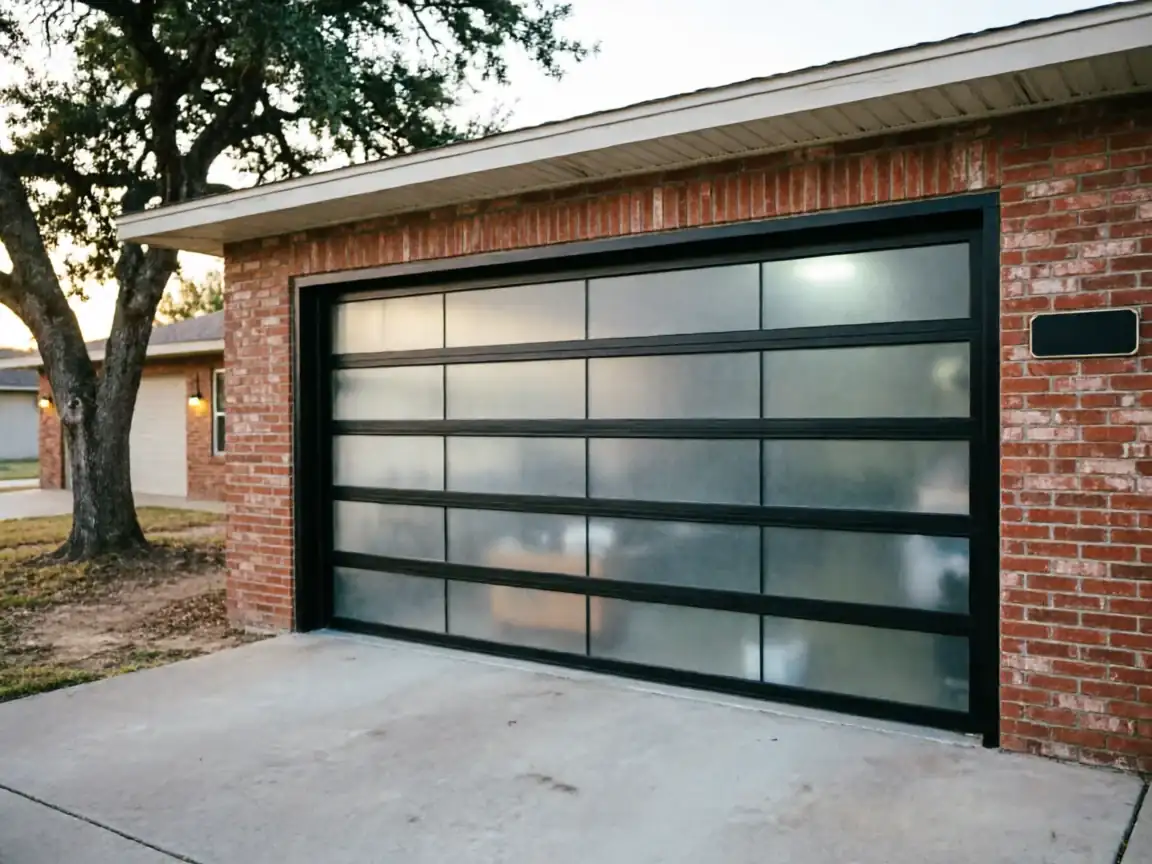
We don't have a posted price list for panel work here, and we're not going to make one up just to fill space. What we can tell you is what drives the number: whether the door is a standard single or a double, whether it's steel or something else, how many panels are damaged versus just one, and whether the matching sections are still a size that gets made today. On a 1962-era door, that last part matters more than people expect - older panel widths and raised-panel profiles sometimes don't match anything on a current shelf, which pushes a job from 'replace the panel' toward 'replace the section run' or the whole door. We'll tell you which one you're looking at before we quote anything, not after.
Why This Fails Locally
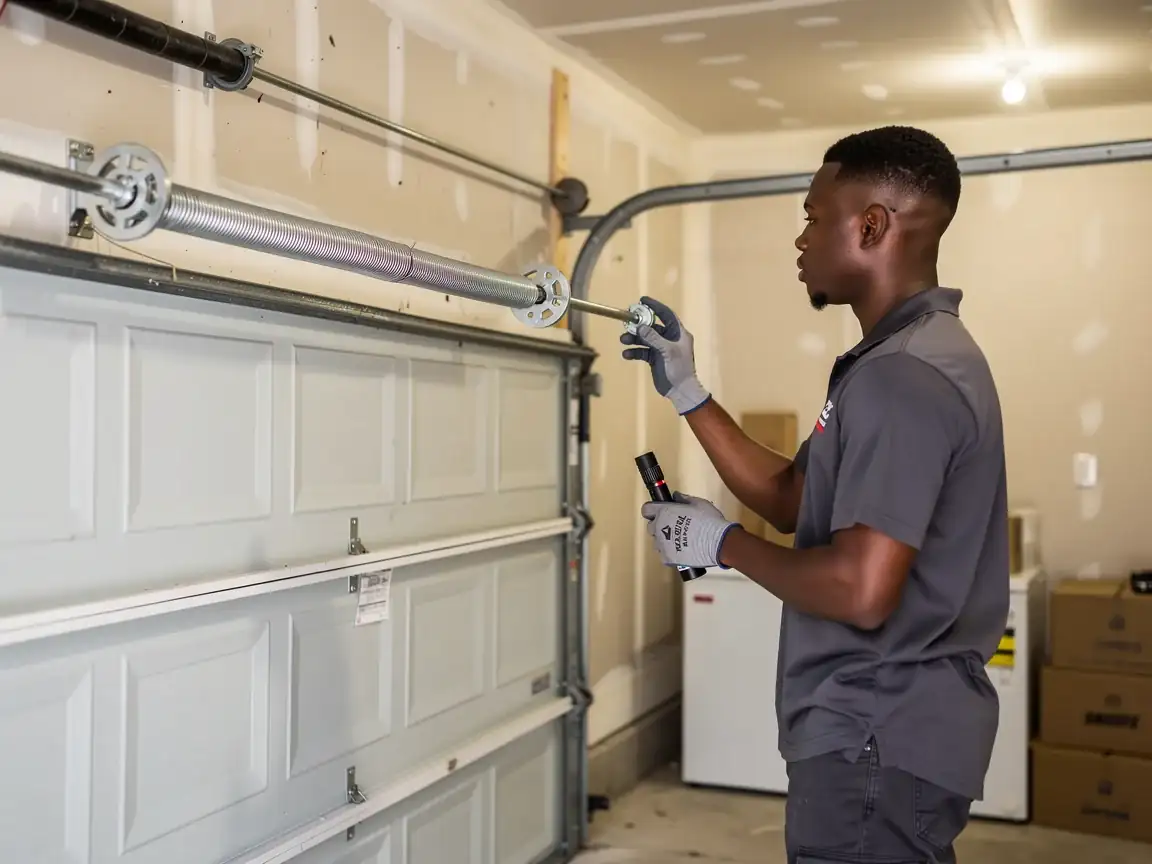
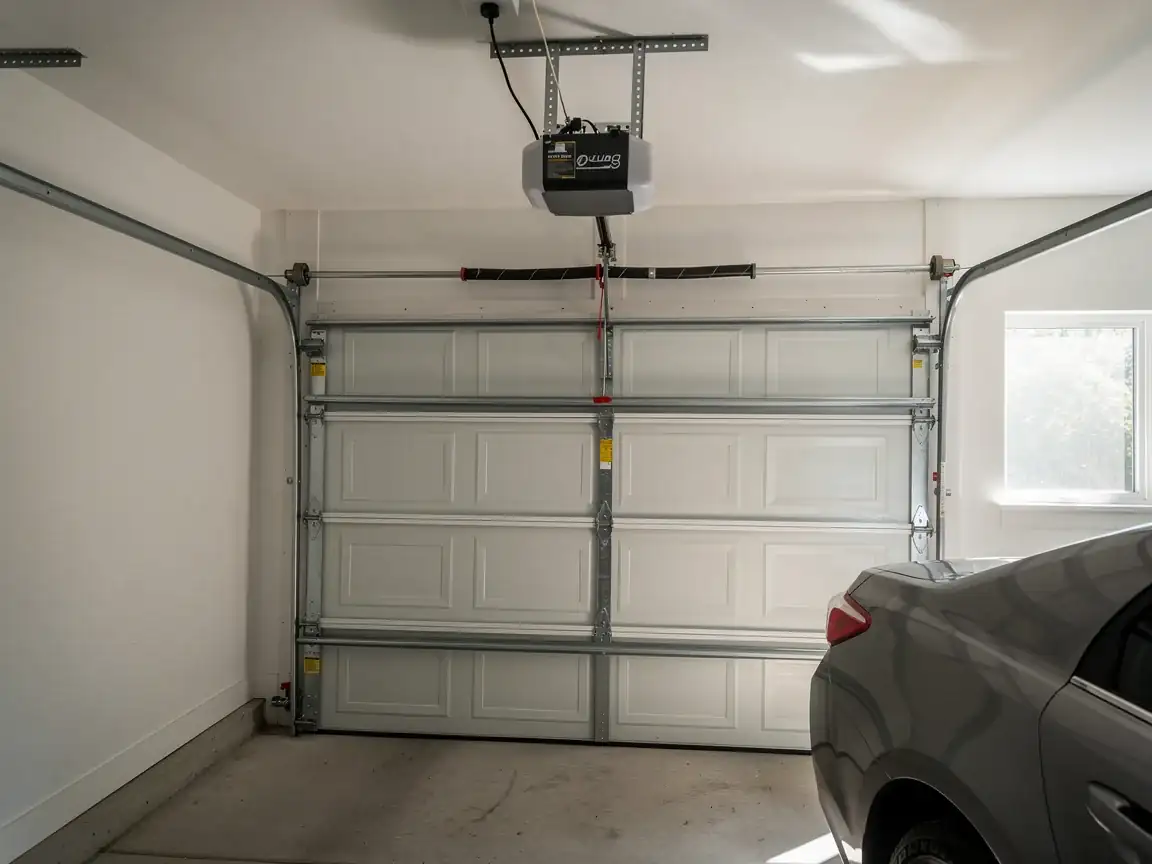
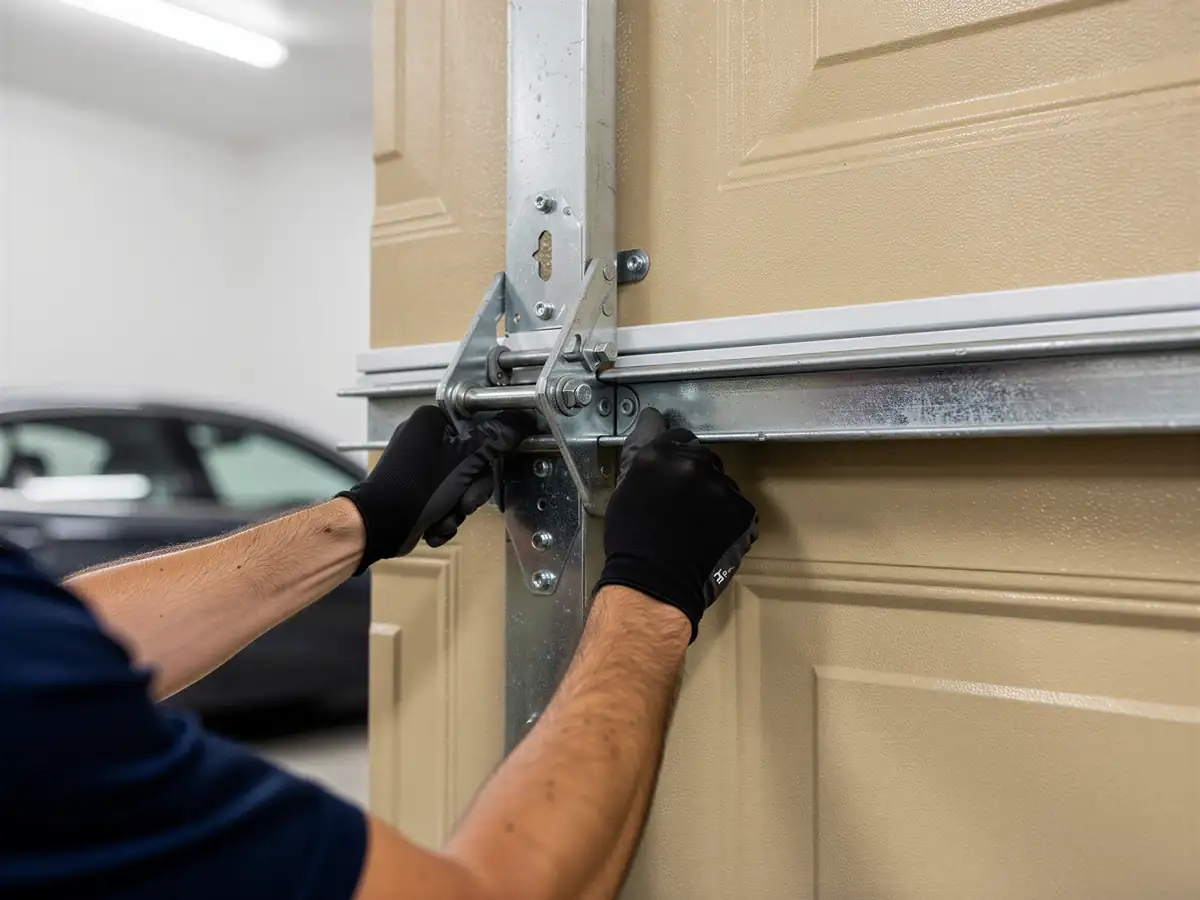
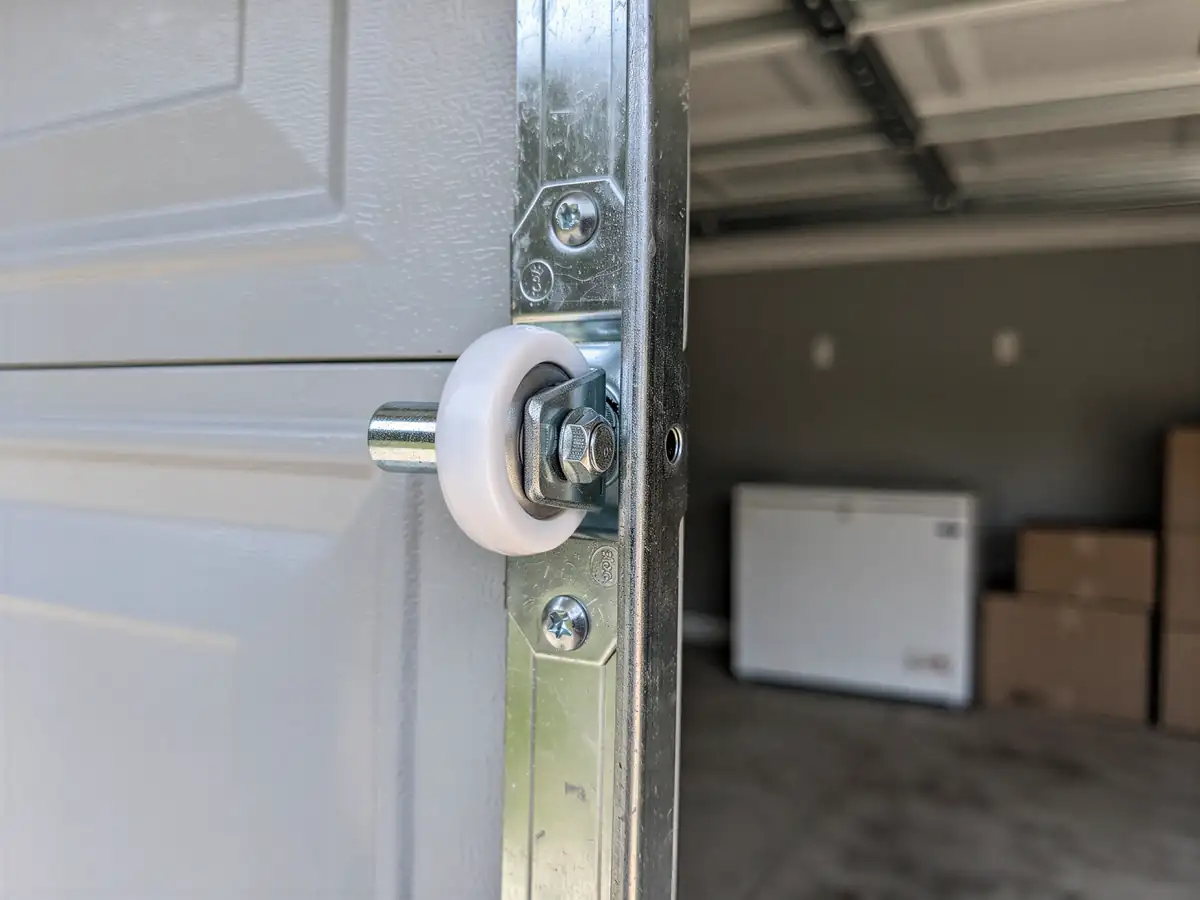
The housing in Garber's service area mostly went up in the 1960s and 70s, and a door installed anywhere in that window has spent sixty winters in a cold-moderate climate - the freeze-thaw cycle that cracks steel panels at the seams and lets rust start at the bottom edge where snowmelt sits against the panel lip. On a door that old, the panel usually isn't failing alone; the hinges have stretched their holes, the bottom roller brackets have worked loose, and the weatherstrip channel has warped enough that the new panel won't seat flush unless something else gets adjusted at the same time. Replacing the panel and ignoring the rest of the door just moves the next failure point over by a few months.
How It Shows Up
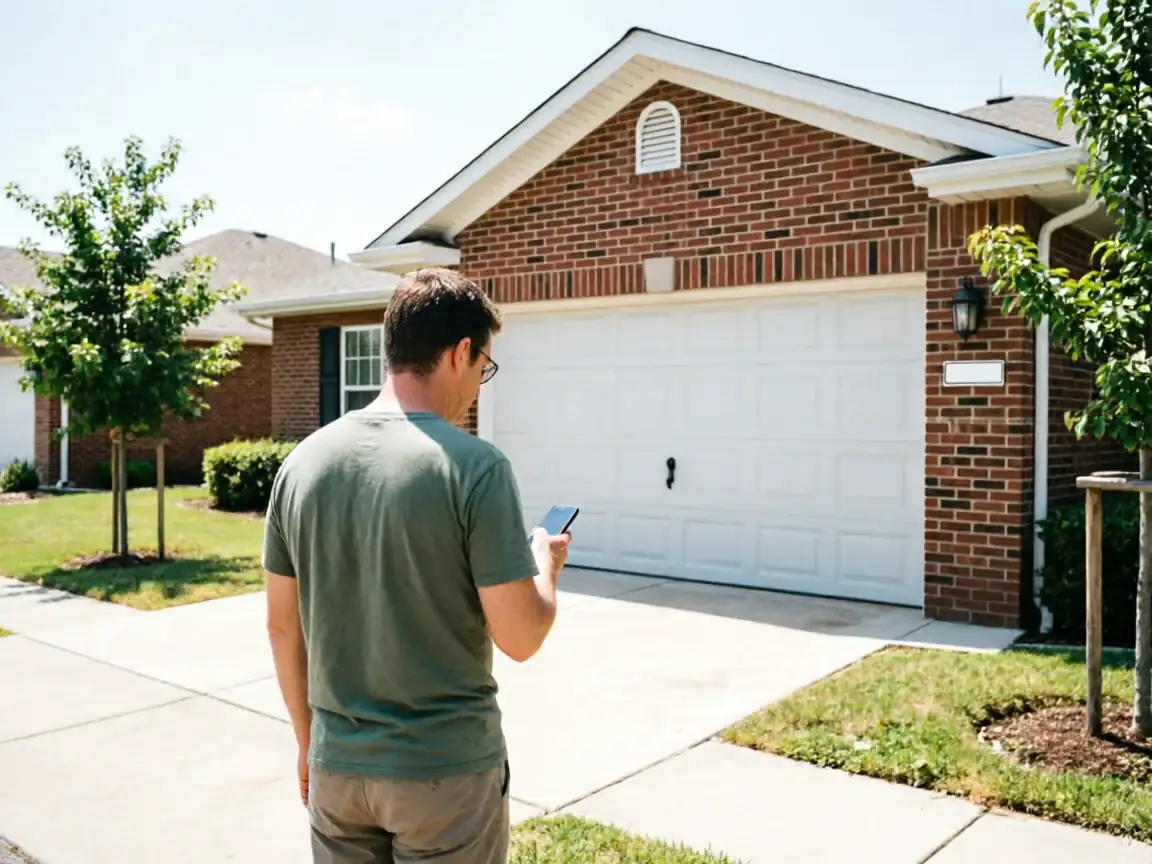
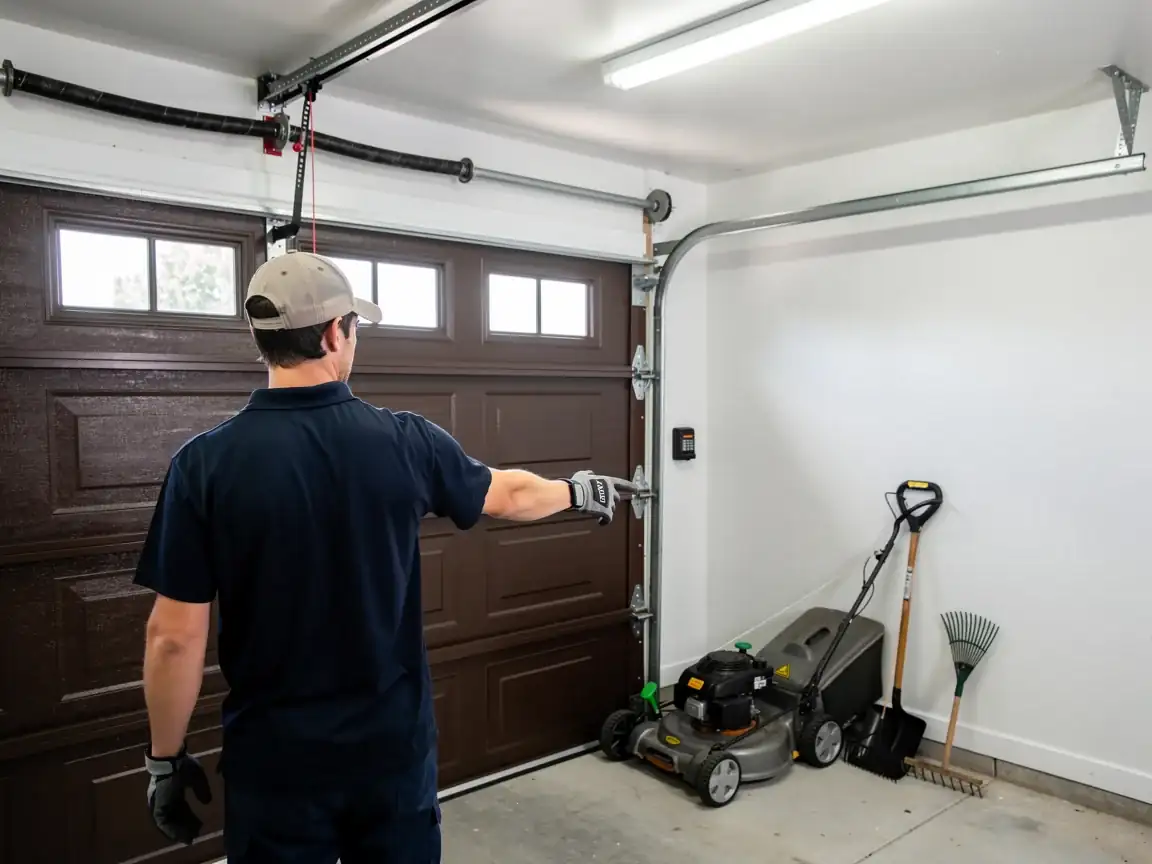
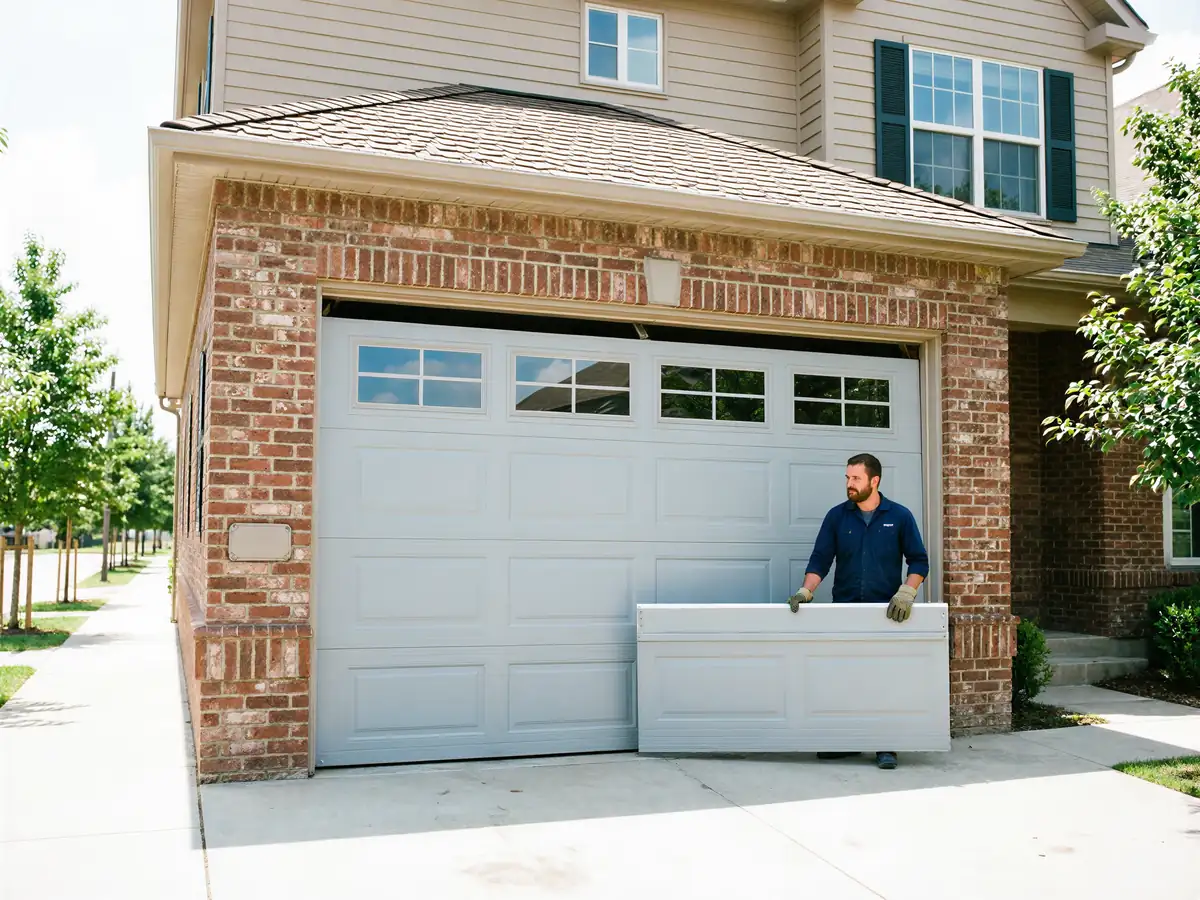
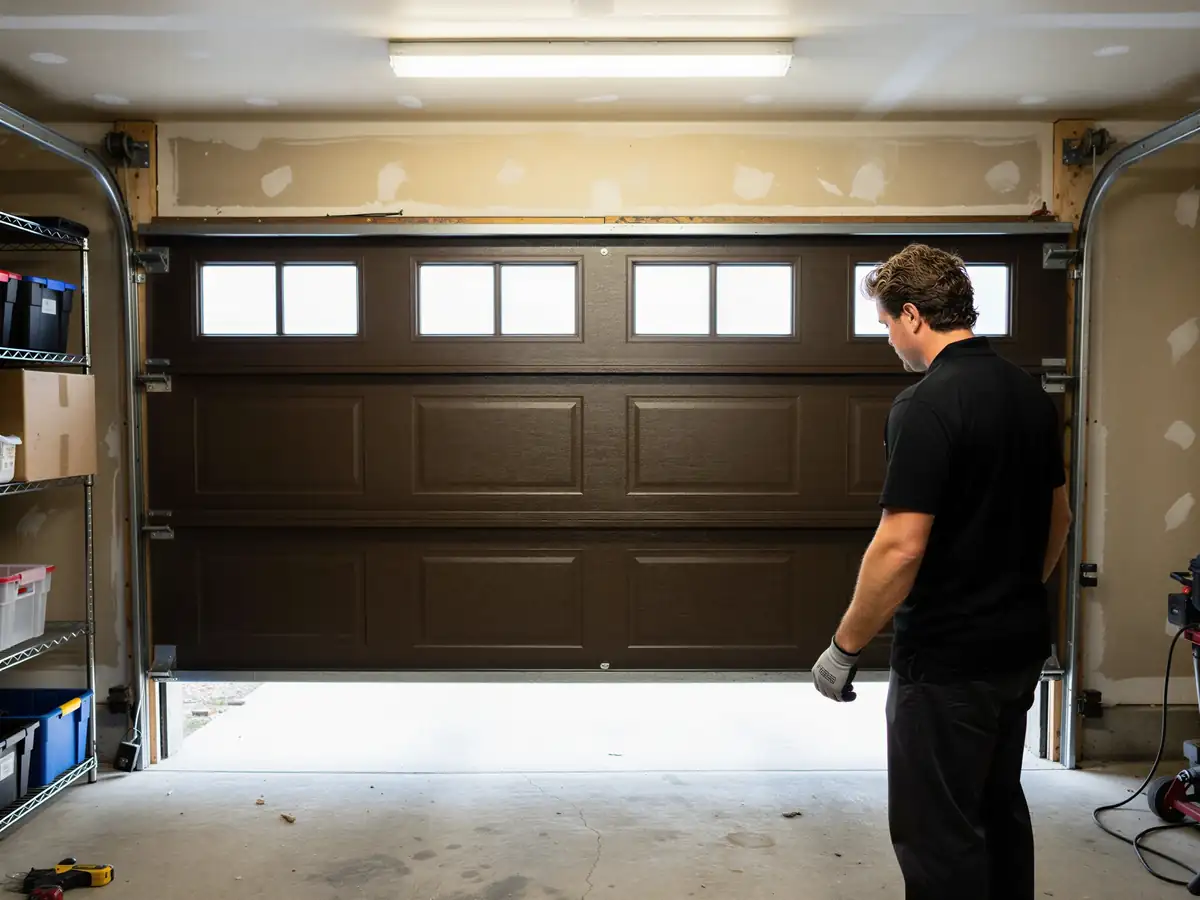
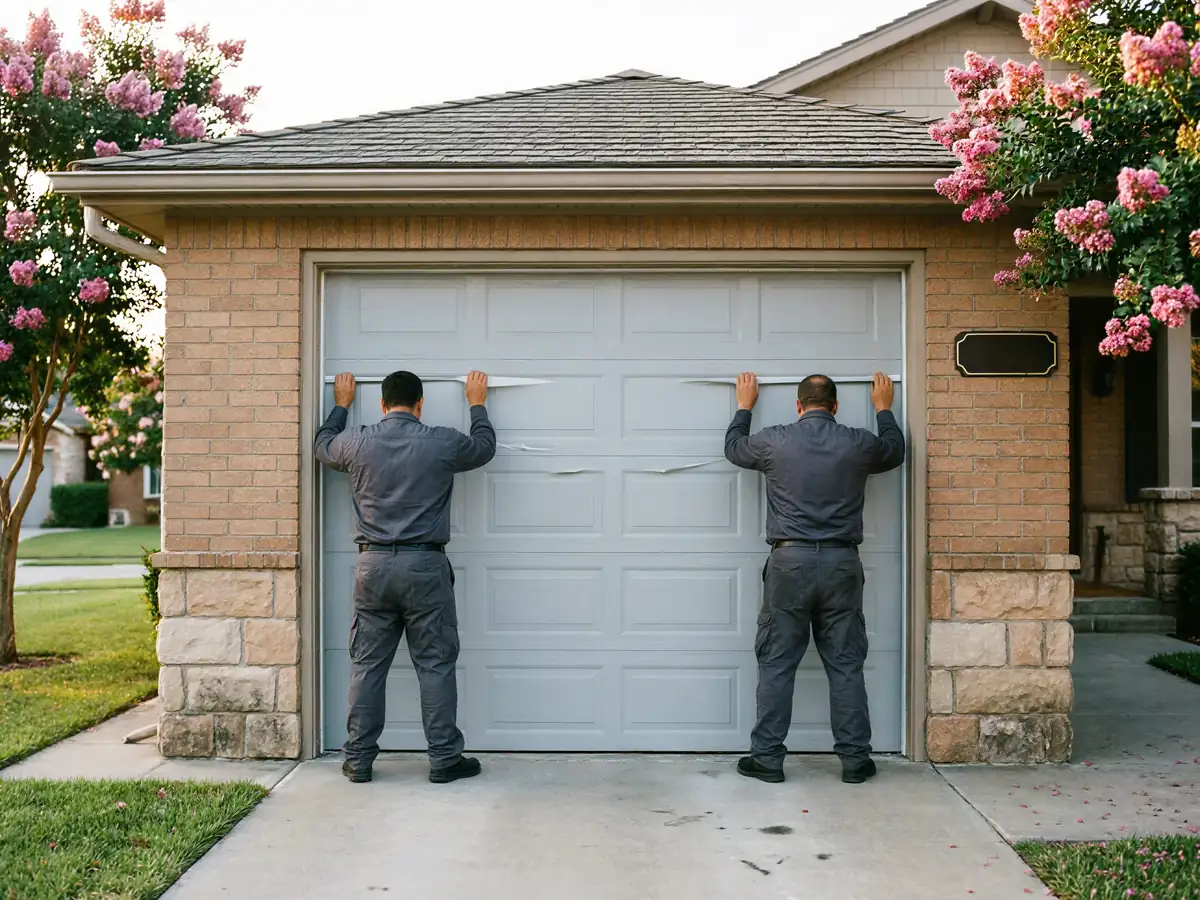
The call usually starts with a dent or a crack a homeowner can point to - a mower kicked a rock, a trailer clipped the corner, a panel just split along an old seam. But once we're there, the real tell is daylight. If you can see light around the edge of the damaged panel when the door's shut, the section is bowed, not just marked up, and that bow is usually doing something to the track alignment too. On the 1962-era stock common in this area, we also see the bottom panel go first and go worst, since it's the one closest to ground moisture and road salt runoff over the decades.