Time on the Job
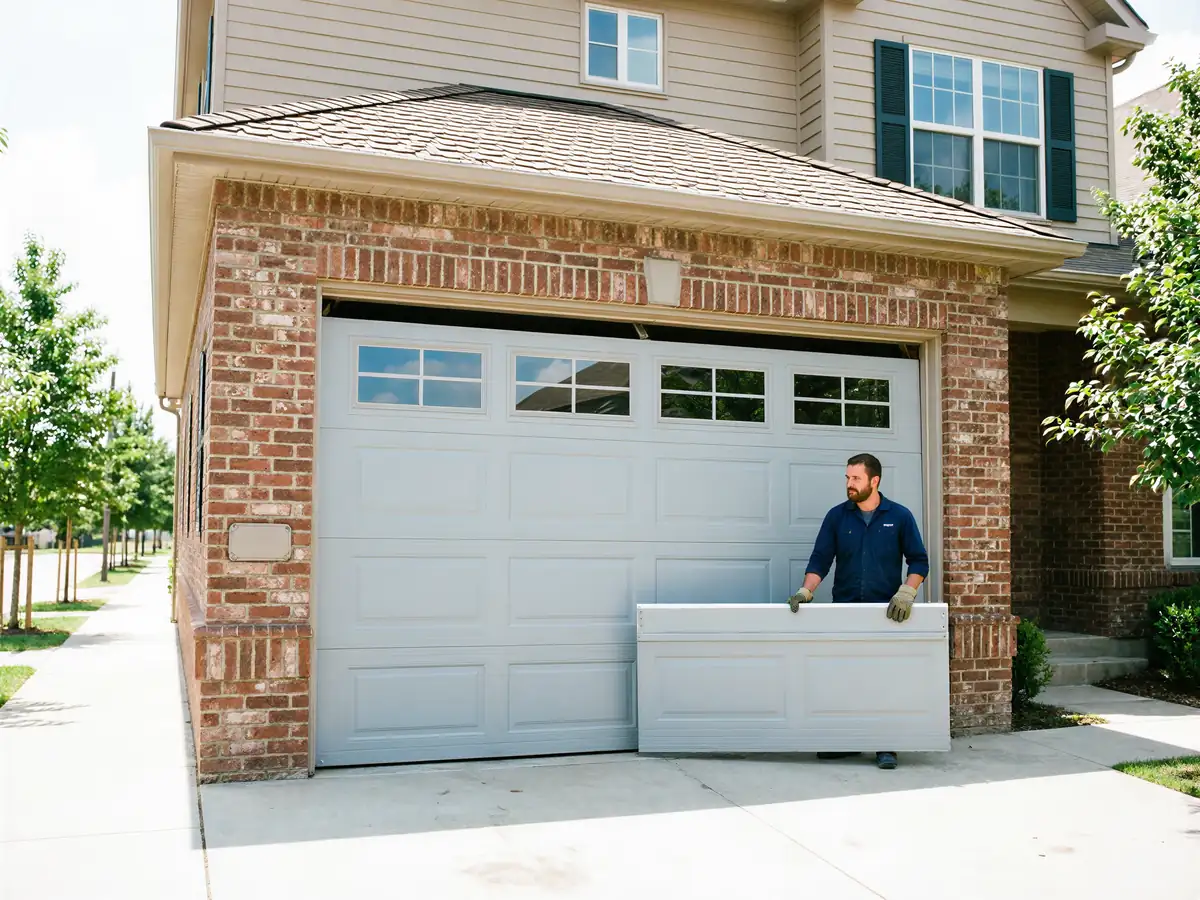
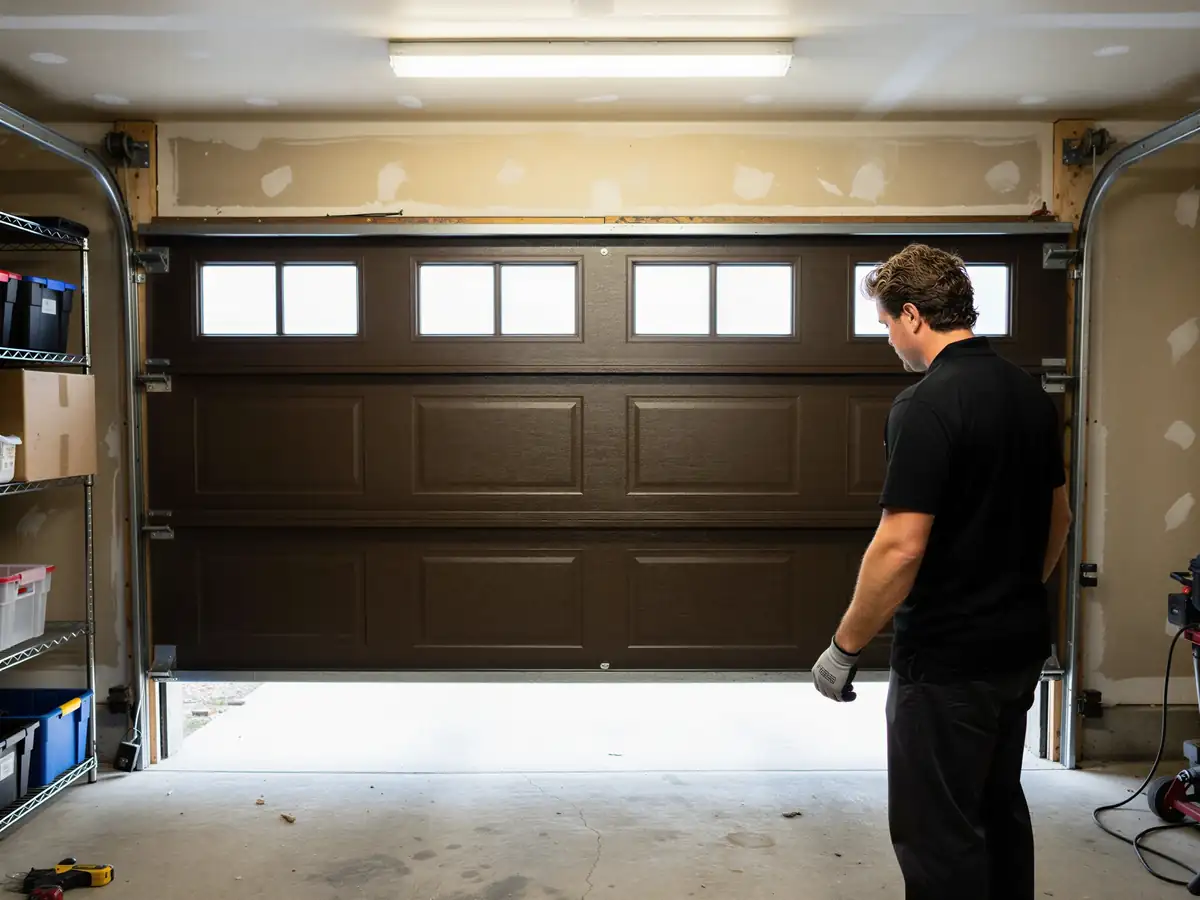
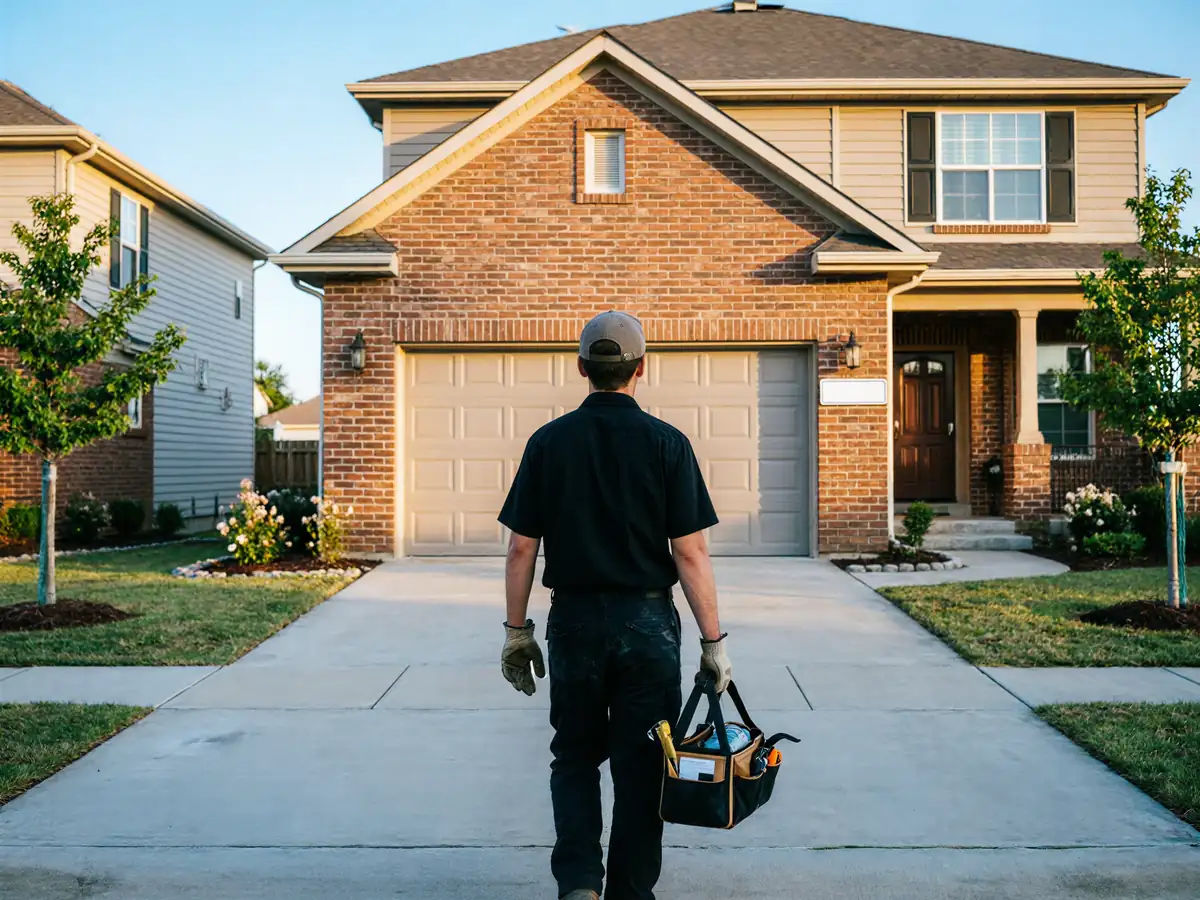
We drive out to Garber from Enid, 16 miles down the road, so a repair here isn't a same-block stop - it's a planned trip, and we treat it that way by loading the truck for what the house is likely to need before we leave the shop. That matters more in Garber than in parts of Enid itself, because the housing stock is older. Across the wider service area homes run 1956 to 1981 with a median around 1972, but Garber's own median build year sits at 1962 - a full decade earlier than the area average. A door built for a 1962 opening is a different animal than one built for a 1975 opening: different header clearance, different spring mounting, sometimes a different track radius entirely. We don't guess at that from the Enid side of things. We ask what year the house went up, or close to it, before we commit to a repair plan, because showing up with the wrong spring size on a 16-mile round trip wastes everyone's morning.
What It Costs
We don't publish a flat price for Garber calls, because the job itself varies more here than in newer subdivisions - a 1962 torsion setup and a 1978 extension setup aren't priced the same way, and we're not going to quote one number and apply it to both. What we can tell you is that Garber sits in a service area with a median household income of $63,869, and that shapes how we talk about repair versus replacement: we try to fix what can be fixed rather than push a full door on a house where the existing hardware still has life in it. The honest limitation here is that we can't quote a firm number over the phone for an older door we haven't seen - spring wire gauge and drum size on pre-1965 doors aren't always standard, and we'd rather look at the hardware in person than promise a price we can't hold to once the truck is parked in the driveway.
Why This Fails Locally
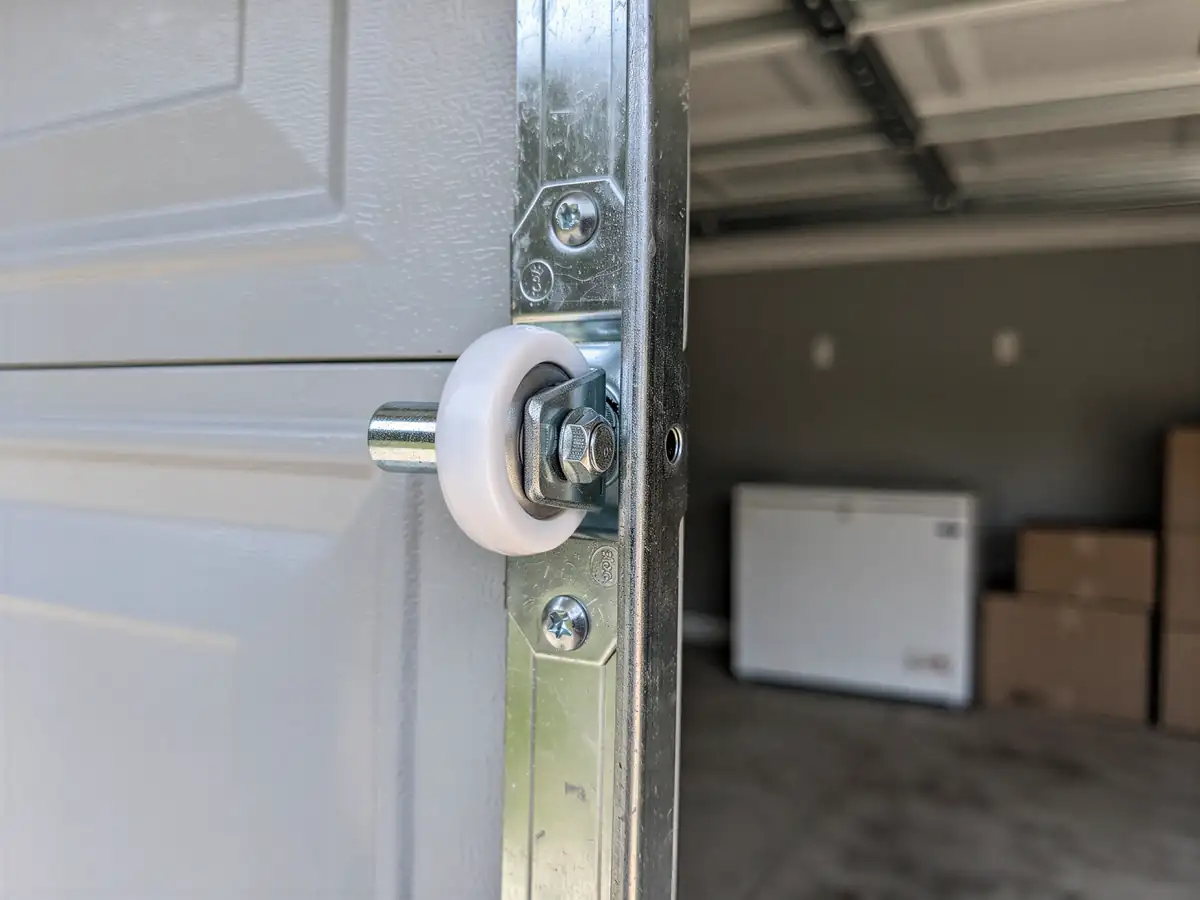
The climate here runs cold and moderate by season, which means steel hardware goes through real freeze-thaw cycling every winter, not just an occasional cold snap. On a door that's been in the opening since the early 1960s, that cycling has had sixty winters to work on the same spring coils, the same hinges, the same roller brackets. Metal fatigues, galvanizing wears thin at the bend points, and the rollers that were fine in a dry September start binding once the temperature swings hard in January. This is less about a single storm and more about accumulated cycles - a door built in 1962 has simply absorbed more freeze-thaw stress than a door from the newer end of the area's range. It's also why a repair that would hold for years on a 1975 door sometimes needs revisiting sooner on a 1962 one: the surrounding hardware is already closer to its limit.
How It Shows Up
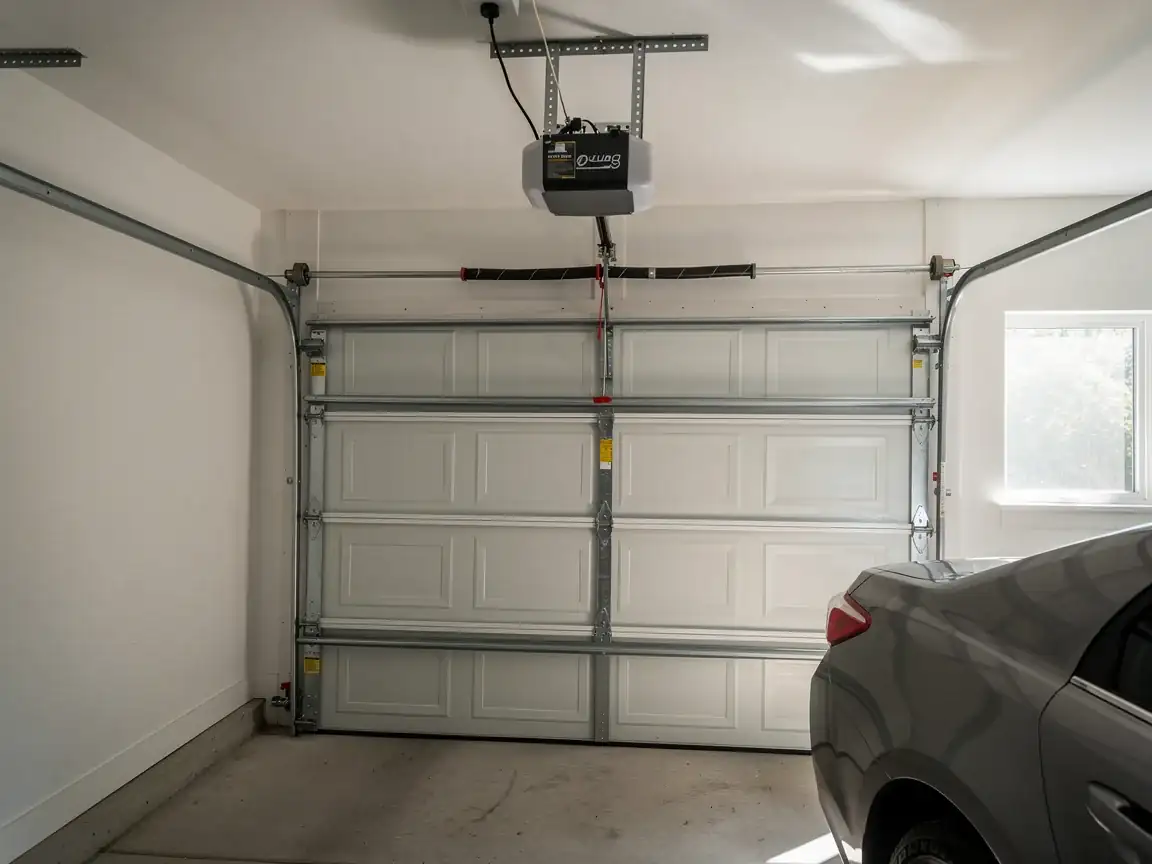
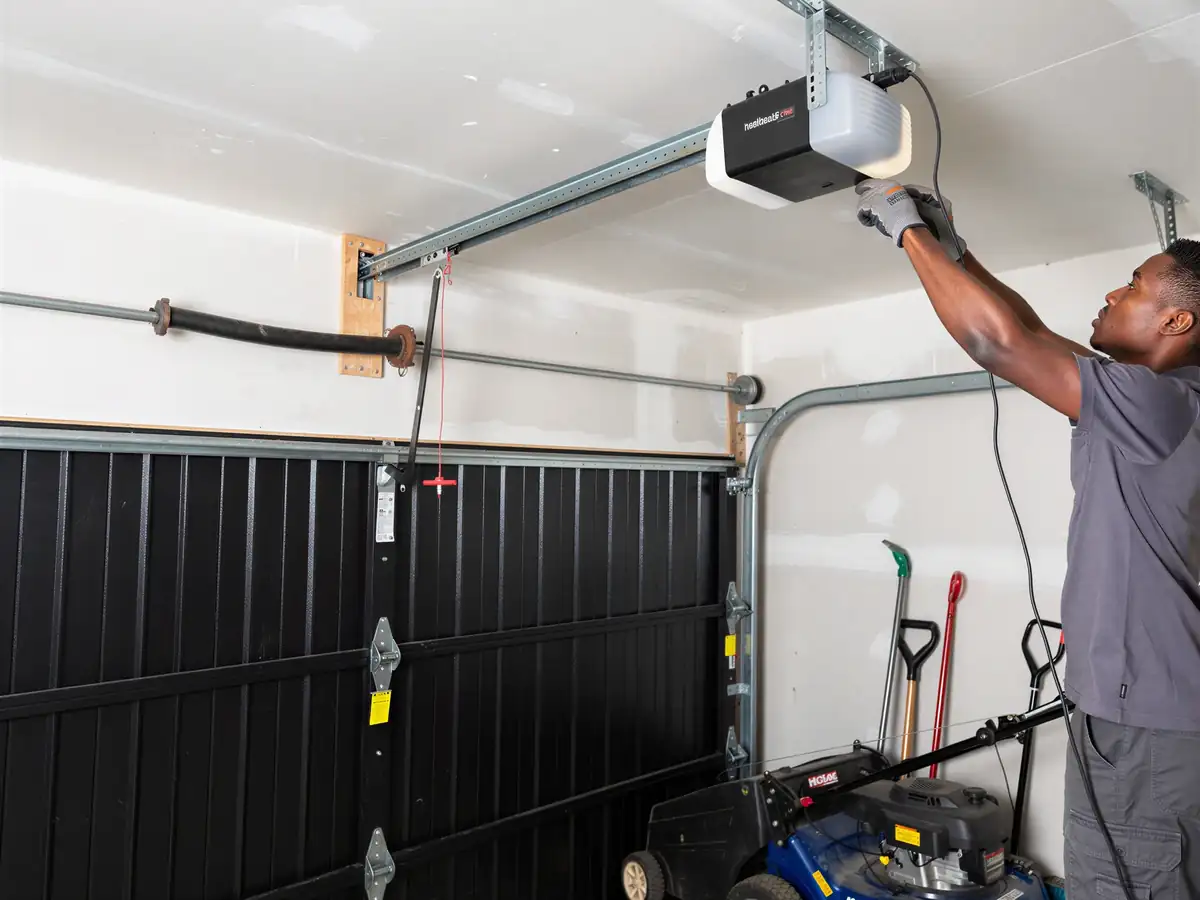
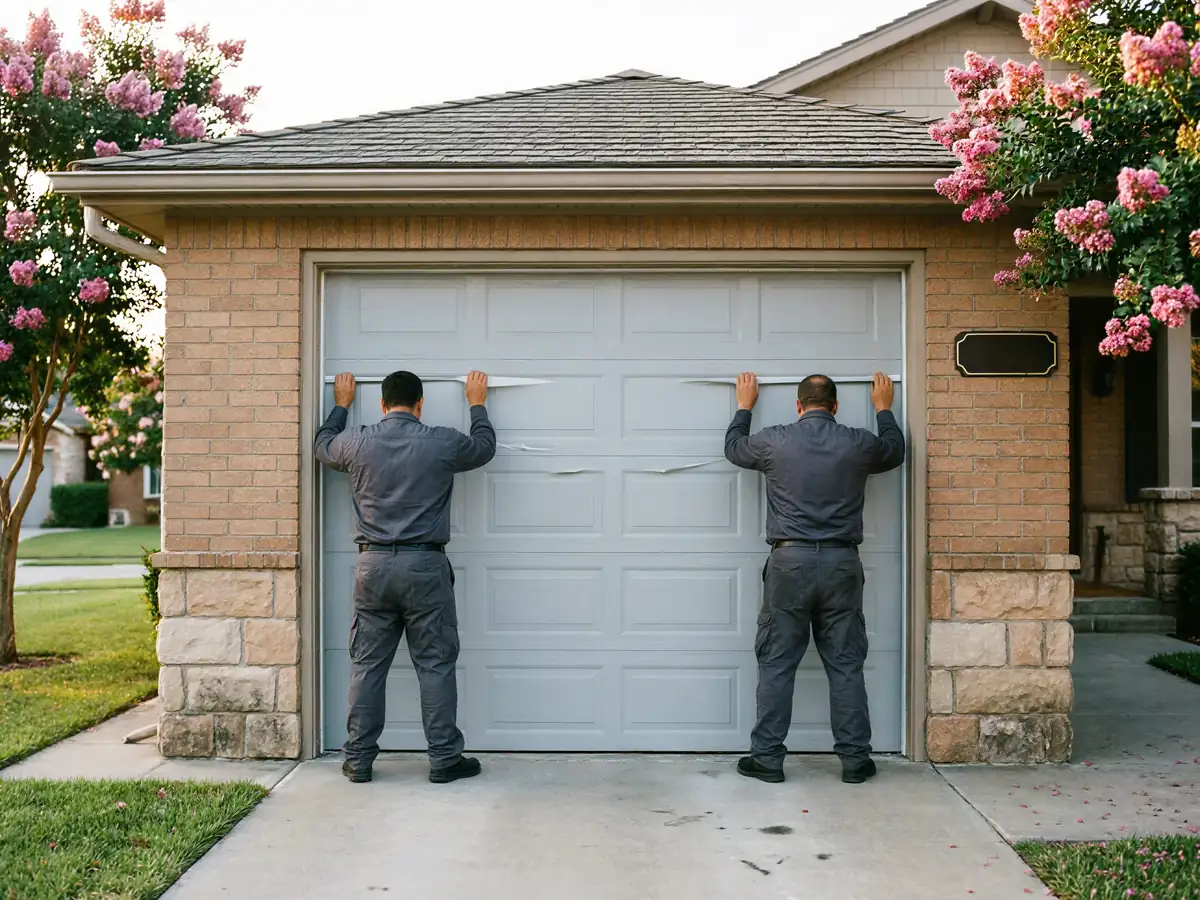
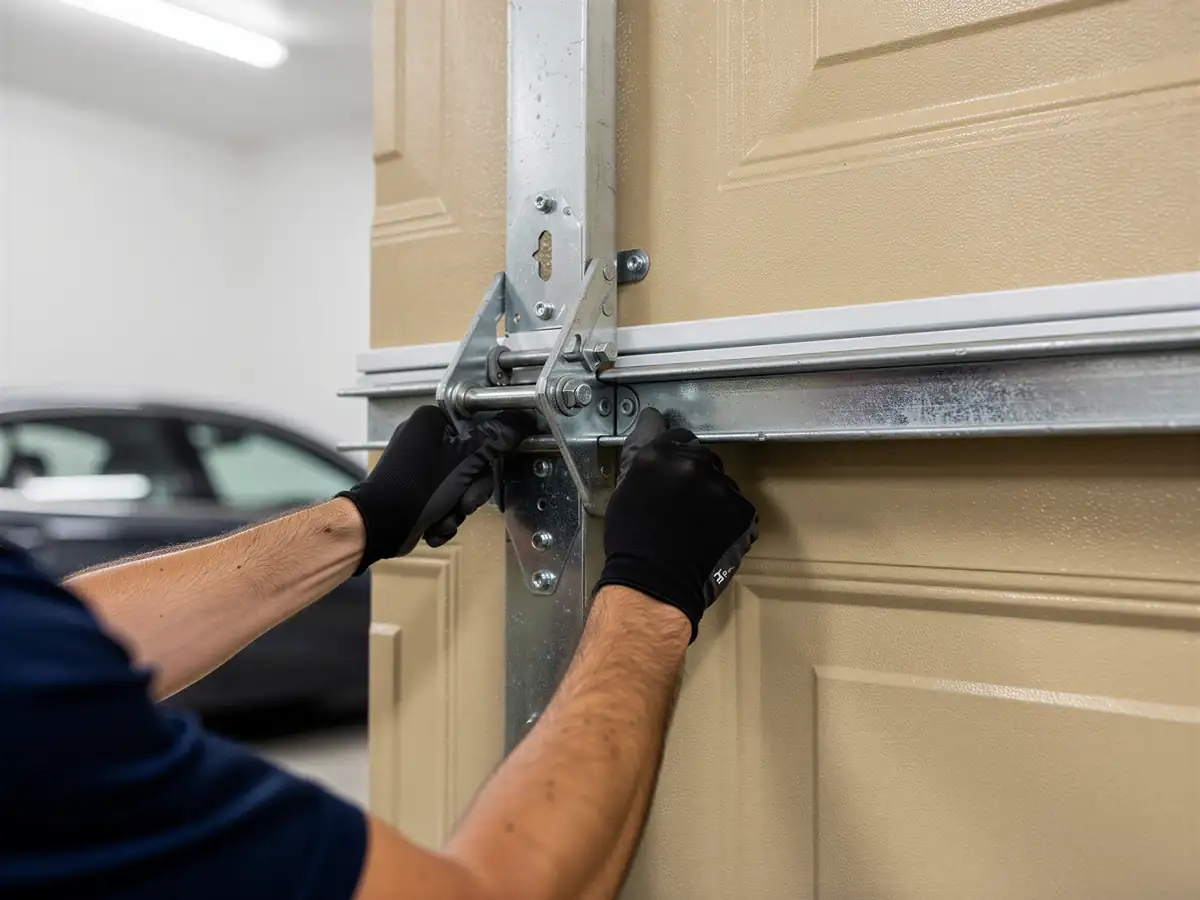
Owners usually call us about a door that's gotten loud, or one that's started hesitating partway through the open cycle instead of running smooth. On the older stock common in Garber, that hesitation is often a spring that's lost tension unevenly, or a cable starting to unwind at the drum rather than a motor problem. We also hear about doors that have gotten heavier to lift by hand - a sign the spring is already partway gone, not a sign to wait it out. With roughly 223 households in Garber relying on this older generation of doors, the pattern repeats enough that we recognize it on the phone before we even get out there: age of the house, description of the noise, and which direction the door sticks usually tells us most of what we need to know before we load the truck.