Time on the Job
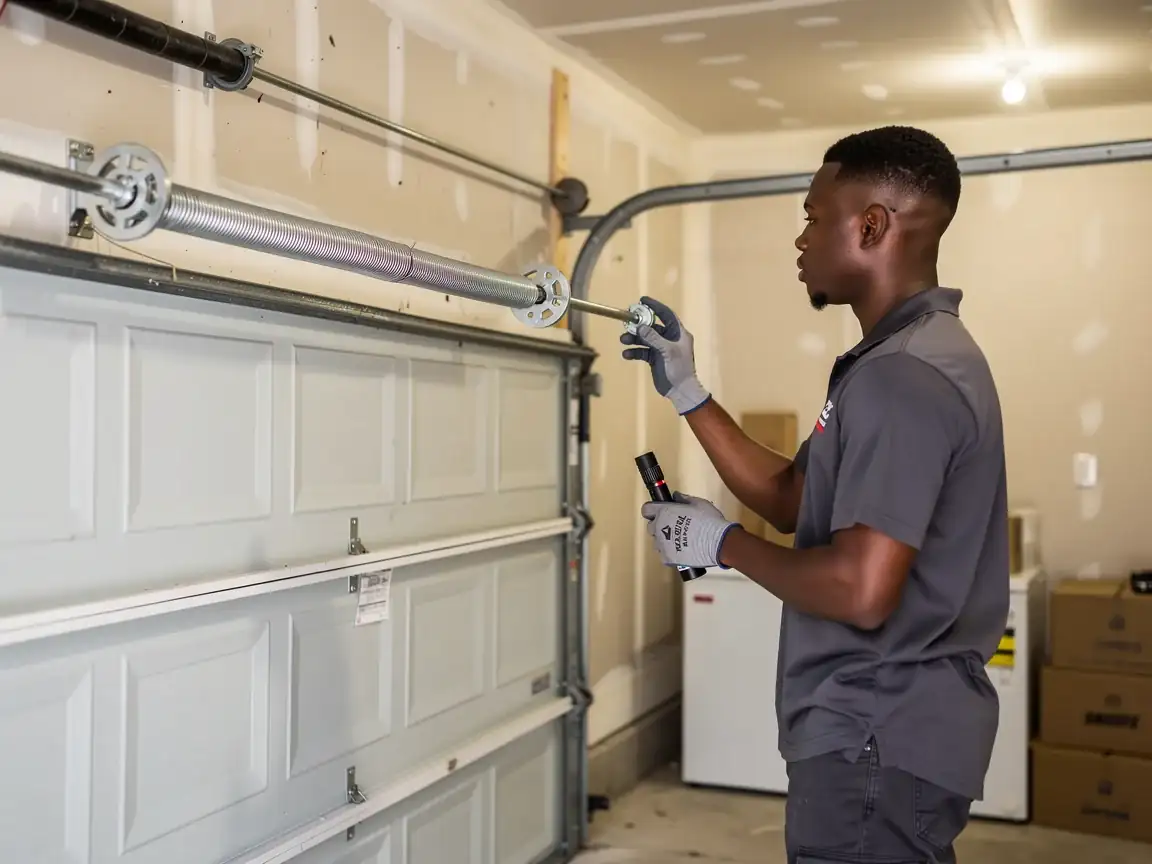
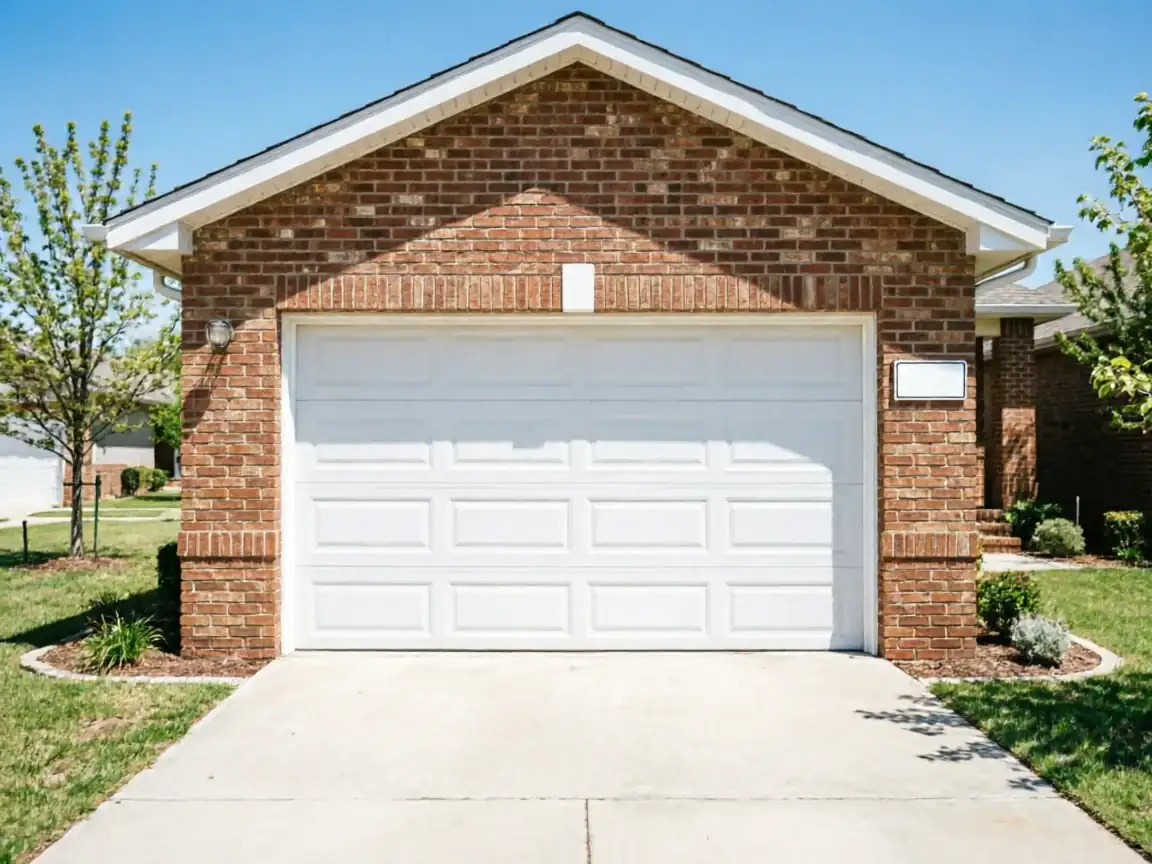
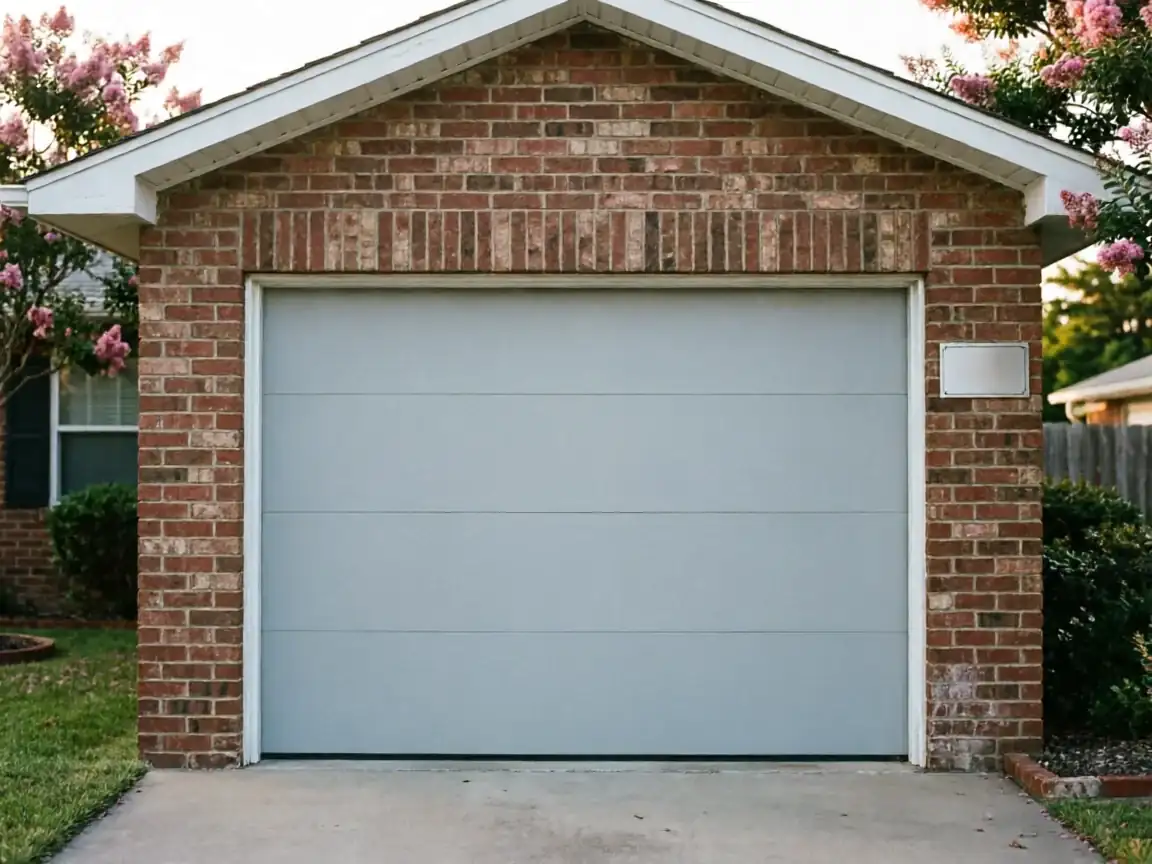
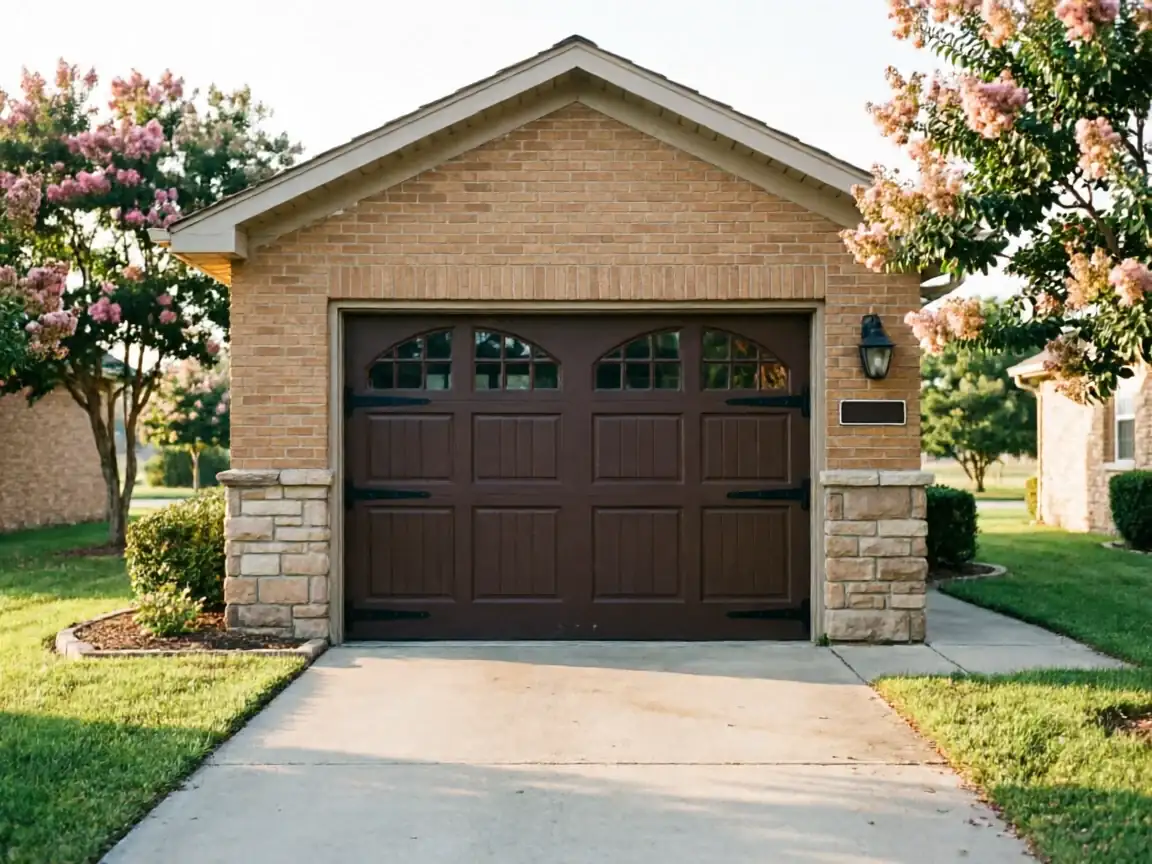
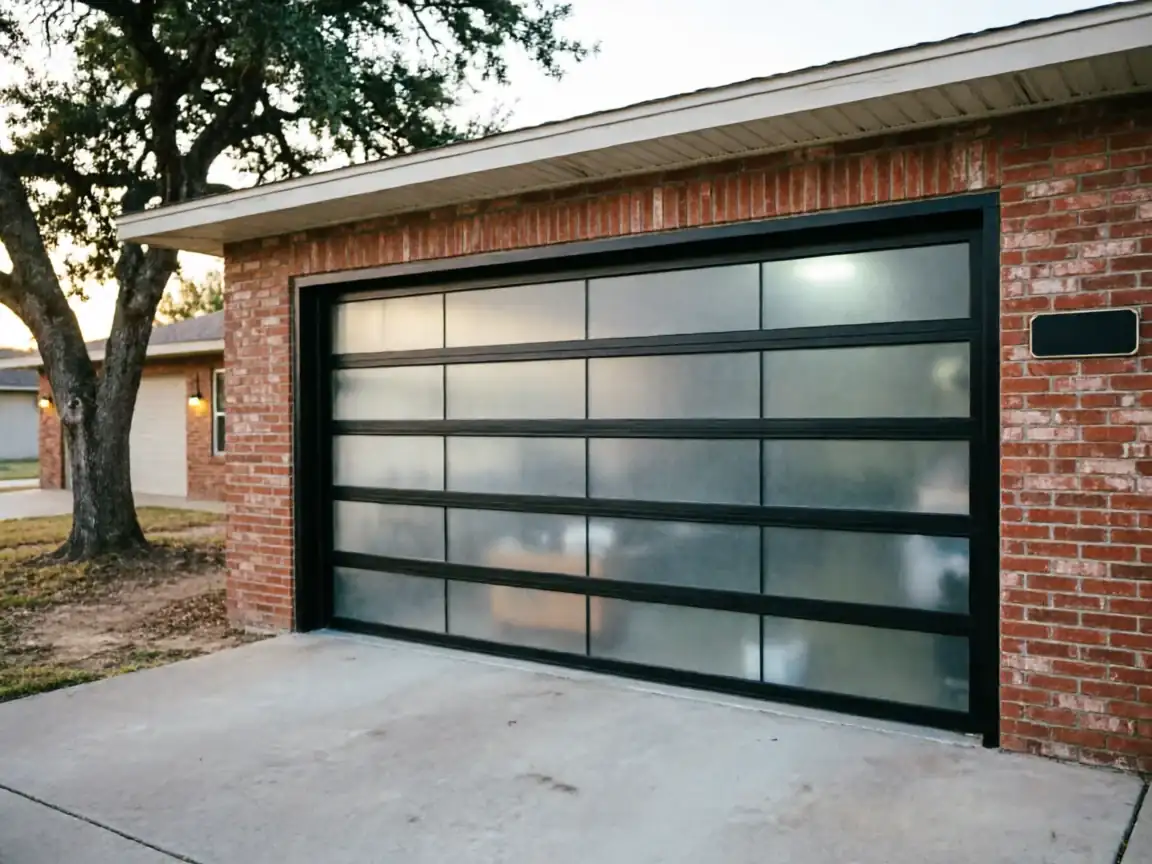
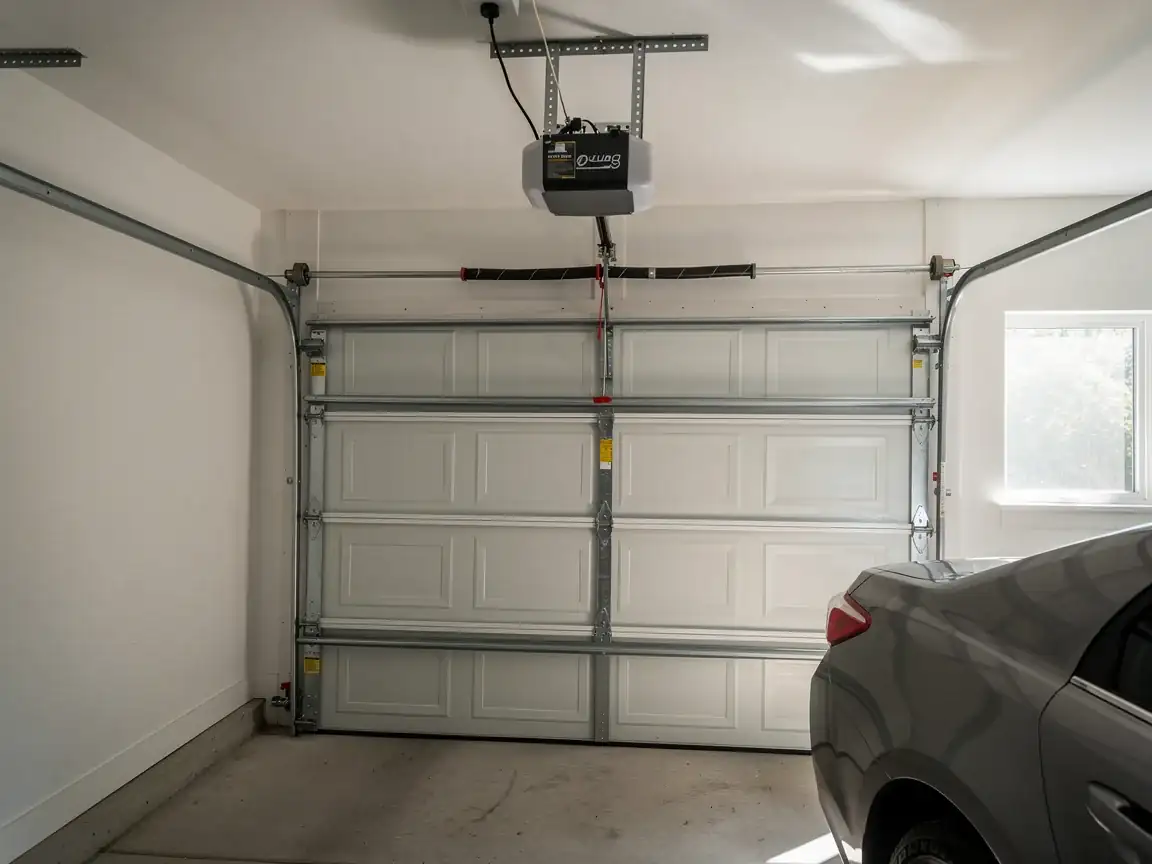
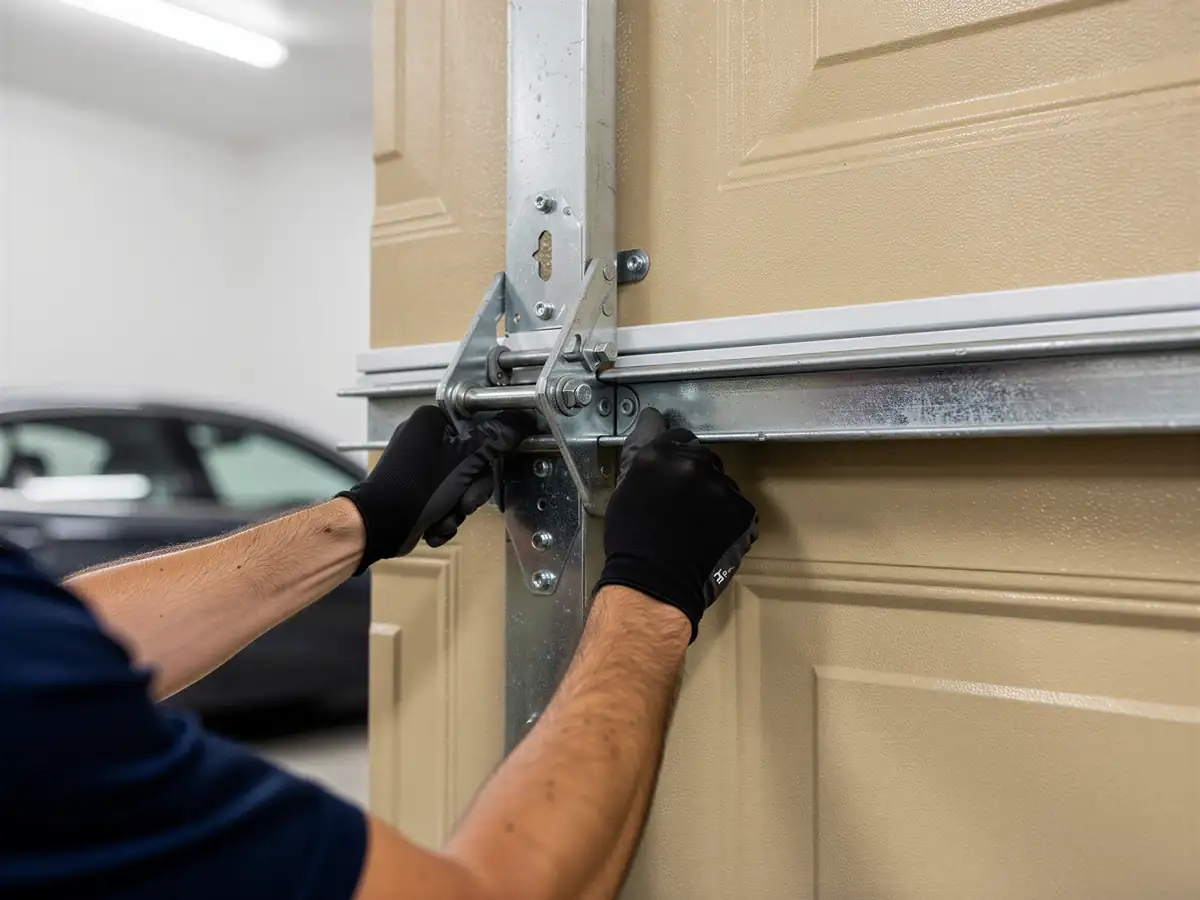
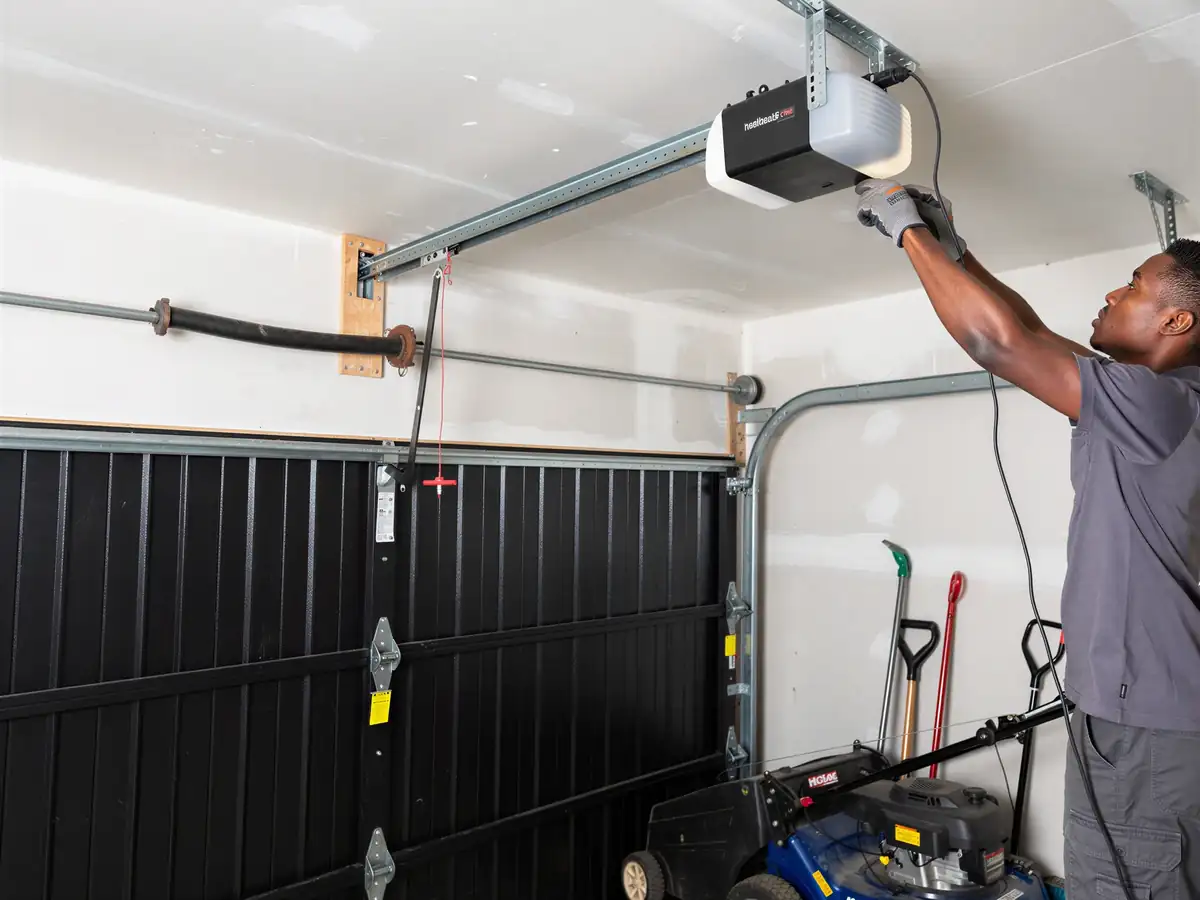
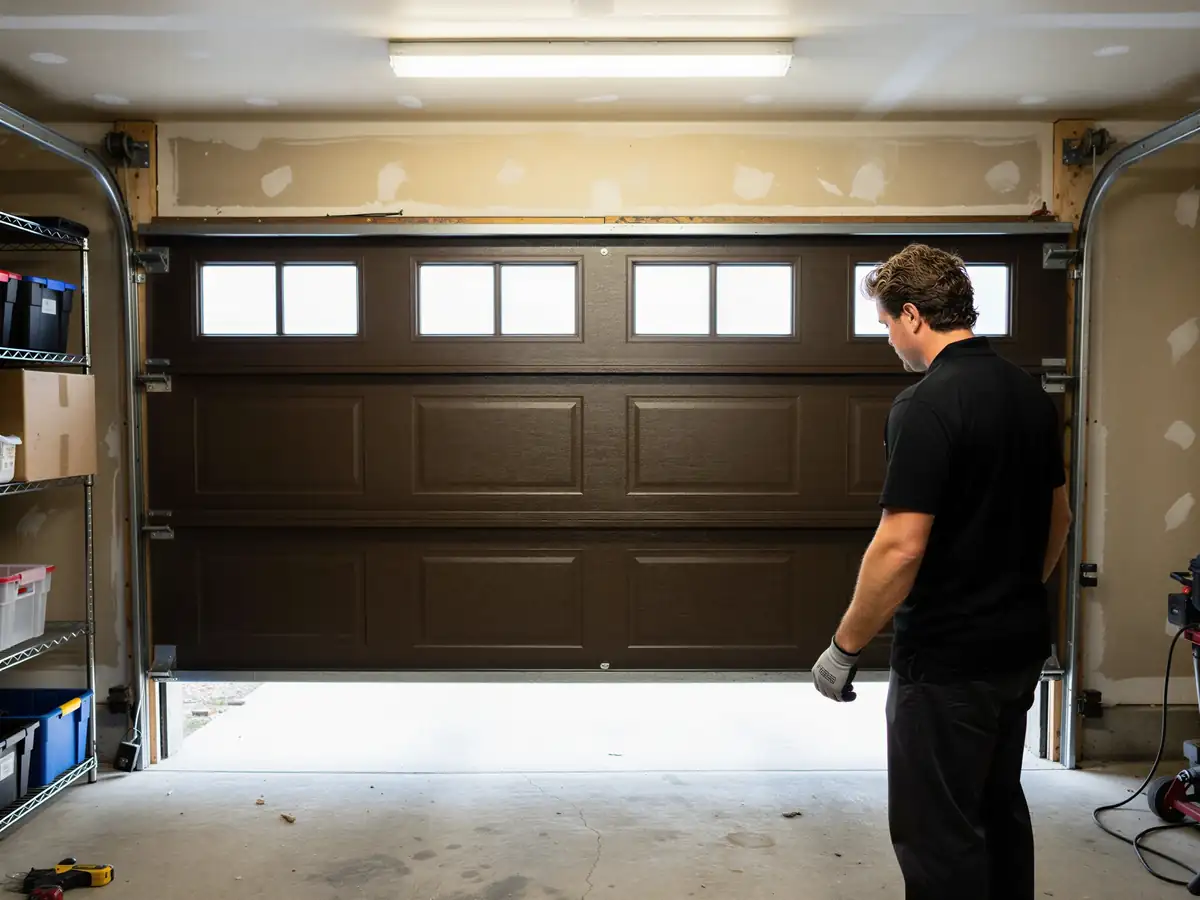
Garber went up mostly around 1962, which puts most of its garage doors and openers well past the age where original hardware is still doing the job it was built for. A door installed when a house was built in 1962 has had sixty-plus years of spring cycles, track wear, and panel fatigue - even with a replacement opener bolted on somewhere along the way, the door itself, the track, and the spring setup are often original or close to it. We come out from Enid, 16 miles away, to walk a door down to the studs: hinges, rollers, cable condition, spring wind, and whether the opener's force settings still match a door that's heavier than it was new. On a tract of this age, half the job is figuring out what's original and what's been patched.
What It Costs
We don't quote a maintenance price here without seeing the door - a single steel door with one spring is a different visit than a double door with two, and a door that's been limping for years costs more to bring back than one that's been checked every season. What we can say: a maintenance visit is cheaper than the emergency call that follows a snapped cable or a seized opener gear, and on a house built in 1962 those failures tend to come in clusters once one part starts going. If you want a number for your door, that's a conversation on site, not a guess over the phone.
Why This Fails Locally
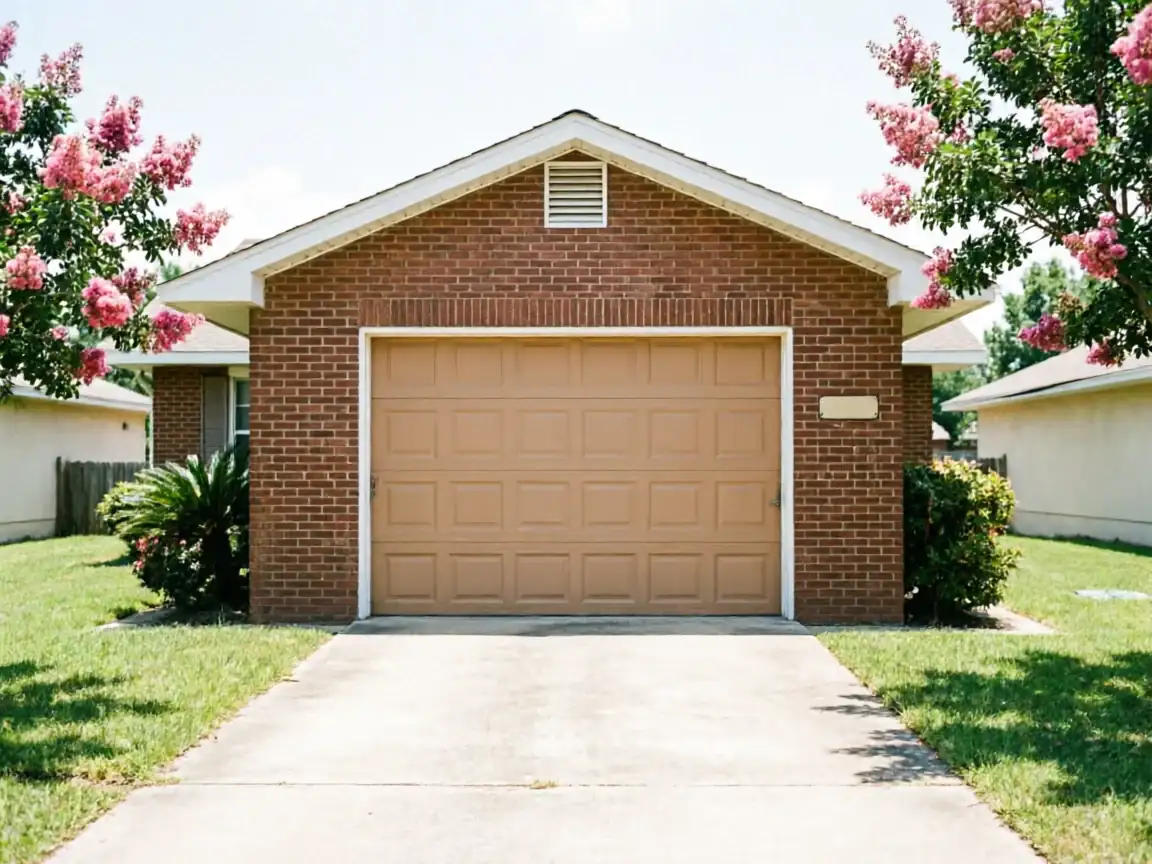
Garber's cold winters put real stress on hardware this old. Steel contracts in low temperatures, and a spring already fatigued from sixty years of cycling loses tension faster in cold weather than a newer one would - that's when a marginal spring finally lets go, usually on the coldest morning of the year. Houses built in 1962 also tend to have single garages with lighter framing around the door opening than later construction, so a sagging track or a slightly racked door puts more strain on the opener than the opener was built to handle. None of this is unique to one house - it's the pattern across Garber's housing stock, and it's why a maintenance check matters more here than on a door installed in the last fifteen years.
How It Shows Up
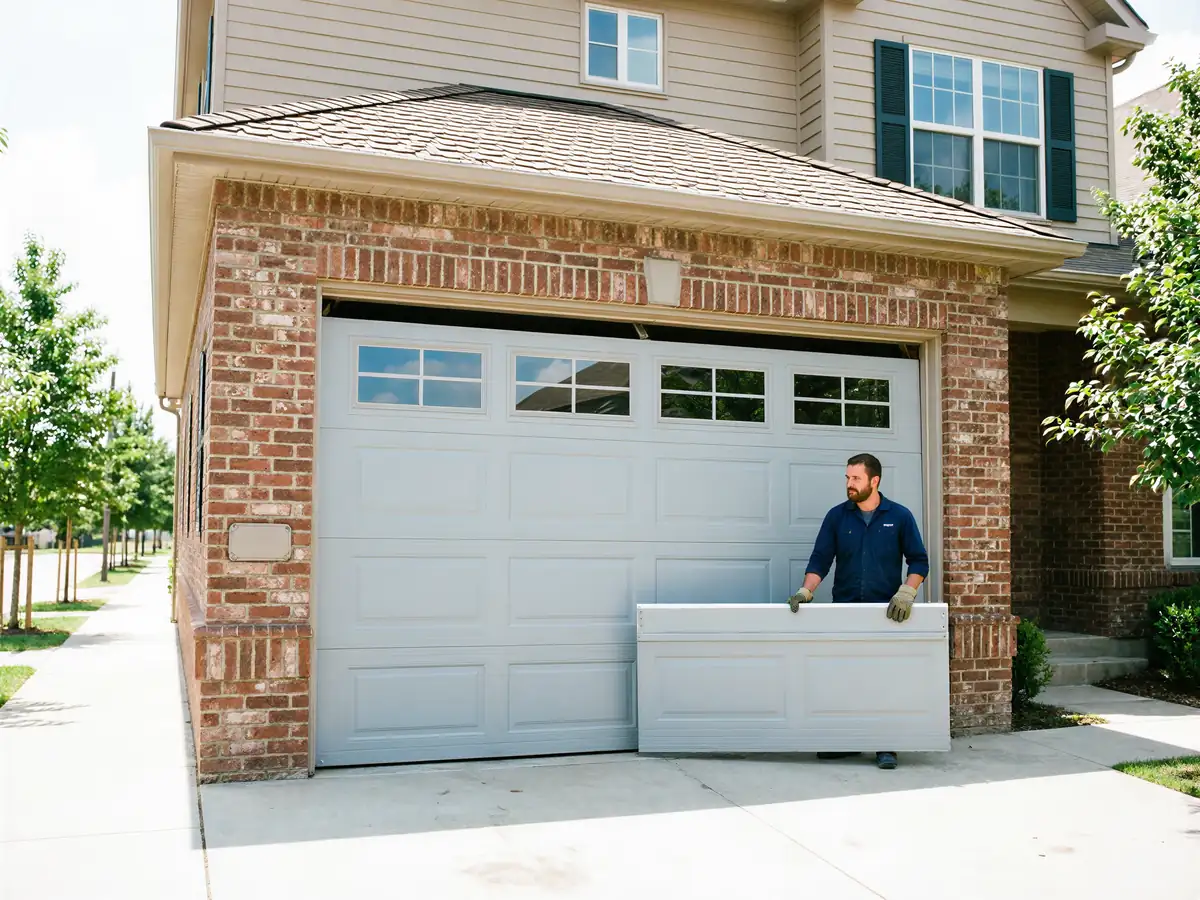
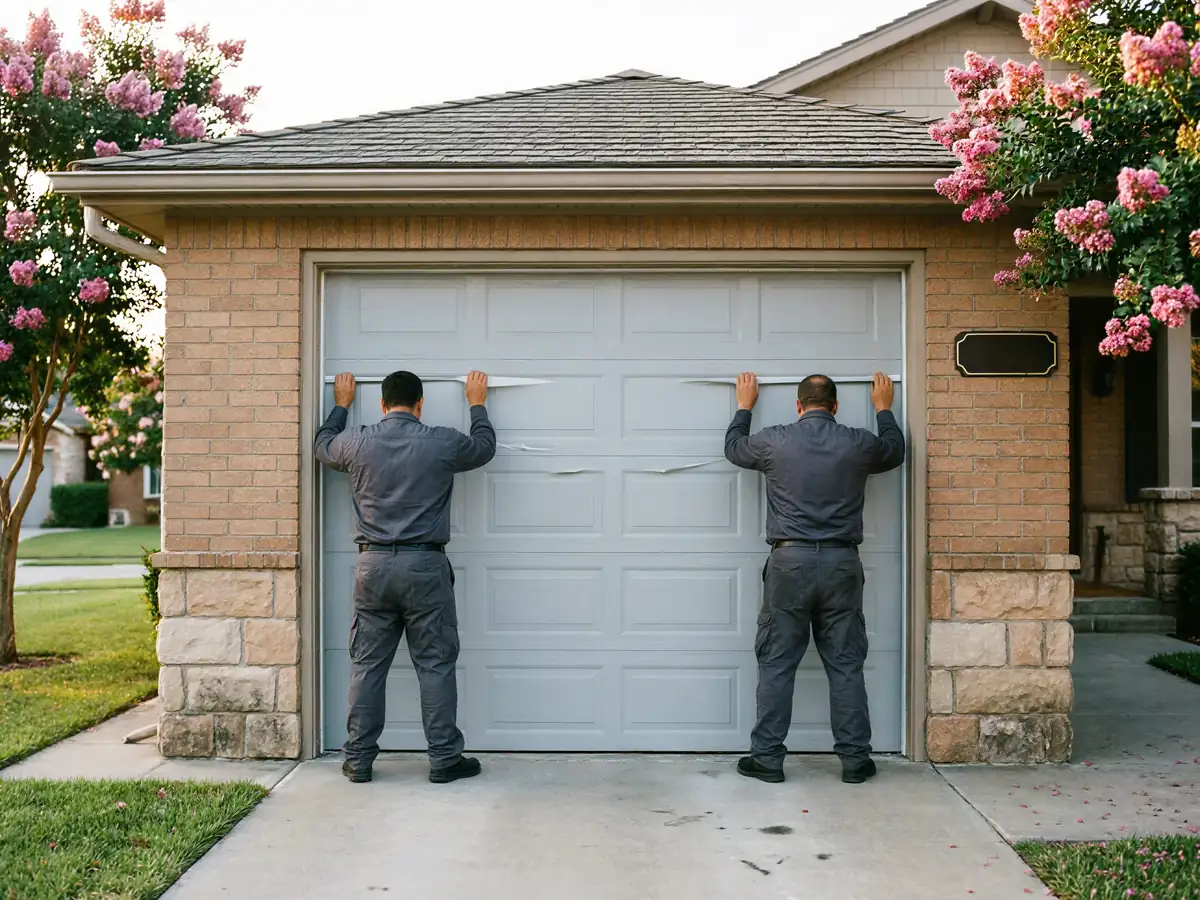
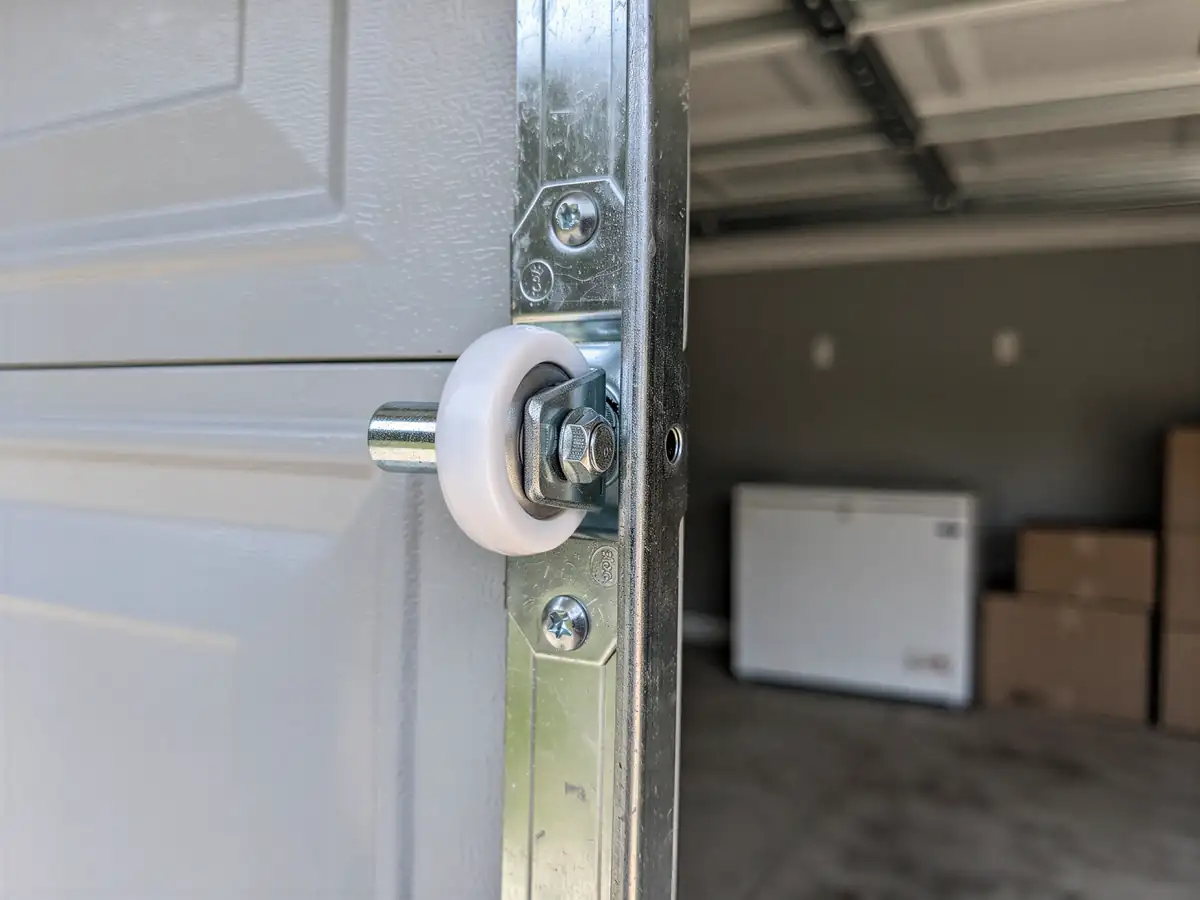
The first sign is usually noise - a grinding or popping on the way up that wasn't there a year ago, which on a door this old is often a roller finally giving out or a spring starting to lose coils. The second is a door that reverses or stalls partway, which points to an opener straining against resistance it shouldn't have to fight: a track that's drifted out of alignment over decades of settling. Some owners notice the door closing crooked, one corner dropping before the other - that's a cable or a spring on one side carrying more load than its partner. None of these start as emergencies. They start as a sound you get used to, until the day the part finally fails.