Time on the Job
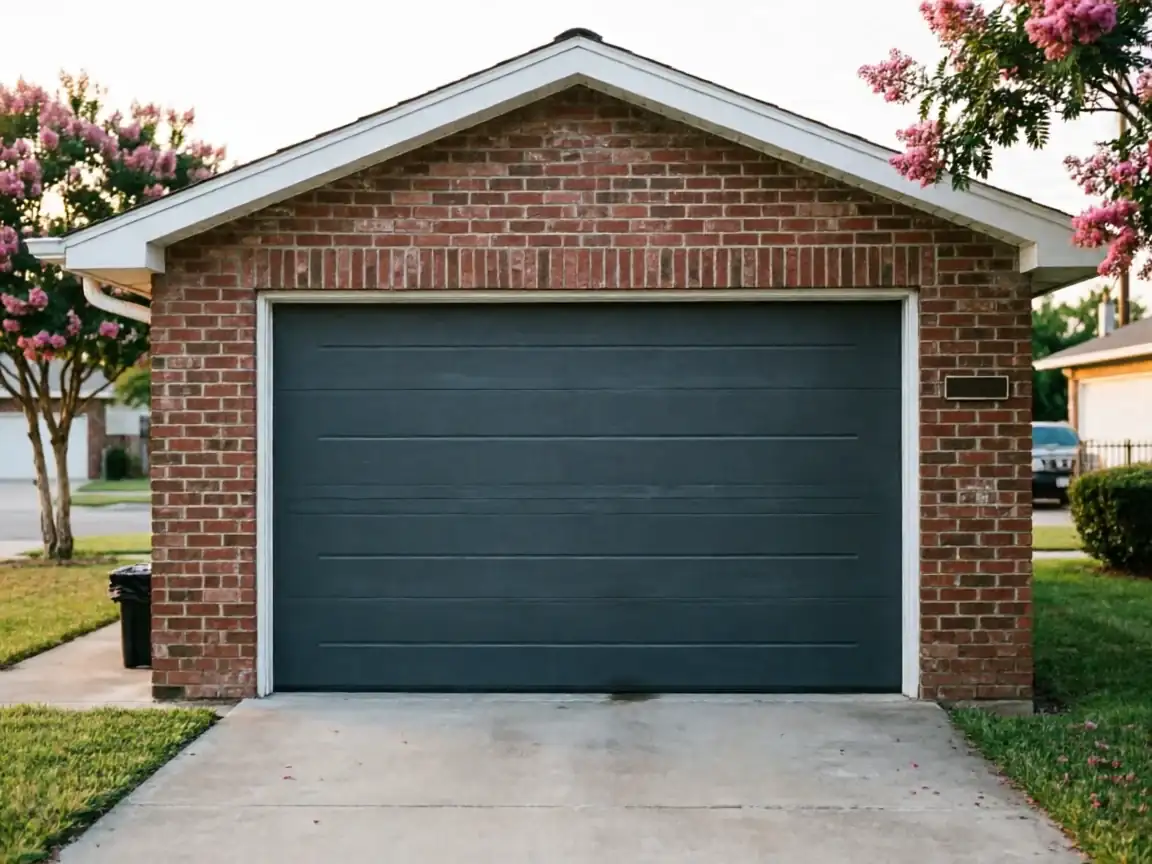
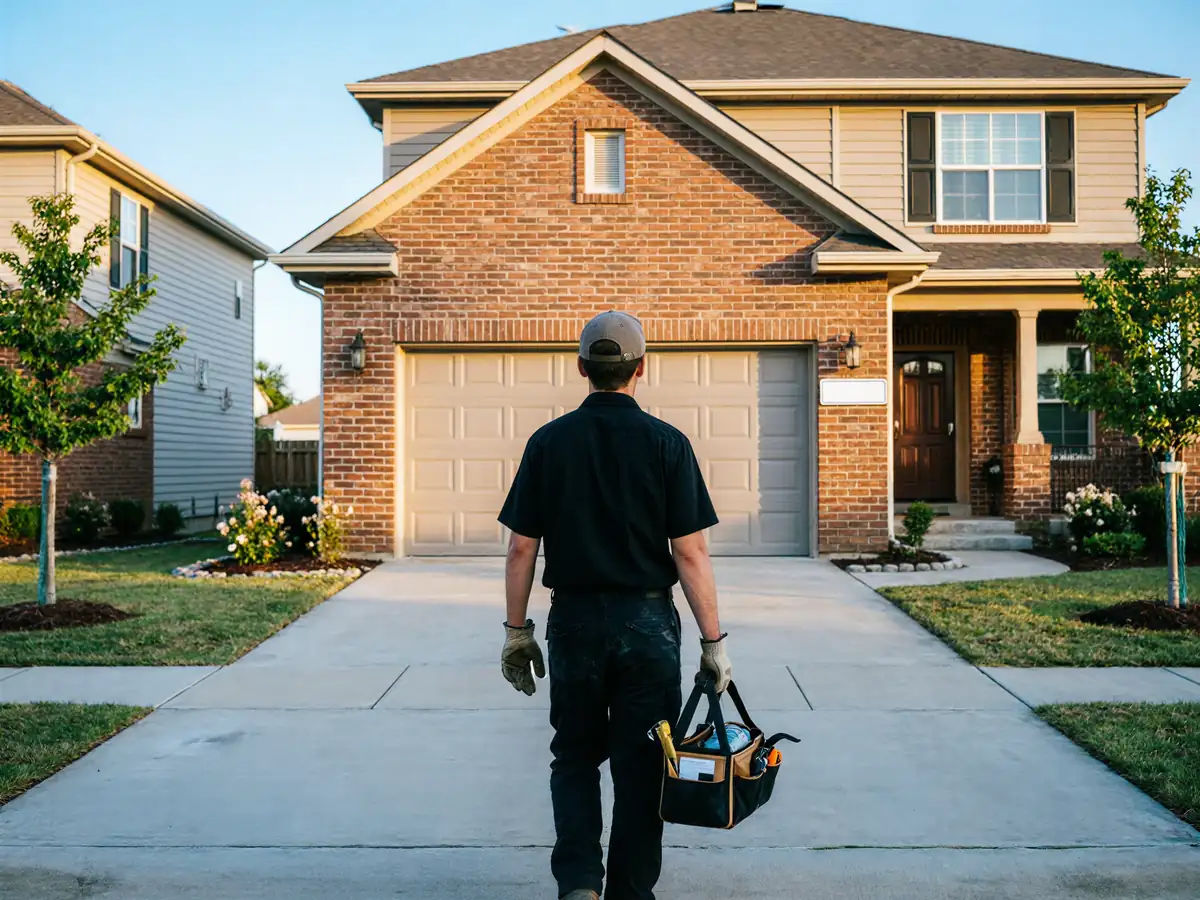
Garber sits about 16 miles from our shop in Enid, roughly the same stretch as the drive out to Kremlin. We don't keep a crew stationed in town, so every job here starts with that drive, same as it does for Waukomis or Covington. What's different about Garber isn't the distance - it's the houses waiting at the end of it. Most of them went up around 1962, a full decade ahead of the 1972 median that covers the rest of the area we service out of Enid. That matters more than the mileage, because a door installed in 1962 and a door installed in 1972 are not running the same hardware, even if they look similar from the street. We bring parts sized for both eras because we never know which one we're pulling into until we're standing in the driveway. If a job needs a part we don't carry on the truck that day, we say so up front rather than guess and come back twice.
What It Costs
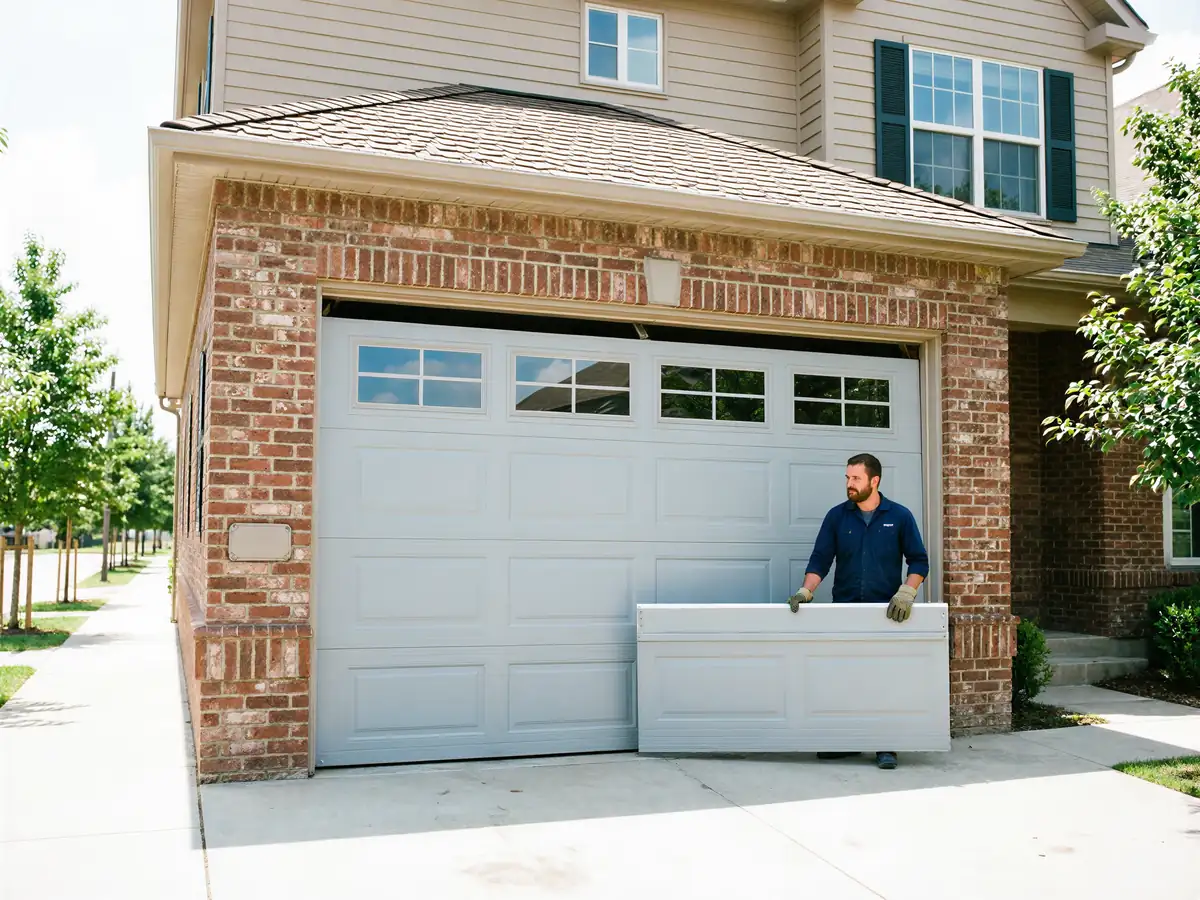
We don't publish a flat price for Garber because the cost swings on what's actually broken - a cable off its drum is a different job than a cracked wood panel that's been absorbing moisture since the Johnson administration. What we can tell you is that income in this area runs around $63,869, and most of the calls we take here are repair calls, not full replacements. Owners fix the spring, the opener, or the section that's failing rather than gut the whole door, because the rest of the door built in that era is often still sound. We'll always quote the actual repair once we've seen the door and the opening, not before. If a door is far enough gone that patching it is just delaying the inevitable, we'll tell you that too - sometimes the honest number is the one that points toward replacement instead of another repair bill.
Why This Fails Locally
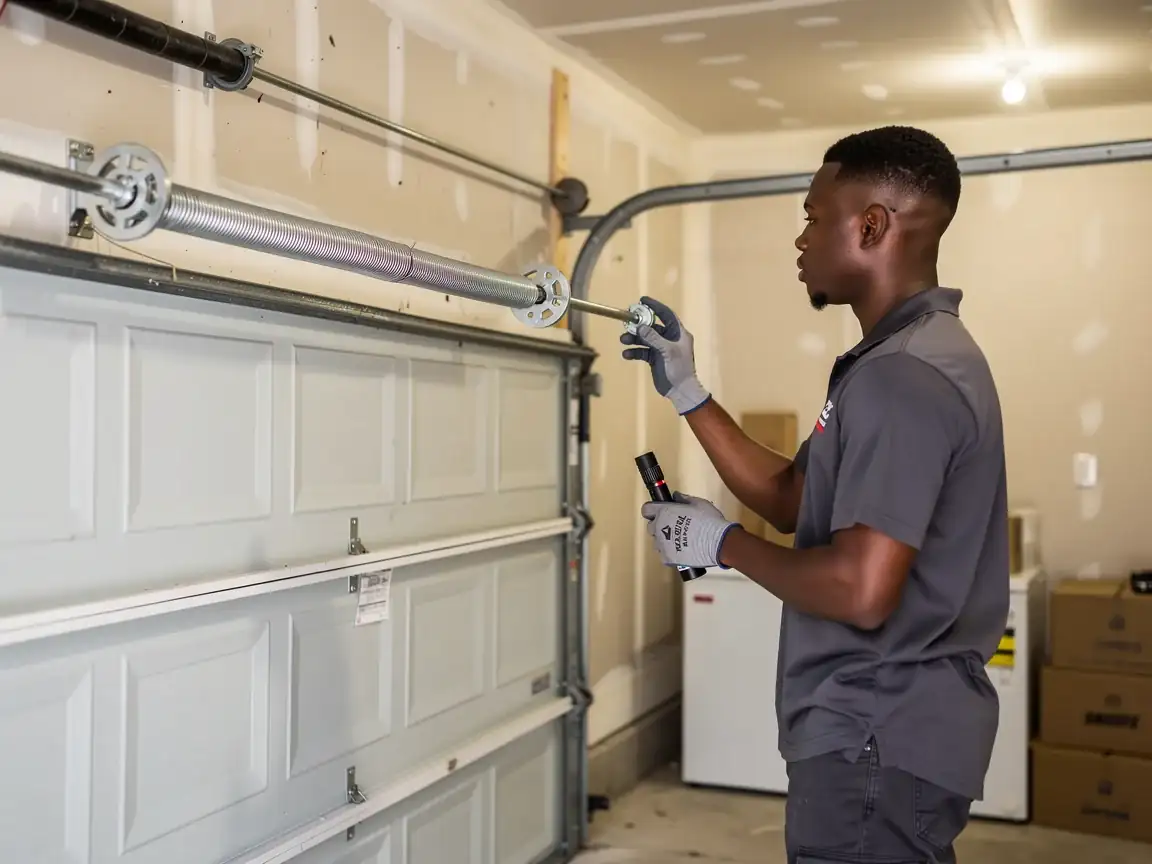
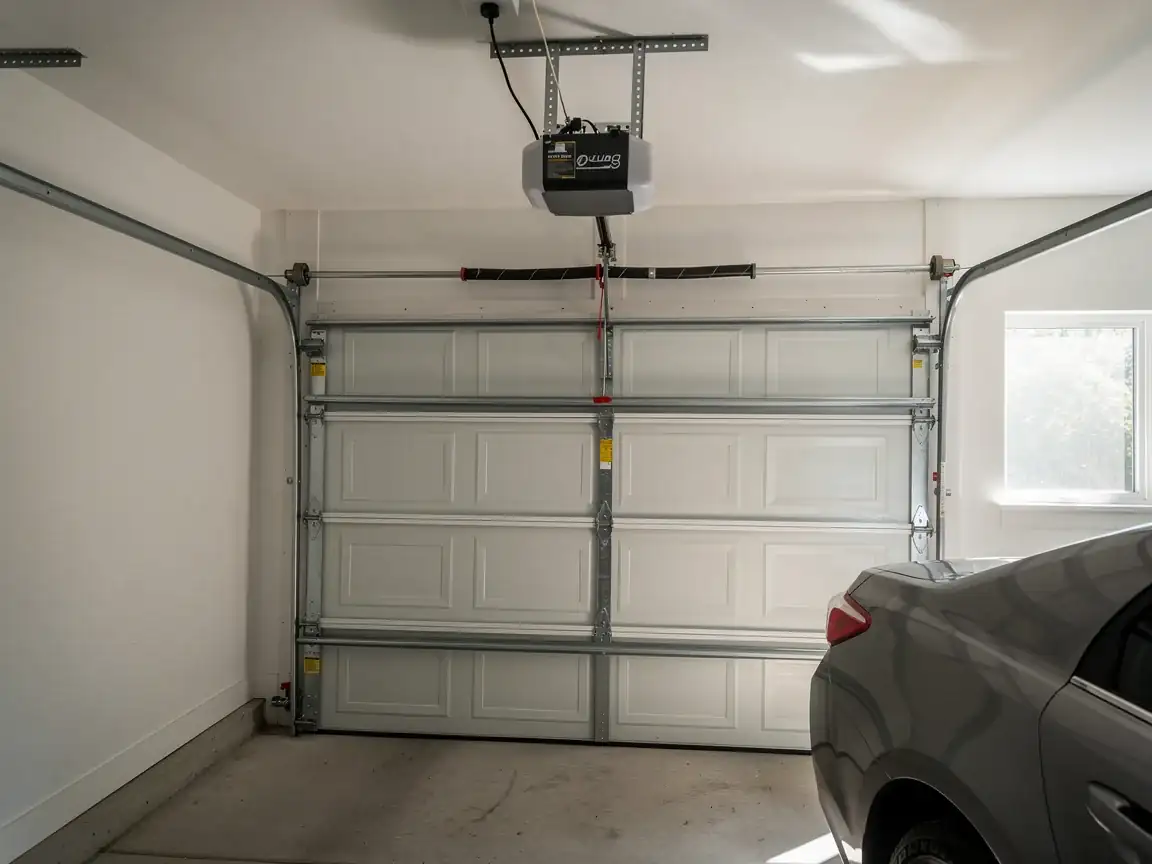
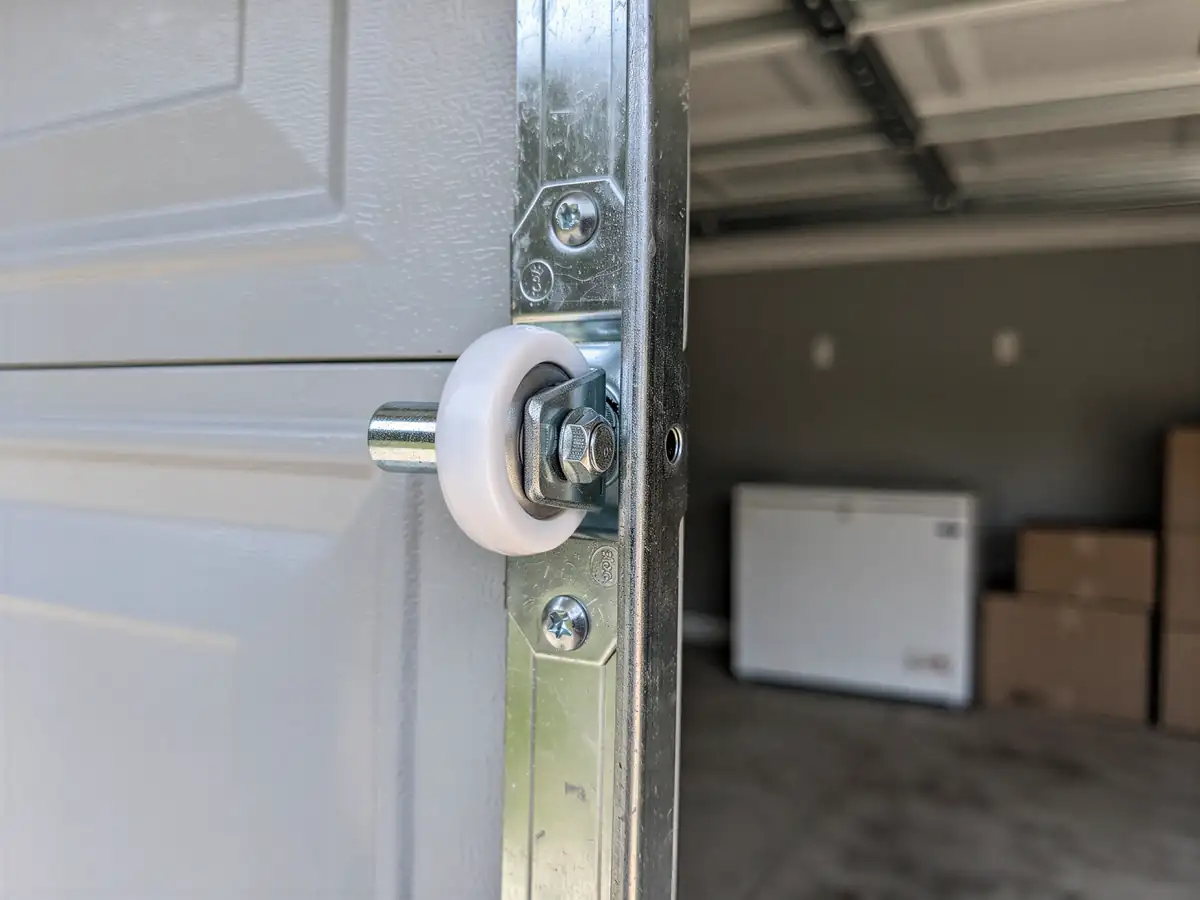
Doors built around 1962 in this cold-moderate climate band were put up with torsion springs rated for a cycle count that factored in far fewer freeze-thaw swings than six decades have actually delivered. Every winter the steel contracts, every spring it lets go again, and that expansion and contraction fatigues the coil faster than a spring sitting in a mild, stable climate ever would. A spring that might have another five years left in a warmer region is often past due here. The same goes for galvanized cable, which corrodes a little more with every freeze cycle it rides through. None of this is unique to one house - it's the standard wear pattern for 1960s-era hardware sitting through this area's winters for sixty years running. We don't treat every call as an emergency, because most of what we see is wear that's been building for a long time, not a sudden failure - but wear that's been building that long doesn't fix itself, either.
How It Shows Up
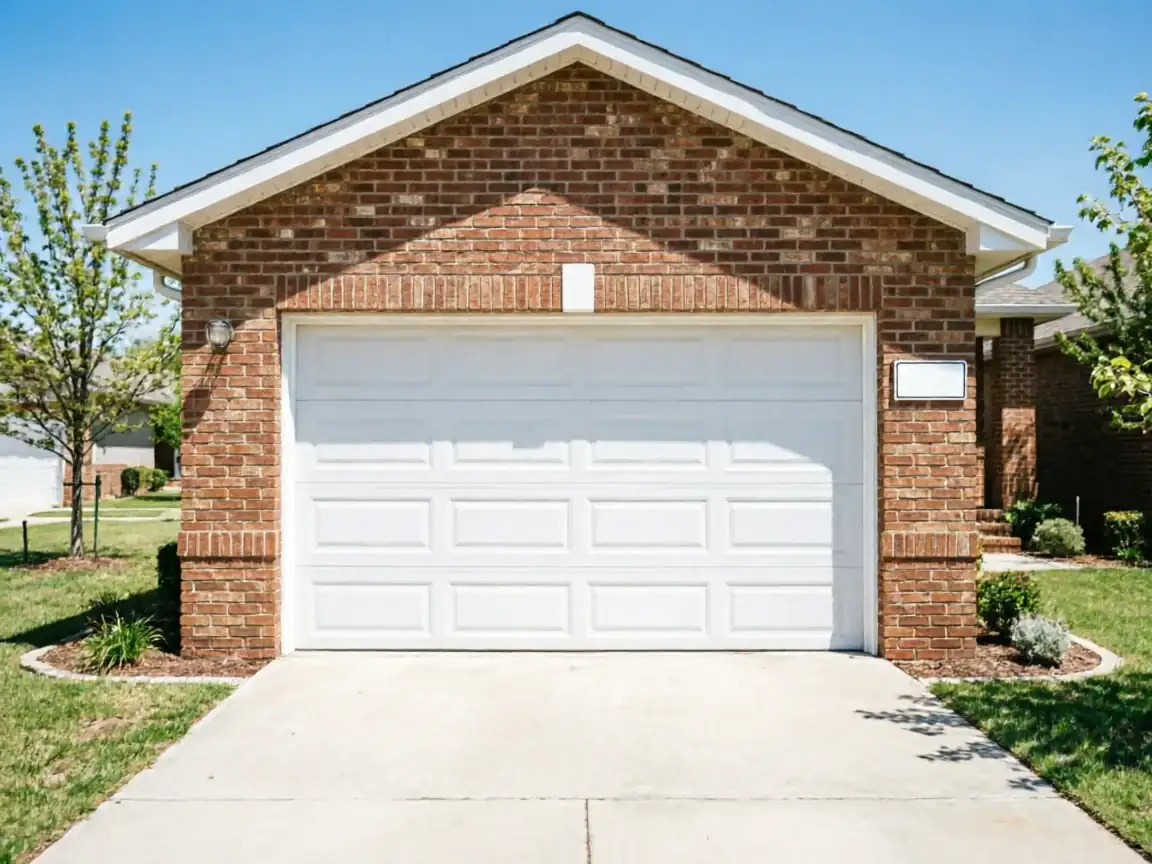
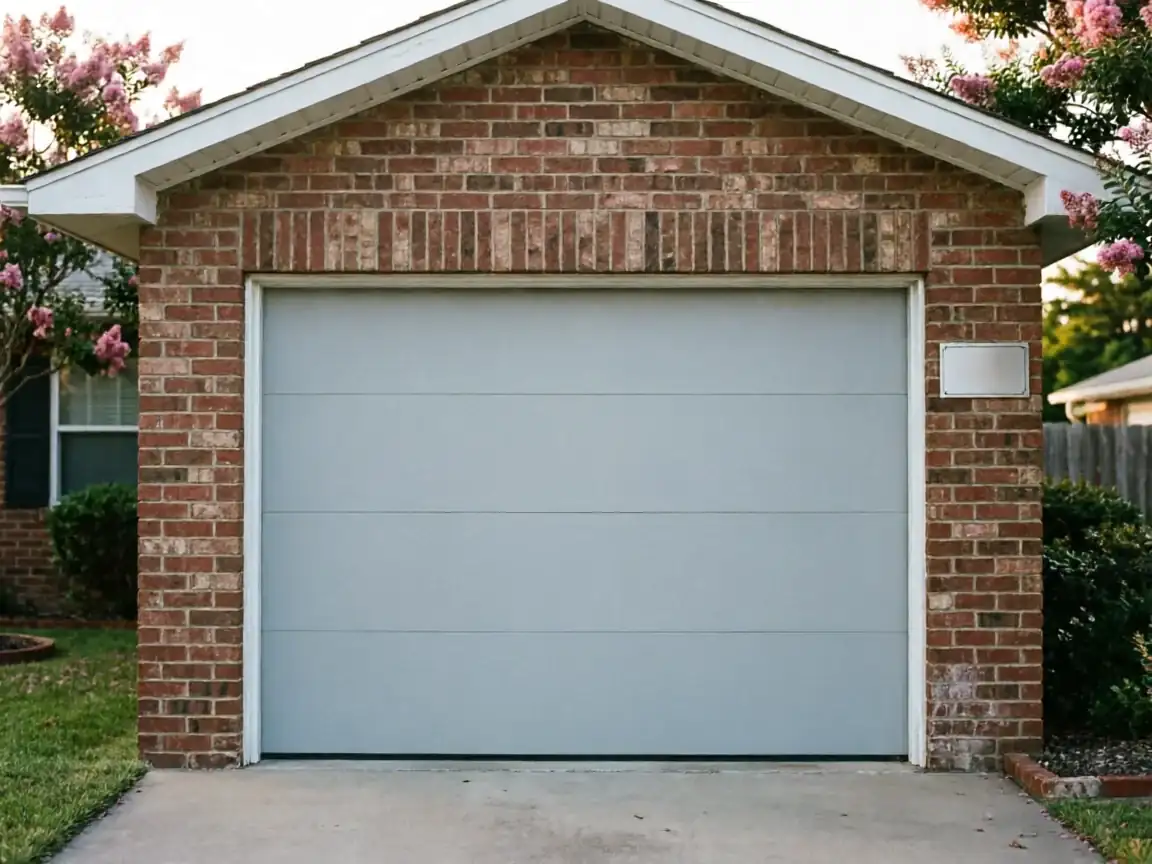
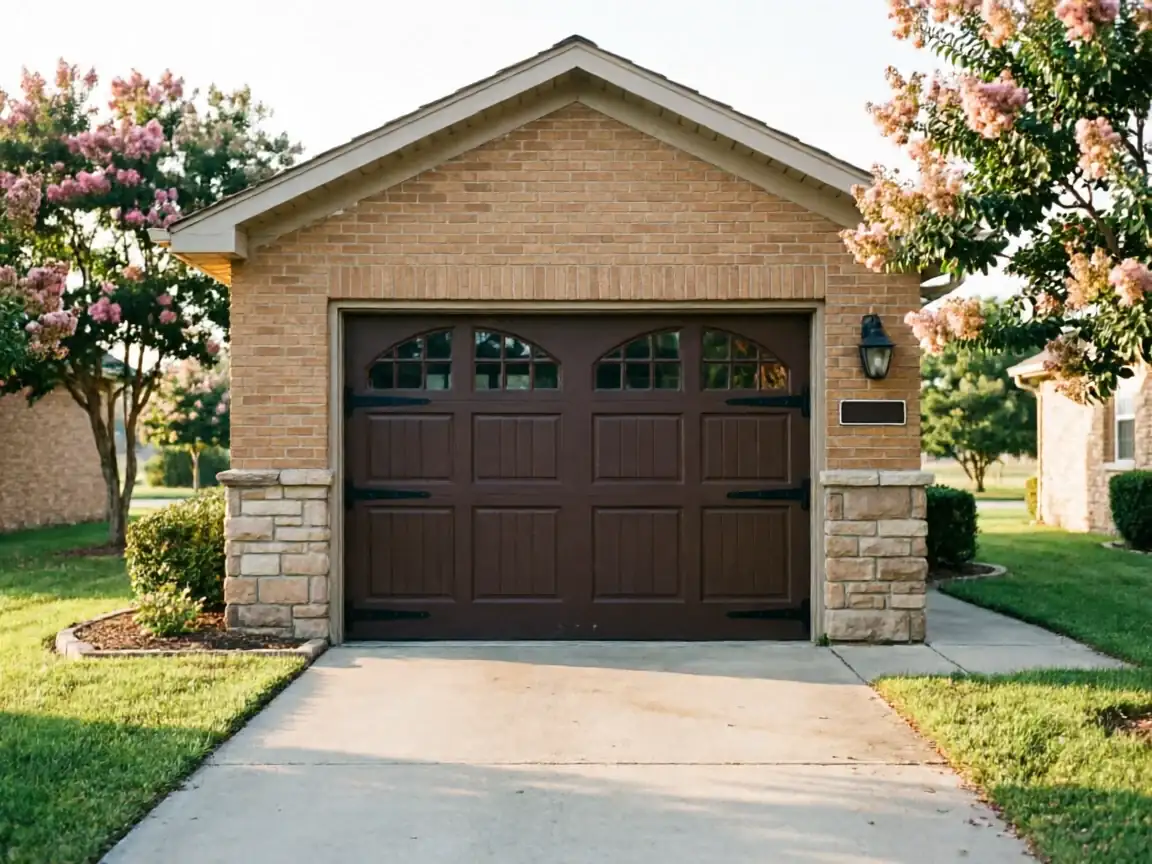
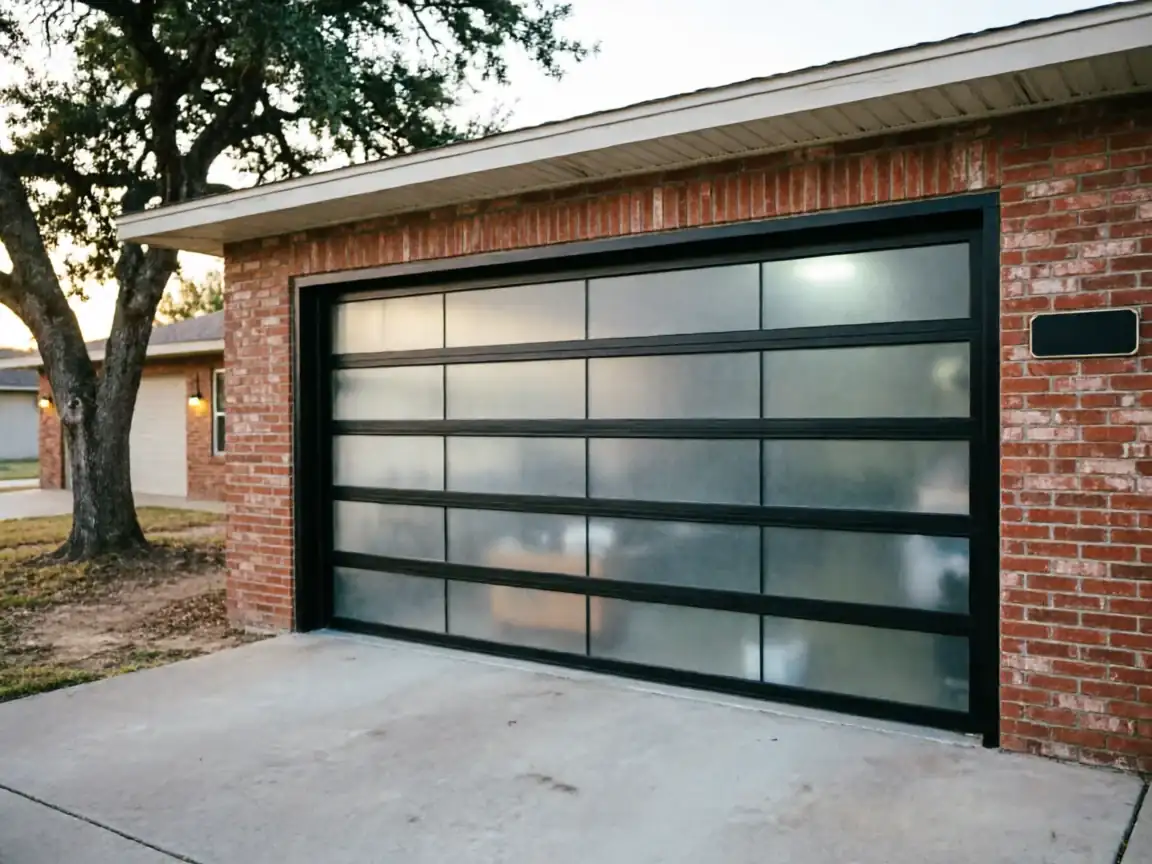
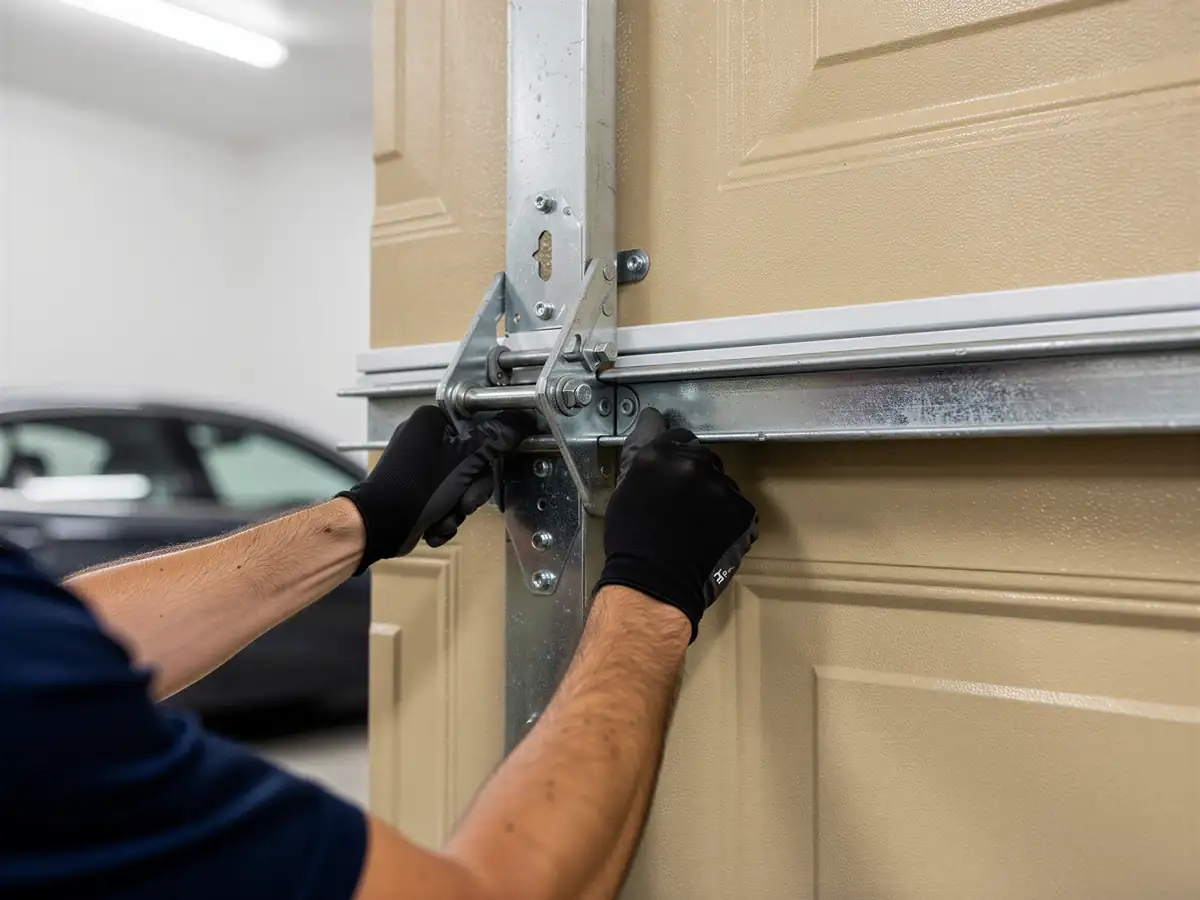
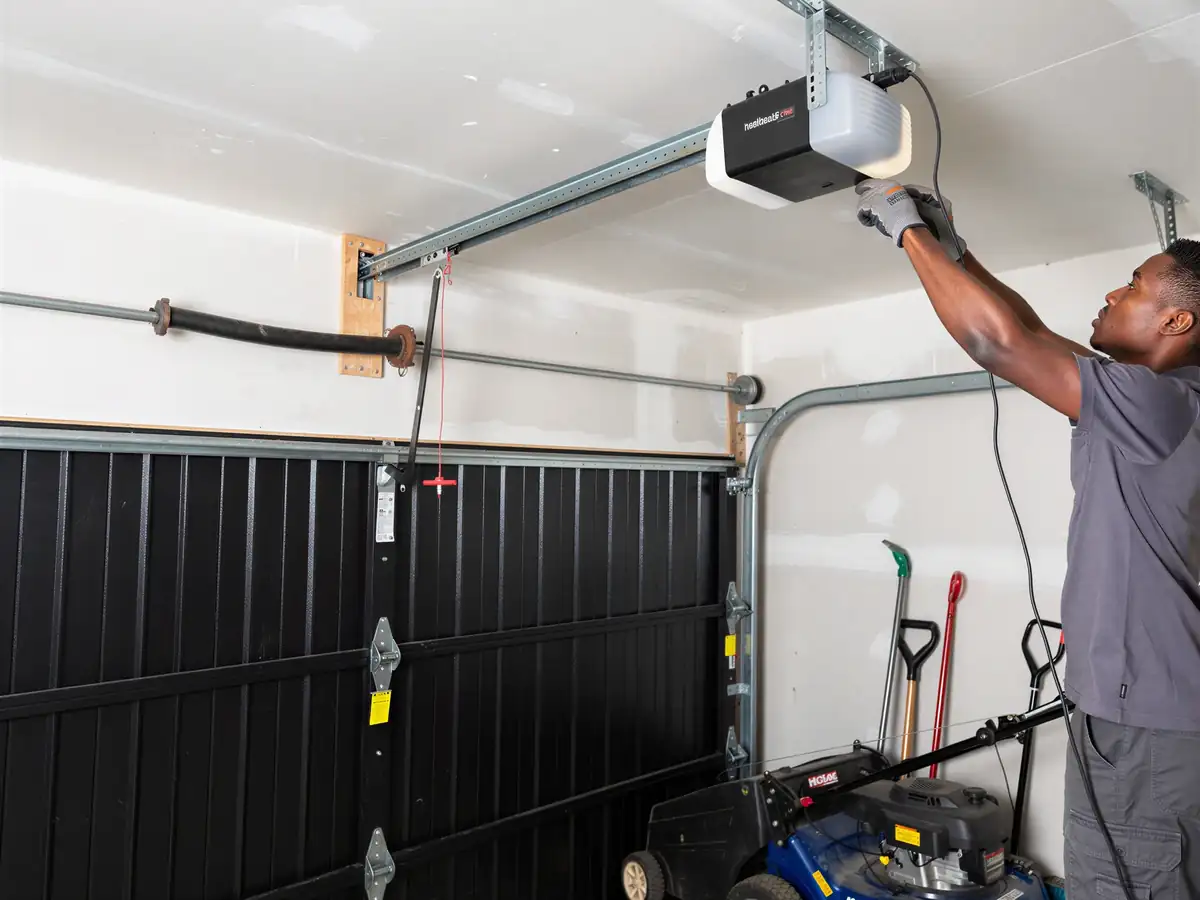
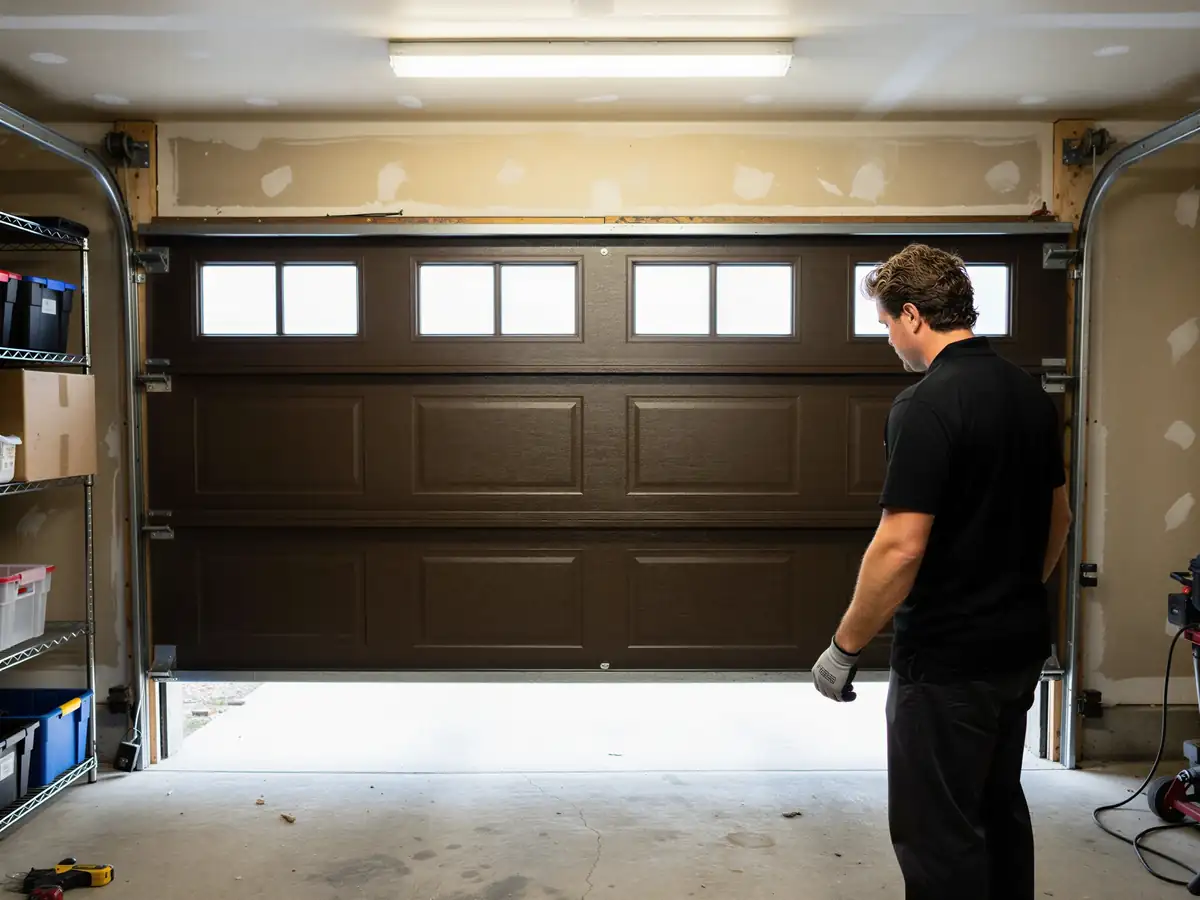
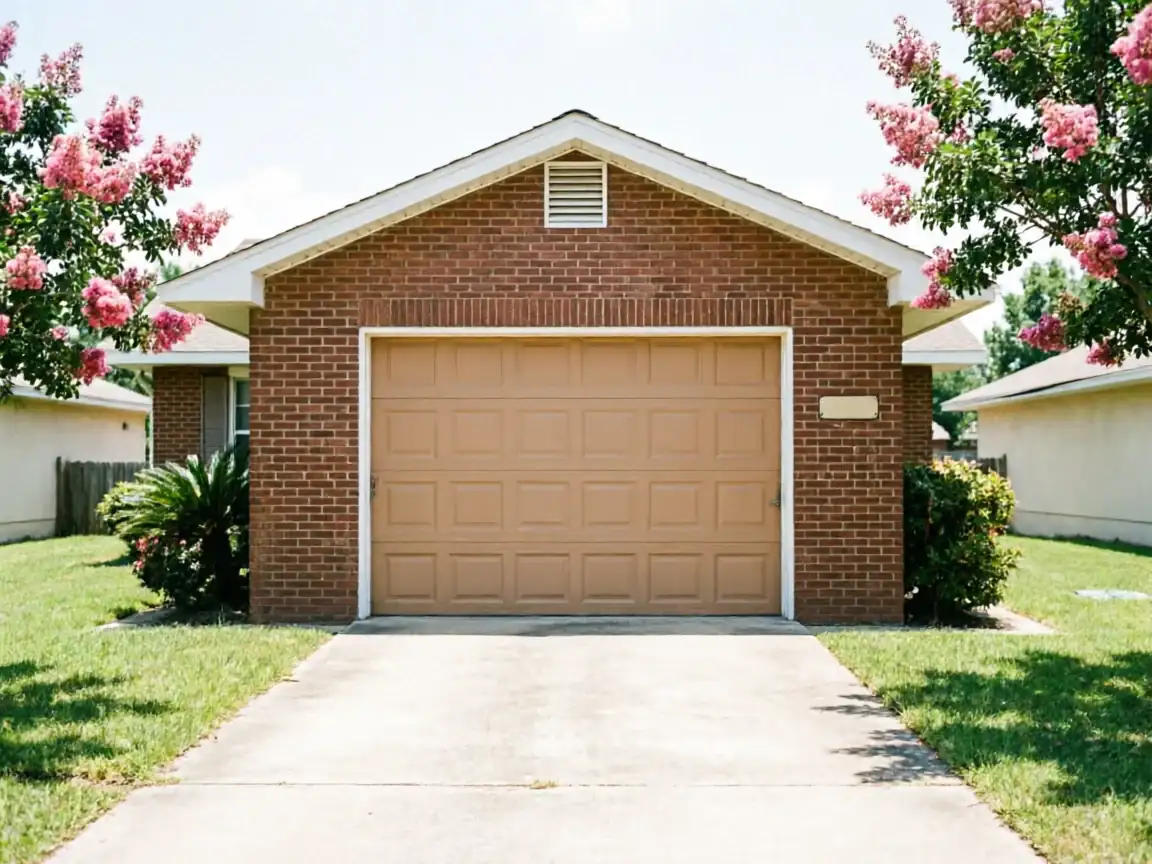
Garber only has around 223 households, so the calls we get out here tend to cluster by what era of door is failing, not by neighborhood - there isn't enough housing stock variety for that. The complaint is usually the same: the door groans going up, hangs unevenly on one side, or won't reverse cleanly when it hits the floor. On a 1962-era door, that's almost always the spring losing tension unevenly across a double door, or a cable starting to slip off a worn drum. Sometimes it's the opener itself, original or a later add-on, straining against hardware it was never sized for. We've also seen openers fighting a door that's simply heavier than it should be because insulation or weatherstripping was added over the decades without rebalancing the spring for the extra weight. It's a small, specific list of faults, and knowing the build year narrows it down before we even open the garage.